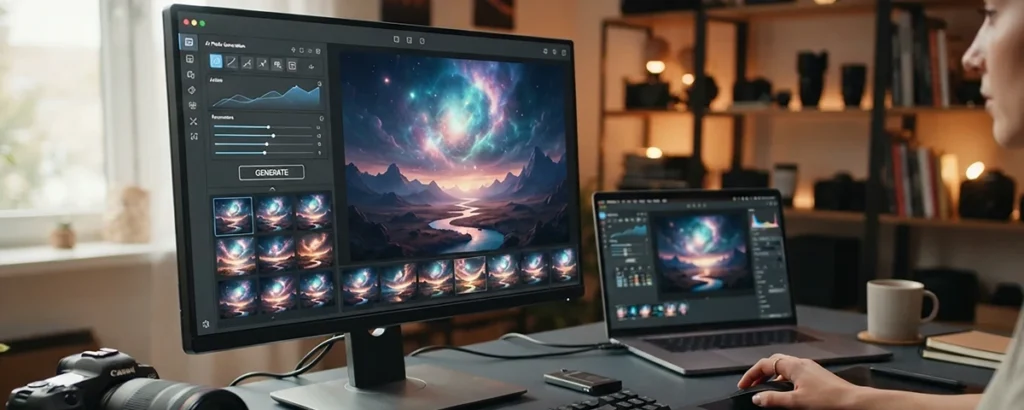


Discover the Best Artificial Intelligence Software for Interior Design – Features, Comparisons, and Expert Reviews
Top AI Platforms
Compare leading AI interior design software side by side
Feature Analysis
In-depth breakdown of capabilities and limitations
Pricing Guide
Cost comparison and value analysis across tools
1. Overview of AI Interior Design Software Landscape
The AI interior design software market has experienced explosive growth, with dozens of platforms competing to serve designers, homeowners, and real estate professionals. These tools range from simple mobile apps that suggest furniture arrangements to enterprise-grade platforms used by leading architecture and design firms. Understanding this landscape helps you select the right tool for your specific needs and budget.
The market can be divided into several categories. Consumer-focused apps prioritize ease of use and instant results, ideal for homeowners planning renovations. Professional design tools offer advanced features like photorealistic rendering, material specification, and project management integration. Real estate marketing platforms specialize in virtual staging and property visualization. Each category serves different users with different feature priorities and price points. For a wider view of the technology, see our interior design AI guide.
The technology powering these tools has advanced rapidly. Early AI design tools produced cartoonish renders with limited customization options. Modern platforms generate photorealistic images that rival professional photography, understand complex design styles, and learn from user preferences to provide increasingly personalized recommendations. The speed of improvement suggests today's cutting-edge features will become standard within months rather than years.
Integration capabilities have also expanded significantly. Leading AI design tools now connect with e-commerce platforms for direct purchasing, project management software for construction coordination, and virtual reality systems for immersive client presentations. This ecosystem approach transforms AI from a standalone tool into an integrated platform that supports the entire design and construction workflow from concept to completion.
2. Interior AI: Market Leader Analysis
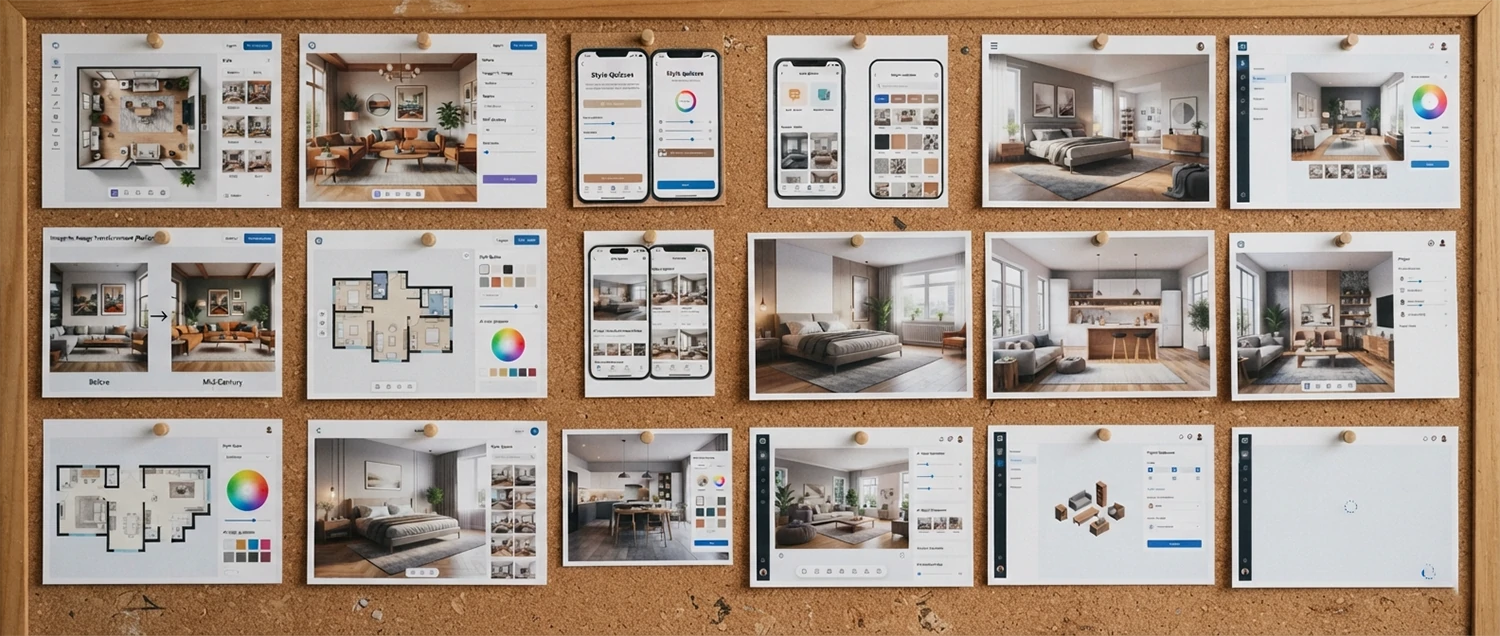
Interior AI has established itself as the leading platform in the AI interior design space, offering the most comprehensive feature set and highest quality output. The platform uses advanced diffusion models trained on millions of professionally designed interiors to generate stunning room transformations from simple photos or text descriptions. Its market dominance reflects consistent quality and continuous innovation in features and capabilities.
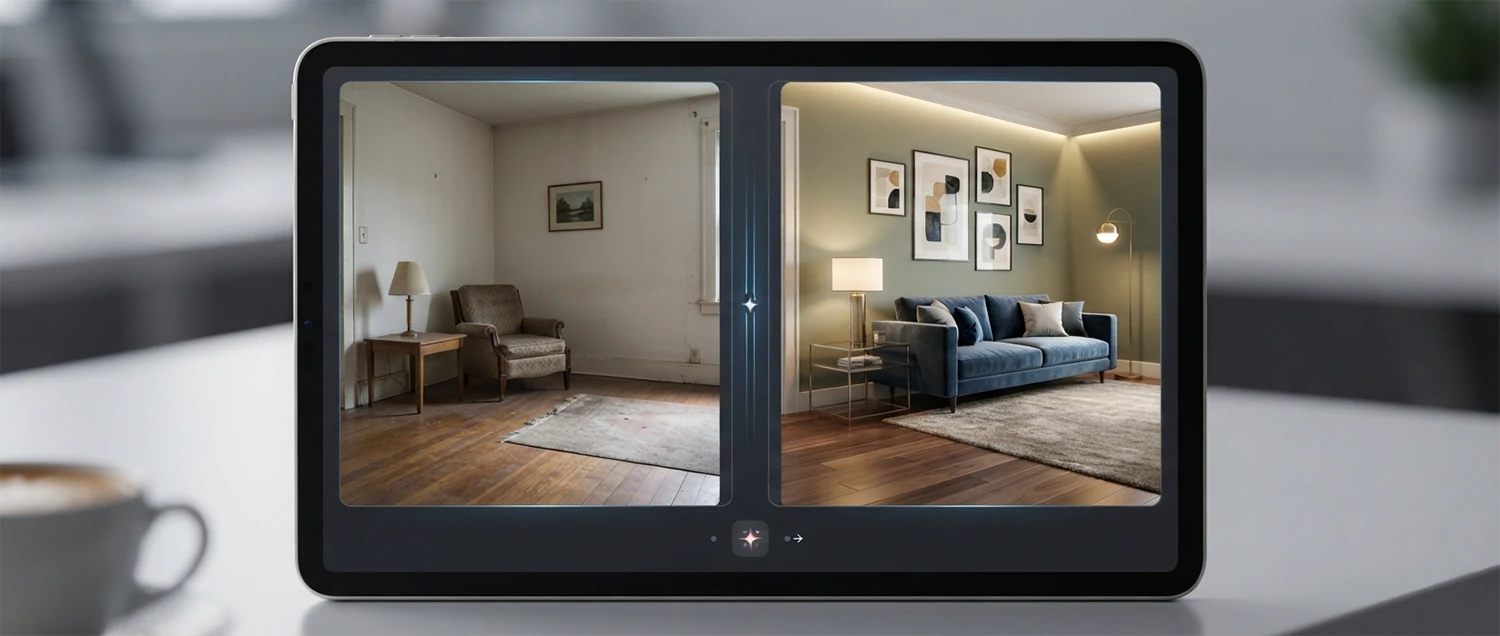
The core functionality allows users to upload a photo of any room and instantly see it redesigned in dozens of different styles. The AI accurately preserves the room's architecture, including window positions, doorways, ceiling height, and built-in features, while transforming finishes, furnishings, and decor. This architectural accuracy distinguishes Interior AI from general image generation tools that might alter structural elements or create physically impossible arrangements.
Style variety is a major strength of Interior AI. The platform offers hundreds of predefined styles including mid-century modern, Scandinavian minimalism, industrial loft, bohemian eclectic, coastal retreat, traditional elegance, Japandi, art deco, farmhouse, and contemporary luxury. Each style is consistently applied across all elements, creating cohesive designs that accurately represent the chosen aesthetic rather than mixing conflicting design languages.
The platform's pricing model offers tiered subscriptions starting with a free tier that provides limited renders and watermarked images. Professional plans remove watermarks, increase resolution options, and add batch processing capabilities. Enterprise plans include API access for integration with existing workflows, making Interior AI suitable for both individual designers and large design firms with high-volume rendering needs.
3. Midjourney for Interior Design Concepts
Midjourney has become the preferred AI tool for concept visualization among professional interior designers, despite not being specifically designed for interior design. Its artistic output, style versatility, and high-resolution capabilities make it ideal for creating stunning conceptual images that inspire clients and explore creative directions. Many designers use Midjourney in the early stages of projects to establish visual direction before moving to technical design tools.
The key advantage of Midjourney for interior design lies in its aesthetic quality. The platform produces images with exceptional composition, lighting, and atmosphere that often exceed the output of specialized interior design tools in terms of artistic appeal. Designers use this capability to create aspirational concept images that help clients visualize the potential of their spaces in emotionally compelling ways that technical renderings sometimes fail to achieve.
Effective prompt engineering is essential for achieving good interior design results with Midjourney. Successful prompts specify room type, style, color palette, materials, lighting conditions, and desired mood. Including references to specific designers, architectural periods, or famous interiors helps the AI understand the intended aesthetic. Adding technical parameters like aspect ratios and style weights further refines output quality for professional use.
Midjourney's limitation is its lack of architectural precision. Unlike specialized interior design AI tools, Midjourney does not understand real-world room dimensions, furniture scale requirements, or building constraints. Its outputs are artistic interpretations rather than accurate design proposals. Designers must use their expertise to translate Midjourney concepts into physically buildable designs that respect real-world spatial and structural limitations.
4. DALL-E 3 and GPT-4 for Design Ideation
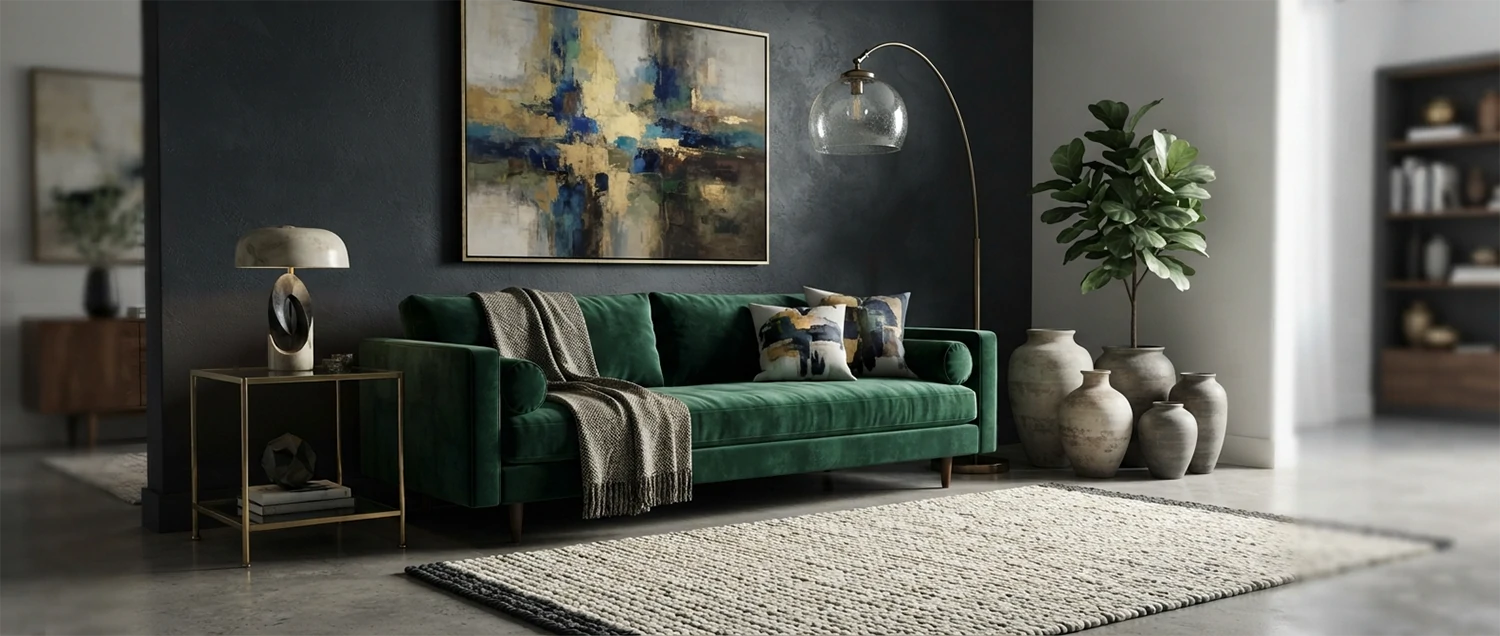
OpenAI's DALL-E 3 and GPT-4 offer unique capabilities for interior design ideation through their advanced natural language understanding. Unlike tools that require specific design terminology, these platforms understand conversational descriptions, allowing users to describe their vision in everyday language. This accessibility makes them valuable for homeowners who may not know technical design terms but can describe how they want their spaces to look and feel.
GPT-4's conversational ability enables a design dialogue that other tools cannot match. Users can describe a room, receive design suggestions, ask for modifications, and explore alternatives through natural conversation. The AI remembers previous preferences and builds on them, creating an interactive design experience that feels like consulting with a knowledgeable design associate who understands your taste and can offer relevant suggestions.
DALL-E 3's improved text understanding generates interior images that more accurately reflect complex prompts than previous versions. The model handles detailed descriptions of furniture styles, material combinations, lighting scenarios, and spatial arrangements with impressive accuracy. Its ability to render text in images also allows visualization of wall art, signage, and decorative elements that incorporate specific words or phrases for personalized design elements.
The integration of DALL-E 3 with ChatGPT provides a seamless workflow from conversation to visualization. Users can discuss their design needs, receive AI-generated images, provide feedback, and see revised versions all within a single interface. This integrated approach reduces the friction of moving between different tools and maintains context throughout the design exploration process for more coherent outcomes.
5. RoomGPT and Specialized Room Design Tools
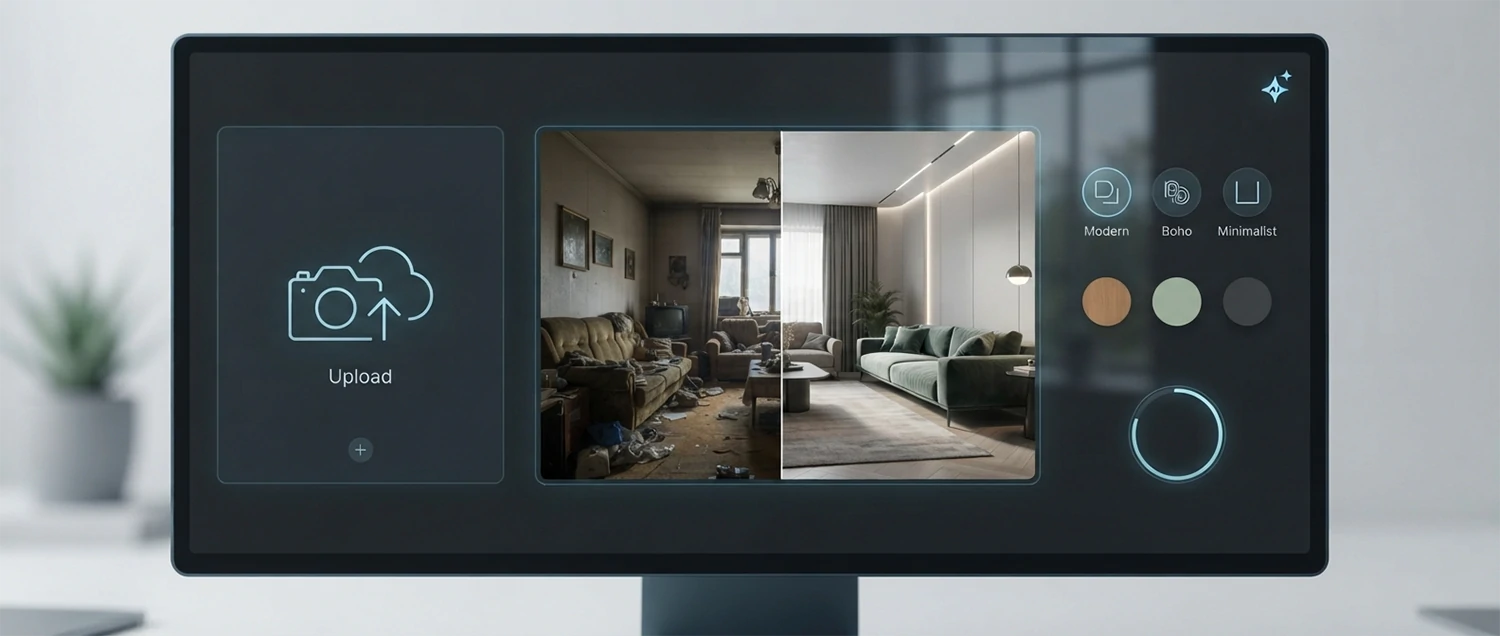
RoomGPT pioneered the concept of uploading a room photo and receiving instant AI redesigns, inspiring a wave of similar tools. The platform's simplicity made AI interior design accessible to millions of homeowners who had never used design software before. Its success demonstrated massive consumer demand for AI-powered home design and established the template that many subsequent tools have followed and expanded upon.
The user experience is remarkably simple. Upload a photo of any room, select a design style from the available options, and receive multiple AI-generated redesigns within seconds. The platform handles lighting adjustments, furniture replacement, color scheme changes, and decor additions automatically. This simplicity makes RoomGPT ideal for homeowners seeking quick inspiration rather than technical design specifications for professional projects.
Style options in RoomGPT cover popular contemporary aesthetics including modern, minimalist, bohemian, industrial, Scandinavian, coastal, traditional, and farmhouse. Each style produces consistently themed results, though the level of customization within each style is limited compared to professional platforms. Users seeking fine-grained control over specific design elements may find the tool's simplicity somewhat restrictive for their needs.
The platform's limitations include lower resolution output compared to premium tools, less architectural accuracy in complex spaces, and watermarked images on the free tier. Premium subscriptions address these limitations with higher resolutions, watermark removal, and faster processing. Despite these limitations, RoomGPT remains one of the most accessible entry points for homeowners exploring AI interior design for the first time.
6. Planner 5D: AI-Powered Floor Plan Creation
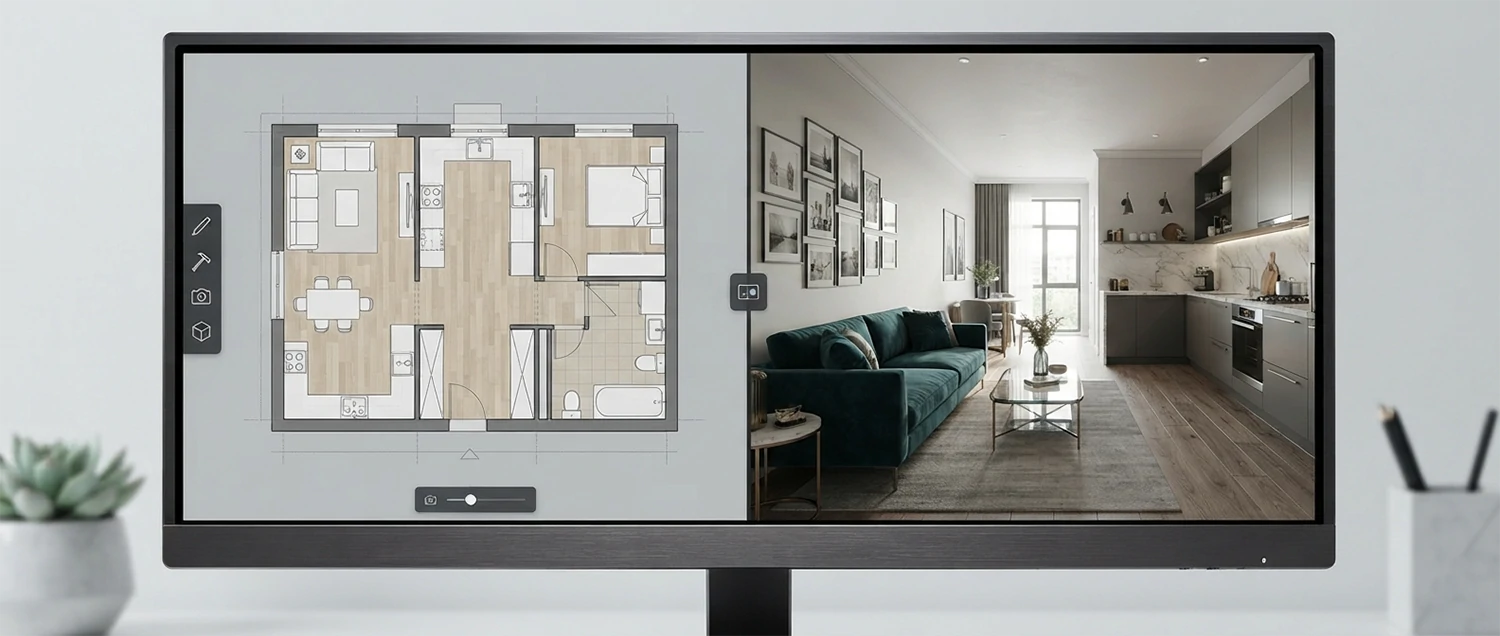
Planner 5D stands out among AI design tools for its focus on accurate floor plan creation and three-dimensional modeling. While many AI tools work primarily with photographs of existing rooms, Planner 5D allows users to create complete home designs from scratch, starting with architectural floor plans and building up through finishes, furnishings, and decor. This bottom-up approach suits users planning new construction or major renovations.
The AI-assisted floor plan tool converts hand-drawn sketches or simple room dimension inputs into accurate digital floor plans. Users can draw wall configurations freehand, and the AI automatically snaps lines to right angles, adjusts dimensions to standard measurements, and suggests room proportions that optimize space utilization. This intelligent assistance significantly reduces the time needed to create accurate architectural drawings for design projects.
The platform's furniture library contains thousands of accurately modeled pieces from real manufacturers, complete with correct dimensions and material definitions. The AI recommends furniture that fits within available floor space, accounting for clearance requirements and traffic patterns. It automatically adjusts furniture dimensions to match room scale, preventing the common mistake of selecting pieces that are too large or too small for their intended spaces.
Planner 5D's rendering engine produces high-quality visualizations that help clients understand how finished spaces will look. The platform supports both realistic renders for client presentations and stylized views for design development. To go deeper on output quality, compare options in our guide to the best interior design rendering software. Its VR mode allows immersive walkthroughs that give clients a true sense of spatial relationships, helping them make confident decisions about layout and design before construction begins.
7. Houzz Pro: AI for Design Professionals
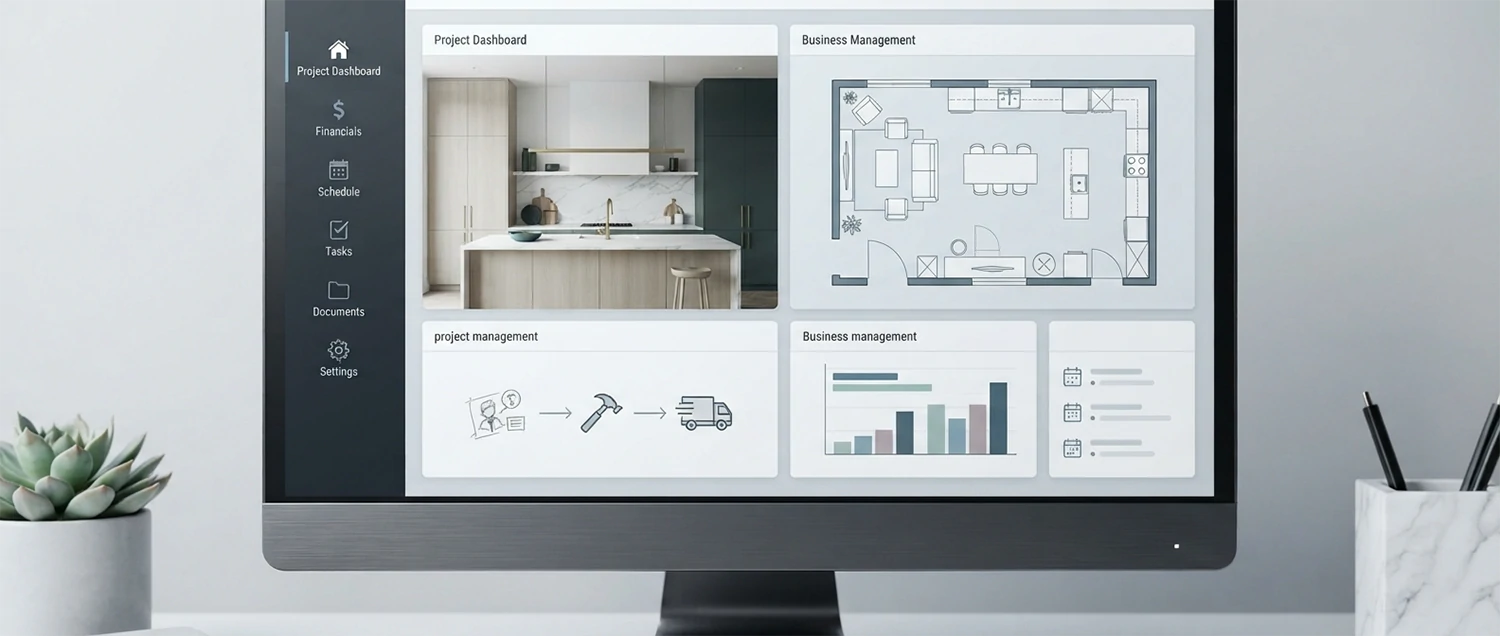
Houzz Pro combines AI design capabilities with comprehensive business management tools specifically built for interior design professionals. Unlike consumer-focused platforms, Houzz Pro integrates client management, project tracking, invoicing, and marketing features alongside its AI design tools. This all-in-one approach makes it particularly valuable for independent designers and small firms seeking to streamline their entire business operation.
The AI design tools within Houzz Pro include room visualization, mood board creation, and product recommendations drawn from the platform's extensive marketplace. Designers can create realistic room renders that include specific products available for purchase, complete with pricing and supplier information. This integration between design visualization and product sourcing creates a seamless workflow from concept to procurement that saves time and reduces errors.
Client collaboration features allow designers to share design concepts, receive feedback, and make revisions within a shared digital workspace. Clients can tag specific elements they like or dislike, add comments to designs, and approve proposals electronically. This structured collaboration reduces miscommunication and creates clear documentation of design decisions that protects both designer and client throughout the project lifecycle.
The platform's business analytics provide insights into project profitability, client acquisition costs, and design style popularity trends. AI analyzes historical project data to identify patterns that help designers make better business decisions. These analytics transform Houzz Pro from a design tool into a complete business intelligence platform that supports strategic growth for design professionals seeking competitive advantage.
8. Stable Diffusion for Custom Interior Generation
Stable Diffusion offers interior designers unprecedented control through its open-source architecture and extensive customization options. Unlike proprietary platforms that limit users to predefined styles and parameters, Stable Diffusion allows fine-grained control over every aspect of image generation. Technical users can install custom models trained specifically on interior design imagery, achieving specialized results that general platforms cannot match.
Custom model training represents Stable Diffusion's most powerful capability for interior design. Designers can train models on their portfolio, specific design styles, or particular furniture collections, creating AI systems that generate images in their unique aesthetic. This personalization allows design firms to maintain consistent visual branding across all client presentations while leveraging AI efficiency for faster concept development.
Inpainting and outpainting capabilities let designers modify specific areas of generated images while maintaining the surrounding context. If a room design is perfect except for an unattractive light fixture, designers can mask that area and regenerate only the fixture while keeping everything else unchanged. This surgical precision enables efficient refinement of AI-generated designs without starting from scratch for each iteration.
ControlNet integration provides architectural precision that standard Stable Diffusion lacks. By feeding the AI edge detection maps, depth maps, or pose skeletons alongside text prompts, designers can enforce specific spatial layouts, furniture arrangements, and perspective angles. This technical approach bridges the gap between artistic AI generation and architectural accuracy required for professional interior design presentations.
9. AI Color Palette and Paint Visualization Tools
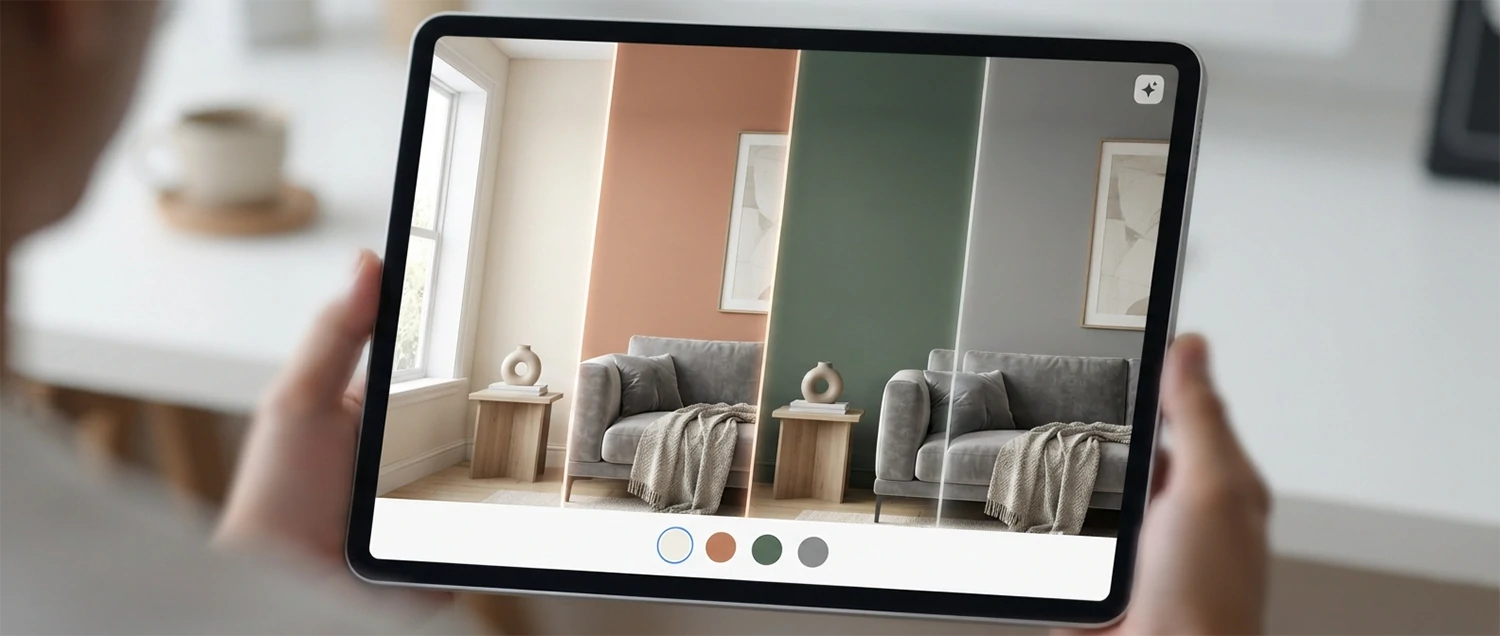
Specialized AI color tools have transformed how homeowners and designers select paint colors, offering visualization capabilities that eliminate the guesswork from color selection. These tools allow users to upload room photos and experiment with thousands of paint colors in seconds, seeing exactly how different hues will look on their walls under their specific lighting conditions before purchasing a single can of paint.
ColorSnap by Sherwin-Williams and ColorSmart by Benjamin Moore lead the paint manufacturer AI tools. These apps use computer vision to analyze uploaded room photos and apply virtual paint colors with realistic lighting and shadow effects. Users can try colors from the manufacturer's entire catalog, save favorite combinations, and share visualizations with family members or design professionals for collaborative decision-making.
AI palette generators from design platforms like Coolors and Adobe Color use color theory algorithms to create harmonious schemes. Starting from any reference image, favorite color, or desired mood, these tools generate complete palettes with appropriate accent colors, neutral balances, and saturation levels. They provide specific color codes that ensure accurate matching across different paint brands and design materials for consistent implementation.
Undertone analysis is a particularly valuable AI feature for paint selection. The AI analyzes how different paint colors appear under warm versus cool lighting, identifies undertones that might clash with existing furnishings, and recommends color adjustments that achieve the desired visual effect. This technical analysis prevents expensive mistakes caused by paint colors that look different on the wall than they appeared on the swatch.
10. AI Furniture Recognition and Shopping Tools
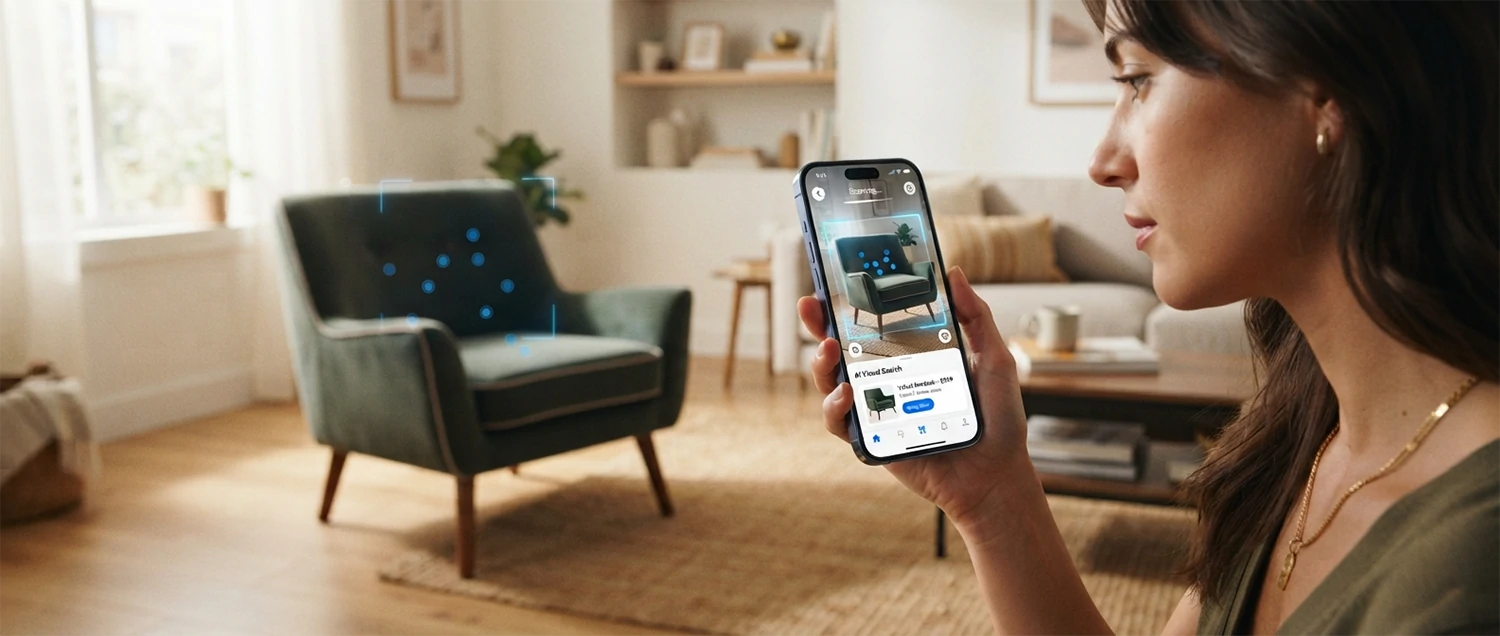
AI-powered visual search has revolutionized furniture shopping by allowing users to find products from photographs. Instead of describing a sofa in text and hoping search engines understand, users can simply snap a photo and AI instantly identifies the item or finds visually similar alternatives available for purchase. This technology bridges the gap between inspiration and acquisition, making furniture shopping more efficient and satisfying.
Pinterest Lens and Google Lens lead the visual search category for furniture identification. These tools analyze uploaded images to identify furniture styles, specific product models, and visually similar alternatives. They aggregate results from multiple retailers, allowing price comparison across sellers. This visual search capability transforms magazine spreads, social media posts, and other people's homes into shoppable inspiration sources for your own spaces.
AI room analysis tools from retailers like IKEA and Wayfair use augmented reality to show how furniture will look in your actual space. By pointing your phone camera at a room, the AI accurately places three-dimensional furniture models that maintain correct scale, perspective, and lighting relative to your existing environment. This AR capability eliminates uncertainty about how pieces will fit and look before making purchase decisions.
Style matching algorithms recommend complementary pieces based on identified furniture styles. When a user finds a mid-century modern sofa, the AI suggests coffee tables, lamps, rugs, and wall art that share the same design language. These coordinated recommendations help users build cohesive rooms piece by piece, ensuring each new purchase harmonizes with existing furniture rather than clashing or feeling disconnected.
11. AI Virtual Staging Software Comparison
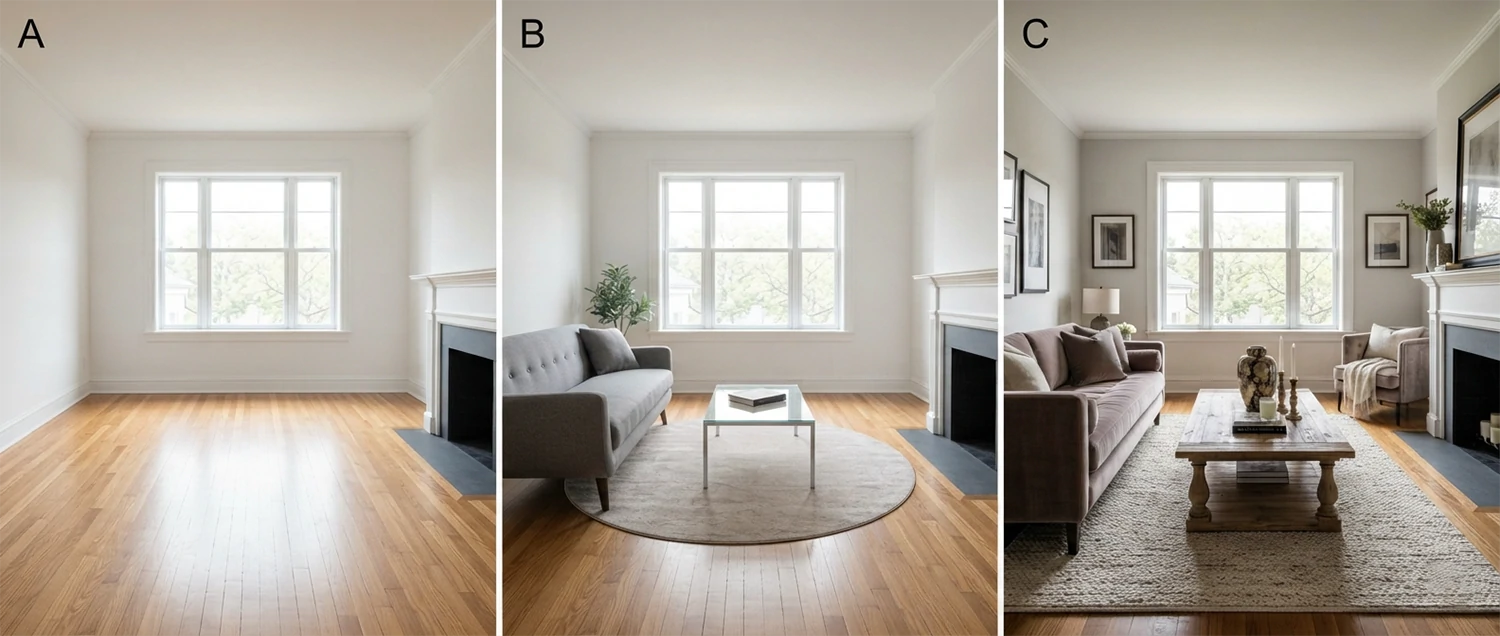
Virtual staging has become essential in real estate marketing, and several AI platforms compete in this specialized niche. These tools transform empty room photographs into fully furnished living spaces, helping potential buyers visualize a property's potential. The quality gap between different virtual staging platforms is significant, making tool selection critical for real estate professionals who depend on listing photography to attract buyers.
BoxBrownie.com offers professional-grade virtual staging with human oversight of AI-generated results. Their workflow combines AI initial generation with professional editors who refine lighting, shadows, and perspective accuracy. This hybrid approach produces the most realistic results but at higher prices and longer turnaround times than fully automated solutions. For luxury properties where listing quality directly affects sale prices, the investment in premium staging is justified.
Virtual Staging AI focuses on fully automated solutions with instant results. Upload empty room photos, select furniture style preferences, and receive staged images within minutes. The platform offers multiple design options per room, allowing agents to choose the most appealing composition. While results may lack the refinement of human-edited staging, the speed and affordability make this suitable for volume listings where quick turnaround is prioritized.
Apply Design takes a different approach by offering AI staging as part of a comprehensive property marketing platform. In addition to virtual staging, the platform provides AI-generated floor plans, virtual renovation visualizations, and twilight exterior renders that show properties in appealing evening lighting. This integrated marketing approach ensures consistent visual quality across all listing materials while streamlining the content creation workflow for real estate teams.
12. AI Rendering Engines for Design Visualization
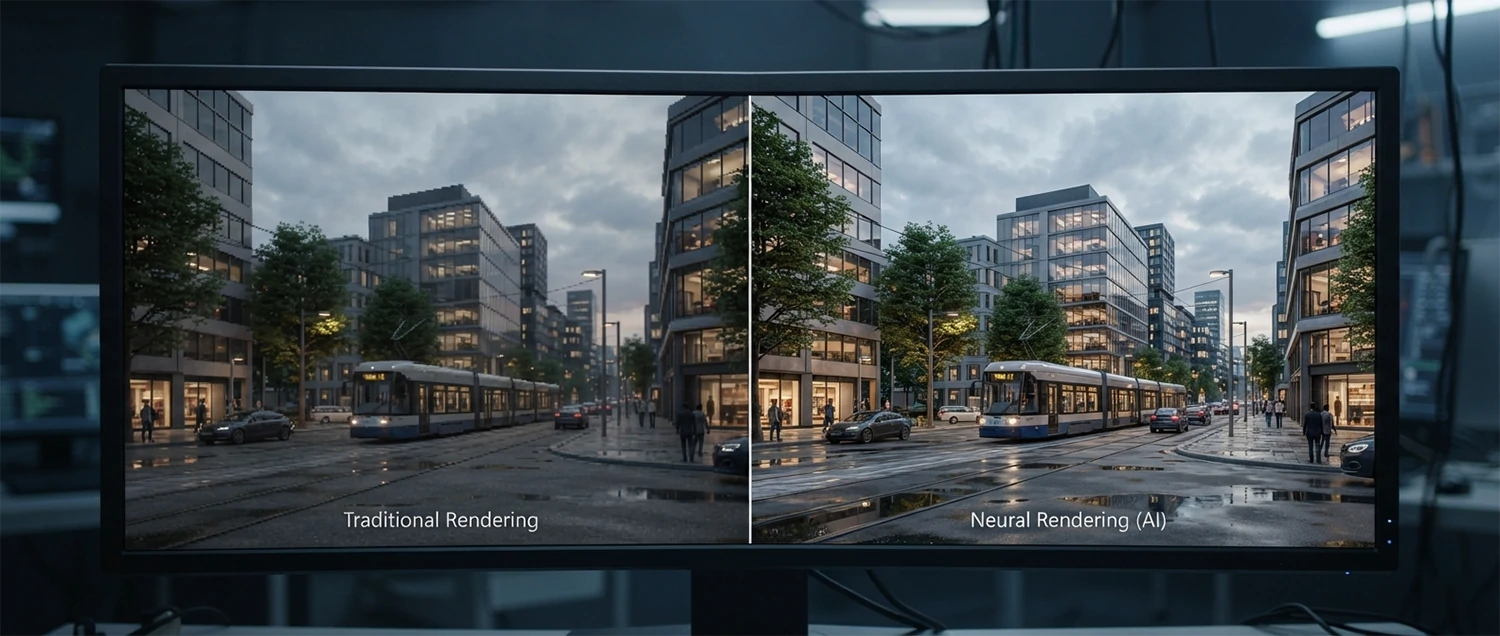
Dedicated AI rendering engines have emerged as powerful alternatives to traditional architectural visualization software. These tools use neural rendering techniques to produce photorealistic images significantly faster than conventional ray-tracing renderers, as covered in our AI rendering guide. For design professionals, this speed advantage means more iterations, faster client approvals, and the ability to explore design alternatives that time constraints previously prevented.
Lumion with AI features represents the professional end of the rendering spectrum. The platform combines traditional rendering quality with AI-enhanced capabilities including automatic material application, intelligent lighting placement, and scene composition suggestions. Its real-time rendering engine allows designers to make changes and see results instantly, supporting the iterative design process that produces the best outcomes for complex projects.
Enscape offers AI-powered rendering integrated directly into popular design software like SketchUp, Revit, and Rhino. This integration means designers never leave their primary modeling environment to create renderings. The AI handles lighting calculation, material rendering, and atmosphere creation automatically, producing professional-quality visualizations without requiring dedicated rendering expertise or separate software applications.
Twinmotion by Epic Games brings the power of Unreal Engine to architectural visualization with AI-assisted workflows. Its megascan integration provides access to thousands of scanned real-world materials, and AI scene composition suggests furniture arrangements, lighting setups, and camera angles that create compelling visual narratives. The platform's VR capabilities allow immersive client presentations that communicate design intent more effectively than traditional renderings.
13. AI Landscape and Outdoor Design Software
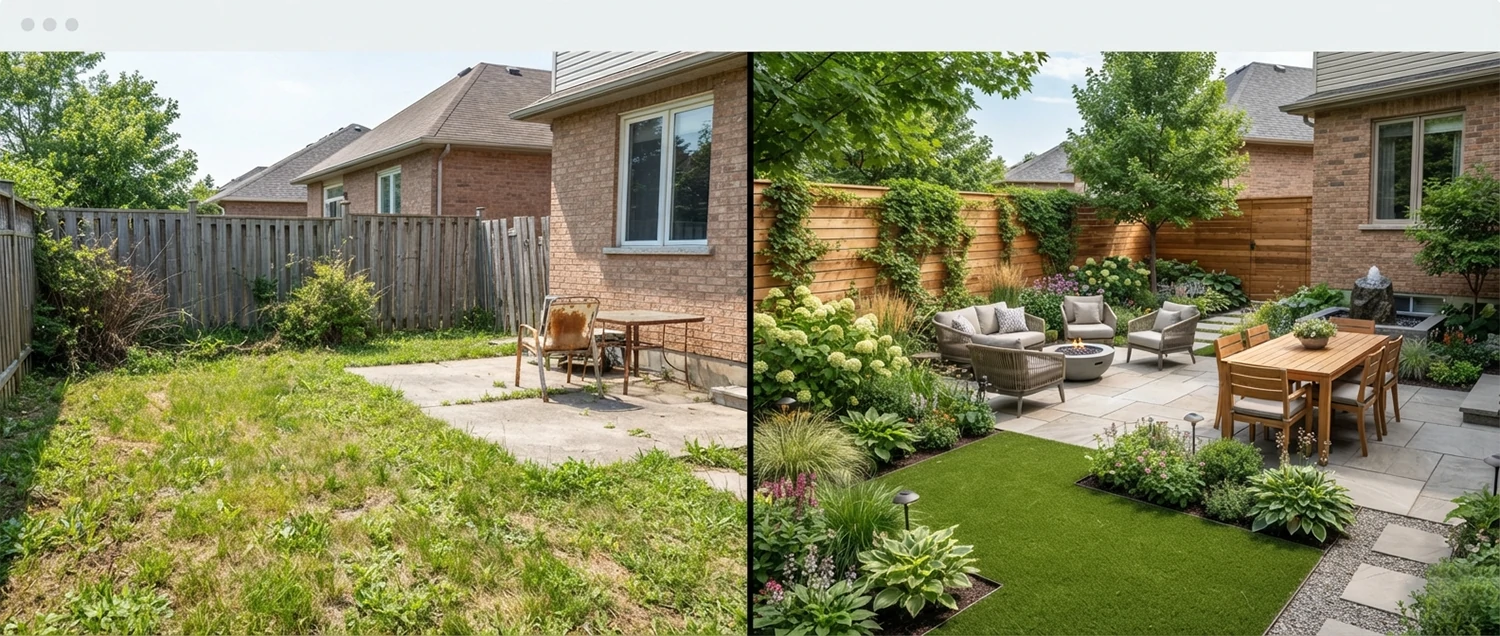
AI landscape design tools have matured significantly, offering specialized capabilities for outdoor spaces that consider factors unique to exterior environments. These platforms analyze climate data, soil conditions, sun exposure, and drainage patterns to recommend appropriate plantings, hardscape materials, and outdoor living configurations that thrive in specific locations and provide year-round visual interest.
iScape leads the consumer landscape design category with its augmented reality approach. Users point their phone camera at their yard, and the AI overlays proposed landscaping elements including plants, pathways, patios, and water features. The app includes plant databases with growth predictions showing how landscapes will mature over time, helping homeowners make informed decisions about spacing and plant selection for long-term success.
PRO Landscape offers professional-grade AI landscape design with CAD integration and photorealistic rendering. The platform includes extensive plant databases with regional suitability information, hardscape material libraries, and lighting design tools. Its AI recommends plant combinations that provide seasonal color succession, appropriate sun and shade placement, and water-efficient designs suitable for local climate conditions.
Realtime Landscaping Architect combines AI design assistance with comprehensive project documentation tools. Beyond visual design, the platform generates planting schedules, material quantity estimates, and maintenance calendars. Its AI analyzes slope, drainage patterns, and soil types to recommend appropriate grading and drainage solutions that prevent erosion and water damage to structures.
14. AI Lighting Design and Analysis Tools
Specialized AI lighting design tools help both professionals and homeowners create optimal illumination schemes that enhance aesthetics, functionality, and energy efficiency. These platforms simulate how light interacts with room surfaces, furniture, and architectural features, allowing users to preview and refine lighting designs before committing to electrical work and fixture purchases.
Dialux EVO with AI plugins represents the professional standard for lighting design analysis. The platform performs detailed photometric calculations that predict illuminance levels, uniformity ratios, and glare ratings for any proposed lighting configuration. Its AI optimization feature automatically adjusts fixture placement and selection to meet specified lighting criteria while minimizing energy consumption and fixture counts.
Relux offers similar professional capabilities with an intuitive interface suitable for designers who are not lighting specialists. The AI assistant guides users through the lighting design process, suggesting appropriate fixture types for different room functions, recommending mounting heights and spacing, and calculating required lumen outputs. This guidance helps non-specialists achieve professional-quality lighting designs without deep technical expertise.
Consumer-focused lighting apps like Philips Hue and LIFX use AI to create dynamic lighting scenes that adapt to activities and preferences. Users describe desired moods or activities, and the AI selects appropriate colors, brightness levels, and effects. These systems learn from user adjustments over time, increasingly automating lighting decisions based on observed patterns and preferences for personalized illumination experiences.

15. AI Material and Texture Generation Tools
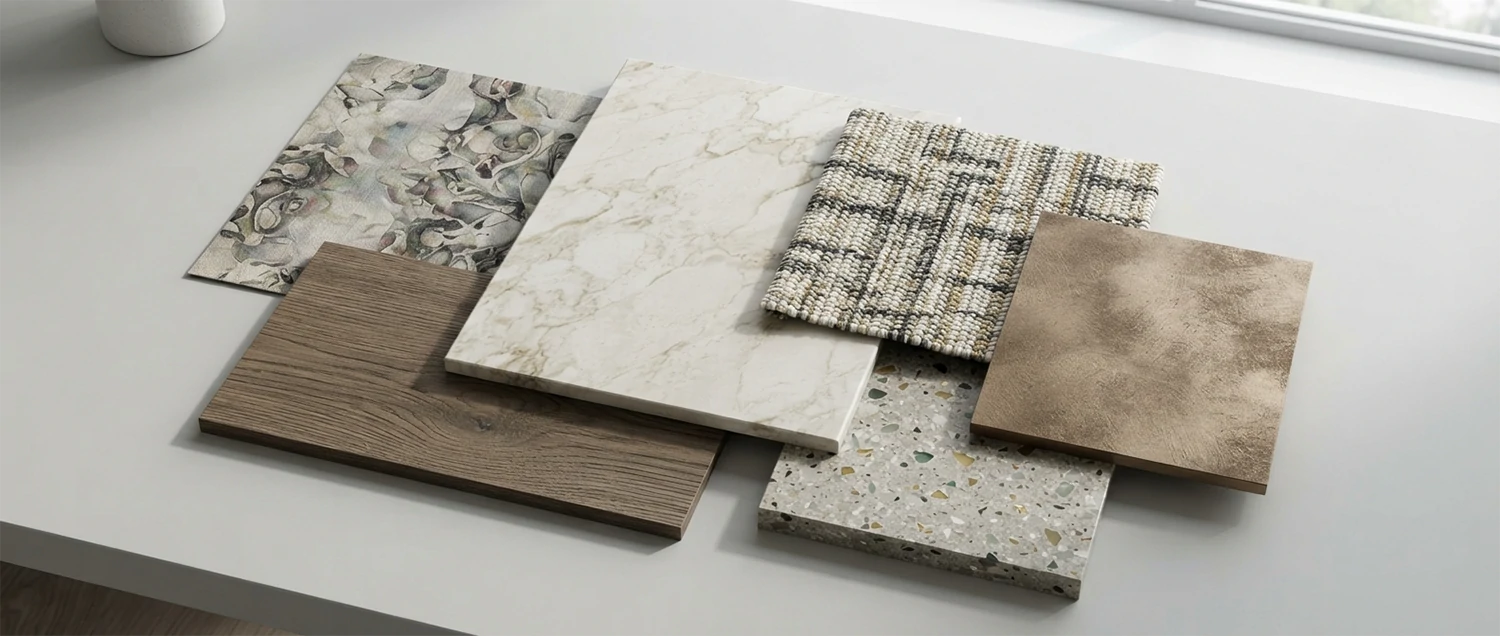
AI material generation tools create custom textures and surface finishes that expand design possibilities beyond commercially available options. These platforms use generative AI to produce unique patterns, material combinations, and surface treatments that give interior spaces distinctive character. Designers use these tools to create signature looks that differentiate their projects and offer clients truly one-of-a-kind interiors.
Substance 3D by Adobe leads the professional material creation category. Its AI-powered tools generate seamless textures from simple descriptions or reference images. Designers can specify material properties like roughness, metallicity, and transparency, and the AI creates physically accurate material definitions compatible with major rendering engines. These custom materials ensure rendered designs achieve the exact visual quality designers envision.
AI pattern generation tools create custom wallpaper, fabric, and tile designs that coordinate with room color schemes and style preferences. Designers describe desired motifs, color palettes, and scale, and the AI generates pattern variations suitable for different applications. These original patterns give interiors unique character while maintaining professional quality suitable for commercial production.
Material aging and wear simulation helps designers specify materials appropriate for their intended use. The AI predicts how different materials will age under various conditions, showing expected wear patterns, color changes from UV exposure, and staining susceptibility. This foresight enables material selections that maintain their appearance over time, reducing the need for premature replacement and ensuring long-term client satisfaction.
16. AI Design Trend Analysis and Forecasting
AI trend analysis tools process vast amounts of data from social media, design publications, search behavior, and consumer purchasing patterns to identify emerging design trends before they become mainstream. For professional designers, these insights provide competitive advantage by enabling them to offer trend-aware designs that feel current and forward-thinking rather than derivative or dated.
Visual trend detection algorithms analyze millions of images from platforms like Pinterest, Instagram, and design blogs to identify emerging patterns in color usage, furniture styles, material combinations, and spatial configurations. The AI detects trends at early stages when they appear in innovative projects before reaching mass adoption, giving early adopters access to fresh design directions that differentiate their work.
Regional trend analysis reveals how design preferences vary across geographic markets. An AI analyzing global design data might identify that Scandinavian minimalism dominates Northern European markets while maximalist eclectic styles gain traction in North America, and traditional craftsmanship influences lead in Asian markets. This regional intelligence helps designers tailor their offerings to local preferences rather than applying generic trend assumptions.
Forecast confidence scoring communicates how reliably AI predicts specific trends. The AI assigns confidence levels based on trend velocity, breadth of adoption, and longevity indicators. High-confidence predictions represent established shifts that are likely to persist, while lower-confidence signals represent emerging directions that may fade quickly. Designers use this scoring to balance trend-forward design with timeless appeal for risk-averse clients.

17. AI-Powered Design Compliance and Code Checking
Building code compliance represents one of the most technically demanding aspects of interior design, and AI tools are increasingly capable of automated code checking. These platforms analyze designs against relevant building codes, accessibility requirements, and safety regulations, identifying potential violations before construction begins. This automated verification reduces liability and prevents costly redesigns during permitting.
UpCodes AI leads the automated code compliance category with its comprehensive building code database and intelligent analysis engine. The platform checks designs against applicable codes based on project location, occupancy type, and building classification. It highlights non-compliant elements, suggests corrective modifications, and generates compliance reports suitable for permit application submission to relevant authorities.
Accessibility compliance checking ensures designs meet ADA and local accessibility requirements. The AI verifies door widths, ramp slopes, clearance spaces, counter heights, and fixture reach ranges. It identifies barriers that could prevent equal access for people with disabilities and recommends modifications that achieve compliance without compromising design quality or aesthetic vision.
Fire safety analysis evaluates egress paths, fire rating requirements, sprinkler coverage, and smoke control systems. The AI models evacuation scenarios to verify that occupant loads can safely exit within required timeframes. It recommends fire-resistant materials for specified applications and checks that finishes meet flame spread and smoke development classifications required by local building codes.

18. AI Design Assistant Chatbots and Virtual Consultants
AI design chatbots have emerged as accessible entry points for homeowners seeking design guidance without hiring professional consultants. These virtual design assistants use natural language processing to understand design questions, provide recommendations, and guide users through design decisions. While they cannot replace professional designers for complex projects, they offer valuable guidance for everyday design questions and small-scale improvements.
GPT-powered design assistants integrated into platforms like ChatGPT and Claude offer conversational design consultation. Users describe their space, style preferences, and budget, receiving detailed design recommendations including furniture suggestions, color schemes, and layout ideas. These AI consultants maintain conversation context, allowing users to refine requests and explore alternatives through natural dialogue rather than rigid form submissions.
Specialized design chatbots like DecorMatters and Havenly combine AI recommendations with human designer oversight. The AI handles initial client questionnaires, style preference analysis, and preliminary design suggestions. Professional designers then refine AI-generated concepts, adding human expertise that addresses nuanced requirements the AI might miss. This hybrid approach delivers professional-quality results at lower cost than traditional full-service design.
Voice-activated design assistants are emerging with smart home integration. Users can ask voice assistants for design advice while standing in the room being discussed, describing issues and receiving immediate suggestions. This contextual interaction makes design guidance accessible during hands-on activities like furniture rearranging or decor shopping, providing just-in-time assistance when it is most useful.

19. AI for E-commerce and Retail Interior Design
Retail interior design requires specialized expertise in customer behavior, brand communication, and sales optimization that AI tools increasingly address. AI retail design platforms analyze shopper traffic patterns, dwell times, and conversion data to create store layouts that maximize sales while reinforcing brand identity. These data-driven designs outperform intuition-based approaches by measurable margins.
Customer flow analysis uses computer vision and foot traffic data to understand how shoppers move through retail spaces. The AI identifies bottlenecks, dead zones where customers rarely venture, and optimal pathways that expose shoppers to maximum product displays. It recommends layout adjustments that smooth traffic flow, increase product exposure, and create intuitive navigation that improves the shopping experience and increases average transaction values.
Visual merchandising AI recommends product placement strategies based on purchasing behavior analysis. The AI determines which products benefit from premium positioning, which sell effectively in secondary locations, and which complementary items should be displayed together to encourage add-on purchases. These data-driven merchandising decisions incrementally improve sales performance across the entire retail space.
Brand consistency analysis ensures retail designs across multiple locations maintain cohesive brand identity while adapting to local market preferences. The AI evaluates design elements against brand guidelines, flagging inconsistencies that could dilute brand recognition. It recommends location-specific adaptations that respect local tastes while maintaining the brand's core identity, enabling successful multi-market retail expansion strategies.

20. AI for Hospitality and Hotel Design
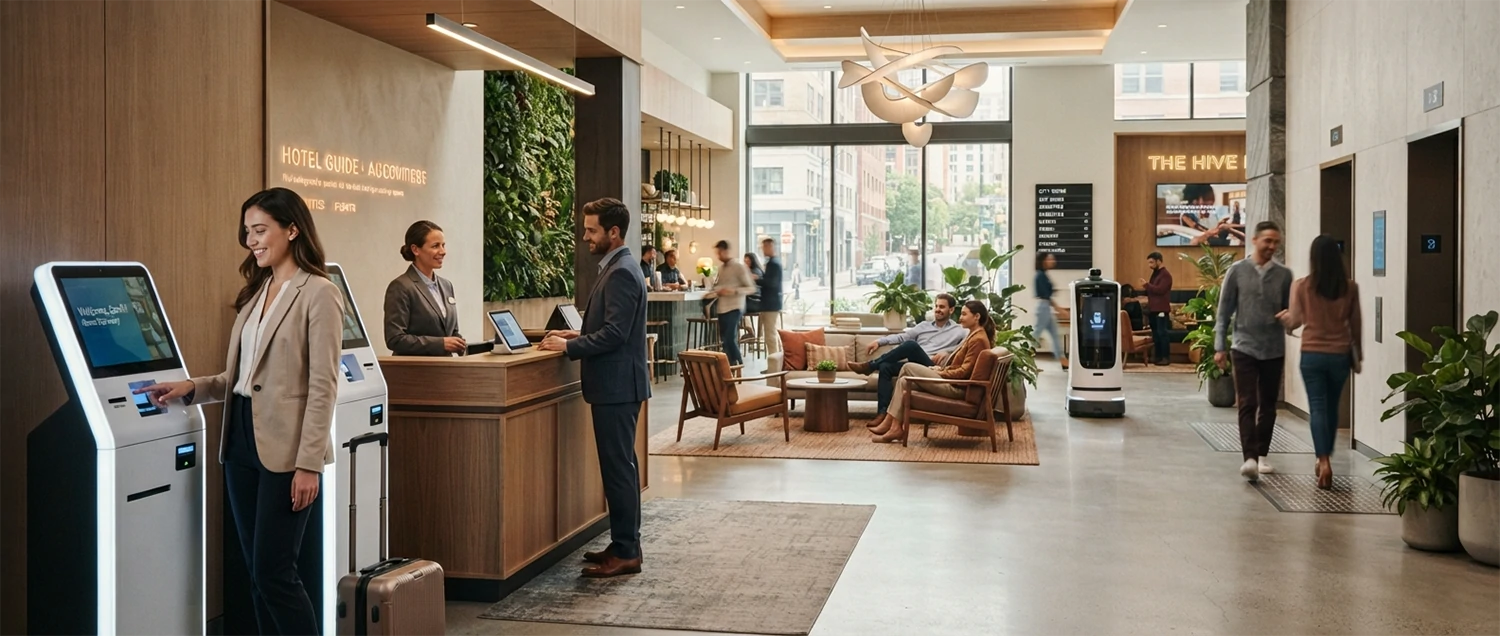
Hospitality design demands a delicate balance of aesthetic appeal, operational efficiency, and guest experience optimization. AI tools designed for hotel and restaurant projects address these competing priorities by analyzing guest feedback data, operational requirements, and design trends to create spaces that delight guests while supporting efficient hotel operations and maximizing revenue per available room.
Guest experience analysis mines online reviews, survey responses, and social media mentions to identify design elements that positively or negatively impact guest satisfaction. The AI correlates specific design features with guest ratings, identifying which room layouts, furniture choices, and amenity configurations consistently receive positive feedback. This data-driven approach ensures design investments target features that meaningfully improve guest experiences.
Operational efficiency AI analyzes housekeeping workflows, maintenance access requirements, and supply logistics to recommend designs that reduce operational costs. The AI suggests furniture configurations that simplify cleaning, material selections that minimize maintenance, and storage solutions that streamline supply management. These operational considerations ensure beautiful designs remain practical and cost-effective to maintain over extended periods of heavy use.
Brand consistency across properties is particularly important for hospitality chains, and AI ensures uniform design quality across multiple locations. The AI evaluates proposed designs against brand standards, verifying that color specifications, furniture selections, and material choices meet requirements. It identifies local adaptations appropriate for different markets while maintaining the core brand experience that guests expect across properties.
21. AI for Bathroom Design and Remodeling
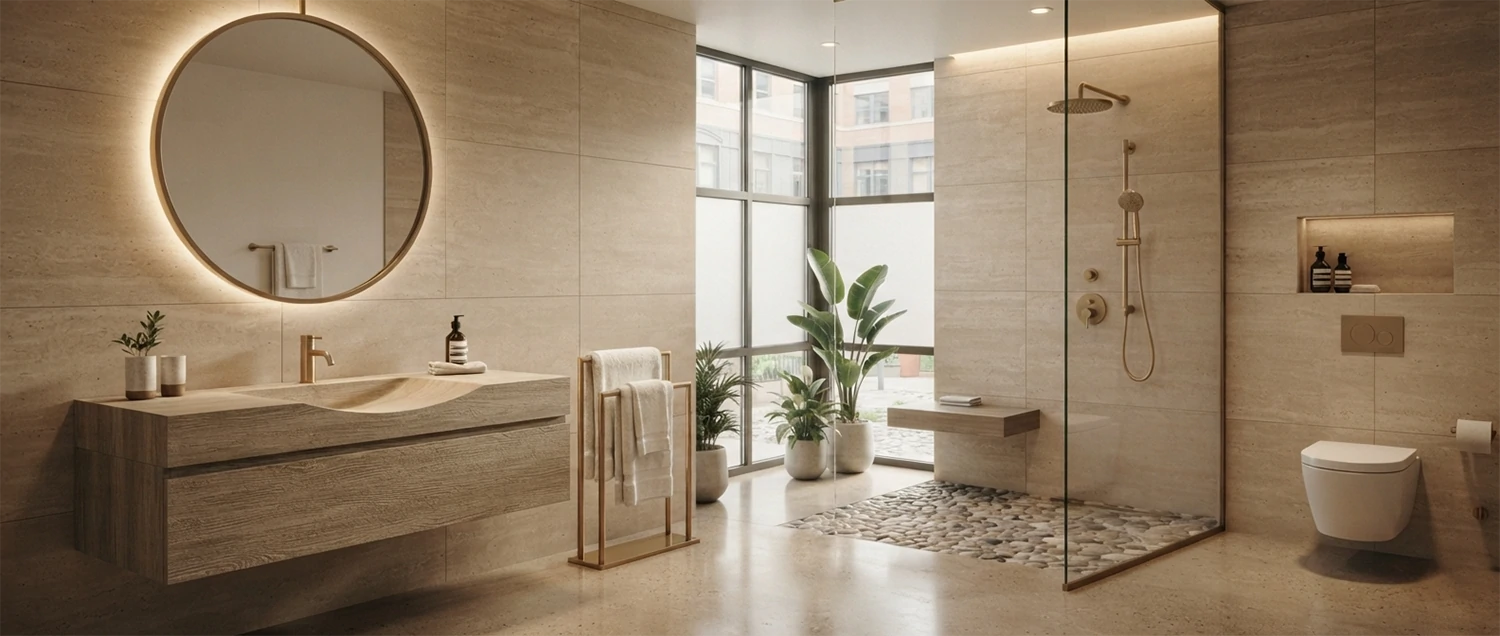
Bathroom design presents unique technical challenges including plumbing coordination, moisture management, and space optimization within often compact footprints. AI bathroom design tools address these challenges with specialized knowledge of wet area requirements, fixture specifications, and ergonomic standards. For inspiration beyond the software, browse our bathroom ideas guide. These tools help designers and homeowners create bathrooms that are both beautiful and highly functional.
Fixture placement optimization ensures comfortable clearances around toilets, showers, and vanities. The AI applies building code requirements and ergonomic standards to recommend fixture positions that provide adequate space for use and cleaning. It considers door swing directions, towel bar locations, and storage access to create bathrooms that function smoothly during daily use without feeling cramped or awkward.
Waterproofing and moisture management recommendations protect bathrooms from water damage. The AI specifies appropriate waterproof membrane applications, recommends proper slope for drainage, and identifies areas requiring special moisture protection. It suggests ventilation solutions that control humidity levels and material selections that resist mold and mildew growth in damp environments.
Accessibility features are integrated naturally into AI bathroom designs. The AI recommends curbless shower entries, handheld showerheads, comfort-height toilets, and vanity configurations that accommodate users of all abilities. These features are incorporated in ways that feel intentional and elegant rather than clinical, creating bathrooms that are both beautiful and universally accessible.
22. AI for Kitchen Design and Remodeling
Kitchen design is arguably the most complex residential interior space, requiring integration of appliances, plumbing, electrical systems, storage, and work surfaces within an ergonomic workflow. AI kitchen design tools handle this complexity through specialized modules that understand appliance standards, cabinet configurations, countertop materials, and the critical work triangle that defines efficient kitchen layouts.
Work triangle optimization is a primary feature of AI kitchen design tools. The AI analyzes the relationship between sink, refrigerator, and cooking surface, ensuring these three work centers form an efficient triangle without traffic passing through the work zone. It recommends counter space allocations for food preparation, plating, and appliance landing areas based on cooking habits and household size.
Storage optimization ensures every inch of kitchen space serves a purpose. The AI recommends cabinet configurations that maximize usable storage, suggesting appropriate drawer depths for different items, corner cabinet solutions that eliminate dead space, and vertical storage for trays and baking sheets. It calculates total storage volume against household needs, ensuring the kitchen provides adequate space for all cookware, tableware, and pantry items.
Appliance integration coordinates the placement, ventilation, and utility connections of major kitchen appliances. The AI ensures refrigerators have adequate clearance for door swing and ventilation, ranges have proper hood ventilation with appropriate CFM ratings, and dishwashers are positioned near sinks for efficient plumbing. These technical considerations ensure appliances function properly and meet code requirements while maintaining the kitchen's aesthetic cohesion.
23. AI Tools Compared: Features Matrix
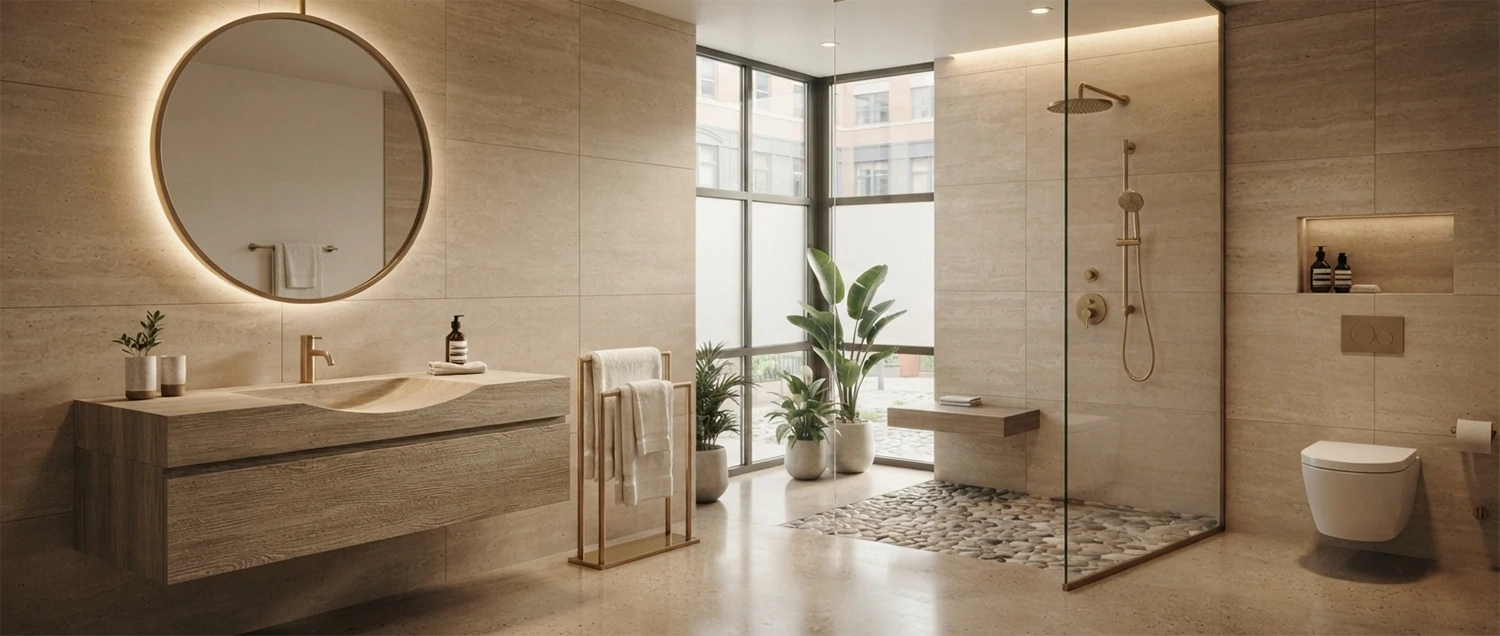
Choosing the right AI interior design tool requires careful comparison of features, capabilities, and limitations across available platforms. This comprehensive comparison helps designers and homeowners make informed decisions based on their specific needs, technical skills, and budget constraints. Understanding each tool's strengths ensures you select the platform that best matches your project requirements.
Interior AI excels at photo-based room redesigns with the widest style selection and best architectural accuracy. Midjourney produces the most artistically compelling concept images but lacks spatial understanding. DALL-E 3 offers the best natural language understanding for conversational design. Planner 5D provides the most accurate floor plan and modeling capabilities. Each platform leads a different category, making tool selection dependent on primary use case.
Performance considerations include rendering speed, output resolution, and batch processing capabilities. Professional platforms offer higher resolution output suitable for print marketing materials, while consumer tools optimize for web and mobile sharing. Rendering speed varies from seconds to minutes depending on complexity, with premium subscriptions typically offering priority processing for faster turnaround times.
Integration capabilities connect AI design tools with other software used in the design workflow. Professional designers should prioritize platforms offering API access, export compatibility with CAD software, and integration with project management tools. Homeowners may prioritize platforms with direct e-commerce integration for purchasing recommended products. Understanding integration requirements prevents workflow disruptions and data translation issues.
24. AI Design Tool Pricing and Value Analysis
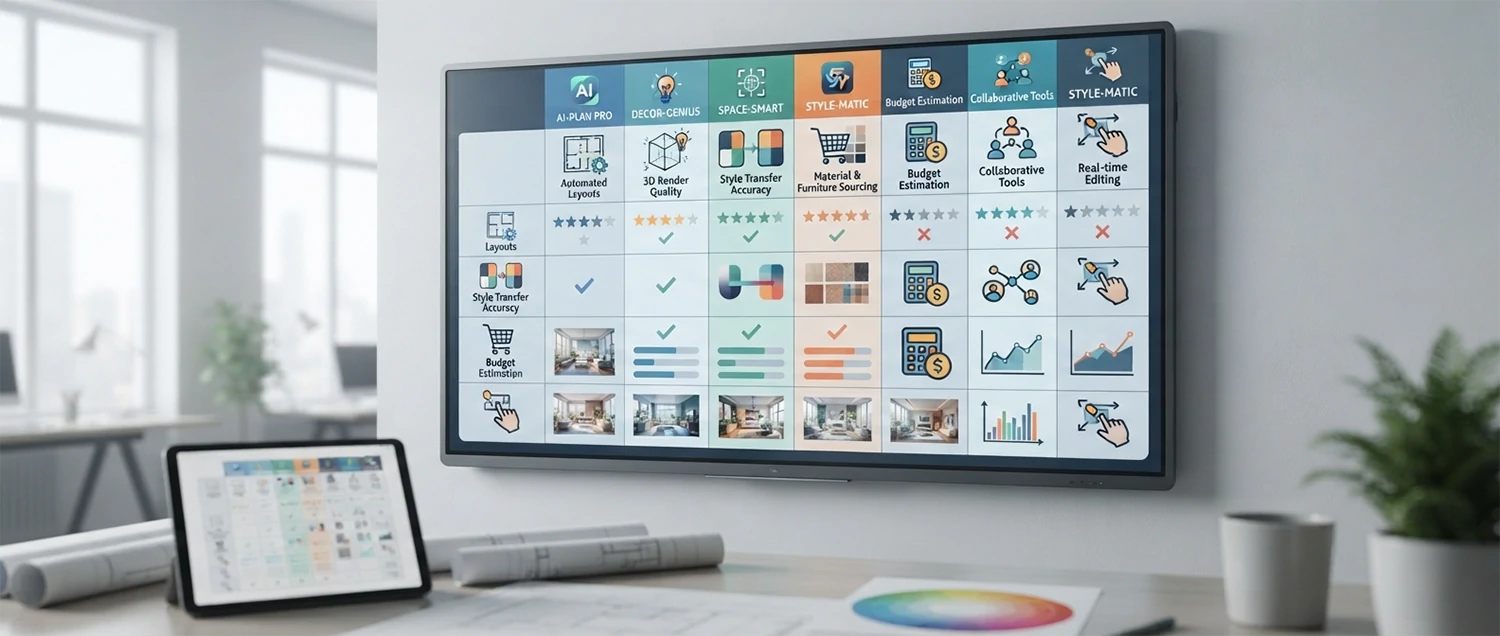
AI interior design tool pricing varies dramatically, from free mobile apps to enterprise platforms costing thousands of dollars annually. Understanding the value proposition at each price point helps users select appropriate tools without overpaying for features they will not use or underinvesting in capabilities essential for their projects. This pricing analysis covers the full spectrum of available options across categories.
Free and freemium tools provide accessible entry points for homeowners exploring AI design. Apps like RoomGPT offer limited free renders with watermarks, sufficient for basic inspiration but inadequate for professional use. These free tiers serve as effective evaluation tools that help users decide whether premium features justify subscription costs for their specific needs and usage patterns.
Professional subscriptions ranging from twenty to one hundred dollars monthly provide the features most designers need. These mid-tier plans typically include high-resolution output, watermark removal, multiple style access, and reasonable rendering quotas. For independent designers and small firms, these subscriptions represent excellent value compared to the time savings they provide in design visualization and iteration.
Enterprise solutions costing hundreds to thousands monthly include API access, white-label options, dedicated support, and custom model training. These platforms serve large design firms, real estate companies, and manufacturers who integrate AI design capabilities into their core business operations. The investment is justified by the scale of usage and integration requirements that exceed what standard subscriptions provide.
25. Getting Started: Choosing Your First AI Design Tool
Selecting your first AI interior design tool can feel overwhelming given the numerous options available. This step-by-step guide helps beginners navigate the selection process by matching tool capabilities to specific needs, technical comfort levels, and project requirements. Following this structured approach ensures you invest time learning tools that will actually serve your design goals effectively.
Start by defining your primary use case. Are you a homeowner planning a single room renovation? A real estate agent needing virtual staging? A professional designer seeking concept generation tools? Each use case points toward different platforms. Homeowners benefit from simple photo-based tools like Interior AI or RoomGPT. Real estate professionals need virtual staging platforms. Designers require professional tools with advanced features and output quality.
Evaluate your technical comfort level honestly. Some platforms require learning prompt engineering techniques and understanding AI parameters. Others offer simple interfaces where uploading a photo and selecting a style produces immediate results. Choose a tool that matches your willingness to invest time in learning. You can always graduate to more powerful tools as your skills and requirements evolve over time.
Take advantage of free trials before committing to subscriptions. Most platforms offer limited free access that allows hands-on evaluation. Test each candidate tool with the same project, comparing results quality, ease of use, and workflow efficiency. The best tool for you is the one that produces acceptable results most efficiently for your specific type of projects and personal working style.
26. Advanced AI Design Techniques for Professionals
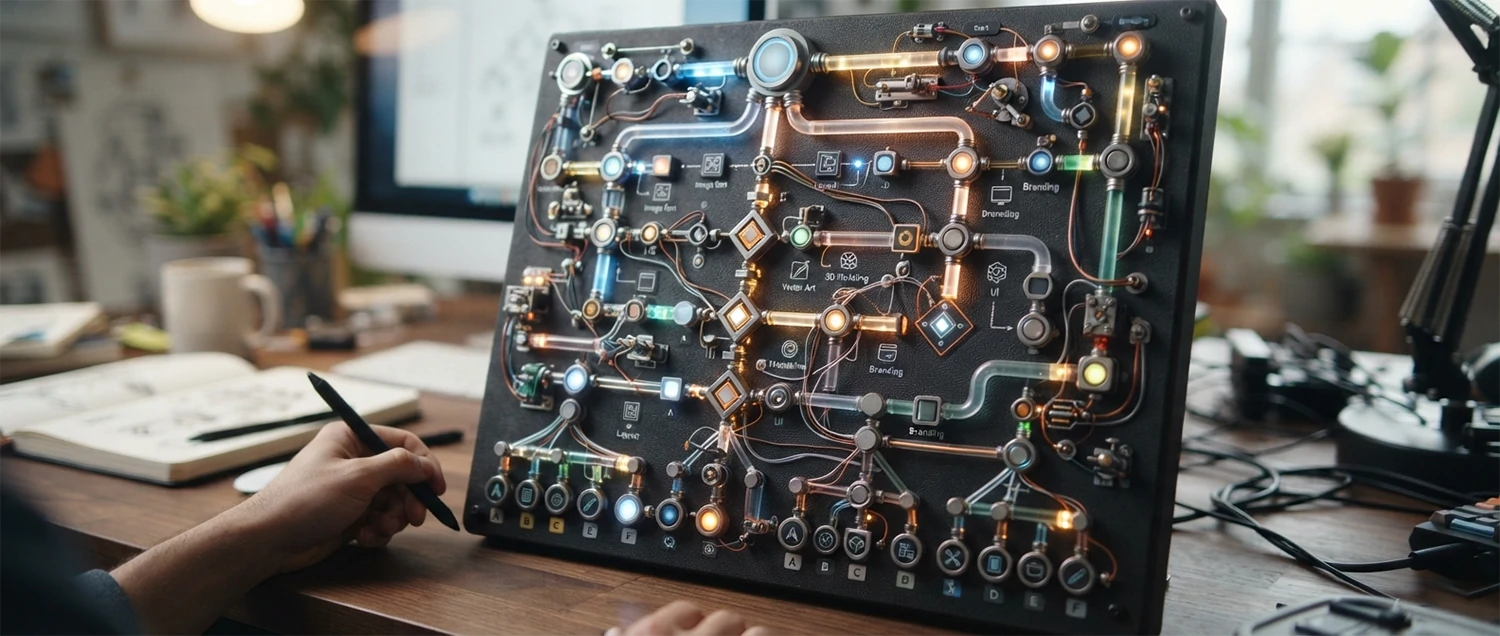
Professional designers who master advanced AI techniques gain significant competitive advantages through faster workflows, higher quality output, and expanded creative capabilities. These advanced methods go beyond basic tool usage to leverage AI's full potential in professional practice. Investing in advanced skill development pays dividends through improved efficiency and differentiation in competitive markets.
Multi-tool workflows combine the strengths of different AI platforms for superior results. A typical professional workflow might use Midjourney for initial concept exploration, Interior AI for client-specific visualizations, and Stable Diffusion for final rendering with precise control. Each tool contributes its best capabilities while compensating for others' limitations, producing results exceeding any single platform's capabilities.
Custom AI model training allows design firms to create proprietary tools that generate images in their signature style. By training models on their portfolio, firms ensure AI-generated concepts consistently reflect their design philosophy and aesthetic. This customization maintains brand consistency while leveraging AI efficiency, allowing firms to scale their design output without compromising their distinctive creative identity.
AI-assisted client communication transforms how designers present and refine concepts. Designers use AI to generate multiple style options for client review, create real-time modifications during meetings, and produce compelling before-and-after visualizations that build confidence. These interactive presentations differentiate forward-thinking designers and help clients make decisions more confidently and quickly.
27. Mobile AI Interior Design Apps
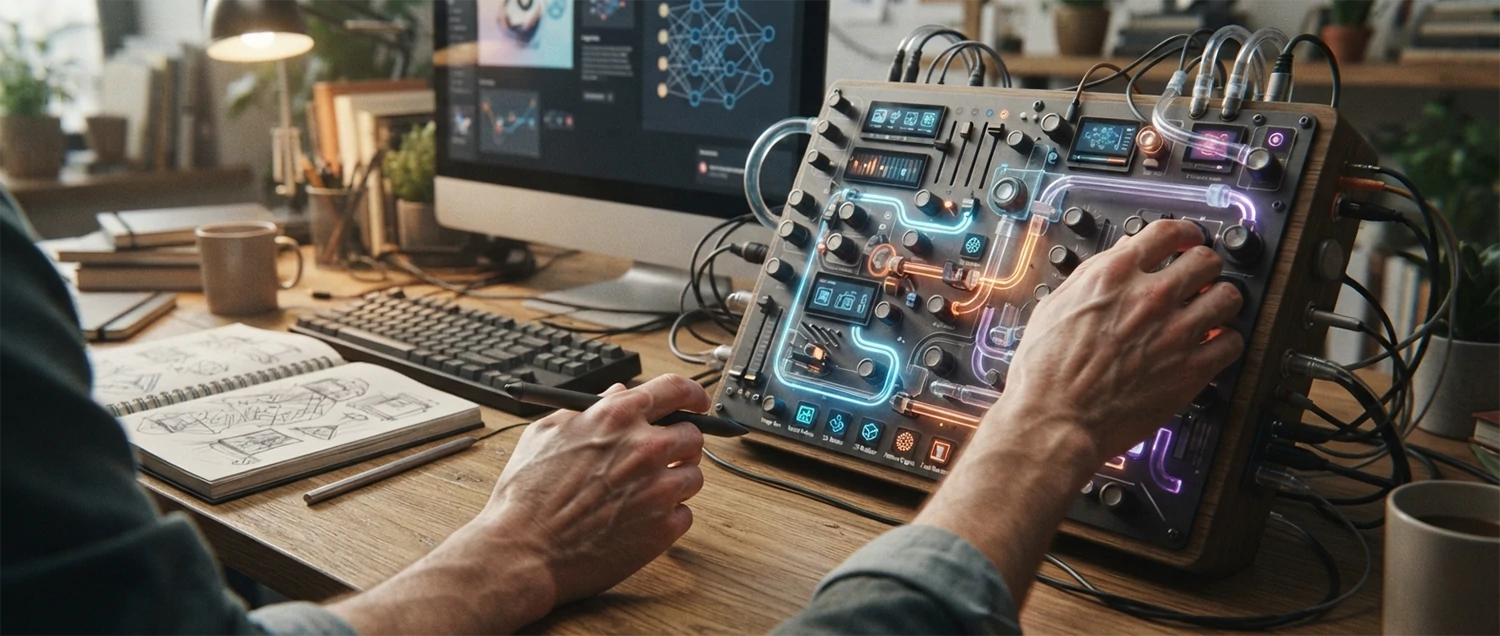
Mobile AI design apps bring professional design capabilities to smartphones, making interior design accessible anytime, anywhere. These apps leverage onboard AI processing and cloud rendering to provide sophisticated design tools without requiring powerful computers. The best mobile apps combine intuitive touch interfaces with powerful AI engines that produce impressive results from simple inputs captured with phone cameras.
DecorMatters leads the mobile AI design category with its comprehensive feature set. The app allows users to photograph rooms, apply AI redesigns in dozens of styles, and shop recommended products directly through the app. Its social features let users share designs, get feedback from the community, and find inspiration from other users' projects. This social layer adds motivation and accountability to the design process.
Houzz mobile app combines AI design with the platform's extensive product marketplace. Users can photograph furniture or decor in stores or other homes and instantly find similar products available for purchase. The app's View in My Room feature uses AR to show how products will look in the user's actual space, eliminating guesswork from furniture shopping decisions made on mobile devices.
Homestyler offers mobile interior design with professional-grade features including floor plan creation, furniture placement, and photorealistic rendering. Its AI assistant suggests furniture arrangements based on room dimensions and style preferences, while the product catalog includes items from real brands with purchase links. The app's community gallery provides endless inspiration from other users' creative designs and projects.

28. AI for Design Education and Skill Development
AI tools are transforming interior design education by providing students with powerful visualization capabilities and instant feedback on their design decisions. Design schools increasingly integrate AI into their curricula, teaching students how to leverage these tools while developing their fundamental design skills. This integration prepares graduates for a profession where AI proficiency is becoming an expected competency.
AI-enhanced design critiques provide students with objective feedback on their projects. AI analyzes student designs for composition, color harmony, proportion, and functional layout, identifying areas for improvement that complement instructor feedback. This additional perspective helps students understand design principles more deeply by seeing how AI evaluates their work against established design standards and best practices.
Rapid prototyping with AI allows students to explore more design alternatives within project time constraints. Instead of spending weeks developing a single design direction, students can generate multiple AI concepts quickly, analyze their merits, and select promising directions for further development. This accelerated exploration develops students' critical evaluation skills while exposing them to wider creative possibilities.
Historical design analysis tools help students understand design movements and their characteristics. Students can upload images of historical interiors and receive AI analysis identifying period features, design influences, and stylistic elements. This analytical capability deepens students' understanding of design history and helps them recognize how historical precedents influence contemporary design practice.

29. Privacy and Data Security in AI Design Tools
Using AI interior design tools requires uploading photographs of personal spaces, raising important privacy and data security considerations. Understanding how different platforms handle user data, image storage, and training data usage helps users make informed decisions about which tools to trust with images of their homes. Privacy practices vary significantly across platforms and should factor into tool selection.
Data handling policies differ substantially between platforms. Some tools use uploaded images only for generating requested renders and delete them immediately after processing. Others may retain images to improve their AI models or for marketing purposes. Reading privacy policies carefully and choosing platforms with transparent data practices protects personal information and prevents unwanted use of home images.
Professional designers handling client projects must consider data confidentiality obligations. Using AI tools that process images on secure servers with encryption protects client privacy. Enterprise platforms typically offer data handling agreements and compliance certifications that meet professional standards. Designers should verify that their chosen tools meet the data protection requirements of their jurisdiction and professional liability insurance.
Open-source alternatives like Stable Diffusion offer maximum privacy since everything processes locally on the user's computer, with no images sent to external servers. This local processing eliminates data transmission risks entirely, making open-source tools attractive for privacy-conscious users and professionals handling sensitive client information. The trade-off is requiring more technical setup and powerful hardware for acceptable performance.

30. Future Developments in AI Interior Design Technology
The pace of AI development guarantees that tomorrow's interior design tools will offer capabilities that seem remarkable by today's standards. Understanding emerging technology trends helps designers and homeowners prepare for and benefit from advancing capabilities. Staying informed about developments ensures you can adopt new tools quickly when they offer meaningful advantages over current solutions.
Real-time collaborative AI design will enable multiple stakeholders to interact with AI-generated designs simultaneously, with changes visible to all participants instantly. This collaborative capability will transform client presentations from static show-and-tell sessions into dynamic co-creation experiences where clients, designers, and contractors collectively refine designs in real-time interactive sessions.
Emotional intelligence integration will allow AI to read and respond to client emotional reactions during design presentations. Future tools may analyze facial expressions, vocal tone, and physiological responses to gauge genuine reactions to design proposals. This emotional awareness will help designers identify concerns clients may not articulate verbally and adjust presentations to address unspoken objections more effectively.
Full construction documentation generation will extend AI capabilities from visualization into technical documentation. Future tools may automatically generate construction drawings, material schedules, and specification documents from approved designs. This automation would eliminate the most time-consuming aspect of professional design practice, freeing designers to focus on creative work while ensuring technical accuracy in documentation.

31. AI Design Tools for Specific Room Types
Different rooms present unique design challenges that benefit from specialized AI approaches. While general AI design tools work across all room types, understanding how to optimize AI prompts and settings for specific spaces improves results significantly. This room-by-room guide provides targeted strategies for achieving the best AI design outcomes in each area of the home.
Living rooms benefit from AI prompts that emphasize seating arrangements, focal points, and traffic flow. Specify conversation groupings, television or fireplace focal points, and circulation pathways. Include preferences for sofa configurations, coffee table proportions, and lighting layering. Living room prompts should balance aesthetic aspirations with practical considerations for how the space will actually be used daily.
Bedroom prompts should prioritize comfort, storage, and relaxation. Specify bed size and placement preferences, closet or dresser requirements, and desired atmosphere. Include lighting preferences for task reading versus ambient relaxation. Bedroom designs should emphasize calming color palettes and comfortable textures that promote restful sleep and morning rejuvenation.
Home office prompts should specify technology integration and ergonomic requirements. Include desk configuration preferences, monitor placement, storage for office supplies, and video conferencing background considerations. Specify lighting requirements that reduce eye strain and create professional on-camera appearance. Home office designs should balance productivity support with comfort for extended work sessions.
32. AI Design Tools for Home Staging and Real Estate Photography
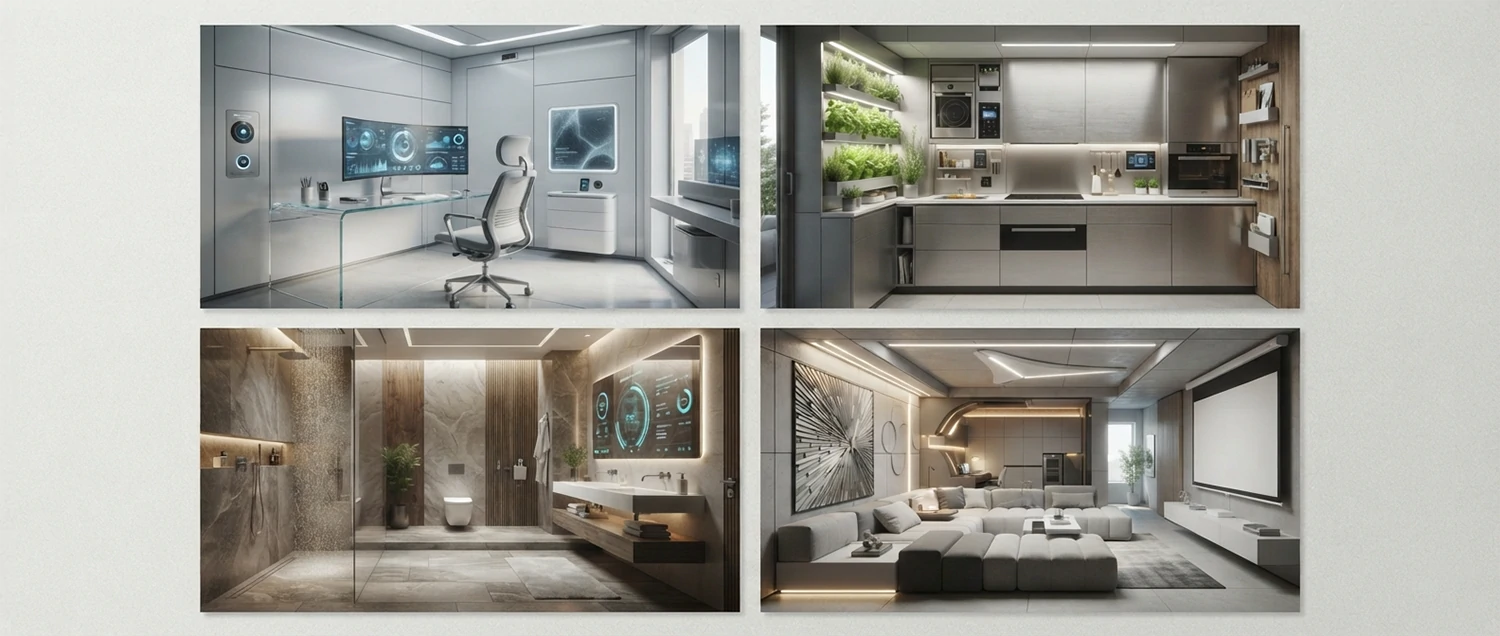
Home staging has been revolutionized by AI tools that create compelling property imagery without physical furniture rental or professional photography crews. Real estate agents, property managers, and homeowners use AI staging tools to furnish empty rooms digitally, creating inviting spaces that help potential buyers visualize a property's potential. This technology has fundamentally changed how properties are marketed and sold in competitive real estate markets.
AI staging workflow typically begins with photographing empty rooms under good lighting conditions. The uploaded images are analyzed by AI that understands room geometry, perspective, and lighting direction. The AI then populates the space with appropriate furniture, decor, and accessories that respect the room's proportions and architectural features. Results are available within minutes rather than the days required for traditional virtual staging services.
Style selection for staging should target the likely buyer demographic for each property. Family homes benefit from warm, inviting staging with comfortable furniture and child-friendly accessories. Luxury properties require sophisticated, minimalist staging that emphasizes space and architectural quality. Urban condos appeal to young professionals with modern, tech-forward staging that showcases lifestyle potential within the property.
Photo consistency across listing images is critical for professional presentation. AI tools offer batch processing that applies consistent staging styles across all room photos within a property listing. This uniformity creates cohesive marketing materials that present the property as a complete, well-designed home rather than a collection of unrelated spaces. Consistent staging quality across listings builds agency brand recognition and professionalism.
33. AI for Interior Design Portfolio and Marketing
Interior design professionals use AI tools not only for client projects but also for marketing their services and building compelling portfolios. AI-generated imagery helps designers showcase their aesthetic range, demonstrate capabilities in styles they may not have had client opportunities to execute, and create consistent visual branding across all marketing materials. This marketing application of AI amplifies the return on investment in design tools.
Portfolio enhancement with AI allows designers to include projects in styles that expand their market reach. A designer specializing in traditional interiors can use AI to generate concepts showing their capability in modern, industrial, or bohemian styles. This expanded portfolio attracts clients with diverse aesthetic preferences who might otherwise overlook a designer perceived as limited to a single design approach or signature style.
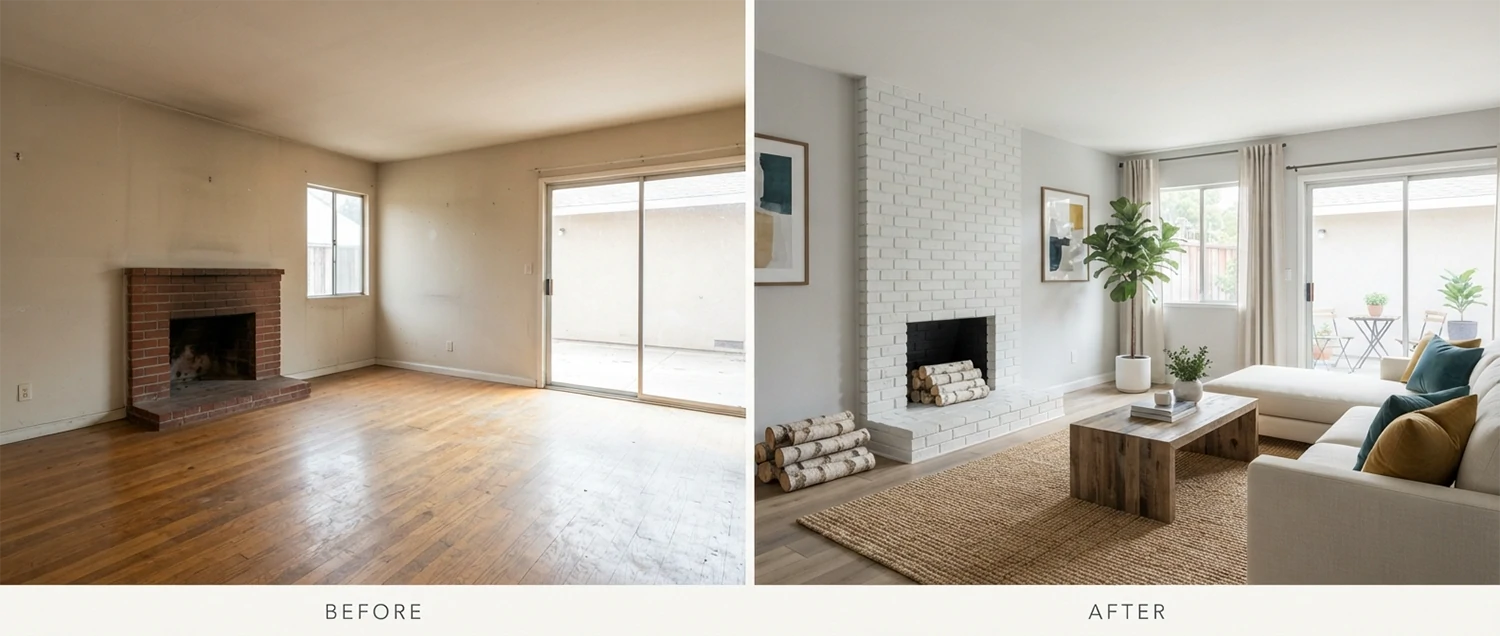
Social media content creation is streamlined by AI that generates before-and-after transformations, style comparison collages, and mood board imagery optimized for platform requirements. Designers maintain consistent posting schedules with AI-assisted content that showcases their expertise while engaging followers. Regular visual content builds audience engagement and establishes designers as authorities in their local markets and online communities.
Client proposal materials benefit from AI-enhanced visualization that communicates design concepts more effectively than traditional mood boards. AI-generated photorealistic previews help clients understand exactly what they are investing in, reducing uncertainty and building confidence in design decisions. Higher-quality proposals win more projects and command higher fees by demonstrating professional capability and attention to presentation quality.
34. AI for Commercial Office Space Planning
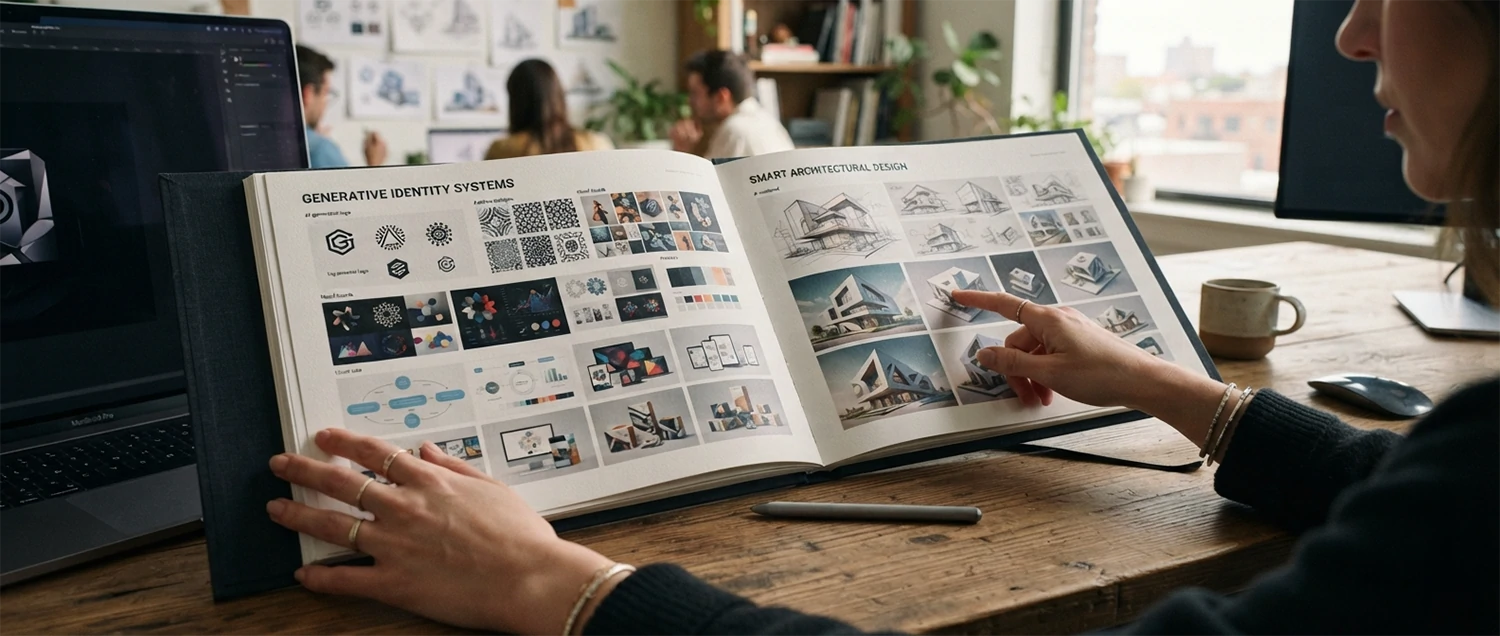
Commercial office design presents unique challenges that AI tools address through specialized workplace analytics and optimization capabilities. Modern offices must accommodate diverse work styles, support hybrid schedules, foster collaboration, and optimize real estate costs. AI workplace design tools analyze these complex requirements to create productive, efficient, and appealing work environments that serve both employers and employees effectively.
Workplace utilization analysis uses data from sensors, badge swipes, and booking systems to understand how office space is actually used. AI identifies underutilized areas that can be repurposed, overcrowded zones that need expansion, and activity patterns that inform space allocation decisions. This data-driven approach ensures every square foot of expensive commercial real estate serves a productive purpose aligned with actual usage patterns and employee needs.
Hybrid work optimization is a key focus of modern AI office design tools. The AI recommends appropriate ratios of dedicated desks, shared workspaces, collaboration zones, and quiet areas based on expected in-office attendance patterns. It designs reservation systems, wayfinding solutions, and technology infrastructure that support seamless transitions between in-office and remote work for optimal flexibility and productivity.
Wellness and productivity research is incorporated into AI workplace recommendations. The AI designs spaces that support biophilic principles with natural light optimization, plant integration, and nature-inspired materials. It recommends ergonomic furniture configurations, appropriate acoustics for different work activities, and amenities that support physical and mental wellbeing, creating offices that attract talent and support peak performance.

35. AI Design Tools for Eco-Friendly and Sustainable Interiors
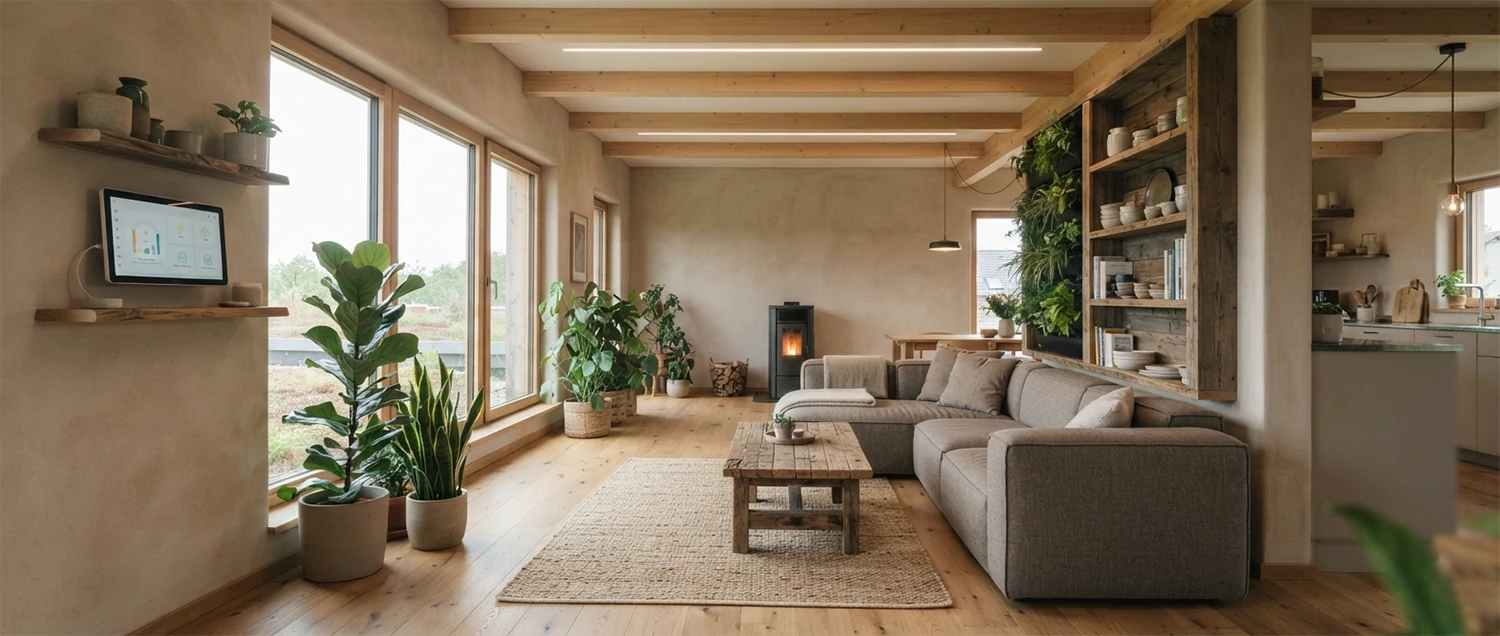
Sustainability has become a central priority in interior design, and AI tools are essential for making environmentally responsible design decisions. AI analyzes the full lifecycle impact of design choices, from material sourcing and manufacturing through installation, use, and eventual disposal. This comprehensive analysis enables designers to create beautiful spaces that minimize environmental impact without sacrificing aesthetic quality or functional performance.
Embodied carbon calculation is performed automatically by AI design tools that maintain databases of material environmental impacts. When a designer specifies flooring, cabinetry, or countertops, the AI calculates the carbon footprint associated with extraction, manufacturing, and transportation. It compares alternatives and recommends lower-carbon options that achieve similar visual and performance characteristics, enabling environmentally conscious material selection throughout projects.
Indoor air quality analysis evaluates how material selections affect the health of interior environments. The AI identifies materials that emit volatile organic compounds, recommends low-VOC alternatives, and calculates cumulative air quality impacts of combined material selections. It suggests ventilation strategies and air-purifying plant placements that maintain healthy indoor air, creating spaces that look good and support occupant health and wellbeing.
Circular economy principles guide AI recommendations for material selection and furniture specification. The AI favors materials that can be recycled or composted at end of life, furniture designed for disassembly and material recovery, and timeless designs that resist rapid obsolescence. It evaluates supplier take-back programs and recommends products from manufacturers committed to circular economy practices that close material loops and reduce waste.
36. Conclusion: The AI-Powered Future of Interior Design
AI interior design tools have transformed from novelty experiments into essential professional instruments that enhance creativity, improve efficiency, and democratize access to quality design. Whether you are a seasoned professional or a first-time homeowner, the current generation of AI tools offers practical benefits that improve design outcomes and streamline the creative process from concept to completion.
The key to success with AI interior design tools lies in understanding their capabilities and limitations, selecting the right tool for each task, and maintaining human oversight of AI-generated outputs. AI excels at generating options, handling technical complexity, and accelerating visualization, but human judgment remains essential for evaluating quality, understanding context, and making final decisions that reflect genuine human preferences and needs.
Getting started requires nothing more than downloading an app or visiting a website. The barriers to entry have never been lower, and the quality of results has never been higher. Experiment with different tools, learn from each experience, and gradually build an AI design workflow that amplifies your natural creativity. The investment in learning these tools pays dividends through better design outcomes achieved in less time.
The future of interior design is not AI replacing human designers but humans and AI working together in creative partnership. By embracing these tools thoughtfully and strategically, you position yourself at the forefront of a design revolution that is making beautiful, functional spaces more achievable than ever before in human history. The only question remaining is which AI tool you will try first to begin your own design transformation journey.
Transform Your Spaces with AI Design Tools
Explore the power of artificial intelligence in interior design. From concept generation to virtual staging, AI tools make professional design accessible to everyone.