
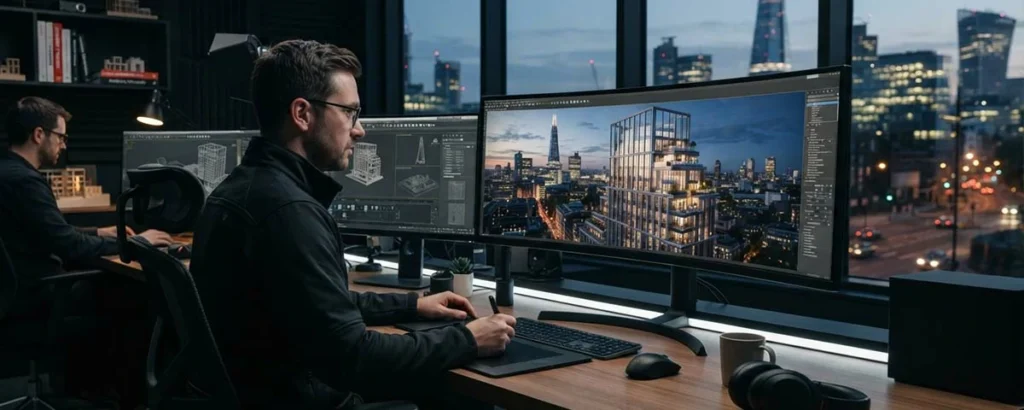
A comprehensive guide to the world's leading architectural visualization studios, their services, portfolios, and what makes them stand out in the competitive ArchViz industry.
What Are 3D Architectural Visualization Companies
3D architectural visualization companies are specialized firms that create photorealistic digital images and animations of architectural designs. These studios employ talented artists, 3D modelers, render specialists, and creative directors who transform architectural plans, CAD files, and design concepts into compelling visual stories. The best companies in this field combine technical mastery with artistic vision to produce images that captivate audiences and communicate design intent with clarity.
The architectural visualization industry has grown exponentially over the past two decades. What began as a small niche serving high-end architectural firms has expanded into a global market serving architects, real estate developers, interior designers, landscape architects, urban planners, hospitality brands, and government agencies. The best 3D architectural visualization companies have evolved alongside this growth, developing specialized expertise across multiple building typologies and visualization styles.
Choosing the right visualization partner is a critical decision that can significantly impact project success. The best companies do more than create pretty pictures. They understand architectural design principles, construction methods, material properties, and marketing psychology. They collaborate effectively with architects and developers to produce visuals that serve specific project goals from design communication and client approval to marketing and sales.
This guide provides a thorough exploration of the best 3D architectural visualization companies. Whether you are an architect seeking a visualization partner, a developer planning a marketing campaign, or a professional interested in the ArchViz industry, this resource will help you understand the landscape and make informed decisions.
The Global ArchViz Market Landscape
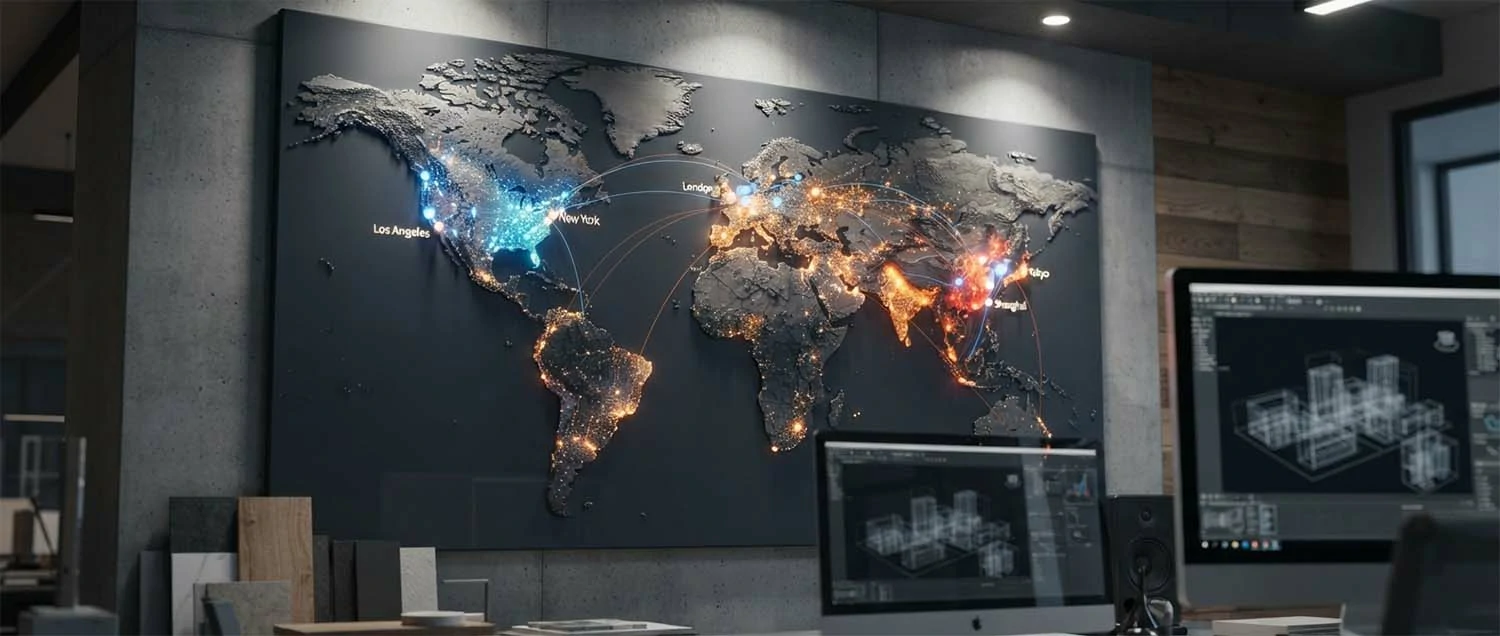
The global architectural visualization market has experienced remarkable growth, driven by increasing demand for high-quality visual content across the architecture, engineering, and construction industries. Market analysis indicates continued expansion as technology advances and client expectations for visual quality rise. The best 3D architectural visualization companies position themselves at the forefront of this growing market.
Geographic distribution of top ArchViz firms spans the globe with significant concentrations in Europe, North America, and Asia. European studios particularly those in the United Kingdom, Netherlands, and Scandinavia have long been recognized for design excellence. North American firms benefit from proximity to major real estate markets. Asian studios have grown rapidly, offering competitive pricing alongside improving quality standards.
Market segmentation within the ArchViz industry includes high-end boutique studios serving premium architectural clients, mid-market firms handling commercial and residential projects, and large production studios that deliver volume rendering at scale. The best companies have clear market positioning that aligns with their target clientele and project types.
Industry trends shaping the market include increasing demand for real-time visualization, virtual reality experiences, interactive 3D presentations, and sustainable design visualization. The best companies invest in emerging technologies while maintaining excellence in traditional photorealistic rendering that remains the core service offering.
Criteria for Evaluating ArchViz Companies
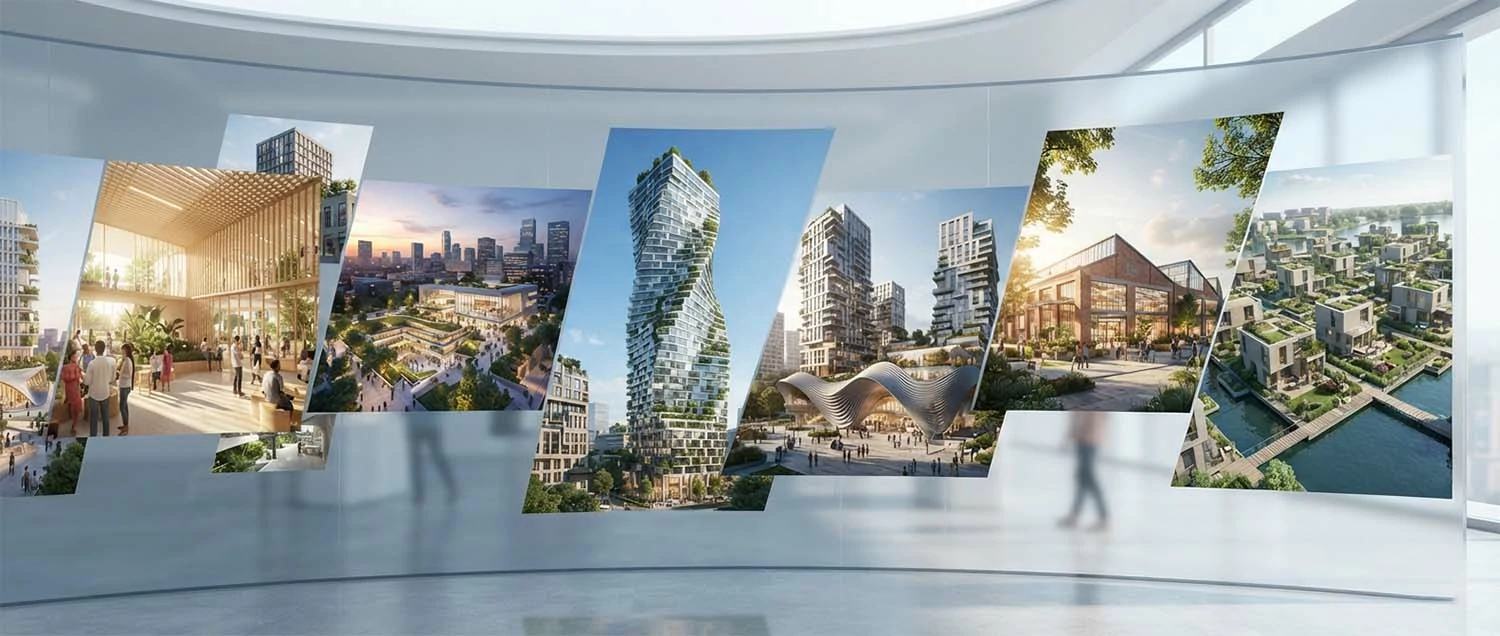
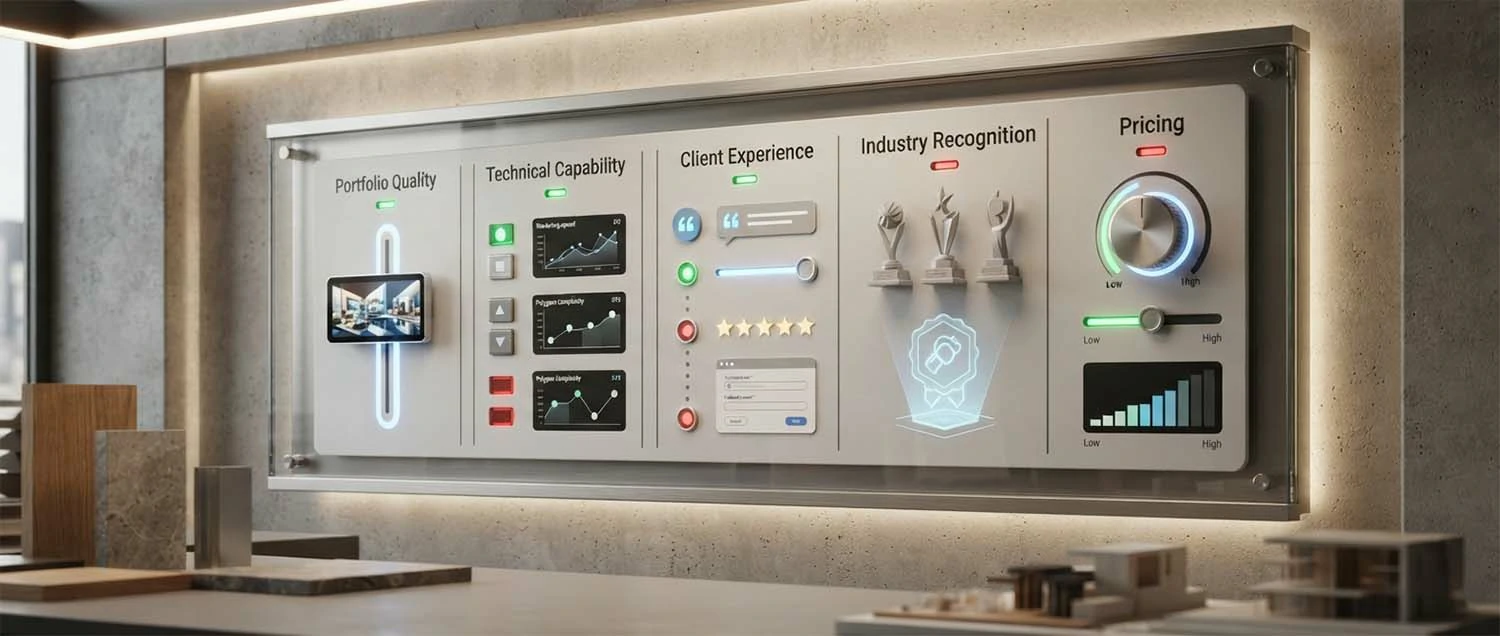
Portfolio quality is the primary criterion for evaluating architectural visualization companies. The best firms maintain extensive portfolios showcasing their work across different project types, scales, and architectural styles. Portfolio review should focus on image quality, lighting mastery, material accuracy, and the emotional impact of the visuals. Pay particular attention to projects similar to yours in scope and style.
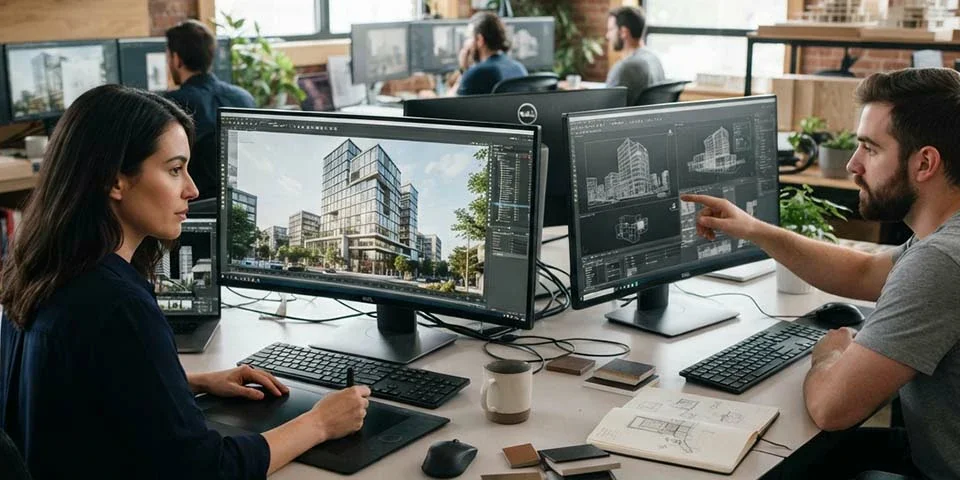
Technical capability assessment examines the software, hardware, and workflow infrastructure that supports a studio production quality. Leading firms invest in the latest rendering technology including GPU-accelerated rendering, real-time visualization tools, and VR/AR capabilities. Technical expertise should extend across the full production pipeline from 3D modeling through post-production.
Client experience and testimonials provide valuable insight into how firms work with clients. Look for reviews that mention communication quality, project management, deadline adherence, and responsiveness to feedback. The best companies have structured workflows that facilitate smooth collaboration and consistent results.
Industry recognition through awards, publications, and professional affiliations indicates a firm standing within the ArchViz community. Awards from organizations like the CGarchitect Architectural 3D Awards, publications in architecture magazines, and speaking engagements at industry conferences all signal excellence and thought leadership.
Services Offered by Top ArchViz Companies
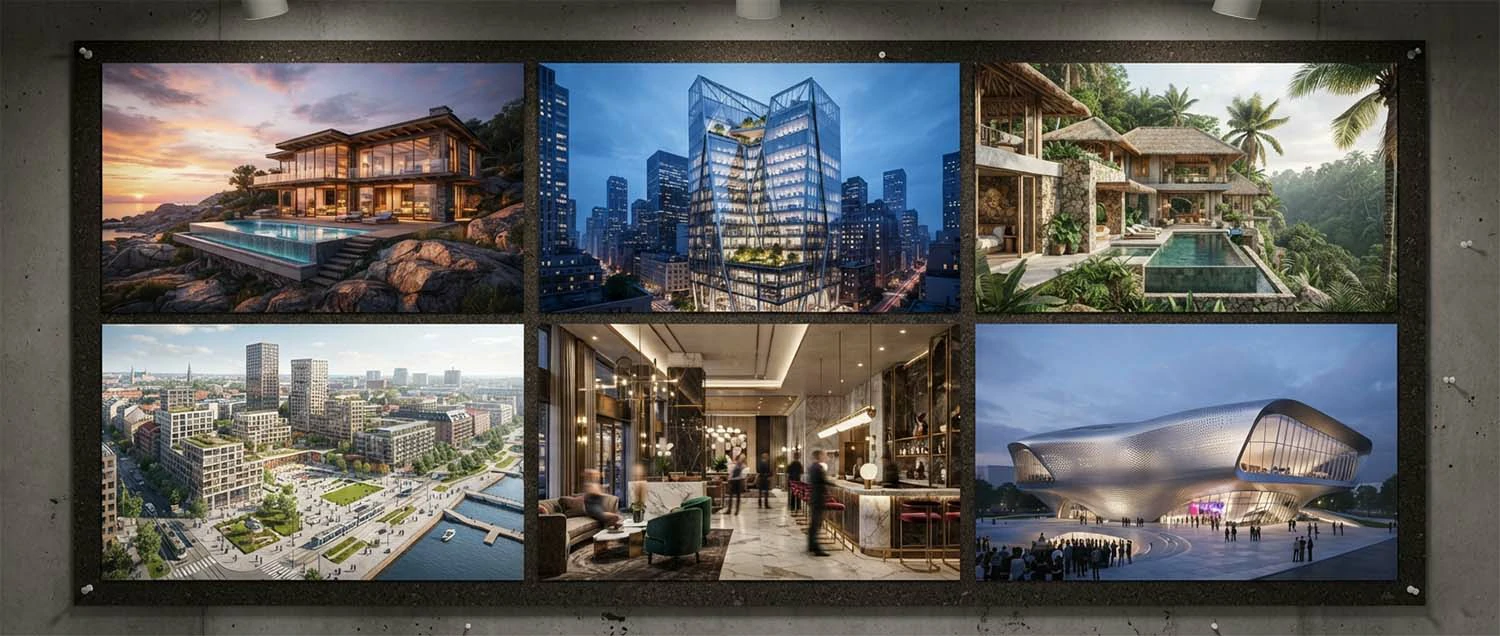
Photorealistic still rendering remains the core service of architectural visualization companies. These high-resolution images capture buildings and interiors with photographic quality, showing materials, lighting, and spatial qualities with stunning accuracy. Still renderings are used for client presentations, marketing materials, publications, and competition entries. The best firms produce still images that are indistinguishable from photography.
Architectural animation and walkthrough services create cinematic video presentations that guide viewers through buildings and spaces. Animated sequences reveal spatial relationships, circulation patterns, and experiential qualities that still images cannot convey. Top studios produce animations with smooth camera movements, atmospheric effects, and narrative structure that tell compelling stories about architectural designs.
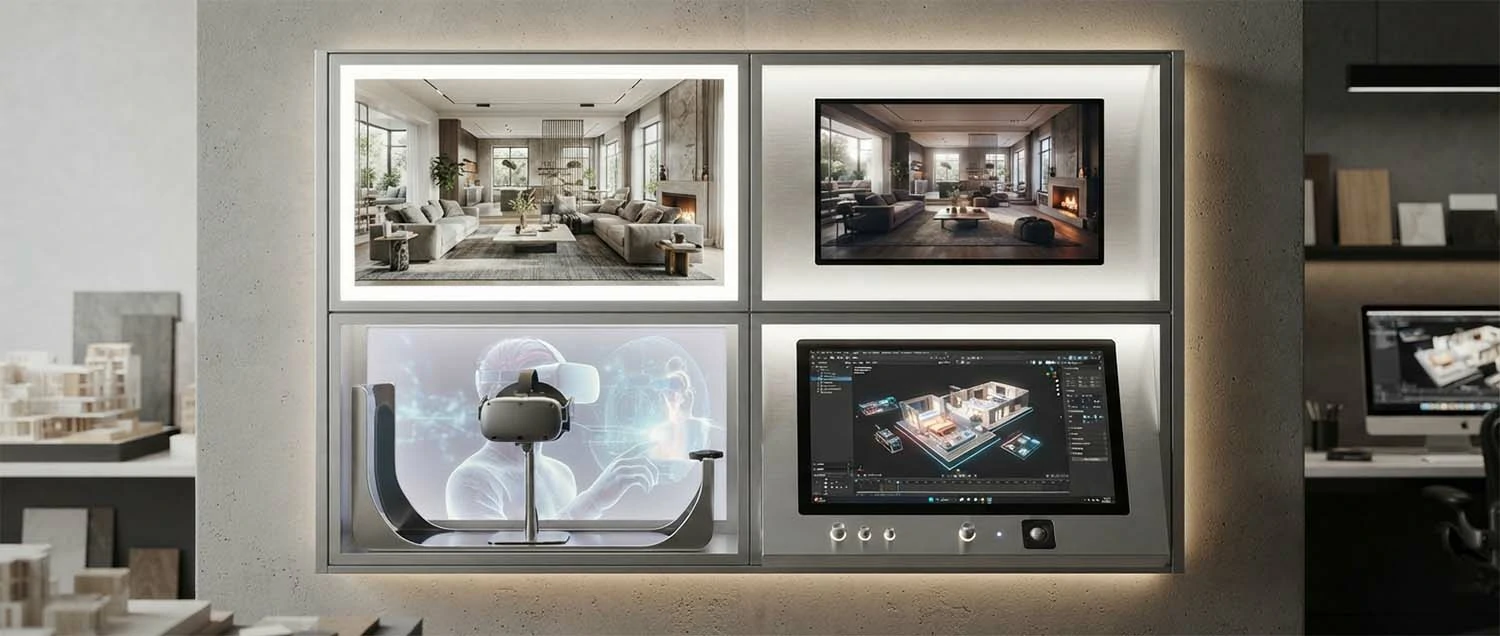
Virtual reality and interactive experiences represent the cutting edge of architectural visualization. VR allows clients to explore buildings at full scale, experiencing spaces as if they were physically present. Interactive presentations let users control their viewing experience, selecting viewpoints, exploring design options, and interacting with building elements.
Additional services offered by leading firms include 3D modeling and BIM integration, material and finish visualization, daylight and shadow studies, landscape rendering services, urban master planning visuals, and post-production compositing. The best companies offer comprehensive service packages that cover the full spectrum of visualization needs.
Leading European ArchViz Studios
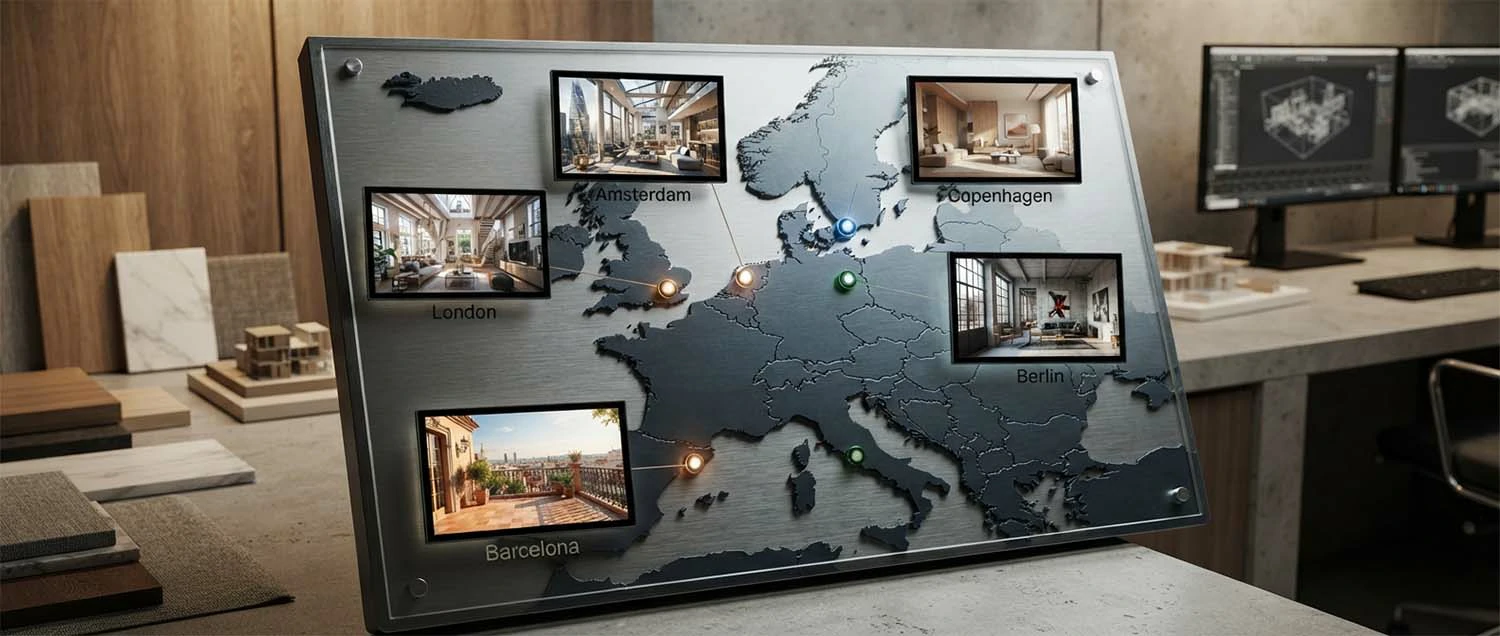
Europe is home to some of the most prestigious architectural visualization companies in the world. The region design tradition, architectural heritage, and concentration of leading architecture firms have created a fertile environment for visualization excellence. European studios are known for their artistic sensibility, attention to detail, and sophisticated visual style.
London-based studios represent a significant concentration of ArchViz talent. The city status as a global architecture hub means visualization firms work with leading international architects on high-profile projects. British studios are recognized for their technical precision and creative approach to architectural storytelling. Many London firms have built international client bases spanning multiple continents.
Dutch and Scandinavian visualization studios are known for their clean, minimalist aesthetic that reflects the design sensibilities of their regions. These firms excel at creating atmospheric images that emphasize natural light, material honesty, and spatial clarity. Their work often appears in architectural publications and design awards.
Southern European studios particularly those in Spain and Italy bring a distinctive sensibility to architectural visualization. Their work often emphasizes warm lighting, rich materials, and the relationship between architecture and landscape. These firms are sought after for hospitality, residential, and cultural projects where atmosphere and emotion are paramount.
Top ArchViz Companies in North America
North American architectural visualization companies serve one of the largest real estate markets in the world. The United States and Canada are home to numerous top-tier studios that work with major developers, architecture firms, and corporate clients across residential, commercial, hospitality, and institutional sectors.
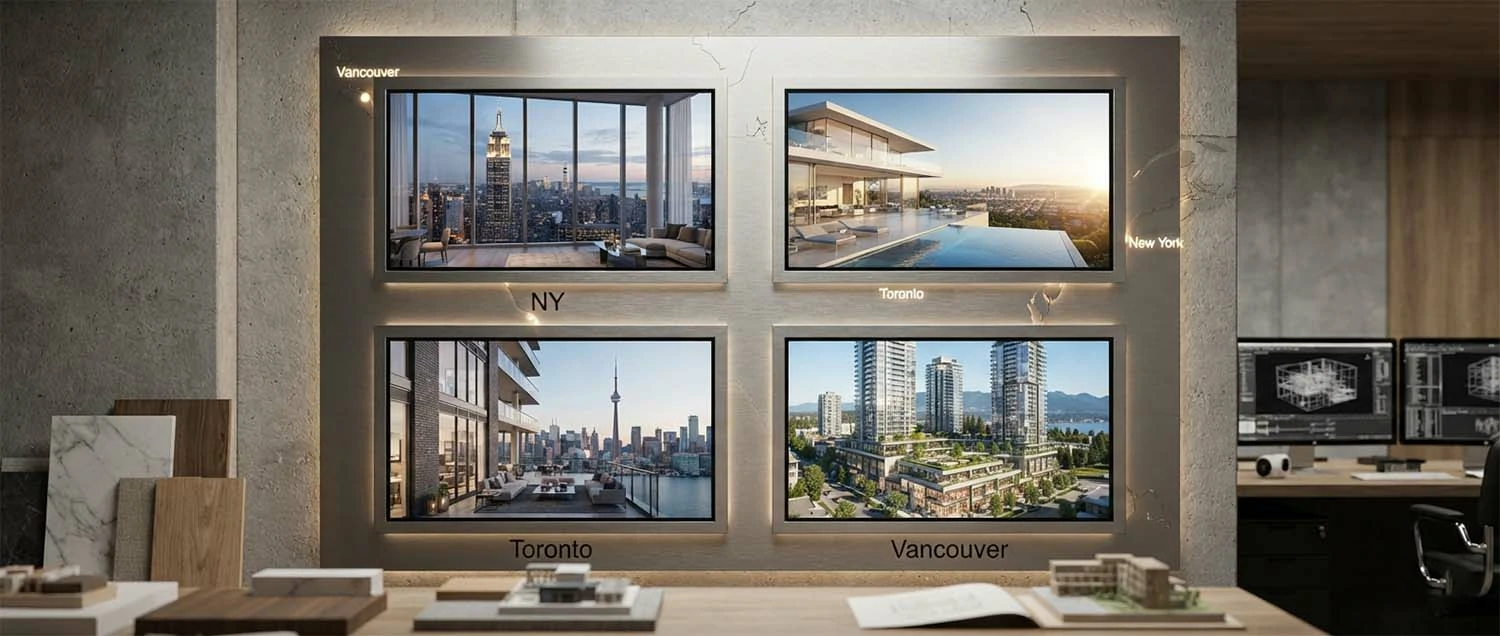
New York City studios occupy a unique position in the ArchViz market, working with the world leading architects on iconic projects. Manhattan visualization firms are known for their ability to handle complex urban contexts, high-rise buildings, and premium residential developments. Their portfolios feature many of the most recognizable new buildings in the global skyline.
Los Angeles and West Coast studios bring a different sensibility to architectural visualization, often emphasizing indoor-outdoor living, natural landscapes, and the California modern aesthetic. These firms are sought after for high-end residential projects, hospitality developments, and creative commercial spaces that reflect the region design culture.
Canadian visualization studios particularly those in Toronto and Vancouver have built strong reputations for quality and reliability. These firms serve both domestic and international clients, with particular expertise in high-rise residential, mixed-use developments, and sustainable building visualization. Canadian studios are recognized for their collaborative approach and consistent quality.
Rising ArchViz Studios in Asia
Asia has emerged as a major force in the architectural visualization industry, with studios across China, India, Singapore, and Southeast Asia producing work of international quality. The rapid urbanization and construction boom across the region has created enormous demand for visualization services, driving rapid capability development.
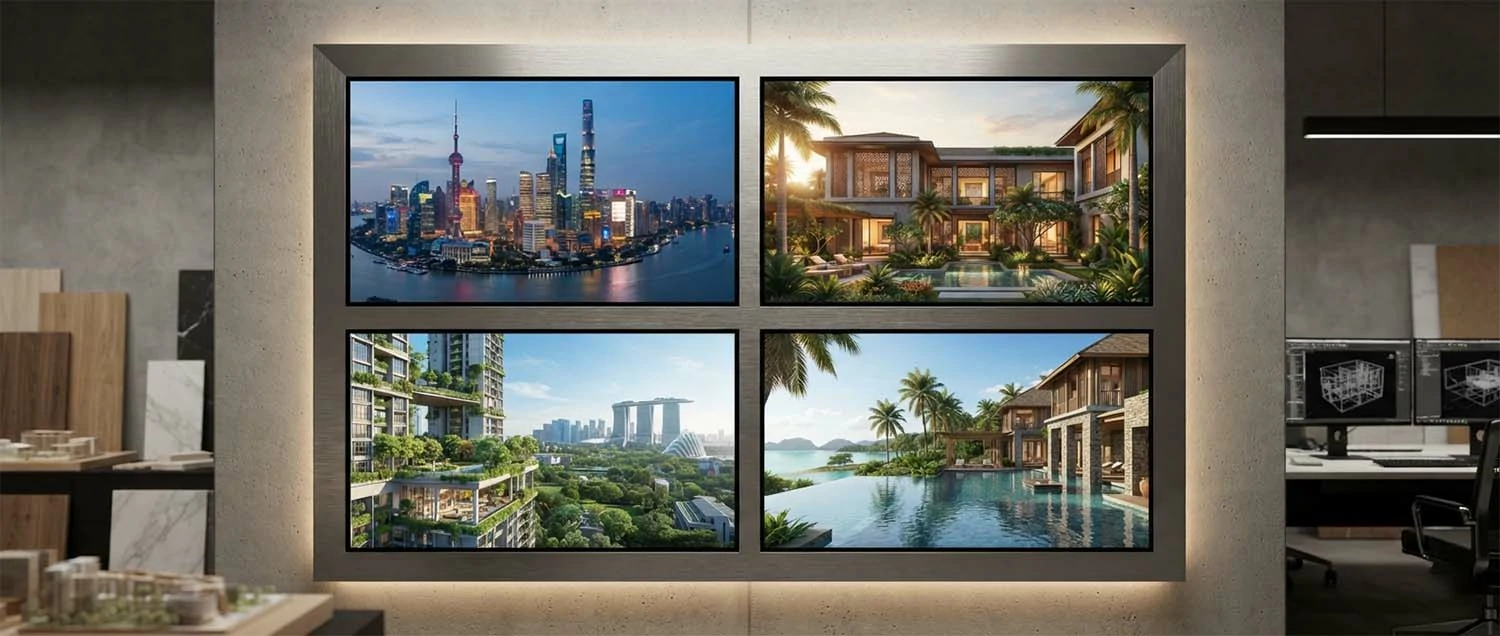
Chinese ArchViz studios have grown dramatically in both scale and quality. Major firms in Shanghai, Beijing, and Shenzhen now compete with established Western studios for international projects. Chinese studios are known for their efficiency, competitive pricing, and ability to handle large-scale projects including master planning and urban development visualizations.
Indian visualization companies have built strong reputations for technical skill and value. The country large pool of 3D artists combined with improving education and technology infrastructure has enabled Indian studios to serve clients worldwide. Many Indian firms specialize in architectural rendering, BIM visualization, and construction sequence animation.
Singapore and Southeast Asian studios benefit from the regions architectural diversity and design-forward culture. These firms often work on hospitality, resort, and mixed-use projects that showcase tropical architecture and landscape integration. Singapore studios in particular are recognized for their design sensitivity and high-quality output.
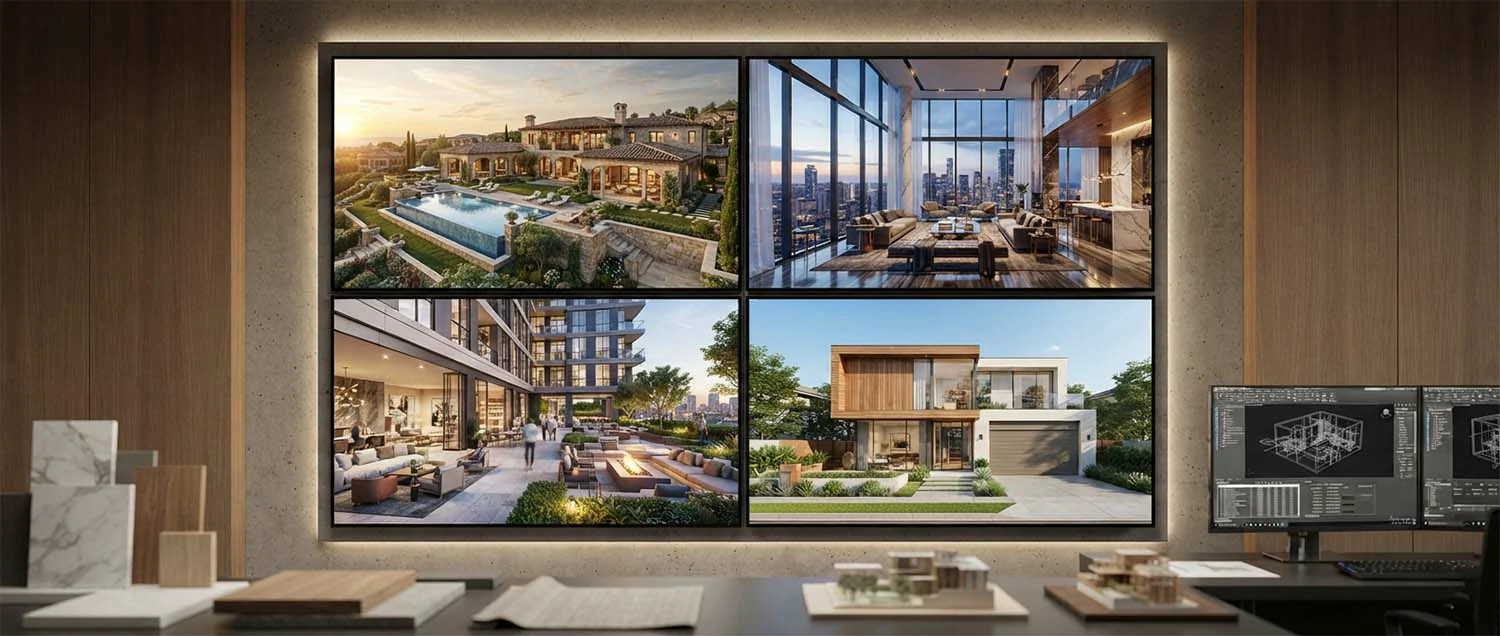
Top Companies for Residential Visualization
Residential architectural visualization is one of the largest segments of the ArchViz market, encompassing single-family homes, multi-family developments, luxury estates, and affordable housing projects. The best companies for residential visualization understand how to make homes feel warm, inviting, and aspirational while accurately representing design features.
Luxury residential specialists focus on high-end homes where every detail matters. These studios excel at rendering premium materials, custom millwork, designer finishes, and landscape integration. Their portfolios showcase estates, penthouses, and custom homes where the visualization must match the quality expectations of discerning clients.
Multi-family and condo visualization requires different skills focused on unit layouts, amenity spaces, and building context. Many of these firms overlap with dedicated residential rendering companies that specialize in home visualization. These renderings show multiple units, common areas, and neighborhood context to help buyers understand the living experience. Top residential visualization firms produce unit-specific renderings for sales galleries and marketing campaigns.
Affordable and workforce housing visualization presents unique challenges and opportunities. These projects require clear, appealing images that communicate quality and value without luxury styling. The best firms approach affordable housing with the same care and creativity as luxury projects, understanding that quality visualization supports important community development goals.
Leading Firms for Commercial ArchViz
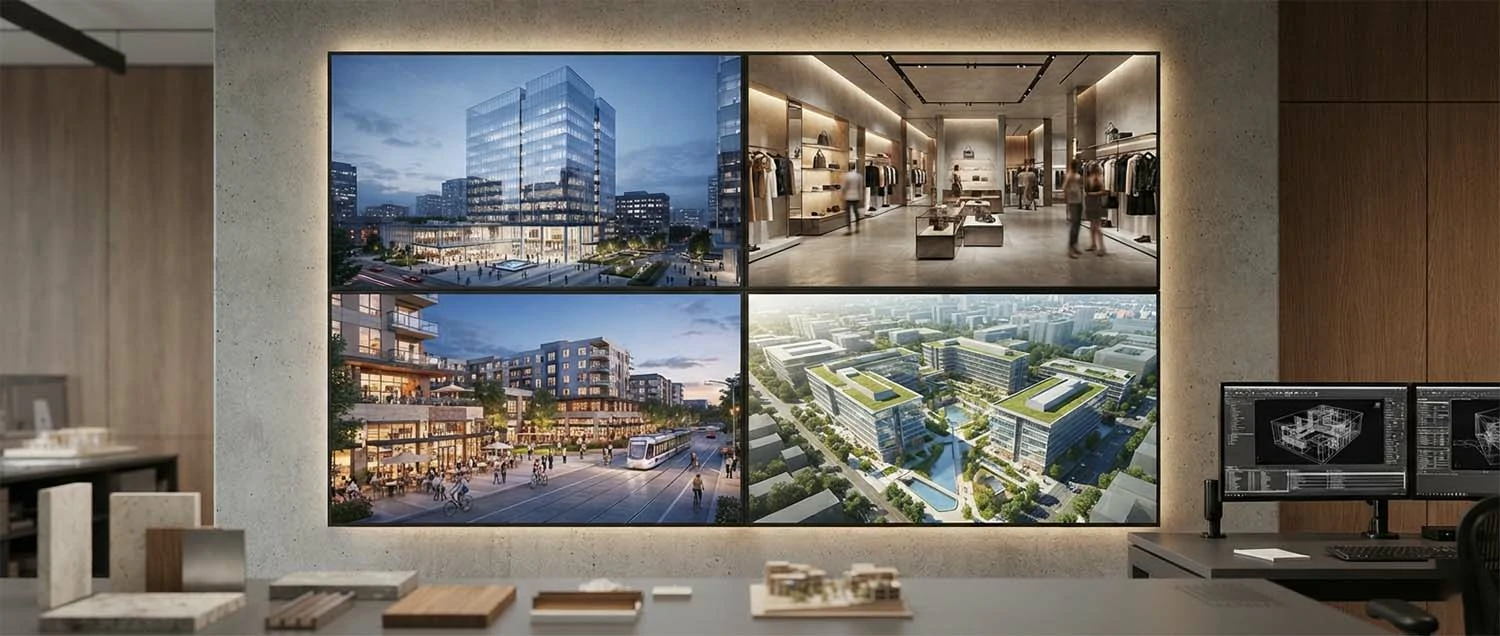
Commercial architectural visualization covers office buildings, retail centers, mixed-use developments, and corporate campuses. These projects often require renderings that balance architectural expression with commercial functionality. The best commercial visualization firms understand how to present buildings as both design achievements and functional business environments.
Office building renderings focus on workplace environments that attract tenants and support productivity. Contemporary office visualizations emphasize flexible floor plans, collaborative spaces, wellness features, and technology integration. Lobbies, conference centers, and amenity floors require special attention as they serve as differentiators in competitive office markets.
Retail and mixed-use visualization requires renderings that capture the energy and experience of shopping environments. These projects often include multiple retail spaces, dining areas, entertainment venues, and public circulation zones. The best renderings show retail environments with appropriate density, activity, and visual interest that communicates commercial vitality.
Corporate campus visualizations present large-scale workplace environments with multiple buildings, landscape integration, and campus amenities. These projects require aerial views, master plan illustrations, and detailed building renderings that communicate the comprehensive vision for corporate headquarters and business parks.
Best Companies for Hospitality Visualization
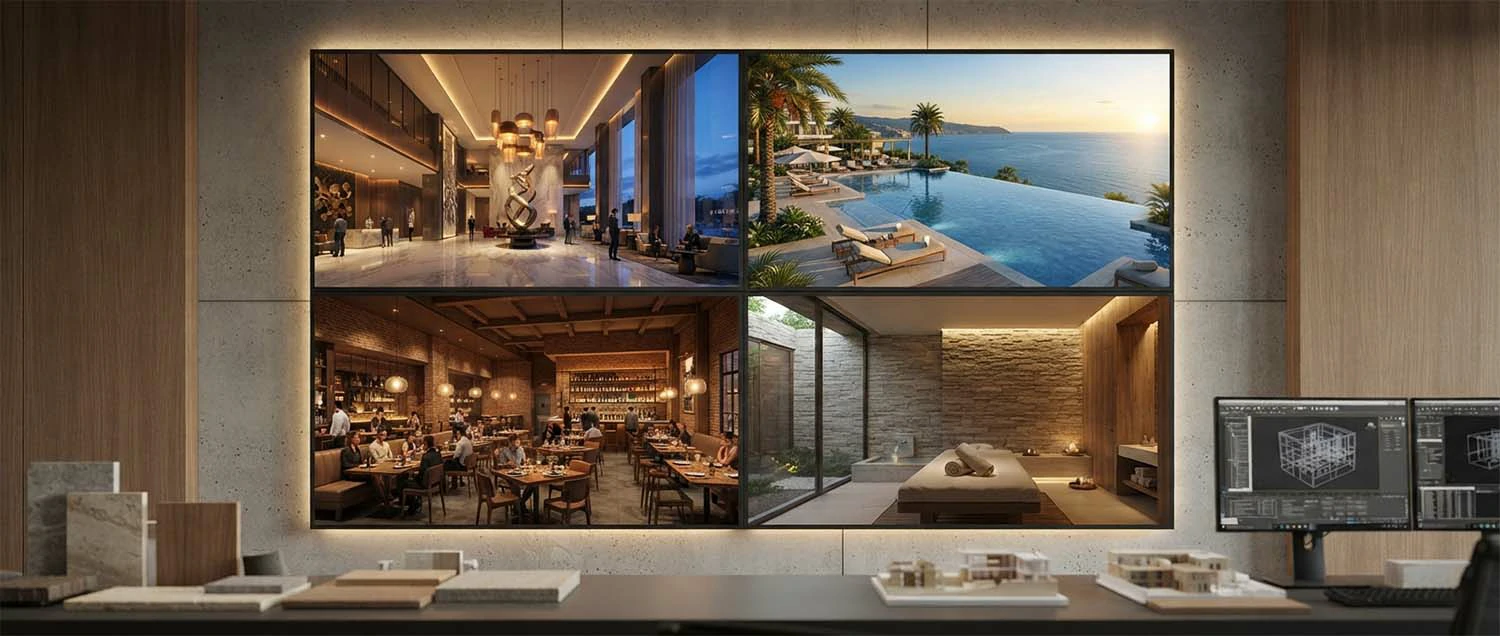
Hospitality visualization is a specialized niche within architectural rendering that demands exceptional atmospheric quality. Hotels, resorts, restaurants, and spas must be rendered with an emotional appeal that makes viewers want to experience these spaces. The best hospitality visualization companies excel at creating desire through imagery.
Hotel rendering requires showcasing guest rooms, public spaces, dining venues, and recreational facilities in their most appealing light. Each space type has distinct requirements from the intimacy of a guest room to the grandeur of a lobby. Hospitality renderings must balance architectural accuracy with aspirational atmosphere that drives booking decisions.
Resort and destination visualization emphasizes the relationship between architecture and landscape. These renderings show how buildings relate to beaches, mountains, gardens, and water features. Natural lighting, outdoor spaces, and views are paramount in resort renderings that sell the experience of a destination.
Restaurant and bar visualization focuses on creating atmosphere through lighting, materials, and spatial composition. These renderings must capture the character and mood that define hospitality concepts. Warm lighting, rich materials, and careful composition create images that communicate the dining experience before a restaurant opens.
Analyzing ArchViz Company Portfolios
Portfolio analysis is the most important step in evaluating architectural visualization companies. A studio portfolio reveals not only technical capability but also design sensibility, creative range, and professional experience. The best firms curate their portfolios carefully, selecting work that demonstrates their strengths and aligns with the clients they seek to attract.
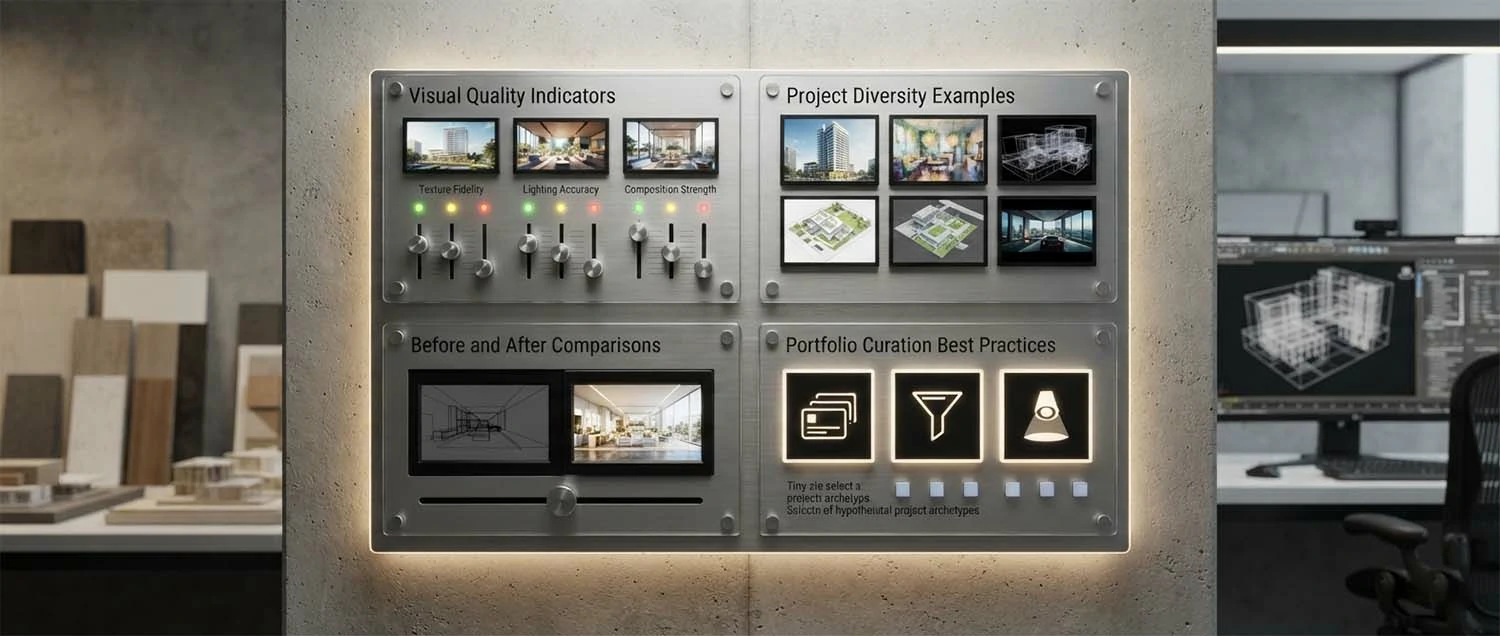
Visual quality indicators in portfolios include lighting consistency, material realism, compositional strength, and attention to detail. Look for images that demonstrate mastery of different lighting conditions from bright daylight to dramatic night scenes. Material rendering should show realistic surface properties including reflectivity, texture, and wear appropriate to each material type.
Project diversity in a portfolio indicates a studio versatility and experience breadth. Firms that have worked across multiple building typologies hospitality, residential, commercial, cultural bring broader perspective to each new project. However, specialized studios with deep expertise in specific project types may offer superior results for focused needs.
Before and after comparisons showing raw modeling through final rendering demonstrate a studio production quality and transformation capability. These comparisons reveal the value added by visualization artists in terms of lighting, atmosphere, composition, and post-production. The best firms are transparent about their process and proud to show their workflow.
Technology Stack of Top ArchViz Firms
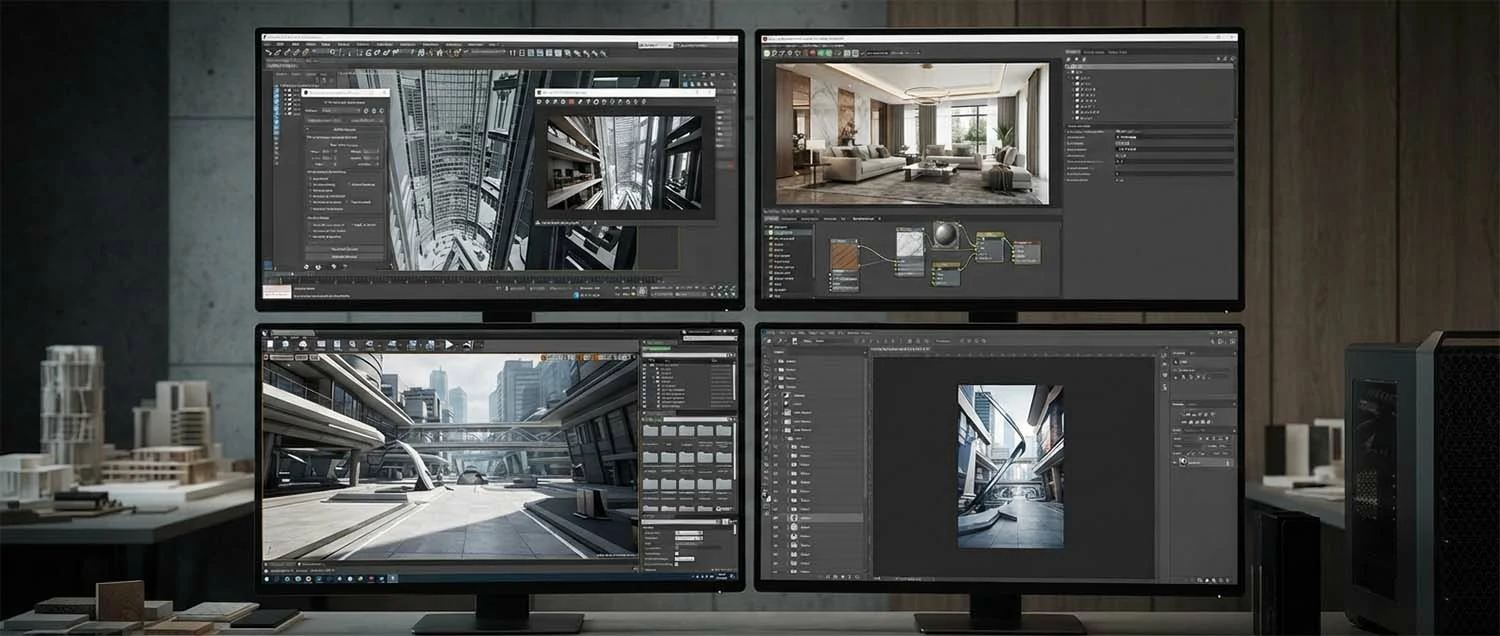
3ds Max with V-Ray remains the industry standard combination for high-end architectural visualization. This powerful pairing offers unmatched control over lighting, materials, and rendering quality. Most top ArchViz firms use 3ds Max as their primary modeling and rendering platform, with V-Ray providing photorealistic rendering capabilities that meet the demanding standards of architectural clients.
Chaos Corona has gained significant adoption in the ArchViz community as an alternative to V-Ray. Corona is valued for its user-friendly workflow, physically accurate lighting, and excellent material system. Many European studios particularly favor Corona for its balance of quality and ease of use. Corona interactive rendering allows artists to see results in real time during scene development.
Real-time engines including Unreal Engine and Twinmotion are increasingly important in architectural visualization workflows. These tools enable interactive walkthroughs, VR experiences, and rapid iteration that traditional offline rendering cannot match. The best firms integrate real-time technology alongside traditional rendering to offer clients flexible delivery options.
Post-production software including Adobe Photoshop and After Effects completes the visualization pipeline. Compositing, color grading, atmosphere addition, and image enhancement in post-production separate professional renderings from raw outputs. Top ArchViz firms invest heavily in post-production capabilities that add the final polish to their work.
Production Workflow at Leading Studios
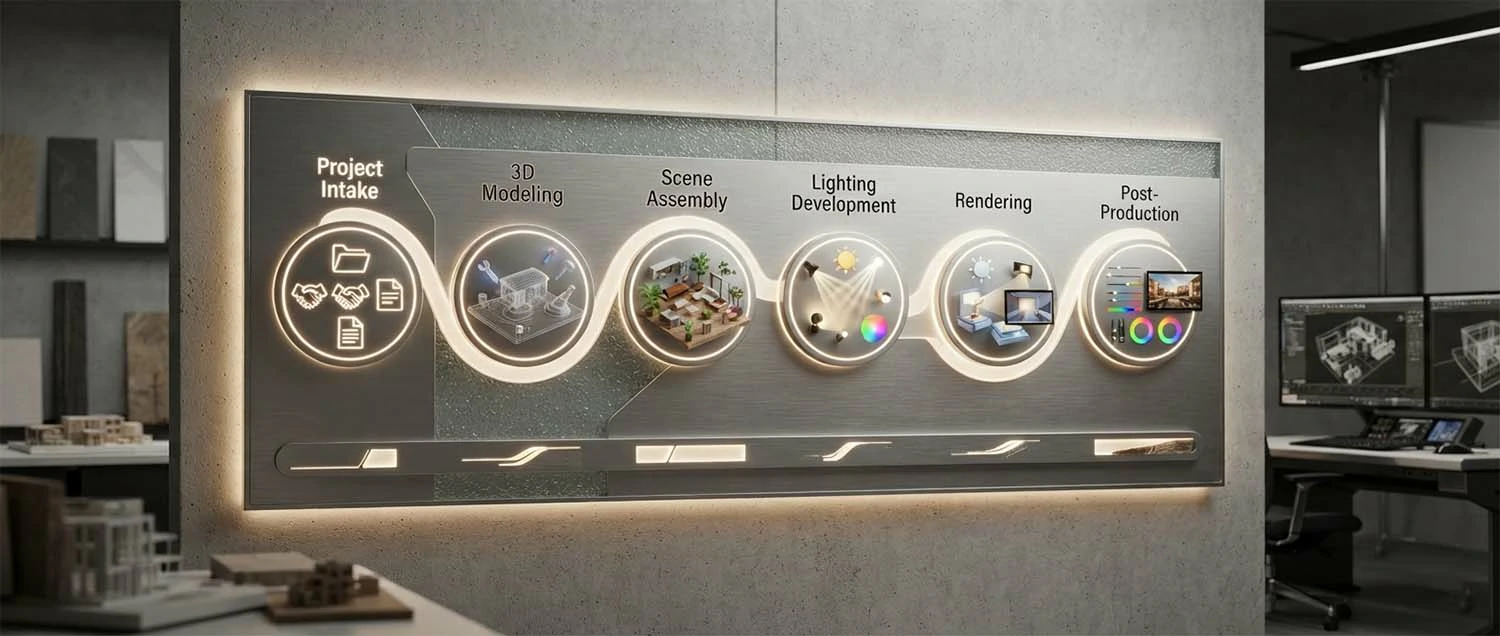
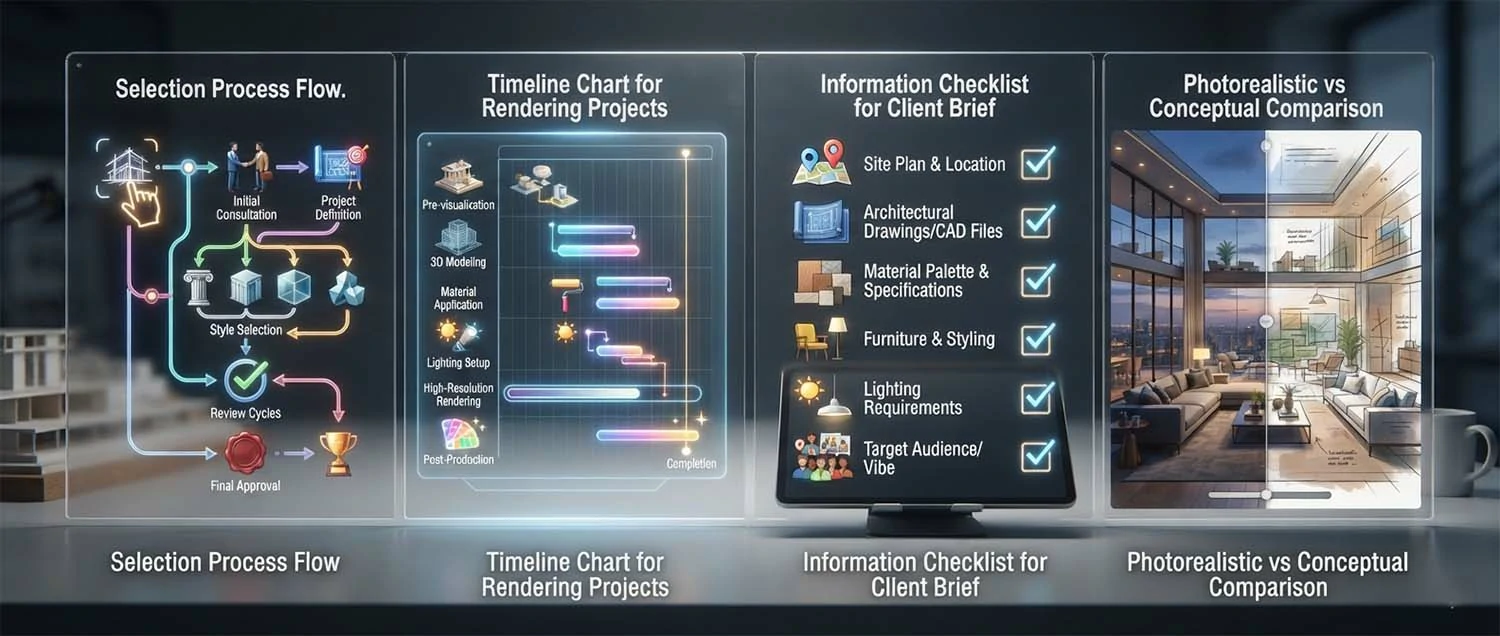
Project intake and briefing is the critical first phase of the ArchViz production workflow. Top studios have structured briefing processes that gather architectural drawings, reference images, material specifications, and creative direction. Clear project briefs prevent misunderstandings and establish shared expectations for quality, style, and deliverables.
3D modeling and scene assembly transforms architectural drawings into digital 3D environments. This phase involves importing CAD files, building 3D geometry, applying materials, and setting up initial camera compositions. The best firms maintain libraries of reusable models for furniture, vegetation, vehicles, and people that speed up scene assembly while maintaining quality.
Lighting and rendering development is where the artistic vision of a project comes to life. Lighting artists establish mood, atmosphere, and visual hierarchy through careful light placement and intensity control. Multiple lighting options are typically developed and reviewed before committing to final rendering. Client feedback at this stage ensures alignment with creative direction.
Post-production and delivery completes the workflow. Render passes are composited, color corrected, and enhanced with atmospheric effects. Final images are delivered in required formats and resolutions for specific use cases from web and social media to large-format print.
Pricing Structures at ArchViz Companies
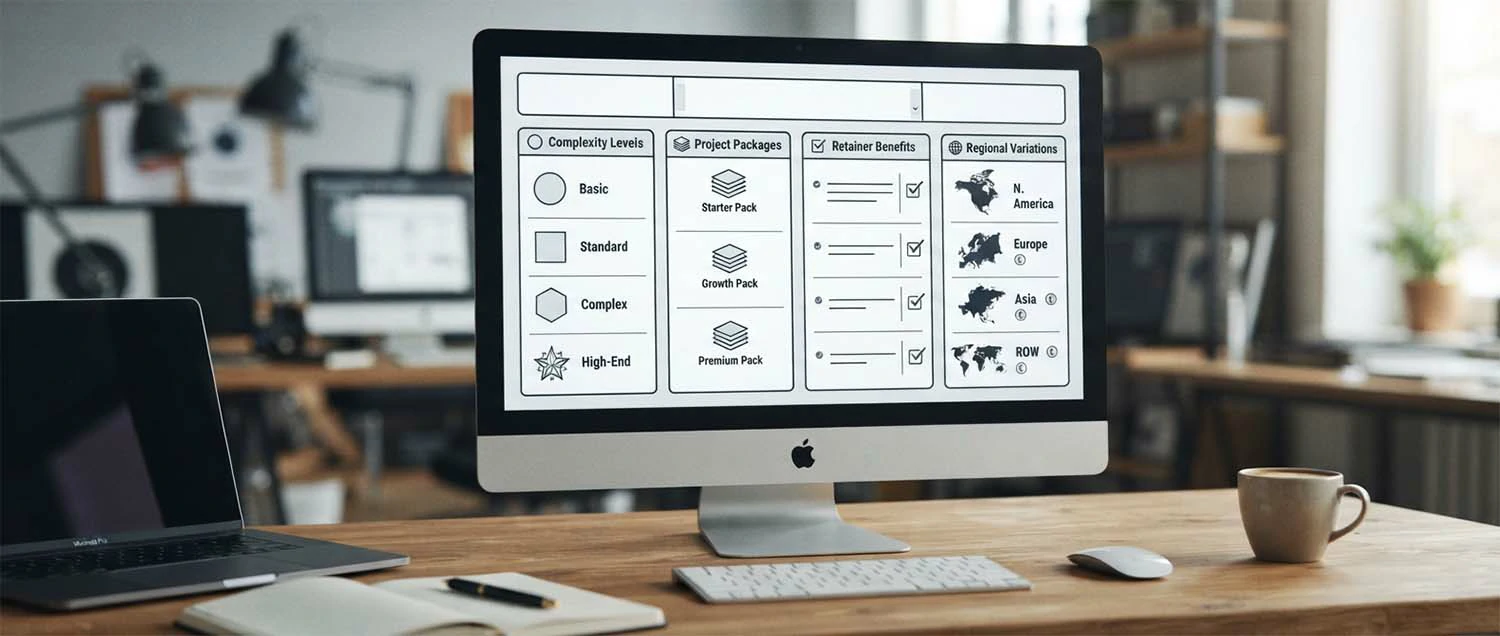
Pricing for architectural visualization services varies significantly based on project complexity, image quality requirements, studio reputation, and geographic location. Premium European and North American studios may charge between two thousand and ten thousand dollars per image for high-end architectural renderings. Mid-market firms typically range from five hundred to two thousand dollars per image.
For a deeper breakdown of what studios charge, see our guide to 3D rendering cost. Per-image pricing is the most common model in the ArchViz industry. Each still rendering is priced individually based on complexity factors including exterior or interior, level of detail, lighting complexity, and post-production requirements. Additional charges apply for revisions beyond included rounds, rush delivery, and extended usage rights.
Project-based pricing packages offer better value for larger visualization projects. A package for a residential development might include exterior hero shots, unit interiors, amenity spaces, and site context views at a bundled price lower than individual per-image costs. Project pricing provides cost certainty and encourages holistic project planning.
Retainer and ongoing partnership arrangements benefit firms with regular visualization needs. Monthly retainers provide dedicated studio capacity, priority scheduling, and favorable rates. Many top architects and developers maintain retainer relationships with their preferred visualization partners, ensuring consistent quality and streamlined collaboration.
How to Select the Right ArchViz Partner
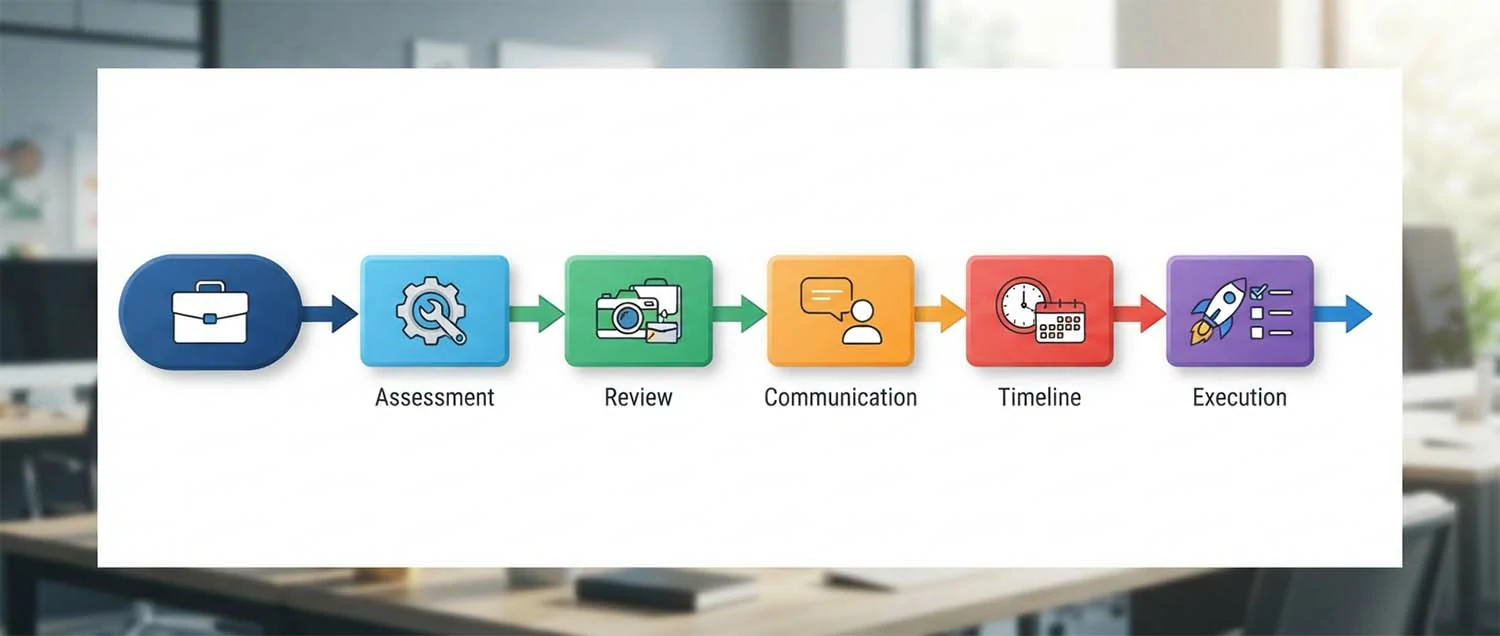
Project type alignment is the first consideration in selecting an architectural visualization partner. Choose firms whose portfolio demonstrates experience with your specific building typology. A studio that excels at hospitality visualization may not be the best choice for a healthcare project. Specialized experience brings relevant techniques, material knowledge, and industry understanding.
Communication and collaboration style should match your preferences and workflow. Some studios prefer minimal client involvement, delivering finished images at specified milestones. Others favor frequent interaction with regular reviews and collaborative decision-making. Choose a partner whose communication approach complements your team working style.
Timeline and delivery reliability are critical for projects with fixed deadlines. Ask potential partners about their current workload, typical turnaround times, and capacity to handle your project schedule. The best firms maintain realistic schedules and communicate proactively about delivery timelines.
Test projects provide the most reliable evaluation of a visualization studio capabilities. Many top firms offer paid trial projects that allow you to assess their quality, communication, and workflow before committing to larger engagements. A test project reveals how the studio handles feedback, manages revisions, and delivers final output.
Local vs International ArchViz Studios
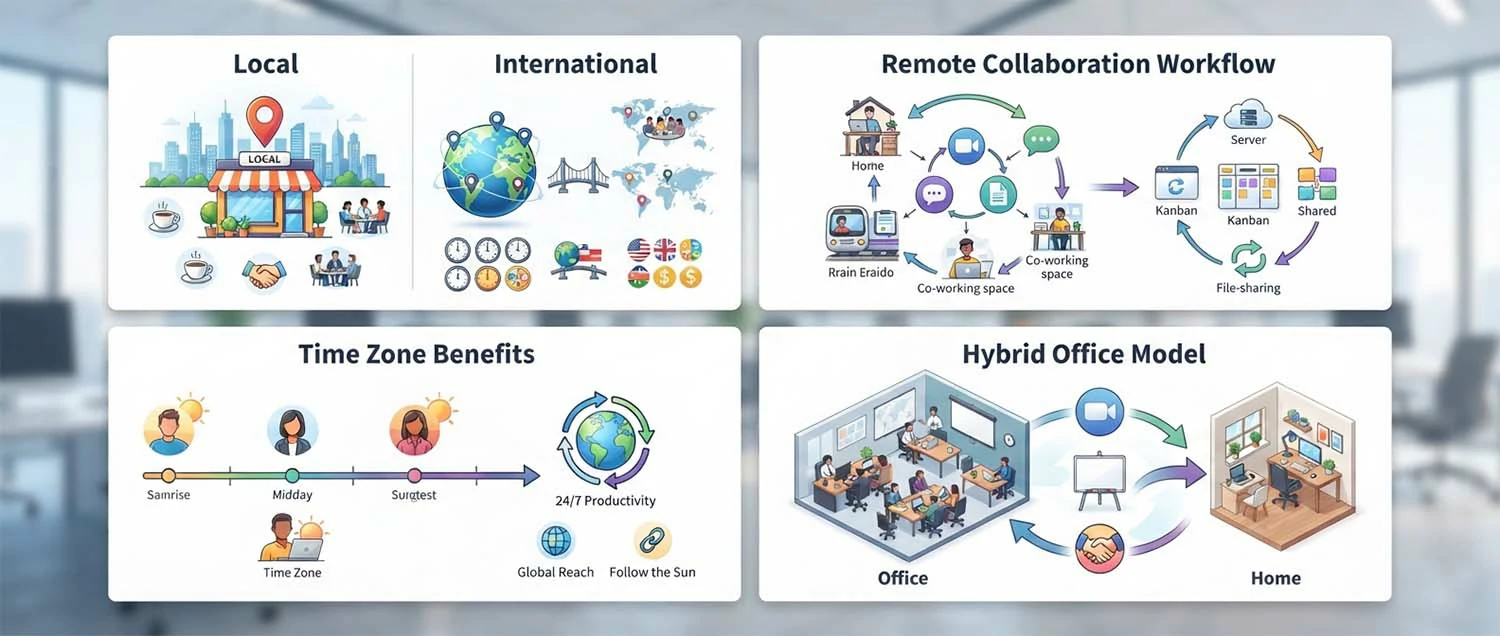
Local architectural visualization studios offer advantages in terms of site familiarity, regulatory knowledge, and ease of communication. Local firms understand regional architectural styles, construction methods, and material availability. They can visit project sites, meet with stakeholders in person, and respond quickly to changing requirements.
International studios bring global perspective, diverse experience, and often more competitive pricing. Working across different markets exposes international firms to a wider range of architectural styles and project types. This breadth of experience can bring fresh ideas and innovative approaches to local projects.
Remote collaboration has become increasingly seamless with modern communication tools and project management platforms. Time zone differences can actually benefit project timelines when workflow handoffs between continents enable round-the-clock production. Many top studios have built successful practices serving clients halfway around the world.
Hybrid approaches combining local coordination with international production capacity offer the best of both worlds. Some visualization companies maintain offices in multiple countries, providing local client management with global production resources. This model ensures cultural and contextual understanding while leveraging cost advantages and talent pools across locations.
Common Mistakes When Choosing ArchViz Companies
Choosing based on price alone is one of the most common mistakes when selecting an architectural visualization partner. Low-cost providers often compromise on quality, experience, and reliability. The cheapest option rarely delivers the best value when considering the impact of visualization quality on project success, client satisfaction, and marketing effectiveness.
Failing to review relevant portfolio work leads to mismatched expectations. A studio portfolio may showcase impressive work that differs significantly from your project type. Always request examples specifically relevant to your building typology, scale, and style. The ability to produce excellent retail renderings does not guarantee equivalent skill with healthcare projects.
Insufficient briefing creates costly misunderstandings later in the project. Providing incomplete architectural documentation, vague creative direction, or unclear deliverable specifications forces studios to make assumptions that may not align with your vision. Comprehensive briefs with reference images, material specifications, and clear quality expectations prevent rework and disappointment.
Ignoring revision policies and contract terms creates potential for disputes. Understand how many revisions are included, what constitutes a revision versus a new scope, and how additional charges are calculated. Clear agreements about deliverables, timelines, payment schedules, and intellectual property rights protect both parties and ensure smooth project execution.

Sustainability in Architectural Visualization
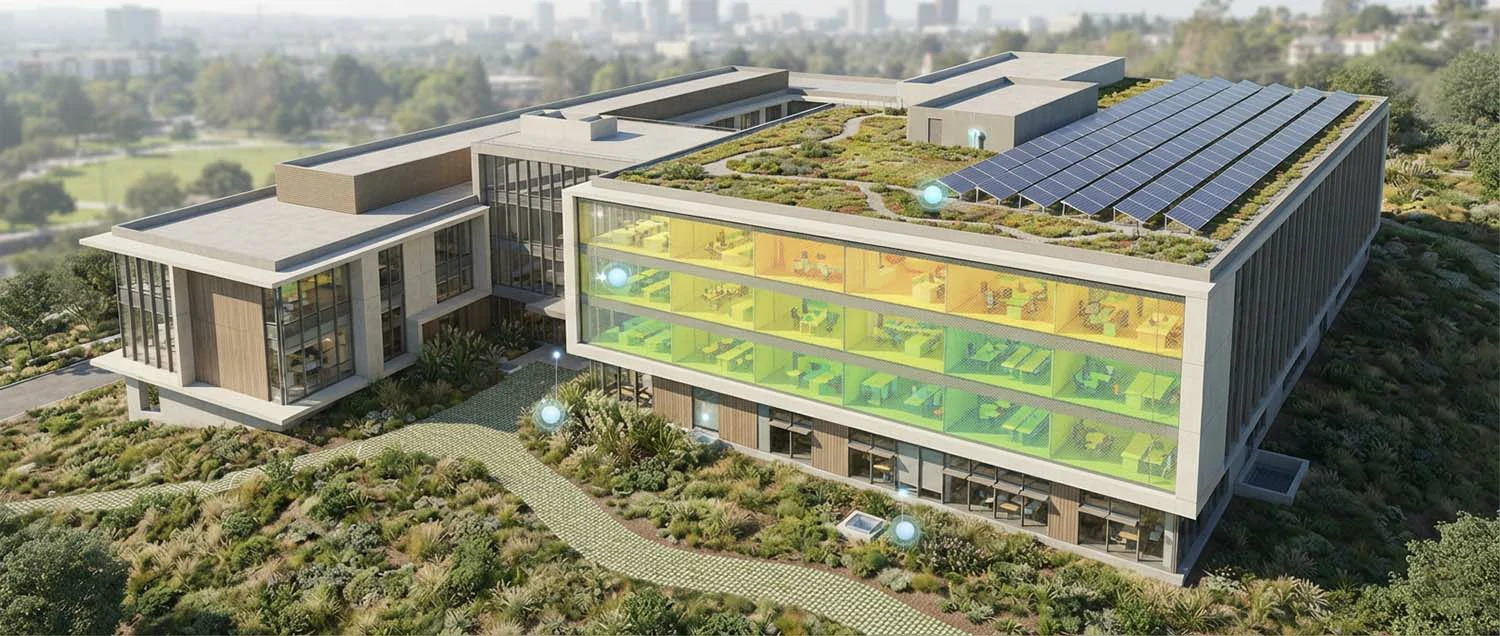
Sustainable design visualization is an increasingly important capability for leading ArchViz firms. Renderings that showcase green building features, energy-efficient design, and sustainable materials help clients communicate their environmental commitment. Top studios have developed expertise in rendering photovoltaic panels, green roofs, rainwater collection systems, and natural ventilation strategies.
Daylight analysis and passive design visualization demonstrates how buildings perform environmentally. Renderings showing solar penetration, natural ventilation patterns, and thermal performance help architects and clients understand sustainable design strategies. These analytical visuals combine technical accuracy with compelling presentation that makes sustainability visible and understandable.
Green building certification support through visualization helps projects achieve LEED, BREEAM, and other sustainability ratings. Renderings that clearly show sustainable design features support certification documentation and communicate environmental performance to rating organizations. The best visualization studios understand green building standards and incorporate relevant visual elements.
Biodiversity and landscape visualization emphasizes the ecological context of architectural projects. Renderings showing native plantings, wildlife corridors, and ecological restoration communicate environmental stewardship. These visuals are increasingly important for projects seeking community approval and regulatory permits.
VR and AR Capabilities at Top Firms
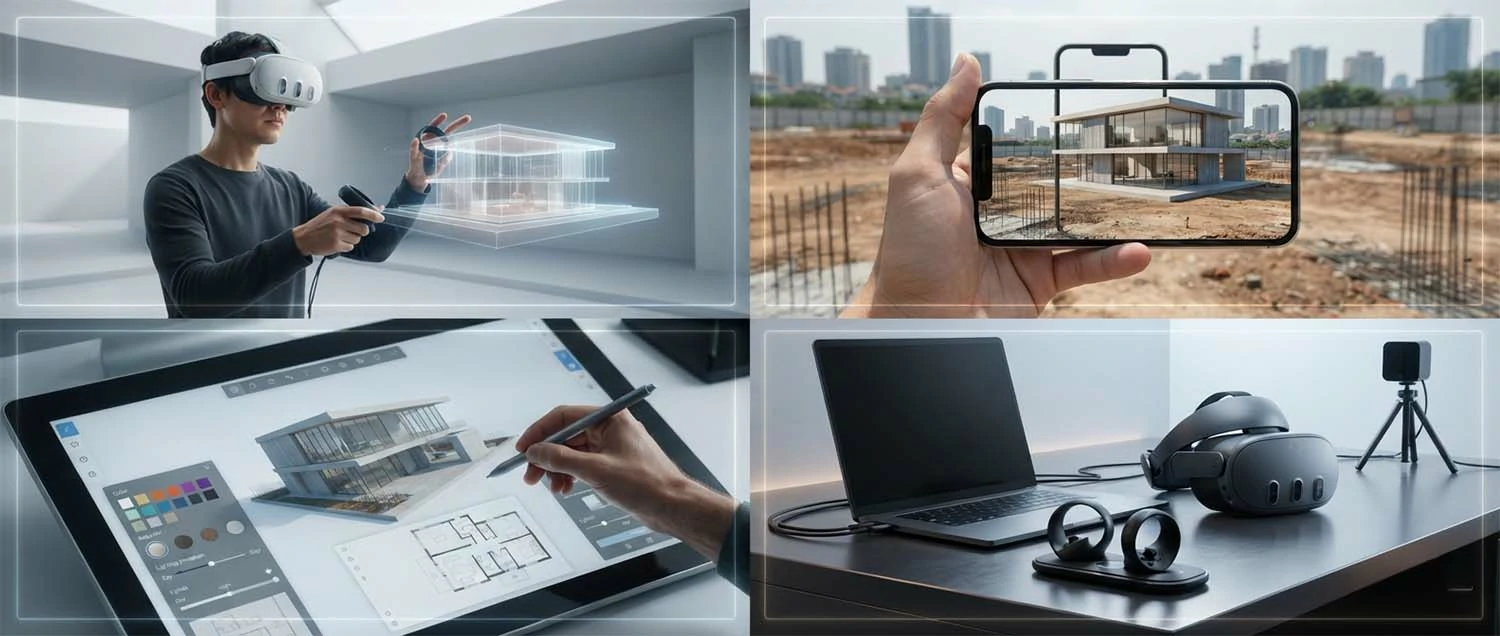
Virtual reality has become a standard offering from leading architectural visualization companies. VR allows clients, investors, and buyers to experience unbuilt spaces at full scale, creating emotional connections that static images cannot achieve. The best firms have dedicated VR production pipelines that optimize architectural models for real-time performance while maintaining visual quality.
Augmented reality applications allow architectural designs to be viewed in real-world contexts. AR visualization shows how proposed buildings will look on actual sites, helping stakeholders understand scale, massing, and contextual fit. Leading ArchViz firms develop AR experiences for mobile devices that make architectural visualization accessible anywhere.
Interactive 3D presentations combine elements of VR and traditional media. These browser-based experiences let viewers explore architectural models with guided narratives that highlight key design features. Interactive presentations are increasingly used for sales galleries, trade show displays, and investor presentations.
Hardware partnerships and recommendations are provided by top visualization studios to ensure clients have appropriate equipment for VR experiences. From high-end VR headsets to mobile AR solutions, the best firms guide clients toward technology that matches their specific presentation and budget requirements.
Emerging Trends in Architectural Visualization
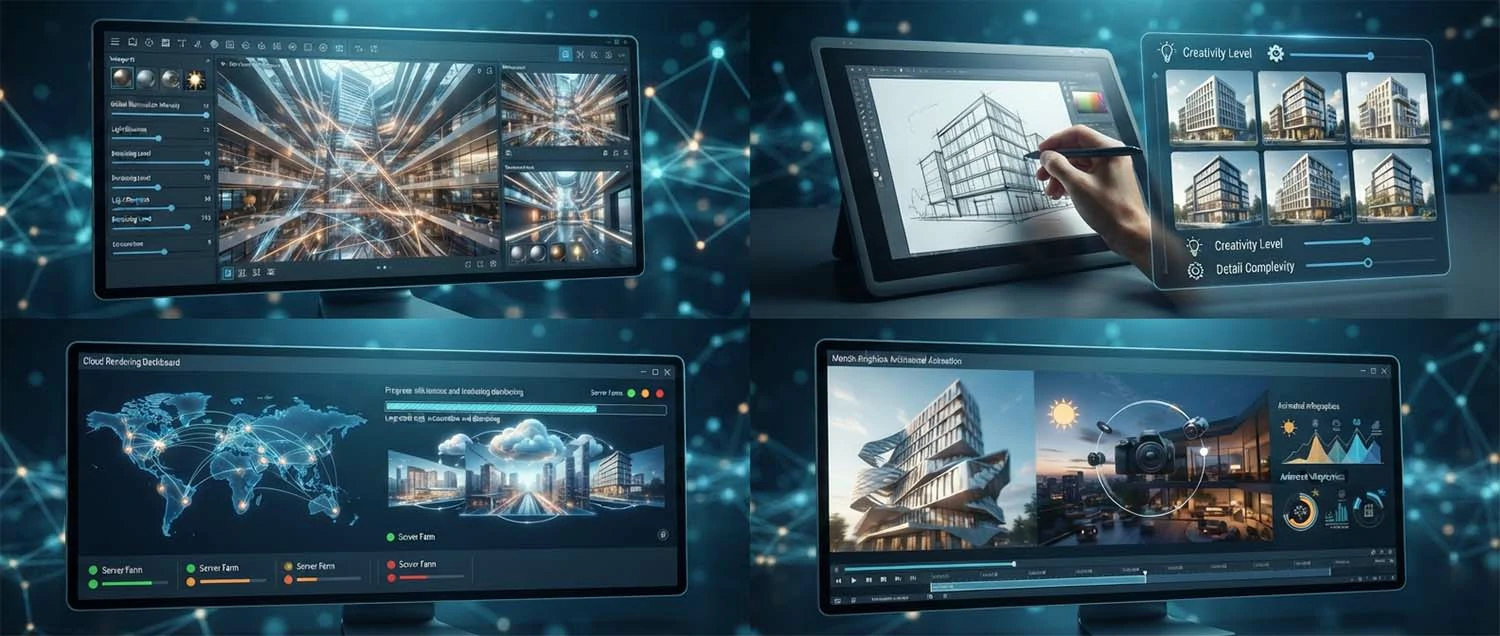
Real-time ray tracing technology is transforming architectural visualization workflows. NVIDIA RTX technology enables interactive rendering with accurate reflections, shadows, and global illumination that previously required lengthy offline rendering. Top firms are integrating real-time ray tracing into their production pipelines for faster iteration and client collaboration.
AI-assisted visualization tools are emerging as productivity enhancers in ArchViz workflows. Artificial intelligence assists with scene population, texture generation, image upscaling, and denoising. While AI cannot replace the creative judgment of experienced visualization artists, it accelerates routine tasks and enables faster exploration of design options.
Cloud rendering services enable studios to scale production capacity without massive hardware investments. Cloud rendering farms process complex scenes in parallel, dramatically reducing render times for large projects. This technology democratizes access to high-performance rendering for studios of all sizes.
Motion graphics and animated content are becoming standard deliverables from ArchViz firms. Short-form video content for social media, animated site analysis, and dynamic architectural presentations engage audiences more effectively than static images. Top studios invest in motion design capabilities alongside traditional still rendering.
Architectural Animation and Walkthrough Studios
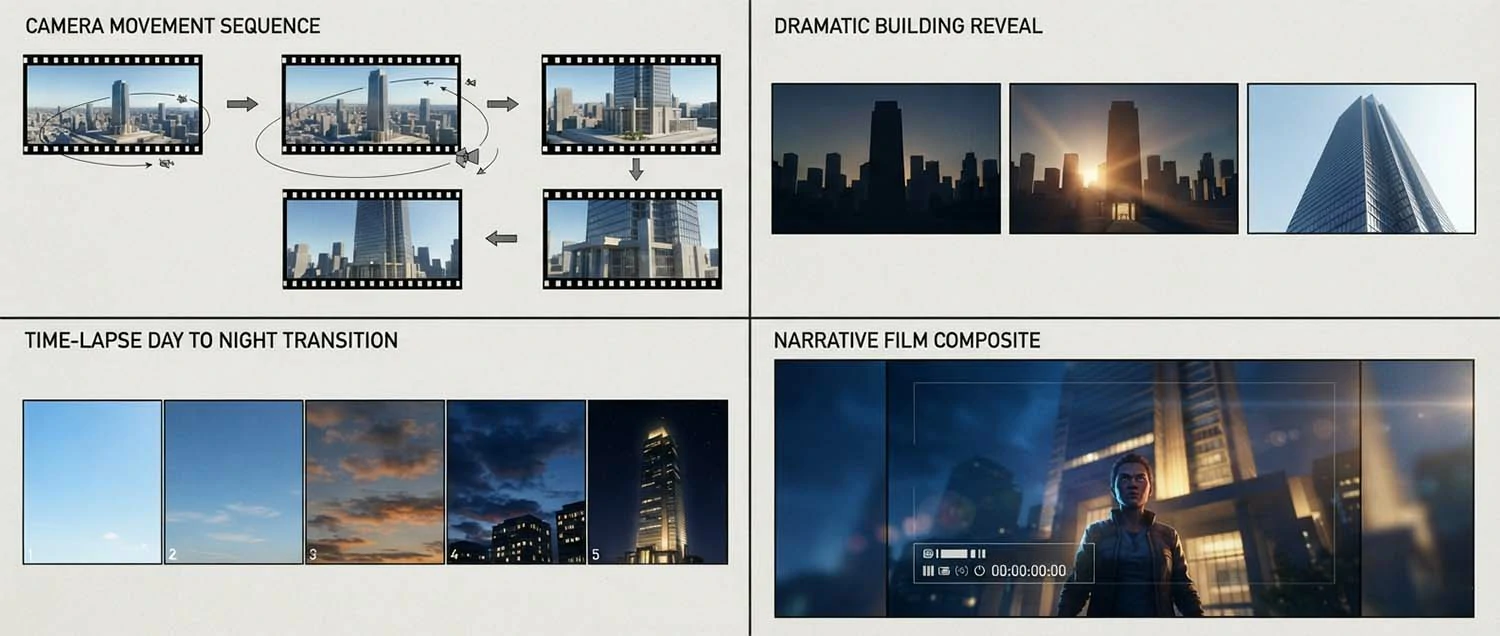
Architectural animation and walkthrough production is a specialized service that requires different skills than still rendering. Animation studios must understand camera movement, pacing, narrative structure, and temporal effects that create engaging video experiences. The best architectural animation firms produce content that rivals cinematic quality.
Camera choreography in architectural animation follows cinematic principles that guide viewer attention and create emotional impact. Smooth camera movements through spaces, dramatic reveals, and carefully paced sequences tell stories about architecture that static images cannot. Leading animation studios employ directors who understand both architecture and filmmaking.
Atmospheric effects including lighting changes, weather conditions, and time-lapse transitions add depth to architectural animations. Showing a building at different times of day, in different seasons, or under different weather conditions communicates the experiential quality of architecture. These effects require sophisticated rendering and compositing capabilities.
Narrative architectural films combine visualization with storytelling elements including voiceover, music, and text overlays. These films are used for project introductions, investor presentations, and public engagement. The best animation studios collaborate with scriptwriters and sound designers to create complete audiovisual experiences.
Specialist Interior Visualization Companies
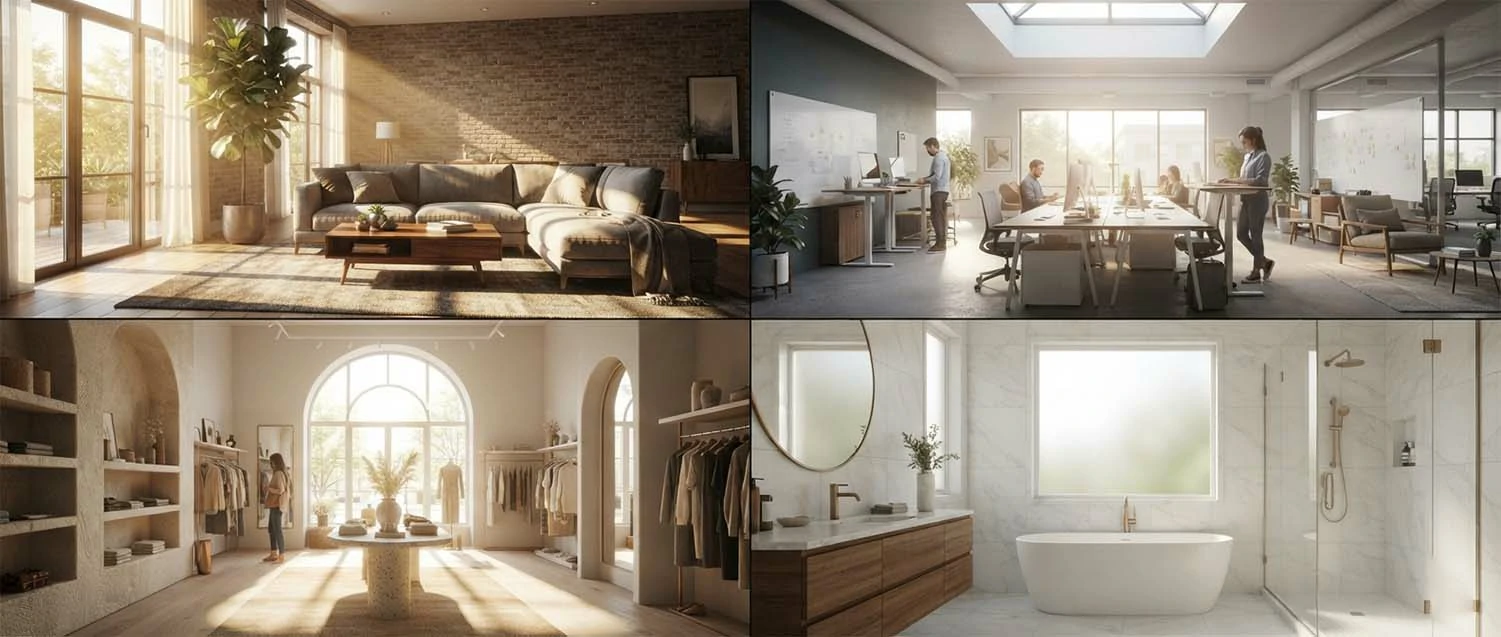
Interior visualization specialization requires deep understanding of interior design principles, material behavior, furniture styling, and spatial composition. Firms offering dedicated interior visualization services and choosing the best interior design rendering software can elevate the realism of indoor scenes. Specialist interior visualization companies focus exclusively on rendering interior spaces, developing expertise in the unique challenges and opportunities of indoor environment representation.
Residential interior renderings showcase living rooms, kitchens, bedrooms, bathrooms, and custom spaces with attention to lifestyle appeal. These renderings must feel lived-in and inviting while maintaining design accuracy. Styling choices including furniture selection, accessory placement, and art curation significantly impact the effectiveness of residential interior visuals.
Commercial interior visualization covers office environments, retail spaces, healthcare facilities, and educational interiors. These projects require understanding of functional requirements, brand identity, and user experience. Commercial interior renderings must balance aesthetic appeal with accurate representation of workplace functionality and user circulation.
Lighting design visualization is a specialized skill within interior rendering. Natural daylight penetration, artificial lighting schemes, and the interaction between different light sources create the atmosphere of interior spaces. Specialist interior firms excel at rendering lighting scenarios that demonstrate design intent and support lighting design decisions.
The Future of Architectural Visualization Companies
The architectural visualization industry continues to evolve rapidly, with technological advances reshaping how top firms operate and deliver value. The best companies are those that adapt to change while maintaining the core artistic and technical excellence that defines great architectural visualization.
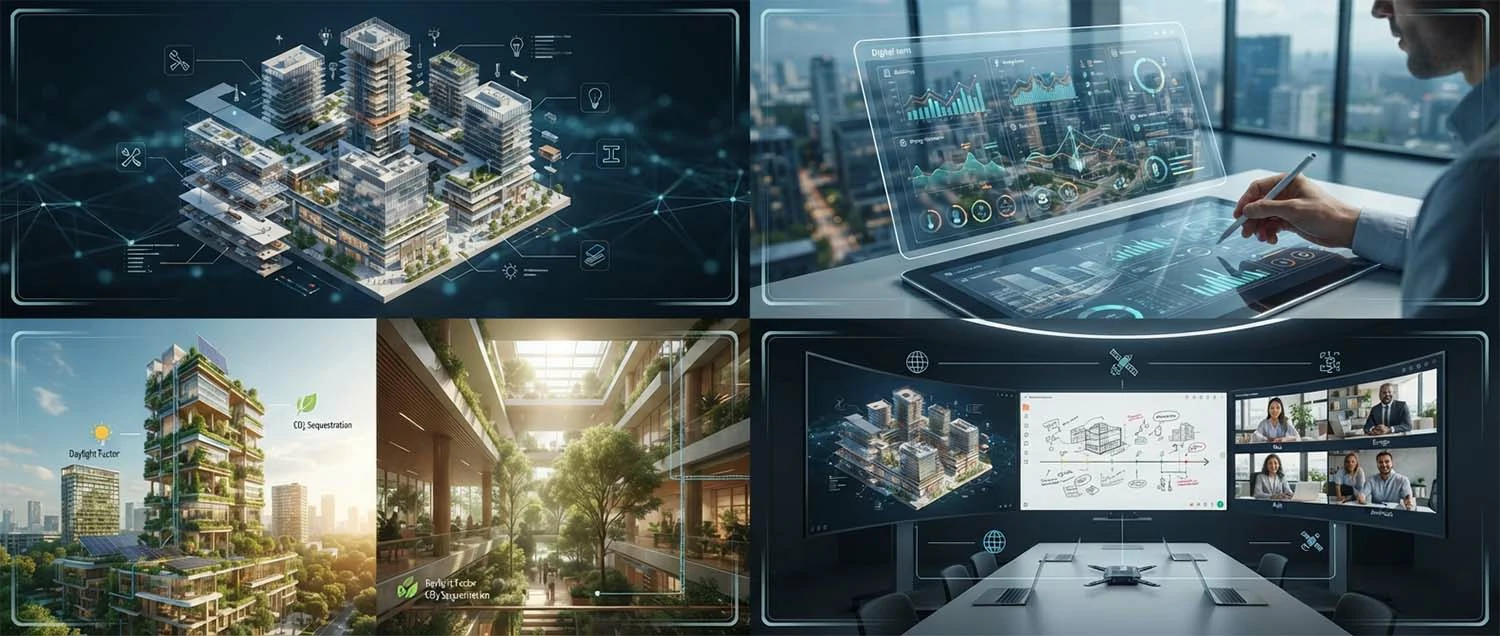
Integration with BIM and digital twin technology represents a major opportunity for ArchViz firms. Visualization that connects to building information models enables automatic updates when designs change, maintaining alignment between visualization and design documentation. This integration positions visualization as an integral part of the building delivery process rather than an afterthought.
Sustainability visualization requirements will continue to grow as environmental considerations become central to architecture. Firms that develop expertise in rendering sustainable design features, energy performance, and ecological context will be well positioned for future market demands.
Global collaboration capabilities will become increasingly important as the industry becomes more interconnected. The best firms will leverage talent pools, time zone advantages, and cultural perspectives from around the world to deliver superior visualization services. Technology will continue to shrink distance and enable seamless international collaboration.
Quality Control in ArchViz Production
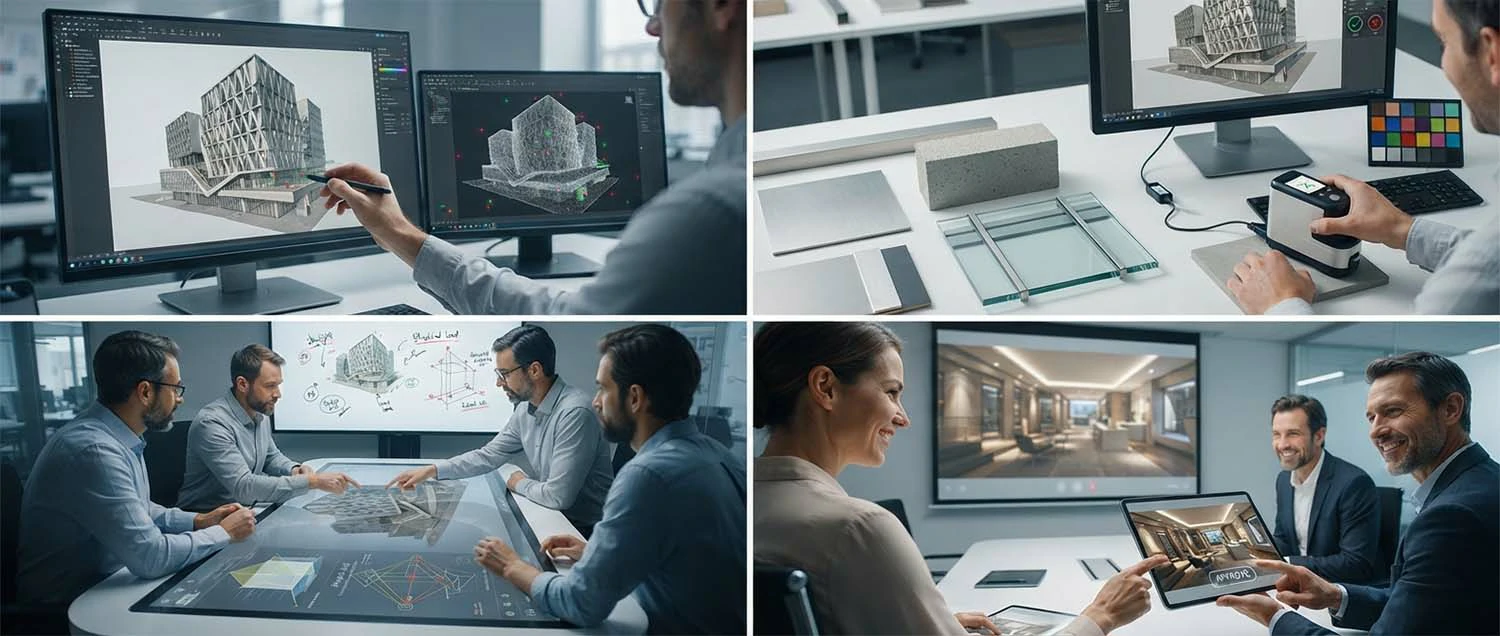
Quality control processes separate top-tier architectural visualization companies from average providers. Leading studios implement rigorous quality assurance workflows that catch errors, ensure consistency, and maintain high standards across every project. Quality control begins during scene setup and continues through final delivery.
Model accuracy verification is the first quality checkpoint. Visualization artists verify that 3D models match architectural drawings, checking dimensions, proportions, and spatial relationships. Discrepancies between models and design documentation are identified and resolved before rendering begins, preventing costly rework later in production.
Material and color consistency across multiple images in a project is essential for professional presentation. The best studios use standardized material libraries and color management workflows that ensure the same material appears identical across different views and lighting conditions. Consistency builds client confidence and brand integrity.
Peer review processes where senior artists review work before client delivery add an additional quality layer. Fresh eyes catch issues that the original artist may have overlooked. This collaborative quality culture ensures that only the best work reaches clients and maintains studio reputation for excellence.
Collaborative Workflows with Architects
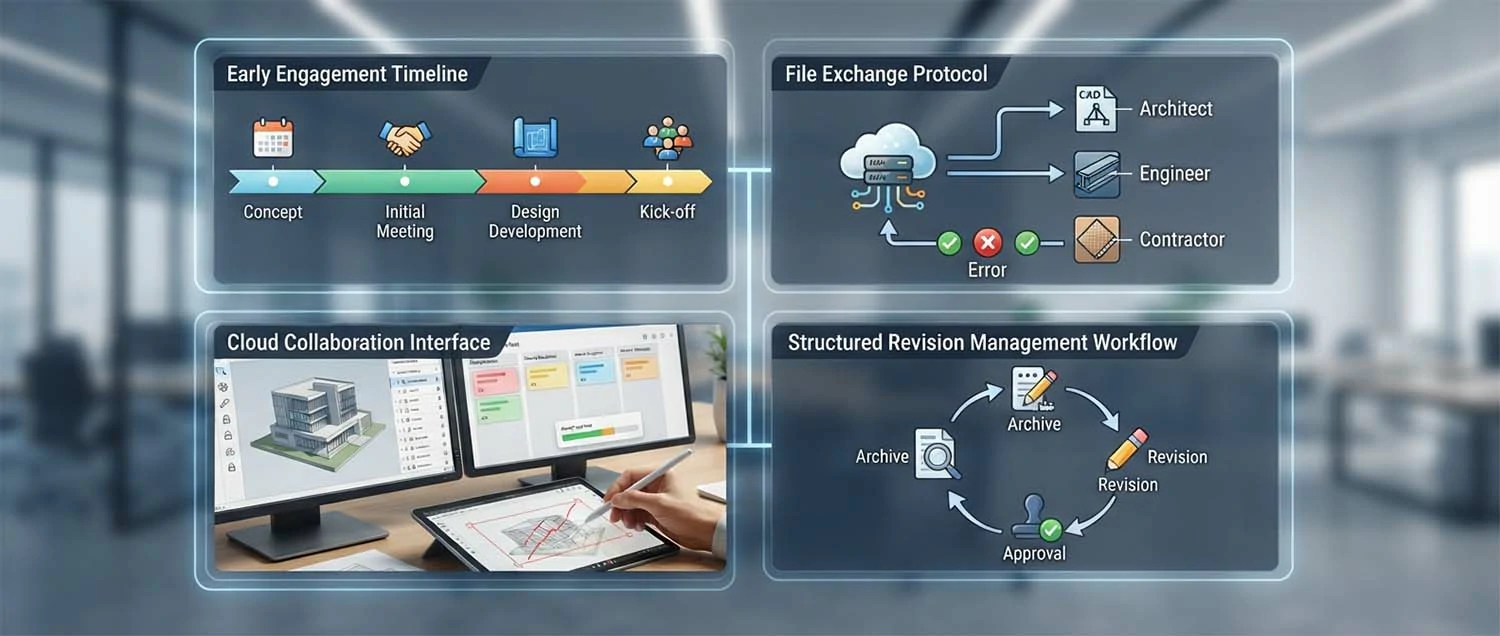
Successful architectural visualization projects depend on effective collaboration between visualization studios and architecture firms. The best ArchViz companies have developed collaborative workflows that integrate seamlessly with their clients design processes. These workflows respect the architects creative vision while bringing visualization expertise to enhance project outcomes.
Early engagement of visualization teams in the design process yields the best results. When visualization artists are involved during schematic design, they can advise on how design decisions will translate into visuals. This early collaboration helps architects make informed choices about materials, lighting, and composition that optimize both design quality and visualization impact.
File exchange and version control protocols are critical for smooth collaboration. The best studios establish clear procedures for receiving updated design files, tracking model versions, and communicating changes. Cloud-based collaboration platforms enable real-time file sharing, comment threads, and approval workflows that keep projects moving efficiently.
Feedback and revision management systems ensure that client input is captured, addressed, and documented. Structured review rounds with clear deliverables prevent scope creep and ensure that each revision cycle moves the project forward. Top visualization studios use project management tools that provide transparency into project status and revision history.
Marketing and Branding through ArchViz
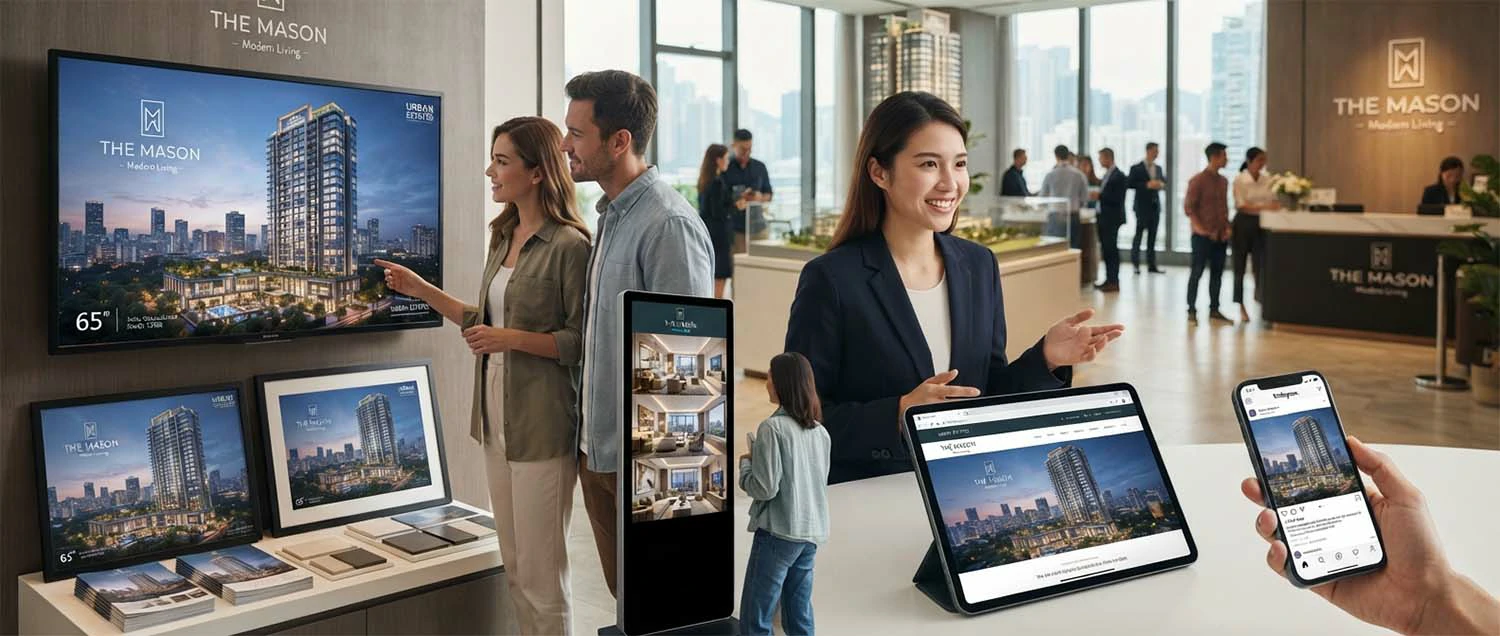
Architectural visualization companies play a crucial role in their clients marketing and branding strategies. High-quality renderings are central to how architectural projects are presented to the world. The best ArchViz firms understand marketing principles and produce visuals that support specific marketing objectives from brand building to sales conversion.
Brand identity integration in architectural renderings ensures that visuals align with developer or architect brand guidelines. Consistent color palettes, typography treatment, and visual style across all project imagery strengthens brand recognition. Top studios work with client marketing teams to understand brand positioning and reflect it in visualization output.
Sales gallery and marketing suite visualization requires renderings that support the physical sales experience. Large-format prints, digital displays, and interactive presentations in sales centers all depend on high-quality visualization. The best firms produce marketing materials optimized for different display formats from billboards to brochures.
Digital marketing content including social media visuals, website imagery, and email campaign assets extends the reach of architectural visualization. Top studios produce content specifically designed for digital platforms, understanding the technical requirements and engagement patterns of different online channels.
Legal and Contractual Considerations
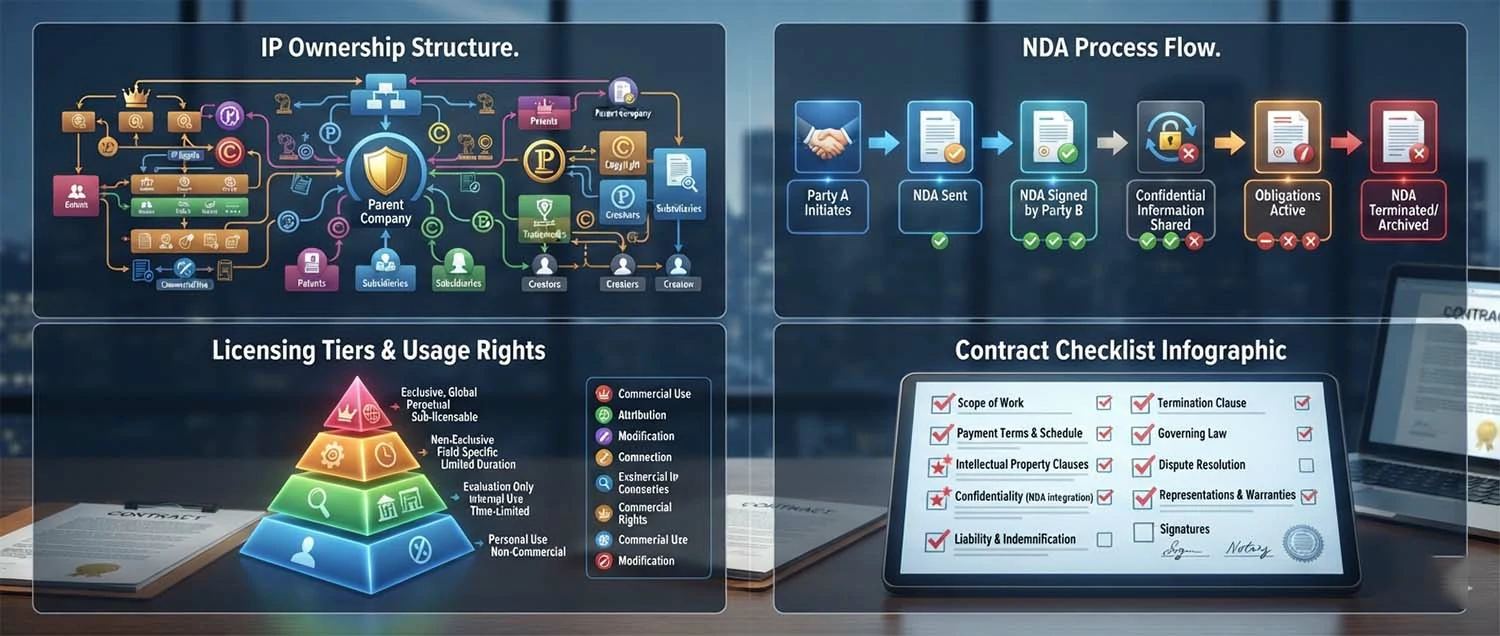
Intellectual property rights are a fundamental legal consideration when engaging architectural visualization companies. Ownership of rendered images, source 3D models, and project files should be clearly defined in service agreements. Most commercial arrangements transfer full copyright to clients upon final payment, but terms vary regarding portfolio usage rights and reuse of generic assets.
Confidentiality and non-disclosure agreements protect sensitive project information during the visualization process. Architectural designs are often proprietary before public announcement, and visualization studios must maintain strict confidentiality. The best firms have established NDA processes that protect client intellectual property while enabling efficient production.
Licensing and usage rights determine how rendered images can be used across different applications. Standard licenses typically cover marketing and presentation use. Extended licenses may be needed for large-scale reproduction, broadcast, or merchandising. Understanding usage rights prevents unintended copyright infringement and ensures appropriate compensation.
Contract fundamentals include scope definition, deliverables specification, payment terms, revision allowances, timeline commitments, and dispute resolution procedures. Well-drafted contracts protect both parties and provide clear frameworks for project execution. Top visualization studios use professional contracts that have been reviewed by legal counsel specializing in creative services.
Case Studies and Success Stories
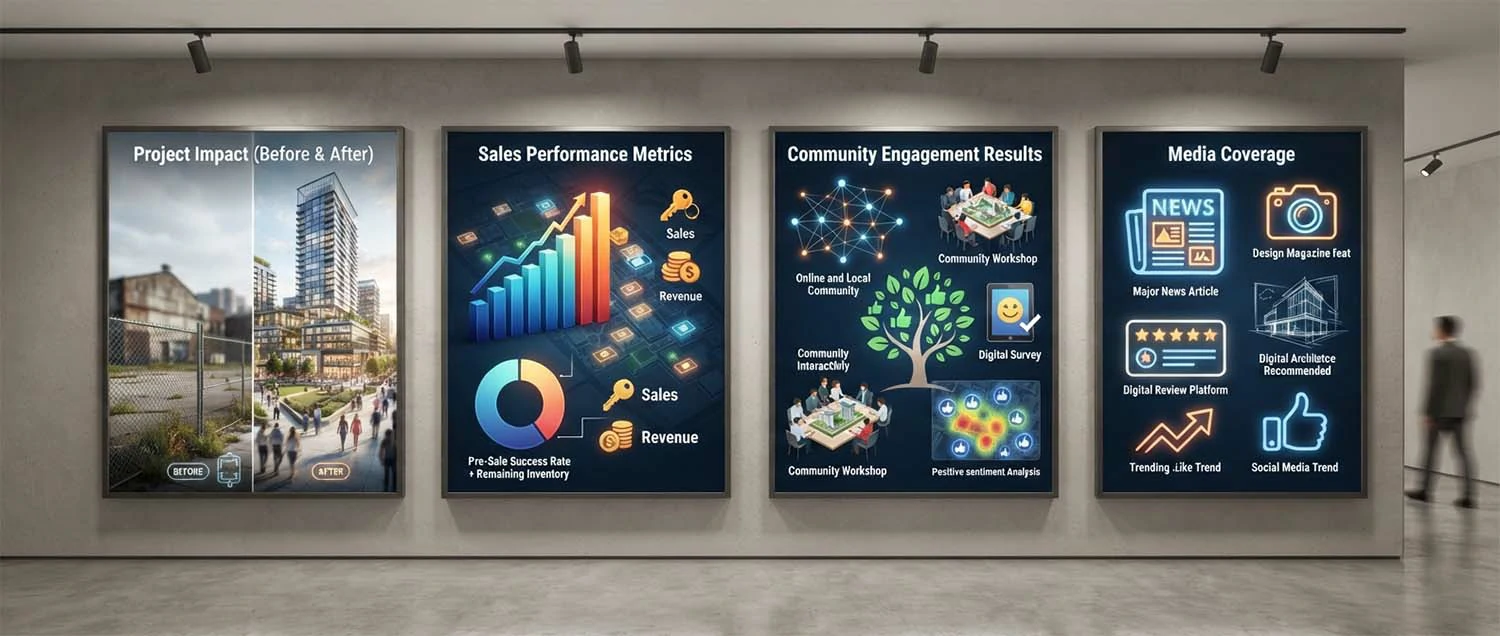
Case studies from leading architectural visualization projects demonstrate the impact of professional visualization on project success. Examining real examples reveals how the best ArchViz companies contribute to design communication, marketing effectiveness, and project outcomes across different building typologies and scales.
High-rise residential development case studies show how visualization supports pre-sales and investor presentations. Renderings that capture the experience of living in a tower with city views, amenity spaces, and neighborhood context help developers achieve sales targets before construction completion. The best case studies demonstrate measurable results including faster sales cycles and higher average prices.
Cultural and civic project case studies reveal how visualization supports public engagement and approval processes. Renderings of museums, libraries, and government buildings help communities understand proposed developments and build support for projects. Effective visualization of public projects communicates design intent clearly and addresses community concerns through compelling imagery.
Hospitality and mixed-use case studies demonstrate the marketing power of aspirational visualization. Resort developments, hotel conversions, and mixed-use districts rely heavily on imagery to attract investors, operators, and customers. The best case studies show how visualization created excitement, generated media coverage, and contributed to project momentum during critical development phases.
Frequently Asked Questions About ArchViz Companies
How do I find the best architectural visualization company for my project? Research firms with relevant portfolio experience, review client testimonials, evaluate their technical capabilities, and request test projects. Consider communication style, timeline reliability, and budget alignment. The best fit depends on your specific project requirements and working preferences.
What is the typical turnaround time for architectural renderings? Simple exterior renderings may take one to two weeks. Complex interior scenes with detailed furnishings and lighting can take three to four weeks. Large projects with multiple images, animations, or VR experiences require longer timelines. Discuss scheduling during initial consultation and establish clear delivery milestones.
What information do I need to provide to an ArchViz company? Provide architectural drawings or CAD files, material specifications, reference images, creative direction or style preferences, site photos, and brand guidelines. Comprehensive briefing materials help visualization studios produce accurate images that match your vision.
How many revisions are typically included in ArchViz projects? Most firms include two to three rounds of revisions in standard pricing. Major scope changes or additional images beyond the original agreement may incur extra charges. Clarify revision policies and change order procedures before project commencement.
Can architectural visualization companies work with BIM models? Yes, many top firms integrate BIM data into their visualization workflow. Revit models, IFC files, and other BIM formats can be imported into visualization software. BIM integration ensures design changes are reflected in renderings and supports coordination between visualization and project documentation.
What is the difference between photorealistic and conceptual visualization? Photorealistic rendering aims for photographic accuracy with detailed materials, lighting, and context. Conceptual visualization uses simplified graphics, sketch-like styles, or abstract representation to communicate design ideas quickly. Many projects benefit from both approaches at different stages of design development.
Conclusion: Finding Your Ideal ArchViz Partner
The best 3D architectural visualization companies combine artistic excellence, technical mastery, and professional reliability to create images that bring architectural visions to life. The global ArchViz market offers an impressive range of firms from boutique artistic studios to large-scale production houses, each with distinct strengths and specializations.
Choosing the right visualization partner requires careful evaluation of portfolio quality, technical capabilities, industry experience, and cultural fit. The investment in quality visualization pays dividends through improved client communication, faster approvals, more effective marketing, and ultimately more successful projects.
As technology continues to advance, architectural visualization companies will offer increasingly sophisticated services including real-time rendering, virtual reality, AI-assisted workflows, and sustainable design visualization. The firms that thrive will be those that embrace innovation while maintaining the fundamental artistic and technical skills that define great architectural visualization.
Whether you are an architect seeking a visualization partner, a developer planning a major project, or a designer exploring visualization options, the ArchViz industry offers exceptional talent capable of transforming your architectural vision into compelling visual reality. Take time to research, evaluate, and select a partner whose capabilities and values align with your project goals.