Everything you need to know about becoming a brand design intern — from building a brand-focused portfolio and finding the right studio to mastering brand strategy and turning your internship into a full-time creative career.
By Maya Chen
Brand Design Lead
Branding & Design
Featured Image Suggestion
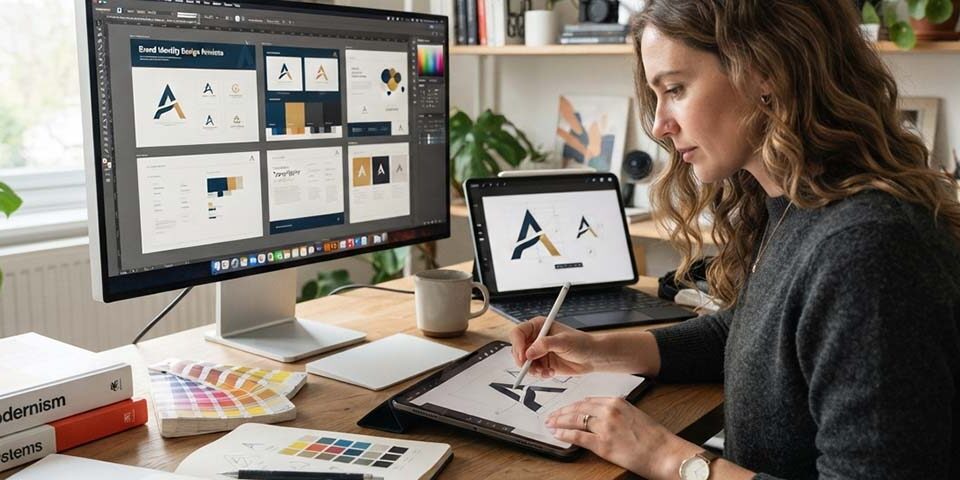
A bright brand design studio with a large wooden table covered in mood boards, colour swatches, sketchbooks, and brand guideline printouts, with natural light and plants creating an inspiring creative atmosphere
# brand design
# design internship
# branding career
TABLE OF CONTENTS
1. Introduction
2. What Is a Brand Design Intern?
3. Why Brand Design?
4. Skills You Need
5. Brand-Focused Portfolio
6. Finding the Right Studio
7. The Application Process
8. Acing the Interview
9. Your First Week
10. Daily Life in Brand Design
11. Understanding Brand Strategy
12. Visual Identity Development
13. Typography for Brand
14. Brand Guidelines
15. Tools of the Trade
16. Presentation & Pitching
17. Learning From Mentors
18. Receiving Brand Feedback
19. Client-Facing Work
20. Networking in the Community
21. Common Challenges
22. Mistakes to Avoid
23. Turning Internship Into a Job
24. Portfolio & Career Next Steps
25. Personal Branding
26. Frequently Asked Questions
Your Journey Into Brand Design Starts Here
Brand design is one of the most sought-after disciplines in the creative industry. It sits at the intersection of strategy, creativity, and business — shaping how companies present themselves to the world and how customers perceive and connect with them. A brand design internship is the most powerful entry point into this exciting and rewarding field.
Unlike general graphic design, brand design is deeply strategic. It is not just about making things look beautiful — it is about understanding a company's purpose, positioning, personality, and audience, and then translating that understanding into a cohesive visual and verbal identity. Brand designers create logos, colour palettes, typography systems, brand guidelines, packaging, environmental graphics, and entire visual languages that define how a brand looks, feels, and communicates across every touchpoint.
This guide covers everything you need to know about becoming a brand design intern. Whether you are a design student planning your first internship, a recent graduate specialising in branding, or a graphic designer looking to pivot into brand design, the advice here will help you navigate the process with confidence. From building a brand-focused portfolio and finding the right studio to mastering brand strategy and converting your internship into a full-time role, every step is covered in detail.
Key Takeaway
A brand design internship is your fastest path into the branding industry. It provides hands-on experience with real client work, strategic thinking skills, portfolio-quality projects, and the professional network you need to launch a successful career in brand design.
What Is a Brand Design Intern?
A brand design intern is a junior creative professional who works within a branding studio or the brand design department of a larger agency, learning the craft of brand identity development while contributing to real client projects. The role is part student, part practitioner — you are there to learn, but you are also expected to produce work that adds value to the team.
The specific responsibilities of a brand design intern vary by studio, but typically include a mix of hands-on design work and supporting activities. You might find yourself researching competitor brands to inform a brand strategy, sketching logo concepts for a new identity project, building mood boards to explore visual directions, preparing presentation decks for client meetings, and helping to organise and maintain brand asset libraries.
What distinguishes a brand design internship from a general design internship is the focus on strategic thinking. Brand design is not just about making things look good — it is about making decisions that are rooted in a deep understanding of the brand's purpose, audience, and market position. As a brand design intern, you will learn to ask questions like: Who is this brand for? What does it stand for? How is it different from competitors? How should people feel when they interact with it? These questions shape every design decision.
Research
Competitor analysis, audience research, brand audits, and trend exploration to inform strategic and creative decisions
Concept Development
Logo sketches, mood boards, colour exploration, typography studies, and visual direction development
Execution
Brand guideline creation, application mockups, presentation design, and final asset production across print and digital
The best brand design interns are those who combine creative talent with genuine curiosity about business and strategy. They understand that a logo is not just a mark — it is a symbol that must communicate a company's essence in a fraction of a second. They know that a colour palette is not just a set of aesthetic choices — it is a psychological tool that shapes how people feel about a brand. This strategic mindset is what separates brand designers from general graphic designers, and it is what studios look for when hiring interns.
Why Brand Design Is a Great Career Choice
Brand design offers a uniquely rewarding career path that combines creative expression with strategic thinking and business impact. Here is why so many designers choose to specialise in branding.
Strategic Depth
Brand design requires you to think deeply about business, psychology, and culture. You are not just decorating — you are solving strategic problems and shaping how companies are perceived in the world.
Creative Variety
Brand designers work across a vast range of media — logos, typography, colour, packaging, environmental graphics, digital interfaces, print collateral, and motion — keeping the work fresh and challenging.
Strong Demand
Every company, from startups to multinational corporations, needs brand design. The demand for skilled brand designers continues to grow as businesses recognise the value of strong, differentiated brands.
Career Growth
Brand design offers clear career progression from junior to mid-weight to senior to creative director. Experienced brand designers are well-compensated and often have opportunities to become partners or start their own studios.
Wide Impact
Brand design shapes how people experience the world. The logos on products, the signs in airports, the packaging on shelves — brand designers create the visual language that surrounds us every day.
Collaboration
Brand design is highly collaborative. You work with strategists, copywriters, project managers, and clients. Every project is a team effort, making the work social, dynamic, and constantly engaging.
Skills You Need to Succeed as a Brand Design Intern
Brand design requires a unique combination of creative, strategic, and technical skills. While no one expects an intern to have mastered all of them, demonstrating strength in these areas will make you a standout candidate.
▸ Typography Mastery
Typography is the foundation of brand design. You should understand type classification, hierarchy, spacing, and how to pair typefaces strategically. Great typography separates professional brand work from amateur work.
▸ Colour Theory
Understand how colour works — psychology, cultural associations, contrast, accessibility, and colour systems. Brand designers make intentional colour choices that support strategic objectives.
▸ Logo Design
Logo design is a core brand design skill. Learn to create wordmarks, lettermarks, symbols, combination marks, and emblem logos. Understand how logos work across different applications and sizes.
▸ Brand Strategy
Strategy is what makes brand design different from graphic design. Learn about brand positioning, audience definition, competitive analysis, messaging frameworks, and how strategy informs visual decisions.
▸ Software Proficiency
Figma for digital brand applications, Illustrator for logo and illustration work, Photoshop for image editing, InDesign for brand guidelines, and After Effects for brand motion. Proficiency in these tools is essential.
▸ Presentation Skills
Brand design involves presenting and selling ideas to clients. Learn to structure a compelling presentation, articulate design decisions with strategic rationale, and handle questions and feedback with confidence.
Beyond these hard skills, the most successful brand design interns share certain qualities: curiosity about how businesses work and what makes brands tick, resilience when designs get critiqued or rejected, attention to detail that ensures every pixel and every spacing decision is intentional, and collaboration skills that make them a pleasure to work with. These soft skills often matter more than technical proficiency, especially at the internship level.
Building a Brand-Focused Portfolio
Your portfolio is the most important tool in your brand design internship search. Branding studios evaluate portfolios differently than other types of design studios — they are looking for evidence of strategic thinking, typographic skill, and the ability to build cohesive visual systems, not just individual pieces of beautiful work.
Show complete brand identity projects. Rather than showing individual logos or pieces of collateral, present full brand identity case studies. Include the brand strategy — positioning, audience, personality. Show the visual identity — logo explorations, colour palette development, typography choices. Demonstrate applications — business cards, stationery, signage, website mockups, packaging, social media templates. A complete brand project tells a richer story than a collection of unrelated pieces.
Process is everything. Brand studios want to see how you think. Include your research, your mood boards, your logo sketches, your iterations, your rejected concepts. Show that you explored multiple directions before arriving at the final solution. Explain your strategic rationale for each decision. Why did you choose that colour palette? Why that typeface? How does the identity reflect the brand's personality and positioning? The thinking behind the design is often more important than the design itself.
Portfolio Checklist for Brand Design Interns
▸ 4 to 6 projects max
Quality over quantity. Choose your strongest brand identity projects and present them with depth and strategic context.
▸ Include mock briefs
If you do not have client work, create self-initiated brand projects with a clear brief, target audience, and strategic rationale.
▸ Show applications
Demonstrate how the identity works across touchpoints — print, digital, signage, packaging, social media, environmental.
▸ Show process
Include research, sketches, iterations, and strategic rationale. Prove that you are a thoughtful, thorough designer.
▸ Typography focus
Brand studios obsess over typography. Make sure your portfolio demonstrates strong typographic skills across every project.
▸ Clean presentation
Your portfolio should be well-designed itself. Use consistent layout, clear hierarchy, and thoughtful typography in how you present your work.
Finding the Right Brand Studio
The brand design world is diverse, encompassing everything from boutique identity studios to global brand consultancy networks. Finding the right fit for your internship is about understanding your own interests and matching them with the right type of studio.
Boutique brand studios are small, specialised teams that focus exclusively on brand identity and strategy. Interning at a boutique studio gives you direct access to senior designers and creative directors. You will likely work on every aspect of a project, from research and strategy through to final delivery. The experience is immersive and the learning curve is steep. Boutique studios are ideal if you want a hands-on, comprehensive brand education.
Large brand consultancies like Wolff Olins, Pentagram, Siegel+Gale, and Landor offer internships within larger, more structured teams. You will work with specialists across strategy, design, and account management. The projects are often high-profile and the resources are substantial. Large consultancies offer exposure to how brand design operates at scale and can provide a strong foundation for a corporate brand career.
Boutique Studios
Hands-on, immersive, direct mentorship, broad exposure to all aspects of brand design and strategy
Brand Consultancies
Structured, team-based, high-profile clients, exposure to brand strategy and account management
In-House Teams
Focus on a single brand, deeper strategic immersion, exposure to internal stakeholders and brand governance
In-house brand teams at companies like Nike, Apple, Airbnb, or Patagonia offer a different experience — you focus on evolving and maintaining a single brand rather than creating new brands for different clients. In-house internships provide deep immersion in one brand's strategy, visual system, and governance. You learn how brand design operates within a business context and how to manage brand consistency across a large organisation. Many designers start in studios and move in-house later, but starting in-house is also a valid and valuable path.
The Application Process for Brand Design Interns
Applying for brand design internships requires a tailored approach that demonstrates your understanding of the discipline. Brand studios receive many applications, so your materials need to stand out.
Your resume should reflect your brand design focus. List relevant coursework, self-initiated brand projects, any freelance brand work, and software proficiency. Include your understanding of brand strategy tools — positioning statements, competitive audits, audience personas — even if your experience is academic or self-taught. Design your resume itself as a brand document — consistent typography, intentional colour use, and a clean, professional layout.
Your cover letter should demonstrate that you understand what brand design is and why you are passionate about it. Reference specific brand projects the studio has worked on and explain why they resonate with you. Show that you understand the studio's design philosophy and how your interests align with their approach. Avoid generic statements about loving design — instead, talk about your interest in brand strategy, visual identity systems, and the power of design to shape how companies are perceived.
Pro Tip
Create a PDF portfolio specifically for brand design applications. Include 3 to 4 complete brand identity case studies that demonstrate your strategic thinking, your process, and your ability to build cohesive visual systems. Tailor the selection to match the type of work the studio does.
Follow submission guidelines precisely. If a studio asks for a portfolio PDF under 10MB with a specific subject line, follow that exactly. Brand studios value attention to detail, and your application is the first test. A sloppy application suggests you will produce sloppy brand work.
Acing the Brand Design Interview
The brand design interview is different from a general design interview. Studios are evaluating not just your design skills but your strategic thinking, your understanding of brand, and your ability to articulate design decisions with confidence.
Prepare your brand portfolio presentation. Walk through 2 to 3 projects in depth. For each project, explain the brief, your research and strategic thinking, your creative process, and the final outcome. Be prepared to discuss why you made specific decisions — why that colour palette? Why that typeface? How does the identity reflect the brand's positioning? The ability to articulate strategic rationale is what separates brand designers from decorators.
Demonstrate brand thinking. Studios will likely ask you to respond to a brand scenario or discuss a recent brand campaign you admire. Have examples ready. Be able to deconstruct a brand identity — what works, what could be improved, and why. Show that you think about brands critically and that you stay current with brand design trends and industry developments.
Do
▸ Explain the strategy behind your design decisions
▸ Reference specific brand projects the studio has done
▸ Show enthusiasm for brand strategy and positioning
▸ Ask about their brand philosophy and process
Don't
▸ Focus only on aesthetics without strategic context
▸ Claim expertise in areas you have not developed yet
▸ Be defensive about feedback on your portfolio work
▸ Forget to send a thoughtful thank-you note
Some brand studios include a brand design exercise as part of the interview process. You might be asked to create a mood board for a brief, sketch logo concepts, or write a brand positioning statement. Approach these exercises as you would any client project — ask clarifying questions, show your process, and present your thinking clearly. The exercise is designed to evaluate how you think, not just what you produce.
Your First Week as a Brand Design Intern
Your first week at a brand studio sets the foundation for your entire internship. The brand design world is detail-oriented and fast-paced, so making a strong start is essential.
Learn the brand process. Every brand studio has its own methodology for taking a project from brief to delivery. Some use a structured phase system — discovery, strategy, visual exploration, refinement, delivery. Others take a more fluid approach. Ask for an overview of the process and study examples of past projects to understand how the studio works. Understanding the process helps you see where your work fits into the bigger picture.
Study the studio's work. Spend time reviewing the studio's portfolio of past brand projects. Look at how they approach different types of brands — from startups to established companies, from local businesses to global corporations. Notice patterns in their design thinking. Pay attention to how they present their work to clients. This will help you understand the studio's design philosophy and the quality standards you need to meet.
First Week Checklist
Learn the file naming and organisation system. Set up your software with the studio's templates and shortcuts. Introduce yourself to everyone in the studio. Study the studio's past brand projects. Ask about the brand strategy framework they use. Identify who you should go to with different types of questions.
Volunteer for small tasks. In your first week, you may not have significant client work yet. Look for opportunities to contribute — organising the brand asset library, researching competitors for an upcoming project, creating mood boards, or formatting presentations. Showing initiative and a willingness to do the small jobs well builds trust and credibility with the team.
Daily Life as a Brand Design Intern
A typical day in a brand studio is dynamic and varied. No two days are exactly the same, but most follow a rhythm that combines focused design work, collaboration, and strategic thinking.
Mornings are often dedicated to focused creative work. You might be refining a logo mark based on feedback from your creative director, exploring colour variations for a brand palette, or building out pages of a brand guidelines document. This is where your technical skills come into play — working in Illustrator, Figma, or InDesign to bring brand concepts to life with precision and care.
Afternoons tend to be more collaborative. There might be a brand strategy session where the team discusses a new project's positioning and personality. A design critique where you present work-in-progress and receive feedback from the team. A client presentation where you observe how senior designers present and defend brand concepts. These collaborative moments are where you learn the strategic and interpersonal dimensions of brand design.
Research & Strategy
Competitor audits, audience analysis, brand positioning workshops, and strategic brief development
Design & Refinement
Logo exploration, palette development, typography selection, application mockups, and guideline production
Collaboration & Review
Design critiques, team brainstorms, client presentations, feedback sessions, and project reviews
One of the most valuable aspects of a brand design internship is the exposure to brand strategy thinking. You will learn that design decisions are never made in a vacuum — they are always connected to a deeper understanding of the brand's purpose, audience, and market. Every colour, every typeface, every spacing decision is made with strategic intent. Learning to think this way is what will make you a brand designer, not just a designer who works on brands.
Understanding Brand Strategy
Brand strategy is the foundation upon which all great brand design is built. As a brand design intern, understanding strategy is what will set you apart from other junior designers and allow you to contribute meaningfully to the creative process.
Brand purpose is the starting point. Why does the brand exist beyond making money? What problem does it solve? What difference does it make in people's lives? Purpose-driven brands have a clarity and conviction that resonates with customers and employees alike. As an intern, you will learn to help brands articulate their purpose through visual and verbal expression.
Brand positioning defines how a brand competes in its market. It answers the question: why should customers choose this brand over alternatives? Positioning involves understanding the competitive landscape, identifying a unique and valuable space, and defining the brand's point of difference. As a brand design intern, you will participate in positioning workshops, analyse competitor brands, and learn to translate positioning into visual strategy.
Key Brand Strategy Concepts
▸ Brand Purpose
The brand's reason for being beyond profit. Purpose drives emotional connection and differentiation in crowded markets.
▸ Brand Positioning
The unique space a brand occupies in the market. Defined through competitive analysis, audience insight, and differentiation strategy.
▸ Brand Personality
The human characteristics associated with the brand. Defined through archetypes, tone of voice, and behavioural principles.
▸ Brand Architecture
The structure of brands within a portfolio — monolithic, endorsed, or freestanding — and how they relate to each other visually and verbally.
▸ Audience Definition
Detailed understanding of who the brand serves — demographics, psychographics, behaviours, needs, and aspirations of target audiences.
▸ Messaging Framework
The hierarchy of messages a brand communicates — from core value proposition to supporting proof points — organised by audience and channel.
Visual Identity Development
Visual identity is where brand strategy becomes tangible. It is the visual expression of a brand's purpose, personality, and positioning — and it is the core of what brand designers create. As a brand design intern, you will be involved in nearly every stage of visual identity development.
Logo design is often the most visible element of a brand identity. But logo design is not about creating a pretty mark — it is about creating a symbol that captures the brand's essence in a simple, memorable, and versatile form. You will learn to explore multiple concepts, refine typography, balance positive and negative space, and test logos across different applications and sizes. The best logo designers understand that a logo must work at 16 pixels on a mobile screen and 16 feet on a billboard.
Colour palette development is a strategic exercise. Every colour carries psychological and cultural associations that influence how people perceive a brand. A healthcare brand might use blue for trust and calm. A sustainable brand might use green for environmental connection. A luxury brand might use black and gold for sophistication and exclusivity. As an intern, you will learn to develop colour palettes that are not just beautiful but strategically aligned with the brand's positioning and personality.
Typography
Selecting and pairing typefaces that express brand personality while ensuring readability across all applications
Colour
Developing strategic colour palettes with primary, secondary, neutral, and accent colours for brand expression
Imagery
Defining photography style, illustration approach, and iconography that supports the brand's visual language
Application design is where the identity comes to life. You will create mockups of the brand applied to business cards, stationery, signage, packaging, website designs, social media templates, advertising, and environmental graphics. These applications demonstrate how the identity works in the real world and help clients visualise their brand across touchpoints. Application design also reveals practical considerations — how the logo works on different backgrounds, how the colour palette performs in different contexts, how the typography system handles different types of content.
Typography for Brand Designers
Typography is the single most important craft skill in brand design. More than any other design element, typography communicates personality, establishes hierarchy, and shapes how audiences perceive a brand. Mastery of typography is what separates professional brand designers from amateurs, and it is a skill that brand studios value above almost everything else.
Type classification is the foundation. Serif typefaces — like Garamond, Times New Roman, and Georgia — convey tradition, authority, and elegance. Sans-serif typefaces — like Helvetica, Inter, and Futura — communicate modernity, clarity, and approachability. Script typefaces evoke elegance or informality depending on the style. Display typefaces are decorative and meant for headlines and short text. As a brand design intern, you will learn to select typefaces that align with the brand's personality and positioning, and to pair typefaces that create visual harmony and hierarchy.
Typography systems are a core deliverable in brand design. A complete brand typography system includes a primary headline typeface, a body text typeface, and sometimes a display or accent typeface. Each typeface is specified with size, weight, leading, tracking, and usage rules. The system ensures consistent typography across every application — from print collateral to digital interfaces to environmental signage. Creating a typography system requires deep understanding of how type works at different sizes, on different media, and for different purposes.
Classification
Serif, sans-serif, script, display — each category communicates different brand personality traits and serves different purposes
Systems & Hierarchy
Selecting and pairing typefaces with defined sizes, weights, spacing, and usage rules for consistent brand expression
Legibility & Accessibility
Ensuring typography is readable across sizes, media, and audiences — including accessibility standards for digital applications
Custom typography is where brand design gets really interesting. Some brand projects involve commissioning custom typefaces — unique letterforms designed exclusively for the brand. Custom typography is the ultimate expression of brand distinctiveness, but it is also expensive and time-consuming. As an intern, you are more likely to work with existing typefaces, but understanding the principles of custom type will help you appreciate the depth of the discipline. Even when working with existing typefaces, knowing how to fine-tune spacing, adjust weights, and create custom typographic treatments is a skill that will set you apart.
Brand Guidelines — The Rulebook
Brand guidelines — also called brand books, style guides, or identity manuals — are comprehensive documents that define how a brand identity should be applied consistently across every touchpoint. As a brand design intern, you will likely spend significant time creating and maintaining brand guidelines.
A thorough brand guidelines document includes several sections. The brand strategy section captures the brand's purpose, positioning, personality, values, and messaging framework — ensuring that everyone who works with the brand understands the strategic foundation. The logo section documents primary and secondary logo variations, clear space rules, minimum sizes, and what to avoid. The colour section specifies primary, secondary, neutral, and accent colours with HEX, RGB, CMYK, and Pantone values.
Creating brand guidelines teaches you to think systematically about design. You learn to anticipate every possible application of the brand and provide clear rules for each one. You develop an eye for consistency and a deep appreciation for the importance of detail. The best brand guidelines are both comprehensive and usable — they give clear direction without being overly restrictive, allowing the brand to evolve while maintaining coherence.
What Brand Guidelines Include
▸ Brand Strategy Summary
Purpose, positioning, personality, values, audience, and messaging — the strategic foundation that informs all design decisions.
▸ Logo Usage Rules
Primary and secondary logos, clear space, minimum size, incorrect usage examples, and logo variations for different contexts.
▸ Colour Specifications
Full colour palette with digital and print values, colour psychology notes, accessibility guidelines, and usage rules.
▸ Typography System
Headline, body, and display typefaces with sizing, spacing, and usage guidelines for print and digital applications.
▸ Imagery & Iconography
Photography style guide, illustration principles, icon library, and image treatment rules for consistent visual expression.
▸ Application Examples
Real-world examples of the brand applied to stationery, signage, packaging, digital, advertising, and environmental graphics.
Tools of the Brand Design Trade
Brand design requires proficiency in a specific set of tools. While the exact software varies by studio, there is a core toolkit that every brand design intern should be comfortable with.
Adobe Illustrator is the most important tool for brand design. It is the industry standard for logo design, icon creation, illustration, and all vector-based brand work. As a brand design intern, you will spend countless hours in Illustrator — creating logo marks, building colour palettes, designing pattern libraries, and preparing final assets for delivery. Investing in your Illustrator skills before your internship will pay enormous dividends.
Adobe InDesign is essential for creating brand guidelines documents, presentation decks, and multi-page collateral. Brand studios produce extensive guidelines documents that can run 50 to 200 pages. Knowing how to use InDesign efficiently — master pages, paragraph styles, character styles, and parent pages — will make you a productive contributor from day one.
Vector Design
Adobe Illustrator — logos, icons, illustrations, patterns, and all vector-based brand asset creation
Layout & Print
Adobe InDesign — brand guidelines, presentations, brochures, catalogues, and multi-page brand collateral
Image Editing
Adobe Photoshop — image compositing, retouching, mockups, and preparing imagery for brand applications
Figma is increasingly used in brand studios for digital brand applications, client presentations, mood boards, and collaborative design reviews. While traditionally a UI/UX tool, Figma's versatility and collaboration features have made it popular in brand studios for sharing work-in-progress and gathering feedback. After Effects is valuable for creating brand motion — animated logos, social media templates, and brand videos. And FontExplorer X Pro or RightFont are used for font management in studios that work with extensive typeface libraries.
Presentation & Pitching Skills
In brand design, presenting your work is as important as creating it. A brilliant brand identity that is poorly presented can fail to win client approval. A good presentation can elevate good work and build the confidence that clients need to say yes. Developing strong presentation and pitching skills is essential for any brand designer who wants to advance in their career.
Structure your presentation strategically. The best brand presentations follow a narrative arc. Start with the strategic foundation — remind the client of the brand's purpose, positioning, and audience. Then reveal the visual identity as the natural expression of that strategy. Explain each design decision in terms of how it serves the brand's objectives. Show applications to help the client envision the identity in the real world. End with a clear summary and next steps. Every slide should advance the story and build confidence in the work.
Handle questions and objections with grace. Clients will have questions, concerns, and sometimes objections. When a client says they do not like a colour or a logo direction, do not become defensive. Instead, ask questions to understand their perspective. Then explain the strategic reasoning behind your decision. Sometimes the best response is to acknowledge their concern and offer to explore alternatives while staying true to the brand strategy. Good presenters turn objections into opportunities for deeper collaboration.
Presentation Tips for Brand Design Interns
▸ Start with strategy
Always remind the client of the strategic foundation before revealing design work. Context frames how work is perceived and evaluated.
▸ Show options thoughtfully
Present 2 to 3 distinct directions with clear strategic rationale for each. Explain the trade-offs involved so the client can make an informed decision.
▸ Use application mockups
Show the identity on a storefront, a website, a business card, a vehicle wrap. Mockups help clients visualise the brand in the real world and build emotional conviction.
▸ Practise your delivery
Rehearse your presentation multiple times. Know what you want to say for each slide. The more prepared you are, the more confident and natural you will sound.
▸ Bring a notebook
Take notes during client feedback. This shows respect, helps you remember what was said, and demonstrates that you take client input seriously.
▸ Follow up promptly
Send a summary of the presentation, the decisions made, and the next steps within 24 hours. Professional follow-through builds trust and keeps projects moving.
As an intern, you may not lead client presentations initially, but you will have opportunities to present your work internally and eventually to clients. Volunteer for these opportunities. The only way to become a confident presenter is to practise. Ask senior designers for feedback on your presentation style. Watch how they handle difficult client moments. Every presentation is a learning opportunity that will serve you throughout your career.
Learning From Experienced Brand Designers
One of the greatest advantages of a brand design internship is the opportunity to learn from experienced brand designers. The brand design community is known for its generosity — senior designers who take mentorship seriously and invest in the next generation of talent.
Observe how senior designers think. Pay attention to how they approach a brand brief. What questions do they ask? How do they research the market and the audience? How do they translate strategic thinking into visual exploration? How do they present and defend their work to clients? Much of what you learn in a brand studio comes not from formal instruction but from watching and absorbing how experienced designers approach their work.
Ask for design reviews. Most brand designers are happy to review your work and offer feedback. Schedule regular check-ins with your supervisor or a senior designer you admire. Come prepared with specific questions about your work — what could be stronger, what would they do differently, how could you push the concept further. Design reviews are where some of the most valuable learning happens.
Ask Better Questions
Instead of asking "Do you like it?" ask "Does this logo communicate the brand's personality of sophistication and approachability? Is there a stronger way to express the tension between those two qualities?" Specific questions lead to specific, actionable feedback.
Receiving Feedback in Brand Design
Feedback is the lifeblood of brand design. Every brand project goes through multiple rounds of review — from creative directors, from clients, from stakeholders. Learning to receive feedback with grace and act on it constructively is essential to your success as a brand design intern.
Brand design feedback can feel personal because brand work is so closely tied to identity and meaning. When a creative director says a logo concept is not working, it can feel like they are criticising your creative instincts. But the most important skill you can develop is the ability to separate your ego from your work. The feedback is about the design, not about you. The goal is to make the brand as strong as it can be, and every round of feedback moves you closer to that goal.
Ask strategic questions about feedback. When you receive feedback, dig deeper. Instead of just accepting "make the logo bigger" or "try a different colour," ask why. Understanding the reasoning behind feedback helps you make better decisions in the future. Over time, you will internalise the feedback patterns and start self-editing before you even present your work.
Feedback Framework for Brand Design
1. Listen without defending
Let the person finish their thoughts. Do not explain or justify your decisions in the moment. Just listen and absorb the feedback fully.
2. Clarify the rationale
Ask questions to understand the strategic reason behind the feedback. "When you say the colour feels too corporate, is that because the brand needs to feel more approachable?"
3. Take notes
Write down the feedback. This shows respect, helps you remember, and gives you a reference when you return to the design. It also prevents the same feedback from being repeated.
4. Explore and iterate
Apply the feedback and explore multiple solutions. Come back with options that address the feedback while staying true to the brand strategy. Show your thinking.
Client-Facing Work as an Intern
One of the most exciting aspects of a brand design internship is the opportunity to interact with clients. While you may not lead client presentations, you will likely have opportunities to observe, prepare materials, and eventually participate in client meetings.
Observe client presentations carefully. Watch how senior designers present brand concepts. Notice how they frame the strategic rationale before showing visual work. Pay attention to how they handle questions, objections, and feedback. Observe how they read the room and adjust their presentation style. These presentations are masterclasses in communication, persuasion, and relationship management.
Prepare presentation materials. You will likely be responsible for preparing slides, formatting mood boards, arranging logo options, and organising reference materials for client presentations. Treat this work with the same care as design work. A well-organised, beautifully formatted presentation reflects well on the entire team and helps the client focus on the creative work rather than getting distracted by sloppy presentation design.
Client Tip
Clients often struggle to visualise how a brand identity will work across different applications. Always include application mockups — a logo on a storefront, a website, a business card, a vehicle wrap — to help clients imagine their brand in the real world. These mockups are often what win client approval.
Networking in the Brand Design Community
The brand design community is one of the most generous and supportive creative communities in the design world. Building your network within this community is an investment that will pay dividends throughout your career. Many of the best opportunities — jobs, collaborations, mentorships — come through relationships, not applications.
Attend industry events. Brand design events — such as AIGA portfolio reviews, Brand New Conference, Design Week talks, and local studio tours — are excellent places to meet people in the industry. Come prepared with business cards, a clear introduction about who you are and what you are looking for, and genuine curiosity about the people you meet. The goal is not to collect as many contacts as possible but to make a few meaningful connections. A brief, memorable conversation is worth more than a dozen rushed handshakes.
Engage online. The brand design community is active on platforms like LinkedIn, Instagram, Dribbble, and Behance. Follow brand designers and studios whose work you admire. Engage thoughtfully with their content — ask questions, share your perspectives, and contribute to conversations. Share your own work and process. Building an online presence helps you get noticed and creates opportunities for connection that can lead to internships, freelance work, and collaborations.
Events
Brand New Conference, AIGA events, Design Week talks, studio tours, and local portfolio review nights
Online
LinkedIn, Instagram, Dribbble, Behance — engage with content, share your work, and build your professional presence
Coffee Chats
Reach out to brand designers for virtual or in-person coffee chats. Most are happy to share advice with aspiring designers.
Stay in touch. Networking does not end when the event finishes or the conversation ends. Follow up with people you meet — send a LinkedIn connection request with a personalised note referencing your conversation. Check in periodically with your contacts. Share articles or opportunities that might interest them. Congratulate them on achievements. The best networkers are not those who collect the most contacts but those who nurture genuine, reciprocal relationships over time.
Common Challenges for Brand Design Interns
Brand design internships come with unique challenges that reflect the strategic and creative demands of the discipline. Being aware of these challenges in advance helps you navigate them with resilience and professionalism.
Strategic Overwhelm
Brand strategy can feel abstract and complex at first. You may struggle to connect strategic concepts to design decisions. Be patient — strategic thinking develops with practice and exposure.
Endless Iteration
Brand projects involve many rounds of iteration. Logos might go through 50 versions. Colour palettes might be refined dozens of times. Embrace iteration as part of the process, not a sign of failure.
Client Pressure
Client feedback can be challenging — especially when clients struggle to articulate what they want or request changes that weaken the brand. Learn to navigate client relationships with diplomacy and strategic conviction.
Creative Constraint
Brand design operates within constraints — budgets, timelines, client preferences, market realities. Learning to create great work within constraints is what makes you a professional brand designer.
Common Mistakes Brand Design Interns Make
Learning from others' mistakes is one of the fastest ways to grow. Here are the most common mistakes brand design interns make — and how to avoid them.
Focusing on aesthetics over strategy. The most common mistake is treating brand design as purely visual work. Brands are built on strategy — positioning, audience understanding, differentiation. If your design decisions are not rooted in strategic thinking, the work will look beautiful but lack meaning and effectiveness. Always ask yourself: why does this design choice serve the brand's strategy?
Falling in love with your first idea. Brand design requires exploration. The first logo concept you sketch is rarely the best one. The first colour palette you select is rarely the strongest. Push yourself to generate multiple directions, explore unexpected approaches, and challenge your own assumptions. The best brand solutions often come from the ideas that emerge after you have exhausted the obvious ones.
The Golden Rule of Brand Design
Every design decision must be defensible with strategic reasoning. If you cannot explain why you chose a particular colour, typeface, or layout in terms of the brand's positioning, personality, or audience, then the decision is decoration, not design.
Neglecting the details. Brand design is a discipline of precision. A misaligned element, an inconsistent spacing, a wrong colour value — these details matter because they signal a lack of care. Clients trust brand designers who demonstrate meticulous attention to detail. Develop the habit of reviewing your work with a critical eye before sharing it with anyone.
Turning Your Brand Design Internship Into a Full-Time Job
For most brand design interns, the ultimate goal is to convert their internship into a full-time position. Brand studios invest in interns partly as a recruiting pipeline — they want to evaluate potential junior designers in a low-risk setting before making a permanent offer.
Show strategic growth. Studios want to see that you are not just executing design tasks but growing in your strategic thinking. Start contributing strategic ideas in brainstorms. Show that you understand the why behind design decisions. Demonstrate that you can think beyond the immediate task to the bigger brand picture. Interns who think strategically are the ones who get hired.
Be indispensable. Find ways to make yourself valuable beyond your assigned tasks. Become the person who knows where every file is stored. Build a reputation for reliable, high-quality work. Be the intern who anticipates needs and solves problems before they are asked. When studios think about who they want on their team full-time, they think about the people who make their lives easier and their work better.
Think Strategically
Contribute ideas in brainstorms, show understanding of brand strategy, and connect design decisions to business objectives
Be Reliable
Deliver consistently high-quality work on time. Be the intern the team trusts with important tasks and tight deadlines.
Be a Great Teammate
Studios hire people they enjoy working with. Be kind, helpful, positive, and collaborative. Culture fit matters enormously.
Toward the midpoint of your internship, have a conversation with your supervisor about your interest in a full-time role. Ask what skills you should focus on developing and what the timeline for hiring decisions looks like. Even if a full-time offer does not materialise immediately, leave the studio on excellent terms — ask for a recommendation, stay connected on LinkedIn, and maintain the relationships you built. The brand design world is small, and today's internship connection could be tomorrow's job referral.
Portfolio & Career Next Steps After Your Internship
Your brand design internship will produce some of the most important portfolio work of your early career. How you capture and present that work will shape your job search and your professional trajectory.
Document everything. Throughout your internship, save versions of your work — early sketches, intermediate iterations, final deliverables. Take screenshots of your process. Write down the strategic thinking behind each project. The best time to document a project is while it is happening, not weeks after it ends. Keep a running document of the projects you work on, the challenges you faced, and the solutions you developed.
Write compelling case studies. For each significant project, write a case study that tells the complete story — the brief, the research, the strategy, the creative process, the final identity system, and the outcome. Include your specific role and contributions. Good case studies demonstrate that you understand the strategic depth of brand design, not just the visual output. They are what will set you apart in your job applications.
Ask Permission
Before adding client work to your portfolio, ask the studio for permission. Some clients may have confidentiality agreements. Most studios will allow you to show work with appropriate context and attribution. Always respect client confidentiality.
Stay connected to the brand community. Follow brand design studios and designers on social media. Attend industry events and portfolio reviews. Join brand design communities on Slack and Discord. Subscribe to brand design publications and newsletters. The brand design community is active, generous, and welcoming to newcomers. Stay engaged, keep learning, and continue building the relationships that will support your career for years to come.
Personal Branding for Designers
As a brand designer, you understand the power of branding better than most. But it is easy to forget that the same principles apply to you as a professional. Your personal brand — how you present yourself, what you stand for, and how people perceive you — is a critical factor in your career success. Building a strong personal brand helps you stand out in a competitive market, attract opportunities, and build a reputation that follows you throughout your career.
Define your unique value proposition. What makes you different from other brand designers? Maybe you have a background in psychology that gives you unique insight into consumer behaviour. Perhaps you are passionate about sustainable branding and bring environmental consciousness to every project. Maybe you have a knack for typography or illustration that sets your work apart. Identify what is unique about your combination of skills, experiences, and perspectives, and make that the foundation of your personal brand. Your internship is the perfect time to discover and refine this.
Craft your narrative. Your personal brand is a story. Where did you start? What drives you? What kind of work do you want to be known for? What impact do you want to have? A compelling narrative helps people understand who you are and why they should care. It makes you memorable. As you progress through your career, your narrative will evolve — but having a clear sense of your story helps you communicate your value consistently across your portfolio, your resume, your LinkedIn profile, and your interactions.
Define Your Niche
Identify what makes you unique — your combination of skills, experiences, and perspectives that sets you apart from other designers
Tell Your Story
Craft a compelling narrative about who you are, what you care about, and the kind of design work you want to be known for
Be Consistent
Maintain consistency across your portfolio, LinkedIn, resume, and social media — your personal brand should feel cohesive everywhere
Be authentic. The most powerful personal brands are authentic. Do not try to be someone you are not or claim expertise you have not earned. Instead, lean into your genuine strengths, interests, and values. Share your journey honestly — including the challenges, the learning moments, and the growth. Authenticity builds trust, and trust is the foundation of strong professional relationships. As you build your career in brand design, let your personal brand be a true reflection of the designer you are and the designer you are becoming.
Frequently Asked Questions
Do I need to know brand strategy before applying for an internship?
No, but you should have a basic understanding of what brand strategy is and why it matters. Read books like "Creating a Brand Identity" by Catharine Slade-Brooking and "The Brand Gap" by Marty Neumeier. Understanding the fundamentals will help you speak the language in interviews and make a stronger impression.
What should I include in my brand design portfolio if I have no client work?
Create self-initiated brand projects. Choose a real or fictional company and develop a complete brand identity — strategy, logo, colour palette, typography, applications, and guidelines. Passion projects that demonstrate your thinking and craft are just as effective as client work, sometimes more so because they show initiative.
How is brand design different from graphic design?
Graphic design is a broad field that includes many types of visual communication. Brand design is a specialisation within graphic design that focuses specifically on creating and managing visual identity systems for brands. Brand design is more strategic, more systematic, and more focused on long-term identity building than general graphic design.
What software should I learn before starting a brand design internship?
Prioritise Adobe Illustrator — it is the most important tool for brand design. Then learn InDesign for guidelines and presentations, and Photoshop for image work. Figma is increasingly used in brand studios. Being proficient in these four tools will set you up for success.
Can I become a brand designer without a design degree?
Yes. Many successful brand designers are self-taught. Studios care about your portfolio, your thinking, and your potential — not your educational background. If you do not have a design degree, focus on building a strong brand-focused portfolio and finding ways to gain practical experience through internships, freelance work, or self-initiated projects.
What is the career path for a brand designer?
The typical path is: intern → junior brand designer → mid-weight brand designer → senior brand designer → associate creative director → creative director → partner or founder of your own studio. With experience, brand designers can also move into brand strategy, design leadership, or start their own independent brand consultancy.
Privacy Policy
Terms of Service
This article is for informational purposes only. Internship availability, compensation, and studio practices vary. Always verify details directly with the organisation.
More useful paths
Use these paths to continue with the closest practical topic, service, or decision guide.
- TopicBranding article library
- ArticleDigital Graphic Design Services Elevate Your Brand with Creative Excellence
- ArticleBrand Identity Design Services
- ArticleBranding Agency Arizona: The Complete Guide to the Grand Canyon State's Best Brand Studios
- ArticleBranding Agency Orlando Guide
- ServiceInterior Design and Home Decor Brands Services
Pro Pixel Agency
Want this done for you? Try our image editing free.
Send a sample, get the finished result back, and only then decide. Clear prices, no commitment.