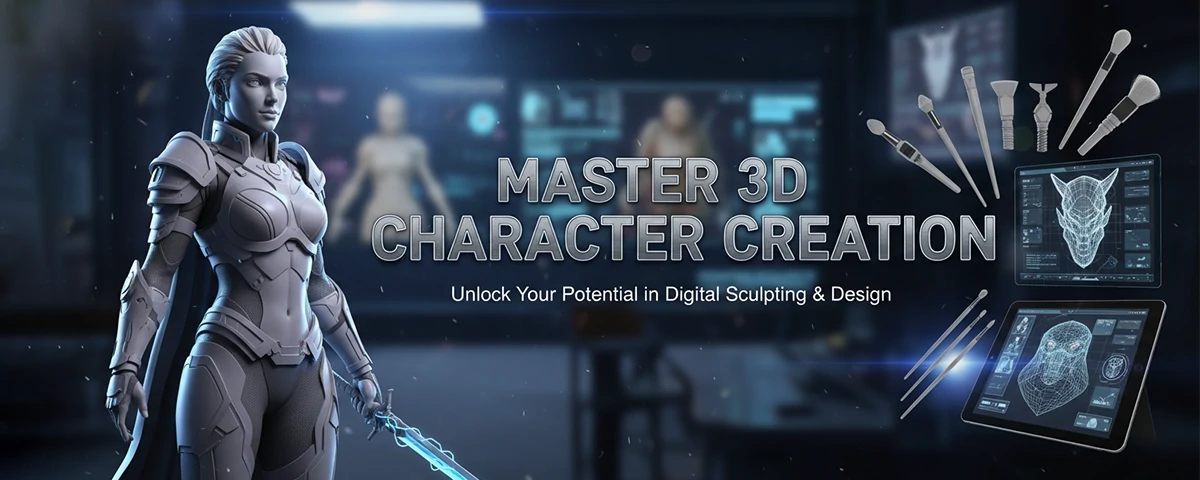
Explore the fascinating world of animation cartoon character creation, from the principles of design to the techniques that bring beloved characters to life.

Image: The creative process behind animation cartoon character design
The Magic of Animation Cartoon Characters
Animation cartoon characters hold a unique place in our cultural imagination. They are drawings that live, breathe, and feel. They make us laugh, cry, and think. From Mickey Mouse simple beginnings to the complex, emotionally rich characters of modern CGI films, the art of creating animated characters has evolved into a sophisticated discipline combining art, psychology, and technology.
What makes a great animated character? It is a question that animators, designers, and storytellers have explored for over a century. The answer involves visual design, personality development, movement principles, voice performance, and narrative integration. A truly great character is greater than the sum of these parts.
This guide takes you through the entire process of animation cartoon character creation, from the fundamental principles that every animator learns to the advanced techniques used by professional studios. Whether you are an aspiring animator, a fan of animation, or simply curious about how your favorite characters were created, this guide will deepen your appreciation for the craft.
We will explore the 12 principles of animation, shape and color theory, character personality development, expression design, movement techniques, and the tools and software used by professionals. We will also look at career paths in character design and learn from legendary animators who shaped the industry.
The Character Design Industry
The global animation industry is worth over 400 billion annually. Character designers are in high demand across film, television, gaming, advertising, and digital media. The skills required blend artistic talent with storytelling ability and technical knowledge.
The 12 Principles of Animation
The foundation of all great character animation
The 12 principles of animation were developed by Disney animators Ollie Johnston and Frank Thomas in their 1981 book The Illusion of Life. These principles remain the foundation of all character animation, whether hand-drawn or computer-generated.
The Principles Explained
Squash and Stretch: Gives characters a sense of weight and flexibility. When a ball hits the ground, it squashes. When it bounces up, it stretches. This principle makes characters feel alive and elastic rather than rigid.
Anticipation: A character prepares for an action before performing it. Before running, they pull back. Before throwing, they wind up. Anticipation makes actions read clearly and gives them weight.
Staging: Presenting an idea clearly so the audience understands exactly what is happening. This includes character positioning, camera angle, and timing.
Follow Through and Overlapping Action: Parts of a character continue moving after the main action stops. A dog ears flap after it stops shaking. This creates natural, fluid movement.
Secondary Action: Small additional actions that support the main action. A character walking while whistling. These add depth and personality to characters.
The Complete 12 Principles
- Squash and Stretch, Anticipation, Staging
- Straight Ahead and Pose to Pose
- Follow Through and Overlapping Action
- Slow In and Slow Out, Arcs
- Secondary Action, Timing, Exaggeration
- Solid Drawing, Appeal
Shape Theory in Character Design
How shapes communicate personality instantly
Shape theory is a fundamental tool in character design. Different shapes trigger different psychological responses in viewers, allowing designers to communicate personality traits instantly without the character saying a word.
The Three Primary Shapes
Circles: Represent friendliness, warmth, and approachability. Characters built from circles feel safe and non-threatening. Mickey Mouse, Po from Kung Fu Panda, and Baymax from Big Hero 6 are primarily circular characters. Their round shapes make audiences feel comfortable.
Squares: Represent stability, strength, and reliability. Square-based characters feel solid and dependable. Characters like Mr. Incredible, SpongeBob SquarePants, and Patrick Star use square shapes to communicate their grounded, stable nature.
Triangles: Represent danger, speed, and villainy. Triangular shapes feel dynamic and potentially threatening. Villains like Scar, Maleficent, and Ursula incorporate triangle shapes in their design. However, heroes can also use triangles for dynamic energy.
Most great character designs combine multiple shapes. A hero with a square body and round head feels both strong and approachable. A villain with a triangular body and sharp features reads as clearly dangerous.
Color Theory for Characters
Using color to define and differentiate
Color choices in character design are never arbitrary. Every hue, saturation, and value is selected to communicate specific traits and emotions. Understanding color theory is essential for creating characters that read clearly and evoke the right response.
Color Psychology
Red conveys energy, passion, or danger. Blue suggests calm, trust, or sadness. Yellow represents optimism, energy, or caution. Green indicates nature, growth, or envy. Purple suggests royalty, mystery, or magic. Orange communicates warmth, enthusiasm, or playfulness.
Color Harmony: Characters designed with complementary colors feel visually striking. Analogous color schemes create harmonious, pleasing designs. High-contrast color choices make characters pop against backgrounds.
Brand Colors: Major characters become associated with specific colors. Mickey Mouse red shorts, Sonic the Hedgehog blue, SpongeBob yellow. These color associations become part of the character identity.
Color Associations in Popular Characters
- Red: Mario, Mickey Mouse, Elmo - energetic and bold
- Blue: Sonic, Sonic, Sulley - cool and reliable
- Yellow: SpongeBob, Pikachu, Minions - optimistic and cheerful
- Green: Yoda, Shrek, Kermit - wise or misunderstood
- Purple: Barney, Ursula, Wreck-It Ralph - playful or villainous
Exaggerated Anatomy and Proportions
Why cartoon characters do not look like real people
One of the defining features of animation cartoon characters is their exaggerated anatomy. Unlike realistic human proportions, cartoon characters use distortion to enhance expressiveness, make characters more memorable, and support their personality.
Proportion Rules
The average human is 7-8 heads tall. A cute cartoon character might be 2-3 heads tall. A heroic character might be 8-10 heads tall. These proportion choices directly affect how audiences perceive characters.
Large Heads: Characters with oversized heads relative to their bodies read as childlike, cute, and sympathetic. This is why baby characters and many mascot characters use this proportion.
Large Eyes: Big eyes convey emotion more clearly and feel more appealing. This principle is taken to its extreme in anime and manga, where enormous eyes are a signature style element.
Hands and Feet: Characters often have oversized hands and feet for expressive gestures and stable stance. Mickey Mouse iconic gloves emphasize hand movements and make them read clearly against his dark body.
Common Cartoon Proportions
- Cute/cuddly: 2-3 heads tall, oversized head
- Child/teen: 4-5 heads tall, large eyes
- Adult hero: 6-8 heads tall, athletic build
- Exaggerated villain: Variable, often elongated
- Comic relief: Often shorter, rounder
Developing Character Personality
The soul behind the design
A character design that looks great means nothing without a compelling personality. The most memorable animated characters have distinct personalities that drive their actions, inform their design, and make audiences care about what happens to them.
Building Personality
Start with a character core. What is their fundamental motivation? What do they want more than anything? This desire drives all their actions and creates the engine for your story. Pixar characters are masters of this. Woody wants to be loved by Andy. Marlin wants to protect Nemo. Wall-E wants connection.
Add flaws and contradictions. Perfect characters are boring. A brave character who is also insecure, a smart character who is also naive, a tough character who is also gentle. These contradictions create depth and interest.
Develop quirks and habits. Does your character have a catchphrase? A nervous habit? A particular way of walking? These small details make characters feel real and memorable.
Personality Archetypes in Animation
- The Hero: Brave, determined, grows through challenges
- The Mentor: Wise, guiding, often mysterious past
- The Sidekick: Loyal, funny, provides comic relief
- The Villain: Driven by opposing goal, often charismatic
- The Innocent: Pure, optimistic, brings out goodness in others
Designing Expressive Faces
Faces that communicate without words
Facial expressions are the primary way animated characters communicate emotion. A well-designed character can convey complex feelings through subtle changes in eyebrow position, mouth shape, and eye size. The face is where the character soul lives.
Expression Design Principles
Eyebrows: The most expressive part of the face. Raised eyebrows convey surprise or fear. Lowered eyebrows convey anger or determination. One raised and one lowered conveys skepticism.
Eyes: Eye size, shape, and pupil position dramatically affect expression. Wide eyes with small pupils convey fear or surprise. Narrow eyes convey suspicion or anger. Half-closed eyes suggest relaxation or boredom.
Mouth: The shape of the mouth communicates emotion and personality. A wide smile with visible teeth shows joy. A downturned mouth indicates sadness. An open mouth with visible tongue suggests shock or excitement.
Head Position: Tilted head suggests curiosity or confusion. Lowered head indicates submission or sadness. Raised chin conveys confidence or defiance.
Professional character designers create expression sheets showing a range of emotions for each character. These sheets ensure consistency across different animators working on the same character.
Character Movement and Body Language
How characters move defines who they are
A character walk cycle is one of the most revealing aspects of their personality. A confident character walks differently than a shy one. An energetic character moves differently than a lazy one. These movement differences make characters feel distinct and real.
Walk Cycles and Gaits
A proud character walks with chest out and head high, taking deliberate steps. A nervous character takes small, quick steps with shoulders hunched. A tired character drags their feet and slumps forward. Each walk cycle tells a story about the character current state.
Body language during dialogue is equally important. Characters who gesture broadly feel extroverted and passionate. Characters who keep their hands still and make minimal movements feel reserved or calculating.
Character Movement Traits
- Energetic: Bouncy walks, quick gestures, frequent movement
- Graceful: Smooth, flowing movements, deliberate poses
- Clumsy: Tripping, off-balance, unpredictable motion
- Confident: Purposeful strides, open posture, steady gaze
- Nervous: Fidgeting, quick glances, hunched shoulders
Voice and Character Design
Finding the voice that matches the look
The relationship between character design and voice performance is crucial. A character visual design must be matched with a voice that feels natural and appropriate. The voice can enhance or undermine the visual design.
Voice Matching Principles
Large, bulky characters often have deeper voices. Small, cute characters typically have higher voices. Villains often speak more slowly and deliberately. Heroes speak with clarity and confidence. These are guidelines, not rules, and subverting expectations can create interesting characters.
Voice casting is a critical part of character development. The right actor brings depth and nuance that elevates the character. Many animated characters are now written with specific actors in mind, and the performance influences the final animation.
Iconic Voice-Performance Matches
- Robin Williams as Genie - Improvisational genius
- Tom Hanks as Woody - Warm, earnest concern
- James Earl Jones as Mufasa - Commanding authority
- Ellen DeGeneres as Dory - Optimistic scatterbrain
- Mark Hamill as Joker - Manic, unpredictable energy
Software and Tools for Character Creation
Digital tools that bring characters to life
Adobe Animate
Industry standard for 2D vector animation. Used for TV animation and web content.
Toon Boom Harmony
Professional 2D animation software used by major studios for feature films and TV.
Blender
Free, open-source 3D creation suite. Powerful for character modeling and animation.
Procreate
iPad app for character concept art and sketching. Popular among character designers.
Building a Character Design Portfolio
How to showcase your character work
A strong portfolio is essential for aspiring character designers. Studios hire based on your ability to create appealing, consistent, and expressive characters. Your portfolio should demonstrate these skills clearly.
What to Include
Character turnarounds showing the character from all angles. Expression sheets demonstrating a range of emotions. Pose sheets showing the character in different actions. Model sheets with precise color specifications. Design process work showing how you developed the character. Finished illustrations that showcase the character in context.
Quality matters more than quantity. Include your best 10-15 pieces rather than all your work. Each piece should demonstrate specific skills and show your range as a designer.
Portfolio Must-Haves
- Character turnarounds from front, side, back, and 3/4 views
- Expression sheets with 6-12 distinct emotions
- Pose sheets showing action and personality
- Color specifications and design notes
- Character in different contexts and environments
The Animation Industry Today
Where character designers work
Character designers work across multiple industries. Film and television animation remains the traditional home, but the demand for character designers has expanded dramatically.
Industry Sectors
Film and Television: Major studios like Disney, Pixar, DreamWorks, and Netflix employ character designers for feature films and series. This is the most visible and competitive sector.
Video Games: Game studios need character designers for player characters, NPCs, and enemies. This sector has grown enormously and offers many opportunities.
Advertising: Commercials and brand mascots require character design. This sector offers diverse projects and often faster turnaround times.
Publishing: Children book illustration and comic books need character designers who can work in sequential storytelling.
Mobile Apps and Web: Apps, especially those targeting children, need character designers for engaging user experiences.
Industry Salary Ranges
- Entry-level character designer: 40K-60K
- Mid-level character designer: 60K-90K
- Senior character designer: 90K-130K
- Lead/Art director: 120K-180K+
- Freelance rates: 30-100+ per hour
Starting Your Character Design Career
Pathways into the animation industry
Breaking into character design requires a combination of artistic skill, industry knowledge, networking, and persistence. There are multiple pathways into the field.
Education Options
Traditional art schools like CalArts, Ringling, and Sheridan have strong animation programs with industry connections. Online learning platforms like School of Motion, CGMA, and Skillshare offer specialized character design courses. Many successful character designers are self-taught, learning through online resources and consistent practice.
Regardless of education path, a strong portfolio is essential. Participate in online challenges like Inktober and Character Design Challenge to build your portfolio and gain visibility.
Career Tips
- Draw every day to build skills and develop your style
- Study the work of professional character designers
- Build a strong online presence on ArtStation and Instagram
- Network at industry events and online communities
- Be open to starting in adjacent roles like cleanup or coloring
Legendary Character Designers
Masters who shaped the art form
The history of animation character design is shaped by brilliant artists who developed techniques and styles that continue to influence the industry today.
Ub Iwerks
Disney first animator who designed Mickey Mouse. His simple, clean style defined early Disney character design.
Chuck Jones
Warner Bros legend who refined Bugs Bunny, Daffy Duck, and created Wile E. Coyote and Road Runner.
Hayao Miyazaki
Studio Ghibli co-founder known for warm, expressive character designs and rich, imaginative worlds.
Glen Keane
Disney legend who designed Ariel, Beast, Aladdin, and Tarzan. Known for bringing emotional depth to animated characters.
Frequently Asked Questions
Common questions about animation character creation
What software is best for beginner character designers?
Blender is excellent for 3D and completely free. Procreate is great for iPad sketching. Krita is a free 2D animation tool perfect for beginners.
How long does it take to create a cartoon character?
A simple sketch can take minutes. A fully developed character with turnarounds, expression sheets, and color specifications can take days or weeks for professional work.
Do I need to know how to draw to create animated characters?
Drawing skills help enormously but are not absolutely required. Some character designers work in 3D or use vector-based tools. However, traditional drawing skills remain highly valued.
What is the difference between a character designer and an animator?
Character designers create the look of characters. Animators bring them to life through movement. These are different specialties, though many professionals have skills in both areas.
Can I make a career designing cartoon characters?
Absolutely. Character designers are in demand across film, television, gaming, advertising, and digital media. The animation industry continues to grow globally.
Start Creating Today
Every great animated character starts with a single sketch. Your characters are waiting to be brought to life.
Start Designing
Character Storyboarding
Testing characters in action
Before a character is fully animated, storyboards test how they will move, react, and interact within the story. Storyboarding is where character designs are proven or sent back for revision.
The Storyboard Process
Storyboard artists create rough sequential drawings showing key moments of the story. These panels establish character positioning, camera angles, and scene flow. Characters must be recognizable from every angle and in every pose drawn.
Storyboarding reveals design issues that may not be apparent from static model sheets. A character design may look great in a front view but prove difficult to draw consistently in profile or from below. These issues are addressed before full animation begins.
For aspiring character designers, practicing storyboarding is excellent training. It develops your understanding of how characters will be used in actual production.
Mascot and Brand Character Design
Creating characters that represent brands
Mascot characters are designed to embody brand values and create emotional connections with customers. Unlike narrative characters, mascots must work across multiple contexts and media while remaining instantly recognizable.
Mascot Design Principles
Successful mascots use simple, bold designs that reproduce well at any size. They have friendly, approachable appearances that make customers feel positive about the brand. Their design reflects brand personality playful mascots for fun brands, trustworthy mascots for serious brands.
Mascots must work in both static (logo, packaging) and animated (commercial, social media) formats. They should be designed for easy animation, with clear silhouettes and limited detail that remains legible when moving.
Geiko Gecko, Tony the Tiger, and the Michelin Man are examples of brand mascots that have endured for decades through consistent character management.
Diversity in Character Design
Creating characters that represent everyone
Modern character design embraces diversity in all its forms. Characters of different races, body types, abilities, and backgrounds are essential for authentic storytelling and inclusive representation.
Inclusive Design Practices
Design characters with diverse features rather than defaulting to a narrow standard. Research and sensitivity are important when designing characters from cultures different from your own. Consult with people from those communities to ensure authentic representation.
Avoid stereotypes in both visual design and personality traits. A character physical characteristics should not determine their personality. Strong character design creates individuals, not types.
Representation matters in who creates characters as well. The industry continues working toward more diverse creative teams, understanding that diverse creators bring diverse perspectives to character design.
Giving and Receiving Design Feedback
Improving through critique
Feedback is essential for growth as a character designer. Learning to give constructive feedback and receive criticism professionally are crucial skills for success in the animation industry.
Receiving Feedback
When receiving feedback, listen without becoming defensive. Ask clarifying questions. Remember that feedback is about the work, not about you personally. Identify the core issue behind the feedback and focus your revisions on addressing it.
When giving feedback, be specific about what is working and what needs improvement. Offer suggestions rather than just criticism. Focus on design principles rather than personal taste.
Feedback Framework
- Start with what works well in the design
- Be specific about what could be improved
- Explain why it could be improved with principles
- Suggest possible approaches for revision
- End with encouragement and next steps
Learning Resources and Communities
Where to continue your education
The journey of learning character design never ends. The best designers are constantly studying, practicing, and expanding their skills. Numerous resources are available for continuing education.
Online Platforms
School of Motion, CGMA, Skillshare, Udemy offer structured courses in character design and animation.
Communities
ArtStation, DeviantArt, Character Design Challenge forums let you share work and get feedback.
Books
The Illusion of Life, Character Animation Crash Course, and Creating Characters with Personality.
Conferences
CTN Animation Expo, Lightbox Expo, and Annecy International Animation Film Festival.
Character Design for Different Age Groups
Tailoring designs to target audiences
Characters designed for preschoolers look fundamentally different from characters designed for adults. Understanding the characteristics of each age group helps designers create appropriate, effective characters.
Preschool Characters
Characters for young children use very simple shapes, bright primary colors, and large, expressive features. They typically have round, soft designs that feel safe and friendly. Heads are proportionally much larger, and facial features are simplified. Examples include Peppa Pig, Bluey, and Blippi.
Children Characters
Characters for school-age children allow more design complexity while maintaining clear appeal. These characters can have more detailed features, varied body types, and more sophisticated color palettes. They often have distinct personality-driven designs. Adventure Time and Gravity Falls exemplify this range.
Teen and Adult Characters
Older audiences can handle more complex, nuanced designs. Characters can be less conventionally appealing and more stylized. Proportion can vary widely, from realistic to highly exaggerated. Designs can explore more sophisticated themes and visual styles.
The key is understanding what the target audience finds appealing, understandable, and appropriate. Each age group has different cognitive abilities and life experiences that affect how they perceive characters.
Character Turnarounds and Model Sheets
The technical documents of character design
Character turnarounds and model sheets are essential production documents that ensure a character is drawn consistently by every artist working on a project. These technical drawings specify every detail of a character design.
Turnaround Components
A standard turnaround shows the character from front, side, back, and three-quarter views. Each view is drawn to the same scale and proportions. Key measurements are documented so artists can maintain consistency. Color specifications include exact color values for every part of the design.
Model sheets may also include detail close-ups of hands, feet, and facial features. They document how the character varies at different ages or in different costumes.
Model Sheet Must-Haves
- Front, side, back, and 3/4 standard views
- Color specifications with exact values
- Expression sheet with 6-12 emotions
- Detail close-ups of hands, feet, face
- Scale comparison with other characters
Freelance Character Design Business
Building an independent career
Many character designers work as freelancers, taking on projects from multiple clients. Freelance offers flexibility and variety but requires business skills beyond design talent.
Getting Started
Build a strong online presence with a professional website and active social media accounts. Create a portfolio specifically for your ideal clients. Set clear rates based on your experience and the project scope. Develop contracts that protect your rights and clarify deliverables.
Find clients through freelance platforms like Upwork and Fiverr, direct outreach to studios, networking at industry events, and referrals from satisfied clients.
Freelance Best Practices
- Always use contracts that specify scope and payment
- Require deposits before starting projects
- Set clear revision limits in your agreements
- Build relationships with repeat clients
- Save for taxes and irregular income periods
Character Licensing and Intellectual Property
Protecting and monetizing your creations
Understanding intellectual property is essential for character designers. Your original characters are your intellectual property, and protecting them ensures you can benefit from their success.
IP Protection
Copyright automatically protects original creative works, including character designs. Trademark protects character names and identifying features used in commerce. Registering your copyright and trademark provides stronger legal protection.
When working for hire, understand that the client typically owns the character. When creating original characters for your own portfolio or licensing, you retain ownership and can license usage rights to others.
Licensing your characters for merchandise, publishing, or media use can create ongoing revenue streams. Successful character licensing requires building brand value through consistent, high-quality representation.
Character Design for Mobile Games
Small screen, big personality
Mobile game character design has specific constraints and opportunities. Characters must read clearly on small screens, load quickly, and work within the technical limitations of mobile devices while still being engaging and memorable.
Mobile Design Considerations
Characters for mobile games need bold, simple designs that remain readable at small sizes. Colors should be distinct and contrast well. Silhouettes must be clear so characters are recognizable instantly. Animation capabilities on mobile may be limited, so expressive static poses and expressions are important.
Mobile game characters often need multiple variations for different levels, power-ups, or customization options. Design systems that allow for easy variation while maintaining the core character identity.
Successful mobile game characters like Angry Birds, Clash of Clans barbarians, and Candy Crush candies prove that simple designs can become iconic and highly profitable.
Children Book Character Design
Creating characters for the page
Children book illustration requires characters that work across multiple pages, convey emotion through static images, and complement the text. Book characters must be engaging enough to hold a child attention across an entire story.
Book Design Principles
Picture book characters should be appealing, expressive, and consistent across every page spread. They need clear designs that work in different poses and settings. Color palettes should coordinate with the overall book illustrations. Characters often need to show clear emotional states through body language and facial expressions alone.
Series characters must be designed for longevity, able to appear in multiple books over many years. Simple, timeless designs outlast trendy ones.
Notable children book characters like The Gruffalo, The Very Hungry Caterpillar, and Peter Rabbit demonstrate how strong character design creates enduring literary icons.
More useful paths
Use these paths to continue with the closest practical topic, service, or decision guide.
- TopicMotion Graphics & Animation article library
- ArticleAnimation Cartoon Characters: The Art of Bringing Imagination to Life
- ArticleAnimation Definition: Understanding the Art, Science, and Craft of Bringing Stillness to Life
- ArticleAnimation Design Services: The Complete Guide to Professional Animation in 2026
- ServiceCartoon Character Modeling (Low Poly)
Pro Pixel Agency
Want this done for you? Try our 3D rendering free.
Send a sample, get the finished result back, and only then decide. Clear prices, no commitment.