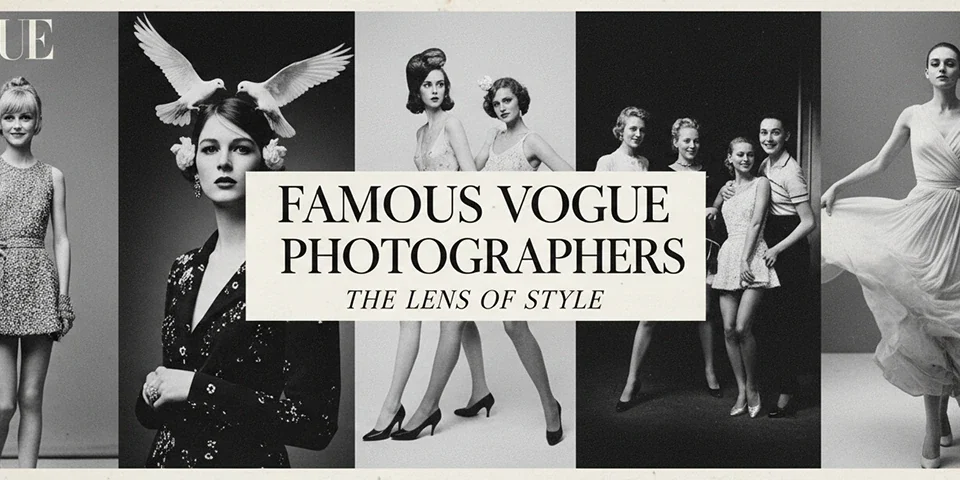
From urban styling and location scouting to posing and editing — a complete guide to capturing stunning street fashion photography
👗 Street Style
🏙️ Urban Photography
🎨 Styling Tips
Street fashion photography — it is one of the most dynamic, creative, and accessible genres in modern photography. Every major city has its own style, its own streets to explore, and its own fashion story waiting to be told. Whether you are photographing haute couture against gritty urban backdrops or capturing everyday style in natural settings, street fashion photography offers endless opportunities for creative expression.
This comprehensive guide covers everything you need to know about street fashion photography — from understanding the genre and choosing locations to directing models, styling looks, working with natural light, and editing for that signature street style aesthetic. Whether you are a beginner taking your first fashion shots or an experienced photographer looking to refine your street style approach, these ideas and tips will elevate your work.
🏙️ What Is Street Fashion Photography?
Street fashion photography sits at the intersection of fashion photography, street photography, and documentary portraiture. Unlike studio fashion photography, which relies on controlled lighting and constructed sets, street fashion photography uses the urban environment as its backdrop — real streets, real architecture, real light, and real life happening around the subject. This authenticity is what gives street fashion images their energy, relevance, and cultural impact.
The genre gained mainstream visibility through street style blogs and fashion week coverage, where photographers like Tommy Ton, Scott Schuman (The Sartorialist), and Phil Oh captured the personal style of fashion show attendees against the urban backdrops of New York, Paris, Milan, and London. These images showed that fashion photography did not need to happen in a studio — it could happen on a sidewalk, in a parking lot, or against a concrete wall, and the results could be just as compelling, often more so.
Today, street fashion photography has evolved into a global phenomenon, fueled by social media platforms like Instagram and TikTok where street style images reach millions of viewers. The genre continues to push boundaries, incorporating elements of documentary photography, editorial styling, and urban exploration. For photographers, street fashion offers the freedom to experiment with different styles, locations, and subjects without the overhead of studio production, making it one of the most accessible and rewarding fashion photography genres to pursue.
A visual history of street fashion photography showing iconic images from different eras. The image is arranged as a timeline-style collage. The first image shows an early street fashion shot from the 1960s — a stylish subject on a New York street, captured in natural light with a documentary feel. The second image shows a Tommy Ton street style photograph from a 2000s fashion week — a fashionably dressed subject against a city backdrop, with the photographer's signature candid-yet-posed aesthetic. The third image shows a contemporary street fashion photograph from Instagram — a model in trendy streetwear against a colorful urban mural, shot with a modern, high-contrast editing style. Each image is labeled with the era, photographer, and location. Below the timeline, a quote from Scott Schuman appears: "I started The Sartorialist because I wanted to share the incredible style I saw on the streets every day. Street fashion is about real people, real style, and real moments — that authenticity is what makes it powerful." A callout defines the genre: "Street fashion photography combines fashion documentation with urban portraiture. The goal is to capture clothing and style in a real-world context, showing how fashion lives and moves in the spaces where people actually wear it."
📍 Location Scouting for Urban Fashion Shoots
The location is the backbone of any street fashion photograph. The right location provides context, texture, color, and atmosphere that complement the subject and their clothing. Location scouting is an essential skill that can make the difference between a forgettable image and an unforgettable one. Developing a keen eye for urban environments will dramatically improve your street fashion work.
Start by exploring your city with fresh eyes. Walk neighborhoods you have never visited, look at familiar streets from different angles, and notice details you usually walk past — interesting wall textures, colorful doors, unique architectural features, striking shadows, and unexpected color combinations. The best street fashion locations are often hiding in plain sight: a simple concrete stairwell, the side of an abandoned building, a neon-lit storefront, a subway platform, a pedestrian bridge, or a parking garage with dramatic lighting. Keep a running list or photo library of potential locations, noting the best time of day to shoot at each one based on light direction and foot traffic.
When scouting, consider how the location interacts with the clothing and the subject. A minimalist, monochrome outfit might pop against a colorful graffiti wall. A bold, patterned outfit might work best against a simple, textured background like brick or concrete. An edgy streetwear look could be energized by an industrial setting with metal grates, loading docks, and chain-link fences. A romantic, flowy dress might be beautifully contrasted against hard urban surfaces. The relationship between the outfit and the environment creates visual tension or harmony that defines the image's mood and impact.
Lighting varies dramatically in urban environments, and understanding how light falls on your chosen location at different times is crucial. South-facing walls receive consistent light throughout the day, while north-facing walls offer soft, even light ideal for portraits. Narrow alleys can create dramatic shafts of light at specific times. Building shadows can create natural framing or leading lines. Scout each location at the same time you plan to shoot, so you know exactly what the light will look like. Apps like Sun Surveyor and PhotoPills can help you predict light direction and quality at any location and time.
A location scouting guide featuring six different urban locations with style recommendations. The image is arranged as a grid of six location photos, each showing a different urban setting with annotations. Location 1 "Brick Alley" — a narrow alley with exposed brick walls and soft diffused light, recommended for streetwear and casual looks. Location 2 "Mural Wall" — a large colorful mural on a building side, recommended for monochrome or neutral outfits that pop against the colors. Location 3 "Industrial Gate" — a weathered metal roll-up door with rust and texture, recommended for edgy, urban, or avant-garde fashion. Location 4 "Neon Storefront" — a storefront with neon signs and glass, recommended for evening shoots with city lights. Location 5 "Concrete Stairwell" — a spiral or geometric concrete staircase, recommended for architectural compositions with strong lines. Location 6 "Rooftop View" — a rooftop with city skyline in the background, recommended for golden hour shoots. Each location includes a note about the best time of day, the type of clothing that works best, and a sample camera setting. A callout provides the golden rule of location scouting: "Visit each potential location at your planned shooting time. Take test photos. Check for unwanted elements like construction, trash, or signage. Get permission when needed. And always have a backup location — the best-laid plans can be disrupted by weather, crowds, or unexpected changes."
👗 Styling for Street Fashion Photography
Styling is where street fashion photography truly comes alive. The clothing choices, accessories, color combinations, and overall aesthetic define the image's fashion credentials and cultural relevance. Unlike studio fashion, where styling is meticulously controlled, street fashion styling balances intentional fashion choices with the spontaneity and authenticity of real-world styling.
The most successful street fashion images feature outfits that feel both intentional and effortless — looks that are clearly styled but could plausibly be something the subject chose to wear on an ordinary day. This balance is what distinguishes street fashion from editorial fashion photography. For shoots with models, prepare 3-5 outfit changes that offer variety in color, silhouette, and mood. For each outfit, consider how it photographs against your chosen locations — a bright yellow outfit might be perfect against a gray concrete wall, while an all-black look might disappear against a dark brick background.
Accessories are powerful tools in street fashion photography. Sunglasses add instant cool factor and can help a shy model feel more confident. Bold jewelry, hats, bags, and shoes add points of visual interest that draw the viewer's eye through the composition. Layering — jackets over shirts, scarves over coats, vests over tees — adds depth and texture to images that flat outfits cannot achieve. Pay attention to footwear, especially in full-body shots — the wrong shoes can undermine an otherwise perfect outfit.
Current street fashion trends in 2026 continue to evolve with cultural shifts and social media influence. Oversized silhouettes, mixing high and low fashion (designer pieces with thrift store finds), sustainable and vintage clothing, gender-fluid styling, bold color blocking, and techwear-inspired functional fashion are all prominent trends. However, the most important styling principle is authenticity — the best street fashion images feature clothing that the subject genuinely connects with and wears naturally. Stiff, uncomfortable models produce stiff, uncomfortable images regardless of how fashionable the outfit is.
A styling guide collage showing four different street fashion looks with location pairings. Look 1 "Urban Streetwear" features an oversized hoodie, cargo pants, chunky sneakers, and a crossbody bag, photographed against a graffiti wall and concrete stairs — the look is casual, edgy, and modern. Look 2 "High-Low Mix" features a designer blazer over a vintage band t-shirt with thrifted jeans and heeled boots, photographed in a historic district with old architecture — the contrast between formal and casual creates fashion-forward tension. Look 3 "Monochrome Minimalist" features an all-cream outfit with neutral tones and minimal accessories, photographed against a bright mural or colorful door — the simplicity of the outfit allows the location color to take center stage. Look 4 "Evening Glam" features a sequined top, leather pants, and statement jewelry, photographed against neon signs and city lights at dusk — the outfit catches the artificial light and creates a nightlife vibe. Each look includes a styling breakdown listing key pieces, color palette notes, and recommended locations. A callout provides styling tips: "Bring more outfit options than you think you need. Scout the location first, then style the outfit to complement the environment. Always bring backup accessories, a steamer for wrinkles, and a touch-up kit for the model's hair and makeup. The extra preparation will show in the final images."
📷 Camera Settings and Gear for Street Fashion
The right camera gear and settings can elevate your street fashion photography, but the most important equipment you bring is your creative eye. That said, understanding what gear works best for different street fashion scenarios will help you capture the best possible images in challenging urban environments.
For camera bodies, full-frame sensors offer the best dynamic range and low-light performance, which is valuable for shooting in varied urban lighting conditions. However, modern APS-C and even micro four-thirds cameras are more than capable of producing professional-quality street fashion images. The key features to look for are fast and accurate autofocus, good high-ISO performance, and a comfortable form factor for extended shooting sessions. Mirrorless cameras have become the preferred choice for street fashion due to their compact size, silent shooting, and superior autofocus systems.
Lens choice significantly impacts the look of street fashion images. A 35mm or 50mm prime lens is the classic street fashion choice — wide enough to capture environmental context, narrow enough to isolate the subject with natural-looking perspective. A 35mm lens is ideal for full-body shots that include the surrounding environment, while an 85mm lens creates beautiful compressed portraits with creamy background separation. Many street fashion photographers carry a 24-70mm f/2.8 zoom for versatility, allowing them to quickly adapt to changing situations without swapping lenses. For candid street style shots, a 70-200mm lens allows you to capture subjects from a distance without being intrusive.
Camera settings for street fashion prioritize aperture for creative control and shutter speed for sharpness. Shoot in aperture priority or manual mode with the aperture set wide open (f/1.4 to f/2.8) for shallow depth of field that separates the subject from the background. When you want to show more environmental detail, stop down to f/4 to f/8. Shutter speed should be at least 1/200th of a second to freeze movement, faster if the subject is walking or the street is busy. ISO should be as low as possible, but do not hesitate to raise it to maintain your desired aperture and shutter speed in lower light — modern cameras handle ISO 3200-6400 beautifully.
A gear and settings guide showing recommended equipment for street fashion photography. The main image is a flat lay arrangement of photography gear on a concrete surface: a mirrorless camera body with a 35mm f/1.4 lens attached, a 50mm f/1.8 lens, an 85mm f/1.4 lens, a small LED panel for fill light, a compact reflector, extra batteries, memory cards, and a small bag. Each item has a label with the name and a brief note about its use in street fashion. Below the flat lay, a settings reference card shows recommended camera settings for different scenarios: "Full-Body Environmental Shot — 35mm, f/4, 1/250s, ISO 100-400," "Portrait with Background Blur — 85mm, f/1.8, 1/320s, ISO 100-200," "Candid Street Style — 70-200mm at 200mm, f/2.8, 1/500s, ISO 200-800," "Low Light / Evening — 35mm, f/1.4, 1/160s, ISO 1600-6400," "Walking Shot with Motion — 50mm, f/2.8, 1/500s, ISO 200-400." A callout provides an essential gear tip: "The best street fashion setup is one you can carry comfortably for hours. A camera body with a single 35mm or 50mm prime lens is the classic choice for a reason — it is lightweight, unobtrusive, and forces you to focus on composition and connection with your subject rather than lens swapping."
🕺 Directing Models and Subjects on the Street
Directing a model in a public street environment is fundamentally different from studio direction. There are distractions, noise, weather, pedestrians, traffic, and the pressure of performing in public. Your ability to make the subject comfortable and confident in this environment directly determines the quality of your images.
Start by warming up away from the busiest areas. Find a quieter street or side alley where you and the model can build rapport and establish a shooting rhythm without an audience. Begin with simple poses — standing naturally, leaning against a wall, walking toward the camera — before progressing to more dynamic poses that require the model to interact more actively with the environment. Play music that matches the vibe of the shoot to help the model get into character and block out street noise.
Movement is a powerful tool in street fashion photography. Ask the model to walk toward the camera, walk away and look back, cross the street, turn a corner, or interact with the environment by touching a wall, adjusting their jacket, or looking in a window. Candid-style shots that capture the model in motion often produce the most authentic and dynamic images. Use burst mode to capture a sequence of movements and select the best frame later. The goal is to capture the natural, effortless quality that defines great street fashion — stiff, posed models look out of place in urban environments.
Managing public interaction is part of street fashion photography. Passersby may stare, make comments, or step into your frame. Develop a thick skin and a friendly attitude. A smile and a nod usually defuse any negative attention, and curious onlookers can sometimes become your biggest fans or even future clients. If someone objects to being in the background of your shot, acknowledge their concern and adjust your position. Always carry business cards to hand out to anyone who shows interest — street fashion shoots are excellent networking opportunities.
A posing and direction guide featuring a model in various street fashion poses across three different locations. The image is a grid of six to eight smaller photos showing a single model in different poses, each demonstrating a different posing technique. Pose 1 "The Walk" — the model walks toward the camera with natural stride, hands in pockets, chin slightly down for a cool, editorial look. Pose 2 "The Lean" — the model leans against a wall or railing with crossed ankles, one hand in pocket, creating a casual, confident silhouette. Pose 3 "The Look Back" — the model walks away from the camera and looks back over their shoulder, creating a candid, dynamic feel. Pose 4 "The Stair Sit" — the model sits on concrete stairs, legs slightly apart, leaning back on hands, creating a relaxed, approachable vibe. Pose 5 "The Environmental Interaction" — the model touches a wall, adjusts their jacket, or looks at their phone, creating a natural, unposed moment. Pose 6 "The Move" — the model is caught mid-stride crossing a street or walking through a crosswalk, the motion adding energy and spontaneity. Each pose includes a brief direction tip: "For a natural walk, ask the model to walk normally and look at a point just above the camera lens — this creates a confident, approachable gaze." A callout provides the golden rule of street fashion posing: "The best street fashion poses look like they were not posed. Aim for 80% movement and natural interaction, 20% deliberate posing. The model should look like they belong in the environment, not like they were placed there for a photo."
💡 Working with Natural Light on the Street
Natural light is the primary light source for street fashion photography, and mastering it is essential for creating stunning images. Unlike studio light, natural light changes constantly — its quality, direction, and color temperature shift with the time of day, weather, and the urban environment. Learning to read and work with natural light will transform your street fashion photography.
Golden hour — the hour after sunrise and the hour before sunset — is universally prized for street fashion photography. The warm, directional light creates flattering skin tones, long dramatic shadows, and a beautiful glow that enhances clothing textures and colors. During golden hour, position the model so the light hits them from a 45-degree angle for the most flattering illumination. Backlighting during golden hour creates a stunning rim light effect around the subject, separating them from the background and adding a dreamy, editorial quality.
Midday sun presents challenges for street fashion — harsh overhead light creates unflattering shadows under the eyes, nose, and chin, and can cause subjects to squint. However, midday light can be used creatively. Look for open shade — the shadow side of buildings, under awnings, beneath bridges, or in covered walkways — where the light is soft and even. Shooting in narrow alleys during midday creates dramatic shafts of light that can be used for high-contrast, editorial-style images. Overcast days provide the most flattering natural light for portraits, with soft, even illumination that eliminates harsh shadows and creates beautiful, natural skin tones.
A natural light guide showing the same model in the same outfit photographed in different lighting conditions. The image is a grid of four portraits. Portrait 1 "Golden Hour — 45° Light" shows the model in warm, directional light from a 45-degree angle — skin glows, the outfit texture is enhanced, and long soft shadows add depth. Portrait 2 "Backlit Golden Hour" shows the model with the sun behind them — a warm rim light outlines their silhouette, their face is slightly shadowed (with a note about using fill flash or reflector to add light to the face), and the background is beautifully blown out. Portrait 3 "Open Shade Midday" shows the model in the shadow of a building — the light is soft and even, skin tones are natural, and there are no harsh shadows. Portrait 4 "Overcast Soft Light" shows the model under an overcast sky — the light is flat and diffused, colors appear saturated and true, and there are no shadows to manage. Each portrait includes camera settings and a lighting note. A callout provides the street fashion lighting mantra: "When the light is good, shoot. When the light is challenging, find better light. Move your subject 10 feet in any direction and the light can change completely. The best street fashion photographers are constantly aware of where the light is and position their subjects to take full advantage of it."
🎨 Editing and Color Grading for Street Fashion
Editing and color grading are where you develop your signature street fashion aesthetic. While getting the shot right in camera is always the goal, post-processing allows you to refine colors, enhance mood, and create a consistent look across your portfolio. Street fashion editing tends to follow certain popular styles, but the most successful photographers develop a unique editing approach that sets their work apart.
The most popular editing styles for street fashion photography include the warm, desaturated look (often called the "fashion editorial" style), which features warm skin tones, muted backgrounds, and slightly lifted blacks for a film-like quality. The high-contrast urban style emphasizes texture and grit, with deep shadows, bright highlights, and increased clarity that makes concrete, metal, and fabric textures pop. The clean, bright style features accurate skin tones, vibrant but natural colors, and a fresh, modern feel that works well for commercial and brand content. Study the editing styles of street fashion photographers you admire and practice replicating their looks to develop your own technique.
Color grading is particularly important in street fashion because the urban environment introduces many competing colors from signs, vehicles, buildings, and clothing. A consistent color palette across your images creates a cohesive portfolio that feels professional and intentional. Use the HSL (Hue, Saturation, Luminance) panel to selectively adjust colors — desaturating distracting background elements while preserving the vibrancy of the clothing, or shifting the hue of urban greens and blues to create a more cohesive color story. Split toning — adding warm tones to highlights and cool tones to shadows — is a popular technique that creates depth and a signature look in street fashion images.
An editing style comparison showing the same RAW street fashion image processed in three different popular styles. The first edit "Warm Editorial" features warm skin tones, slightly desaturated background colors, lifted blacks with a slight fade, and a warm color grade with amber highlights and teal shadows — the overall feel is film-like, nostalgic, and sophisticated. The second edit "High-Contrast Urban" features deep shadows, bright highlights, increased texture and clarity, desaturated midtones, and a gritty, edgy feel — concrete and metal textures pop, and the subject stands out with strong contrast. The third edit "Clean Modern" features accurate skin tones, vibrant but natural colors, clean whites, and a bright, fresh overall look — the image feels commercial, polished, and modern. Below each edit, the key Lightroom or Capture One adjustments are listed: white balance, exposure, contrast, highlights, shadows, clarity, vibrance, HSL adjustments, and split toning values. A callout provides editing advice: "Develop your editing style by studying photographers you admire, but do not try to copy their look exactly. Your editing should enhance your unique vision and the specific mood of each shoot. Consistency across your portfolio is more important than any single edit — aim for a cohesive look that makes your work instantly recognizable as yours."
📱 Street Fashion for Social Media and Brand Collaborations
Social media has transformed street fashion photography from a niche genre into a global phenomenon. Platforms like Instagram, TikTok, and Pinterest are where street fashion images live, breathe, and reach their audience. Understanding how to create and share street fashion content for social media can open doors to brand collaborations, paid partnerships, and career opportunities.
Instagram remains the primary platform for street fashion photography. The grid format rewards consistent aesthetics — successful street fashion feeds maintain a cohesive color palette, editing style, and subject matter that makes the overall profile visually compelling. Carousel posts that show multiple angles of the same outfit or a sequence of poses perform well because they provide more value per post and keep viewers engaged longer. Reels featuring behind-the-scenes content, outfit transitions, location scouting, and editing tips have become essential for reach and growth. The key to Instagram success in street fashion is consistency — post regularly, engage with your community, and maintain a clear visual identity.
Brand collaborations are a common goal for street fashion photographers. Fashion brands, clothing lines, accessory designers, and lifestyle brands all need high-quality street fashion content for their marketing. To attract brand partnerships, build a portfolio that showcases your ability to photograph clothing in flattering, engaging ways. Tag brands in your posts when you feature their products, engage with their content, and build relationships with their marketing teams. When approaching brands, present a clear vision for how you would photograph their products in your signature style. Street fashion photography is particularly valuable for brands because it shows their clothing being worn in real-world settings, which resonates more authentically with consumers than studio product shots.
A social media strategy guide for street fashion photographers. The main image shows a smartphone displaying an Instagram profile grid with nine cohesive street fashion posts — all sharing a consistent warm editorial editing style, urban locations, and a mix of full-body and portrait shots. The grid looks professional, intentional, and visually harmonious. Beside the phone, a small notepad lists social media best practices: post 3-4 times per week, use 3-5 relevant hashtags, engage with followers within 24 hours, respond to all comments, and tag brands and collaborators. A secondary image shows a Reel in progress — a video thumbnail shows a behind-the-scenes clip of a street fashion shoot with text overlay "How I Shot This Street Style Look." A third image shows a brand collaboration mood board — a collage of the photographer's work alongside the brand's products, with notes about the creative direction, target audience, and content deliverables for the proposed collaboration. A callout provides brand collaboration tips: "Start with smaller, local brands and build your portfolio of brand work before approaching larger companies. Create media kits that showcase your reach, engagement rates, and audience demographics. Always deliver more than you promise — brands remember photographers who exceed expectations. And never work for free in exchange for exposure — your time and creative work have real value."
⚡ Street Fashion Photography Challenges and How to Overcome Them
Street fashion photography comes with its own set of unique challenges. From unpredictable weather to difficult crowds, from permission concerns to equipment limitations, being prepared for common obstacles will help you handle them professionally and keep your shoot on track.
Weather is the most unpredictable factor in street fashion. Rain can ruin an outdoor shoot in minutes, but it can also create stunning opportunities. Wet streets create beautiful reflections, umbrellas add color and interest, and the moody atmosphere of an overcast or rainy day can produce some of the most memorable street fashion images. Always check the weather forecast before your shoot and have a backup plan — an indoor location like a parking garage, train station, or covered market that provides protection from the elements while still offering an urban aesthetic. Pack a large umbrella for yourself and your gear, and have a plan for keeping the model and clothing dry between shots.
Crowds and public attention can be challenging, especially in popular urban locations. The best strategy is to shoot during quieter times — weekday mornings are typically less crowded than weekends. If a location is too busy, move to a less crowded area or work with the crowd by incorporating them into the background of your images for a more authentic street feel. Some photographers obtain permits for commercial shoots in popular locations, which can provide exclusive access and keep onlookers at a distance. Always carry copies of your permits and model releases, and be prepared to show them if approached by security or law enforcement.
A challenges and solutions guide featuring four common street fashion photography problems with before-and-after solutions. The first challenge "Rain" shows a before image of a model getting wet in a sudden downpour versus the same scene transformed by using an umbrella as a prop and shooting from a low angle to capture the wet street reflections — the result is moody, atmospheric, and actually improved by the rain. The second challenge "Harsh Midday Sun" shows a model with unflattering shadows on their face in direct sunlight versus the same model moved 10 feet into the shade of a building — the light is now soft and even, eliminating the harsh shadows. The third challenge "Crowds" shows a popular location packed with people versus the same location shot from a different angle that eliminates the crowd from the frame, or shot at a wider aperture that blurs the background pedestrians into obscurity. The fourth challenge "Model Nervousness" shows a stiff, uncomfortable model in the first few minutes of a shoot versus the same model relaxed and natural after 15 minutes of warm-up and direction. Each challenge includes practical tips for prevention and on-the-spot solutions. A callout provides the most important advice for street fashion photographers: "The only thing you can control on the street is your attitude. Equipment fails, weather changes, locations get crowded — but a flexible, positive mindset will find a way to get the shot regardless of obstacles. Some of the best street fashion images come from shoots where everything went wrong and the photographer adapted creatively."
🌍 Building a Career in Street Fashion Photography
For photographers who fall in love with street fashion, turning the passion into a career is an achievable goal. The path requires a combination of creative excellence, business acumen, networking skills, and persistent self-promotion. Understanding the different career paths available will help you chart your own course in the industry.
Many street fashion photographers build careers through a combination of income streams. Client work includes brand collaborations, lookbook shoots, campaign imagery, and content creation for fashion labels. Editorial work includes shooting for magazines, blogs, and online publications that cover fashion and street style. Commercial work includes photographing for real estate developers, lifestyle brands, and tourism boards who want urban lifestyle imagery. Social media income includes sponsored posts, affiliate marketing, and platform-specific monetization. Education includes workshops, online courses, presets, and mentoring for aspiring street fashion photographers.
Building a network is essential for career growth. Attend fashion events, photography meetups, gallery openings, and industry parties. Connect with stylists, makeup artists, models, and other photographers who share your interest in street fashion. Collaborate on projects that benefit all parties — a stylist needs images for their portfolio, a model needs new shots for their book, and you need content for your portfolio. Cross-promotion amplifies everyone's reach. Be generous with credit and thank-yous, and build a reputation as someone who is professional, reliable, and easy to work with. In the fashion industry, relationships are everything.
A career path infographic for street fashion photographers. The main image is a visual roadmap showing different career paths branching from a central "Street Fashion Photographer" node. Path 1 "Brand Collaborations" shows examples of sponsored content, lookbook imagery, and campaign photos with fashion brand logos. Path 2 "Editorial Work" shows magazine covers and editorial spreads featuring street fashion photography. Path 3 "Commercial Urban Lifestyle" shows real estate branding, tourism campaigns, and city lifestyle imagery. Path 4 "Social Media Creator" shows an Instagram profile, sponsored post content, and a Reel creator fund badge. Path 5 "Education" shows workshop flyers, online course thumbnails, preset packs, and mentoring session icons. Each path includes estimated income potential and the key skills needed to succeed. Below the roadmap, a networking tips section lists actionable advice: attend at least two fashion or photography events per month, collaborate with at least one new creative professional per week, maintain an active Instagram presence with consistent posting, build an email newsletter to stay connected with your network, and always follow up within 24 hours of meeting someone new. A final callout summarizes: "A career in street fashion photography is built on three pillars: a distinctive creative vision, strong business and networking skills, and the persistence to keep shooting and improving even when opportunities seem scarce. Success rarely happens overnight — it is the result of consistent effort over years. Keep shooting, keep connecting, and keep growing."
🌍 Diversity and Inclusion in Street Fashion Photography
Street fashion photography has a powerful role to play in making fashion more inclusive, representative, and diverse. The genre inherently celebrates individual style and self-expression, but photographers have a responsibility to ensure their work reflects the full diversity of the communities they document. Embracing diversity in street fashion photography is not just ethically important — it also produces richer, more interesting, and more authentic work that resonates with a wider audience.
Body diversity is one of the most important areas where street fashion photography can drive positive change. Traditional fashion photography has long been criticized for its narrow representation of body types, but street fashion naturally lends itself to showcasing real bodies and real people. When casting subjects for street fashion shoots, actively seek out models of different sizes, shapes, heights, and ages. Curvy, plus-size, and petite models bring unique styling considerations — clothing fits differently, poses need to adapt, and the overall aesthetic shifts in exciting ways. A street fashion image featuring a plus-size model in a bold, well-styled outfit against an urban backdrop can be more impactful and memorable than a conventional fashion shot. The authenticity of seeing style on a real body is what street fashion photography does best.
Cultural representation is equally critical. Street fashion is a global phenomenon, and the most interesting street fashion images often come from the intersection of different cultural styles, traditions, and aesthetics. When photographing subjects from different cultural backgrounds, take time to understand their personal style and how their cultural identity influences their fashion choices. A subject wearing traditional African prints, South Asian embroidery, or Indigenous-inspired accessories brings depth and story to the image that goes beyond surface-level fashion. Be respectful and collaborative — ask subjects about the meaning and significance of their clothing and accessories, and represent their style authentically rather than through an exoticizing or appropriative lens. Street fashion photography at its best is a celebration of personal and cultural identity expressed through clothing.
Age diversity, gender diversity, and representation of people with disabilities are other important dimensions of inclusive street fashion photography. Photograph older adults whose personal style reflects decades of fashion evolution. Shoot gender-nonconforming and nonbinary subjects whose style challenges traditional fashion categories. Work with models who use wheelchairs, crutches, or other mobility aids, and style their outfits to work with their bodies and their equipment. The most exciting street fashion imagery of the future will be the most inclusive — representing the full spectrum of human identity and expression through the lens of personal style. As a street fashion photographer, you have the opportunity and the responsibility to show that fashion belongs to everyone, not just to a narrow slice of the population.
A diversity showcase featuring six street fashion portraits of diverse subjects. The image is a grid of six portraits arranged in two rows. Portrait 1 shows a plus-size woman in a vibrant matching set with bold patterns, photographed against a colorful mural — her pose is confident, arms crossed, chin lifted, with a genuine smile. Portrait 2 shows an older gentleman in his 60s wearing a tailored three-piece suit with a fedora and pocket square, photographed against a historic brick building — his style is classic, refined, and timeless. Portrait 3 shows a nonbinary subject in gender-fluid clothing — a structured blazer over a flowing silk shirt with wide-leg trousers — photographed against a minimalist concrete wall, the focus on the intentional, androgynous styling. Portrait 4 shows a young woman in a wheelchair wearing a sleek monochrome outfit with statement earrings, photographed from a low angle that makes her look powerful and centered in the frame. Portrait 5 shows two friends walking side by side — one in traditional South Asian clothing (a modern kurta with jeans), the other in Western streetwear — the contrast and harmony between their styles telling a story of cultural fusion. Portrait 6 shows a model with a visible prosthetic leg wearing edgy streetwear — ripped jeans that show the prosthetic, a leather jacket, and combat boots, photographed in an industrial setting. Below each portrait, a caption describes the subject's style approach and any specific posing or styling considerations. A callout provides the inclusive photographer's mindset: "The most interesting street fashion images come from subjects who are not typically represented in mainstream fashion media. Seek out diverse styles, bodies, and identities. Approach each subject with respect, curiosity, and a genuine desire to capture their unique fashion story. The results will be more meaningful and more visually compelling than any conventional fashion shoot."
💡 Advanced Lighting Setups for Street Fashion
While natural light is the foundation of most street fashion photography, incorporating artificial lighting can elevate your images to a professional editorial level. Advanced lighting setups allow you to shoot in challenging conditions, create specific moods, and achieve looks that are simply not possible with natural light alone. Understanding how to bring studio-quality lighting into urban environments is a skill that separates amateur street fashion from professional work.
Off-camera flash is the most versatile artificial lighting tool for street fashion. A portable speedlight or strobe with a wireless trigger system gives you the ability to shape light precisely, even in bright daylight. The most popular technique is using flash to balance with ambient light — setting your exposure for the background and using flash to properly expose the subject. This creates images where the subject is perfectly lit while the background retains its natural color and detail, a look that is instantly recognizable as professional fashion photography. High-speed sync (HSS) allows you to use flash at shutter speeds above the camera's sync speed, enabling you to shoot with wide apertures in bright sunlight while still using flash to fill shadows or create catchlights in the subject's eyes.
Portable LED panels have become increasingly popular for street fashion photography because they offer what-you-see-is-what-you-get lighting that is easy to adjust and position. A small bi-color LED panel (around 1x1 foot) provides continuous light that you can see in real time, making it easier to fine-tune the position and quality of light. LEDs are particularly useful for video content and behind-the-scenes Reels, which are increasingly important for social media marketing. Add a softbox or diffusion panel to your LED for softer, more flattering light, or use it bare for a harder, more editorial look. A portable battery-powered LED setup with a light stand and modifier is a complete lighting kit that fits in a backpack and can be set up in under two minutes.
Reflectors remain one of the most effective and underrated lighting tools for street fashion. A collapsible 5-in-1 reflector (white, silver, gold, translucent, and black) takes up almost no space in your bag but dramatically expands your lighting options. Use the white side for soft fill light that reduces shadows, silver for a more specular, editorial highlight, and gold for warming skin tones in a way that flatters most subjects. The translucent panel can be used to diffuse harsh sunlight, creating a soft, even light that is ideal for portraits. The black side is a negative fill that deepens shadows and adds drama. Unlike flash or LED, reflectors require no batteries, no setup time, and no wireless sync — they are the most reliable lighting tool you can carry.
An advanced lighting guide for street fashion featuring four different lighting setups with diagrams and result photos. The first setup "Daylight Flash Fill" shows a model in bright sunlight with a speedlight on a light stand positioned at a 45-degree angle to the subject. The result photo shows the model perfectly exposed with soft shadows on the face while the background retains its bright, sunny appearance. An inset diagram shows the flash power setting (1/4 power) and modifier (small softbox). The second setup "Dramatic Single Light" shows a model at dusk with a bare speedlight positioned at a 90-degree angle, creating strong directional light that wraps around one side of the face while the other side falls into deep shadow. The result photo is moody, editorial, and high-contrast. The third setup "LED Beauty Light" shows a model in a shadowed alley with a 1x1 LED panel positioned close to the camera axis, slightly above eye level, with a softbox attached. The result photo shows soft, even light that flatters the model's features and makes skin tones glow. The fourth setup "Reflector Key Light" shows a model in open shade with a large silver reflector positioned to bounce sunlight back onto the subject from a low angle. The result photo shows a beautiful, directional quality to the light that looks natural but polished. Each setup includes a note about when to use it, what gear is needed, and a starting point for settings (flash power, distance, modifier choice). A callout summarizes: "Mastering artificial light gives you complete creative control over your street fashion images. Start with a simple reflector — it is free, instant, and teaches you more about light direction than any other tool. Then add a speedlight with a wireless trigger and a small softbox. Advanced lighting does not mean complicated lighting — the best setups are often the simplest, with a single, well-positioned light source creating all the drama and dimension you need."
🎨 Color Theory for Street Fashion Styling
Color is one of the most powerful tools in street fashion photography. The way colors interact between the subject's clothing, the urban environment, and the overall mood of the image can make or break a photograph. Understanding color theory and applying it intentionally will elevate your street fashion work from good to exceptional, creating images that are visually harmonious, emotionally resonant, and memorable to viewers.
The color wheel is your foundation for styling decisions. Complementary colors — colors opposite each other on the wheel, like blue and orange or purple and yellow — create high-contrast, energetic images that immediately grab attention. A model in a bright yellow jacket against a deep purple wall creates a striking visual punch that works exceptionally well for street fashion. Analogous colors — colors next to each other on the wheel, like blue, teal, and green — create harmonious, soothing images that feel cohesive and intentional. A model in an olive green outfit against a sage green wall with blue signage creates a sophisticated, monochromatic look that feels editorial and polished. The choice between complementary and analogous color schemes should be guided by the mood you want to create and the message the clothing is meant to convey.
The urban environment provides an extensive color palette that changes with location, time of day, and season. Train stations often feature deep navies, warm tungsten light, and stainless steel grays. Old town districts offer warm terracottas, faded pastels, and aged copper tones. Modern business districts contribute cool blues, reflective glass greens, and stark whites. Industrial areas add rust oranges, deep charcoals, and worn browns. When planning a street fashion shoot, scout locations with the specific outfit colors in mind — or better yet, style the outfits based on the colors you know you will find at your chosen location. A little advance planning around color creates images that look intentionally designed rather than accidentally composed.
Seasonal color trends also influence street fashion photography. Spring collections typically feature pastel pinks, soft lavenders, mint greens, and cream tones that photograph beautifully against blooming cherry blossoms, fresh green foliage, and soft morning light. Summer street fashion embraces bold neons, vibrant corals, bright whites, and electric blues that pop against sunlit architecture and blue skies. Fall brings warm rusts, deep burgundies, mustard yellows, and forest greens that harmonize with autumn leaves and golden hour light. Winter introduces jewel tones like emerald, sapphire, and ruby, along with metallics and deep blacks that contrast dramatically with snow, frost, and the cool blue light of winter afternoons. Aligning your street fashion shoots with the seasonal color palette creates images that feel timely, relevant, and naturally in tune with their surroundings.
A color theory guide for street fashion styling featuring a split-screen collage. The left side of the image shows a color wheel with four color scheme examples highlighted: complementary (blue-orange), analogous (green-teal-blue), triadic (red-yellow-blue), and monochromatic (shades of pink). Each scheme has a small inset photo showing a street fashion example — a model in an orange coat against a blue wall for complementary, a model in layered green tones against a green doorway for analogous, a model in a red hat, yellow bag, and blue denim for triadic, and a model in tonal pink from head to toe against a blush wall for monochromatic. The right side of the image shows a seasonal color guide presented as four mini-mood boards, one for each season. Spring features a palette of pastel pinks, soft lavenders, mint, and cream with small photos of street fashion looks in spring settings. Summer features bright neons, vibrant corals, white, and electric blue with photos against sunlit urban backdrops. Fall features rust, burgundy, mustard, and forest green with photos amid autumn leaves and warm golden hour light. Winter features emerald, sapphire, ruby, and metallic tones with photos against snowy or frosty urban scenes. A callout provides the color styling mantra: "Think of the urban environment as your co-stylist. The colors of the city — from brick and concrete to sky and signage — are your color palette as much as the clothing itself. Plan your outfit colors around your location, and your location around your outfit colors. Intentional color choices create images that feel designed, not accidental. Start with one hero color in the outfit, build a complementary or analogous palette around it, and let the urban environment provide the accents."
⚡ Post-Production Workflow for Street Fashion Editors
An efficient post-production workflow is essential for street fashion photographers who shoot regularly. Whether you are delivering images to clients, updating your portfolio, or posting to social media, having a streamlined editing process saves time, ensures consistency, and lets you focus on the creative aspects of post-processing rather than getting bogged down in repetitive tasks. Developing a workflow that works for your style and volume is one of the most important investments you can make in your photography business.
Start with culling, the process of selecting the best images from your shoot. Use a tool like Photo Mechanic, Lightroom's star rating system, or Capture One's color tagging system to quickly mark keepers, rejects, and maybe shots. Develop a consistent rating system — for example, one star for potential keepers, two stars for selects to edit, three stars for portfolio-quality images, and rejects flagged for deletion. Cull immediately after the shoot while the memories and context are fresh. Be ruthless in your culling — it is better to deliver 15 outstanding images than 50 mediocre ones. The most successful street fashion photographers are known for their selectivity, not their volume.
Batch editing is where you save the most time. After selecting your keepers, apply a base preset or develop preset that reflects your signature editing style to all selected images simultaneously. This base edit should include your preferred white balance, exposure adjustment, contrast curve, basic color grading, and lens corrections. From this consistent starting point, fine-tune each image individually — adjust exposure for specific shots, refine skin tones, crop for composition, and apply local adjustments where needed. The consistency of starting from the same base ensures that your final set of images has a cohesive look, even as you make individual adjustments. Create and save your own presets based on your most successful edits, refining them over time as your style evolves.
Retouching for street fashion should be minimal compared to studio fashion photography. The authenticity of street fashion is part of its appeal — over-retouched images look out of place in urban settings. Focus on cleaning up distracting background elements (trash cans, signage, photobombers), smoothing skin minimally while preserving texture, and enhancing the natural qualities that make street fashion distinctive. Remove temporary blemishes and stray hairs, but keep skin texture, natural wrinkles, and the authentic details that ground the image in reality. The goal of street fashion retouching is not to create perfection but to enhance the natural beauty and character of the subject and their environment. A subtle touch preserves the authenticity that makes street fashion photography so compelling.
A post-production workflow guide for street fashion photographers. The main image is a flowchart showing the editing pipeline from start to finish. Step 1 "Ingest and Backup" shows memory cards being copied to two drives with a checkmark indicating verified backup. Step 2 "Cull and Rate" shows a Lightroom grid view with photos tagged in different colors — yellow for rejects, blue for maybes, green for selects. Step 3 "Apply Base Preset" shows a before-and-after split of an image with the preset applied — the RAW file on the left looks flat and neutral, the preset-applied version on the right shows the photographer's signature warm editorial look. Step 4 "Individual Adjustments" shows a detail view of an image being fine-tuned with exposure, white balance, and HSL panel adjustments visible. Step 5 "Retouch" shows before-and-after details — a trash can removed from the background, a blemish removed from the model's face, and skin texture preserved naturally. Step 6 "Export and Deliver" shows export settings for different use cases: full-resolution TIFF for print, high-quality JPEG for client delivery, web-optimized JPEG for social media, and a watermarked preview for portfolio use. Beside the flowchart, a time breakdown shows how long each stage typically takes for a 100-photo set: ingest and backup (15 minutes), culling (30 minutes), base preset application (5 minutes), individual adjustments (45 minutes for 15 selects), retouching (30 minutes), and export and delivery (15 minutes) — total approximately 2 hours and 20 minutes for a complete shoot. A callout provides the workflow pro tip: "The most important productivity tool in your post-production workflow is a calibrated monitor. If your screen does not show accurate colors, all your editing decisions are based on incorrect information. Calibrate your monitor monthly using a hardware calibrator. This single investment will improve your editing consistency more than any software upgrade or preset pack ever could."
❓ Frequently Asked Questions
Common questions about street fashion photography
Do I need a model release for street fashion photos?
Yes, if you plan to use the images for commercial purposes — such as selling prints, using them in advertising, or licensing them to brands — you need a signed model release from the subject. For editorial and personal portfolio use, a release is not legally required in most jurisdictions, but it is always best practice to have one. For street fashion shoots with hired models, always have a model release signed before the shoot. For candid street style photography of strangers, a release is needed for any commercial use but not for editorial or fine art use. When in doubt, ask for permission and get a release signed.
What is the best lens for street fashion photography?
The 35mm f/1.4 or f/1.8 prime lens is widely considered the best all-around lens for street fashion photography. It provides a natural field of view that captures the subject with environmental context, works well in low light, and offers beautiful background separation at wide apertures. The 50mm lens is another excellent choice if you prefer a slightly tighter perspective. Many professional street fashion photographers carry both a 35mm and an 85mm lens to cover full-body environmental shots and compressed portraits. The best lens is the one you have with you and know how to use well — do not get caught up in gear acquisition when what matters most is your creative vision.
How do I find models for street fashion shoots?
Start with friends and acquaintances who have a personal style you admire. Post on social media that you are looking for models for a street fashion project. Join local modeling and photography groups on Facebook, Instagram, and Meetup. Use modeling platforms like Model Mayhem or PurplePort to connect with aspiring models who need portfolio content. Attend fashion events and approach stylish attendees about collaborating. The key is to build relationships — offer high-quality images in exchange for the model's time, be professional and respectful, and create a positive experience that makes models want to work with you again and recommend you to others.
What makes a great street fashion photo?
A great street fashion photo combines five elements: a compelling subject with strong personal style, an interesting urban location that complements the outfit without overwhelming it, flattering natural light that enhances the subject and clothing, a confident and natural pose that looks authentic to the street environment, and a cohesive editing style that ties everything together. Beyond the technical elements, the best street fashion photos capture a sense of time and place — they document not just what people wore, but how fashion lived on the streets of a particular city at a particular moment. This documentary quality is what gives street fashion photography its cultural significance and lasting value.
Can I do street fashion photography with just a smartphone?
Absolutely. Modern smartphones are incredibly capable for street fashion photography. The key advantages of smartphone street fashion are portability, discretion (people are less camera-shy around phones), and immediate social media sharing capability. To get the best results with a smartphone, use portrait mode for natural background blur, shoot in RAW if your phone supports it, pay extra attention to lighting since small sensors struggle in low light, and invest in good editing software like Lightroom Mobile. Many successful street fashion photographers built their initial portfolio entirely with smartphones. The best camera is the one you have with you, and a phone always counts.
🏁 Conclusion
Street fashion photography is one of the most exciting, accessible, and creatively rewarding genres in modern photography. It combines the art of fashion with the spontaneity of street photography, creating images that document not just clothing but culture, place, and identity. Whether you are shooting for yourself, building a portfolio, or working with brands, the skills and techniques covered in this guide will help you create street fashion images that stand out.
The most important lesson is to get out and shoot. Every great street fashion photographer started by simply going out into their city with a camera and an eye for style. You do not need expensive gear, professional models, or a studio. You need curiosity, persistence, and the willingness to see the fashion stories that are happening on the streets around you every day.
Develop your eye by looking at the work of photographers you admire. Practice your craft by shooting regularly, even when you do not feel inspired. Build your network by collaborating with other creatives. And most importantly, develop your unique voice — the way you see and capture street fashion is unlike anyone else. Your perspective is your greatest asset. Trust it, develop it, and share it with the world.
Pro Pixel Agency
Want this done for you? Try our image editing free.
Send a sample, get the finished result back, and only then decide. Clear prices, no commitment.