
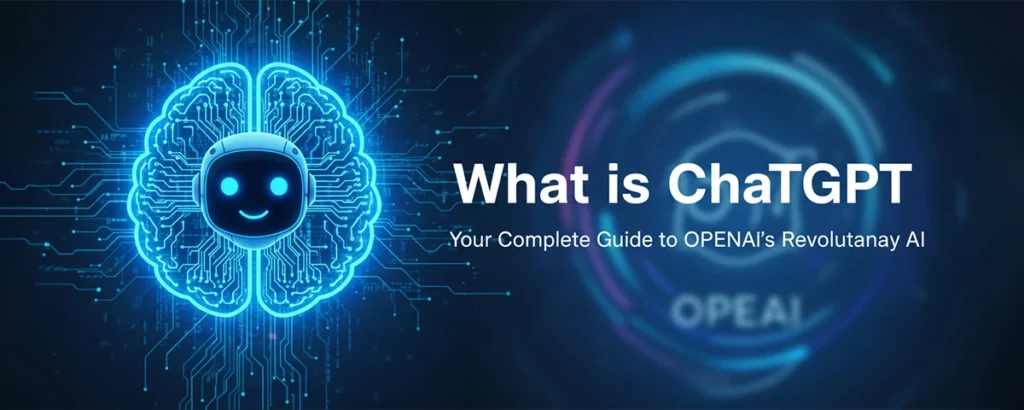
Understanding the technology that's changing how we interact with AI
Table of contents
- Introduction: The AI Revolution in Conversation
- What is ChatGPT? Defining the AI Phenomenon
- How ChatGPT Works: The Science Behind the Magic
- History and Development: From GPT to ChatGPT
- Key Features and Capabilities of ChatGPT
- Use Cases and Applications: How People Use ChatGPT
- Pros and Cons: The Strengths and Limitations of ChatGPT
- Comparison with Other AI Tools: How ChatGPT Stacks Up
- The Future of ChatGPT: What's Next?
- Getting Started with ChatGPT: Tips and Best Practices
- Frequently Asked Questions
- User Testimonials: Real Stories from ChatGPT Users
- Case Studies: ChatGPT in Action
- Conclusion: Embracing the AI Future
Introduction: The AI Revolution in Conversation
In the rapidly evolving landscape of artificial intelligence, few innovations have captured the public's imagination quite like ChatGPT. This powerful AI chatbot, developed by OpenAI, has become a household name, sparking conversations about the future of human-AI interaction. But what exactly is ChatGPT, and why has it become such a phenomenon?
Whether you're a tech enthusiast, a business professional, a student, or simply someone curious about the latest advancements in AI, understanding ChatGPT is becoming increasingly important. This comprehensive guide will walk you through everything you need to know about this groundbreaking technology.
We'll explore its capabilities, limitations, real-world applications, and what the future might hold. By the end of this guide, you'll have a clear understanding of ChatGPT and how it might fit into your life or work.
ChatGPT represents a significant milestone in AI development. It's not just another chatbot; it's a sophisticated language model that can understand context, generate human-like responses, and assist with a wide range of tasks. From writing assistance to problem-solving, ChatGPT is pushing the boundaries of what AI can do.
As we dive deeper into this topic, we'll address common questions and misconceptions. Is ChatGPT going to replace human jobs? How does it compare to other AI tools? What are its limitations? We'll tackle these questions and more.
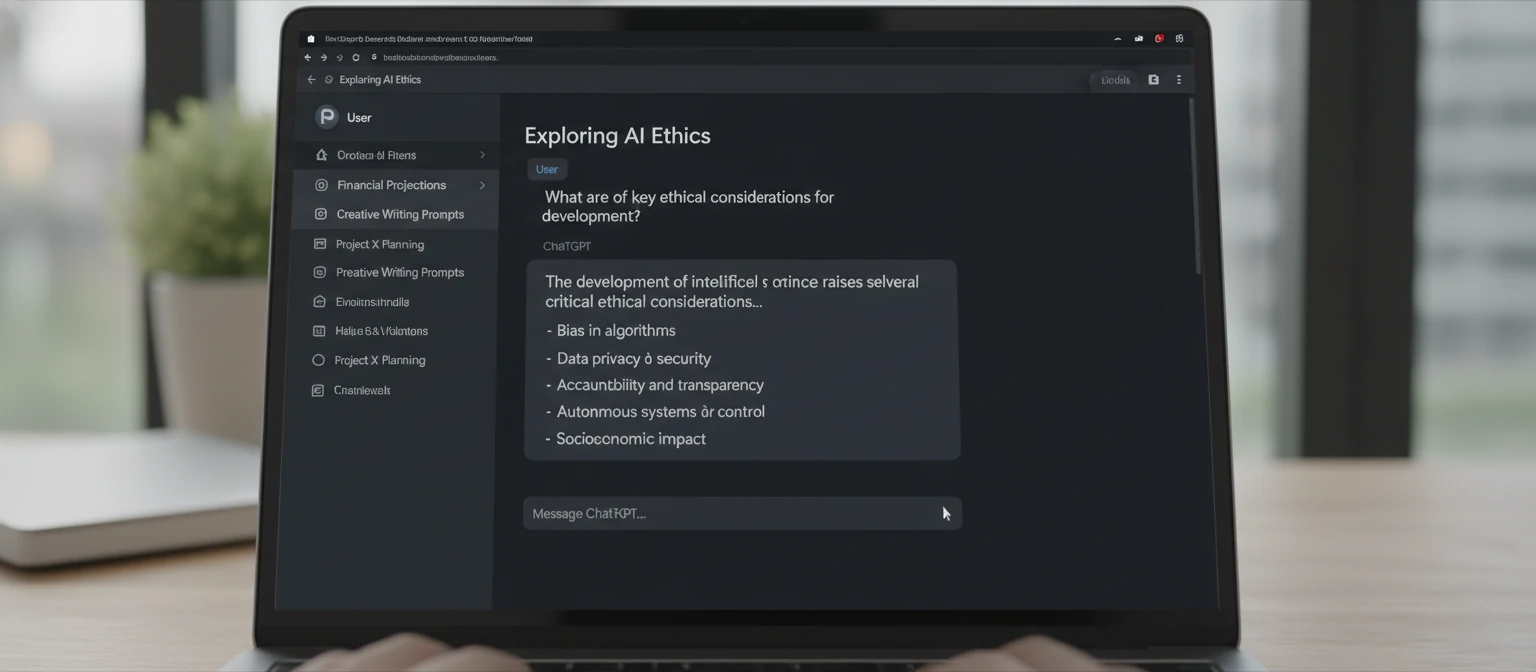
Throughout this guide, we'll cover:
- The technology behind ChatGPT
- Its capabilities and limitations
- Real-world applications and use cases
- Ethical considerations and concerns
- The future of conversational AI
Whether you're looking to leverage ChatGPT for personal or professional use, or simply want to understand this transformative technology, this guide has you covered. Let's start by defining what ChatGPT actually is.
What is ChatGPT? Defining the AI Phenomenon
ChatGPT is an AI-powered chatbot developed by OpenAI, a leading artificial intelligence research company. At its core, ChatGPT is a large language model trained on vast amounts of text data to understand and generate human-like responses to text inputs.
The Basics: A Conversational AI
Unlike traditional chatbots that rely on pre-programmed responses, ChatGPT uses machine learning to generate responses based on patterns it has learned from training data. This allows it to engage in more natural, context-aware conversations.
Key characteristics of ChatGPT include:
- Conversational Ability: Can maintain coherent conversations on a wide range of topics
- Context Understanding: Remembers previous messages in a conversation
- Multilingual Support: Can communicate in multiple languages
- Task Versatility: Can assist with writing, coding, analysis, and more
The Technology Behind ChatGPT
ChatGPT is built on the GPT (Generative Pre-trained Transformer) architecture, a type of neural network designed for natural language processing. The "GPT" in ChatGPT stands for "Generative Pre-trained Transformer," which describes the underlying technology.
The model has been trained on a diverse dataset of text from the internet, books, and other sources. This training allows it to predict and generate text that is contextually appropriate and often indistinguishable from human writing.
Versions and Evolution
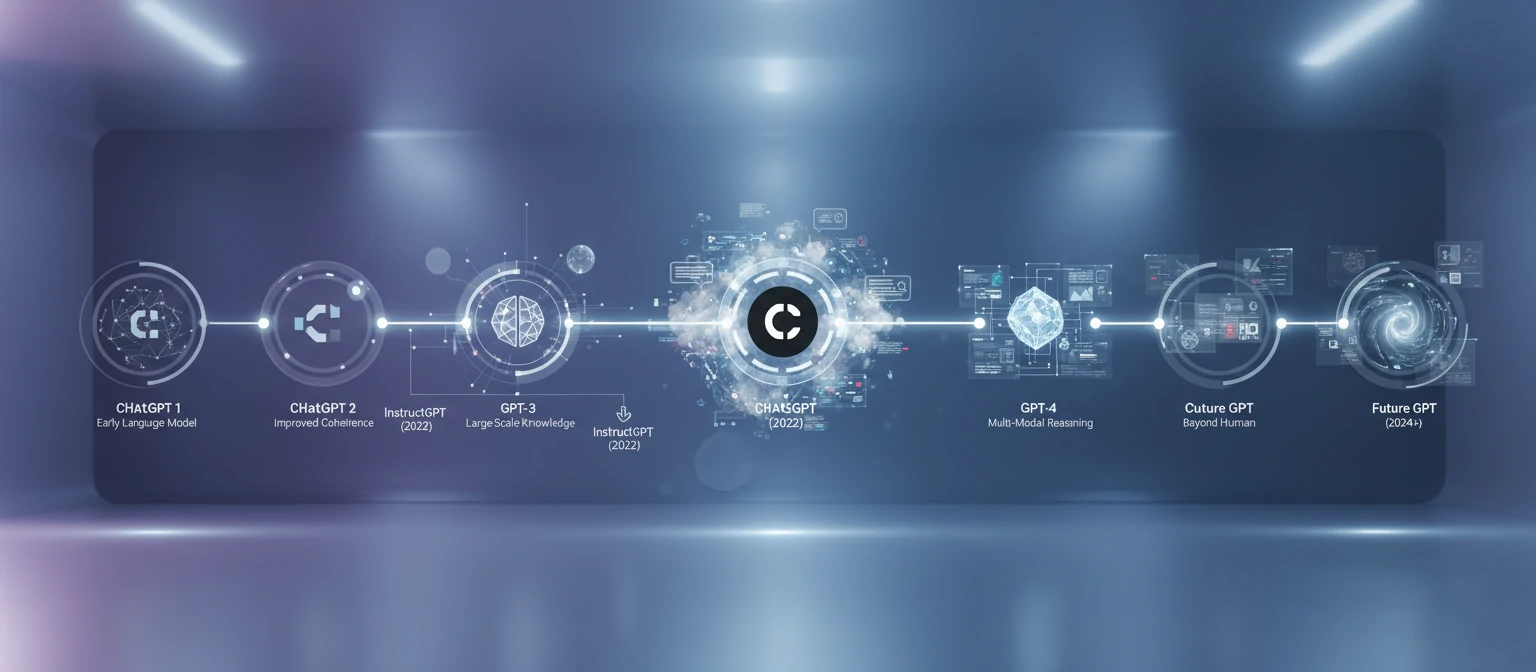
ChatGPT has evolved through several versions:
- ChatGPT-3.5: The initial version that gained widespread popularity
- ChatGPT-4: An improved version with better reasoning and fewer errors
- ChatGPT-4 Turbo: A faster, more efficient version
Access and Availability
ChatGPT is available through various platforms:
- Web Interface: chat.openai.com
- Mobile Apps: iOS and Android
- API: For developers to integrate into applications
- ChatGPT Plus: Premium subscription for enhanced features
While there's a free version with limitations, premium subscriptions offer more features and priority access during peak times.
How ChatGPT Works: The Science Behind the Magic
While ChatGPT may seem like magic, it's actually based on sophisticated machine learning techniques. Understanding how it works can help you use it more effectively and appreciate its capabilities and limitations.
The Foundation: Transformer Architecture
ChatGPT is built on the transformer architecture, a neural network design that revolutionized natural language processing. Transformers use attention mechanisms to understand relationships between words in a sentence, allowing for better context understanding.
Training Process
The training of ChatGPT involves two main phases:
- Pre-training: The model learns from a vast dataset of text to predict the next word in a sequence
- Fine-tuning: Human reviewers provide feedback to improve the model's responses
How Conversations Work
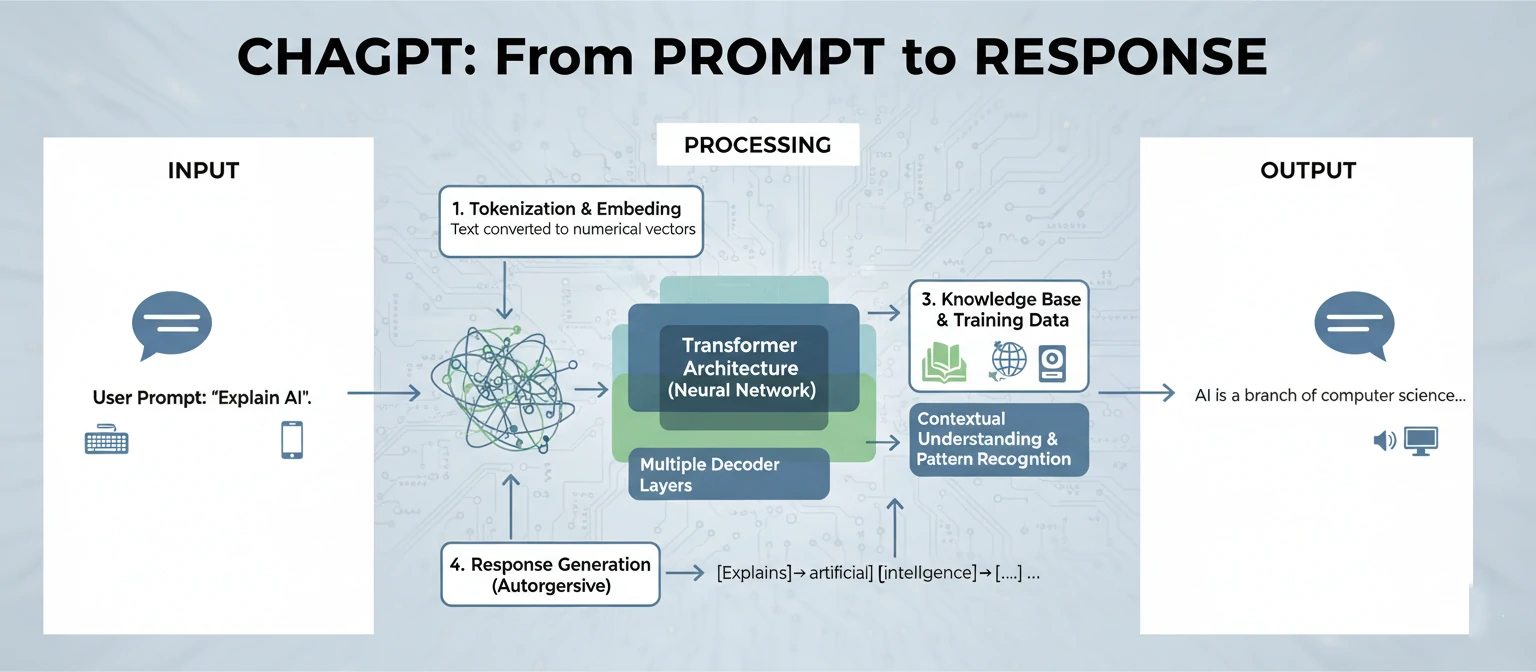
When you ask ChatGPT a question:
- Your input is tokenized (broken into smaller units)
- The model processes the tokens through its neural network
- It generates a probability distribution for the next token
- The most likely tokens are selected to form the response
Context and Memory
ChatGPT maintains context within a conversation by considering the entire chat history. However, it has limitations in long-term memory and may lose track of very long conversations.
Safety and Alignment
OpenAI implements safety measures to prevent harmful outputs. This includes reinforcement learning from human feedback (RLHF) to align the model's responses with human values.
History and Development: From GPT to ChatGPT
The story of ChatGPT is part of the broader evolution of AI language models. Understanding this history provides context for its current capabilities and future potential.
The Origins: OpenAI and GPT Series
OpenAI, founded in 2015, began developing the GPT series of models. GPT-1 was released in 2018, followed by increasingly powerful versions.
Key Milestones
- 2018: GPT-1 introduces the transformer architecture
- 2019: GPT-2 demonstrates impressive text generation capabilities
- 2020: GPT-3 shows remarkable few-shot learning abilities
- 2022: ChatGPT launches, bringing conversational AI to the masses
- 2023: GPT-4 introduces multimodal capabilities
The ChatGPT Launch
ChatGPT was released in November 2022 as a research preview. Its user-friendly interface and impressive conversational abilities quickly made it a viral sensation.
Impact and Controversies
The launch sparked debates about AI's role in society, job displacement, and ethical concerns. It also accelerated AI development across the industry.
Key Features and Capabilities of ChatGPT
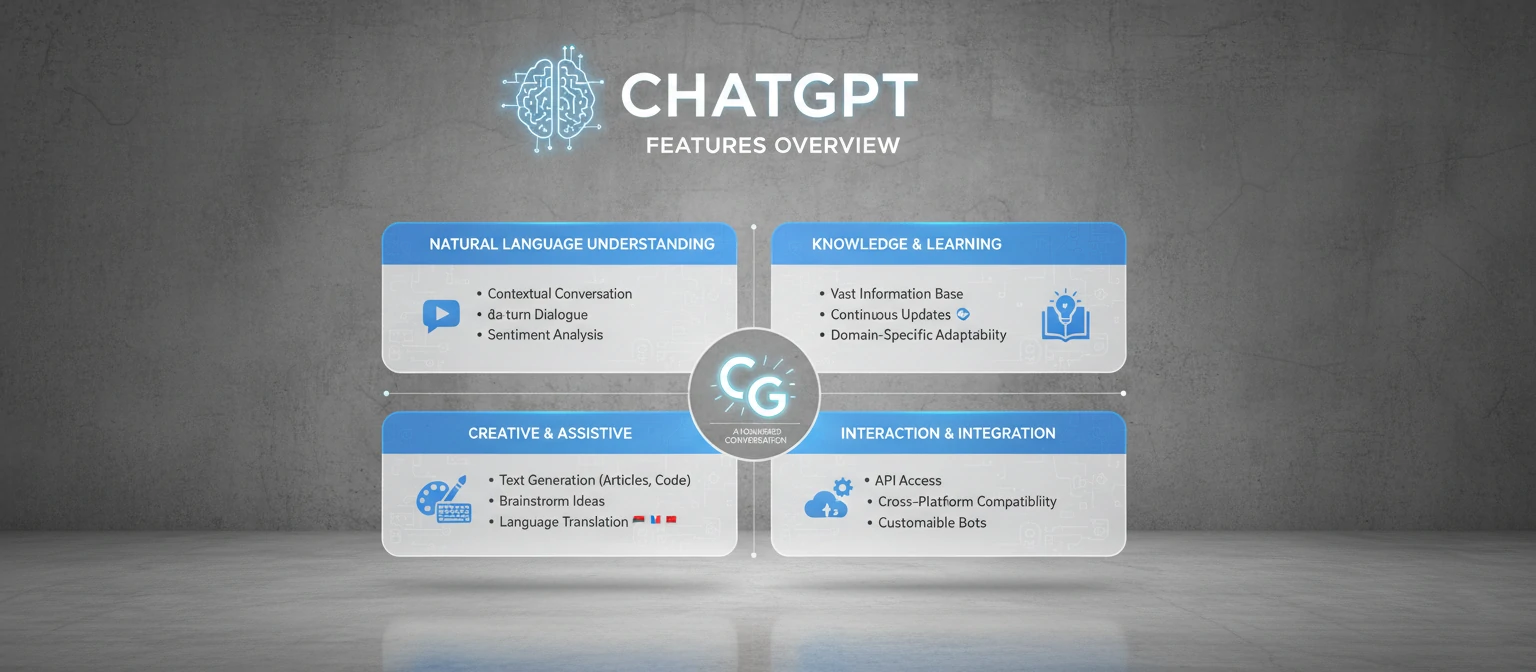
ChatGPT's versatility comes from its wide range of features. Let's explore what makes it so powerful.
Conversational Abilities
ChatGPT excels at natural conversation, understanding context and maintaining coherent dialogue.
Content Generation
From articles to code, ChatGPT can generate various types of content.
Problem Solving
It can help with complex problems, explain concepts, and provide step-by-step solutions.
Multilingual Support
ChatGPT understands and responds in multiple languages.
Use Cases and Applications: How People Use ChatGPT
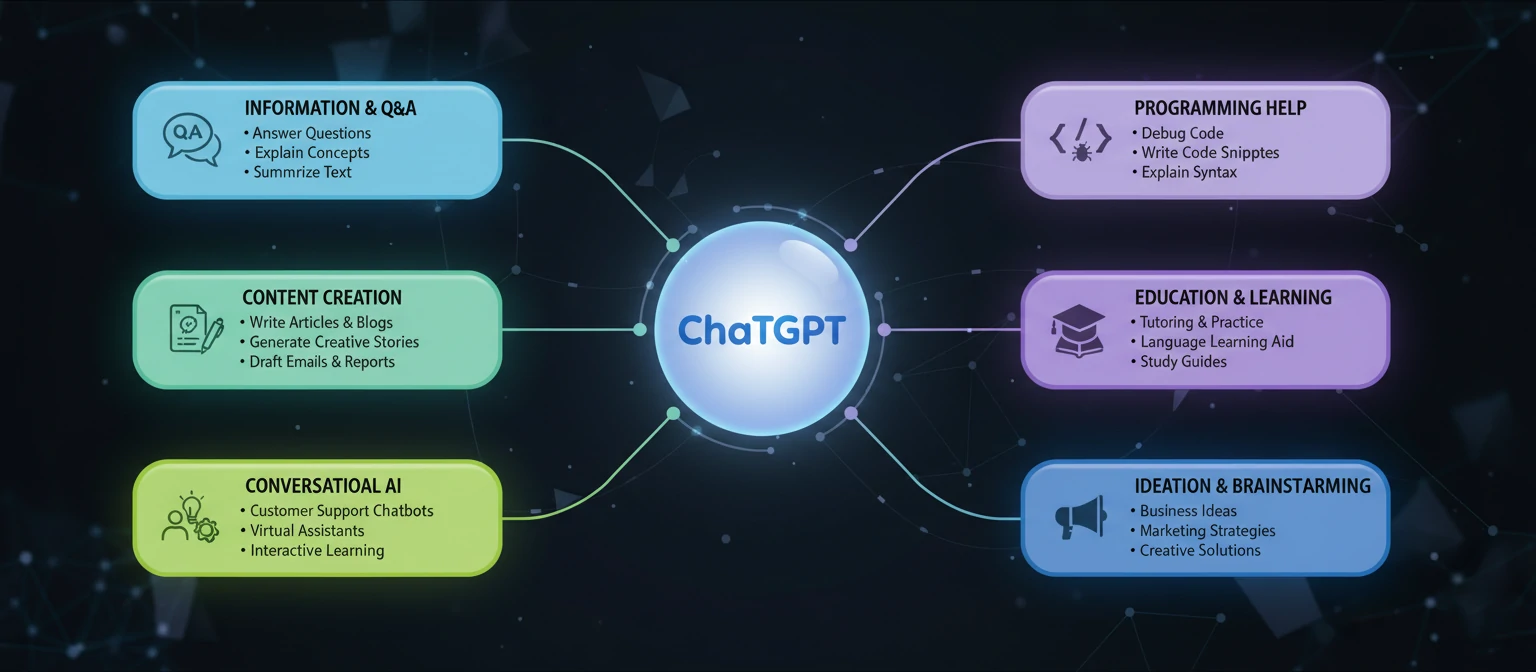
ChatGPT has found applications across various fields. Here are some common ways people leverage its capabilities.
Education and Learning
Students use ChatGPT for homework help, explanations of complex topics, and language practice.
Content Creation
Writers, bloggers, and marketers use it for brainstorming ideas, drafting content, and overcoming writer's block.
Programming and Coding
Developers use ChatGPT for code generation, debugging, and learning new programming languages.
Business and Productivity
Professionals use it for email drafting, data analysis, and automating routine tasks.
Pros and Cons: The Strengths and Limitations of ChatGPT
Like any technology, ChatGPT has both advantages and drawbacks. Understanding these helps users make informed decisions.
Advantages
- Accessible and easy to use
- Versatile across many tasks
- Available 24/7
- Constantly improving
- Cost-effective for many applications
Limitations
- Can generate incorrect information
- Limited understanding of current events
- May perpetuate biases from training data
- Not suitable for highly specialized tasks
- Privacy concerns with data usage

Comparison with Other AI Tools: How ChatGPT Stacks Up
ChatGPT is part of a crowded AI landscape. Here's how it compares to other popular tools.
vs. Google Bard/Gemini
ChatGPT vs. Google's AI: differences in approach and capabilities.
vs. Claude by Anthropic
Comparing safety-focused AI models.
vs. Traditional Chatbots
The evolution from rule-based to AI-powered conversation.
The Future of ChatGPT: What's Next?
As AI technology advances, ChatGPT continues to evolve. Here's what the future might hold.
Upcoming Features
Integration with other tools, improved reasoning, and multimodal capabilities.
Industry Impact
How ChatGPT is changing various sectors.
Ethical Considerations
Addressing concerns about AI development and deployment.
Getting Started with ChatGPT: Tips and Best Practices
Ready to try ChatGPT? Here are some tips to get the most out of it.
Crafting Effective Prompts
How to ask questions that yield better responses.
Maximizing Productivity
Using ChatGPT efficiently for various tasks.
Avoiding Common Pitfalls
What to watch out for when using AI tools.
Frequently Asked Questions
Answers to common questions about ChatGPT.
User Testimonials: Real Stories from ChatGPT Users
Hear from people who've experienced the power of ChatGPT.
"ChatGPT has revolutionized my writing process. It helps me brainstorm ideas and overcome writer's block."
- Sarah, Content Creator"As a student, ChatGPT helps me understand complex concepts and practice my language skills."
- Alex, University Student"ChatGPT has become an invaluable tool in my coding workflow, helping me debug and learn new technologies."
- Michael, Software DeveloperCase Studies: ChatGPT in Action
Real-world examples of how ChatGPT is making a difference.
Educational Revolution
A university used ChatGPT to create personalized learning plans, improving student engagement by 40%.
Business Efficiency
A marketing agency integrated ChatGPT into their workflow, reducing content creation time by 60%.
Creative Assistance
An author used ChatGPT for brainstorming plot ideas, completing their novel 3 months ahead of schedule.
Conclusion: Embracing the AI Future
ChatGPT represents a significant advancement in AI technology. While it has limitations, its capabilities are impressive and continue to grow.
As AI becomes more integrated into our daily lives, understanding tools like ChatGPT becomes increasingly important. Whether you're using it for work, education, or personal projects, ChatGPT offers a glimpse into the future of human-AI collaboration.
Remember to use AI tools responsibly, verify information, and continue developing your own skills alongside technological advancements.
Ready to Explore ChatGPT?
Visit chat.openai.com and start your AI journey today!