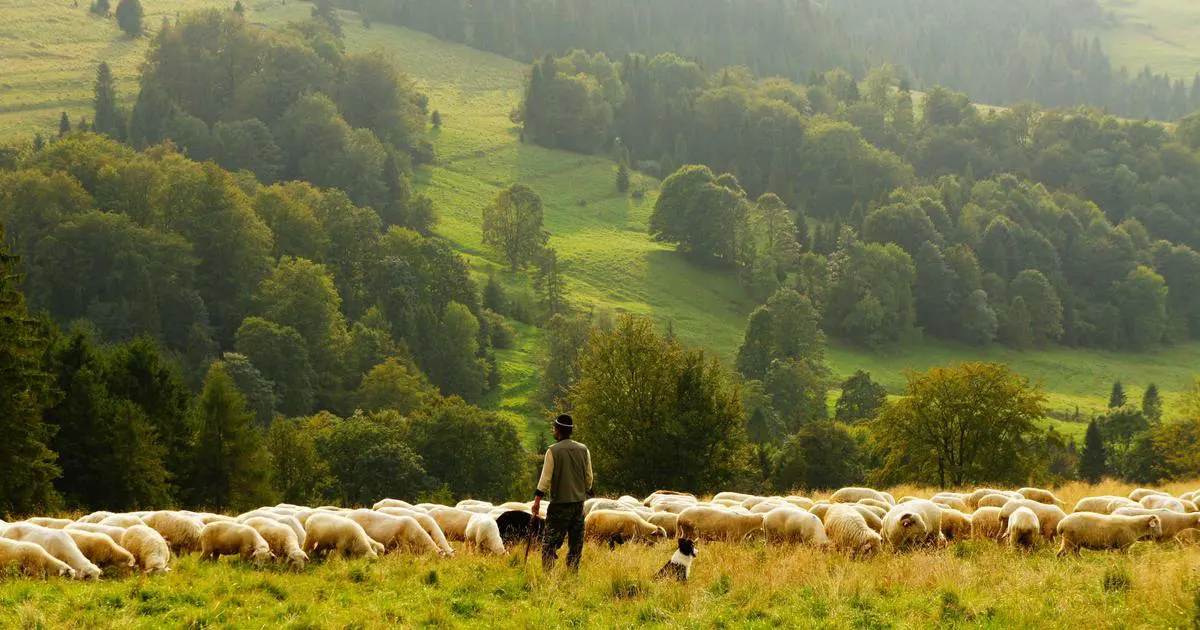
A complete journey through the history of photography from the first permanent photograph captured in 1826 by Nicéphore Niépce through the daguerreotype, calotype, color photography, and the digital revolution that transformed how we capture and share images forever
History of Photography
First Photograph
Photography Origins
A hero banner collage showing the evolution of photography with the first permanent photograph View from the Window at Le Gras by Nicéphore Niépce from 1826 in sepia tones on the left transitioning through a classic daguerreotype portrait from the 1840s in the center to a modern digital camera and smartphone on the right with a timeline line connecting the images marked with key years including 1826 for the first photograph, 1839 for the daguerreotype announcement, 1888 for the Kodak camera, 1935 for Kodachrome, 1975 for the first digital camera, and 2025 for modern smartphone photography with the background fading from warm sepia tones on the left to bright vibrant colors on the right suggesting the journey from the earliest experiments to todays instant digital photography. Include icon elements around the banner including a vintage camera icon, a daguerreotype plate icon, a film roll icon, a digital sensor icon, and a smartphone icon arranged chronologically suggesting the progression of photographic technology through history.
📖 Introduction: The Dawn of Photography
The question of when the first picture was taken leads us on a fascinating journey through human ingenuity, scientific discovery, and artistic vision. The first permanent photograph was created in 1826 or early 1827 by a French inventor named Joseph Nicéphore Niépce. The image titled View from the Window at Le Gras was captured using a process Niépce called heliography which means sun writing. This groundbreaking achievement marked the beginning of photography as we know it and set in motion a chain of innovations that would forever change how humans document their world, preserve their memories, and express their creativity. Before Niépces success, countless inventors and scientists had experimented with the principles of light and image projection but none had succeeded in making the image permanent.
The word photography itself comes from the Greek words phos meaning light and graphé meaning drawing or writing literally meaning drawing with light. This definition captures the essence of what photography is the art and science of capturing light to create permanent images. The journey to the first photograph was built on centuries of discoveries about light, optics, and chemistry. The camera obscura a device that projects an image of the outside world onto a surface through a small hole had been known since ancient times. Artists used camera obscuras for centuries to trace projected images as drawing aids but no method existed to make the projected image permanent without manual tracing. The chemical foundations of photography were also being laid gradually with discoveries about light-sensitive materials including silver salts that darken when exposed to sunlight.
The story of the first photograph is not just a story of a single invention but of a convergence of multiple discoveries and the determined work of several pioneers who each contributed essential pieces to the puzzle. Niépces heliograph was followed just a few years later by Louis Daguerres daguerreotype which became the first commercially successful photographic process and spread around the world with astonishing speed. Simultaneously in England, William Henry Fox Talbot was developing the calotype process which introduced the crucial concept of negative to positive printing that would become the foundation of virtually all photography for the next 150 years. Each of these pioneers built on the work of those who came before and each brought unique insights that pushed photography from a scientific curiosity into a practical technology that would transform human civilization.
A timeline infographic showing the key milestones in early photography from the ancient camera obscura concept through the first permanent photograph to the commercial daguerreotype with the timeline spanning from 400 BCE when Aristotle observed the principle of the camera obscura through 1021 CE when Alhazen published his Book of Optics, 1490 when Leonardo da Vinci described the camera obscura in detail, 1685 when Johann Zahn described a portable camera obscura design, 1800 when Thomas Wedgwood made the first attempt at capturing camera images on light-sensitive paper though he could not make them permanent, and finally 1826 when Niépce succeeded in creating the first permanent photograph with each milestone marked with illustrations showing the key concept or device. Include a portrait of Nicéphore Niépce in oval frame at the center of the timeline with the year 1826 highlighted and a reproduction of View from the Window at Le Gras shown beside his portrait with annotations explaining the significance of this first photograph and the technical details of the heliograph process. Show a diagram of the heliograph process with a simple box camera, a polished pewter plate coated with bitumen of Judea, the eight-hour exposure time indicated with a sun position arc showing how the sun moved across the sky during the exposure, and the lavender oil washing step that revealed the image with annotations explaining each component of Niépces innovative process. Include a comparison showing the difference between a camera obscura projection and a permanent photograph with the camera obscura showing a temporary projected image that disappears when the light is blocked and the heliograph showing a permanent fixed image that remains visible after the exposure is complete with annotations explaining the fundamental breakthrough that Niépce achieved in making the projected image permanent.
🏰 The First Photograph: Niépce''s Heliograph (1826)
The first permanent photograph in human history was created by Joseph Nicéphore Niépce in 1826 or early 1827 at his family estate in Le Gras, France. The image titled View from the Window at Le Gras shows the view from an upper window of Niépces estate including several buildings, a pear tree, a pigeon house, and the surrounding countryside. The photograph was made using a process Niépce called heliography which he had been developing since approximately 1816. The image was exposed onto a polished pewter plate coated with a light-sensitive substance called bitumen of Judea a naturally occurring asphalt that hardens when exposed to sunlight. After an exposure that lasted approximately eight hours, Niépce washed the plate with lavender oil which dissolved the unhardened bitumen leaving a permanent image in the hardened bitumen on the metal plate.
The eight-hour exposure time of Niépces first photograph explains several characteristics of the image. The sun shines on both sides of the buildings in the photograph because the sun moved across the sky during the extremely long exposure creating illumination from multiple angles that would not appear in a photograph taken with a shorter exposure. The long exposure also meant that moving elements such as people, animals, or wind-blown leaves did not appear in the final image because they moved too quickly to register on the plate. This is why early photographs of streets and cities appear empty of people and traffic even when they were taken in busy urban areas. The exposure time required subjects to remain perfectly still for minutes or even hours making portrait photography impossible without specialized techniques and equipment that would come later.
Niépces heliograph process was remarkably sophisticated for its time combining optical, chemical, and mechanical innovations. The camera used a lens to project the image onto the pewter plate which was housed inside a wooden box that blocked all light except through the lens. The bitumen of Judea coating was applied to the highly polished pewter surface and the plate was placed in the camera for the exposure period. After exposure, the plate was removed in darkness and washed with a mixture of lavender oil and white petroleum which dissolved the unhardened bitumen revealing the image. The result was a one-of-a-kind direct positive image on the metal plate meaning there was no negative and no way to make copies. Each heliograph was unique and could only be reproduced by photographing it again. This limitation was one of the key challenges that later photographers would solve with negative-based processes.
The original heliograph plate has a remarkable survival story. Niépce showed his photograph to the Royal Society in London in 1827 but because he refused to disclose his process the society declined to publish it. The plate was left with a botanist and engraver named Francis Bauer who recognized its importance. After Niépces death in 1833, the plate passed through several hands and eventually disappeared from public knowledge for nearly a century. It was rediscovered in 1952 by photography historians Helmut and Alison Gernsheim who found it in a trunk of old possessions. The plate is now preserved at the Harry Ransom Center at the University of Texas at Austin where it is stored in a climate-controlled environment and displayed under carefully controlled lighting conditions to prevent deterioration. The survival of this first photograph is itself a remarkable story that parallels the development of photography through two centuries of technological change.
A high-quality reproduction of View from the Window at Le Gras the first permanent photograph showing the distinctive image of the courtyard with buildings on the left, the pear tree in the center, the pigeon house on the right, and the distant horizon with the unique grainy texture of the heliograph process visible and the characteristic double illumination from both sides caused by the eight-hour exposure with annotations pointing to the key elements in the image including the buildings, the tree, the pigeon house, and the horizon line with explanatory notes about what each element reveals about the heliograph process. Include a step-by-step diagram of the heliograph process showing step one with the polished pewter plate being coated with liquid bitumen of Judea using a brush, step two with the coated plate placed inside the camera obscura positioned at the window, step three with the eight-hour exposure showing the suns path across the sky in arc motion, step four with the plate removed in darkness and washed with lavender oil, and step five with the final hardened bitumen image revealed on the pewter surface with each step labeled and annotated with the chemical and physical principles involved. Show a comparison between what a modern camera would capture from the same window in an instant versus what Niépces heliograph captured over eight hours with the modern version showing sharp details and single-direction lighting and the heliograph showing the characteristic softness and double illumination with annotations explaining how exposure time affects the appearance of a photograph and what the eight-hour exposure reveals about the early limitations of photographic technology. Include a preservation showcase showing the climate-controlled storage environment at the Harry Ransom Center with the heliograph plate displayed in a sealed case with inert gas atmosphere, controlled temperature and humidity displays, and specialized lighting that filters out harmful ultraviolet and infrared wavelengths with annotations explaining the conservation challenges of preserving early photographic artifacts and the measures taken to ensure that the first photograph survives for future generations.
👤 Louis Daguerre and the Daguerreotype (1839)
Louis Daguerre was a French artist and photographer who had been experimenting with capturing camera images since the 1820s. In 1829, Daguerre formed a partnership with Nicéphore Niépce to improve and develop the heliograph process. Niépce died in 1833 but Daguerre continued the work and made several crucial improvements that led to a vastly more practical and sensitive photographic process. By 1837, Daguerre had developed what he called the daguerreotype which reduced exposure times from hours to minutes and produced images of astonishing clarity and detail. The daguerreotype process was announced to the world on January 7, 1839, at a meeting of the French Academy of Sciences and the announcement caused an immediate sensation across Europe and the United States. The French government recognizing the importance of the invention purchased the rights to the daguerreotype process and released it to the world as a gift free from patent restrictions in most countries.
The daguerreotype process was a significant advance over Niépces heliograph in several important ways. The daguerreotype used a silver-plated copper sheet that was polished to a mirror-like finish and then sensitized with iodine vapor creating a surface of silver iodide that is highly sensitive to light. After exposure in the camera which took between three and fifteen minutes depending on lighting conditions, the plate was developed over heated mercury vapor which caused the mercury to amalgamate with the exposed silver creating a visible image. The plate was then fixed using a solution of common salt or later sodium thiosulfate to remove the unexposed silver iodide and make the image permanent. The result was a one-of-a-kind direct positive image on a mirror-like silver surface with extraordinary detail and a unique luminous quality that no other photographic process has ever matched.
The daguerreotype spread around the world with remarkable speed following the 1839 announcement. Within months of the announcement, daguerreotype studios were opening in major cities across Europe and the United States. By 1850, there were daguerreotype studios in almost every city in the Western world and the process was being practiced on every continent except Antarctica. The daguerreotype was particularly popular for portrait photography which became the first widespread commercial application of photography. For the first time in history, ordinary people could afford to have their portraits made capturing their likeness for themselves and their descendants. The daguerreotype portrait studios became social and cultural institutions where people dressed in their finest clothes and sat for portraits that would become family heirlooms passed down through generations.
The limitations of the daguerreotype were significant despite its success. Each daguerreotype was a unique image that could not be reproduced. The mirror-like surface was extremely delicate and had to be protected under glass and sealed with tape to prevent tarnishing. The image appeared positive or negative depending on the viewing angle and lighting conditions because the silver surface reflected light differently from the amalgam image areas. The mercury vapor used in development was toxic and many early daguerreotypists suffered from mercury poisoning. The exposure times though much shorter than Niépces heliograph were still too long for capturing moving subjects or spontaneous moments. Despite these limitations, the daguerreotype dominated photography for nearly two decades until it was gradually replaced by more practical processes that offered the ability to make multiple copies from a single negative.
A portrait of Louis Daguerre in an oval frame from the 1840s alongside a classic daguerreotype portrait showing a seated woman in Victorian clothing with the characteristic mirror-like silver surface reflecting light and the extraordinary detail visible in the fabric textures, facial features, and hair with the protective glass case shown partially open revealing the brass mat that framed the image and the sealed tape edges that preserved the delicate silver surface from tarnishing with annotations explaining the structure of a daguerreotype case and the components that protected the image. Include a step-by-step diagram of the daguerreotype process showing step one with the silver-plated copper sheet being polished to a mirror finish, step two with the polished plate being sensitized over iodine vapor in a dark box, step three with the sensitized plate placed in the camera for a 3 to 15 minute exposure, step four with the exposed plate being developed over heated mercury vapor in a specially designed developing box, step five with the developed plate being fixed in sodium thiosulfate solution to remove unexposed silver iodide, and step six with the final sealed daguerreotype in its protective case with each step labeled and annotated with the chemical processes involved and the time required for each step. Show a street scene comparison between a modern photograph of a busy city street and a daguerreotype of the same street from the 1840s with the daguerreotype appearing empty of people and traffic because the long exposure could not capture moving subjects with annotations explaining how exposure times affected the content of early photographs and why streets appear deserted in images from the 1840s. Include a global spread map showing the rapid adoption of daguerreotype technology with dots marking cities that had daguerreotype studios by 1840, 1845, and 1850 with the dots expanding across Europe, North America, South America, Asia, and Australia with annotations explaining the speed of adoption and the cultural impact of the first practical photographic process that allowed people to capture and preserve their likeness for the first time in human history.
📰 William Henry Fox Talbot and the Calotype Negative Process
While Daguerre was perfecting his process in France, an English scientist named William Henry Fox Talbot was independently developing a completely different approach to photography that would ultimately prove more influential. Talbot began his photographic experiments in 1834 and by 1835 had succeeded in creating camera negatives on paper treated with silver salts. Talbots key insight was that a negative image could be used to create any number of positive prints by placing the negative over another sheet of sensitized paper and exposing it to light. This negative to positive concept was the foundation of virtually all photography for the next 150 years and it is the principle still used in photographic film today. Talbot announced his process called the calotype in 1841 after the daguerreotype had already been announced to the world.
The calotype process used paper coated with silver iodide which was sensitized with silver nitrate and gallic acid before exposure. After a relatively short exposure of one to three minutes in the camera, the paper negative was developed using more gallic acid and silver nitrate and then fixed with sodium thiosulfate. The resulting paper negative had the tones reversed with light areas appearing dark and dark areas appearing light. To make a positive print, the paper negative was placed in contact with another sheet of sensitized paper and exposed to sunlight for approximately 10 to 30 minutes depending on the density of the negative and the brightness of the sun. The resulting positive print showed the correct tonal relationship with dark areas dark and light areas light. The calotype negative could be used to make many positive prints providing the reproducibility that the daguerreotype lacked.
The calotype had several advantages over the daguerreotype but also some significant disadvantages. The ability to make multiple prints from a single negative was revolutionary and it is the reason that Talbots approach ultimately prevailed over Daguerres. The calotype was also less expensive than the daguerreotype because it used paper instead of silver-plated copper sheets. However, the calotype image quality was generally inferior to the daguerreotype. The paper fibers in the negative created a soft, grainy appearance in the final print that lacked the razor-sharp detail of the daguerreotype. The exposure times were also longer than those required for the daguerreotype making portrait photography more challenging. Many photographers and consumers preferred the superior image quality of the daguerreotype despite its inability to produce copies and the calotype did not achieve the same commercial success as the daguerreotype in the early years.
Despite its initial commercial limitations, Talbots negative-positive process was the more important invention in the long term. The concept of creating a negative from which multiple positives can be printed became the standard method for photography for the next century and a half. Talbots process also introduced several concepts that remain fundamental to photography including the use of a latent image that is made visible through chemical development rather than relying solely on direct exposure to create the visible image. This latent image concept is the basis of all modern film photography. Talbot also published The Pencil of Nature in 1844 which was the first commercially published book illustrated with photographs. This book demonstrated the potential of photography not just for portraiture but for documenting the world and it established photography as a medium for communication and artistic expression that went far beyond the portrait studio.
A portrait of William Henry Fox Talbot in an oval frame from the 1840s alongside a calotype print showing the characteristic soft, grainy appearance from the paper negative with the image showing a botanical subject or architectural scene with the paper texture visible in the print and the softer detail compared to the sharpness of daguerreotype images with annotations explaining the visual characteristics of calotype prints and the trade-off between reproducibility and image quality that defined the early competition between the daguerreotype and calotype processes. Include a negative-to-positive process diagram showing step one with a sheet of writing paper being coated with silver nitrate solution, step two with the sensitized paper placed in the camera for exposure, step three with the exposed paper negative being developed showing reversed tones, step four with the developed and fixed paper negative being dried, step five with the paper negative placed in contact with another sheet of sensitized paper under a glass frame for contact printing in sunlight, and step six with the final positive print showing correct tonal relationship with each step labeled and annotated showing how the negative intermediate enabled unlimited reproduction of the final image. Show a comparison between a daguerreotype portrait and a calotype portrait of the same subject with the daguerreotype showing mirror-like sharpness and the calotype showing softer paper-textured rendering with annotations explaining the different visual qualities of each process and the reasons why some photographers preferred the artistic softness of the calotype while others valued the documentary sharpness of the daguerreotype. Include an image of the cover and an interior spread from The Pencil of Nature with original calotype prints mounted on the pages showing the first photographically illustrated book with annotations explaining the significance of this publication in establishing photography as a medium for communication, documentation, and artistic expression that extended beyond portraiture into the broader documentation of the world, architecture, and natural history.
🏛️ The Evolution Through the 19th Century
The decades following the announcement of the daguerreotype and calotype saw an extraordinary burst of innovation in photographic technology. The 1850s brought the wet plate collodion process invented by Frederick Scott Archer which combined the sensitivity and sharpness of the daguerreotype with the reproducibility of the calotype. The collodion process used a glass plate coated with collodion a syrupy solution of nitrocellulose in ether and alcohol which was then sensitized with silver nitrate. The plate had to be exposed and developed while still wet which required photographers to carry portable darkrooms with them when working in the field. Despite this inconvenience, the collodion process became the dominant photographic method for the next three decades because it produced exquisitely sharp negatives that could yield unlimited numbers of high-quality prints.
The collodion process enabled several important photographic formats that became iconic in the 19th century. The ambrotype was a collodion negative on glass that was backed with black varnish or fabric to appear as a positive image. The tintype was a collodion positive on a thin sheet of lacquered iron that was inexpensive, durable, and could be produced quickly making it popular for portrait photography at fairs and traveling photographers. The carte de visite a small photograph mounted on a card became a worldwide craze in the 1860s as people collected and exchanged portrait photographs of themselves, their families, and famous figures. Photography studios multiplied in cities and towns around the world and photography became an established profession as well as a popular hobby for wealthy amateurs who could afford the equipment and materials.
The development of photography in the 19th century was not just technological but also social and cultural. Photographers began to document the world in ways that had never been possible before. Traveling photographers captured images of distant lands and exotic cultures bringing the world to people who would never travel themselves. War photographers including Roger Fenton during the Crimean War and Mathew Brady during the American Civil War brought the reality of conflict to the public for the first time. Portrait photographers including Julia Margaret Cameron and Nadar elevated portrait photography to an art form. Scientific photographers documented astronomical objects through telescopes, microscopic organisms through microscopes, and human anatomy for medical study. Photography was transforming every field it touched from journalism and science to art and commerce.
The late 19th century brought further innovations that made photography more accessible and practical. The dry plate process introduced in the 1870s used gelatin instead of collodion as the binder for the silver halides and the plates could be manufactured in advance and used when needed without the need for on-site preparation and immediate development. This freed photographers from the portable darkroom and made photography much more convenient for field work. The invention of flexible roll film by George Eastman in the 1880s led to the introduction of the Kodak camera in 1888 which was pre-loaded with enough film for 100 exposures. The Kodaks marketing slogan you press the button we do the rest captured the essence of the new era of snapshot photography that put photography into the hands of ordinary people. Photography was no longer the exclusive domain of trained professionals and serious amateurs it was becoming a universal medium for personal expression and memory keeping.
A visual comparison of 19th century photographic formats displayed as a grid showing a daguerreotype in its protective case, an ambrotype with the characteristic black backing visible at the edges, a tintype on a thin metal sheet with the edges showing the exposed iron, a wet plate collodion negative on glass showing the reversed tones, a dry plate negative in its original packaging, and a roll of Kodak film in its original cardboard canister with each format labeled with its name, the years it was in common use, and its key characteristics with annotations explaining the technological progression from unique direct positives to reproducible negatives to flexible roll film that led to the democratization of photography. Include a traveling photographer setup showing a 19th century wet plate photographer with a portable darkroom tent, glass plates, chemical bottles, and a box camera on a tripod in a landscape setting with the equipment labeled and the process shown with the photographer coating a plate with collodion inside the dark tent, exposing it in the camera, and developing it immediately before the plate dried with annotations explaining the logistical challenges of wet plate photography and the skill required to produce successful images under field conditions. Show a Carte de Visite album from the 1860s with the pages filled with small portrait photographs of family members and celebrities with the albums decorative cover and the typical card size of approximately 2.5 by 4 inches shown with annotations explaining the carte de visite craze that swept the world in the 1860s and how it established the social practice of collecting and exchanging portrait photographs. Include an image of the original Kodak camera from 1888 alongside a modern smartphone showing the dramatic evolution of camera technology from a box that could only take 100 circular photos and had to be mailed back to the factory for processing to a device that fits in a pocket and can take thousands of photos with instant review and sharing with annotations explaining how the Kodak camera revolutionized photography by making it accessible to everyone and how the modern smartphone continues that tradition of universal access to photographic technology.
🎨 The Birth of Color Photography
While the first permanent photograph was captured in black and white, the dream of color photography was almost as old as photography itself. Inventors began experimenting with color processes soon after the announcement of the daguerreotype but practical color photography proved to be one of the most challenging problems in the history of the medium. The first successful color photograph was created by James Clerk Maxwell in 1861 using a method called the three-color separation process. Maxwell projected three black and white photographs of a tartan ribbon each taken through a different colored filter red, green, and blue through corresponding colored filters onto a screen to create a full-color image. This additive color process demonstrated the principle that any color could be created by combining red, green, and blue light in the right proportions.
Despite Maxwells successful demonstration, practical color photography remained elusive for decades. The three-color process required taking three separate exposures which was difficult with moving subjects and the projection system was not practical for everyday photography. Various color processes were introduced in the late 19th and early 20th centuries including the Autochrome process invented by the Lumière brothers in 1903 which used a glass plate coated with microscopic grains of potato starch dyed red, green, and blue that acted as a color filter mosaic. Autochromes produced beautiful, soft-focus color images that were extremely popular with serious photographers from the 1900s through the 1930s. However, autochromes were expensive, required long exposures, and produced a unique positive image that could not be easily reproduced.
The breakthrough that made color photography truly practical came with the introduction of Kodachrome film in 1935. Kodachrome was a color reversal film that produced color transparencies or slides with exceptional sharpness, color accuracy, and archival stability. The Kodachrome process was extremely complex involving multiple layers of emulsion each sensitized to a different color of light and a development process that required precise temperature control and multiple chemical baths. The film had to be processed by Kodak or authorized laboratories because the process was too complex for individual photographers or local labs to perform. Despite this complexity, Kodachrome became the gold standard for color photography for over half a century from its introduction in 1935 until its discontinuation in 2009. The photographers expression Kodachrome moments entered the language to describe scenes of particular vividness and beauty worth capturing in color.
Color negative film which was also introduced in the 1930s and 1940s offered a more practical alternative for amateur and professional photographers who wanted color prints. Kodaks Kodacolor film introduced in 1942 used a color negative process that produced a negative with complementary colors from which color prints could be made on paper. Color negative film was easier to expose and process than color reversal film and it became the standard for consumer color photography. The development of color printing technology and the introduction of automated color printing equipment in the 1960s and 1970s made color prints affordable and accessible to everyone. By the 1970s, color photography had largely replaced black and white for most consumer and commercial applications and the world was being documented in full color for the first time in history. The transition from black and white to color was one of the most significant transformations in the visual culture of the 20th century.
A side-by-side comparison showing James Clerk Maxwells first color photograph of the tartan ribbon from 1861 alongside a modern digital photograph of the same type of tartan ribbon demonstrating the remarkable success of the three-color separation process with annotations explaining Maxwells additive color theory and the technical achievement of creating a color image using only black and white photographs and colored filters. Include a visual timeline of color photography processes from the 1861 Maxwell demonstration through the Autochrome of the 1900s showing the characteristic soft pointillist quality of autochrome images, the Kodachrome of the 1930s through 2000s showing the sharp vibrant colors that made Kodachrome legendary, the Kodacolor negative film of the 1940s showing typical family snapshot quality, and a modern digital color photograph showing the current state of color photography technology with each process shown with a representative image and annotations explaining the technical basis of each process and the years it was in common use. Show an Autochrome plate diagram showing the glass plate cross-section with the layer of dyed potato starch grains acting as a color filter mosaic, the sensitive emulsion layer, and the glass support with the microscopic structure shown at increasing magnification with annotations explaining how the Autochrome process created color images using a single exposure and the reasons for its distinctive soft, pointillist visual quality. Include a Kodachrome slide in its cardboard mount showing the iconic yellow and red Kodachrome branding and the slide transparency held up to light showing the brilliant colors with annotations explaining the cultural significance of Kodachrome as the most revered color film in photographic history and the reasons why it maintained such a loyal following throughout its 74-year production run.
💻 The 20th Century Revolution: Film to Digital
The 20th century saw photography evolve from a specialized craft practiced by professionals and dedicated amateurs into a universal human activity practiced by billions. The development of 35mm film cameras in the early 20th century particularly the Leica camera introduced in 1925 revolutionized photography by making cameras smaller, more portable, and more discreet. The 35mm format allowed photographers to capture candid moments and work in low light conditions that were impossible with larger format cameras. Photojournalism flourished as photographers could now document events as they happened capturing the decisive moment that Henri Cartier-Bresson described as the essence of photography. The miniature camera freed photography from the tripod and the studio and took it into the streets, the battlefields, and the ordinary moments of everyday life.
The second half of the 20th century brought further innovations that made photography increasingly accessible and automated. The instant camera invented by Edwin Land and introduced by Polaroid in 1948 allowed photographers to see their pictures within minutes of taking them eliminating the wait for film processing. The Polaroid camera became a cultural phenomenon particularly in the 1960s and 1970s and it introduced the concept of immediate visual feedback that would later become the norm with digital photography. The introduction of automatic exposure and autofocus systems in the 1970s and 1980s made it possible for anyone to take well-exposed, sharp pictures without understanding the technical aspects of photography. The camera manufacturers had effectively automated the technical decisions that had previously required knowledge and experience putting the ability to create technically competent photographs into the hands of everyone.
The transition from film to digital photography was one of the most significant technological shifts in the history of the medium. The first digital camera was invented in 1975 by Steven Sasson an engineer at Eastman Kodak. Sassons camera used a CCD image sensor to capture black and white images at a resolution of 0.01 megapixels and the images were recorded onto a cassette tape. The camera weighed nearly 4 kilograms and took 23 seconds to capture a single image. Despite these limitations, Sassons invention demonstrated the fundamental principle of digital photography capturing light electronically rather than chemically and storing the image data in a digital format that could be displayed, transmitted, and reproduced without degradation. The digital revolution would take several decades to fully develop but the seeds were planted in that first crude digital camera.
Digital photography became commercially viable in the 1990s with the introduction of consumer digital cameras and the rise of personal computing. The first consumer digital cameras offered resolutions of 1 to 2 megapixels and were expensive by todays standards but they offered the revolutionary advantage of instant image review and the ability to delete unwanted shots without wasted film. The quality of digital images improved rapidly through the 1990s and 2000s and by the mid-2000s digital cameras had surpassed film cameras in both sales and image quality for most applications. The introduction of the first camera phone in 2000 and the subsequent smartphone revolution put a camera in every pocket and transformed photography from a deliberate practice into a continuous, spontaneous activity. By 2025, more photographs are taken every two minutes than were taken in the entire 19th century and the vast majority of those images are captured on smartphones.
A timeline of camera technology evolution from the 1925 Leica I through the mid-century Rolleiflex and the 1948 Polaroid Model 95 to the 1975 Sasson digital camera prototype and the 2000s digital SLR to the modern smartphone with each camera shown at its actual relative size from the compact Leica through the bulky early digital prototype to the thin smartphone with annotations explaining the key innovations introduced by each camera model and the impact of each on the practice and accessibility of photography. Include a side-by-side comparison of a 35mm film camera and a modern digital camera showing the internal differences with the film camera showing the film path, pressure plate, and take-up spool and the digital camera showing the image sensor, processor, and memory card with annotations explaining how the core function of capturing light and recording an image remains the same while the technology for storage and processing has changed dramatically. Show a Polaroid instant camera with a developing print emerging from the front of the camera next to a smartphone showing a photo being taken and displayed instantly on the screen with annotations explaining how the Polaroid introduced the concept of immediate feedback that digital photography and smartphones have made universal and instantaneous. Include a chart showing the growth of digital photography from 1990 to 2025 with the number of digital photographs taken per year plotted on a logarithmic scale showing the explosive growth from millions to trillions of images per year with annotations explaining the key milestones in digital photography adoption including the introduction of consumer digital cameras, camera phones, smartphones, and social media platforms that drove the exponential increase in photographic output.
📱 The Digital Age and Modern Photography
We are living in an era of photography that the pioneers of the 19th century could never have imagined. The first photograph required eight hours of exposure and produced a unique image on a metal plate. In 2025, we can capture thousands of images in a single second with a device that fits in our pocket and share them instantly with billions of people around the world. The digital revolution has transformed photography from a relatively rare and expensive activity into an everyday, universal practice that is woven into the fabric of modern life. The average smartphone user in 2025 takes approximately 150 to 200 photos per month and the total number of photographs taken globally each year is measured in trillions. Photography has become the primary way that people document their lives, communicate with others, and understand the world around them.
The technological advancements in digital photography have been staggering. Modern smartphone cameras feature multiple lenses, computational photography algorithms, image stabilization, night mode, portrait mode, and artificial intelligence that can recognize scenes, optimize settings, and even edit photos automatically. The image sensors in modern smartphones are more advanced than the professional digital cameras of just a decade ago and the software processing that occurs within the camera can produce images that surpass what was possible with professional equipment in the early days of digital photography. The democratization of photographic technology means that anyone with a smartphone can create images of remarkable quality and the barrier to entry for creating professional-looking photographs has never been lower. This has led to an explosion of visual creativity with millions of people around the world expressing themselves through photography and sharing their work on social media platforms, photography communities, and personal websites.
The impact of digital photography on society has been profound and multifaceted. The ability to instantly capture and share images has transformed journalism, as citizen photographers now document events as they unfold and share their images with the world through social media. It has transformed personal relationships, as families stay connected through shared photo albums and friends document their lives together through images. It has transformed commerce, as businesses use photographs to market products, document work, and communicate with customers. It has transformed memory, as people now have vast archives of their lives documented in photographs that can be instantly searched, organized, and revisited. The photograph has become the universal language of the digital age a medium that transcends linguistic and cultural boundaries to communicate information, emotion, and experience with immediacy and impact.
Looking to the future, photography continues to evolve at an accelerating pace. Artificial intelligence is transforming every aspect of photography from capture to editing to organization and search. AI-powered cameras can automatically compose shots, optimize exposure, and even generate images that were never captured. Computational photography techniques that combine multiple exposures and process them using sophisticated algorithms are producing images with dynamic range, detail, and low-light performance that were impossible with traditional photography. The line between capturing a photograph and creating an image is becoming increasingly blurred as AI tools can generate photorealistic images from text descriptions, remove and replace elements within photographs, and even create video from still images. The future of photography promises to be as revolutionary as its past with new technologies continuing to expand what is possible and new generations of photographers continuing to push the boundaries of the medium in ways that we cannot yet imagine.
A modern smartphone camera interface showing the multiple lens options, the computational photography features including night mode, portrait mode, and AI scene recognition with the interface elements labeled and the real-time preview showing the AI processing including face detection, exposure optimization, and color enhancement with annotations explaining the sophisticated technology that operates invisibly within modern smartphone cameras to produce high-quality images automatically. Include a comparison gallery showing a photograph taken with a 1990s digital camera at 1 megapixel resolution, a 2000s digital SLR at 6 megapixels, a 2010s DSLR at 18 megapixels, and a 2025 smartphone at 48 megapixels with computational processing showing the dramatic improvement in image quality across all metrics including resolution, dynamic range, color accuracy, and low-light performance with annotations explaining the key technological advances that drove each generation of improvement. Show a social media sharing visualization with a world map showing photographs being uploaded in real time from millions of locations around the globe with data streams flowing to social media platforms showing the instantaneous global sharing of photographic content with annotations explaining the scale of modern photography with trillions of images captured and shared annually and the role of social media in making photography a universal communication medium. Include a future technology concept illustration showing AI-powered photography tools including an AI camera that composes shots autonomously, computational imaging that captures multi-spectral data beyond visible light, and generative AI that creates photorealistic images from text descriptions with these futuristic concepts shown alongside the original 1826 heliograph creating a visual bookend to the 200-year journey of photographic technology with annotations speculating on the future directions of photography and the ways that artificial intelligence and computational imaging will continue to transform how we capture, create, and interact with photographic images.
🖼️ Photography as an Art Form: The Artistic Movement
The recognition of photography as a legitimate art form was not immediate or automatic. When photography was first introduced in 1839, it was widely regarded as a scientific curiosity and a practical tool for documentation rather than an artistic medium. The debate over whether photography could be art raged throughout the 19th century with painters, critics, and photographers themselves arguing about the artistic merits of the medium. The very qualities that made photography revolutionary its mechanical nature, its ability to capture reality with precision, and its reproducibility were cited as evidence that it could not be art. The painter Paul Delaroche upon seeing the first daguerreotype famously declared from today painting is dead while others argued that photography was merely a mechanical copying process that required no artistic skill or vision.
The Pictorialist movement that emerged in the late 1880s and flourished through the early 20th century was the first major artistic movement in photography. Pictorialist photographers sought to elevate photography to the level of fine art by emphasizing beauty, atmosphere, and artistic expression over documentary accuracy. They used soft-focus lenses, special printing techniques, and manual manipulation of negatives and prints to create images that resembled paintings and etchings rather than sharp documentary photographs. Pictorialists like Alfred Stieglitz, Edward Steichen, Gertrude Käsebier, and Clarence White created photographs that were exhibited in art galleries and museums alongside paintings and prints. Stieglitz publication Camera Work and his gallery 291 in New York became the epicenter of the movement to establish photography as a fine art.
The modernist movement in photography that emerged in the 1910s and 1920s took a different approach to establishing photography as art. Instead of imitating painting, modernist photographers embraced the unique qualities of the photographic medium including sharp focus, rich tonal range, dynamic compositions, and the ability to capture fleeting moments with precision. Photographers like Paul Strand, Edward Weston, Ansel Adams, and Dorothea Lange created images that celebrated photography as a medium with its own distinct aesthetic language. The Group f/64 formed in California in 1932 championed pure, unmanipulated photography with maximum sharpness and depth of field. Ansel Adams majestic landscapes of Yosemite and the American West demonstrated that photography could create images of sublime beauty that were fundamentally photographic in nature rather than imitative of other media.
The recognition of photography as art culminated in its acceptance by museums and galleries as a collectible and exhibitable medium. The Museum of Modern Art in New York established its Department of Photography in 1940 under the direction of Beaumont Newhall and the department's exhibitions and publications helped establish the canon of photographic art. The establishment of photography auction markets at major houses like Sotheby's and Christie's in the 1970s created a commercial market for photographic prints and established photography as a valuable collectible medium. By the 21st century, photography was fully established as one of the major fine art mediums with photographic works commanding prices comparable to paintings and sculptures. The work of contemporary artists like Cindy Sherman, Andreas Gursky, Jeff Wall, and Gregory Crewdson demonstrates that photography in the hands of a skilled artist is as powerful and expressive a medium as painting, sculpture, or any other traditional art form.
A side-by-side comparison of a Pictorialist photograph and a modernist photograph showing the dramatic difference in artistic approach with the Pictorialist image showing soft focus, atmospheric effects, and composition that resembles a painting or etching with visible manipulation and the modernist image showing sharp focus, rich tonal range, and a composition that celebrates the unique qualities of the photographic medium with annotations explaining the different artistic philosophies of these two movements and how each contributed to establishing photography as a legitimate art form. Include a portrait gallery of the most influential photographers in the fight for photographic art including Alfred Stieglitz at his gallery 291, Edward Steichen with one of his pictorialist prints, Edward Weston with his iconic pepper photograph, Ansel Adams with his large format camera in Yosemite, and Cindy Sherman with one of her untitled film stills with each portrait labeled with the photographers name, their key contribution to photographic art, and the years of their active career with annotations explaining how each photographer advanced the recognition of photography as a fine art medium. Show an exhibition installation view of a photography gallery at a major museum like the Museum of Modern Art or the Getty Museum with photographs displayed under controlled lighting in a gallery setting with wall labels and dramatic presentation that demonstrates the acceptance of photography as a fine art medium worthy of museum exhibition and collection with annotations explaining the key milestones in the museum acceptance of photography including the establishment of the first museum photography departments, the first major retrospective exhibitions, and the development of the photography collecting market. Include a contemporary fine art photography display showing large-scale works by Andreas Gursky or Gregory Crewdson with the enormous prints commanding attention in a gallery space with the scale and presentation indicating the status of photography as a major contemporary art medium with annotations explaining how contemporary photographers have pushed the boundaries of the medium by creating works of enormous scale, elaborate staging, and conceptual complexity that rival the ambition and impact of traditional fine art mediums like painting and sculpture.
🌍 The Social Impact of Photography: Changing How We See the World
Beyond its technological evolution and artistic recognition, photography has had a profound impact on society, culture, and human consciousness. The ability to capture and share images has fundamentally changed how we understand the world, how we relate to each other, and how we remember our lives. Photography has served as a tool for social reform, a witness to history, a means of personal expression, and a force for both connection and division. Understanding the social impact of photography helps us appreciate the full significance of the medium beyond its technical and artistic dimensions.
Documentary photography emerged in the late 19th and early 20th centuries as photographers began to use the medium to expose social conditions and advocate for change. Jacob Riis photographs of New York City tenements in the 1880s and 1890s published in his book How the Other Half Lives shocked the public and led to housing reform. Lewis Hine photographs of child laborers in factories, mines, and fields across America in the early 1900s were instrumental in the passage of child labor laws. During the Great Depression of the 1930s, photographers employed by the Farm Security Administration including Dorothea Lange, Walker Evans, and Gordon Parks created a visual record of rural poverty that shaped public understanding and government policy. Langes photograph Migrant Mother became one of the most iconic images in history and demonstrated the power of a single photograph to capture the human condition and move people to action.
Photojournalism brought the reality of distant events into peoples homes and changed how the public understood war, disaster, and human suffering. The American Civil War was the first war to be extensively photographed by Mathew Brady and his team of photographers who brought their bulky wet plate equipment to battlefields to document the aftermath of combat. For the first time, the public saw realistic images of war dead rather than romanticized paintings and illustrations. The Spanish Civil War in the 1930s produced Robert Capas iconic photograph The Falling Soldier which captured the moment of a soldiers death with visceral immediacy. The Vietnam War in the 1960s and 1970s was the first television war but still photographs including Nick Ut photograph of a young girl running from a napalm attack and Eddie Adams photograph of a Viet Cong prisoner being executed became iconic images that shaped public opinion and influenced political outcomes. Photography brought the reality of war into the living room and the photograph became a powerful tool for shaping public consciousness.
In the 21st century, photography has become so ubiquitous that it has fundamentally changed how we experience and remember our lives. The smartphone camera has made photography an everyday, continuous activity rather than a special occasion practice. People now document their meals, their commutes, their outfits, their social interactions, and their private moments with a frequency that would have been unimaginable to previous generations. This continuous visual documentation has profound implications for memory, identity, and human relationships. Psychologists study the photo-taking impairment effect which suggests that taking photographs may actually impair our memory of the experiences we are documenting because we rely on the camera to remember for us. At the same time, the ability to revisit and share photographs strengthens social bonds and creates shared narratives that connect people across time and distance. The social impact of photography is complex and multifaceted and it continues to evolve as the technology and the culture around it change.
A powerful documentary photography gallery showing four iconic social documentary photographs that changed public opinion and policy including Jacob Riis photograph of a New York tenement interior with families crowded into a single room, Lewis Hine photograph of a young child worker in a textile mill with the caption showing the childs age and hours worked, Dorothea Lange Migrant Mother photograph showing the iconic portrait of Florence Owens Thompson with her children in a California migrant camp, and a civil rights era photograph showing the impact of photography on social justice movements with each photograph displayed with its title, date, photographer, and the specific social reform it influenced with annotations explaining the historical context and the measurable impact each photograph had on public awareness and policy change. Include a war photography comparison showing three iconic war photographs from different conflicts including a Mathew Brady Civil War photograph showing battlefield dead with the bodies arranged in the stark landscape, Robert Capa The Falling Soldier from the Spanish Civil War capturing the moment of impact with the soldiers arms flung wide, and Nick Ut Napalm Girl from the Vietnam War showing children running from a napalm attack with each photograph displayed with annotations explaining the circumstances of its creation, its publication history, and its impact on public perception of the conflict. Show a modern smartphone user behavior study illustration with a person at a concert or event holding up a smartphone to take a photograph while the live experience is happening in front of them with a split in the image showing what they are seeing on their phone screen versus what they are missing in the live experience with annotations exploring the psychology of photographing experiences and the ongoing debate about whether taking photographs enhances or diminishes our engagement with and memory of the events we document. Include a social media photography ecosystem visualization showing the flow of images from capture through editing and sharing to consumption and reaction with icons representing the different platforms and the interactions including likes, comments, shares, and saves with the data showing the billions of photographs shared daily and the metrics of engagement that drive the modern photographic economy with annotations explaining how social media has transformed photography from a personal memory-keeping practice into a public performance and communication medium with profound implications for identity, relationships, and mental health in the digital age.
❓ Frequently Asked Questions
When was the first photograph ever taken?
The first permanent photograph was taken in 1826 or early 1827 by Joseph Nicéphore Niépce. The image titled View from the Window at Le Gras was captured using a process called heliography and required an exposure of approximately eight hours on a pewter plate coated with bitumen of Judea.
Who invented photography?
Photography was not invented by a single person but developed through the contributions of several pioneers. Joseph Nicéphore Niépce created the first permanent photograph. Louis Daguerre invented the daguerreotype the first commercially successful photographic process. William Henry Fox Talbot invented the calotype negative-positive process that became the foundation of modern photography.
What was the first photograph of a person?
The first photograph that included a person was taken by Louis Daguerre in 1838. The image titled Boulevard du Temple shows a busy Paris street that appears empty because the exposure time was too long to capture moving people and traffic. However, a man having his shoes polished remained still long enough to be recorded making this the first photograph to include a human figure.
When was color photography invented?
The first successful color photograph was created by James Clerk Maxwell in 1861 using a three-color separation process. However, practical color photography for everyday use did not become widely available until the introduction of Kodachrome film in 1935 and Kodacolor negative film in 1942.
When was the first digital camera invented?
The first digital camera was invented in 1975 by Steven Sasson an engineer at Eastman Kodak. It captured black and white images at 0.01 megapixels recorded them onto a cassette tape and required 23 seconds to capture a single image. Consumer digital cameras became available in the 1990s.
How did the camera obscura work?
The camera obscura which means dark room in Latin is a device that projects an image of the outside world onto a surface through a small hole or lens. Light entering the hole projects an inverted image of the scene outside onto the opposite wall or surface. Artists used camera obscuras for centuries as drawing aids before photography was invented.
What was the daguerreotype process?
The daguerreotype invented by Louis Daguerre and announced in 1839 used a silver-plated copper sheet polished to a mirror finish and sensitized with iodine vapor. After a 3 to 15 minute exposure in the camera, the plate was developed over heated mercury vapor and fixed with salt or sodium thiosulfate. The result was a highly detailed unique positive image on a silver surface.
What was the first commercially successful camera for the public?
The Kodak camera introduced by George Eastman in 1888 was the first camera designed for the general public. It was pre-loaded with enough film for 100 exposures and after taking all the photos, the entire camera was mailed back to the Kodak factory where the film was processed and the camera reloaded. The slogan you press the button we do the rest captured the simplicity of the system.
How has photography changed the world?
Photography has transformed human civilization by enabling people to document their world, preserve their memories, communicate across time and distance, and express their creativity. It has revolutionized journalism, science, commerce, art, and personal relationships. Photography has made the invisible visible from distant galaxies to microscopic organisms and has brought the reality of distant events into our homes.
What is the future of photography?
The future of photography is being shaped by artificial intelligence, computational imaging, and new sensor technologies. AI is automating capture and editing, computational photography is producing images beyond traditional capabilities, and generative AI is creating photorealistic images from text. The line between capturing and creating images continues to blur as technology expands what is possible in photography.
🏁 Conclusion
The journey from the first photograph taken in 1826 to the billions of images captured every day in 2025 is a story of human ingenuity, persistence, and creativity. What began with an eight-hour exposure on a pewter plate coated with bitumen has evolved into a technology that fits in our pockets, captures moments in fractions of a second, and shares them instantly with the world. The pioneers of photography Niépce, Daguerre, Talbot, and countless others could not have imagined the world their invention would create but their contributions laid the foundation for a medium that has transformed every aspect of human life.
The history of photography teaches us that technological innovation is rarely the work of a single person or a single moment. It is a cumulative process built on the contributions of many individuals each adding their piece to the puzzle. The camera obscura, the chemistry of light-sensitive materials, the lens, the shutter, the film, the sensor, the processor, the algorithm each component of modern photography represents centuries of discovery and invention. Understanding this history gives us a deeper appreciation for the technology we use every day and reminds us that the photographs we take are part of a tradition that stretches back nearly 200 years to a French inventor gazing out his window and finding a way to capture the light.
As we look to the future of photography, the only certainty is continued change. Artificial intelligence, computational imaging, and new display technologies will continue to push the boundaries of what is possible. But the fundamental human desire to capture and share images to document our lives, to communicate our experiences, and to express our creativity will remain constant. The technology will change but the impulse to make pictures the impulse that drove Niépce to spend eight hours waiting for a pewter plate to harden in the sun is as old as humanity itself. The first photograph was taken in 1826 but the human desire to capture light and preserve moments is timeless.
The Story of Photography Continues
From Niépce first heliograph to the AI-powered cameras of today, photography has been on an incredible journey of innovation and discovery. Every photograph you take is part of this continuing story a link in a chain that stretches back nearly 200 years. Understanding the history of photography gives depth and meaning to the images you create and connects you to the generations of pioneers who made it all possible. Keep capturing, keep sharing, and keep being part of the ongoing story of photography.
Explore the History
Appreciate the Journey
Keep Capturing Light
This article provides a historical overview of the invention and evolution of photography from the first permanent photograph through the digital age. While every effort has been made to ensure accuracy, the history of photography is a complex subject with many contributors and ongoing scholarly research. The dates and attributions in this guide are based on widely accepted historical accounts. For more detailed information about specific photographers, processes, and historical periods, consult authoritative sources including museum collections, academic publications, and official histories of photography.
Was this article helpful?
Pro Pixel Agency
Want this done for you? Try our image editing free.
Send a sample, get the finished result back, and only then decide. Clear prices, no commitment.