Eucalyptus Rain Candle Photography Fundamentals
Understanding the visual language of freshness, renewal, and botanical purity in candle photography
Eucalyptus rain candles represent one of the most evocative categories in the aromatherapy and home fragrance market. These candles promise an experience that goes beyond simple scenting, they transport the consumer to a misty forest after rainfall, where the sharp, clean notes of eucalyptus mingle with the earthy, grounding scent of petrichor. Capturing this sensory experience through photography requires a deep understanding of how visual elements can trigger olfactory associations in the viewer's mind.
The foundation of successful eucalyptus rain candle photography lies in mastering the interplay between coolness and warmth, between the clinical cleanliness associated with eucalyptus and the organic, grounding nature of rain-soaked earth. Your camera settings, lighting choices, and compositional decisions must work together to create images that feel simultaneously fresh and inviting, clean yet natural.
When approaching a product shoot for eucalyptus rain candles, begin by establishing a color palette that reinforces the scent profile. Cool blues and teals suggest water and rain, while sage greens and soft mint tones evoke the eucalyptus plant itself. These colors should dominate your background and prop selections, creating a cohesive visual narrative that tells the viewer exactly what to expect from the candle before they ever light it.
Camera Settings for Fresh Candle Photography
For eucalyptus rain candle photography, your camera settings should prioritize clarity and freshness. Start with an aperture between f/5.6 and f/8 for product-focused shots that maintain sharp detail across the candle surface while allowing for gentle background blur that adds depth. The ISO should remain as low as possible, ideally between 100 and 200, to capture the pristine, clean quality that defines this scent category without introducing noise that would compromise the purity of your imagery.
White balance is particularly critical in fresh-themed candle photography. A slightly cool white balance, around 5200K to 5600K, enhances the feeling of freshness and cleanliness without making the image feel sterile or clinical. This subtle coolness mimics the quality of light after rainfall, reinforcing the petrichor theme throughout your imagery.
For the shutter speed, since you are working with a static product and likely using a tripod, you have the luxury of slower speeds that allow for optimal exposure. However, if you are incorporating water elements such as mist or droplets, you may need to adjust your shutter speed to either freeze these elements crisps or allow them to create subtle motion blur that enhances the atmospheric quality of the shot.
Close-up shot of the candle wax surface showing the eucalyptus green color with a single water droplet resting on the edge, demonstrating texture and freshness
Dimensions: 1200x800px | Aspect: 3:2
Lighting Essentials for Rain-Themed Candles
Lighting for eucalyptus rain candles should emulate the soft, diffused quality of an overcast day or the gentle light that filters through a canopy after rainfall. Harsh, direct lighting contradicts the mood you are trying to create and can make the candle appear harsh rather than inviting. Instead, opt for large, diffused light sources positioned to create soft shadows that give the candle dimension without creating harsh contrast.
A popular approach is to use a large softbox positioned at approximately forty-five degrees from the product, slightly above eye level. This creates a gentle gradient of light across the candle surface that highlights the wax texture while maintaining the soft, atmospheric quality essential for rain-themed products. Fill light from the opposite side, at a lower intensity, prevents shadows from becoming too deep and maintaining the overall brightness that suggests freshness and cleanliness.
Consider incorporating practical lighting elements that reinforce the rain theme, such as water-filled glass containers positioned behind the candle to create subtle caustic light patterns, or a ring light with a blue gel positioned to create a cool halo effect around the product. These techniques add visual interest while maintaining the cohesive rain and eucalyptus narrative throughout the image.
Pro Tip
When photographing candles with wooden wicks, wait until the candle has been lit for approximately thirty seconds before shooting. This allows the wax pool to melt slightly, creating a more natural and inviting appearance that suggests the candle is ready to use and enjoy.
2
Capturing Petrichor Imagery in Product Shots
Translating the scent of rain on dry earth into compelling visual narratives
Petrichor, the distinctive scent produced when rain falls on dry soil, is one of the most universally beloved natural fragrances. In candle photography, capturing this scent visually requires an understanding of the earthy, mineral qualities that define petrichor and translating them into compositional and stylistic choices that evoke the same emotional response as the scent itself.
The key visual elements of petrichor imagery include earth tones, mineral textures, and the contrast between dry and wet surfaces. Consider incorporating natural stone elements such as slate, river rocks, or weathered concrete into your product shots. These materials provide authentic textural contrast against the smooth wax of the candle and immediately establish an earthy, grounded context for the product.
When selecting backgrounds for petrichor-themed candle photography, look for surfaces that suggest the natural environment where petrichor occurs. A weathered wood surface with visible grain patterns suggests the forest floor, while a concrete surface with subtle water marks evokes the urban experience of rain on pavement. These background choices do more than frame the product, they tell a story about the experience the candle promises to deliver.
Creating the Wet Earth Aesthetic
To authentically capture the petrichor aesthetic, experiment with wetting portions of your surface and props. A spray bottle with water creates the appearance of recent rainfall on surrounding surfaces, while keeping the candle itself dry creates an interesting visual tension. The contrast between the wet environment and the pristine candle suggests that the product captures and preserves the essence of rain within its wax, ready to release it when lit.
Texture plays a crucial role in petrichor photography. Incorporate natural elements like moss, small ferns, or lichen-covered stones around the candle. These botanical elements, when slightly dampened, create a multi-layered visual experience that suggests the complex, layered nature of the petrichor scent itself. The combination of earth, water, and plant matter in a single composition mirrors the olfactory complexity that draws people to petrichor candles.
Consider the directional quality of your lighting when creating petrichor imagery. Side lighting at a low angle creates long, dramatic shadows that emphasize the texture of earth-based props and surfaces. This lighting approach also creates interesting highlights on water droplets and damp surfaces, adding sparkle and visual interest that draws the eye around the composition.
Flat lay arrangement featuring the eucalyptus rain candle centered on dark slate, surrounded by wet moss, small river stones, and scattered eucalyptus leaves with visible water droplets
Dimensions: 1000x1000px | Aspect: 1:1 for Instagram, 1200x1500px for Pinterest
Color Grading for Petrichor Mood
The color grading of petrichor-themed images should lean toward desaturated earth tones with selective pops of color that draw attention to the product. Desaturating greens slightly while maintaining their vibrancy creates an earthy, grounded feel, while selectively boosting the saturation of the candle itself ensures it remains the focal point of the composition.
In post-production, consider adding subtle blue or teal shadows to reinforce the rain element of the candle theme. This color grading technique, when applied subtly, creates a subconscious association with water and freshness without overwhelming the earthy petrichor aesthetic. The balance between warm earth tones and cool water tones in your color grading should mirror the balance between these elements in the actual scent profile of the candle.
3
Fresh and Clean Candle Photography Techniques
Achieving the crisp, purified aesthetic that communicates cleanliness and renewal
The fresh and clean aesthetic in candle photography communicates purity, simplicity, and a return to essentials. This visual approach is particularly effective for eucalyptus rain candles because it reinforces the cleansing, purifying associations that consumers connect with these scents. Fresh and clean photography strips away visual clutter, allowing the product to speak for itself while surrounding it with visual cues that reinforce the promise of a cleaner, fresher environment.
White and near-white backgrounds form the cornerstone of fresh candle photography. However, pure white can sometimes feel sterile or clinical, which contradicts the natural, organic associations of eucalyptus and rain. Instead, consider warm whites, soft creams, or very pale grays that maintain brightness while adding subtle warmth. These background choices suggest cleanliness without sacrificing the natural, inviting quality essential for candle marketing.
Styling for fresh and clean photography follows the principle of intentional minimalism. Every element in the frame should serve a purpose, either supporting the product narrative or creating visual interest that guides the viewer's eye toward the candle. Excessive props or decorations contradict the fresh aesthetic and can make the image feel cluttered and chaotic, the opposite of the calm, clean experience the candle promises.
Composition Rules for Clean Aesthetic
Generous negative space is essential in fresh candle photography. Allowing ample breathing room around the product creates a sense of calm and order that reinforces the clean aesthetic. The candle should occupy no more than thirty to forty percent of the frame, with the remaining space devoted to clean, uncluttered background and a carefully selected minimal prop or two.
Leading lines in clean photography should be subtle and natural. A single eucalyptus branch placed at an angle can create a gentle leading line that guides the eye toward the candle without creating visual tension. Alternatively, the natural curve of a linen cloth or the organic edge of a marble surface can provide directional interest while maintaining the calm, uncluttered aesthetic.
When incorporating text overlays for social media or marketing materials, choose clean, sans-serif fonts in dark gray or charcoal rather than pure black. This maintains readability while avoiding the harsh contrast that pure black text creates against white backgrounds. The typography should feel as fresh and clean as the imagery it accompanies.
Minimal composition featuring the candle on a white marble surface with a single eucalyptus branch, soft natural light from the left creating gentle shadows, ample negative space
Dimensions: 1200x800px | Aspect: 3:2 for blog, 1080x1080px for Instagram
Fresh photography is not about removing elements until the frame is empty, it is about ensuring every element that remains serves the narrative of purity and renewal that your candle promises to deliver.
Natural Light Approaches for Clean Imagery
Window light remains the gold standard for fresh candle photography. The soft, diffused quality of natural light through a sheer curtain creates the gentle illumination that fresh imagery demands. Position your product setup near a large north-facing window, which provides consistent, even light throughout the day without the harsh directional quality of direct sunlight.
If natural light is unavailable or inconsistent, recreate the quality of window light using a large softbox positioned at approximately sixty degrees from the product. The large light source creates soft shadows with gradual falloff that mimics the quality of natural light. Avoid using grids or honeycombs with your softbox for fresh imagery, as these create more directional, contrasty light that contradicts the gentle, clean aesthetic.
Reflectors play an important role in fresh candle photography by filling shadows and maintaining overall brightness. A large white reflector positioned on the shadow side of the product lifts the shadows without adding color cast, maintaining the clean, neutral quality essential for this style. For an even fresher feel, try a silver reflector, which adds a subtle brightness that reinforces the clean, sparkling quality of fresh imagery.
4
Rain and Droplet Photography for Candles
Technical approaches to capturing water elements that enhance the rain narrative
Incorporating rain and water droplets into candle photography adds a dynamic, sensory dimension that elevates the product beyond a simple home fragrance item. Water elements suggest movement, freshness, and the natural world, creating imagery that engages the viewer on multiple sensory levels. However, photographing water successfully requires technical precision and creative problem-solving to ensure the water enhances rather than detracts from the product.
There are several approaches to incorporating water elements in candle photography, each with distinct aesthetic qualities and technical requirements. The spray bottle method creates a fine mist that suggests fresh rainfall, while the drip technique creates individual droplets that cling to surfaces and catch light beautifully. Each method produces different visual results and is suited to different marketing contexts and brand aesthetics.
Spray Bottle Techniques for Rain Effects
The spray bottle method is the most accessible and controllable approach to creating rain effects in product photography. Using a fine mist spray bottle, create a gentle spray over the product and surrounding surfaces. The key is to apply the mist in multiple light passes rather than one heavy application, which creates more natural, realistic-looking rain patterns.
For the most authentic rain effect, spray from slightly above and to one side, mimicking the angle at which rain naturally falls. This creates directional droplets that suggest movement and adds dynamism to the composition. After spraying, wait thirty to sixty seconds before shooting to allow some droplets to begin running, creating natural drip patterns that add visual interest and realism.
When photographing misted surfaces, your lighting becomes critical. Backlighting or side lighting at a low angle creates sparkling highlights on individual droplets that make them visually prominent. Without strategic lighting, water droplets can appear flat and uninteresting. Position your main light source to create specular highlights on the droplets, which adds sparkle and dimension to the water elements.
Close-up of candle glass with realistic rain droplets on the surface, backlight creating sparkling highlights on each droplet, dark moody background suggesting a rainy evening
Dimensions: 1000x1000px | Aspect: 1:1, or 1200x800px for landscape orientation
Controlled Drip Photography
For more dramatic, editorial-style imagery, controlled drip photography creates individual water droplets that slowly trail down the candle surface or surrounding props. This technique requires patience and precision but produces stunning, high-impact images that work particularly well for luxury brand marketing and print advertising.
To create controlled drips, use a syringe or pipette to place individual drops of water on the upper edge of the candle or on nearby props. The water will naturally begin to trail downward, creating organic drip patterns. Timing is crucial with this technique, as you need to capture the drip while it is in motion but before it reaches the bottom of the surface. A shutter speed of 1/250 or faster freezes the motion crisply, while a slower speed around 1/60 creates a slight motion blur that suggests movement.
The glycerin and water mixture technique offers more control over drip speed and appearance. Mixing glycerin with water at a ratio of approximately one part glycerin to four parts water creates a slightly more viscous solution that drips more slowly and clings to surfaces more effectively. This gives you more time to compose and capture the shot while producing droplets with a more rounded, jewel-like appearance.
Pro Tip
When working with water around candles, always protect the candle wick and label with a small piece of painter's tape or plastic wrap. Water damage to the wick can affect the candle's performance, and wet labels look unprofessional in final images.
Creating Artificial Rain with Splash Photography
For dynamic, high-energy imagery that captures the excitement of rain, consider splash photography techniques. Dropping water onto a reflective surface near the candle creates dramatic splash patterns that add energy and movement to the composition. This technique works particularly well for social media content where attention-grabbing imagery is essential for stopping the scroll.
Splash photography requires fast shutter speeds, typically 1/1000 or faster, to freeze the motion crisply. You will also need strong lighting, either from a strobe with a short flash duration or from continuous LED lighting at high intensity. The combination of fast shutter speed and strong lighting freezes every droplet and splash pattern in crystal clarity, creating images that reveal details invisible to the naked eye.
When planning splash photography with candles, always position the candle on a raised platform or protective surface. Water splashes are inherently unpredictable, and protecting your product from direct water impact ensures the candle remains in pristine condition throughout the shoot. Use acrylic risers or small blocks hidden beneath the candle to elevate it above the splash zone while maintaining the appearance of resting directly on the surface.
5
Misty and Atmospheric Candle Imagery
Creating ethereal, mood-rich photography that captures the essence of fog and forest mist
Misty and atmospheric imagery transports viewers to a world where boundaries blur and senses heighten. For eucalyptus rain candles, this atmospheric approach perfectly captures the experience of standing in a eucalyptus grove as morning mist rises from the damp earth. The soft, dreamy quality of misty photography creates emotional resonance that connects viewers to the product on a deeper, more intuitive level.
Creating authentic-looking mist in a studio environment requires either a fog machine, a haze machine, or creative DIY techniques that produce similar effects. Each approach has distinct advantages and challenges, and the best choice depends on your budget, studio space, and the specific aesthetic you are trying to achieve.
Professional Fog and Haze Techniques
A small fog machine provides the most authentic and controllable mist effects for product photography. Position the fog machine behind or below the product area and allow the fog to drift naturally into the frame. The key to realistic fog is subtlety, too much fog obscures the product and creates confusion rather than atmosphere. Start with minimal fog and gradually increase until you achieve the desired density.
Haze machines produce a more uniform, subtle atmospheric effect that differs from the billowy quality of fog. Haze creates a general softness throughout the frame that reduces contrast and adds a dreamy quality without creating visible cloud formations. This approach works particularly well for lifestyle-style candle photography where you want to add atmosphere without making the mist a focal point of the image.
The positioning of your light sources becomes critical when working with fog or haze. Backlighting, where the light source is positioned behind the product facing toward the camera, illuminates the fog particles and makes the atmospheric effect visible in the frame. Without backlighting, fog and haze can appear invisible in photographs, no matter how dense they appear to your eye in the studio.
Eucalyptus rain candle placed on a mossy stone surface with subtle fog drifting across the frame, backlit to show fog texture, creating a mysterious forest atmosphere
Dimensions: 1200x800px | Aspect: 3:2, or 1080x1350px for Instagram portrait
DIY Mist and Steam Alternatives
For photographers working without professional fog equipment, several creative alternatives produce convincing mist effects. A handheld steamer directed toward the product area creates a localized mist that, when lit correctly, mimics the appearance of atmospheric fog. The steam dissipates quickly, so timing and coordination are essential with this technique.
Boiling water poured into a container near the product area creates rising steam that adds atmospheric depth to the image. This technique works particularly well for candle photography because the steam evokes the experience of a recently extinguished candle, adding narrative depth to the atmospheric imagery. The natural dissipation of steam creates a dynamic, ever-changing quality that can produce unexpected, beautiful results.
Dry ice placed in warm water produces a thick, low-lying fog that pools on surfaces and creates dramatic, moody imagery. This technique is particularly effective for creating the appearance of mist rising from damp earth, making it ideal for petrichor-themed candle photography. Always handle dry ice with appropriate safety precautions, including insulated gloves and adequate ventilation.
Color and Mood in Atmospheric Photography
The color palette of misty imagery should reinforce the cool, fresh quality of the eucalyptus rain theme. Cool blue tones in the shadows and mid-tones create an atmospheric quality that suggests early morning or post-rain conditions. However, avoid pushing the color temperature too cool, as this can make the image feel cold and uninviting rather than fresh and inviting.
Selective color saturation plays an important role in atmospheric candle photography. While the overall image may appear desaturated and moody, the candle itself should maintain appropriate color saturation to ensure it remains the focal point. This contrast between the atmospheric environment and the vibrant product creates visual hierarchy that guides the viewer's eye naturally to the product.
The contrast range in misty photography should be deliberately compressed. Fog and mist naturally reduce contrast in a scene, and recreating this quality in your photography enhances the atmospheric authenticity. Reduce contrast in post-production while maintaining enough tonal range to preserve detail in both highlights and shadows. The resulting image should feel soft and diffused without appearing flat or lifeless.
6
Candle and Eucalyptus Styling Shots
Incorporating botanical elements that reinforce the eucalyptus narrative
The eucalyptus plant itself is a powerful visual element in candle photography, serving as both a decorative prop and a visual cue that immediately communicates the scent profile to the viewer. The distinctive silver-green leaves and aromatic quality of eucalyptus create instant recognition, allowing the plant to serve as a visual shorthand for the fresh, clean, invigorating experience the candle promises to deliver.
When styling candle shots with eucalyptus, consider the variety of eucalyptus available and how each type contributes different visual qualities. Silver dollar eucalyptus features round, coin-shaped leaves that create a modern, graphic appearance. Baby blue eucalyptus has smaller, more delicate leaves that suggest softness and gentleness. Seeded eucalyptus includes clusters of small seeds that add textural interest and visual complexity to arrangements.
Creating Eucalyptus Arrangements
The most effective eucalyptus arrangements in candle photography follow the principle of controlled abundance. Rather than filling the frame with excessive greenery, create arrangements that feel natural and organic while maintaining clear visual hierarchy that keeps the candle as the focal point. A few carefully placed stems, positioned to create leading lines toward the product, often produces more impact than a dense arrangement that competes for attention.
Consider the condition of your eucalyptus carefully. Fresh eucalyptus has a vibrant, saturated green color that suggests vitality and freshness, while dried eucalyptus has a more muted, sage-toned appearance that suggests longevity and natural beauty. Both approaches work for candle photography, but the choice should align with your overall brand aesthetic and the specific mood you are trying to create.
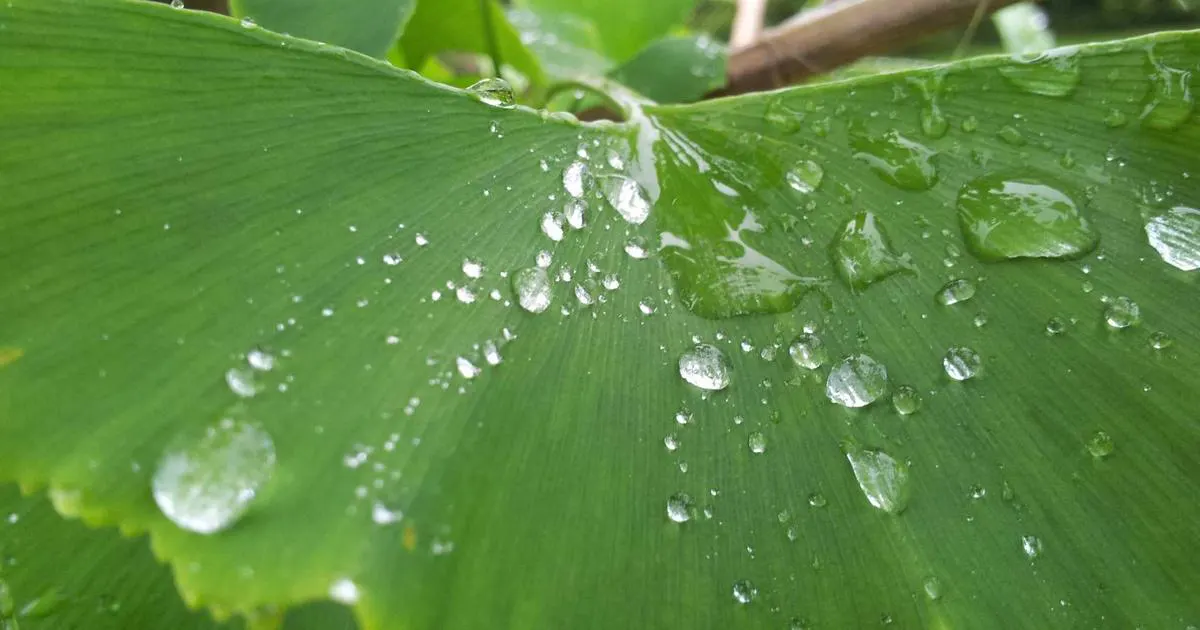
Fresh eucalyptus can be enhanced with a light misting of water to create the appearance of morning dew or fresh rainfall. This technique reinforces the rain element of the candle theme while adding visual sparkle to the greenery. The water droplets on eucalyptus leaves create tiny lenses that catch and refract light, adding sparkle and visual interest to the arrangement.
Candle centered in an arrangement of fresh eucalyptus stems with water droplets, some stems draped naturally across the surface, creating a lush botanical frame around the product
Dimensions: 1000x1000px | Aspect: 1:1, perfect for product listings and Instagram grid
Color Coordination Between Candle and Greenery
The visual relationship between the candle and the eucalyptus should feel harmonious and intentional. If the candle wax is green, the eucalyptus creates a tonal relationship that reinforces the product color. If the candle is white or cream, the eucalyptus provides a natural color accent that adds visual interest without overwhelming the product.
When the candle has a colored container, consider how the eucalyptus relates to that container color. Complementary color relationships, where the eucalyptus green contrasts with the container color, create visual energy and draw attention to the product. Analogous relationships, where the colors harmonize, create a calmer, more cohesive appearance that suggests unity and natural harmony.
Seasonal Styling Variations
Eucalyptus styling can be adapted to reflect seasonal themes while maintaining the core eucalyptus rain narrative. For spring imagery, combine eucalyptus with fresh flowers such as white ranunculus or pale peonies that suggest renewal and new beginnings. Summer styling might incorporate citrus elements that suggest warm-weather freshness and outdoor living.
Autumn and winter eucalyptus styling takes a different direction, incorporating warm-toned elements like cinnamon sticks, dried orange slices, or copper accents that contrast with the cool eucalyptus tones. This contrast creates visual tension that suggests the warming, comforting quality of candlelight against the cool, fresh eucalyptus scent. Winter styling might include frosted eucalyptus or eucalyptus dusted with artificial snow that suggests the fresh, crisp quality of winter air.
7
Candle and Spa Bathroom Photography
Creating lifestyle imagery that connects candles to self-care and wellness rituals
The spa bathroom represents one of the most powerful contexts for eucalyptus rain candle photography because it directly connects the product to the experience it promises to create. When consumers see a candle photographed in a spa-like bathroom setting, they immediately envision themselves incorporating the product into their own self-care routines. This aspirational imagery drives purchase decisions by creating desire for the lifestyle the candle represents.
Creating convincing spa bathroom imagery, whether in a studio or on location, requires attention to the details that define luxury spa aesthetics. Marble surfaces, clean lines, natural materials, and a palette of whites, grays, and soft greens create the visual foundation of spa imagery. The candle should feel like a natural part of this environment, not an afterthought placed on a surface.
Setting Up a Spa-Inspired Scene
The essential elements of a spa-inspired candle scene include a clean, uncluttered surface, natural materials like stone or wood, soft textiles, and complementary wellness products. A white marble countertop with a folded white towel, a small dish of bath salts, and the eucalyptus rain candle creates a complete narrative of self-care preparation. Each element in the scene should reinforce the wellness story without creating visual clutter.
Bathroom architectural details can add authenticity to spa imagery. A glimpse of a rainfall showerhead, the edge of a freestanding bathtub, or the texture of natural stone tiles creates environmental context that grounds the product in a real space. These background elements should be slightly out of focus, providing context without competing with the candle for attention.
Lighting in spa imagery should emulate the soft, diffused quality of high-end spa environments. Avoid harsh overhead lighting that creates unflattering shadows. Instead, create the impression of natural light filtering through frosted glass or sheer curtains. This soft lighting quality enhances the relaxing, peaceful mood that spa imagery should convey.
Eucalyptus rain candle on a white marble bathroom counter beside a rolled white towel, small succulent, and glass bottle of essential oils, with soft natural light from a frosted window
Dimensions: 1200x800px | Aspect: 3:2 for blog, or 1080x1350px for Instagram
Incorporating Water Elements in Spa Settings
Water is central to the spa experience, and incorporating water elements in candle photography reinforces both the rain theme and the spa narrative. A slightly damp surface around the candle suggests recent use, while the presence of water droplets on nearby surfaces creates a multisensory suggestion of the bathing experience.
Consider photographing the candle near a vessel of water, such as a glass bowl filled with clear water and floating eucalyptus leaves. This element serves double duty, reinforcing both the rain and spa themes while adding visual interest through the reflective quality of water. The reflection of the candle in the water surface adds depth and dimension to the composition.
For maximum impact, consider incorporating the sound of water into your product videos if you are creating multimedia content alongside still photography. The gentle trickle of water, combined with candlelight and eucalyptus imagery, creates a complete sensory experience that engages viewers on multiple levels and strengthens the connection between the product and the spa experience.
8
Fresh Gift Set and Bundle Imagery
Photographing candle collections that tell a complete sensory story
Gift sets and product bundles present unique photography challenges and opportunities. Multiple products must be arranged in a composition that feels cohesive and intentional while ensuring each item remains visible and appealing. For eucalyptus rain candle gift sets, the photography must communicate the value of the collection while maintaining the fresh, clean aesthetic that defines the brand.
The arrangement of products within a gift set should follow a clear visual hierarchy, with the primary candle as the largest or most prominently positioned element. Secondary products, such as smaller candles, room sprays, or matching accessories, should be arranged around the primary product in a way that creates visual balance without obscuring any individual item.
Compositional Approaches for Multi-Product Shots
The triangular composition is one of the most effective approaches for gift set photography. Arranging the products in a triangular formation, with the tallest or most prominent item at the apex, creates visual stability and guides the eye naturally through the collection. This approach works equally well for three-piece sets and larger collections.
The linear arrangement, where products are aligned in a row or gentle curve, works well for gift sets with products of similar height. This approach creates a clean, organized appearance that emphasizes the completeness of the collection. Adding subtle height variation through small risers or stacked books prevents the linear arrangement from feeling flat or static.
The organic arrangement, where products are scattered in a seemingly casual but carefully planned layout, creates a more relaxed, lifestyle-oriented feel. This approach works particularly well for social media content and editorial-style imagery where the goal is to create an aspirational, lived-in aesthetic rather than a formal product display.
Complete gift set arranged on a light wooden surface with eucalyptus sprigs connecting the products, subtle shadow play creating depth, gift box partially visible in the background
Dimensions: 1200x800px | Aspect: 3:2, or 1000x1000px for Amazon listing main image
Packaging Photography for Gift Sets
The packaging of a gift set is often as important as the products inside, particularly for gift-oriented marketing. Photography that showcases attractive packaging communicates quality and thoughtfulness, suggesting that the gift set has been designed with care and attention to detail. Show both the exterior packaging and the products inside by photographing the box open with products arranged attractively.
Ribbon, tissue paper, and other packaging details should be styled to look effortless yet perfect. A ribbon tied in a casual bow, tissue paper gently crumpled around the products, and a handwritten-style gift tag create the impression of a thoughtfully prepared gift. These details humanize the product and create emotional connection with the viewer.
When photographing packaging, ensure that any text on the box or labels is sharp and readable. Consumers often make purchasing decisions based on packaging details, and blurry or obscured text creates frustration and reduces confidence in the product. Use a smaller aperture, around f/8 to f/11, to ensure sufficient depth of field to keep all text elements in focus.
9
Amazon Fresh Candle Listing Requirements
Meeting platform specifications while maintaining brand aesthetic on the world's largest marketplace
Amazon represents a critical sales channel for candle brands, but the platform's specific image requirements create unique challenges for photographers. Understanding and mastering Amazon's image guidelines while maintaining the fresh, appealing aesthetic of eucalyptus rain candles is essential for success on this competitive marketplace. Poor product photography on Amazon directly translates to lost sales, as consumers cannot physically interact with the product before purchasing.
Amazon's main image must feature the product on a pure white background (RGB 255, 255, 255) with no props, text, or decorative elements. This requirement seems to contradict the atmospheric, styled approach that works well for social media and brand websites. However, even within these constraints, there are ways to create main images that stand out while meeting Amazon's strict requirements.
Creating Compelling Amazon Main Images
Since the main Amazon image must show only the product on white, the quality of the product itself becomes the primary differentiator. Ensure the candle is in pristine condition with no fingerprints, dust, or imperfections visible. The label should be straight and clearly readable, and the wax surface should appear smooth and untouched. Professional product retouching can address minor imperfections while maintaining an authentic appearance.
The angle of the product in the main image should show the most recognizable and appealing view of the candle. For most candle brands, this is a three-quarter view that shows both the front label and the depth of the container. This angle provides the most information about the product while creating visual interest through the perspective.
Lighting for Amazon main images should be bright and even, with soft shadows that ground the product without obscuring any details. The goal is to show the product as clearly and accurately as possible, allowing consumers to make informed purchasing decisions. Harsh shadows, dramatic lighting, or color casts that misrepresent the product color should be avoided.
Amazon main image: Eucalyptus rain candle at three-quarter angle on pure white background, even lighting, label clearly visible, slight shadow beneath for grounding
Dimensions: 2000x2000px minimum | Aspect: 1:1 square, JPEG or PNG format
Secondary Amazon Images and Lifestyle Shots
Amazon allows up to eight additional images, and these slots provide the opportunity to showcase the candle in lifestyle contexts, highlight features, and create the emotional connection that drives purchase decisions. The second image should show the candle in a styled environment, while subsequent images can focus on specific features like wax quality, scent description, burn time, and ingredients.
Infographic-style images are highly effective on Amazon, where consumers scan quickly and need information presented clearly. Create images that highlight key selling points through text overlays and visual callouts. For eucalyptus rain candles, emphasize natural ingredients, burn time, scent notes, and any certifications or eco-friendly attributes that differentiate the product.
Lifestyle images for Amazon should show the candle in use, preferably in a setting that suggests the fresh, clean atmosphere the scent promises. A bathroom shelf, a bedside table, or a meditation space all create appropriate context for eucalyptus rain candles. These images help consumers envision the product in their own homes, increasing the likelihood of purchase.
Pro Tip
Amazon's image requirements specify that the main image must occupy at least 85% of the image frame. Ensure your product photography allows for appropriate margins while maximizing the product's visual presence within the required white background.
A+ Content Visual Strategy
Amazon A+ Content provides additional opportunities for brand storytelling through enhanced images and text modules. For eucalyptus rain candle brands, A+ Content should create a cohesive visual narrative that reinforces the fresh, natural, wellness-oriented brand identity. Full-width banner images showing the candle in atmospheric, misty environments create emotional impact, while comparison charts and feature highlights provide the information consumers need to make confident purchases.
The module structure of A+ Content allows for creative layouts that break free from the grid-based format of standard listings. Use these modules to create visual flow that guides consumers through the brand story, from the inspiration behind the scent to the quality of ingredients to the experience of burning the candle. Each image in the A+ Content should serve a specific purpose in building the brand narrative.
10
Luxury Rain Brand Standards and Visual Identity
Establishing consistent visual guidelines that communicate premium quality and brand values
Luxury positioning requires a visual language that communicates exclusivity, quality, and sophistication. For eucalyptus rain candle brands, this means developing photography standards that elevate the product beyond simple home fragrance into a lifestyle accessory that signals refined taste and wellness consciousness. Every image the brand produces should reinforce this luxury positioning through consistent application of established visual standards.
Developing brand photography standards begins with defining the visual parameters that will be applied consistently across all imagery. These parameters include color palette, lighting style, compositional rules, prop guidelines, and post-production standards. When applied consistently, these standards create a recognizable brand aesthetic that consumers associate with quality and trustworthiness.
Defining the Color Palette
The color palette for a luxury eucalyptus rain brand should include primary colors that dominate the imagery, secondary colors that provide accent and variety, and neutral tones that provide breathing room and sophistication. The primary palette might include sage green, rain blue, and warm cream, while secondary colors include deep teal, forest green, and soft gray. Neutrals include various shades of white, gray, and warm beige.
Color consistency requires careful attention to both in-camera white balance and post-production color grading. Establish a standard white balance setting for your camera and apply consistent color grading in post-production. Creating a preset or template that can be applied to all brand imagery ensures consistency regardless of the photographer or shooting conditions.
The brand color palette should be documented in a brand guidelines document that specifies exact color values, acceptable variations, and examples of correct application. This document serves as a reference for anyone producing imagery for the brand, ensuring consistency across different photographers, studios, and shooting conditions.
Brand mood board showing the consistent color palette across multiple product shots, demonstrating how the sage green, rain blue, and cream palette unifies different compositions
Dimensions: 1200x800px | Aspect: 3:2 for website, or create a collage at 1000x1000px for social media
Lighting Standards for Luxury Products
Luxury product photography demands lighting that enhances the perceived quality and value of the product. For eucalyptus rain candles, this means soft, directional light that creates subtle shadows and highlights that reveal texture and form without creating harsh contrast. The lighting should feel natural and effortless, even though it requires careful planning and execution.
Establish a standard lighting setup that produces consistent results across different shooting sessions. Document the position, intensity, and modification of each light source, and create reference images that demonstrate the expected result. This documentation allows different photographers to produce imagery that maintains the brand aesthetic even when shooting in different locations or conditions.
The quality of light in luxury candle photography should emphasize the premium materials and craftsmanship of the product. Highlight the texture of the wax, the quality of the container, and the detail of the label through strategic light positioning. These details communicate quality to the consumer and justify premium pricing.
Composition Guidelines
Composition standards for luxury brands typically emphasize clean, uncluttered arrangements with ample negative space. The product should be the clear focal point of every image, with supporting elements serving to enhance rather than compete with the product. Establish rules for product positioning, prop selection, and background treatment that ensure consistent composition across all brand imagery.
The rule of thirds provides a useful foundation for composition, but luxury brands often develop their own compositional preferences that distinguish their imagery from competitors. Some brands prefer centered compositions that create a sense of formality and importance, while others prefer asymmetric arrangements that feel more dynamic and contemporary. Whatever the preference, consistency is key.
Brand consistency in photography is not about restriction, it is about creating a visual language that speaks clearly and confidently to your audience, building recognition and trust that drives long-term loyalty.
11
Spa Lifestyle and Wellness Photography
Creating imagery that connects candles to broader wellness and self-care narratives
Wellness photography positions candles within the broader context of self-care, mindfulness, and holistic health. This approach moves beyond simple product photography to create imagery that tells a story about the role the candle plays in the consumer's wellness routine. For eucalyptus rain candles, wellness photography creates powerful associations between the product and the purifying, restorative experience of connecting with nature.
Effective wellness photography requires understanding the visual vocabulary of the wellness industry and applying it authentically to candle imagery. This vocabulary includes natural materials, soft lighting, relaxed body language (when human subjects are included), organic textures, and a muted, calming color palette. The goal is to create imagery that feels genuine and relatable rather than staged or aspirational to the point of being unattainable.
Incorporating Human Elements
When incorporating human subjects in wellness candle photography, the emphasis should be on authentic, relaxed moments rather than posed perfection. A hand reaching for a candle, feet tucked under a blanket beside a lit candle, or a person meditating in a room illuminated by candlelight all create relatable scenarios that viewers can envision themselves in.
The styling of human subjects should feel natural and unforced. Bare feet, simple clothing in neutral tones, and minimal accessories keep the focus on the experience rather than the person. The candle should be positioned to be visible but not awkwardly placed, appearing as a natural part of the scene rather than a product being advertised.
When photographing hands interacting with the candle, ensure that hands are well-groomed but natural-looking. Overly manicured or artificial-looking hands can create a disconnect with the authentic, natural aesthetic that wellness photography requires. The interaction with the candle, whether lighting it, adjusting the wick, or simply resting nearby, should feel spontaneous and genuine.
Lifestyle shot of hands cupping a warm mug beside a lit eucalyptus rain candle on a wooden tray, soft knit blanket in background, morning light creating a warm, inviting atmosphere
Dimensions: 1200x800px | Aspect: 3:2, or 1080x1350px for Instagram portrait format
Wellness Contexts and Settings
The settings for wellness candle photography should suggest spaces dedicated to self-care and relaxation. Meditation corners, bathroom retreats, bedroom sanctuaries, and outdoor relaxation spaces all provide appropriate context for eucalyptus rain candles. The key is to create settings that feel achievable and realistic, allowing viewers to envision similar setups in their own homes.
Natural elements in wellness settings reinforce the connection between the candle and the natural world. Potted plants, natural wood, stone surfaces, and woven textiles create an organic, grounded environment that complements the botanical eucalyptus rain scent. These elements should be used sparingly to avoid creating visual clutter that contradicts the calm, peaceful mood wellness imagery should convey.
The time of day suggested by the lighting in wellness imagery affects the mood and narrative significantly. Morning light, with its cool, fresh quality, suggests renewal and fresh starts, making it ideal for eucalyptus rain candles that emphasize freshness and purification. Evening light, warmer and more golden, suggests winding down and relaxation, connecting the candle to evening self-care routines.
Creating Aspirational but Achievable Imagery
The most effective wellness candle photography strikes a balance between aspiration and achievability. The imagery should inspire viewers to create their own wellness rituals while suggesting that the candle is an accessible, affordable element of that lifestyle. Avoid overly elaborate or expensive settings that might alienate potential customers who cannot envision replicating the scene.
Focus on creating imagery that highlights the transformative power of the candle itself. A simple setup with the candle as the centerpiece, surrounded by basic wellness elements like a towel, a cup of tea, and a book, creates a more relatable and achievable image than an elaborate spa setting. The message should be that this level of wellness and relaxation is available to anyone with this candle.
12
Building an Eucalyptus Rain Candle Brand Visual Identity
Synthesizing all elements into a cohesive, recognizable brand presence across all platforms
Building a complete visual identity for an eucalyptus rain candle brand requires synthesizing all the photography techniques, styling approaches, and aesthetic decisions discussed throughout this guide into a cohesive system that works across every touchpoint. From Amazon listings to social media feeds to website galleries, every image should contribute to a unified brand story that consumers recognize and trust.
The visual identity extends beyond individual images to encompass the relationships between images, the overall aesthetic of the brand's visual presence, and the emotional response that the collective imagery creates in the viewer. A strong visual identity makes a brand instantly recognizable even without a logo or brand name visible, which is the ultimate test of visual consistency and effectiveness.
Developing the Brand Photography Style Guide
A comprehensive photography style guide serves as the foundation for consistent brand imagery. This document should specify camera settings, lighting setups, composition rules, prop guidelines, color palettes, and post-production standards. Include example images that demonstrate correct application of each guideline, along with explanations of why each standard was established.
The style guide should address different photography categories separately, as different applications require different approaches. Product photography, lifestyle photography, social media imagery, and Amazon listing images each have distinct requirements and should have specific guidelines within the overall style framework. However, all categories should share common elements that maintain brand consistency across platforms.
Update the style guide regularly as the brand evolves and as new platforms or applications emerge. A living document that grows with the brand ensures that photography standards remain relevant and effective while maintaining the core visual identity that consumers recognize.
Brand style guide page showing the consistent application of visual standards across multiple image types, demonstrating how product shots, lifestyle images, and social content maintain brand cohesion
Dimensions: 1200x800px | Aspect: 3:2, or create a multi-image carousel for Instagram at 1080x1080px per slide
Cross-Platform Visual Consistency
Each platform presents unique challenges for maintaining visual consistency. Instagram demands square or vertical images with immediate visual impact, while websites accommodate horizontal compositions with more room for detail. Amazon requires specific formats and backgrounds, while print materials demand higher resolution and different color profiles. The brand visual identity must accommodate these variations while maintaining recognizability.
Create platform-specific crops and formats from a master set of images rather than shooting different images for each platform. This approach ensures consistency while allowing optimization for each platform's requirements. A single well-executed product shot can be cropped and formatted for use across multiple platforms, maintaining consistency while meeting technical specifications.
Social media content calendars should include a mix of product shots, lifestyle imagery, behind-the-scenes content, and user-generated content that all align with the brand visual standards. Even user-generated content can be curated to maintain visual consistency by establishing guidelines for what types of user content align with the brand aesthetic.
Measuring Visual Identity Effectiveness
The effectiveness of a visual identity can be measured through several metrics, including brand recognition, consumer trust, and engagement rates. A/B testing different visual approaches helps identify what resonates most with the target audience while maintaining the core brand aesthetic. Surveys and brand recall studies can measure whether consumers recognize and remember the brand's visual style.
Engagement metrics on social media provide immediate feedback on visual content effectiveness. Images that receive higher engagement rates, saves, and shares indicate that the visual approach is resonating with the audience. Track these metrics over time to identify trends and adjust the visual strategy accordingly while maintaining brand consistency.
Monitor competitor imagery to ensure the brand maintains visual differentiation. While the eucalyptus rain category may have common visual elements, the brand should develop distinctive visual characteristics that set it apart. Unique compositional approaches, distinctive color treatments, or signature prop selections can create differentiation while remaining within the category aesthetic.
Pro Tip
Create a Pinterest board or internal mood board that aggregates all brand imagery alongside competitor imagery and aspirational references. Regularly reviewing this board helps maintain visual consistency and identify opportunities for differentiation and improvement.
Scaling Visual Content Production
As the brand grows, visual content production must scale efficiently without sacrificing quality or consistency. Developing templates, presets, and workflows that streamline production while maintaining standards ensures that the brand can meet increasing content demands without compromising visual integrity.
Invest in building a library of reusable brand assets, including background textures, prop collections, and post-production presets. These assets accelerate future shoots by providing a consistent foundation that reduces setup time while ensuring visual consistency with previous imagery. The asset library should be organized and documented for easy access and reference.
Consider establishing relationships with photographers and studios who understand and can consistently apply the brand visual standards. A network of approved photographers in different locations enables efficient production across geographies while maintaining consistency. Provide thorough briefing documents and reference imagery to ensure that external photographers understand and can execute the brand vision.
For the most comprehensive brand visual identity, invest in Background Removal services that ensure product images maintain consistent, clean backgrounds across all platforms. Professional Photo Editing ensures that color accuracy, exposure, and overall quality remain consistent regardless of shooting conditions, maintaining the premium visual standard that luxury candle brands require.
Was this article helpful?
Pro Pixel Agency
Want this done for you? Try our image editing free.
Send a sample, get the finished result back, and only then decide. Clear prices, no commitment.