Tropical Candle Photography Fundamentals
"Every candle tells a story — and when that story is rooted in tropical paradise, your photography must transport the viewer to sun-warmed shores and coconut-scented breezes before they even light the wick."
The world of candle photography has evolved dramatically in recent years, and nowhere is this evolution more exciting than in the tropical and island-inspired segment. As candle makers increasingly draw inspiration from paradise destinations — think coconut palms swaying against cerulean skies, powdery white sand beaches, and lush tropical gardens bursting with plumeria and hibiscus — the demand for photography that truly captures this island aroma has skyrocketed. Tropical candle photography is not simply about placing a candle on a pretty background. It is about creating an immersive visual experience that engages all the senses, making the viewer feel the warmth of a Caribbean sunset, hear the gentle lapping of turquoise waves, and smell the intoxicating blend of coconut, vanilla, and tropical florals that define these extraordinary candles.
At its core, tropical candle photography demands a deep understanding of natural light and how it interacts with wax, glass vessels, and decorative elements. Unlike studio photography for minimalist candles, where controlled lighting can create dramatic shadows and precise highlights, tropical candle photography thrives on the golden hour glow that mimics the warm, diffused light found in island settings. This type of photography benefits enormously from natural light sources, whether shooting outdoors in actual tropical locations or carefully recreating that ambiance in a studio setting using warm-toned LED panels, reflective surfaces, and strategic diffusion materials that soften harsh light into the gentle warmth characteristic of a Caribbean morning.
The fundamental principle behind successful tropical candle imagery is that the photograph must evoke a feeling, not just display a product. When someone scrolling through Amazon or Instagram encounters your tropical candle listing, the image should make them pause, breathe deeply (metaphorically), and imagine themselves in that paradise setting. This emotional connection is what separates good candle photography from exceptional product imagery that drives sales and builds brand loyalty. The candle itself becomes a portal to another world, and your job as the photographer is to build the complete sensory world around that portal.
Color theory plays a particularly crucial role in tropical candle photography. The palette you choose for backgrounds, props, and styling elements must complement and enhance the candle's fragrance profile without overwhelming it. For coconut palm candles, this typically means working with a range of greens — from deep emerald and sage to soft mint and lime — paired with warm sandy neutrals, crisp whites that echo coconut flesh, and occasional pops of coral, turquoise, or sunset orange that reference the tropical environment. Understanding how these colors interact in the frame, how they reflect off glass containers, and how they shift under different lighting conditions is essential for creating cohesive, professional tropical candle imagery that resonates with your target audience and positions your brand as an authentic voice in the tropical luxury market.
A flat lay of tropical candle components — coconut shells, palm fronds, sand textures, and white wax candles — arranged on a weathered driftwood surface. This establishes the visual vocabulary for the entire article.
Dimensions: 1200 x 800px (article header) | 800 x 600px (thumbnail) | Aspect Ratio 3:2
02
Coconut Palm Imagery That Captivates
Coconut palm imagery is the cornerstone of tropical candle photography, and for good reason. The coconut palm is arguably the most universally recognized symbol of tropical paradise. Its graceful fronds, distinctive trunk silhouette, and the cultural associations it carries — of relaxation, escape, exotic adventure, and natural beauty — make it an incredibly powerful visual element when incorporated into candle product photography. However, the difference between amateurish coconut palm staging and professional, sophisticated palm imagery lies in understanding how to use this element with intention and artistry rather than simply plopping a palm leaf behind a candle.
The first consideration when working with coconut palm elements is whether to use actual palm fronds, dried palm leaves, or artificial palm elements. Each option has distinct advantages depending on your shooting environment and brand aesthetic. Fresh palm fronds bring an authentic, lush quality that is difficult to replicate artificially. They catch light beautifully, creating organic shadows and highlights that add depth and texture to the composition. However, they wilt quickly under studio lights and can release moisture that affects wax surfaces. Dried palm leaves and fans have become enormously popular in product photography because they offer a more neutral, bohemian aesthetic that appeals to the luxury coastal market. Their muted sage and tan tones work beautifully as backdrop elements without competing with the candle for attention. Artificial palm elements, particularly high-quality silk or preserved options, offer consistency across shoots and can be reused, making them cost-effective for brands producing large volumes of product imagery.
Positioning coconut palm elements in your candle photography requires an understanding of compositional balance and visual flow. A single palm frond positioned diagonally across the frame, with the candle placed at the intersection of the rule-of-thirds grid, creates a dynamic, engaging composition that guides the viewer's eye naturally from the organic element to the product. Alternatively, framing the candle between two palm fronds creates a natural vignette effect that draws focus inward while establishing the tropical context. For more elaborate compositions, consider layering multiple palm elements at different depths — some in sharp focus near the candle, others softly blurred in the foreground or background — to create a sense of dimension and immersion that makes the viewer feel as though they are peering through a tropical garden at the candle nestled within.
The color palette of coconut palm imagery also deserves careful attention. The natural greens of palm fronds range from deep, forest-like emerald to bright, almost lime-tinted chartreuse, depending on the species and age of the leaf. When photographing candles, you want to select palm elements whose green tones complement rather than clash with your candle's wax color and vessel design. For white or cream-colored candles, virtually any green works beautifully, creating a fresh, clean tropical aesthetic. For candles in colored glass vessels — perhaps a coral or ocean blue — you may want to choose palm elements with more muted, sage-toned greens that won't create visual competition. The texture of palm fronds also adds significant visual interest; the parallel lines of the leaf segments create a natural pattern that contrasts beautifully with the smooth surfaces of glass vessels and the soft, organic quality of wax, adding visual complexity without clutter.
Pro Tip
When using fresh coconut palm fronds, mist them lightly with water before shooting. The tiny droplets catch light beautifully and add a dewy, tropical freshness that enhances the sensory appeal of the image. This technique works especially well for candles marketed as morning or afternoon tropical scents.
Beyond the fronds themselves, coconut elements — whole coconuts, halved coconut shells showing the white flesh, coconut husks, and even coconut fiber — add another dimension to tropical candle photography. A candle placed inside a hollowed coconut shell creates an instantly recognizable and highly shareable image that communicates the coconut fragrance note without requiring any text. Scattered coconut chips or shreds around the base of a candle add texture and reinforce the tropical narrative. These elements also work exceptionally well for social media content, where the coconut motif immediately signals tropical, natural, and artisanal — three keywords that perform exceptionally well in the candle market.
A hero product shot of a white coconut-scented candle in a ceramic vessel, nestled among fresh coconut palm fronds on a natural linen surface. Soft side lighting creates gentle shadows through the palm leaves onto the candle and background.
Dimensions: 1200 x 900px (main image) | 600 x 600px (social square) | Aspect Ratio 4:3 or 1:1
03
Paradise and Beach Shots
Paradise and beach photography for candles represents the pinnacle of aspirational product imagery. When done correctly, these shots do not merely show a candle — they sell a complete lifestyle, an emotional state, and a sensory promise. The beach setting, whether authentic or recreated in studio, taps into universal associations of freedom, tranquility, luxury, and escape that align perfectly with the purpose most people have when purchasing a premium candle. Creating effective paradise beach imagery requires meticulous planning, a deep understanding of natural environments, and the technical skill to capture the beauty of outdoor settings while maintaining the candle as the undeniable star of the composition.
Shooting candles on actual beaches presents a unique set of challenges and opportunities that differ significantly from controlled studio work. The most critical factor is timing. Golden hour — the period roughly one hour after sunrise and one hour before sunset — provides the warm, directional light that makes beach candle photography magical. During these windows, the low angle of the sun creates long, dramatic shadows, bathes everything in a warm amber glow, and produces the kind of luminous, almost otherworldly quality that makes images feel truly paradise-like. Midday sun, by contrast, creates harsh, unflattering light with deep shadows and blown-out highlights that can make even the most beautiful beach scene look flat and uninviting. If you must shoot during midday, using a diffuser or shooting in open shade — perhaps under a beach umbrella or palm tree canopy — can soften the light enough to create usable images.
The beach environment itself offers a rich palette of textures and colors that can enhance your candle photography. Wet sand near the waterline has a reflective, almost mirror-like quality that can create stunning double images of your candle, while dry sand provides a warm, neutral base that complements most candle colors and styles. Driftwood, sea glass, shells, coral fragments, and beach stones all serve as natural props that reinforce the coastal narrative without feeling forced or artificial. The key is to arrange these elements with restraint — too many props can make the image feel cluttered and distracting, pulling focus away from the candle. A well-placed piece of driftwood holding a candle at an elevated angle, with a few scattered shells in the foreground and the ocean softly blurred in the background, creates a composition that is both visually striking and emotionally resonant.
Water elements add another powerful dimension to beach candle photography. A candle placed at the edge of gentle surf, with foam lapping at its base, creates an arresting image that communicates the intersection of fire and water — elemental, primal, and deeply appealing. However, this type of shot requires careful planning to protect the candle from water damage while still capturing the authentic beach feel. Shooting at the waterline with the candle positioned on a slightly elevated surface — a flat rock or a piece of driftwood — allows you to capture the water's edge without risking the product. For studio recreations, a shallow tray of water with carefully controlled wave action can simulate beach conditions with complete environmental control.
The background of beach candle photography is where many photographers either elevate or diminish their work. A blurred ocean horizon in soft blues and teals creates depth while keeping focus on the candle. Palm tree silhouettes against a sunset sky instantly communicate tropical paradise without any additional props needed. Even a simple expanse of empty beach stretching into the distance creates a sense of vastness and possibility that enhances the aspirational quality of the image. The key principle is that the background should support and contextualize the candle, not compete with it. Use a wide aperture — f/2.8 or f/4 — to create that creamy bokeh that keeps your candle tack-sharp while softening the background into a dreamy wash of tropical color.
A candle placed on smooth, wet sand at golden hour with the ocean softly blurred in the background. Warm directional light creates long shadows and a golden glow on the glass vessel. Palm fronds frame the top of the image.
Dimensions: 1920 x 1080px (hero) | 1200 x 800px (article) | Aspect Ratio 16:9 or 3:2
04
Island and Vacation Photography
Island and vacation photography for candles extends beyond the immediate beach environment to encompass the entire tropical escape experience. This broader approach to lifestyle candle photography captures the full spectrum of island living — from morning coffee on a veranda overlooking turquoise water, to afternoon hammock naps surrounded by tropical gardens, to evening gatherings with tiki torches and the warm glow of candles illuminating outdoor dining spaces. This type of imagery tells a complete story about when, where, and how your candles fit into the aspirational lifestyle your customers crave, and it is this storytelling capacity that makes island lifestyle photography so effective at building brand desire and driving premium pricing.
One of the most effective island photography settings is the tropical veranda or lanai — that transitional space between indoors and outdoors that characterizes island architecture. A candle placed on a weathered wooden table, perhaps alongside a tropical drink with a paper umbrella, a stack of travel magazines, or a pair of sunglasses, creates an instantly relatable scene that viewers can project themselves into. The key is to maintain authenticity in these lifestyle shots. Over-staging can make the image feel like a stock photo rather than a genuine glimpse into island life. Natural, slightly imperfect arrangements — a casually draped linen napkin, a few scattered tropical leaves, a half-open book — create the sense that this is a real moment captured, not a manufactured scene.
Poolside settings offer another powerful backdrop for tropical candle photography. The combination of crystal-clear pool water, modern poolside furniture, and tropical landscaping creates an aesthetic that communicates luxury, leisure, and contemporary tropical living. A candle placed on a poolside table, with the pool's blue water extending into the background and tropical plants framing the scene, creates imagery that appeals particularly to the luxury market segment. The reflective quality of pool water also provides interesting compositional opportunities — reflections of the candle in the water surface add visual interest and depth to the image.
The interior spaces of tropical resorts, villas, and beach houses provide rich settings for candle photography that communicates the luxury travel market. A candle placed on a marble bathroom counter, with tropical flowers in a vase and fluffy white towels nearby, communicates spa-like luxury and self-care. A candle on a bedside table in a resort room, with sheer curtains billowing in the breeze and a glimpse of ocean through the window, communicates romance and escape. These interior settings are particularly effective for candles marketed as luxury or gift items, as they associate the product with high-end travel experiences that justify premium pricing.
Evening and nighttime island photography presents unique opportunities for candle products specifically, because candles are fundamentally objects of light. Capturing a candle burning at dusk on an island patio, with the last light of sunset fading over the water and the candle's flame providing warm, intimate illumination, creates an image of extraordinary emotional power. The contrast between the cool blues and purples of twilight and the warm amber of candlelight is visually stunning and deeply appealing. For these shots, using a tripod and slightly longer exposures allows you to capture both the ambient twilight and the candle flame with proper exposure, creating images that feel magical and transportive.
A lifestyle shot of a candle burning on a tropical resort veranda at dusk, with sheer white curtains, tropical plants, and a glimpse of the ocean in the background. The warm candlelight creates an inviting, intimate atmosphere.
Dimensions: 1200 x 800px (article) | 1080 x 1080px (Instagram) | Aspect Ratio 3:2 or 1:1
05
Tropical Fruit Imagery
Tropical fruit imagery is a powerful and often underutilized tool in candle photography that serves multiple strategic purposes. First, fruit elements immediately communicate fragrance notes to the viewer in a visual, intuitive way that transcends language barriers. A candle surrounded by sliced mango, passion fruit, and pineapple clearly communicates a tropical fruit fragrance without requiring the customer to read a single word. Second, tropical fruits provide vibrant color accents that can elevate a composition from visually pleasant to visually stunning. The deep orange of mango, the bright yellow of pineapple, the ruby red of dragon fruit, and the creamy white of coconut flesh create a palette that is inherently tropical, appetizing, and visually arresting.
The key to successful fruit integration in candle photography is freshness and authenticity. Real, fresh tropical fruit photographed at peak ripeness looks dramatically different from artificial fruit or fruit that has been sitting under studio lights for hours. The glossy skin of a fresh mango, the jewel-like seeds of a passion fruit half, the fibrous texture of freshly cracked coconut — these details communicate quality, naturalness, and sensory richness that elevate the entire image. For longer shoot days, having multiple sets of fruit and rotating them regularly ensures that each shot captures fruit at its most visually appealing. Misting fruit lightly with water creates a dewy, just-picked quality that enhances freshness and catches light beautifully.
Compositionally, tropical fruit works best when used as accent elements rather than dominant features. The candle should always remain the focal point, with fruit elements supporting and contextualizing it. A common and effective approach is to create a loose arrangement around the candle — perhaps a halved coconut on one side, a few lime slices on the other, and a scattering of small tropical flowers to tie the composition together. This creates a natural, organic feel as though the candle has been placed in the midst of a tropical feast or garden setting. For more stylized compositions, fruit can be arranged in geometric patterns, stacked in pyramids, or sliced into precise cross-sections that reveal the beautiful internal patterns of tropical fruits — the star-shaped cross-section of a star fruit, the radial pattern of a sliced dragon fruit, or the spiral eyes of a pineapple.
The interplay between fruit textures and candle surfaces creates particularly compelling photographic opportunities. The rough, fibrous exterior of a coconut contrasts beautifully with the smooth surface of a glass candle vessel. The glossy, wet surface of a freshly cut mango mirrors the reflective quality of polished candle containers. The matte, powdery surface of a passion fruit shell provides a textural counterpoint to the sheen of candle wax. These textural contrasts add visual richness and depth to compositions, creating images that are satisfying to look at and that communicate a tactile, sensory quality that enhances the perceived value of the candle product.
A colorful flat lay of tropical fruit-scented candles (mango, coconut, passion fruit) arranged with their corresponding fresh fruits on a tropical leaf-covered surface. Each candle is paired with its scent ingredient for clear visual communication.
Dimensions: 1200 x 1200px (Instagram) | 1200 x 800px (blog) | Aspect Ratio 1:1 or 3:2
06
Candle and Palm Leaf Styling Shots
Palm leaf styling has emerged as one of the most distinctive and sought-after aesthetic movements in contemporary product photography, and its application to candle imagery has produced some of the most visually striking and commercially successful product shots in the market. The palm leaf as a styling element transcends mere tropical decoration — it has become a design language of its own, communicating sophistication, natural luxury, and an elevated take on island living that appeals to discerning consumers who want tropical warmth without tropical kitsch.
The art of palm leaf styling begins with selection. Not all palm leaves are created equal, and understanding the visual characteristics of different palm species allows you to choose the elements that best serve your compositional goals. Fan palm leaves, with their dramatic, circular spread, create bold, graphic shapes that work beautifully as backdrop elements or as platforms upon which candles can be displayed. Areca palm fronds, with their delicate, feathery appearance, add softness and movement to compositions. Banana leaves, while technically not palm leaves, are frequently grouped into this styling category and offer large, smooth surfaces that can serve as natural placemats or backgrounds for candle displays. Dried palm leaves, which have been cleaned and preserved, offer a neutral, beige-toned aesthetic that has become synonymous with modern bohemian luxury and works particularly well for minimalist candle brands.
The most impactful palm leaf styling shots use the leaf as both a framing device and a textural element. Placing a candle at the center of an open fan palm, with the leaf segments radiating outward like sun rays, creates a naturally symmetric, mandala-like composition that draws the eye directly to the product while creating a visually mesmerizing pattern. Alternatively, laying a large palm leaf flat on a surface and placing the candle atop it transforms the leaf into a natural charger or placemat, adding organic texture beneath the product while maintaining a clean, uncluttered composition. For more dramatic compositions, hanging palm fronds from above and allowing them to cascade around a candle creates a three-dimensional, immersive scene that feels like peering into a tropical grotto.
Color coordination between palm leaves and candles is crucial for creating harmonious, visually pleasing images. The natural green of fresh palm leaves pairs beautifully with white, cream, or light-colored candles, creating a fresh, clean aesthetic. For darker candles — perhaps in deep amber, forest green, or navy — dried or preserved palm leaves in neutral beige and tan tones provide better color harmony. Monochromatic approaches, using palm leaves and candles in the same color family (different shades of green, for example), create sophisticated, editorial-quality images that communicate a refined, design-conscious brand identity. When working with colored candle vessels, consider the color wheel — complementary colors (those opposite each other on the wheel) create vibrant, eye-catching contrast, while analogous colors (those next to each other) create smooth, harmonious flow.
A candle placed in the center of an open fan palm leaf, shot from directly above (flat lay). The radiating palm segments create a natural mandala pattern around the candle. Minimal additional props to let the palm geometry shine.
Dimensions: 1080 x 1080px (Instagram square) | 1200 x 1200px (e-commerce) | Aspect Ratio 1:1
07
Candle and Beach House Photography
Beach house photography for candles bridges the gap between outdoor tropical imagery and interior lifestyle photography, creating a category of images that is particularly effective for positioning candles within the home decor market. Beach house interiors — characterized by natural materials, light-filled spaces, coastal color palettes, and an effortless blend of indoor comfort with outdoor beauty — provide ideal settings for candles that are marketed as both fragrant products and decorative objects. The beach house aesthetic communicates that these are candles for people with taste, people who have cultivated a specific lifestyle that values natural beauty, relaxed elegance, and the kind of understated luxury that comes from surrounding oneself with carefully chosen, beautiful objects.
The most effective beach house candle photography captures the unique quality of light found in coastal interiors. Beach houses typically feature large windows, open floor plans, and light-colored surfaces that create a bright, airy quality unlike any other interior environment. This light is naturally diffused and even, creating soft shadows and a luminous quality that makes everything look effortlessly beautiful. For candle photography, this means that beach house settings often require minimal additional lighting — natural window light alone can produce stunning results. The key is to position your candle where this natural light falls most beautifully, typically within a few feet of a large window, where the light is bright enough to illuminate the candle fully but soft enough to avoid harsh shadows or blown-out highlights.
Styling beach house candle shots involves curating a collection of complementary objects that reinforce the coastal narrative without cluttering the scene. Woven baskets, linen textiles in white or natural tones, coral and shell decorative objects, driftwood, stacked coffee table books about travel or design, and potted tropical plants all serve as excellent supporting elements. The arrangement should feel collected over time rather than staged for a photograph — this lived-in quality is what makes beach house imagery feel aspirational rather than artificial. A candle placed on a stack of books on a weathered wood side table, with a woven basket holding tropical leaves nearby and a linen throw casually draped over the arm of a rattan chair, tells a story of quiet, cultured island living that resonates deeply with the premium candle market.
Specific rooms in beach houses offer distinct photographic opportunities. The bathroom, particularly one with a freestanding tub and ocean view, provides a spa-like setting perfect for candles marketed as relaxation or self-care products. The kitchen, with its open shelving displaying ceramic dishes and tropical fruits, creates a warm, inviting setting for food-inspired or gourmand tropical scents. The outdoor living area — the lanai, deck, or poolside patio — bridges indoor and outdoor living and is perfect for candles that are marketed for entertaining or outdoor use. Each room tells a different story about how the candle fits into the complete beach house lifestyle, and creating imagery for each setting gives you a comprehensive visual library for marketing across multiple platforms and channels.
A candle on a weathered wood side table in a beach house living room, with a rattan chair, woven basket, and ocean view through large windows in the background. Natural window light creates a soft, inviting atmosphere.
Dimensions: 1200 x 800px (article) | 1080 x 1350px (Instagram portrait) | Aspect Ratio 3:2 or 4:5
08
Tropical Gift Set Imagery
Tropical gift set photography represents a significant commercial opportunity for candle brands, as gift sets typically command higher price points and see increased demand during holiday seasons, Valentine's Day, Mother's Day, and the summer travel season when consumers are seeking gifts that evoke vacation vibes. Photographing tropical candle gift sets effectively requires a different approach than single-product photography, as you must showcase multiple items while maintaining a cohesive, attractive composition that communicates the complete gift experience. The challenge is to display enough detail for each candle in the set while creating an overall image that feels unified, luxurious, and gift-worthy.
The foundation of effective gift set photography is the arrangement itself. The most successful compositions typically follow a triangular or pyramidal structure, with the largest or most prominent candle at the back or center and smaller elements arranged in front or to the sides. This creates a natural visual hierarchy that guides the viewer's eye through the entire set while maintaining a sense of order and intentionality. Grouping candles by height, with the tallest at the back, ensures that all labels and vessel designs are visible. Leaving adequate space between candles — typically two to three inches — prevents the arrangement from feeling cramped and allows each candle to be appreciated individually while still contributing to the group composition.
Packaging plays a critical role in gift set photography, as the packaging is often what transforms a collection of candles into a giftable product. Tropical gift sets benefit enormously from packaging that reinforces the island narrative — boxes wrapped in tropical-print paper, tied with natural fiber ribbon, or placed in woven baskets or wooden crates. The unboxing experience has become a significant factor in consumer purchasing decisions, particularly in the premium candle market, and photography that captures the moment of discovery — tissue paper pulled back to reveal candles nestled in shredded paper or dried flowers — creates anticipation and desire that drives sales. Including a mix of packaged and unpackaged images in your product gallery gives customers both the aspirational gift-giving context and the practical product-viewing detail they need to make a purchase decision.
Adding complementary gift items to your tropical candle gift set photography elevates the perceived value and creates a more complete lifestyle narrative. A tropical candle gift set photographed alongside a natural-bristle brush, a small dish of bath salts, a sachet of dried tropical flowers, or a linen pouch creates the impression of a curated gift experience rather than simply a box of candles. These complementary elements should be carefully selected to reinforce the tropical theme and should be of sufficient quality to enhance rather than diminish the perceived value of the overall set. The photography should also clearly communicate what is included in the set — while artistic, lifestyle-oriented images drive desire, customers need clear, informative images that show exactly what they will receive.
A tropical gift set arranged in a woven basket with shredded paper filler, tropical leaves, and complementary items like a small dish of bath salts. The arrangement is photographed from a 45-degree angle to show depth and all included items.
Dimensions: 1200 x 900px (main) | 1200 x 1200px (social) | 800 x 800px (thumbnail) | Aspect Ratio 4:3 or 1:1
09
Amazon Tropical Candle Requirements
Selling tropical candles on Amazon requires adherence to specific image requirements and optimization strategies that differ from other platforms. Amazon's product image guidelines are precise, and failure to comply can result in listing suppression, reduced visibility, or poor conversion rates even when your images are technically compliant. Understanding and optimizing for Amazon's requirements while maintaining the tropical aesthetic that makes your candles distinctive is essential for success on the world's largest e-commerce platform.
The main image — the one that appears in search results and is the first image customers see — must meet Amazon's strictest requirements. It must be shot against a pure white background (RGB 255, 255, 255), must show only the product (no props, text, or decorative elements), must fill at least 85% of the image frame, and must be a photograph rather than a drawing or digital rendering. For tropical candles, this means your main image should show the candle clearly against white, with accurate color representation and sharp detail throughout. While this main image cannot include tropical props or backgrounds, it should still communicate quality and premium positioning through excellent lighting, precise focus, and professional presentation. The candle should be shown at a slight angle — typically 15 to 30 degrees from head-on — to reveal both the front label and the three-dimensional form of the vessel.
Secondary images are where your tropical photography creativity can shine on Amazon. You are allowed up to eight additional images, and for tropical candles, I recommend using all available slots. Image two should be a lifestyle image showing the candle in a tropical setting — this is where your beach, pool, or resort photography earns its place. Image three can be an infographic highlighting key features — the coconut palm ingredients, the burn time, the natural wax composition — overlaid on a tropical-themed background. Image four should show the candle at actual size or with scale reference, perhaps alongside a common object, to communicate the product dimensions clearly. Image five can show the candle burning, demonstrating the flame quality and the ambient lighting effect. Image six can show the gift set packaging if applicable. Image seven can show the scent notes with tropical fruit and flower imagery. Image eight can show a detail of the vessel design or label art.
Technical specifications for Amazon images are non-negotiable. All images must be at least 1600 pixels on the longest side to enable the zoom function, which is critical for conversion — customers who zoom are significantly more likely to purchase. File format should be JPEG or PNG, and file size should be under 10MB. Color mode must be sRGB, and images should be saved at 72 DPI for optimal web display. For tropical candle photography, the zoom requirement is particularly important because it allows customers to see the details that communicate quality — the texture of the wax, the clarity of the vessel, the precision of the label, the richness of the colors. Ensuring that these details are sharp and well-lit at full zoom requires shooting at high resolution with proper focus and sufficient depth of field, typically achieved with a moderate aperture of f/8 to f/11 and a sturdy tripod.
Background removal is a critical service for Amazon candle sellers who want to maintain tropical styling in their secondary images while complying with platform requirements for clean, professional presentation. Professional background removal ensures that even lifestyle-oriented images maintain the crisp, clean quality that Amazon customers expect, with no distracting elements competing with the product for attention. When tropical props and elements are used in Amazon secondary images, they should be integrated tastefully and should not obscure or distract from the candle itself. The overall impression should be one of a premium tropical product presented with the professionalism and attention to detail that builds customer trust and drives conversions.
A grid showing the Amazon image sequence: main white-background image, lifestyle image with tropical setting, infographic with key features, scale reference image, and burning candle image. This visual guide helps sellers plan their image stack.
Dimensions: 1600 x 1600px minimum per image | Individual images at 2000 x 2000px for zoom | Aspect Ratio 1:1
10
Luxury Island Brand Standards
Luxury island brand standards in tropical candle photography represent the pinnacle of aspirational product imagery. These are the images that grace the pages of Vogue Living, Architectural Digest, and Condé Nast Traveler — images that transcend mere product documentation to become works of art that communicate an entire worldview. Achieving this level of luxury island photography requires not just technical skill but a deep understanding of luxury visual language, an eye for exquisite detail, and the ability to create images that feel effortless while being the product of meticulous planning and execution.
The color palette of luxury island brands is deliberately restrained and sophisticated. Where mass-market tropical imagery relies on saturated, bright colors — vivid greens, electric blues, hot pinks — luxury tropical brands work with a muted, tonal palette that communicates refinement rather than exuberance. Soft sage greens, warm sandy beiges, creamy whites, dusty rose, weathered blue-gray, and touches of aged gold or brass create a palette that feels timeless and elegant rather than trendy and tropical. When photographing candles for luxury island brands, every element in the frame — from the background surface to the props to the lighting — must conform to this restrained palette. A single element that is too bright, too saturated, or too casual can undermine the entire luxury positioning.
Material quality is the other defining characteristic of luxury island brand photography. Every surface, every prop, every textile visible in the image must communicate quality, craftsmanship, and considered selection. Natural materials dominate — solid wood with visible grain, hand-woven textiles with organic texture, hand-thrown ceramics with subtle irregularities, natural stone with unique veining. These materials communicate authenticity and artisanal quality that aligns with the premium positioning of luxury candles. Equally important is the condition of these materials — luxury brand standards demand that every element looks its absolute best, with no visible wear, damage, or imperfection unless it is an intentional part of the aesthetic (as with weathered wood or aged brass).
Lighting for luxury island brand photography favors softness, warmth, and naturalness above all else. The light should appear as though it is coming from a natural source — a window, the sun, a candle flame — rather than from a studio strobe. This means using large, soft light sources positioned relatively close to the subject, with gentle fill to prevent overly deep shadows. The quality of light in luxury images is often described as painterly — it wraps around objects gently, creates subtle gradations from highlight to shadow, and gives every surface a luminous, almost glowing quality. Post-processing for luxury images is similarly refined, with subtle adjustments to contrast, color temperature, and clarity that enhance the image without making it look digitally manipulated. The final result should look like reality, but a slightly more beautiful, more perfect version of reality.
A luxury candle on a marble surface with a brass candle snuffer, dried palm fan, and a single tropical flower. The composition is minimal, with plenty of negative space and soft, natural window light creating gentle shadows. The palette is muted and sophisticated.
Dimensions: 1200 x 1600px (editorial portrait) | 1200 x 800px (magazine spread) | Aspect Ratio 3:4 or 3:2
11
Beach Lifestyle Photography
Beach lifestyle photography for candles is about capturing the moments, moods, and experiences that make beach living so universally desirable. Rather than simply showing a candle in a beach setting, lifestyle photography tells a story — the story of a perfect day at the beach, a romantic evening by the shore, a peaceful morning watching the sunrise over the water, or a joyful gathering with friends and family as the sun sets and candles are lit. This narrative approach to candle photography is particularly effective for social media marketing, where storytelling and emotional connection drive engagement and sharing, and for brand building, where consistent lifestyle imagery creates a recognizable visual identity that customers associate with specific feelings and experiences.
The morning beach lifestyle shot captures the quiet, contemplative side of beach living. A candle on a weathered wood table on a beachfront balcony, with a cup of coffee, an open book, and the morning light streaming in, creates an image that resonates with customers seeking peace, mindfulness, and self-care. The lighting in morning shots is typically cool and soft, with long shadows and a clarity that feels fresh and new. This type of imagery works particularly well for candles marketed as morning or daytime scents — fresh coconut, sea breeze, tropical citrus — and for brands targeting the wellness and self-care market segment.
Afternoon beach lifestyle photography captures the relaxed, leisurely pace of island life. A candle on a poolside table with a tropical cocktail, a wide-brimmed hat, and sunscreen creates an image of luxurious leisure that appeals to the vacation mindset. The light in afternoon shots is warmer and more golden, creating a relaxed, slightly languid quality that matches the mood of the scene. These images are particularly effective for marketing during the summer season and for targeting consumers who associate candles with relaxation, vacation, and escape from daily routine.
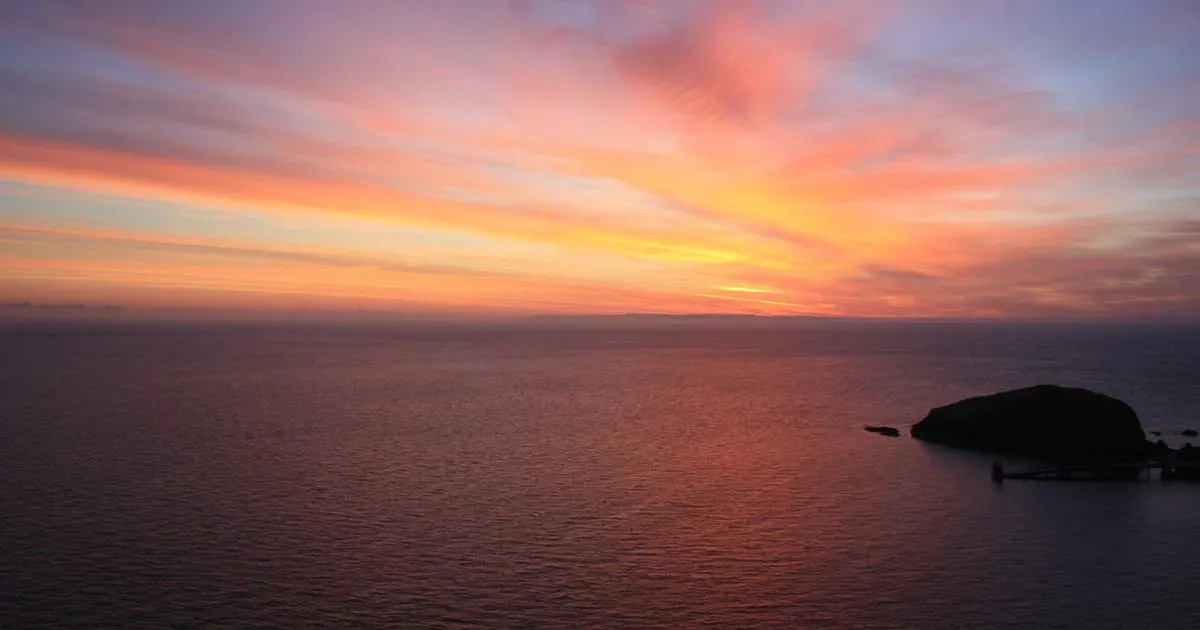
Evening and sunset beach lifestyle photography represents the most emotionally powerful category of beach lifestyle candle images. The combination of dramatic natural light — the oranges, pinks, and purples of a tropical sunset — with the warm glow of candlelight creates images of extraordinary beauty and emotional resonance. A candle on a beach table at sunset, with the sky blazing behind it and the first stars appearing overhead, communicates romance, celebration, and the magic of special moments. These images are ideal for marketing candles as gifts, for promoting limited-edition or holiday collections, and for creating social media content that generates high engagement and sharing. The technical challenge of sunset photography — balancing the bright sky with the darker foreground — requires careful exposure management, often involving graduated neutral density filters or HDR techniques to capture the full range of light in the scene.
A triptych of beach lifestyle images: morning (candle with coffee on beachfront balcony), afternoon (candle poolside with tropical drink), and evening (candle at sunset on beach table). This shows the full day of tropical candle living.
Dimensions: Each image 1080 x 1080px (Instagram carousel) | Combined 3240 x 1080px (panoramic) | Aspect Ratio 1:1 individual, 3:1 combined
12
Building a Tropical Candle Brand Visual Identity
Building a cohesive visual identity for a tropical candle brand through photography is a strategic endeavor that goes far beyond taking beautiful individual images. A strong visual identity is a system — a consistent set of visual rules, preferences, and standards that govern everything from color palette and lighting style to prop selection and compositional approach. When executed well, this system creates a body of work that is immediately recognizable, emotionally resonant, and commercially effective. When a customer encounters any image from your brand — whether on your website, on Amazon, on Instagram, or in a magazine advertisement — they should instantly know it is yours, without needing to see a logo or brand name.
The foundation of a tropical candle brand visual identity is the color palette. This palette should be defined by two to three primary colors and two to three accent colors that appear consistently across all brand photography. For a coconut palm tropical brand, this might mean a primary palette of sage green, sandy beige, and crisp white, with accent colors of coral and ocean blue. Every image produced for the brand should conform to this palette — backgrounds, props, styling elements, and even post-processing color grading should reinforce these colors. Over time, this consistent color language becomes a powerful brand asset, creating instant recognition and emotional association in the minds of customers.
Lighting consistency is equally important for brand identity. Decide whether your brand's photography is characterized by warm, golden-hour light; cool, clear morning light; soft, diffused overcast light; or dramatic, high-contrast light. Whatever you choose, this lighting signature should appear in every image you produce. This consistency creates a cohesive visual experience across all touchpoints and reinforces the emotional qualities your brand wants to communicate. A brand that uses warm, golden light communicates warmth, comfort, and nostalgia. A brand that uses cool, clear light communicates freshness, purity, and modern sophistication. A brand that uses soft, diffused light communicates gentleness, calmness, and luxury.
Prop and styling element consistency builds the visual vocabulary that customers learn to associate with your brand. If your brand consistently uses dried palm fans, natural linen textiles, and weathered wood surfaces, customers begin to recognize these elements as part of your brand identity. When they see these elements in a new image, they immediately know it is from your brand, even before reading any text. This visual shorthand is incredibly valuable in crowded marketplaces and social media feeds where attention is scarce and recognition speed matters. Develop a prop library — a curated collection of surfaces, textiles, botanical elements, and decorative objects that define your brand's aesthetic — and use it consistently across all photography.
Building this comprehensive visual identity system is where professional product photography services become invaluable. A professional photographer who understands your brand vision, your target market, and your aesthetic preferences can develop and execute a consistent visual strategy that would be extremely difficult to achieve through ad hoc, image-by-image photography. Professional product retouching ensures that every image meets your brand's quality standards, with consistent color, exposure, and finish across the entire image library. Professional background removal services ensure that product-focused images maintain the clean, polished presentation that builds customer trust and communicates quality. And professional photo editing services ensure that your images are optimized for every platform — from Amazon's technical requirements to Instagram's visual preferences to website loading speed requirements — while maintaining the visual consistency that defines your brand identity.
The investment in building a strong tropical candle brand visual identity pays dividends across every aspect of your business. Consistent, professional imagery increases conversion rates on e-commerce platforms, where customers rely entirely on images to make purchasing decisions. Consistent imagery builds brand recognition and loyalty, as customers develop emotional connections with your visual world. Consistent imagery simplifies marketing, as every new image you produce fits seamlessly into your existing content library and reinforces your brand message. And consistent imagery justifies premium pricing, as customers perceive brands with professional, cohesive visual identities as higher quality, more trustworthy, and worth paying more for. In the competitive tropical candle market, where dozens of brands are competing for the attention of paradise-seeking consumers, a strong visual identity built through consistent, professional photography is not a luxury — it is a necessity.
A brand mood board showing consistent tropical candle brand imagery across multiple touchpoints: website hero, Instagram grid, Amazon listing, and packaging. The images share a consistent color palette, lighting style, and prop selection, demonstrating the power of visual identity.
Dimensions: 1920 x 1080px (mood board) | Individual images at 1080 x 1080px | Aspect Ratio 16:9 for board, 1:1 for individual
Was this article helpful?
Pro Pixel Agency
Want this done for you? Try our image editing free.
Send a sample, get the finished result back, and only then decide. Clear prices, no commitment.