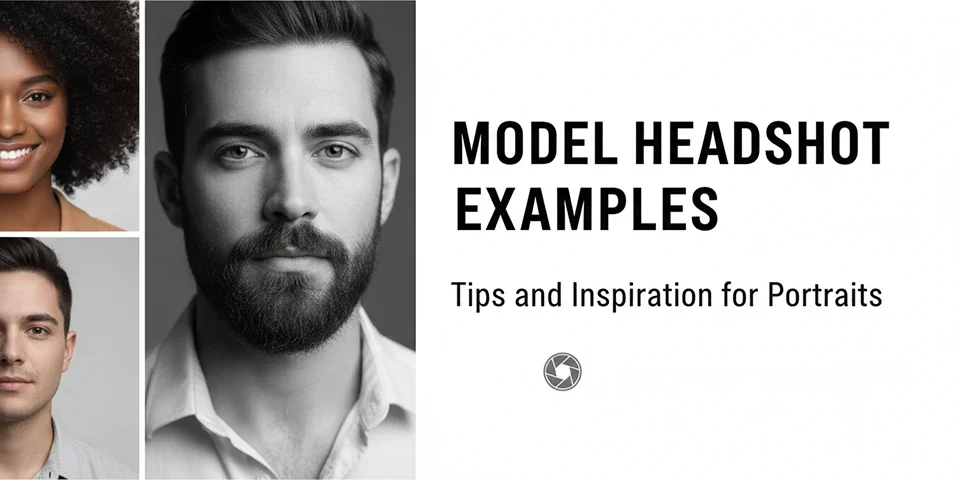
Learn everything you need to know about setting up a professional photography studio for model shoots including lighting equipment, background systems, camera gear, studio layout optimization, budgeting tips, and workflow essentials for stunning model photography results.
?? Lighting Setup
?? Background Systems
?? Camera Gear
?? Studio Layout
?? Quick Answer: Studio Setup for Model Photography
Setting up a studio for model photography requires five essential components: a suitable space with at least 20x25 feet, a seamless backdrop system with paper rolls or fabric backgrounds, professional lighting equipment including strobes or continuous lights with modifiers, camera gear with portrait-length lenses, and basic accessories like reflectors, diffusers, and posing tools. Start with a simple two-light setup with a key light and fill light, add a backdrop support system, and gradually expand your equipment as your studio business grows. The ideal studio space should have high ceilings of at least 10 feet, neutral wall colors, and access to natural light when needed, with proper ventilation and temperature control for model comfort during extended shoots.
?? Choosing the Right Space for Your Photography Studio
The foundation of any successful model photography studio begins with the physical space, and choosing the right location requires careful consideration of size, layout, accessibility, and environmental factors that directly affect the quality and efficiency of your photography work. The ideal studio space for model photography should have minimum dimensions of 20 feet by 25 feet to provide adequate working distance between the model and the background, enough room for lighting equipment placement, and comfortable space for the photographer to move around and compose shots. The ceiling height is equally important, with a minimum of 10 feet recommended to allow for overhead lighting setups, full-length portrait shots without perspective distortion, and the use of tall background stands and light modifiers. The studio floor should be smooth, level, and easy to clean, with concrete or sealed wood floors being preferred over carpeted surfaces that can trap dust and create cleaning challenges between shoots with different models and wardrobe changes.
The location accessibility considerations include ground floor access or freight elevator availability for transporting heavy equipment, backdrop paper rolls, and lighting gear, as well as convenient parking for models, clients, and assistants who need to bring wardrobe and personal items to shoots. The studio should have adequate electrical capacity to power multiple strobe lighting systems, computers, hair styling tools, and other equipment simultaneously without tripping breakers, with professional studios typically requiring dedicated 20-amp circuits for lighting equipment. The climate control system is essential for model comfort during shoots that can last several hours, with heating and air conditioning that can maintain a comfortable temperature regardless of outdoor conditions. The natural light availability through windows can be an asset but should be controllable with blackout curtains or shades that allow you to create complete darkness when needed for controlled artificial lighting setups. The studio location relative to your target market and client base also matters, with convenient access for models and clients being a significant factor in booking success for commercial studio operations.
?? Essential Lighting Equipment for Model Photography
Studio lighting is the most critical component of model photography equipment, and choosing the right lighting system requires understanding the differences between strobe lights and continuous lights, power requirements, light modifiers, and how different lighting setups affect the final image quality. The strobe lighting systems also known as flash units are the most common choice for professional model photography studios because they provide powerful, consistent light output with fast recycling times that allow for rapid shooting sequences during model shoots. The studio strobes are measured in watt-seconds which indicates the power output, with beginner studios typically starting with 300 to 600 watt-second units that provide sufficient power for portrait and full-body model photography. The professional studio strobes ranging from 800 to 1200 watt-seconds offer more power for larger spaces, higher flash sync speeds, and the ability to use larger light modifiers or shoot through diffusion panels. The continuous lighting systems using LED or fluorescent technology are increasingly popular for model photography because they provide what-you-see-is-what-you-get lighting that makes it easier to visualize the final result before pressing the shutter.
The light modifiers are essential for shaping and softening the light from studio strobes and continuous lights to create flattering portraits that enhance the model features and create the desired mood and atmosphere. The softboxes are the most versatile light modifiers for model photography, available in various sizes from small 24-inch boxes for beauty lighting to large 4-foot octagonal boxes for full-body portraits and group shots. The umbrella modifiers including shoot-through umbrellas and reflective umbrellas provide softer, more diffuse light than bare flash and are an affordable option for beginner studios. The beauty dish is a specialized modifier that creates a distinctive light quality with high contrast in the center falling off to softer edges, popular for beauty and fashion photography where dramatic lighting enhances facial features. The strip boxes are narrow rectangular softboxes that are ideal for rim lighting and edge lighting effects that separate the model from the background. The snoots, grids, and barn doors provide light control options for creating focused, directional light that highlights specific areas of the model or creates dramatic shadow effects.
?? Background Systems and Backdrop Options
The background system is a fundamental component of any model photography studio, providing the visual foundation for portraits and determining the overall aesthetic of the final images through color, texture, and lighting interaction. The seamless paper backdrop system is the most popular choice for professional model photography studios, consisting of large rolls of paper that are suspended from a crossbar and pulled down to create a clean, wrinkle-free surface that extends from the wall onto the floor to create the illusion of an infinite horizon. The seamless paper is available in a wide range of colors including white, gray, black, and various pastel and bold colors, with white being the most versatile option that can be lit to appear pure white, gray, or any shade depending on the lighting setup. The paper backdrop widths typically range from 53 inches for headshots to 107 inches for full-body and group portraits, with the wider rolls being essential for studio spaces that accommodate multiple models or full-body fashion shots. The paper backdrop support system consists of heavy-duty stands with a crossbar that can support the weight of multiple paper rolls, with motorized systems available for professional studios that frequently switch between background colors during shoots.
The fabric backdrop options provide alternatives to paper that offer different visual textures, durability, and creative possibilities for model photography. The muslin backgrounds are painted or dyed fabric backdrops that create artistic background effects with texture and color variation that add visual interest to portraits. The canvas backdrops offer a more durable option that can be cleaned and reused many times, with hand-painted options providing unique artistic backgrounds that differentiate your studio from competitors. The vinyl backdrop options are seamless and easy to clean, making them practical for studios that shoot frequently with wardrobe changes and product styling that may create mess. The collapsible backdrop systems using pop-up backgrounds are ideal for smaller studios or location shoots where portability is important, though they are typically smaller and may show creases in the final images. The chroma key green screen and blue screen backgrounds are essential for studios that offer composite photography services where the background is replaced digitally in post-processing. The investment in a versatile background system with multiple color and texture options allows your studio to offer diverse looks that attract a wider range of model photography clients.
?? Camera Equipment and Lens Selection for Studio Model Photography
The camera body and lens selection for studio model photography requires different considerations than other photography genres because studio conditions provide controlled lighting, ample time for composition, and the ability to use lower ISO settings and optimal aperture choices for maximum image quality. The camera body for studio work should have a full-frame sensor that provides the best image quality, dynamic range, and low-light performance, with popular options including the Canon EOS R5, Sony A7R V, Nikon Z8, and other full-frame mirrorless or DSLR cameras. The megapixel count matters for studio photography because clients often require high-resolution images for large-format printing and commercial use, with 24 to 45 megapixel sensors providing ample resolution for most professional applications. The tethering capability is an important feature for studio model photography, allowing the camera to connect directly to a computer so that images appear instantly on a large monitor for the photographer, model, and client to review during the shoot. The camera should have reliable autofocus performance with eye detection and face detection capabilities that make focusing on the model fast and accurate, though many studio photographers prefer manual focus when working with precise compositions and consistent model positioning.
The lens selection for studio model photography typically includes a range of focal lengths that cover different portrait perspectives and compositional needs. The 85mm to 135mm portrait lenses are considered the standard focal length range for headshots and beauty photography because they provide flattering perspective compression and pleasing background separation at wide apertures. The 70-200mm f2.8 zoom lens is a versatile studio workhorse that covers the ideal portrait focal range while offering the flexibility to adjust composition without moving the camera position. The 24-70mm f2.8 zoom lens is useful for full-body shots, environmental portraits, and situations where you need to capture wider angles in smaller studio spaces. The 50mm f1.4 or f1.8 lens provides a standard perspective that closely matches human vision and is useful for natural-looking portraits and lifestyle model photography. The macro lens is valuable for detail shots of jewelry, makeup, clothing textures, and accessories that are often part of model photography shoots for commercial clients. The prime lenses with wide apertures like f1.4 and f1.8 allow for creative shallow depth of field effects that separate the model from the background, though in studio work you will typically shoot at f5.6 to f11 for optimal sharpness and depth of field.
?? Studio Lighting Setup Configurations for Model Photography
The lighting configuration you choose for your studio model photography dramatically affects the mood, style, and quality of your portraits, with different lighting patterns creating distinct looks that flatter different facial features and body types. The Rembrandt lighting pattern is one of the most classic and flattering lighting setups for model photography, characterized by a small triangle of light on the shadow side of the face created by positioning the key light at a 45-degree angle above and to the side of the model. The loop lighting pattern creates a small shadow of the nose on the cheek that loops down and to the side, providing a natural and flattering look that works well for most face shapes and is often the default lighting pattern for beauty and fashion photography. The butterfly lighting pattern also known as paramount lighting positions the key light directly above and in front of the model, creating a butterfly-shaped shadow under the nose, which is particularly flattering for models with strong cheekbones and is popular in fashion and glamour photography. The split lighting pattern divides the face into equal light and shadow halves by positioning the key light at a 90-degree angle to the model, creating dramatic and edgy portraits that emphasize texture and shape.
The three-point lighting setup is the fundamental studio lighting configuration that consists of a key light as the main light source, a fill light to control shadow density, and a rim or hair light to separate the model from the background. The key light is positioned based on the desired lighting pattern and typically uses the largest softbox or modifier to create the main illumination on the model face and body. The fill light is positioned opposite the key light at a lower power setting to fill in the shadows created by the key light, with the ratio between key and fill determining the contrast level of the final image. The rim light is positioned behind and to the side of the model to create a highlight along the edge of the face and body that separates the model from the background and adds depth to the image. The background lights are additional lights aimed at the backdrop to control background brightness and color, allowing the studio photographer to create pure white backgrounds, colored backgrounds, or dramatic vignette effects. The advanced lighting setups including four-light and five-light configurations add additional rim lights, hair lights, and background lights for more complex and refined lighting control in professional model photography.
?? Studio Layout Optimization for Efficient Workflow
The layout of your photography studio directly affects workflow efficiency, model comfort, and the quality of your photography results, with thoughtful space planning allowing you to maximize the use of your available square footage while maintaining professional organization. The shooting area should be the largest zone in the studio, with enough space for the model to stand or sit comfortably, the background system to extend fully, and the photographer to move freely while composing different shots. The lighting equipment placement zone should provide clear access to light stands and modifiers without creating tripping hazards or blocking movement paths, with designated positions for each light that can be marked on the floor for repeatable setups. The camera position should have clear sight lines to the model with no obstructions, and the area should accommodate a sturdy tripod or the photographer comfortable stance for handheld shooting. The tethering station with computer monitor should be positioned so that the photographer can easily see the screen from the shooting position and the model can view images between takes for collaboration and feedback.
The dressing and makeup area is an essential zone in any model photography studio, providing a private space where models can change wardrobe, do hair and makeup touch-ups, and prepare for their shoots. The dressing area should include a full-length mirror, adequate lighting for makeup application, a chair or vanity table, and clothing racks for organizing wardrobe options during shoots. The equipment storage zone keeps lighting gear, backdrops, stands, and accessories organized and accessible when needed while keeping them out of the way during shoots. The client and model waiting area provides comfortable seating, refreshments, and a space for clients to review proofs and discuss the shoot direction. The post-processing area with computer workstation allows for immediate image review, basic editing, and client presentation during and immediately after shoots. The thoughtful studio layout that separates these functional zones while maintaining efficient workflow between them creates a professional environment that impresses clients and models while supporting efficient, high-quality photography work.
?? Essential Studio Accessories and Support Equipment
Beyond the major equipment categories of lighting, backgrounds, and cameras, a well-equipped model photography studio requires numerous accessories and support items that contribute to smooth shoot operations, creative flexibility, and professional results. The light stands are the foundation of any lighting setup and should be heavy-duty models with air-cushioned risers that prevent sudden collapse and protect your expensive lighting equipment from accidental damage. The C-stands with grip arms and knuckles provide the most versatile support for positioning lights, reflectors, and accessories in precise locations that standard light stands cannot reach. The sandbags and counterweights are essential safety equipment that prevent light stands and background supports from tipping over during shoots, protecting models and equipment from injury and damage. The reflectors and diffusers in various sizes and colors including white, silver, gold, and translucent provide light control options that can supplement or replace artificial lighting for specific effects. The wireless trigger system for studio strobes allows the photographer to fire lights from the camera position without cable connections, with radio trigger systems being more reliable than optical slave systems in professional studio environments.
The posing stools, boxes, and props provide the model with support and variety during shoots, allowing for different poses and compositions that would not be possible with the model standing alone throughout the session. The posing stool or apple box allows the model to sit, lean, or change elevation for different compositional perspectives, creating variety in the shot sequence. The fan or wind machine creates movement in hair and clothing that adds dynamic energy to fashion portraits and commercial images. The heating system for the studio ensures model comfort when shooting in lighter wardrobe, with space heaters being a practical addition for studios in cooler climates. The music system with speakers creates a comfortable atmosphere during shoots and helps models relax and perform naturally in front of the camera. The cleaning supplies including lint rollers, fabric steamers, and surface cleaners keep the studio environment professional and ready for each new shoot. The investment in quality accessories and support equipment significantly enhances the studio functionality and the experience of everyone involved in the photo shoot.
?? Budget Planning for Your Model Photography Studio
Planning the budget for your model photography studio requires careful consideration of initial equipment investment, ongoing operational costs, and the balance between quality and affordability that allows you to start shooting professionally without excessive financial risk. The entry-level studio budget for a basic model photography setup can range from two thousand to five thousand dollars and includes essential equipment that allows you to start shooting professional-quality portraits immediately. The starter lighting package should include two strobe units with stands and softboxes, a wireless trigger system, and basic reflectors, with brands like Godox, Flashpoint, and Neewer offering affordable options that provide professional results at entry-level prices. The background system with a support stand, crossbar, and several rolls of seamless paper in popular colors represents a modest investment that provides professional-looking backgrounds for a wide range of portrait styles. The basic camera equipment assuming you already have a suitable camera body can be supplemented with an affordable 85mm f1.8 lens that provides excellent portrait quality without the premium price of professional f1.4 lenses.
The mid-range studio budget from five thousand to fifteen thousand dollars allows for significant upgrades in equipment quality, quantity, and capability that expand your creative options and studio capacity. The mid-range lighting investment includes additional strobes for complex multi-light setups, larger and more specialized modifiers like octagonal softboxes and beauty dishes, and dedicated background lighting systems. The professional-grade background system with motorized rollers and multiple paper widths streamlines the shooting workflow and impresses clients with professional studio infrastructure. The high-end studio investment exceeding fifteen thousand dollars provides top-tier equipment from brands like Profoto, Broncolor, and Elinchrom that offer the best light quality, fastest recycling times, and most durable construction for demanding professional use. The ongoing operational costs including studio rent, utilities, insurance, equipment maintenance, backdrop paper replacement, and marketing expenses must be factored into the business budget to ensure sustainable studio operations. The smart budget planning approach prioritizes spending on lighting quality first, followed by lenses and camera bodies, with background systems and accessories being areas where more affordable options can still produce professional results.
?? Hair and Makeup Considerations for Studio Model Photography
Hair and makeup are integral components of successful model photography that significantly affect the final image quality, and preparing your studio to support professional hair and makeup services enhances your ability to produce polished, editorial-quality portraits. The studio makeup area should have bright, color-accurate lighting that mimics the color temperature of your studio strobes, allowing makeup artists to apply makeup that will look natural under the studio lighting conditions. The makeup station with a well-lit mirror, comfortable chair, and ample surface space for makeup products and tools allows makeup artists to work efficiently and effectively before and during shoots. The studio should maintain a basic makeup kit for touch-ups during shoots including powder for shine control, lip products for color refreshing, and blotting papers for oil control under hot studio lights. The hair styling area with multiple electrical outlets for hair tools, a blow dryer, curling irons, and flat irons ensures that models hair can be styled and maintained throughout the shoot session. The hair products including hair spray, texturizing spray, leave-in conditioner, and styling products appropriate for different hair types should be available for touch-ups between shots.
The collaboration between photographer and makeup artist is essential for achieving the desired look in studio model photography, with pre-production communication about the shoot concept, color palette, and makeup style ensuring that everyone works toward the same creative vision. The makeup for studio photography should be applied slightly heavier than everyday makeup because studio lighting can wash out lighter application, though the makeup should still look natural and appropriate for the shoot concept. The high-definition photography with high-resolution cameras and large displays requires flawless makeup application because every detail is visible in the final images, with proper blending and texture management being essential for professional results. The skin preparation before makeup application including cleansing, moisturizing, and priming creates a smooth canvas that helps makeup last longer and look better under studio lights. The waterproof and long-wear makeup products are recommended for studio shoots where models may be under hot lights for extended periods, ensuring that makeup stays fresh throughout the session without requiring constant touch-ups.
?? Wardrobe and Styling Preparation for Studio Shoots
Wardrobe planning and styling preparation are crucial elements of successful studio model photography that contribute to the overall aesthetic and effectiveness of the final images, requiring careful coordination between photographer, stylist, model, and client. The wardrobe selection should be planned in advance based on the shoot concept, target audience, and desired mood, with multiple outfit options providing variety and flexibility during the shoot. The clothing should be pressed and prepared before the shoot using a steamer or iron to remove wrinkles that would be distracting in the final images and difficult to remove in post-processing. The wardrobe styling should consider how different colors, textures, and silhouettes photograph under studio lighting, with solid colors and interesting textures typically photographing better than busy patterns that can create moire effects in digital images. The neutral colors including black, white, gray, navy, and earth tones provide versatile options that work well with different background colors and lighting setups, while bold colors can be used strategically for specific creative effects or brand requirements. The accessories including jewelry, belts, scarves, hats, and shoes complete the wardrobe looks and add visual interest to portraits, though accessories should complement rather than distract from the model and the overall composition.
The wardrobe fitting and preparation session before the main shoot allows time to ensure that all clothing items fit the model properly and look appropriate for the shoot concept, avoiding wardrobe issues that could delay or disrupt the shoot. The multiple outfit changes during the shoot provide variety in the final image selection and allow the model to showcase different looks that appeal to different client needs or personal preferences. The wardrobe styling for commercial model photography should align with the brand identity and target market of the client, with clothing choices that reflect the brand aesthetic and appeal to the intended audience. The sustainable and ethical fashion considerations are increasingly important in model photography, with clients and models preferring clothing from brands that align with their values regarding labor practices and environmental impact. The organization of wardrobe items on labeled racks organized by outfit number and shot sequence streamlines the wardrobe change process during shoots and minimizes downtime between outfit changes.
?? Working with Models in the Studio Environment
The interaction between photographer and model in the studio environment significantly affects the quality of the final images, with effective communication, direction, and rapport building being essential skills that every studio photographer must develop. The pre-shoot consultation with the model discussing the shoot concept, desired looks, and expectations helps establish clear communication and ensures that both photographer and model are working toward the same creative goals. The model direction during the shoot should be clear, specific, and positive, with photographers using descriptive language that helps the model understand the desired expression, pose, and energy level for each shot. The posing guidance should include specific instructions about hand placement, head position, weight distribution, and facial expression that help the model create flattering poses that work well with the lighting setup and composition. The positive reinforcement and encouragement throughout the shoot helps the model feel confident and comfortable, resulting in more natural and authentic expressions in the final images. The breaks during longer shoots allow the model to rest, hydrate, and review images, maintaining energy and enthusiasm throughout the session.
The professional boundaries and respectful behavior in the studio are essential for creating a safe and comfortable environment where models can perform their best work. The clear communication about the shoot requirements including wardrobe expectations, posing requirements, and image usage rights should be established before the shoot begins, with written agreements that protect both photographer and model. The model comfort considerations including appropriate temperature control, hydration, snacks, and bathroom access ensure that the model can focus on performance rather than discomfort during the shoot. The portfolio building collaboration between newer photographers and models who are building their portfolios can be mutually beneficial, with trade-for-print arrangements providing images for both portfolios while building experience and professional relationships. The model release forms are essential legal documents that grant permission to use the model images for specified purposes, with standard model release forms covering commercial use, portfolio use, and social media sharing. The professional and respectful treatment of models leads to positive word-of-mouth referrals and repeat bookings that build your studio reputation and client base over time.
?? Marketing Your Model Photography Studio
Marketing your model photography studio effectively is essential for attracting clients, building your brand reputation, and growing your photography business in a competitive market where visibility and perceived professionalism directly affect booking rates. The professional website showcasing your studio portfolio, equipment, and services is the foundation of your marketing presence, with high-quality images that demonstrate your studio capabilities and the quality of work clients can expect. The social media presence on platforms including Instagram, Pinterest, and TikTok provides ongoing visibility for your studio work, with regular posting of behind-the-scenes content, finished portraits, and studio setup shots that engage potential clients and demonstrate your expertise. The Instagram portfolio should be curated to show your best studio work with consistent editing style and visual branding that makes your feed instantly recognizable. The before and after posts showing the studio transformation from empty space to finished setup demonstrate the value of professional studio photography and help potential clients understand what goes into creating professional portraits.
The networking with local models, makeup artists, stylists, and other photographers creates referral relationships that bring consistent work to your studio. The collaboration with modeling agencies and casting directors positions your studio as a professional resource for model portfolio development and commercial casting needs. The special promotions including model portfolio days, studio lighting workshops, and themed photo events attract new clients and generate buzz around your studio in the local creative community. The online booking system and clear pricing structure makes it easy for potential clients to understand your services and book studio time, reducing friction in the client acquisition process. The client review management and testimonial collection builds social proof that convinces potential clients to choose your studio over competitors. The email marketing to past clients and interested prospects keeps your studio top-of-mind for future photography needs and encourages repeat bookings. The consistent marketing effort across multiple channels builds studio visibility and reputation over time, creating a steady flow of clients that keeps your studio busy and profitable.
?? Studio Safety and Insurance Considerations
Studio safety and proper insurance coverage are often overlooked aspects of setting up a model photography studio, but they are essential for protecting yourself, your models, your equipment, and your business from accidents, liability claims, and financial losses. The electrical safety in the studio is paramount because lighting equipment draws significant power and creates potential hazards if not properly managed. The use of surge protectors, proper power distribution, and regular inspection of electrical cables and connections prevents electrical fires and equipment damage. The cable management systems that route power and sync cables safely across the studio floor prevent tripping hazards that could injure models, clients, or staff and damage expensive equipment. The light stand safety including proper weight rating for each stand, use of sandbags for stability, and secure connection of all light modifiers prevents accidents where lighting equipment could fall and cause injury or damage. The fire safety equipment including fire extinguishers rated for electrical fires should be readily accessible in the studio, and all team members should know their locations and proper use.
The liability insurance is essential for professional studio photographers who host models, clients, and other visitors in their studio space, protecting against claims of injury or property damage that could otherwise be financially devastating. The equipment insurance covers your valuable photography gear against theft, damage, and loss, which is particularly important for studio equipment that may be expensive to replace. The professional indemnity insurance protects against claims related to your professional services including copyright disputes, breach of contract, or image usage disagreements. The studio lease insurance requirements should be reviewed carefully before signing a lease agreement, as many commercial landlords require tenants to carry specific types and amounts of insurance coverage. The model release forms and usage agreements are legal documents that protect your rights to use the images you create while clearly establishing the terms of the photographer-model relationship. The consultation with an insurance professional who understands photography business needs helps ensure that you have appropriate coverage for your specific studio operation and risk profile.
?? Post-Production Workflow for Studio Model Photography
The post-production workflow for studio model photography begins during the shoot with tethered capture and image review, continuing through file organization, selection, editing, and delivery to ensure that clients receive polished, professional images that meet or exceed their expectations. The tethered capture workflow using software like Capture One Pro or Adobe Lightroom allows images to appear on a computer monitor seconds after capture, enabling immediate review and adjustment of lighting, composition, and model expression during the shoot. The image culling process selects the best images from each setup based on technical quality, model expression, composition, and client requirements, with most professional shoots producing a selection of approximately ten to twenty percent of the total captures. The file organization system with consistent naming conventions, folder structures, and metadata tagging ensures that images can be easily found and retrieved months or years after the shoot. The backup strategy using multiple redundant storage systems including local drives, cloud storage, and archival media protects against data loss that could be catastrophic for client work. The color management workflow including calibrated monitors, color profiles, and consistent editing settings ensures that images look the same across different devices and in print as they do during editing.
The image editing workflow for studio portraits typically includes RAW file processing with exposure adjustment, color correction, and white balance refinement before any creative editing begins. The skin retouching techniques including frequency separation, healing brush work, and dodging and burning create smooth, natural-looking skin that maintains texture while minimizing blemishes and uneven tone. The body shaping adjustments using Liquify filter and transform tools should be applied subtly to maintain natural proportions while making flattering adjustments that the model and client will appreciate. The background cleanup and adjustment ensures that the studio background appears clean, even, and free of distractions that would detract from the model as the main subject. The final image sharpening optimized for the intended output medium whether web display, print, or social media ensures that images look crisp and professional. The delivery process including image export at appropriate resolutions, file format selection, and client proofing gallery setup completes the post-production workflow and delivers the final product to the client in a professional manner.
?? Expanding Your Studio Services and Revenue Streams
Once your model photography studio is established, expanding your services and developing additional revenue streams can increase studio profitability, attract a broader client base, and provide more consistent income throughout the year. The studio rental services allowing other photographers to book your space for their shoots generates income from your studio investment during times when you are not personally shooting. The photography workshops and teaching classes that share your studio expertise with aspiring photographers create additional revenue while positioning you as an authority in your market. The headshot photography services for corporate clients, actors, and professionals provide a consistent revenue stream that is less dependent on fashion and model photography trends. The product photography services for local businesses and e-commerce brands utilize your studio equipment and space for a different type of commercial work that can fill scheduling gaps between model shoots. The event photography including birthday parties, engagements, and small events can be hosted in your studio space, providing additional booking opportunities.
The print sales and wall art products including framed prints, canvas wraps, and albums provide high-margin revenue from images you have already created during model shoots. The digital product sales including presets, actions, and educational resources leverage your editing expertise for passive income that continues generating revenue without direct time investment. The affiliate marketing for photography equipment through your website and social media channels generates commission income from products you use and recommend in your studio. The subscription-based services including monthly portrait packages or membership programs provide predictable recurring revenue that stabilizes your business finances. The collaboration with local businesses including fashion retailers, beauty salons, and wedding vendors creates referral partnerships that bring new clients to your studio. The diversification of studio services not only increases revenue but also provides more opportunities for creative expression and professional growth as you expand into different photography genres and business models.
?? Sustainable Practices for Your Photography Studio
Implementing sustainable practices in your model photography studio reduces environmental impact, appeals to environmentally conscious clients, and often reduces operating costs through energy efficiency and waste reduction. The energy-efficient lighting using LED continuous lights or efficient strobe systems reduces electricity consumption and heat generation in the studio, lowering utility bills and improving comfort for models during shoots. The digital workflow replacement of printed documents, proofs, and contracts with digital alternatives reduces paper waste and streamlines studio operations. The reusable backdrop materials including fabric backgrounds that can be cleaned and reused hundreds of times reduce the waste generated by disposable paper backdrops. The recycling and waste management systems for materials that cannot be eliminated ensure that studio operations minimize their environmental footprint. The sustainable prop and wardrobe sourcing including thrifted items, rental services, and collaborations with sustainable fashion brands align your studio with environmental values that many modern clients prioritize.
The eco-friendly cleaning products for studio surfaces, equipment, and fabric backdrops reduce chemical exposure for models and staff while protecting the environment. The responsible equipment lifecycle management including purchasing durable equipment that lasts longer, repairing rather than replacing when possible, and properly recycling equipment at end of life reduces the environmental impact of your studio technology. The carbon offset programs that compensate for the environmental impact of studio operations including energy use, travel, and shipping can be offered as an optional add-on for clients who want to minimize the carbon footprint of their photography projects. The communication of your sustainable practices in marketing materials and client communications appeals to environmentally conscious clients and differentiates your studio in the market. The continuous improvement of sustainability practices through regular assessment and adoption of new eco-friendly technologies and methods demonstrates your studio commitment to environmental responsibility and positions your business for a future where sustainability is increasingly important to consumers.
?? Lighting Modifiers and Their Effects on Model Portraits
Understanding how different lighting modifiers affect the quality, direction, and mood of light on model portraits is essential for achieving professional results and developing your signature lighting style in the studio. The octagonal softbox also known as an octabox produces a distinctive circular catchlight in the model eyes and provides soft, wrapping light that is particularly flattering for beauty and fashion portraits. The larger octaboxes of 4 to 5 feet create extremely soft light that wraps around the model features and minimizes harsh shadows, making them ideal for full-body fashion shots and group portraits. The rectangular softboxes produce a more rectangular catchlight and provide directed soft light that can be precisely positioned for specific lighting effects, with strip boxes being particularly effective for rim lighting and edge definition. The beauty dish creates a distinctive light quality with a bright center that falls off to softer edges, producing the characteristic beauty lighting look that emphasizes skin texture while maintaining a glamorous quality. The beauty dish is typically positioned close to the model and slightly above eye level to create the dramatic lighting that is synonymous with fashion editorial and beauty photography.
The umbrella modifiers including shoot-through and reflective umbrellas provide the most affordable way to create soft, diffused light in the studio, though they offer less directional control than softboxes. The shoot-through umbrella positioned between the light and the model creates soft, ethereal light that is ideal for dreamy portraits with gentle shadow transitions. The reflective umbrella bounces light into the umbrella surface and back toward the model, creating slightly more directional light with a different quality than shoot-through umbrellas. The parabolic umbrella also known as a para umbrella creates distinctive light with high contrast and defined shadow edges that is prized in fashion photography for its dramatic quality. The softbox grid attachments control light spill and create more directional light from softboxes, allowing you to light specific areas of the model while keeping light off the background. The gel holders that attach to studio lights allow you to add color gels that create colored lighting effects on the model or background, expanding your creative options for fashion and editorial shoots. The investment in a variety of modifiers gives you the creative flexibility to create different looks for different clients and shoot concepts.
?? Color Temperature and White Balance in Studio Photography
Managing color temperature and white balance in studio model photography is critical for producing accurate, consistent skin tones and avoiding color casts that can ruin otherwise excellent portraits. The studio strobes typically produce light at a color temperature of approximately 5500 to 6000 Kelvin which matches daylight, allowing you to mix strobe lighting with natural window light without color mismatch issues. The continuous LED lights vary significantly in color temperature and color rendering quality, with professional studio LEDs offering adjustable color temperature from warm tungsten to cool daylight and high CRI ratings of 95 or above that ensure accurate color reproduction. The mixed lighting situations where strobes, continuous lights, and natural light are used together require careful white balance management to ensure consistent color across all light sources. The use of a color checker or gray card in the first shot of each lighting setup provides a reference for accurate white balance adjustment during post-processing.
The custom white balance setting on your camera using a gray card target ensures accurate color capture at the time of shooting, reducing the need for color correction in post-processing and speeding up your workflow. The color temperature gels placed over studio lights allow you to match different light sources or create creative color effects by changing the color temperature of individual lights. The warming gels with orange or amber colors can be used on rim lights to create separation between the model and a cool-toned background. The cooling gels with blue colors create dramatic, moody effects that are popular in fashion editorial photography. The post-processing white balance adjustment in RAW conversion software provides flexibility to fine-tune color temperature after the shoot, but starting with accurate white balance in-camera saves time and produces better results. The monitor calibration using a hardware calibration device ensures that the colors you see during editing are accurate and will appear correctly in the final images whether viewed on screens or in print.
?? Studio Sound and Atmosphere Management
The atmosphere and sound environment in your model photography studio significantly affects the model comfort, shoot energy, and overall quality of the photographs, with thoughtful atmosphere management creating the conditions for natural, expressive model performance. The music played during studio shoots helps set the mood and energy level, with different music genres suiting different shoot concepts and model preferences. The upbeat music for fashion and commercial shoots creates energy and movement that translates into more dynamic model expressions and poses. The calm, ambient music for beauty and portrait shoots creates a relaxed atmosphere that helps models feel comfortable and confident, resulting in more natural and authentic expressions. The studio sound system should be of sufficient quality to fill the studio space without distortion, with volume levels that allow clear communication between photographer and model without shouting. The wireless speaker systems that can be controlled from the shooting position allow the photographer to adjust music or change tracks without leaving the camera position.
The noise isolation and sound treatment in the studio improves the shooting experience by reducing external noise distractions and improving the acoustic environment for clear communication. The soundproofing materials including acoustic panels, heavy curtains, and door seals reduce sound transmission between the studio and neighboring spaces, which is particularly important for studios in shared commercial buildings. The studio flooring materials that reduce footstep noise and equipment movement sounds contribute to a more professional shooting environment. The ventilation and air circulation systems should operate quietly enough that they do not interfere with communication or appear as background noise in video content recorded in the studio. The comfortable temperature and humidity levels maintained by appropriate HVAC systems ensure that models remain comfortable throughout shoots, with the ability to adjust temperature quickly between shoots with different wardrobe requirements. The positive studio atmosphere created through thoughtful attention to sound, temperature, and comfort contributes to better model performance and higher-quality results in every studio session.
?? Building Your Studio Portfolio and Reputation
Building a strong studio portfolio and professional reputation takes consistent effort over time and requires strategic planning about the type of work you want to attract and the market position you want to establish. The initial portfolio development should focus on creating a cohesive body of work that demonstrates your best studio photography across different styles including beauty, fashion, commercial, and portrait photography. The trade shoots with models who are also building their portfolios provide opportunities to create professional images at minimal cost while building relationships in the modeling community. The themed photo shoots organized around specific concepts or styles create portfolio content that showcases your creative vision and technical capabilities. The behind-the-scenes content showing your studio setup, lighting diagrams, and shooting process adds depth to your portfolio and demonstrates your professionalism to potential clients. The portfolio should be curated to include only your strongest images that represent the quality and style of work you want to attract, with regular updates as your skills and equipment improve.
The professional reputation building through consistent quality, reliable service, and professional behavior creates the word-of-mouth referrals that are the most valuable marketing asset for any studio photographer. The client experience from initial inquiry through image delivery should be professional, responsive, and pleasant at every touchpoint, creating positive impressions that lead to repeat business and referrals. The online presence including your website, social media profiles, and business listings should present consistent branding and professional information that makes it easy for potential clients to find, evaluate, and contact your studio. The published work in local magazines, online publications, and industry blogs provides credibility and exposure that attracts higher-quality clients. The photography competition entries and industry awards recognition adds prestige to your studio brand and provides marketing content that differentiates you from competitors. The professional associations membership including organizations like Professional Photographers of America provides networking opportunities, educational resources, and credibility that supports your studio reputation. The consistent investment in building your portfolio and reputation creates compounding benefits that make your studio increasingly successful over time.
?? Advanced Studio Techniques for Professional Results
Advanced studio techniques separate professional model photographers from beginners and allow you to create images that stand out in a competitive market, with techniques that leverage your equipment capabilities and creative vision for exceptional results. The high-speed sync technique allows you to use strobe lighting at shutter speeds faster than the standard flash sync speed, enabling the use of wide apertures in bright studio conditions for shallow depth of field effects. The high-speed sync is particularly useful for creating portraits with blurred backgrounds in the studio where ambient light levels require faster shutter speeds for proper exposure. The multiple exposure technique in the studio combines multiple flash pops on a single frame to create composite images where the model appears in multiple positions within the same photograph. The light painting technique uses a handheld light source moved during a long exposure to paint light onto specific areas of the model or background, creating unique lighting effects that cannot be achieved with static light positions.
The chiaroscuro lighting technique inspired by classical painting creates dramatic portraits with strong contrast between light and shadow that emphasize the model three-dimensional form and create moody, artistic images. The clamshell lighting setup using two equal-sized softboxes positioned symmetrically at 45-degree angles creates extremely soft, even lighting that is flattering for beauty photography and minimizes skin texture and imperfections. The Rembrandt lighting with careful placement of a single key light creates the distinctive triangle of light on the shadow side of the face that adds depth and drama to portraits. The rim lighting technique using lights positioned behind the model creates edge highlights that separate the model from the background and create a halo effect that adds dimension and visual interest. The practical light sources including lamps, string lights, and neon signs incorporated into the studio setup create unique lighting effects and add visual interest to model portraits. The continuous learning and experimentation with advanced techniques keeps your work fresh and your skills growing throughout your studio career.
?? Frequently Asked Questions
?? What is the minimum space needed for a model photography studio?
A minimum space of 20 feet by 25 feet with 10-foot ceilings is recommended for a basic model photography studio that can accommodate full-body portraits, lighting equipment, and comfortable working space for the photographer and model. Smaller spaces can work for headshot-only studios with appropriate equipment choices.
?? What is the best lighting setup for model photography?
A three-point lighting setup with a key light, fill light, and rim or hair light provides the most versatile foundation for model photography. Start with two studio strobes with softboxes and add additional lights as your budget and experience grow.
?? How much does it cost to set up a model photography studio?
An entry-level studio setup can cost between two thousand and five thousand dollars for basic equipment. A mid-range professional studio typically costs between five thousand and fifteen thousand dollars, while high-end studios with top-tier equipment can exceed fifteen thousand dollars.
?? What lens is best for studio model photography?
An 85mm f1.8 or 85mm f1.4 lens is considered the standard portrait lens for studio model photography, providing flattering perspective compression and excellent image quality. A 70-200mm f2.8 zoom lens offers versatile focal length options for different portrait compositions.
?? Do I need natural light in my studio?
Natural light is optional for studio photography, as professional studio strobes and continuous lights provide complete control over lighting. However, windows with controllable shades provide flexibility for natural light portraits when desired.
?? What background should I start with for model photography?
Start with white and gray seamless paper backgrounds, as these versatile options can be lit to appear in various shades from pure white to dark gray. Add black and colored backgrounds as your studio expands.
?? How do I find models for my studio photography?
Connect with local modeling agencies, use online platforms like Model Mayhem and Instagram, attend networking events, and offer portfolio-building trade shoots for aspiring models who need professional images for their portfolios.
?? Do I need insurance for my photography studio?
Yes, liability insurance is strongly recommended to protect against injury claims, and equipment insurance protects your valuable gear. Many commercial leases require tenants to carry specific insurance coverage.
?? What is tethered capture in studio photography?
Tethered capture connects your camera directly to a computer so images appear on a large monitor seconds after capture, allowing immediate review of lighting, composition, and model expression during the shoot.
?? How do I price my studio photography services?
Research local market rates, calculate your costs including studio overhead, equipment depreciation, and time, and set prices that reflect your experience level and the quality of your work. Consider offering package options at different price points.
?? 2025 Photography Studio Guides | How to Set Up a Studio for Model Photography – Complete Guide | All Rights Reserved
Was this article helpful?
Pro Pixel Agency
Want this done for you? Try our image editing free.
Send a sample, get the finished result back, and only then decide. Clear prices, no commitment.