
Explore the full spectrum of photography genres — from portrait and landscape to astrophotography and beyond — with essential techniques, gear, and tips for each specialty
📷 Genres
🎬 Types
⚙️ Techniques
📝 Guide
📝 Complete Reference
💬 Quick Overview: Photography is an incredibly diverse medium with dozens of distinct genres, each requiring specific techniques, equipment, and creative vision. This comprehensive guide covers every major photography type, from the most popular commercial genres to niche specialties. Whether you are exploring which photography path to pursue or looking to expand your skills into new areas, this complete list provides the knowledge and inspiration you need.
💪 Introduction: The World of Photography
Photography has evolved dramatically since its invention in the early 19th century. What began as a complex chemical process requiring hours of exposure has become an instantly accessible medium available to anyone with a smartphone. Despite this democratization, the fundamental categories of photography have expanded into dozens of distinct genres, each with its own technical requirements, artistic conventions, and career paths.
Understanding the different types of photography helps you identify which genres align with your interests, skills, and goals. Many photographers specialize in one or two areas, while others build versatile portfolios across multiple genres. Some photography types are highly commercial and offer reliable income opportunities, while others are pursued purely for artistic expression. Many photographers start in one genre and expand into related areas as their skills develop.
This complete guide covers over twenty major photography types, organized by category. For each genre, we explore the essential techniques, recommended equipment, creative considerations, and tips for getting started. Whether you are a complete beginner or an experienced photographer looking to explore new territory, this reference will help you navigate the rich and diverse world of photography.
A dynamic collage showcasing icons representing different photography genres arranged in a circular or grid layout. The collage includes: a portrait icon (silhouette with camera), a landscape icon (mountains and sun), a wildlife icon (elephant silhouette), a macro icon (butterfly with magnifying circle), an astro icon (stars and telescope), an underwater icon (fish and bubbles), a street icon (city buildings), a wedding icon (rings and bouquet), a food icon (plate and fork), an architectural icon (building columns), a fashion icon (mannequin), a sports icon (running figure), a documentary icon (notebook), an aerial icon (drone silhouette), and a product icon (box with spotlight). The caption reads: "Photography encompasses dozens of distinct genres, each offering unique creative challenges and rewards."
🧍 Portrait Photography
Portrait photography is one of the oldest and most popular photography genres, focused on capturing the personality, mood, and essence of individuals or groups. Great portrait photography goes beyond simply recording someone’s appearance — it reveals character, emotion, and connection between subject and viewer.
Sub-genres and Specializations: Portrait photography includes several distinct specializations. Environmental portraits capture subjects in their work or living environments, providing context about their lives and professions. Headshots are tightly cropped portraits focused on the face, commonly used for professional profiles, acting portfolios, and corporate websites. Editorial portraits are created for magazines and publications, often with a conceptual or storytelling approach. Glamour and beauty portraits emphasize aesthetic perfection through careful lighting, makeup, and styling. Lifestyle portraits capture subjects in natural, candid situations that feel authentic rather than posed. Fine art portraits prioritize artistic expression over commercial considerations. Family and children portraiture requires patience and the ability to work with subjects who may not follow directions.
Essential Techniques: Lighting is the most critical technical element in portrait photography. Natural light portraits use window light, open shade, or golden hour sunlight for soft, flattering illumination. Studio portraits use artificial lighting setups including key lights, fill lights, hair lights, and background lights to create controlled, repeatable results. The three-point lighting setup is the foundation of studio portrait lighting. Posing is equally important — understanding how to position the body, hands, and face to create flattering compositions requires practice and knowledge of anatomy. Directing subjects who are not professional models requires clear communication, positive reinforcement, and the ability to create a relaxed atmosphere.
Recommended Equipment: A full-frame or APS-C camera with a portrait-length lens is ideal. The classic portrait focal length is 85mm to 135mm on full-frame, which provides flattering perspective compression and allows comfortable working distance. Popular portrait lenses include the 85mm f/1.4, 105mm f/1.4, and 70-200mm f/2.8 zooms. Fast apertures (f/1.4 to f/2.8) allow for background separation and work in lower light. For studio work, external flashes or strobes with modifiers like softboxes, umbrellas, and reflectors are essential.
A three-image panel showing different portrait styles. The left image is a natural light environmental portrait of a baker in their kitchen, wearing flour-dusted apron with natural window light illuminating the scene. The center image is a classic studio headshot with three-point lighting, clean background, and professional appearance. The right image is an editorial fashion portrait with dramatic lighting, bold colors, and artistic composition. Below each image, a small text label indicates the portrait type: "Environmental Portrait," "Professional Headshot," "Editorial Fashion." The caption reads: "Portrait photography ranges from simple headshots to complex environmental and conceptual portraits. Master lighting and connection with your subject above all else."
🏞️ Landscape Photography
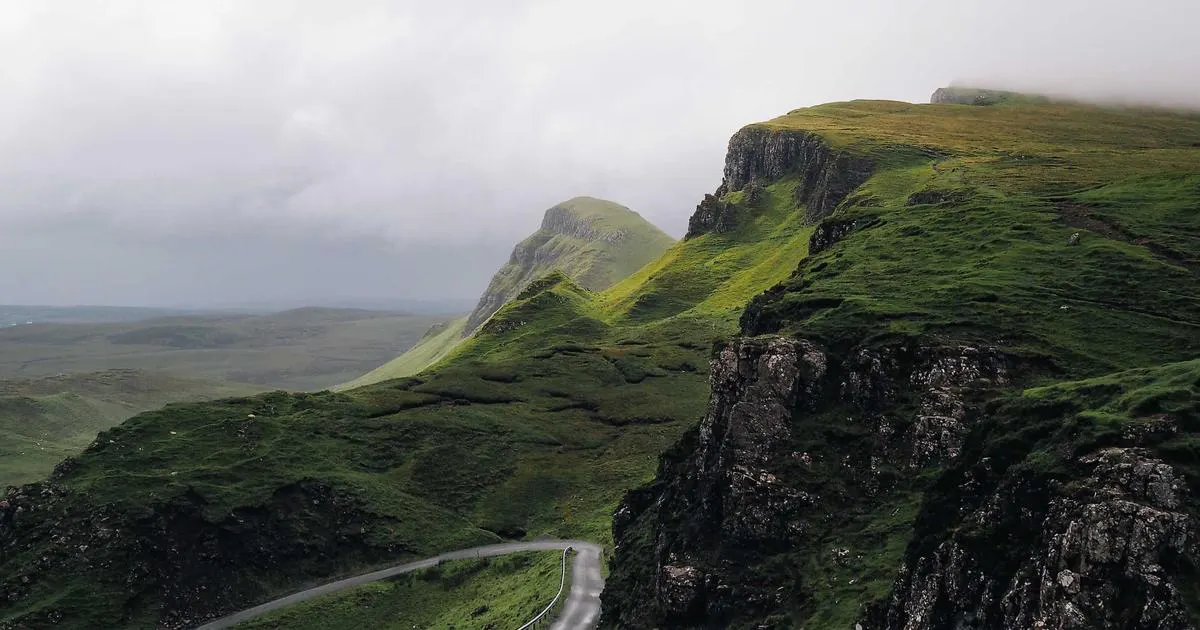
Landscape photography captures the natural world in all its majesty, from sprawling mountain vistas and serene seascapes to intimate forest scenes and dramatic desertscapes. It is a genre that rewards patience, planning, and a deep connection with nature.
Sub-genres and Specializations: Landscape photography includes several approaches. Traditional landscape focuses on capturing beautiful natural scenes with technical excellence. Seascape and coastal photography specializes in ocean and shoreline environments, often using long exposures to smooth water. Mountain photography captures alpine environments, often requiring significant hiking and outdoor skills. Forest and woodland photography emphasizes the intimate beauty of trees, light filtering through canopies, and forest floor details. Desert photography captures arid landscapes with dramatic light and stark beauty. Night landscape photography combines landscape with astrophotography elements, capturing landscapes under starlight or moonlight.
Essential Techniques: Composition in landscape photography relies heavily on foreground interest, leading lines, and the rule of thirds. Using a wide-angle lens to emphasize foreground elements while including distant backgrounds creates depth. The best landscape images are typically captured during golden hour (the hour after sunrise and the hour before sunset) when warm, directional light creates dramatic shadows and rich colors. Blue hour (the period before sunrise and after sunset) offers soft, cool light ideal for cityscapes and coastal scenes. Understanding hyperfocal distance ensures maximum sharpness from foreground to background. Using a tripod allows for sharp images at low ISO and enables long exposure techniques for smoothing water, clouds, and waterfalls. Filters, particularly polarizers for reducing glare and enhancing color, and neutral density filters for long exposures, are essential landscape tools.
Recommended Equipment: A high-resolution full-frame camera with good dynamic range is ideal for landscape photography. Wide-angle lenses are the primary tool, with focal lengths from 14mm to 35mm being most common. The 16-35mm f/2.8 or 14-24mm f/2.8 zooms are popular choices. A sturdy tripod is essential for sharp images at low ISO and for long exposures. A remote shutter release or camera timer prevents camera shake. Circular polarizing filters reduce glare, enhance sky contrast, and manage reflections. Graduated neutral density filters balance bright skies with darker foregrounds. A weather-sealed camera and lens combination allows shooting in challenging conditions.
A dramatic split landscape scene with three composition examples shown as vertical strips. The first strip shows a wide mountain vista with a lake in the foreground reflecting peaks, taken during golden hour with warm orange light. The second strip shows a long exposure seascape with smooth, mist-like water and rocky foreground with a graduated ND filter balancing the bright sky. The third strip shows a forest scene with dappled light filtering through fog, emphasizing depth and atmosphere. A small inset diagram in the corner shows the rule of thirds grid overlaid on the mountain image. The caption reads: "Great landscape photography combines stunning locations, optimal light, careful composition, and technical mastery of exposure and focus."
👰 Wedding Photography
Wedding photography is one of the most demanding and rewarding commercial photography genres. It requires a unique combination of technical skill, people management, creative vision, and the ability to perform under pressure on a day that cannot be reshot.
Sub-genres and Approaches: Traditional wedding photography follows a structured approach with formal posed portraits, group shots, and a standard shot list covering all key moments. Photojournalistic wedding photography, also called documentary or candid style, captures the day as it unfolds without interference, telling the story through authentic moments rather than posed arrangements. Fine art wedding photography emphasizes artistic composition, creative lighting, and a editorial aesthetic that resembles fashion or art photography. Elopement and intimate wedding photography focuses on smaller celebrations, often in unique locations, with a more personal and relaxed approach.
Essential Techniques: Wedding photographers must be proficient in many photography disciplines: portraiture for couple and family portraits, event photography for reception coverage, detail photography for rings, flowers, and decor, and often low-light photography for dimly lit ceremony venues and evening receptions. The ability to work quickly and discreetly is essential. Building a shot list in advance ensures no important moment is missed. Having backup equipment is non-negotiable, as gear failure during a wedding is catastrophic. Good communication with the couple before the wedding helps establish expectations and build trust.
Recommended Equipment: Wedding photographers typically carry two camera bodies to avoid lens changes in critical moments. The 70-200mm f/2.8 is the workhorse lens for ceremonies and candid moments. A 24-70mm f/2.8 covers group shots, reception, and environmental portraits. A 35mm or 50mm prime lens offers a natural perspective for documentary work. A 85mm or 135mm prime is excellent for couple portraits. Multiple speedlights or small strobes provide portable lighting for receptions and fill flash. Ample memory cards, batteries, and at least one backup of everything are essential.
A wedding day timeline collage showing key moments from morning preparation through evening reception. The images are arranged chronologically in a flowing line: bride and groom preparing separately (detail shots of dress, rings, flowers), first look or ceremony (emotional exchange), formal portraits (couple in golden hour light), reception details (decor, cake, tables), candid guest moments (laughter, dancing), and the exit or send-off (sparklers or confetti). Each image has a small time label. The collage is tied together with a warm, romantic color palette. The caption reads: "Wedding photography requires documenting every key moment while remaining unobtrusive and managing complex logistics under time pressure."
🏭 Commercial and Product Photography
Commercial photography encompasses any photography created for business purposes, including advertising, product catalogs, corporate communications, and marketing materials. It is a broad category that includes several specialized sub-genres, each with its own technical requirements and commercial applications.
Sub-genres and Specializations: Product photography is the most common commercial specialization, involving capturing products for e-commerce, catalogs, and advertising. It ranges from simple white-background product shots to complex creative compositions. Food photography requires specialized skills in food styling, lighting that makes food appear appetizing, and often working with food stylists to prepare dishes specifically for the camera. Real estate and architectural photography captures properties for sales and marketing, requiring skills in wide-angle composition, HDR blending, and perspective correction. Automotive photography demands specialized lighting techniques to handle reflective surfaces and dramatic locations. Fashion photography is a highly creative commercial specialization that blends photography with fashion design, styling, and art direction.
Essential Techniques: Commercial photography prioritizes technical perfection, consistency, and the ability to execute a client’s vision. Precise lighting control is essential, whether using strobes, continuous lights, or natural light. Tethered shooting (connecting the camera directly to a computer) allows clients and art directors to review images in real time during the shoot. Post-processing skills are particularly important in commercial photography, where retouching, color correction, and compositing are standard parts of the workflow. Understanding color management ensures accurate reproduction across different media. Each commercial specialization has unique techniques: food photography often uses glycerin for fake condensation and styling tricks; automotive photography requires polarized lighting to control reflections; product photography uses light tents or diffusion for soft, even illumination.
Recommended Equipment: A high-resolution full-frame camera with excellent color reproduction is standard. A macro lens (90mm to 105mm) is essential for detail product shots. A tilt-shift lens is valuable for architectural and product photography for perspective control. A 24-70mm f/2.8 and 70-200mm f/2.8 cover most commercial needs. Studio lighting equipment, including strobes with various modifiers, light tents, and continuous LED panels, is essential for controlled product photography. A color calibration tool ensures accurate color reproduction across devices. A tethering setup with a computer and software like Capture One or Lightroom is standard in professional commercial work.
A commercial photography showcase with three distinct product shots arranged in a row. The first image is a clean white-background product shot of a perfume bottle with soft, even lighting and a subtle reflection on the surface. The second image is a styled food shot of a gourmet burger with steam rising, garnishes arranged perfectly, and warm appetizing lighting. The third image is an interior real estate shot of a modern living room with wide-angle perspective, natural light from windows balanced with interior lighting, and the space looking spacious and inviting. Each image has small icons indicating the lighting setup used (softbox, natural light, strobe). The caption reads: "Commercial photography demands technical precision, creative problem-solving, and the ability to consistently deliver images that sell products and services."
🏰 Street and Documentary Photography
Street photography and documentary photography capture the human experience in public spaces and real-world situations. While related, these genres have distinct approaches and traditions. Street photography focuses on capturing candid, often poetic moments in public places, while documentary photography tells in-depth stories about people, communities, and issues over time.
Sub-genres and Approaches: Classic street photography, associated with masters like Henri Cartier-Bresson, focuses on capturing decisive moments where composition and content align perfectly. Modern street photography often incorporates conceptual elements, humor, and social commentary. Travel documentary documents cultures, places, and people in foreign locations, requiring cultural sensitivity and often language skills. Social documentary examines social issues, inequality, and human rights, often with the goal of raising awareness or driving change. Photojournalism covers news events and current affairs, requiring speed, accuracy, and adherence to journalistic ethics. Long-form documentary projects involve following a subject or issue over months or years to tell a comprehensive story.
Essential Techniques: Street photography requires the ability to work quickly and discreetly. Zone focusing (presetting focus to a specific distance) allows capturing moments without looking through the viewfinder. Being able to shoot from the hip produces candid images without raising the camera to your eye. Understanding light and shadow in urban environments helps create dramatic compositions. Documentary photography requires building trust with subjects, often spending significant time with them before making photographs. The ability to work unobtrusively and respectfully is paramount. Ethical considerations are central to both genres: respecting subjects’ privacy, obtaining appropriate consent, and representing people and situations honestly are fundamental responsibilities.
Recommended Equipment: Street photographers prefer compact, discreet cameras that do not attract attention. The classic street photography setup is a 35mm or 50mm prime lens on a compact full-frame camera like the Leica Q series, Fujifilm X100 series, or Sony A7C series. Many street photographers use zone focusing and small apertures (f/8 to f/11) to maximize depth of field. Documentary photographers need more versatile kits, typically including a 24-70mm f/2.8 or a combination of 35mm and 85mm primes. Reliability and durability are critical, as documentary projects often take photographers to challenging environments.
A pair of powerful monochrome images representing street and documentary photography. The left street photography image captures a decisive moment in a busy city intersection: a figure leaping over a puddle, a passerby with an umbrella, reflections in wet pavement creating layered composition, all rendered in high-contrast black and white with deep shadows. The right documentary image shows a more intimate, respectful portrait of an artisan in their workshop, surrounded by tools of their craft, with natural window light illuminating their face and hands, conveying years of dedication through details. Each image has a small label indicating the genre. The caption reads: "Street photography captures fleeting poetry in everyday life. Documentary photography builds deeper narratives through sustained engagement with subjects and places."
🦋 Macro and Close-Up Photography
Macro photography reveals a hidden world that is invisible to the naked eye, capturing extreme close-up images of small subjects at life-size magnification or greater. It is a technically demanding genre that requires specialized equipment, precise focusing techniques, and immense patience.
Sub-genres and Specializations: Insect and bug macro photography is one of the most popular specializations, capturing the intricate details of insects, spiders, and other arthropods. Flower and plant macro photography reveals the complex structures and patterns of botanical subjects that are missed at normal viewing distances. Product macro photography captures extreme close-ups of manufactured items for commercial or artistic purposes. Abstract macro photography uses extreme close-up to create images that become abstract patterns and textures, often unrecognizable without context. Focus stacking macro involves combining multiple images taken at different focus distances to achieve depth of field impossible in a single exposure.
Essential Techniques: Depth of field at macro magnifications is extremely shallow, measured in millimeters. Using small apertures (f/11 to f/16) maximizes depth of field but requires more light. Focus stacking is the most effective technique for achieving full-subject sharpness: take a series of images moving the focus point incrementally through the subject, then combine them in software like Helicon Focus or Photoshop. Stabilization is critical at high magnifications where the slightest movement creates blur. Use a sturdy tripod with a focusing rail for precise focus adjustment. For handheld macro work, use fast shutter speeds and image stabilization. Specialized macro flash units provide sufficient light at close distances and small apertures.
Recommended Equipment: A dedicated macro lens is ideal, with popular focal lengths including 90mm, 100mm, and 105mm. The Canon 100mm f/2.8L Macro, Nikon 105mm f/2.8 VR Macro, and Sony 90mm f/2.8 Macro are standard choices. Extension tubes can convert standard lenses for macro use at lower cost. A macro focusing rail allows precise focus adjustments without moving the tripod. A ring flash or twin flash system provides even illumination at close distances. A sturdy tripod is essential for focus stacking and static subjects.
A stunning macro photograph grid showing four extreme close-up images. Image 1: a dragonfly’s compound eye showing thousands of individual ommatidia facets with reflections, demonstrating incredible detail. Image 2: the center of a sunflower with every seed and pollen grain visible in sharp focus (focus stacked). Image 3: water droplets on a spiderweb, each droplet reflecting the surrounding environment like tiny lenses. Image 4: a butterfly wing scale pattern at extreme magnification, appearing as overlapping colored tiles. A small inset diagram shows how focus stacking works: multiple images focused at different depths combined into one fully sharp image. The caption reads: "Macro photography reveals a universe of detail invisible to the naked eye. Focus stacking and specialized lighting are key techniques for this demanding genre."
⚽ Action and Sports Photography
Action and sports photography captures dynamic moments in athletic competition, from professional sporting events to local recreational activities. This genre demands fast reflexes, predictive skills, and equipment capable of rapid autofocus and high burst rates.
Sub-genres and Specializations: Team sports photography covers football, basketball, soccer, baseball, and other team sports, requiring knowledge of the game to anticipate key moments. Individual sports photography includes tennis, golf, boxing, gymnastics, and martial arts, where the focus is on a single athlete’s performance. Motorsports photography requires specialized techniques for capturing fast-moving vehicles, including panning to convey speed. Extreme sports photography covers activities like surfing, snowboarding, skateboarding, and rock climbing, often in challenging outdoor environments. Wildlife action photography is a hybrid genre combining wildlife and sports techniques to capture animals in motion.
Essential Techniques: Fast and accurate autofocus is the most critical technical requirement. Use continuous autofocus (AF-C or AI Servo) with subject tracking. Understanding your camera’s autofocus system and configuring it for specific sports is essential. High shutter speeds (1/500 to 1/8000 depending on the sport) freeze action. Panning, following the subject with the camera while using a slower shutter speed (1/30 to 1/125), creates dynamic images with motion blur in the background while keeping the subject sharp. Anticipating the action by understanding the sport and positioning yourself in the right location is more important than any technical skill.
Recommended Equipment: Cameras with fast burst rates (10-30 frames per second) and sophisticated autofocus systems are essential. The Sony A1 (30fps), Canon EOS R3 (30fps), and Nikon Z9 (20fps) are top choices. Long telephoto lenses are standard: 70-200mm f/2.8 for closer action, 400mm f/2.8 or 600mm f/4 for distant action, and 100-400mm or 200-600mm zooms for versatility. A monopod provides support for heavy telephoto lenses while allowing quick movement. Weather-sealed equipment is important for outdoor sports in various conditions.
A dynamic action photography collage showing three sports moments frozen in time. The left image shows a basketball player mid-air during a slam dunk, captured at 1/2000 second, with the ball slightly deformed from the impact and player’s expression intense. The center image is a panning shot of a Formula 1 car on a race track, the car sharp against a motion-blurred background of spectators and pit buildings, captured at 1/60 second showing speed. The right image shows a surfer inside a wave tube, captured from a water-level perspective with dramatic backlighting from the sun. A small inset shows camera settings for each image. The caption reads: "Sports photography combines technical mastery of fast autofocus and shutter speeds with deep knowledge of the sport to anticipate decisive moments."
🌌 Astrophotography
Astrophotography captures the beauty of the night sky, from the Milky Way and star trails to planets, nebulae, and galaxies. It is one of the most technically challenging photography genres, requiring specialized equipment, precise tracking, and advanced processing techniques.
Sub-genres and Specializations: Nightscape or landscape astrophotography combines the night sky with terrestrial foreground elements, creating images that show the Milky Way arching over landscapes. Star trail photography uses long exposures or stacked images to show the apparent motion of stars as circular trails around the celestial poles. Deep sky astrophotography uses telescopes and tracking mounts to capture detailed images of nebulae, galaxies, and star clusters. Planetary astrophotography captures details on planets like Jupiter’s bands, Saturn’s rings, and Mars’s polar caps. Lunar photography documents the moon in various phases, revealing craters, maria, and surface details.
Essential Techniques: The 500 rule (or modern 400 rule) helps calculate maximum exposure time before stars trail: divide 500 by your focal length in full-frame equivalent to get seconds. For example, 500/20mm = 25 seconds maximum. Using a star tracker or equatorial mount allows much longer exposures by counteracting the Earth’s rotation. Focus must be set manually to infinity, achieved by focusing on a bright star using live view at maximum magnification. Shooting in RAW provides maximum data for post-processing. Stacking multiple exposures in software like DeepSkyStacker or Sequator reduces noise and reveals fainter details. Light pollution filters help reduce the orange glow from urban areas.
Recommended Equipment: A camera with excellent high-ISO performance and low noise is essential. Full-frame cameras generally perform better than crop sensors for astrophotography. A wide-angle lens with a fast aperture (f/1.4 to f/2.8) is ideal for nightscape work, with 14mm, 20mm, or 24mm being common choices. A sturdy tripod is mandatory. For deep sky work, a telescope on a computerized equatorial mount with tracking is necessary. A remote shutter release or intervalometer enables long exposures without camera shake. Red headlamp preserves night vision while setting up equipment in the dark.
A breathtaking astrophotography scene showing the Milky Way arching over a dramatic desert landscape. The sky is filled with thousands of stars, the galactic core visible as a bright band with dark dust lanes cutting through. In the foreground, silhouetted saguaro cacti frame the scene. The image demonstrates the quality achievable with a modern full-frame camera, fast wide-angle lens, and careful post-processing. A small inset in the corner shows a second image of the Andromeda Galaxy captured through a telescope, with spiral arms, dust lanes, and bright core clearly visible. The caption reads: "Astrophotography reveals the universe in ways the naked eye cannot see. The combination of dark skies, proper equipment, and stacking techniques unlocks extraordinary detail."
🐟 Underwater Photography
Underwater photography opens a window into the vibrant, alien world beneath the waves. It combines diving skills with photography techniques adapted for the unique challenges of the underwater environment, including light absorption, color loss, and buoyancy management.
Sub-genres and Specializations: Reef and marine life photography captures fish, coral, turtles, rays, and the rich biodiversity of coral reef ecosystems. Macro underwater photography reveals the tiny creatures of the reef, including nudibranchs, shrimp, and juvenile fish that are often overlooked. Wide-angle underwater photography captures large scenes, shipwrecks, or encounters with large marine animals like sharks, whales, and dolphins. Freshwater underwater photography documents lakes, rivers, and cave systems, which present different challenges than saltwater environments. Blackwater photography involves drifting over deep water at night to capture the weird and wonderful creatures that migrate upward from the depths.
Essential Techniques: Water absorbs colors sequentially, with red disappearing first, then orange, yellow, and finally purple and blue. At depths below 5 meters, everything appears blue-green without artificial light. Using strobes or video lights restores color by bringing full-spectrum light to the subject. Getting close to your subject minimizes the water between the lens and the subject, improving color, contrast, and sharpness. Mastering buoyancy control is essential for avoiding damage to fragile coral and marine life. Understanding marine animal behavior helps you anticipate movements and position yourself for the best shots.
Recommended Equipment: Underwater camera housings are available for most camera models, from compact cameras to full-frame DSLR and mirrorless systems. Purpose-built underwater cameras like the Olympus TG series offer affordable entry points. For serious work, a full-frame camera in a professional housing with external strobes provides the best image quality. Wide-angle lenses (14-24mm or 16-35mm) are popular for reef scenes and large animals. Macro lenses (60mm, 100mm, or super macro diopters) are essential for small subjects. Good underwater strobes with adequate power and fast recycle times are critical for color reproduction.
A vibrant underwater reef scene showing the full color spectrum restored by strobe lighting. The image shows a clownfish nestled in an anemone with vivid orange, white, and black patterns against the purple-tipped anemone. In the background, soft coral in pink, green, and yellow colors fills the frame. Sunlight streams down from above creating dramatic rays. A diver in the background provides scale. A small inset shows the same scene without strobes to demonstrate how all red and warm colors disappear underwater without artificial light. The caption reads: "Underwater photography requires specialized housing and lighting equipment. Strobes are essential for restoring color lost to water absorption below the surface."
📸 Additional Photography Genres
Beyond the major genres covered above, photography includes many other specialized types that offer unique creative opportunities and career paths. This section covers additional genres worth exploring.
Fashion Photography: Fashion photography showcases clothing, accessories, and style through editorial and commercial imagery. It requires collaboration with stylists, makeup artists, hair stylists, and models to create images that sell or celebrate fashion. High-end fashion photography is highly creative and conceptual, often pushing artistic boundaries. Catalog fashion photography is more commercial and straightforward, focused on clearly displaying the products. Skills in directing models, creative lighting, and post-processing for skin and fabric are essential.
Aerial and Drone Photography: Aerial photography captures landscapes, cities, and events from above, providing unique perspectives impossible from the ground. Drone technology has made aerial photography accessible to virtually any photographer, with affordable consumer drones capable of excellent image quality. Understanding airspace regulations, weather conditions, and drone piloting skills are essential. Aerial photography is widely used in real estate, construction, agriculture, environmental monitoring, and creative fine art.
Event and Concert Photography: Event photography covers corporate events, conferences, parties, and social gatherings, requiring the ability to work quickly in varying lighting conditions and capture both planned moments and candid interactions. Concert and live music photography captures performers in action, often in challenging low-light conditions with dramatic stage lighting. Understanding the music and anticipating peak moments is essential. Most concert photographers work from a photo pit for the first three songs, requiring fast composition skills.
Pet and Animal Photography: Pet photography has grown significantly as pet owners seek professional images of their animals. Working with animal subjects requires patience, the ability to read animal behavior, and techniques for capturing attention and eliciting expressions. Understanding animal body language helps avoid stressful situations. Fast shutter speeds are essential for capturing sharp images of moving animals. This genre extends to equine photography, including portraits of horses and action shots of riding and competition.
Fine Art Photography: Fine art photography is created primarily for artistic expression rather than commercial purposes. It encompasses all genres through the lens of artistic intent, with the photographer’s vision and concept driving the work. Fine art photographers typically sell limited-edition prints through galleries, art fairs, and directly to collectors. The artistic merit of the work is judged by curators, critics, and collectors rather than commercial clients. Fine art photography often incorporates conceptual elements, alternative processes, and mixed media approaches.
A four-panel grid showcasing additional genres. Panel 1 "Fashion" shows a dramatic editorial fashion image with bold colors, creative styling, and a model in an architectural setting with directional lighting. Panel 2 "Aerial" shows a drone-shot overhead view of a coastline with turquoise water, dramatic waves, and small boats providing scale. Panel 3 "Concert" shows a musician on stage with dramatic colored stage lighting, smoke, and crowd silhouettes, captured at a high ISO with a fast lens. Panel 4 "Pet" shows a close-up portrait of a golden retriever with warm lighting, catchlights in the eyes, and an engaging expression. Each panel has a small label in the corner identifying the genre. The caption reads: "Photography offers endless paths for creative expression and professional specialization. Explore multiple genres to find where your passion and skills align."
🎯 Choosing Your Photography Path
With so many photography genres to choose from, finding your path can feel overwhelming. The best approach is to explore broadly at first, then specialize in the genres that resonate most with your interests, skills, and goals.
Consider Your Interests: The most successful photographers are deeply passionate about their chosen genre. If you love being outdoors, landscape, wildlife, and adventure photography may be your path. If you enjoy working with people, portrait, wedding, and fashion photography offer rewarding human connections. If you are fascinated by science and technology, macro, astrophotography, or technical commercial photography may appeal to you. If you care about social issues, documentary and photojournalism provide platforms for meaningful storytelling. Your genuine interest in the subject matter will sustain your motivation through the inevitable challenges of mastering the genre.
Evaluate the Practicalities: Different photography genres have different practical considerations. Some genres require significant equipment investment (astrophotography, underwater, wildlife). Some have high barriers to entry in terms of skills and experience (medical, forensic, technical industrial). Some offer more reliable income opportunities (wedding, commercial, real estate) while others are harder to monetize (street, fine art, abstract). Some require specific certifications or licenses (drone photography, underwater, aviation). Be realistic about the financial, time, and lifestyle commitments each genre requires.
Start Local and Experiment: You do not need to travel to exotic locations to explore photography genres. Practice portrait photography with friends and family. Find landscape beauty in your local parks and natural areas. Create still life and product shots at home with simple lighting. Document your neighborhood with street photography. Try macro photography in your garden or local park. Experiment with night photography from your backyard. Local practice allows you to develop skills without the pressure and expense of travel, and it often reveals surprising beauty in familiar places.
A decision tree infographic helping photographers choose their path. The tree starts at the top with "What excites you most?" and branches into three main directions: "People & Connection" (leading to Portrait, Wedding, Event, Fashion), "Nature & Outdoors" (leading to Landscape, Wildlife, Macro, Astro), and "Commerce & Technical" (leading to Product, Real Estate, Food, Commercial). Each branch has additional sub-questions, such as "Do you enjoy working with clients?" or "Do you prefer working alone?" or "Can you invest in specialized equipment?" The final nodes show specific genre recommendations with small icons. The caption reads: "Finding your photography path requires honest self-assessment of your interests, skills, and practical circumstances. Most photographers evolve their specialization over time."
✈️ Travel Photography
Travel photography is one of the most accessible and rewarding photography genres, combining elements of landscape, portrait, street, and documentary photography into a cohesive practice focused on capturing the essence of places and cultures. It is a genre that rewards curiosity, cultural sensitivity, and the ability to adapt quickly to changing conditions.
Sub-genres and Approaches: Cultural travel photography focuses on documenting local traditions, festivals, ceremonies, and daily life, requiring respect for local customs and the ability to photograph people respectfully. Food travel photography captures regional cuisines, street food, markets, and dining experiences, combining food styling skills with cultural documentation. Adventure travel photography documents outdoor expeditions, trekking, climbing, and extreme environments, requiring both photography skills and outdoor expertise. Urban travel photography captures cities and architecture, focusing on the unique character of different urban environments. Responsible travel photography emphasizes ethical representation, avoiding stereotypes and portraying destinations and people authentically. The best travel photography goes beyond surface-level tourist imagery to reveal deeper truths about places and their inhabitants.
Essential Techniques: Travel photographers must work efficiently with limited gear, as carrying excessive equipment reduces mobility and can be impractical or unsafe in some locations. The ability to pack a versatile kit that covers multiple scenarios is essential. Researching destinations before arrival helps identify key photo opportunities, optimal shooting times, and local customs regarding photography. Building rapport with locals through genuine interest and respect leads to more meaningful portraits and access to authentic experiences. Being prepared for changing conditions with appropriate clothing and gear protection is crucial. Shooting during golden and blue hours in unfamiliar locations requires efficient scouting and composition. Digital asset management on the road, including regular backups to cloud storage and portable drives, protects irreplaceable images from loss.
Recommended Equipment: A lightweight, versatile kit is ideal for travel photography. A mirrorless camera system with a 24-70mm f/2.8 or 24-105mm f/4 zoom covers most travel scenarios. A compact prime lens like a 35mm f/1.8 or 50mm f/1.8 provides better low-light performance and a smaller footprint for street photography. A lightweight travel tripod enables long exposures and self-portraits. A camera bag that fits as carry-on luggage is essential for air travel. Portable chargers, multiple memory cards, and a laptop or tablet for backups are critical. Weather-sealed equipment provides peace of mind in unpredictable conditions. Many travel photographers now use smartphones as backup or primary cameras for their convenience and growing capability.
A vibrant travel photography collage showing four images from different destinations. The first image shows a bustling night market in Bangkok with colorful food stalls, steam rising from cooking stations, and warm artificial lighting creating a lively atmosphere. The second image shows a lone monk walking across an ancient temple complex at dawn in Bagan, Myanmar, with mist rising around pagodas and hot air balloons in the distance. The third image shows a candid portrait of a fisherman mending nets on a beach in Vietnam, with golden hour light illuminating his weathered face and hands. The fourth image shows the Northern Lights dancing over a snow-covered village in Norway, with a small house providing foreground scale. Each image has a small location label. The caption reads: "Travel photography combines multiple genres into a rewarding practice that documents the beauty and diversity of our world. Cultural sensitivity and adaptability are as important as technical skills."
📷 Photography Gear and Essential Accessories by Genre
While each photography genre has specific equipment requirements, certain gear and accessories are universally valuable across multiple types of photography. Understanding what equipment to prioritize for your chosen genre helps you make smart purchasing decisions and avoid wasting money on gear that does not serve your photography goals.
Tripods and Support Systems: A good tripod is essential for several photography genres. Landscape photographers need a sturdy tripod for sharp images at low ISO and long exposures. Astrophotographers require a tripod stable enough to support heavy telescope or tracking mount setups. Macro photographers benefit from a tripod with a focusing rail for precise composition. Portrait photographers use tripods for consistent framing in studio work and for self-portraits. Video-capable tripods with fluid heads are essential for filmmakers and content creators. When choosing a tripod, consider weight (carbon fiber is lighter than aluminum but more expensive), maximum height, load capacity, and leg locking mechanism. A tripod that is too heavy to carry defeats its purpose, while one that is too light may not provide adequate stability.
Filters and Lens Accessories: Filters are essential tools for several genres. Circular polarizing filters (CPL) reduce reflections, enhance sky contrast, and manage glare on water and foliage, making them valuable for landscape, travel, and architectural photography. Neutral density (ND) filters reduce light transmission, enabling long exposures in bright conditions for smoothing water, clouds, and crowds. Graduated neutral density (GND) filters balance bright skies with darker foregrounds in landscape photography. UV filters provide lens protection in harsh environments, particularly useful for travel, adventure, and outdoor photography. A quality filter system using square filters with a holder (like Lee or Nisi) offers more flexibility than screw-on filters, allowing graduated and ND filters to be positioned precisely.
Lighting Equipment: Lighting needs vary dramatically by genre. Portrait and studio photographers invest in strobes, softboxes, umbrellas, reflectors, and background supports for controlled lighting. Wedding and event photographers need portable speedlights or small strobes with modifiers for on-location work. Macro photographers use ring flashes or twin flash systems for even illumination at close distances. Product photographers require consistent, controllable lighting for accurate color reproduction. Video and content creators need continuous LED panels with adjustable color temperature and brightness. For photographers starting in genres that require artificial lighting, a basic two-light kit with softboxes and a reflector provides a solid foundation for learning lighting principles before expanding the setup.
Storage and Backup Solutions: Reliable storage is critical for every photographer. Memory cards with sufficient speed and capacity are the first line of storage. Professional photographers typically use multiple smaller capacity cards rather than one large card to spread risk. A portable hard drive or SSD enables on-location backups, essential for travel and event photographers who cannot afford to lose images. Cloud backup services like Backblaze, Dropbox, or Adobe Creative Cloud provide offsite protection. A digital asset management system (DAM) like Lightroom, Capture One, or Photo Mechanic helps organize, keyword, and locate images efficiently. Following the 3-2-1 backup rule (three copies, two different media types, one offsite) protects against data loss from hardware failure, theft, or natural disaster.
A gear category comparison infographic arranged in four sections. Section 1 "Tripods" shows three tripod types side by side: a lightweight travel tripod folded small, a sturdy landscape tripod with hook for hanging weight, and a heavy studio tripod with wheels and video head. Each has a weight and height specification label. Section 2 "Filters" shows a filter kit with a circular polarizer, three ND filters (3-stop, 6-stop, 10-stop), and a graduated ND filter with holder system, with a before/after example of an ND filter effect smoothing water. Section 3 "Lighting" shows a studio strobe kit with softbox, a portable speedlight with diffuser, and an LED panel with adjustable color temperature, each with a suggested genre icon (studio portrait, event, video). Section 4 "Storage" shows memory cards in various speeds, a portable SSD, a cloud backup icon, and a DAM software interface screenshot. The caption reads: "Invest in quality support gear, filters, and storage solutions that match your primary photography genres. Good accessories extend your creative capabilities significantly."
❓ Frequently Asked Questions
Common questions about types of photography
❗ What type of photography is most profitable?
Wedding photography, commercial product photography, and real estate photography are consistently among the most profitable genres. Wedding photographers can charge $2,000-$10,000+ per event. Commercial photographers often earn $500-$5,000 per project day. Real estate photography offers reliable local income. Corporate portrait and event photography also provide steady revenue. Fine art and street photography are generally the hardest to monetize significantly.
❗ Which type of photography is easiest to start?
Street photography and smartphone photography are the easiest to start because they require minimal equipment. Portrait photography is also accessible, as you can start with natural light and a single prime lens. Still life and product photography can be practiced at home with basic equipment. Landscape photography is accessible anywhere but becomes more demanding for professional-level results. The easiest genre to start is ultimately the one that matches your existing interests and equipment.
❗ What type of photography requires the most expensive equipment?
Astrophotography and underwater photography require the most specialized and expensive equipment. Astrophotography needs tracking mounts, specialized telescopes, cooled cameras, and software. Underwater photography requires waterproof housings (often costing more than the camera inside), underwater strobes, and diving equipment. Wildlife photography with super-telephoto lenses also represents a significant investment, with professional 600mm f/4 lenses costing $12,000-$16,000.
❗ Can I be a photographer without specializing in one genre?
Yes, many photographers work as generalists, especially in smaller markets. Generalist photographers can offer portrait, event, real estate, and product photography services to a broader client base. However, specialists typically command higher rates and are more easily found by clients seeking specific expertise. Many photographers start as generalists and gradually specialize as they discover what they enjoy most and what is most profitable in their market.
❗ What type of photography is best for beginners?
Portrait photography and still life photography are excellent for beginners because they offer complete control over the subject, lighting, and composition. Landscape photography teaches exposure fundamentals and composition without the pressure of working with subjects. Street photography builds observational skills and the ability to work quickly. The best genre for any beginner is one they are genuinely excited about, as enthusiasm fuels the practice needed to improve.
❗ How do I choose which photography genre to pursue?
Experiment with multiple genres for at least three to six months before specializing. Pay attention to which genres make you eager to go out and shoot, which ones you enjoy editing, and which produce results you are proud to share. Consider practical factors like equipment costs, income potential, and local opportunities. Talk to photographers working in genres you find interesting. Many photographers evolve their specialization over years of practice, so give yourself permission to explore.
🏁 Conclusion: Your Photography Journey Starts Here
Photography is a medium of infinite variety. From the intimate connection of a portrait to the vast scale of a landscape, from the split-second timing of sports to the hours-long exposures of astrophotography, each genre offers unique challenges and rewards. The diversity of photography means there is a path for every interest, every skill level, and every creative vision.
The genres covered in this guide represent the major branches of photography, but within each genre lie countless sub-specialties, hybrid approaches, and personal interpretations. The most fulfilling photography careers and artistic practices often emerge at the intersection of multiple genres, combining techniques and perspectives in unique ways.
If you are just starting your photography journey, give yourself permission to explore. Try different genres without pressure to master them immediately. Pay attention to what excites you, what challenges you, and what makes you want to improve. The best genre for you is the one that keeps you reaching for your camera, learning new skills, and seeing the world with fresh eyes.
If you are an experienced photographer looking to expand into new territory, the techniques and equipment guidance in this guide provides a roadmap for your exploration. Every genre you learn makes you a better photographer in your primary specialty, bringing fresh perspectives and techniques that cross-pollinate in unexpected ways.
Whatever path you choose, remember that the camera is just a tool. The most important elements are your vision, your curiosity, and your willingness to keep learning. The world of photography is vast and welcoming. Your journey starts now.
📷 Explore Your Photography Path Today
Pick one genre from this guide that excites you most and dedicate the next month to practicing it. Your next favorite photographic pursuit is waiting to be discovered.
📝 Download Genre Guide PDF
🔍 Find Photography Courses
Was this article helpful?
Pro Pixel Agency
Want this done for you? Try our image editing free.
Send a sample, get the finished result back, and only then decide. Clear prices, no commitment.