Realistic Illustrators: Masters, Styles and How to Hire One
From Norman Rockwell to modern digital artists, learn what realistic illustrators do, the main styles of realistic illustration, and how to hire one for your brand.
 Pro Pixel Agency
Realistic illustrators create artwork that looks convincingly real, often with the detail of a photograph but the control and storytelling of a painting. Their work appears on book covers, movie posters, packaging, editorial pages, medical textbooks and product launches. When a photo can't capture an idea, such as a product that doesn't exist yet, a cutaway of an engine or a scene from history, realistic illustration fills the gap.
This guide looks at influential realistic illustrators, the styles within realistic illustration, the tools modern artists use, and how businesses can find and brief the right illustrator.
The short answer
Influential realistic illustrators include Norman Rockwell, J.C. Leyendecker, Drew Struzan and James Gurney. Today's realistic illustrators work in traditional paint, digital painting and 3D-assisted workflows across styles such as photorealism, technical, scientific and editorial illustration. To hire one, choose by portfolio fit, write a clear brief and agree on usage rights before work begins.
What makes illustration "realistic"?
Realistic illustration follows how light, form, anatomy and perspective behave in the real world. It doesn't always aim to look exactly like a photo. Many illustrators push color, simplify backgrounds or exaggerate expression to tell a story more clearly. The key qualities are:
- Accurate anatomy and proportion for people and animals.
- Believable lighting, with consistent light direction, cast shadows and reflected light.
- Correct perspective so objects sit convincingly in space.
- Convincing materials: skin, metal, glass, fabric and water each reflect light differently.
- Intentional detail: sharp where it matters, simplified where it doesn't.
Influential realistic illustrators to study
Norman Rockwell
Rockwell is the best-known American illustrator of the twentieth century, famous for his warm, detailed scenes of everyday life. He painted 321 covers for The Saturday Evening Post. His working method of staging scenes with models and props, then photographing them as reference, is still common among realistic illustrators.
J.C. Leyendecker
Leyendecker, whom Rockwell admired, created 322 covers for the same magazine and invented the Arrow Collar Man for shirt-collar advertising. His bold, polished brushwork shows that realism and strong graphic style can coexist.
Drew Struzan
Struzan is known for painted movie posters, including artwork for the Star Wars, Indiana Jones and Back to the Future films. His collage-style compositions combine realistic portraits with dramatic lighting and are a masterclass in poster design.
James Gurney
Gurney created Dinotopia, an illustrated world where dinosaurs and humans live together. He's also known for his instructional books on color, light and imaginative realism, which make him a great teacher to study.
Many contemporary realistic illustrators share their process online, and studying how they block in shapes, build values and finish details is one of the best ways to learn the craft.
Styles of realistic illustration
| Style | What it looks like | Common uses |
|---|---|---|
| Photorealism and hyperrealism | Detail indistinguishable from a photo, or beyond | Fine art, advertising, portraits |
| Editorial realism | Realistic but expressive, often with simplified backgrounds | Magazines, book covers, posters |
| Technical illustration | Precise products, cutaways and exploded views | Manuals, engineering, product marketing |
| Scientific and medical illustration | Accurate anatomy, biology and nature | Textbooks, journals, patient education |
| Botanical illustration | Detailed plants with accurate structure | Packaging, field guides, decor |
| Concept art | Realistic environments and characters for film and games | Entertainment pre-production |
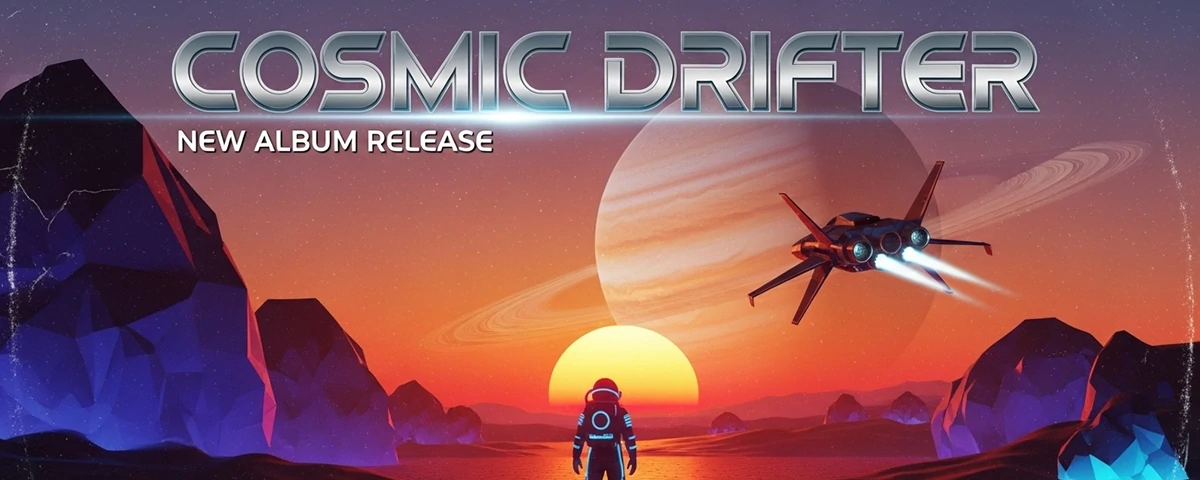
Realistic illustration also plays a big role in music packaging; our article on album cover art shows how varied those approaches can be.
How realistic illustrators work today
Traditional media
Oil, acrylic, gouache, watercolor and graphite remain popular, especially for fine art and premium commissions. Traditional originals are scanned or photographed at high resolution for reproduction.
Digital painting
Most commercial illustration is now digital. Artists use drawing tablets or tablets with styluses and software such as Photoshop, Procreate or Krita. Digital work makes revisions, color variations and resizing for different formats much easier.
Photo reference and 3D
Realistic illustrators commonly shoot their own reference photos or build simple 3D scenes to check perspective and lighting. The final illustration is still painted by hand; the reference just keeps it believable.
Where AI fits
AI image generators can produce realistic-looking images quickly, but they can struggle with accurate anatomy, product details, text and brand consistency, and their outputs raise questions about rights and originality. Many brands use AI for early mood exploration and commission illustrators for final work. Our guide to AI picture generators covers the tools and their limits.
How to hire a realistic illustrator
- Define the use. Packaging, a book cover, a website hero image and a trade show banner all have different size, format and licensing needs.
- Shortlist by portfolio. Look for finished work in the style you need, not just sketches. A technical illustrator and an editorial painter aren't interchangeable.
- Write a clear brief. Include the concept, audience, dimensions, required elements, brand colors and reference images.
- Agree on stages. Most projects move from thumbnails to a refined sketch, then a color study, then final art. Confirm how many revision rounds are included at each stage.
- Clarify usage rights. Decide whether you need a license for specific uses or a full rights buyout. Get it in writing, and consult a legal professional for high-value contracts.
- Plan the timeline. Detailed realistic work takes time; rushing it costs quality.
- Specify deliverables. Ask for layered files where useful, print-ready resolution and color profiles.
Once the illustration is delivered, it often needs to be adapted into layouts: social posts, ads, packaging dielines or web banners. Professional image editing and graphic design services can handle that adaptation, from color correction and resizing to integrating illustrations with typography.
Becoming a realistic illustrator
If you want to develop realistic skills, focus on fundamentals: figure drawing, perspective, values and color. Paint from life as often as possible, then use photo reference to fill gaps. Build a portfolio around the work you want to be hired for. Our guide to becoming a digital designer covers tools and career paths that overlap with illustration.
A practical routine many artists follow: one quick study a day from life or a photo you took yourself, one longer finished piece a week, and regular master copies, where you carefully reproduce a section of a painting by an illustrator you admire to understand their decisions. Over months, the daily studies sharpen observation while the finished pieces build a portfolio that shows clients you can deliver polished, consistent work on a deadline.
Frequently asked questions
Who is the most famous realistic illustrator?
Norman Rockwell is often considered the most famous, thanks to his hundreds of magazine covers depicting everyday American life.
What is the difference between realistic illustration and photorealism?
Photorealism aims to look indistinguishable from a photograph. Realistic illustration follows real-world light and anatomy but may simplify or stylize elements to communicate an idea more clearly.
How much does a realistic illustration cost?
Costs vary with complexity, size, the illustrator's experience, deadline and usage rights. Request quotes with a detailed brief so illustrators can price accurately.
What software do realistic illustrators use?
Common choices include Adobe Photoshop, Procreate and Krita for digital painting, often alongside 3D tools or photo reference for planning lighting and perspective.
Have illustrations that need resizing, color correction or integration into campaigns and packaging? Request a design quote from Pro Pixel to get them ready for every format.
More useful paths
Use these paths to continue with the closest practical topic, service, or decision guide.
- Graphic Design article library
- Hire ZBrush Masters For Stunning 3D Art
- Aesthetic Font Guide: Styles, Free Picks and Pairing Tips
- Social Media Post Design: Sizes, Layout Rules and Templates
- Stop Handing Out Brochures That Get Thrown Away. Give Them Something They'll Actually Watch.
- Basic Subtitling Styles Services
Spotted something wrong? Report an error on this page. We correct on the page and say what changed.