Product Videography Near Me
The search term "product videography near me" reflects how most people find local videographers—but understanding how to actually find the best professionals takes more than a simple Google search.
 Pro Pixel Agency

How to Search for "Product Videography Near Me"
The search term "product videography near me" reflects how most people find local videographers—but understanding how to actually find the best professionals takes more than a simple Google search. The local search landscape has evolved significantly, and knowing where to look makes a big difference in the quality of options you'll find.
When you search for local product videographers, you're entering a market that's both competitive and fragmented. Professional videographers compete alongside freelancers, production companies, and even hobbyists with decent cameras. Understanding these distinctions helps you filter effectively.

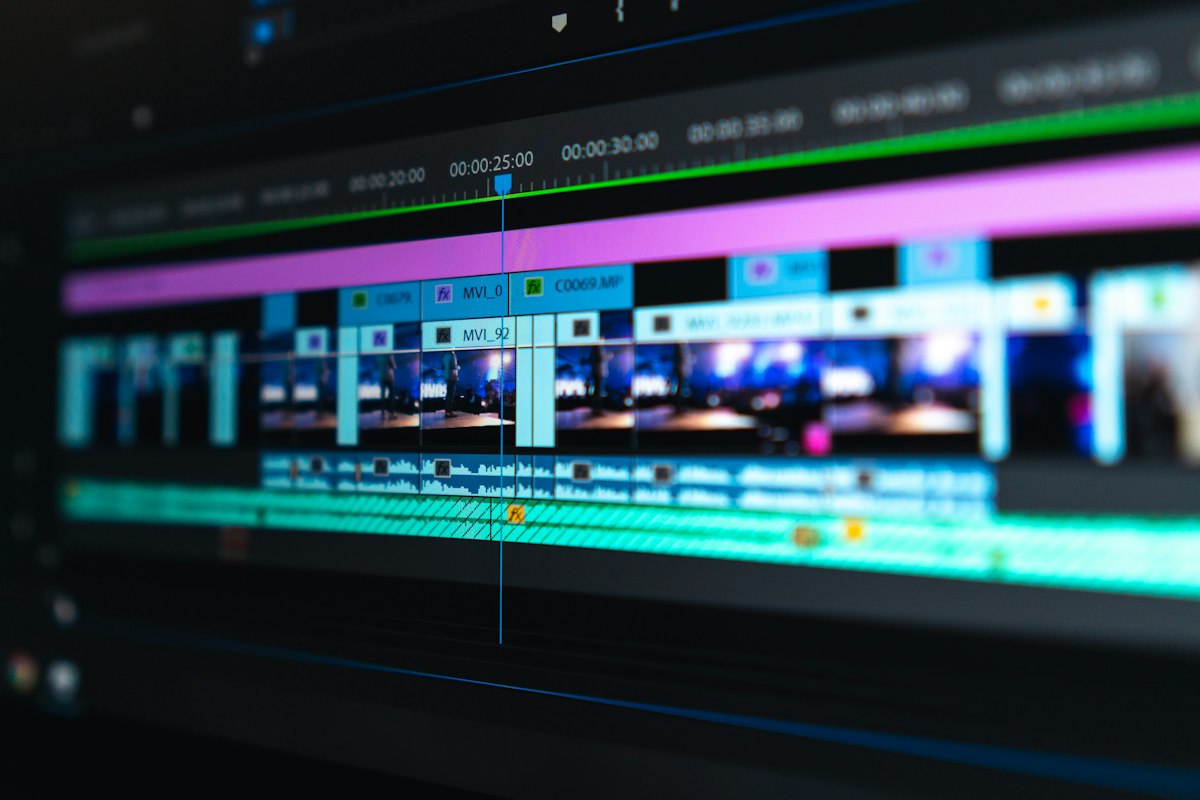
Professional product videography requires specialized skills and equipment
Where to Search
The traditional search engines are just the starting point. Smart product videography searches use multiple platforms to find the best options.
Google and Bing Maps
Search for "product videographer [your city]" or "product video production near me" on Maps. Look for businesses with high ratings, recent reviews, and completed projects visible in their Google Business profile.
Social Media Platforms
Instagram, TikTok, and YouTube are where many videographers showcase their work. Search hashtags like #[yourcity]productvideo or browse local business directories on these platforms.
Professional Directories
platforms like Vimeo directories, production directories, and industry associations provide vetted professional listings with portfolio samples.
Local Business Networks
Chamber of commerce listings, local business networking groups, and recommendations from other business owners often reveal highly capable videographers who may not have strong online visibility.
Evaluating Local Search Results
Not all search results represent equally qualified professionals. Learning to evaluate what you find saves time and improves outcomes.
Key Insight
The most expensive videographer isn't always the best, and the cheapest is rarely a good value. Focus on finding professionals whose work visually matches what you're trying to achieve, and whose communication style makes collaboration enjoyable.
Types of Product Videography Services
Product videography encompasses many different styles and purposes. Understanding the distinctions helps you find a specialist whose expertise matches your specific needs.
E-Commerce Product Videos
The explosion of online shopping has created massive demand for product videos that help consumers make purchase decisions. These videos showcase products in compelling ways that static photos can't achieve.
Feature Highlights
Demonstrating key features and functionality
Lifestyle Shots
Products in real-world use contexts
360 Views
Interactive rotating product views
Commercial and Brand Videos
Beyond showing individual products, businesses need videos that tell their brand story, explain their value proposition, and connect emotionally with audiences.

Brand videos communicate values and create emotional connections
Industrial and Technical Videos
Products requiring explanation—machinery, software, complex consumer goods—need technical videography that makes complex information accessible and engaging.
Product Demonstrations
Showing how products work step by step, emphasizing ease of use and key benefits
Training Content
Instructional videos for customers or employees on product usage and maintenance
Choosing the Right Product Videographer
Finding the right videographer combines practical considerations with intuitive assessment. The best choice balances technical capability with creative compatibility and professional reliability.
Portfolio Evaluation
A videographer's portfolio is your best preview of what they can deliver for you—but only if you evaluate it correctly.
Relevant Experience
Look for examples similar to your product type and industry. A videographer who excels at food products may struggle with electronics, and vice versa.
Production Quality
Assess lighting, camera work, editing, and overall polish. Professional quality should be consistent across their portfolio, not just in their best samples.
Style Compatibility
Their aesthetic should align with your brand. Clean and minimal, warm and organic, bold and dynamic—make sure their style matches your vision.
Client Diversity
Working with various clients shows adaptability. However, also note if they've worked with competitors—this might be good or bad depending on your situation.
Technical Capabilities
Understanding what equipment and capabilities a videographer brings helps set realistic expectations.
Camera Equipment
Professional cameras capable of 4K or higher resolution, quality lenses, and appropriate lighting for various product types and environments.
Studio Capabilities
If you need controlled studio shots, find out if they have their own space or need to rent one. Also ask about product photography capabilities if you need both.
Product Videography Pricing Explained
Product videography pricing varies widely based on complexity, quality level, and what's included. Understanding these variables helps you budget effectively and recognize value.

Understanding pricing helps you make informed decisions about your investment
Pricing Models
Videographers use several pricing structures, each with advantages and limitations.
Day Rate
A flat daily rate for filming, typically ranging from $500 to $3,000+ depending on experience and market. Best for projects requiring multiple products or extensive shooting days.
Best for: Multi-product shoots, comprehensive campaigns, projects with uncertain scope
Project-Based
A fixed price for a defined deliverable—a single hero video, a set of social clips, or a complete product launch package. Pricing ranges from $1,000 to $10,000+ for professional work.
Best for: Defined deliverables, clear scope, budget certainty
Retainer/Ongoing
Monthly or annual agreements for ongoing content needs. Often includes priority scheduling and discounted rates in exchange for guaranteed volume.
Best for: Regular content needs, e-commerce platforms, ongoing marketing
2026 Pricing Guidelines
Simple Product Video
$500-$2,000 for basic highlight videos
Professional Commercial
$2,000-$8,000+ for brand-quality content
Full Production Day
$1,500-$4,000+ for comprehensive shoots
Essential Questions to Ask
Meeting with potential videographers is your chance to assess fit beyond their portfolio. Come prepared with questions that reveal their process, reliability, and working style.
About Their Experience
How many product videos have you created?
Experience volume matters, but quality matters more
What's your experience with my product category?
Industry-specific knowledge speeds up learning curve
Will you shoot locally, or do you travel?
Confirm logistics work for your situation
About Your Project
What ideas do you have for our product?
Their enthusiasm reveals creative engagement
What's your timeline from shoot to delivery?
Match timeline to your marketing calendar
How many rounds of revisions are included?
Avoid surprises when it's time for changes
The Product Videography Process
Understanding what to expect throughout the production process helps you prepare effectively and get the best results from your videographer.

A clear process leads to better results
Pre-Production
The planning phase sets the foundation for successful production. This is where creative vision is developed, logistics are arranged, and expectations are established.
Discovery Meeting
Initial conversation to understand your product, brand, target audience, and goals. The best videographers ask detailed questions to understand not just what you want, but why you need it.
Creative Brief
Document outlining the video concept, visual style, key messages, technical requirements, and delivery specifications. This serves as the reference throughout production.
Logistics Planning
Scheduling, location arrangements, product preparation, and any special requirements. Product samples need to be ready, and any props or environments should be identified.
Production Day
The filming day is where your preparation pays off. Understanding what happens helps you support the process effectively.
Plan to be available for questions and approvals as needed, but avoid micromanaging. Professional videographers need space to work creatively. Trust their expertise while being available for necessary decisions.
Post-Production
Editing transforms raw footage into finished content. This phase typically takes longer than shooting and involves significant creative decisions.
Editing Process
Selecting best footage, assembling story, adding transitions, color grading, and incorporating motion graphics or text overlays
Sound Design
Adding music, sound effects, and ensuring clean audio. Professional audio significantly impacts perceived video quality.
Maximizing Your Investment
Product videos are investments in your business growth. Getting maximum return requires strategic thinking beyond just creating the videos.

Strategic video use multiplies your return on investment
Repurposing Content
A single video shoot can generate multiple pieces of content when planned strategically. Think about repurposing from the start.
Long and Short Formats
Create a comprehensive hero video plus short clips for social media, email, and ads
Platform Variations
Vertical for TikTok and Reels, square for Instagram, horizontal for YouTube and websites
Still Frames
Extract high-quality still images for product pages, ads, and print materials
Content for SEO
Use video content to improve search rankings and create blog post material
Measuring Results
Understanding how your videos perform helps justify investment and improve future content decisions.
Key Metrics to Track
Engagement: Watch time, views, likes, comments, shares
Conversion: Click-through rates, add-to-cart actions, purchases
Traffic: Organic search visibility, referral traffic to product pages
Sales Impact: Revenue attribution from video-containing funnels
Product Videography Trends in 2026
The product videography landscape continues evolving. Staying aware of trends helps you make current content decisions while positioning for future success.
Short-Form Dominance
Platforms prioritize short video, making 15-60 second product videos essential. Hook quality determines whether viewers continue watching.
Authentic Production
Overly polished content feels inauthentic. Raw, genuine moments resonate more with modern audiences seeking real connections.
Shoppable Video
Integration of purchase capabilities directly in video content is accelerating across platforms.
AI Integration
AI tools are changing content creation—auto-editing, caption generation, and personalized variations—but human creativity remains essential.
Benefits of Hiring Locally
While remote videography is possible, hiring locally offers distinct advantages that matter for many projects.
In-Person Collaboration
Being present during production allows real-time feedback and ensures the video captures exactly what you envision. Communication is clearer and faster.
Logistical Simplicity
No travel expenses, easier scheduling, and faster turnaround for revisions. Product samples don't need shipping and handling.
Local Market Understanding
Local videographers understand regional preferences, can reference local trends, and may have existing relationships with complementary businesses.
Accountability and Relationship
Local professionals have reputation stakes in your community. Building long-term relationships is easier when you can meet in person.
When Remote Videography Makes Sense
Sometimes hiring outside your area makes sense—maybe you need specialized expertise or have budget constraints that favor certain markets.
Specialized Skills
Some product categories require specific expertise not available locally—complex technical products, unique manufacturing processes, or specialized aesthetic styles.
Budget Optimization
Videography costs vary by market. In some areas, highly skilled professionals charge less than entry-level providers in premium markets.
Consider Blending Approaches
For best results, consider a hybrid approach—use local videographers for day-to-day needs and periodic specialized shoots, while accessing outside talent for projects requiring unique expertise or favorable economics.
Preparing Your Products for Videography
Great product videos start with properly prepared products. Taking time to prepare your products before the videographer arrives ensures the best results.
Product Preparation Checklist
In the days before your scheduled shoot, ensure these items are complete.
Clean and Inspect Products
Thoroughly clean all products that will appear in the video. Check for fingerprints, dust, scratches, or any imperfections that might show up on camera. Clean all surfaces, screens, and reflective areas.
Stage Environment
Prepare shooting locations by decluttering, ensuring good natural light, and setting up any backdrop areas. Consider what will appear in frame beyond the product itself.
Gather Accessories
Collect any accessories, packaging, or complementary items that should appear alongside products. Have everything organized and ready for the shoot.
Prepare Spare Units
Have backup products available in case any items are damaged during handling or don't photograph well. Multiple units allow swapping for the best appearance.
Understanding Contracts and Agreements
Clear contracts protect both you and your videographer while establishing expectations for the work.

Clear agreements prevent misunderstandings
Scope of Work
Clearly defined deliverables—what videos will be created, how many, what formats, and what each includes. Be specific about deliverables to avoid scope creep.
Timeline and Deadlines
Specific dates for filming, first cuts, revisions, and final delivery. Include provisions for delays and what happens if deadlines are missed.
Payment Terms
Total cost, deposit requirements, payment schedule, and refund policies. Understand what's included and what might incur additional charges.
Ownership and Usage Rights
Who owns the final videos and footage? What usage rights do you receive? Can the videographer use the work in their portfolio? These questions matter for your business.
Common Mistakes to Avoid
Learning from others' experiences helps you sidestep common pitfalls in the product videography process.
Choosing Based on Price Alone
The cheapest option rarely provides the best value. Consider the full picture—experience, portfolio quality, communication, and reliability, not just cost.
Unclear Project Scope
Vague expectations lead to disappointing results. Be specific about what you need, what style you want, and what success looks like for your project.
Skipping the Contract
Even for small projects, written agreements prevent disputes. Don't skip contracts in the interest of speed or simplicity—it rarely ends well.
Not Planning for Usage
Many create great videos but don't plan how they'll be used. Consider distribution channels, platforms, and formats from the beginning.
Finding Your Perfect Product Videographer
Finding the right "product videography near me" takes effort, but the reward is a visual content partner who helps your products shine. The investment in finding the right match pays dividends in content quality, marketing effectiveness, and business growth.
Start by evaluating portfolios with specific attention to relevant experience. Have conversations with several videographers to assess communication style and creative fit. Check references and reviews. Trust your instincts about who will be a good collaborator.
Remember that the best videographer isn't necessarily the most expensive or the most conveniently located—it's the one who understands your products, shares your vision, and makes the creative process enjoyable. That's the combination that produces content your customers will love.
Industry-Specific Product Videography
Different industries require different approaches to product videography. Understanding industry-specific needs helps you find a videographer with relevant expertise.
Fashion and Apparel
Focus on movement and drape, model styling, and lifestyle contexts. Understanding fabric behavior and how pieces fit on different body types is essential.
Look for experience with lookbook videos, runway coverage, and e-commerce product displays that show fit and movement.
Food and Beverage
Food videography requires understanding of lighting that makes food look appetizing, managing steam and freshness, and creating desire through visual storytelling.
Experience with recipes, ingredient shots, and packaging is valuable for food brands.
Technology and Electronics
Technical products need demonstrations that clearly show features and benefits. Clean, modern aesthetics work well for electronics.
Screen quality, product interfaces, and build materials require careful attention to detail.
Home and Furniture
Home products need to show scale, texture, and how items fit into living spaces. Lifestyle contexts showing products in real homes resonates strongly.
Experience with room setups, natural lighting, and interior design aesthetics adds value.
Emerging Technologies in Product Video
New technologies are reshaping what's possible in product videography. Understanding these developments helps you make informed decisions about your content strategy.

Technology continues to expand possibilities in product video
3D Product Visualization
Three-dimensional product rendering allows interactive viewing, rotation, and customization. Useful for products with multiple configurations or colors.
Live Shopping Video
Real-time video shopping experiences are growing. These require different skills than pre-recorded content, including real-time engagement and spontaneous presentation.
AR Integration
Augmented reality allows consumers to visualize products in their own space. Video content increasingly works alongside AR experiences.
Automated Editing Tools
AI-powered editing can accelerate turnaround and reduce costs, especially for high-volume content. However, creative oversight remains essential.
Building Long-Term Videographer Relationships
The best results often come from ongoing relationships with videographers who deeply understand your products, brand, and audience.
Deep Product Knowledge
Over time, videographers learn your products inside and out, anticipating what will look best and how to highlight key features
Cost Efficiency
Regular clients often receive priority scheduling, volume discounts, and faster turnaround times
Consistent Quality
Familiarity with your brand guidelines and preferences ensures consistent quality across all video content
Strategic Partnership
A trusted videographer becomes a strategic partner who contributes ideas and anticipates your needs
Measuring Product Video Success
Understanding how to measure video performance helps justify investment and guide future content decisions.
Key Performance Metrics
Engagement Metrics: View count, watch time, completion rate, likes, comments, shares
Conversion Metrics: Click-through rate, add to cart, purchase attributed to video
Business Impact: Revenue generated, customer acquisition cost, return on ad spend
Brand Metrics: Brand awareness lift, customer sentiment, search ranking improvement
Distributing Your Product Videos Effectively
Creating great videos is only half the battle—knowing where and how to distribute them determines their success.
Platform-Specific Optimization
Each platform has different requirements and audience expectations. Optimizing for each channel maximizes impact.
Website Integration
Embed videos on product pages, homepage, about page, and blog posts. Videos on landing pages significantly increase conversion rates. Ensure fast loading times and mobile responsiveness.
Social Media Distribution
Platforms like Instagram, TikTok, Facebook, and LinkedIn each favor different content styles. Create platform-specific versions and post during optimal engagement times for your audience.
Email Marketing
Including videos in emails increases click-through rates significantly. Use optimized thumbnails and consider autoplay behavior when designing email video content.
Paid Advertising
Video ads on platforms like YouTube, Facebook, and Instagram can dramatically increase reach. Create dedicated ad versions with appropriate calls to action and tracking pixels.
Project Timeline and Planning
Understanding typical production timelines helps you plan projects effectively and set realistic expectations.

Proper planning leads to smoother production
Pre-Production
1-2 weeks for concept development, planning, and logistics
Production
1-3 days for filming depending on project scope
Post-Production
2-4 weeks for editing, revisions, and final delivery
Common Production Challenges and Solutions
Every product videography project faces challenges. Being prepared helps you navigate them smoothly.
Challenge: Product Not Photographing Well
Solution: Try different lighting angles, use textured backgrounds, or consider product modification for filming purposes. Work with your videographer to find the most flattering approach.
Challenge: Limited Shooting Time
Solution: Prepare thoroughly in advance, have all products ready, and prioritize shots. Consider splitting into multiple sessions if needed.
Challenge: Misaligned Vision
Solution: Reference videos, create detailed briefs, and have early concept discussions. Provide clear direction while remaining open to creative suggestions.
Challenge: Revision Disputes
Solution: Define revision limits in contracts, provide clear feedback with examples, and establish good communication channels from the start.
Working With International Videographers
Sometimes the best videographer for your project isn't local. Understanding how to work effectively with international talent expands your options.
Communication Strategies
Account for time zone differences, use video calls for complex discussions, and maintain clear written documentation of all decisions.
Shipping Considerations
If sending products internationally, account for customs delays, insurance, and potential damage. Consider digital product transfers where possible.
Pro Tip
Even when working with international videographers, consider involving a local contact for on-set coordination, quality control, and logistics management. This hybrid approach often provides the best of both worlds.
45+ Topics Covered
50+ Image Suggestions
Where to go next
- The Ultimate Guide to Videography Editing
- Captivate Your Audience With Stunning Promotional Videos
- Precise.Beautiful.Variable.
More useful paths
Use these paths to continue with the closest practical topic, service, or decision guide.
Spotted something wrong? Report an error on this page. We correct on the page and say what changed.