

A comprehensive guide to professional brand identity design services from strategy through execution. Discover how expert branding creates lasting impact, builds recognition, and drives meaningful business growth.
What Are Brand Identity Design Services?
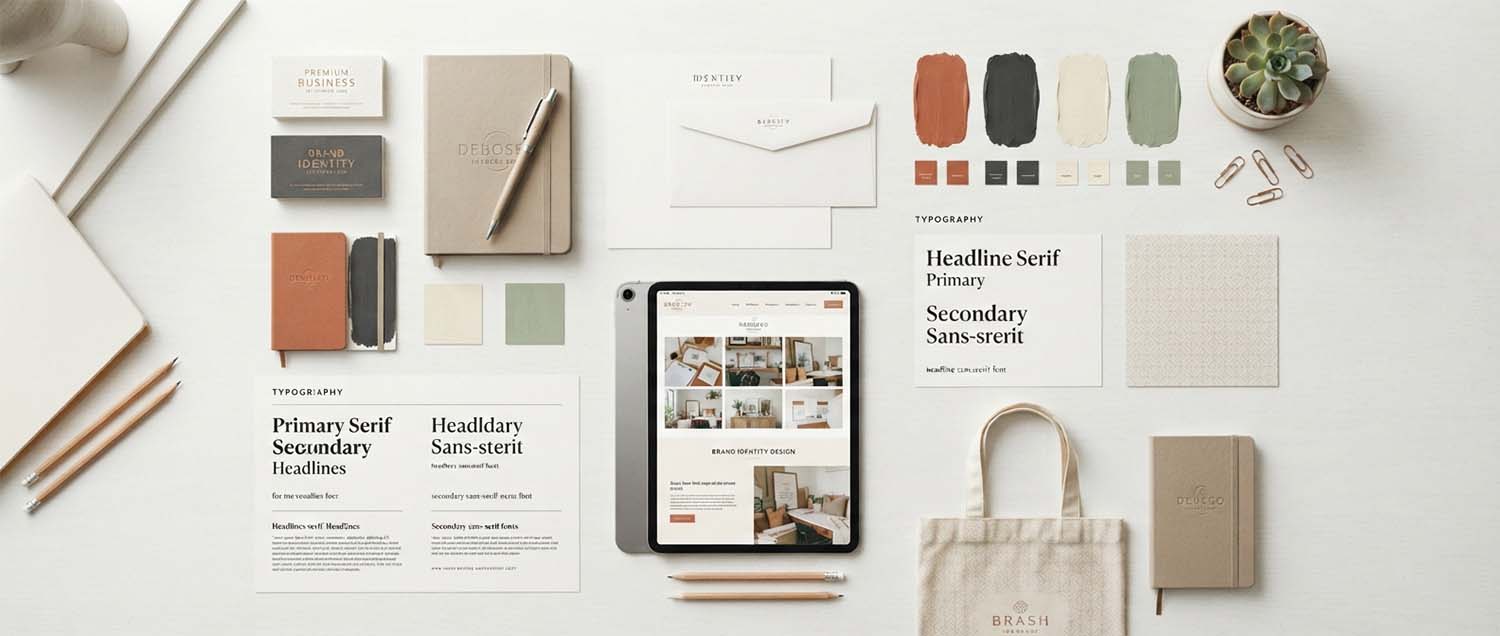
Brand identity design services encompass the complete process of defining, creating, and implementing the visual and verbal language through which a brand communicates with the world. These professional services go far beyond designing a logo. They involve developing a comprehensive identity system that includes color psychology, typography architecture, imagery direction, iconography, brand voice, and the detailed guidelines that ensure every brand expression feels intentional, consistent, and unmistakably yours.
Branding vs. Identity Design: While the terms are frequently used interchangeably, they represent distinct but deeply interconnected disciplines. Branding is the strategic foundation the research, positioning, purpose, values, and personality that define who you are and why you matter. Identity design is the tangible expression of that strategy the visual and verbal elements that make the brand recognizable and memorable. Professional brand identity design services bridge both worlds, ensuring that every color choice, typeface selection, and design decision is grounded in a clear strategic purpose. A dedicated brand agency or full-service branding agency integrates this strategic thinking across every deliverable. This integration is what separates a memorable brand from a forgettable logo.
Why Professional Identity Matters: In an increasingly crowded and noisy marketplace, a professionally designed brand identity is no longer optional. Brands with cohesive, well-crafted identities are consistently perceived as more credible, more valuable, and more trustworthy. They command higher prices, attract better talent, and build deeper customer loyalty. The commonly cited claim that consistent presentation raises revenue by up to twenty-three percent originates in a vendor survey rather than independent research, so the mechanism is more useful than the number: consistency compounds recognition, and recognition lowers the effort required to choose you. Professional brand identity design services bring the strategic thinking, creative expertise, and objective perspective needed to build a brand that truly cuts through the noise and connects with the people who matter most to your business.
Brand Strategy as the Foundation of Identity
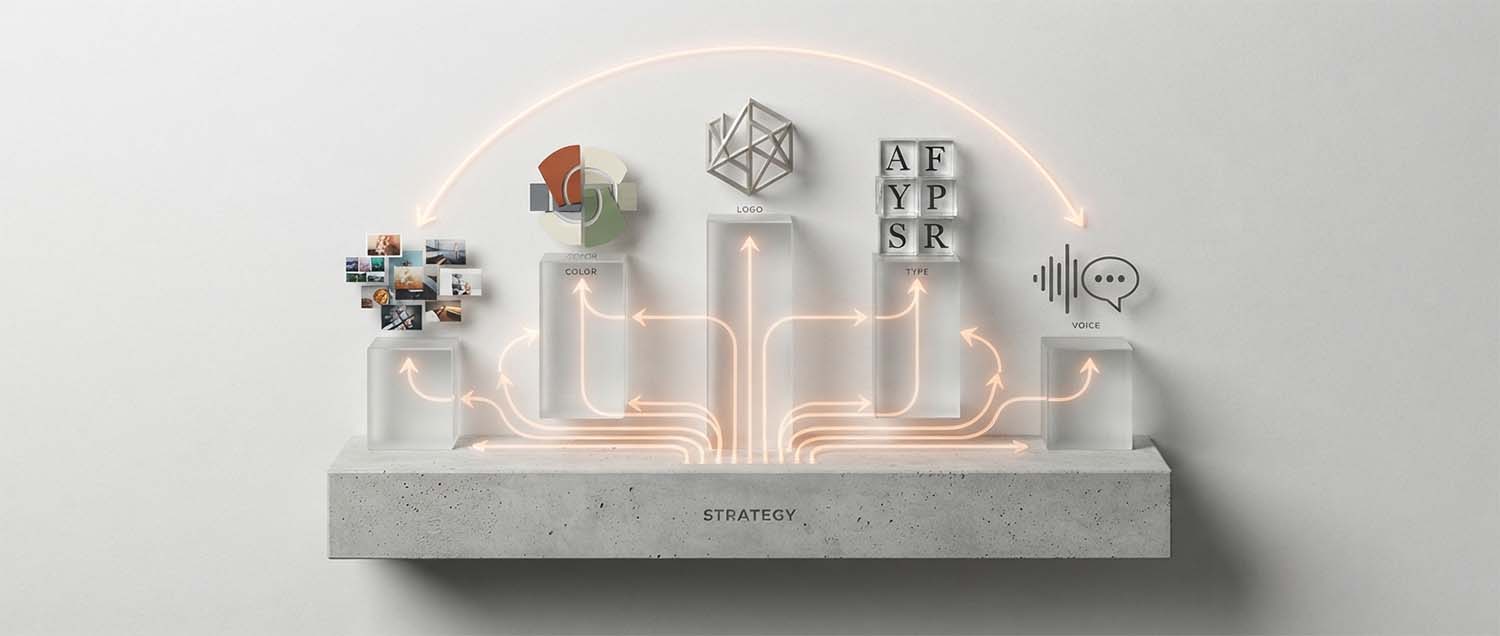
Before any visual design begins, brand strategy lays the groundwork. This is the phase where professional brand identity design services deliver their deepest value. Strategy ensures that every creative decision serves a purpose, that the brand stands for something meaningful, and that the identity resonates with the right audience in the right way. Without strategy, design becomes decoration. With it, design becomes communication.
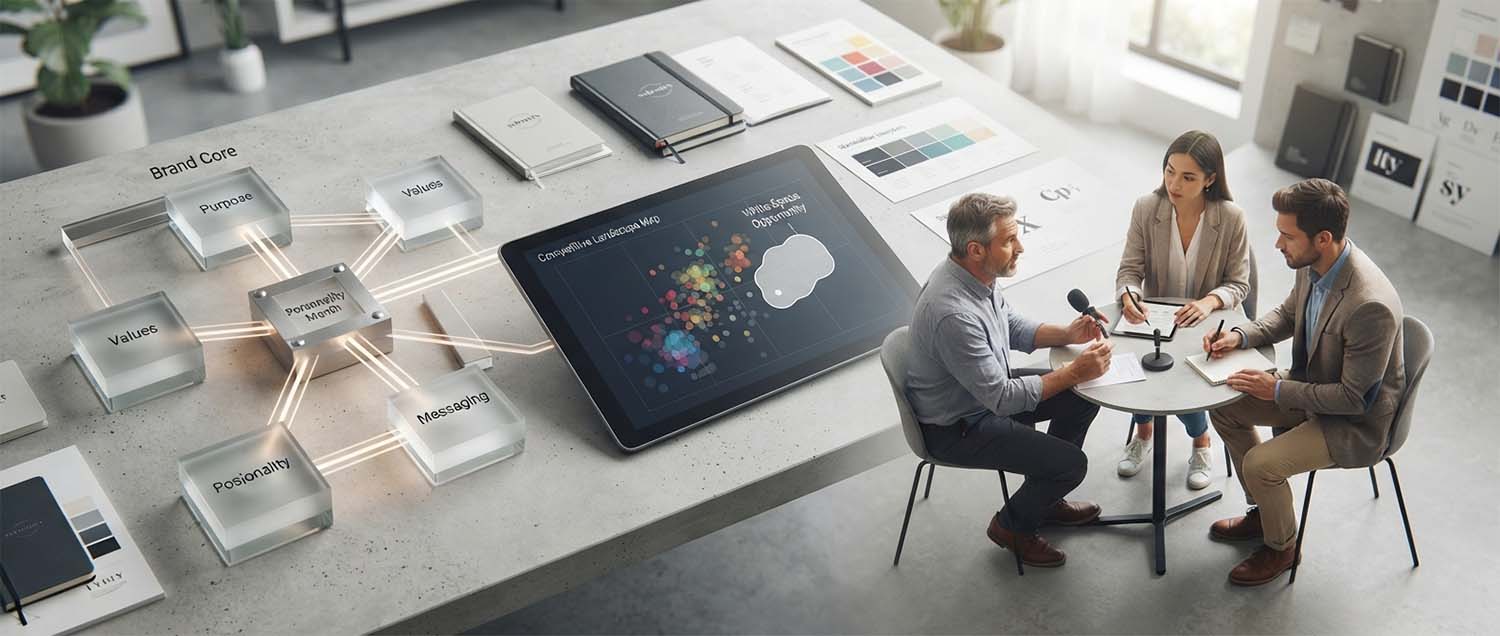
Discovery and Research Phase: The strategy process starts with immersive discovery. Brand strategists conduct in-depth stakeholder interviews with founders, executives, and key team members to understand the organization history, aspirations, and challenges. They analyze the competitive landscape, identifying positioning opportunities and gaps in the market. They research target audiences through demographic analysis, psychographic profiling, and sometimes direct consumer interviews. They audit existing brand materials to assess current perception and consistency. Every insight gathered during this phase becomes a building block for the strategic foundation, ensuring the identity is built on real understanding rather than assumptions or personal taste.
Brand Positioning and Architecture: With research complete, strategists develop the positioning platform. This includes brand purpose, the reason the organization exists beyond profit. Brand values, the principles that guide every decision and behavior. Brand personality, the human traits that define how the brand looks, sounds, and behaves. Brand positioning statement, a clear articulation of the unique value the brand offers to a specific audience. And messaging architecture, a hierarchy of key messages for different audiences and contexts. This strategic framework becomes the creative brief that guides all identity design work, ensuring that visual and verbal decisions are aligned with strategic intent and that the brand communicates with clarity and consistency across every touchpoint.
Logo Design as the Cornerstone of Brand Identity
The logo is often the most recognized element of any brand identity, but professional logo design is far more than creating a visually appealing mark. Design movements such as the Bauhaus approach to logo design show how enduring marks balance simplicity with meaning. A great logo is a strategic asset that encapsulates brand essence in a single, memorable symbol. It must be distinctive enough to stand out, simple enough to be recognized instantly, versatile enough to work across countless applications, and timeless enough to remain effective for years or even decades.
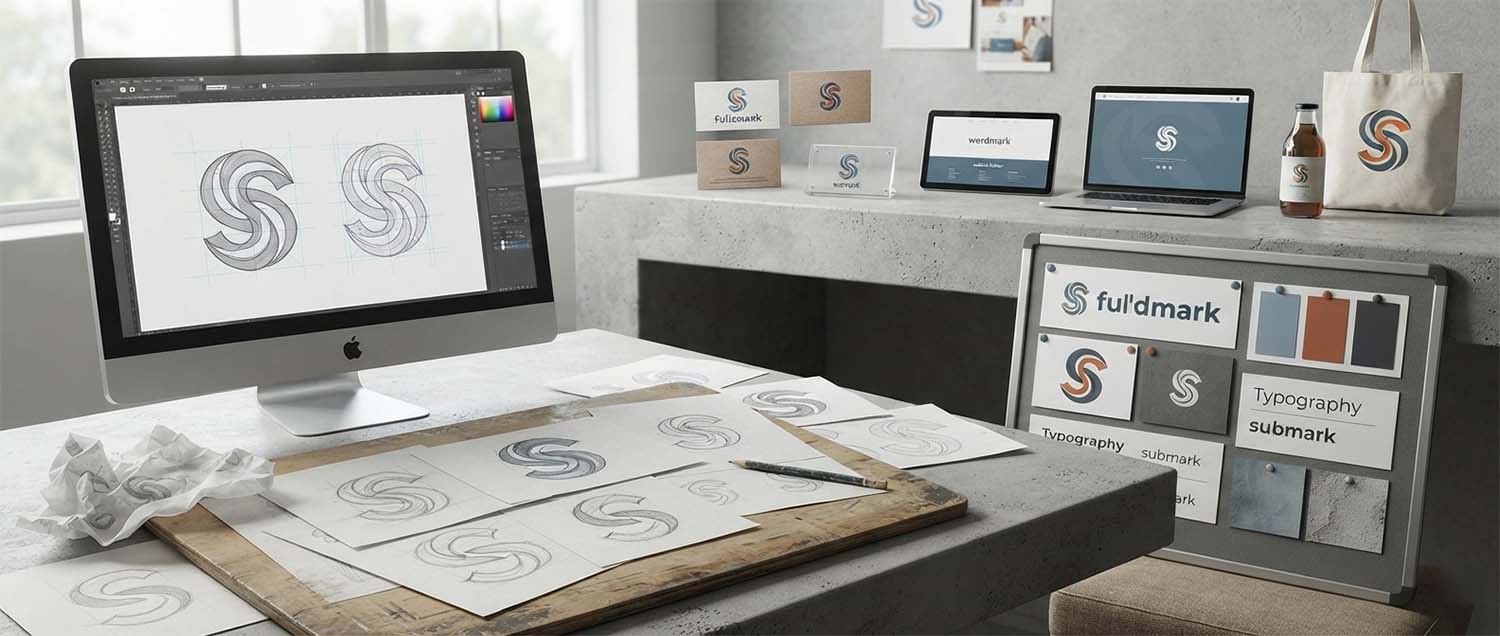
The Logo Design Process: Professional logo design follows a rigorous creative process that balances artistic exploration with strategic discipline. Designers begin with the brand strategy document as their creative brief, understanding the personality, audience, and positioning that the logo must express. They explore multiple conceptual directions through extensive sketching and brainstorming, generating dozens or even hundreds of ideas before identifying the most promising paths. Selected concepts are refined digitally with meticulous attention to proportion, spacing, weight, balance, and detail. Typography is carefully chosen or custom-crafted to perfectly complement the brand personality. Color is applied with strategic intent, considering psychological impact, industry context, and practical application requirements. The strongest concepts are tested across different sizes, media, and contexts to ensure they perform beautifully everywhere.
Logo Systems vs. Single Marks: Modern brand identity design services deliver a logo system rather than a single mark. This system includes a primary logo for standard applications, a secondary logo for constrained spaces, a submark or icon for social media avatars and watermarks, and a wordmark for contexts where the full logo is too large or formal. Each variation maintains visual consistency while serving different purposes. The logo system ensures the brand remains recognizable and legible across every context from a tiny mobile app icon to a massive building signage, from a subtle watermark to a bold billboard, from a social media profile to premium product packaging.
Color Palette and Typography Architecture
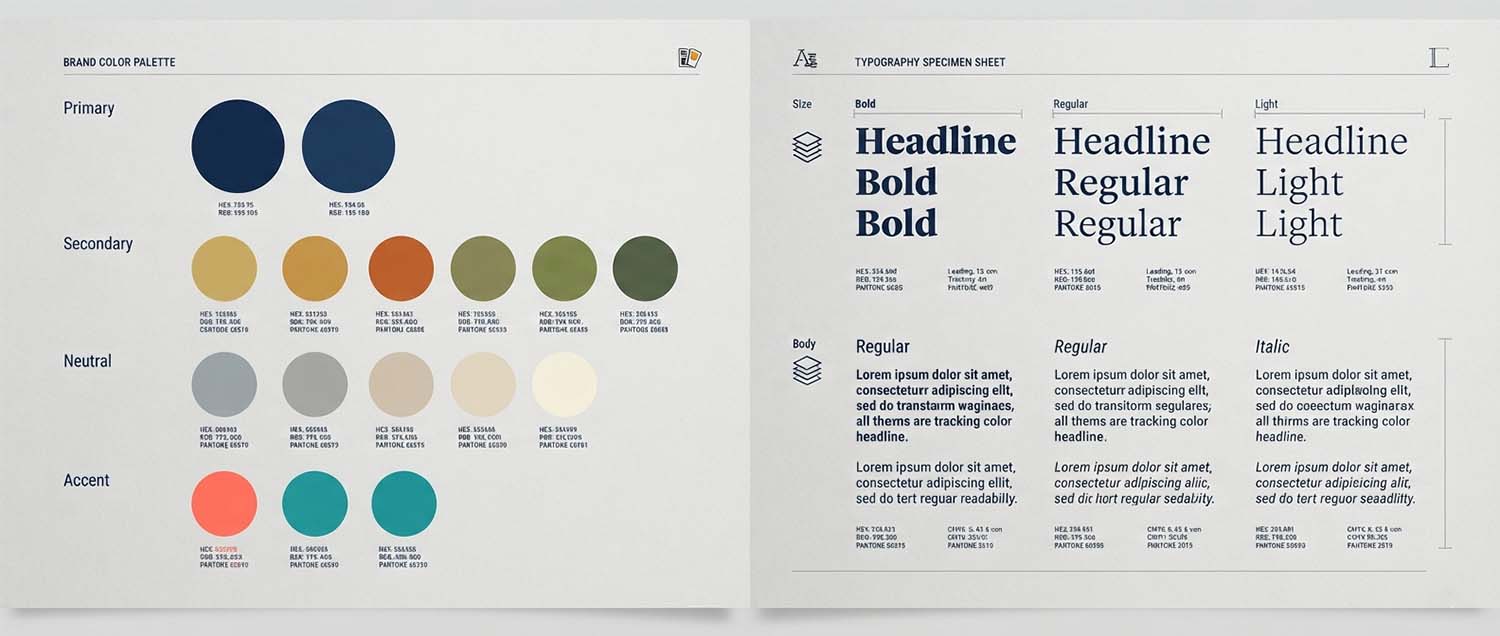
Color and typography are the foundational building blocks of every brand identity. They carry emotional weight, communicate personality, and create the visual consistency that makes a brand instantly recognizable. Professional brand identity design services invest significant expertise in developing color palettes and typography systems that work together harmoniously and perform effectively across every application.
Strategic Color Palette Development: Professional color palette development begins with a deep understanding of color psychology and how different hues, saturations, and combinations influence perception and emotion. Designers analyze the brand personality and positioning to select colors that authentically express the intended character. They study competitor color usage to ensure the brand stands out. They consider practical application requirements, ensuring colors maintain sufficient contrast for accessibility, reproduce consistently across different materials and devices, and work effectively in both digital and print environments. The final color system includes primary colors that define the brand, secondary colors that add flexibility, neutral colors for text and backgrounds, and accent colors for emphasis and energy. Every color is specified with HEX, RGB, CMYK, and Pantone values for accurate reproduction everywhere the brand appears.
Typography System Design: Typography is the voice of the brand in written form. Professional brand identity design services carefully select typefaces that express brand personality while ensuring readability and versatility across all media. The typography system typically includes a primary typeface for headlines and display use, a secondary typeface for body text and long-form reading, and sometimes a tertiary typeface for specialized applications like data visualization or captions. Each typeface is specified with appropriate weights, styles, sizes, line heights, and spacing parameters that create a clear visual hierarchy and consistent reading experience. For brands seeking the ultimate distinction, custom typeface design creates proprietary letterforms that exist nowhere else in the world, representing the highest level of typographic brand expression and differentiation.
Imagery and Iconography Systems
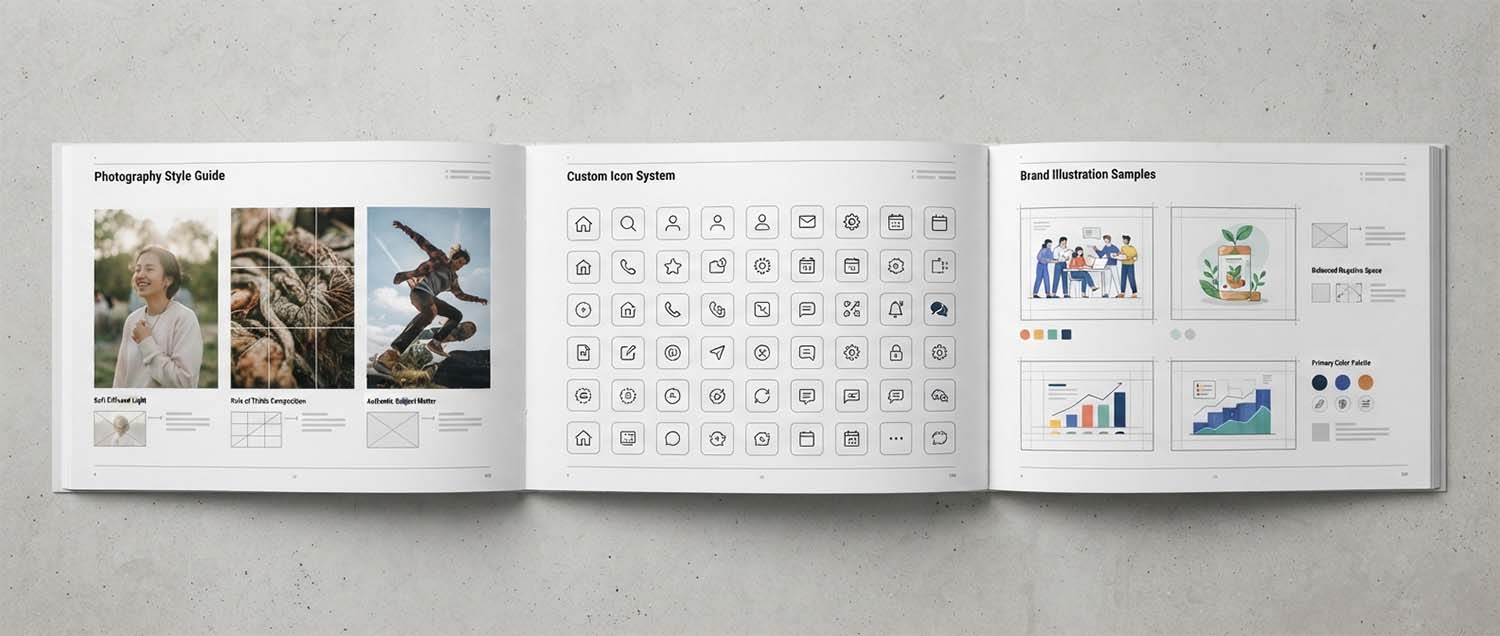
Imagery and iconography are among the most powerful tools in brand identity design. They communicate personality, values, and emotion instantly, often before a single word is read. Professional brand identity design services include developing comprehensive imagery guidelines and custom iconography systems that ensure every visual element feels intentional, consistent, and unmistakably part of the brand.
Photography and Video Direction: Professional brand identity services define the photography and video style that will represent the brand consistently across every communication. This includes clear guidelines for subject matter, the types of people, places, objects, and situations that should be depicted. Composition and framing, how shots are structured and what perspectives are used. Lighting and color treatment, the mood and atmosphere created through lighting style and post-production color grading. Diversity and representation standards that ensure inclusive and authentic visual communication. Art direction principles that guide how imagery is commissioned, selected, and used by internal teams and external partners. These guidelines ensure that every photograph and video looks like it belongs to the same brand, whether produced by the agency the client or an external vendor.
Custom Iconography and Illustration: Custom icons and illustrations give a brand a distinctive visual vocabulary that competitors cannot replicate with off-the-shelf stock assets. Brand identity services develop custom icon sets for digital interfaces, wayfinding systems, and communications that are designed with consistent visual characteristics including line weight, corner radius, style, and detail level. Illustration styles are created for brands that want a unique visual voice, with guidelines for color application, composition principles, and usage contexts that maintain consistency while allowing for creative expression. The investment in custom visual assets creates a brand identity that feels proprietary and distinctive, reinforcing brand recognition and differentiation every time someone encounters the brand.
Comprehensive Brand Guidelines Development
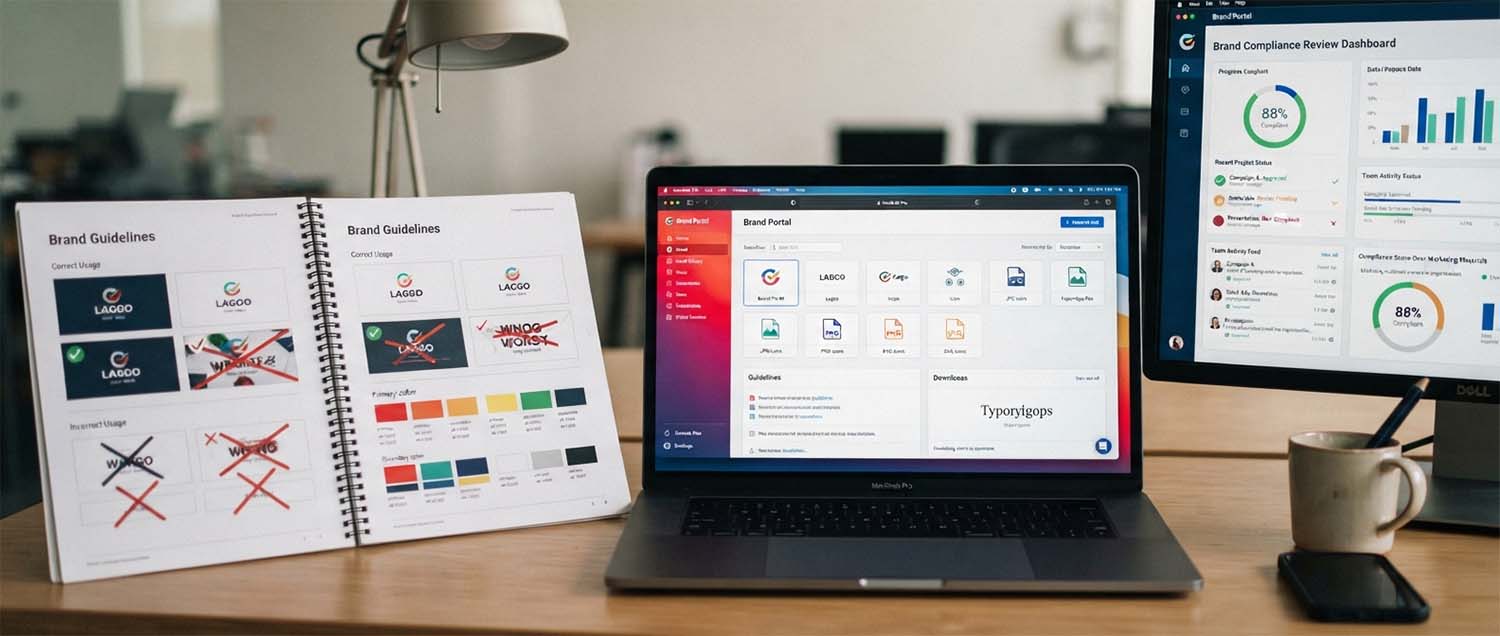
Brand guidelines are the authoritative playbook that ensures a brand identity is applied correctly and consistently across every touchpoint, by every person and team who creates brand materials. Professional brand identity design services include developing comprehensive guidelines that are thorough enough to protect the brand yet practical enough to be used daily by people who are not design experts.
What Effective Guidelines Include: Comprehensive brand guidelines document every element of the identity system with clarity and precision. Logo guidelines cover clear space requirements, minimum size specifications, incorrect usage examples, and the full range of logo variations and when to use each. Color guidelines specify every color in the palette with values for HEX, RGB, CMYK, and Pantone, plus usage rules and color combination guidelines. Typography guidelines specify typeface selections, hierarchy, spacing, alignment rules, and examples of correct and incorrect application. Imagery guidelines cover photography, illustration, and iconography style with examples and direction. Brand voice and tone guidelines define how the brand sounds across different contexts and audiences. Application examples show the identity applied to key materials, providing visual references that make the rules easy to understand and follow.
Digital Brand Hubs: Modern brand identity design services increasingly deliver guidelines as interactive digital platforms rather than static PDF files. Digital brand hubs provide searchable, always-current access to brand assets, guidelines, and templates. Team members can download approved logo files in the correct format instantly, find color values with a single click, access template files for common applications, and review correct usage examples. Digital guidelines can be updated in real time as the brand evolves, ensuring everyone always has the latest version. Many platforms include automated compliance checking tools that review materials for brand consistency before they go to production. This investment in brand governance protects the consistency that drives recognition and trust.
Brand Application and Touchpoint Design
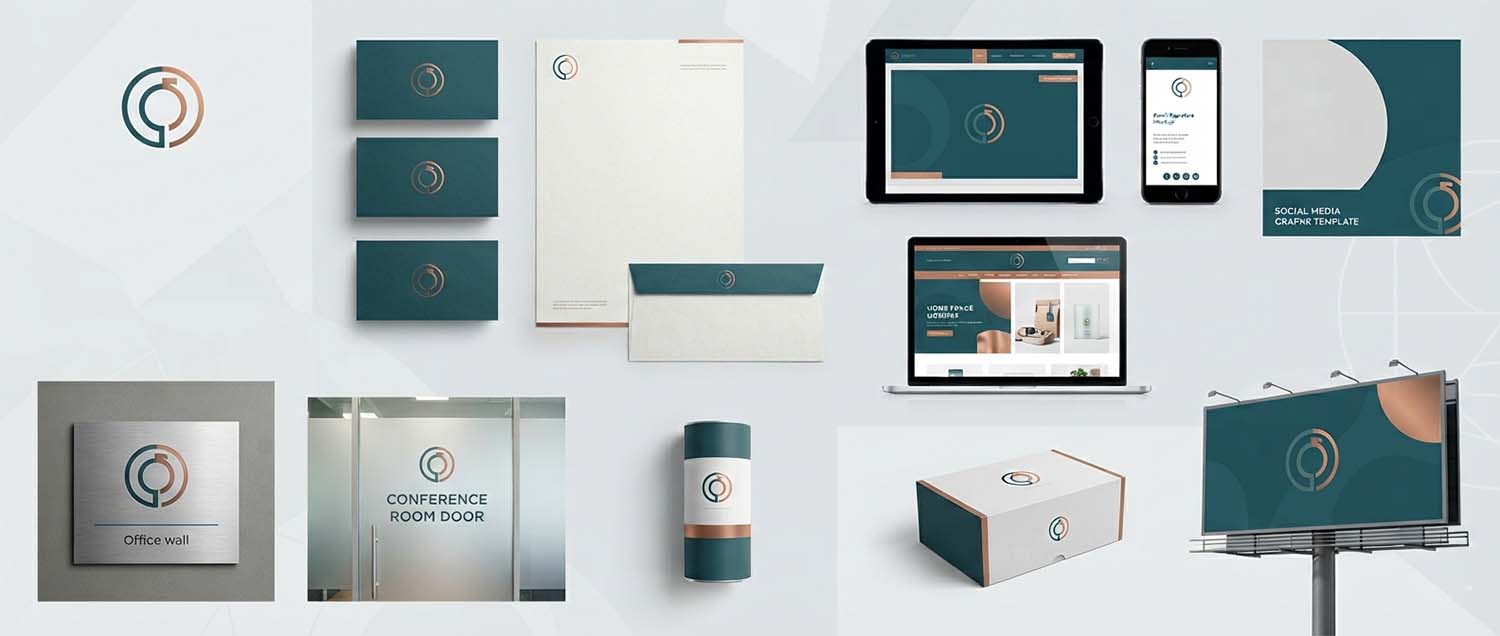
A brand identity is not complete until it is applied to the real-world materials and touchpoints where people will actually experience it. Professional brand identity design services include designing key brand applications that bring the identity to life, demonstrating how it works in context, and ensuring it creates a cohesive experience across every interaction.
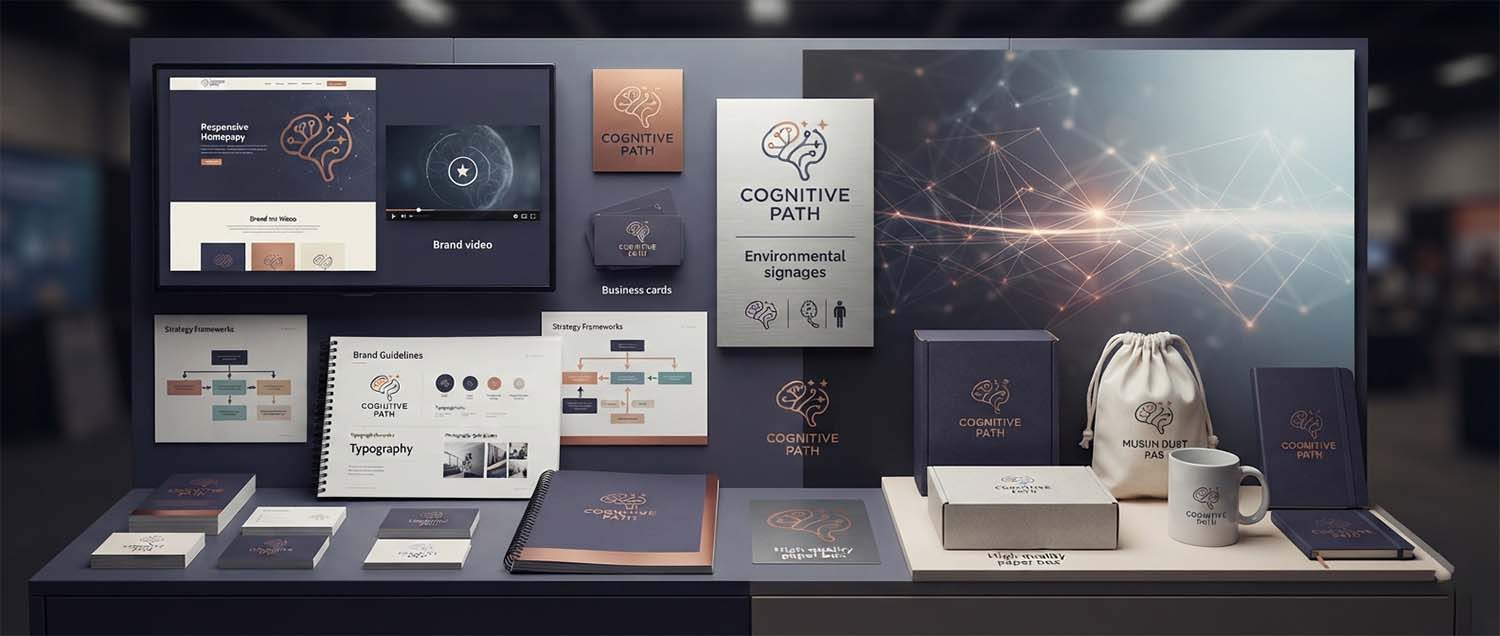
Stationery and Business Collateral: Business cards, letterhead, envelopes, notepads, and presentation templates remain essential brand touchpoints for most organizations. Professional brand identity services design these materials to reflect the brand while meeting practical needs for information hierarchy, print production, and professional appearance. Business card design considers paper stock selection, printing techniques such as letterpress, foil stamping, or embossing, and finishes that create tactile brand experiences. Digital collateral like email signatures, presentation templates, and document templates extend the brand into daily business communications, ensuring consistency in every interaction from the first email to the final proposal.
Digital and Environmental Applications: Modern brand identity systems extend across both digital and physical environments. Brand identity services design website and digital product interfaces that express the brand through layout, color, typography, interaction patterns, and micro-animations. Social media templates ensure consistent brand presence across every platform. Signage and environmental graphics bring the brand into physical spaces, from office interiors to retail environments to trade show exhibits. Packaging design applies the brand identity to product packaging with consideration for shelf impact, category conventions, and sustainability requirements. Advertising templates extend the brand into marketing campaigns with consistent visual treatment. Each application is designed with consideration for its specific context, audience, and objectives while maintaining visual and verbal consistency with the overall brand identity system.
Brand Naming and Verbal Identity
A brand name carries enormous weight. It is often the first thing people learn about a brand and one of the most enduring elements of its identity. Clear brand messaging services ensure the name is supported by a consistent verbal identity from day one. Professional brand identity design services include systematic naming methodologies and verbal identity development that ensure the brand name and voice are as strategically sound as the visual identity.
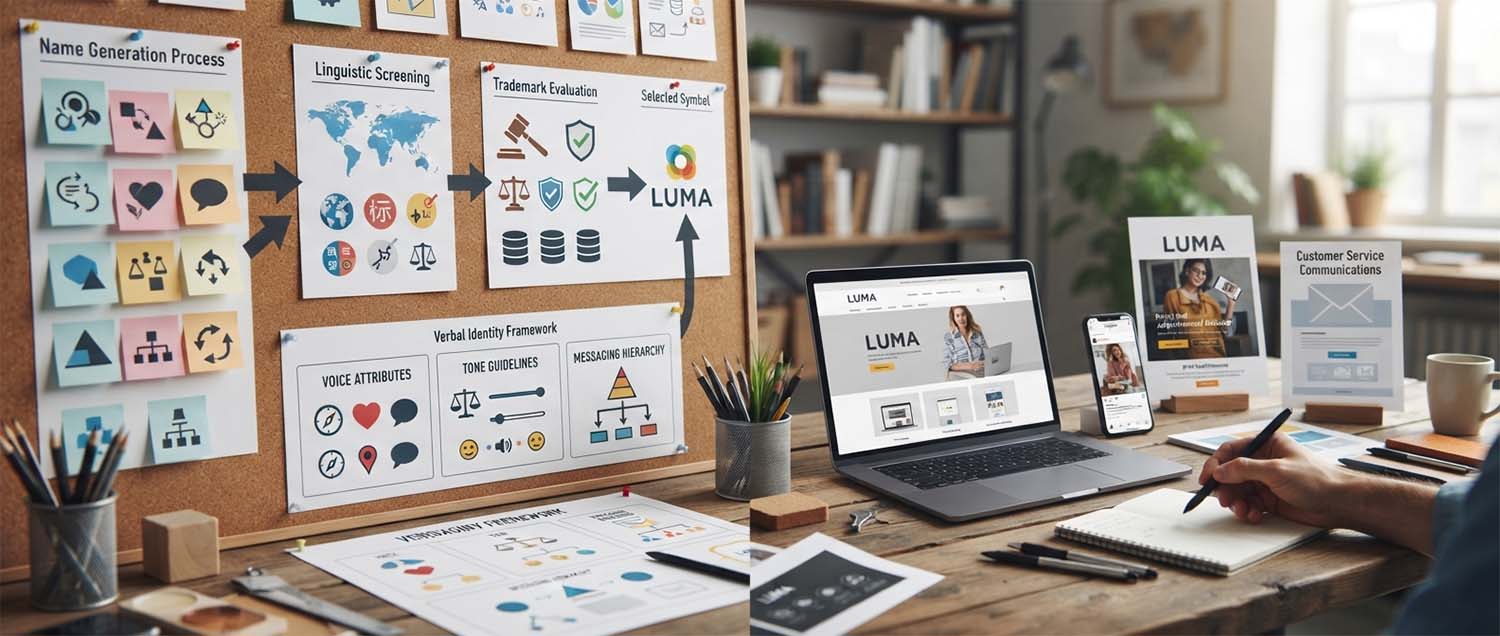
Professional Brand Naming Process: Brand naming follows a structured creative process. It begins with a detailed creative brief that defines naming objectives, brand personality, target audience, and competitive context. Name generation produces a large pool of candidates through linguistic exploration, metaphorical thinking, word combination, and creative invention. Evaluation screens names against criteria including memorability, distinctiveness, pronounceability, positive meaning in target languages and markets, and domain name availability. Legal screening conducts preliminary trademark searches to identify potential conflicts and assess registration viability. The final recommendation presents top candidates with strategic rationale, audience testing results, and supporting research that enables confident decision-making. Professional naming avoids the pitfalls of DIY approaches, including legal risk, cultural insensitivity, and strategic misalignment.
Verbal Identity and Brand Voice: Beyond the name, professional brand identity design services develop comprehensive verbal identity systems that define how the brand speaks. Brand voice attributes describe the personality characteristics expressed through language, such as authoritative, friendly, innovative, trustworthy, or bold. Tone guidelines explain how voice adapts to different contexts and audiences, from the warmth of customer service to the confidence of investor communications. Messaging hierarchy prioritizes key messages for different stakeholder groups. Vocabulary and phrasing preferences create distinctive brand language that sets the brand apart. Verbal identity ensures the brand sounds like itself consistently, whether in a website headline, a social media post, an email newsletter, or a customer support interaction.
Rebranding and Brand Refresh Services
Organizations evolve, markets change, and brands must keep pace. Professional brand identity design services include rebranding and brand refresh offerings that help businesses evolve their identity to remain relevant, competitive, and aligned with their current strategic direction. Understanding the difference between these two approaches helps organizations choose the right path for their situation.
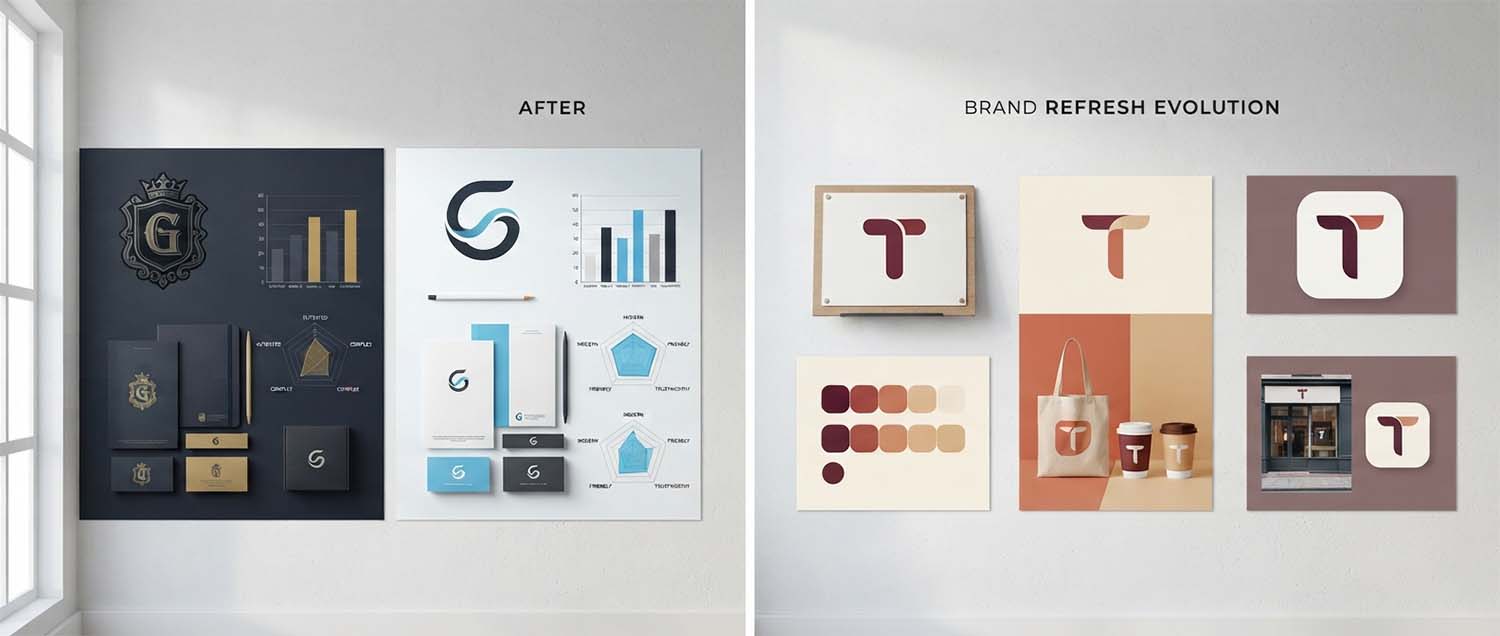
Full Rebranding Services: A full rebrand is appropriate when an organization undergoes significant transformation such as mergers or acquisitions, complete strategic pivots, expansion into new markets, or reputation recovery. Professional rebranding services begin with comprehensive research to understand current brand equity, stakeholder perceptions, and the new competitive landscape. The process includes redefining brand strategy from the ground up, developing an entirely new visual identity system, creating comprehensive new brand guidelines, and managing the complex rollout across every touchpoint. Full rebrands require careful change management to maintain customer and employee confidence during the transition, and a well-planned brand launch is essential to introducing the new identity successfully. Professional brand identity services guide clients through this process with phased implementation plans that manage cost, risk, and organizational disruption while maximizing the positive impact of the new brand.
Brand Refresh Services: A brand refresh is a lighter, more focused evolution that modernizes the identity while preserving the core elements that have built recognition and equity over time. Brand refresh services typically include updating the logo to feel more contemporary while maintaining recognizability, refreshing the color palette for modern applications and accessibility, updating typography for improved digital performance, refreshing brand guidelines, and rolling out the updated identity across priority touchpoints. Brand refreshes are less disruptive, less expensive, and faster to execute than full rebrands. They are ideal for organizations whose brand strategy remains sound but whose visual identity has become dated, inconsistent, or misaligned with current brand expression.
Digital-First Brand Identity Design
In a world where most brand experiences begin on a screen, digital-first brand identity design has become essential. Professional brand identity design services now prioritize digital applications without sacrificing the quality and impact of print and environmental expressions. This approach ensures brands look and feel exceptional everywhere, from a smartwatch face to a stadium banner.
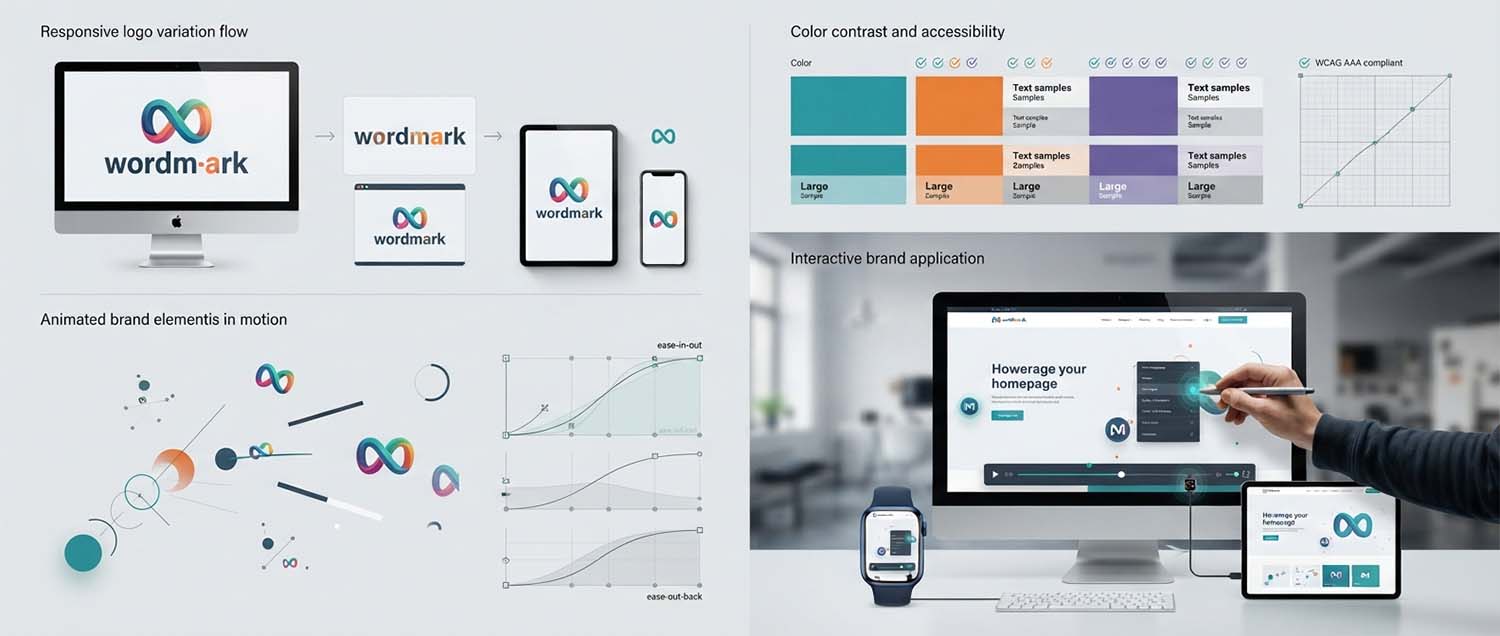
Responsive and Adaptive Identity Systems: Digital-first brand identities are designed to adapt seamlessly across the full spectrum of screen sizes and contexts. Responsive logos automatically adjust their complexity and format based on available space, simplifying for smaller screens without losing recognition. Color systems are optimized for digital accessibility, ensuring sufficient contrast for readability and compliance with accessibility standards. Typography is selected for excellent screen rendering across devices and operating systems. Digital-first identity systems include specifications for loading performance, animation principles, and interaction patterns that ensure the brand looks and feels native to every digital platform. The result is a brand identity that maintains its impact and consistency whether experienced on a mobile phone, tablet, laptop, or large display.
Motion and Interactive Brand Elements: Animation and motion have become essential dimensions of modern brand identity. Professional brand identity design services include motion principles that define how brand elements move, transition, and respond to interaction. Animated logos bring brands to life in digital environments. Micro-interactions express brand personality through subtle animations that respond to user actions. Video and motion graphics guidelines ensure consistent brand expression across moving content. Interactive brand elements create engaging digital experiences that static brand systems cannot achieve. Motion brand guidelines are now a standard deliverable in comprehensive identity projects, specifying animation timing, easing curves, sequence principles, and application rules that ensure motion feels intentional and brand-aligned.
Pricing and Investment for Brand Identity Services
The cost of professional brand identity design services varies considerably based on scope, complexity, agency reputation, geographic location, and the depth of strategic and creative work required. Understanding typical pricing ranges and what drives costs helps businesses budget effectively and evaluate proposals with confidence.
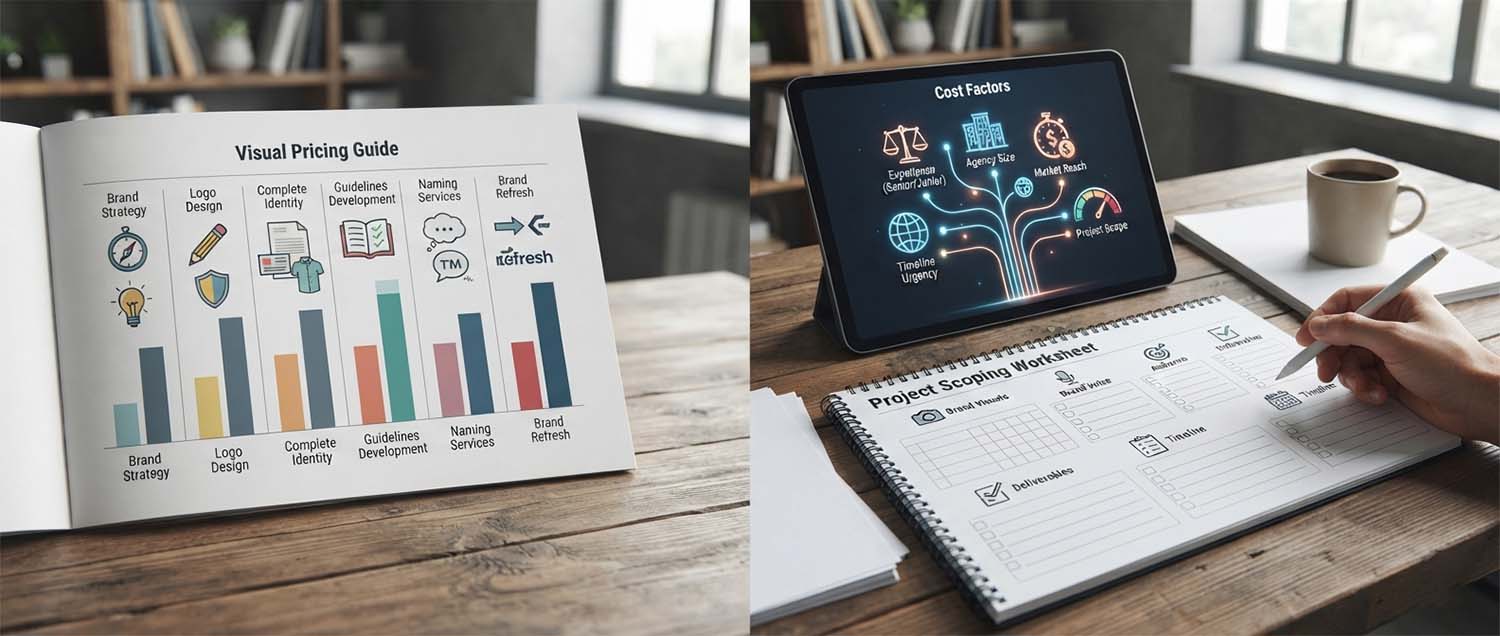
Typical Investment Ranges: Comprehensive brand identity projects that include strategy, visual identity development, and guidelines typically range from twenty-five thousand to one hundred fifty thousand dollars. Logo design as a standalone service ranges from five thousand to thirty-five thousand dollars, though most experts recommend investing in the full identity system for significantly better results. Brand guidelines documentation ranges from five thousand to twenty-five thousand dollars. Application design varies based on the number and complexity of touchpoints. Brand naming services range from fifteen thousand to fifty thousand dollars including linguistic and trademark screening. Brand refresh projects range from ten thousand to fifty thousand dollars depending on the extent of changes. These ranges reflect current market rates across the United States and vary by market.
Factors That Influence Cost: Several key factors affect the cost of brand identity services. Agency reputation and experience, established agencies with proven track records command higher fees based on their expertise and results. Project complexity and scope, brands with multiple products, international markets, or complex stakeholder environments require more extensive work. Research depth, projects involving primary consumer research, competitive audits, or extensive stakeholder interviews cost more than projects based on existing knowledge. Deliverable volume, more logo variations, application designs, and guideline pages increase the total investment. Timeline pressure, compressed schedules may require additional resources and command premium rates. Geographic market, agencies in major metropolitan areas typically charge higher rates reflecting their cost structures and market positioning.
The Brand Identity Design Process
Professional brand identity design services follow a structured, phased process that ensures strategic rigor, creative excellence, and efficient collaboration. Understanding the process helps you prepare for a successful engagement and get the maximum value from your investment in brand identity development.
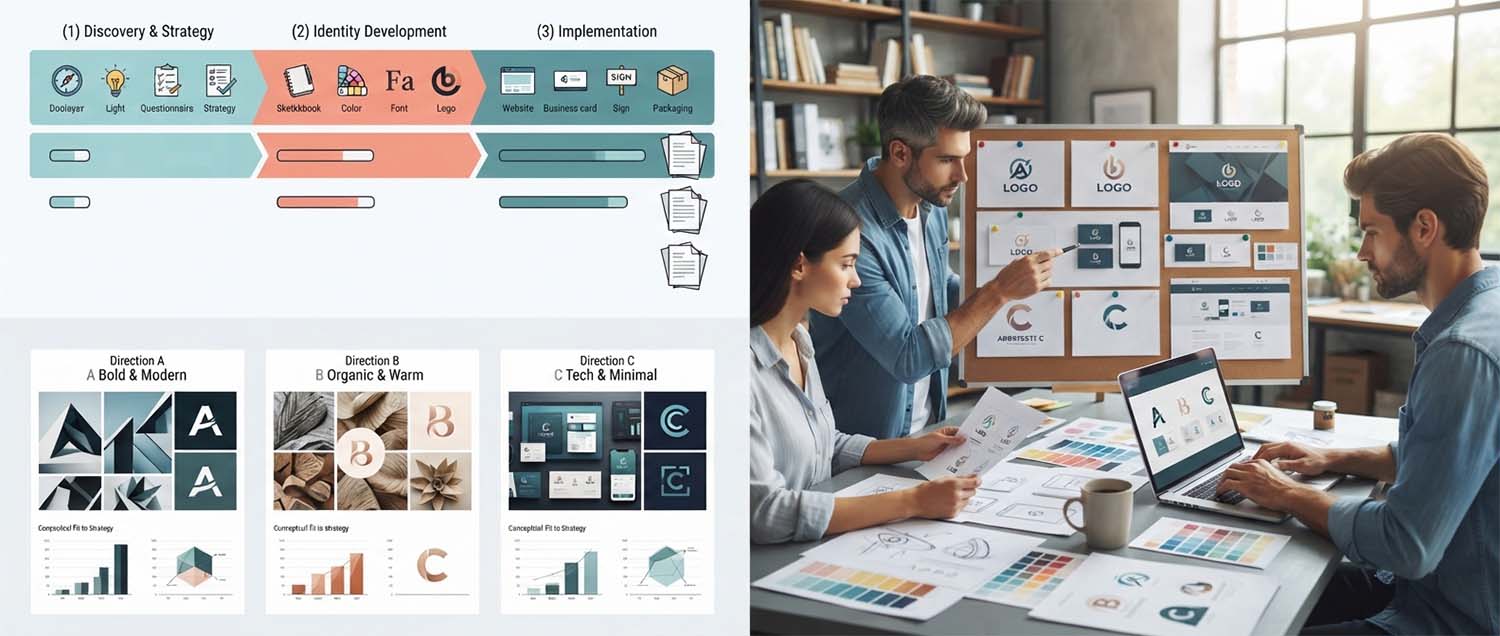
Phase One: Discovery and Strategy: The engagement begins with a deep discovery phase where the brand identity team learns everything about your business, market, customers, and competition. This includes stakeholder interviews, market research, competitive analysis, a comprehensive brand audit, and often direct customer research. The output is a strategic foundation document that includes brand positioning, audience definitions, competitive insights, a creative brief, and the strategic platform that will guide all creative work. This phase typically takes four to eight weeks and requires active participation from your leadership team. The quality and thoroughness of this phase directly determines the quality of everything that follows.
Phase Two: Identity Development: With the strategy established, the creative team begins developing the visual identity. You will be presented with two to three distinct creative directions expressed through mood boards, logo concept explorations, color studies, typography recommendations, and initial application mockups. After selecting a preferred direction, the team refines it through multiple iterations, perfecting every detail from logo proportions and spacing to color values and typography hierarchy. The identity development phase culminates in the final identity system and comprehensive brand guidelines document. This phase typically takes eight to sixteen weeks depending on the complexity of the project and the speed of decision-making.
Phase Three: Implementation and Launch: Following identity development, the implementation phase applies the brand identity to priority touchpoints and manages the brand launch. This includes designing key applications, producing final asset files, developing brand guidelines, creating internal launch communications, and supporting the rollout across the organization. A well-managed launch ensures that everyone inside and outside the organization experiences the new brand positively and consistently from the moment it debuts.
How to Choose the Right Brand Identity Partner
Selecting the right agency or consultant for your brand identity project is one of the most consequential decisions you will make. The partner you choose will shape how your brand is perceived for years to come. A structured evaluation process helps you find a partner whose strategic approach, creative capabilities, industry experience, and working style align with your specific needs and expectations.
Evaluating Strategic and Creative Capability: The best brand identity partners combine creative excellence with genuine strategic rigor. When evaluating agencies, look for evidence of strategic thinking in their case studies, portfolio presentations, and initial conversations. Do they explain the why behind the design decisions they made? Do they demonstrate understanding of brand positioning, audience insights, and competitive dynamics? Do they ask insightful questions about your business during initial discussions? An agency that leads with strategy rather than visual aesthetics is more likely to produce a brand that works strategically, not just visually. Review their portfolio for creative excellence and originality, and assess whether their design sensibility aligns with your vision for the brand.
Chemistry, Communication, and Fit: Beyond credentials and portfolio, the personal dynamic between your team and the agency is critical. Schedule chemistry meetings with your top candidates to evaluate communication style, cultural alignment, and whether you can envision a productive long-term partnership. Ask about their communication practices, project management approach, and how they handle feedback and challenges. Request references from clients with similar project scopes, industries, or challenges. Ask references about the agency process, responsiveness, problem-solving ability, and whether the project came in on time and on budget. The strongest agency relationships are genuine partnerships built on mutual respect, transparent communication, and shared commitment to creating exceptional work that drives real business results.

Collaborating for Brand Identity Success
The quality of collaboration between your organization and your brand identity partner directly influences the quality of the final identity. The most successful projects are true partnerships where both sides bring their expertise, communicate openly, and work together toward a shared vision of what the brand should be.
Setting the Project Up for Success: Begin the engagement with clear alignment on roles, responsibilities, communication rhythms, decision-making processes, and success criteria. Designate a single point of contact on your team who has decision-making authority and can consolidate feedback from internal stakeholders. Establish regular check-in meetings with clear agendas and action items. Agree on the revision and approval process, including how many revision rounds are included in the scope. Be transparent with your agency about budget constraints, timeline pressures, and any internal dynamics that could affect the project. Clear expectations at the outset prevent misunderstandings and keep the project moving efficiently toward the best possible outcome.
Giving Feedback That Drives Great Results: The feedback you provide throughout the brand identity process is one of your most important contributions to the project success. Great feedback is specific, constructive, and tied to strategic objectives rather than personal preferences. Instead of simply saying you do not like a color or typeface, explain why it does not work for the brand positioning or target audience. Reference the brand strategy when evaluating creative work. Consolidate feedback from all internal stakeholders into a single organized document before sharing with the agency. Trust the creative team expertise while being honest about what does not feel right. The strongest brand identities emerge from collaborative dialogue where both sides challenge each other constructively and work together toward the optimal solution for the brand.
Measuring Brand Identity Impact and ROI
Professional brand identity design services represent a significant investment, and measuring the return on that investment is important for justifying the expenditure and guiding future brand decisions. While some brand benefits are qualitative, many can be measured through structured metrics and research.
Quantitative Brand Metrics: Several measurable indicators demonstrate the impact of professional brand identity. Brand awareness can be tracked through surveys measuring unaided and aided recall before and after the brand launch. Brand perception surveys measure changes in how the brand is rated on key attributes like quality, innovation, trustworthiness, and relevance. Customer acquisition cost often decreases as brand recognition improves, because familiar brands require less marketing spend to convert prospects. Customer retention and loyalty metrics frequently improve when a brand identity communicates consistently and builds emotional connection. Premium pricing, the ability to charge higher prices than generic competitors, is a direct measure of brand equity that a strong identity builds. Website traffic, social media engagement, and content performance also tend to improve with a distinctive, well-executed brand identity.
Qualitative and Long-Term Value: Beyond the numbers, professional brand identity creates qualitative value that drives long-term business success. Employee recruitment and retention improves when people are proud to work for a brand with a strong identity. Partner and investor confidence increases when a brand presents itself professionally and consistently. Competitive differentiation becomes more sustainable when it is built into the brand identity rather than depending solely on product features or pricing. Brand consistency across all touchpoints builds trust over time, and trust is the foundation of customer relationships that endure through market changes and competitive pressure. The full return on brand identity investment compounds over years, making it one of the most valuable long-term investments a business can make.

Emerging Trends in Brand Identity Design
Brand identity design services continue to evolve rapidly in response to technological advances, shifting consumer expectations, and broader cultural changes. Staying informed about emerging trends helps you make forward-looking decisions when developing or refreshing your brand identity, ensuring it remains relevant and effective for years to come.
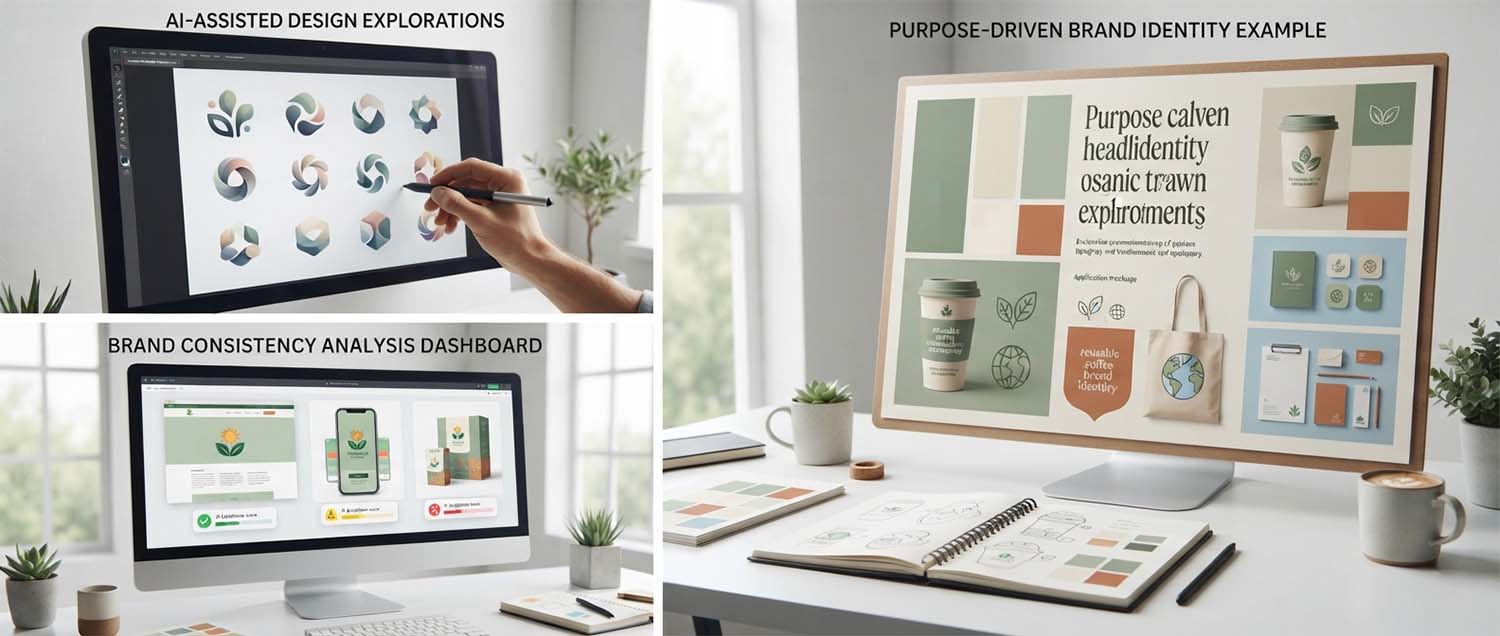
Artificial Intelligence in Brand Identity: AI is beginning to transform brand identity design in meaningful ways. Generative AI tools are being used to explore a wider range of creative directions more quickly, generating logo variations, color palette explorations, and typography combinations that human designers then refine and perfect. AI-powered brand analysis tools can assess brand consistency across thousands of touchpoints, identifying inconsistencies and compliance issues that would be impossible to detect manually. Predictive analytics help brands understand how their identity will be perceived in different markets and cultures before launch. However, the most effective applications of AI in brand identity design keep human strategic thinking and creative judgment at the center, using AI as a powerful tool that enhances rather than replaces professional expertise.
Sustainability and Purpose-Driven Identity: Consumers increasingly expect brands to demonstrate authentic commitment to environmental and social responsibility. Brand identity design services are responding by developing identities that communicate sustainability values visually and verbally. This includes color palettes inspired by natural materials and landscapes, typography that feels organic and approachable, imagery that depicts authentic human experiences and environmental stewardship, and messaging that honestly communicates sustainability efforts and progress rather than making superficial claims. Purpose-driven brand identity goes deeper than visual aesthetics, embedding the brand reason for being into every element of the identity system. Brands that authentically integrate purpose into their identity build stronger emotional connections with consumers who share those values, creating loyalty that transcends product features and price competition.
Real-World Brand Identity Success Stories
Real-world success stories from professional brand identity design services demonstrate the measurable impact that strategic brand development can have on business outcomes. These examples illustrate how comprehensive brand identity systems drive tangible results across different industries and business stages.
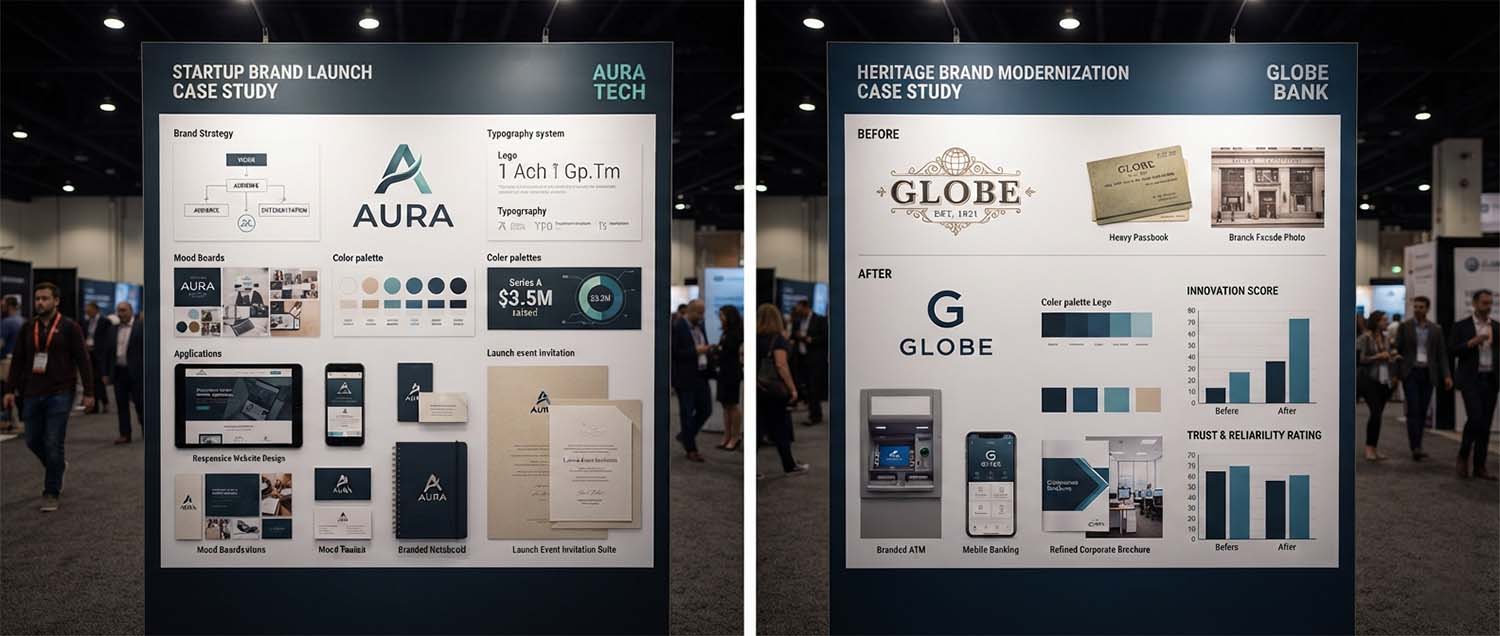
Startup Brand Launch Success: A technology startup preparing for Series A funding engaged a brand identity agency to develop a complete brand from scratch. The agency conducted market research revealing that the category was dominated by cold, corporate brands that failed to connect with the startup target audience of creative professionals and small business owners. The brand strategy positioned the company as the approachable, human alternative in a technical category. The visual identity featured a warm and expressive color palette with coral and teal accents, custom hand-drawn typography for the logo that felt personal and crafted, and an illustration style that made complex technology concepts feel accessible and friendly. The brand launched at a major industry conference and helped the startup stand out in a crowded field of competitors, contributing directly to a successful funding round and earning coverage in major technology publications. Within the first eighteen months, the startup achieved higher brand recall than competitors with marketing budgets more than three times larger.
Heritage Brand Modernization: A century-old manufacturing company with strong brand recognition but a significantly outdated visual identity engaged brand identity services to modernize while preserving the equity built over decades. The agency developed a brand refresh that evolved the classic logo with refined proportions and a contemporary color palette, created a comprehensive typography system optimized for digital applications, and developed brand guidelines that enabled consistent application across the company global operations spanning more than thirty countries. The refreshed brand was rolled out systematically across products, packaging, facilities, digital platforms, and marketing materials. Customer research conducted after the launch showed significant improvement in brand perception scores for innovation and modernity while maintaining the high scores for trust, quality, and reliability that the brand had built over generations. The company reported increased enthusiasm from their distributor network and a measurable lift in customer inquiries directly attributed to the refreshed brand presence.
Long-Term Brand Stewardship and Evolution
The most valuable brand identity relationships evolve into long-term partnerships that provide ongoing stewardship, evolution, and support. The agency that built your brand understands its strategic foundation, creative rationale, and nuanced application better than any other partner, making them invaluable for maintaining brand integrity and guiding thoughtful evolution over time.
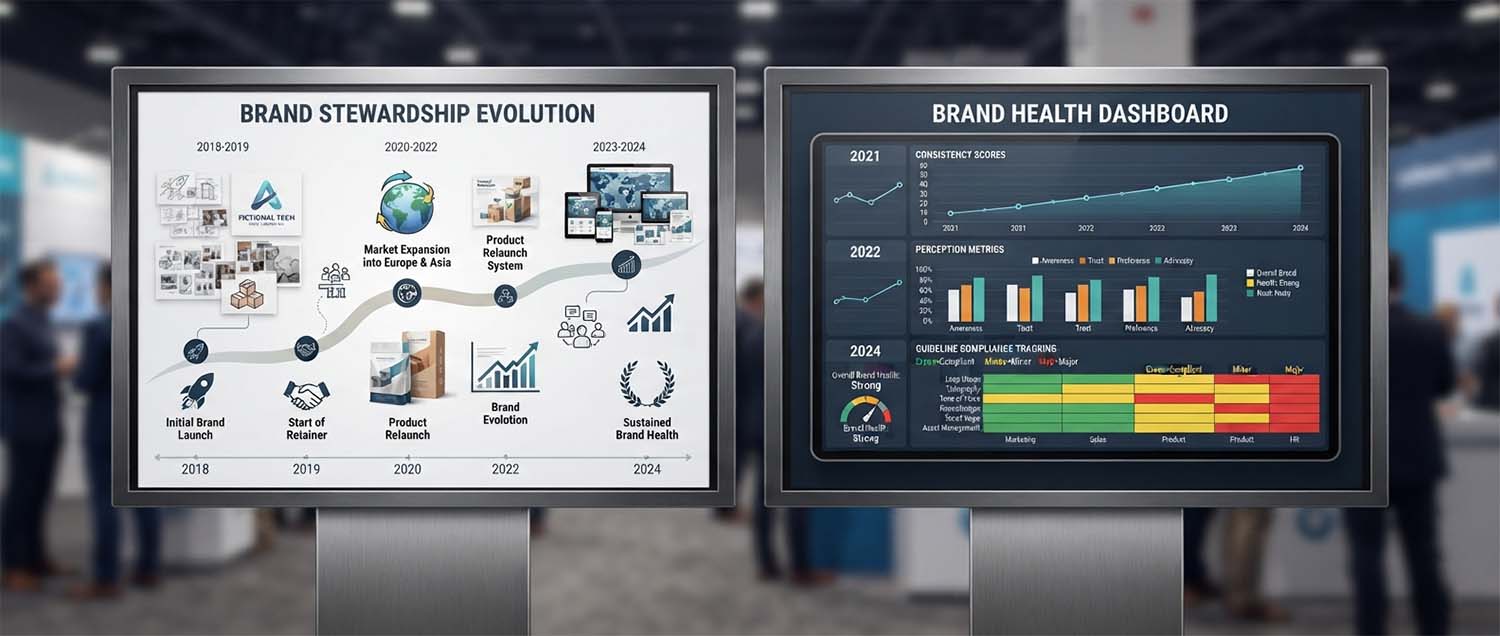
Ongoing Brand Support Services: Many brand identity agencies offer ongoing retainer relationships for brand management and evolution. These services include brand asset management and updates as new applications arise, new touchpoint design as your business launches new products or enters new channels, brand guideline updates as your brand evolves naturally, internal brand training and onboarding for new team members, brand compliance review of materials produced internally or by external partners, and periodic brand health assessments that measure consistency, perception, and equity over time. Ongoing stewardship protects your brand investment by ensuring consistent application and preventing the gradual drift that silently erodes brand equity. The best brand stewardship relationships become a strategic asset, with the agency serving as an extension of your team and a guardian of your brand integrity.
Guiding Brand Evolution: Brands that endure are those that evolve thoughtfully over time, adapting to changing markets, audience expectations, and cultural contexts while maintaining the core equity that makes them recognizable and trusted. Long-term brand partners guide this evolution with strategic perspective and institutional memory, helping clients distinguish between changes that strengthen the brand and changes that could dilute it. They provide the objectivity and expertise needed to evolve the brand intentionally rather than reactively, ensuring that every change serves a strategic purpose and reinforces rather than undermines the brand equity built over years or decades. The strongest agency relationships span years or decades, growing alongside the client and providing the continuity and deep brand understanding that enables the identity to remain relevant, distinctive, and effective through every stage of business growth and market evolution.
Brand Identity Design for Small Businesses
Small businesses face unique challenges and opportunities when it comes to brand identity design. With limited budgets and often no dedicated marketing team, every brand investment must deliver maximum impact. Professional brand identity design services tailored for small businesses focus on creating identity systems that are affordable, practical, and powerful enough to compete with much larger competitors.
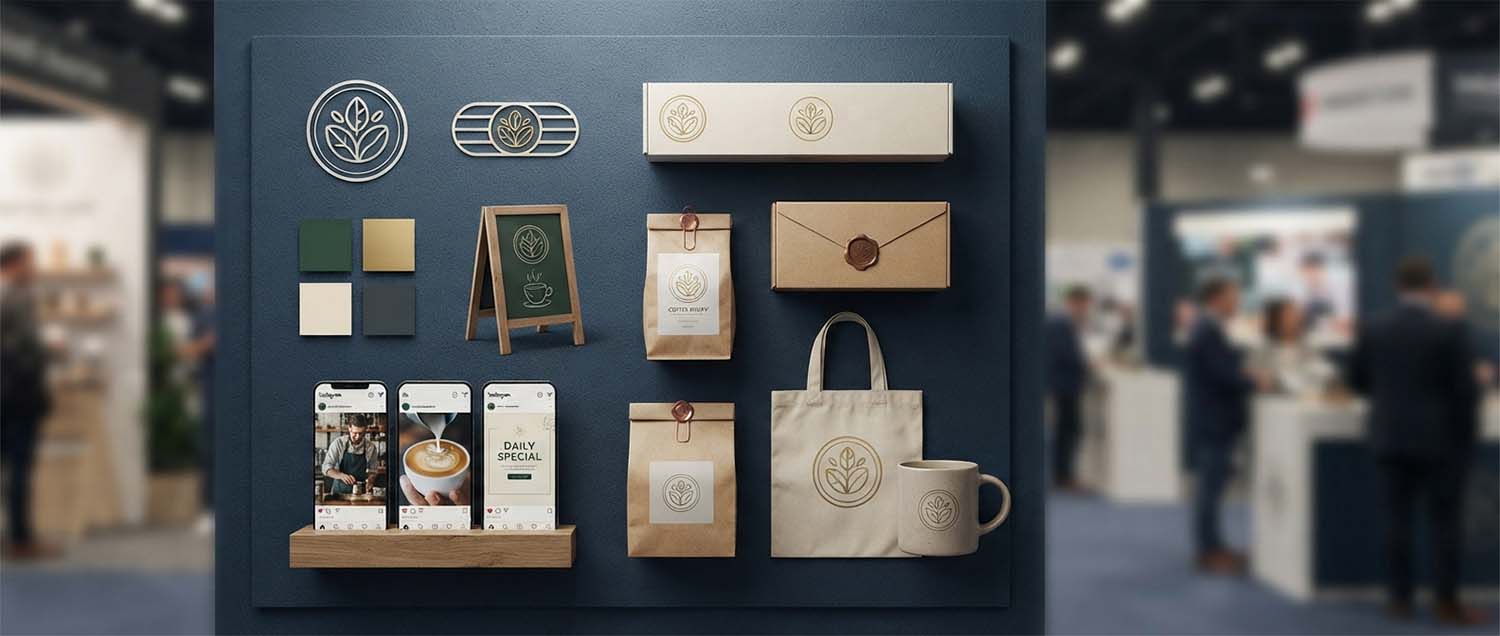
Affordable Yet Impactful Identity: Brand identity services for small businesses often work with scaled scopes that deliver the essential elements without unnecessary complexity. These typically include a distinctive logo system, a carefully selected color palette of two to four colors, a typography system using widely available typefaces, basic brand guidelines covering the most common applications, and design templates for social media, presentations, and marketing materials. The key is focusing investment on the elements that will have the greatest visibility and impact for the business. A well-designed small business brand identity can create the perception of a much larger, more established company, leveling the playing field and building immediate credibility with customers who might otherwise choose a better-known competitor.
DIY-Friendly Systems with Professional Foundation: Smart small business brand identity design includes creating systems that the business owner can maintain and apply without ongoing design support. This means providing easy-to-use templates, clear and simple guidelines that anyone can follow, asset files organized for quick access, and social media templates pre-sized for every platform. The professional foundation ensures the brand looks polished and consistent, while the DIY-friendly execution keeps costs manageable and gives the business owner autonomy to create new materials as needed. Many brand identity services also offer scaled ongoing support options, such as quarterly check-ins or hourly consulting, that give small businesses access to professional guidance when they need it without the commitment of a full retainer.
E-Commerce Brand Identity Design
E-commerce brands operate in an intensely competitive digital marketplace where first impressions happen in milliseconds and customers judge a brand by its visual presence before reading a single word. Professional brand identity design services for e-commerce businesses focus on creating identities that convert browsers into buyers by building trust, communicating value, and creating memorable shopping experiences.
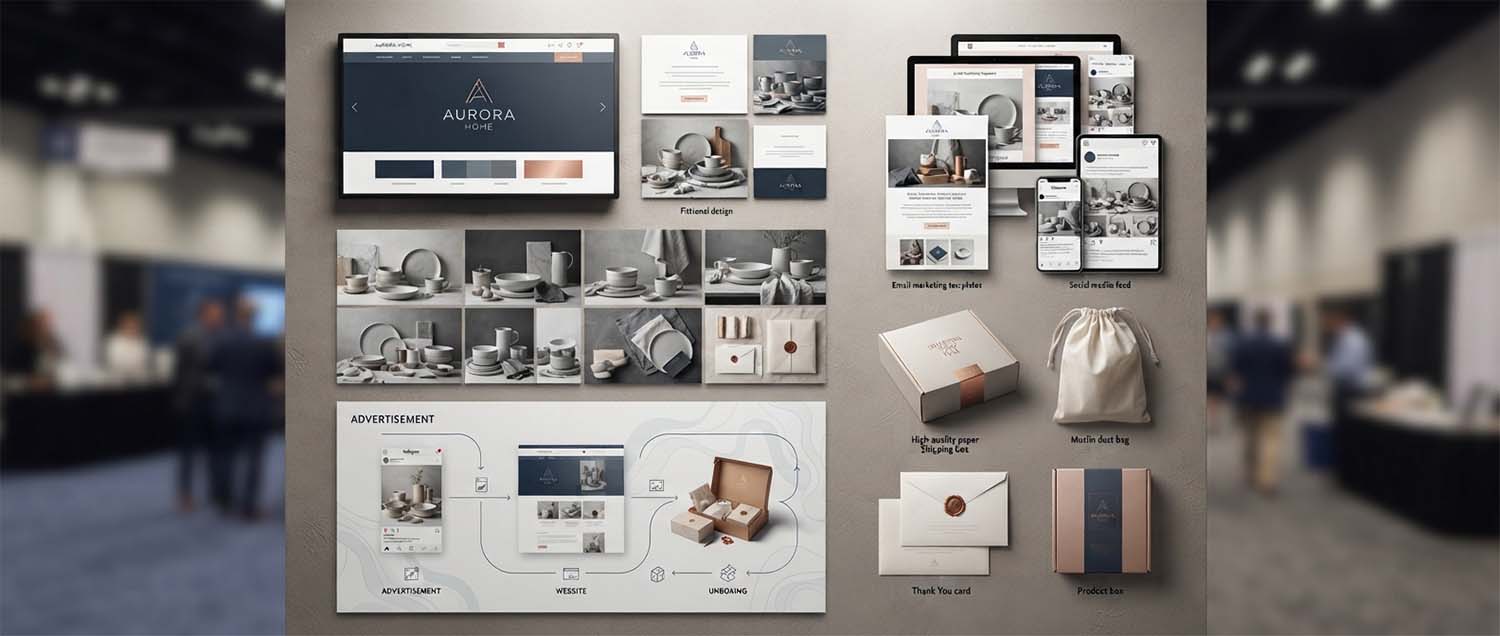
Digital-Optimized Identity Systems: E-commerce brand identity design prioritizes digital performance without sacrificing the warmth and personality that creates emotional connection. The logo must be legible and impactful at tiny sizes for mobile shopping and browser tabs while working beautifully on large screens and marketing materials. Color systems are optimized for digital displays, with consideration for how colors appear on different screens and operating systems. Typography must render beautifully across devices and support the long reading sessions typical of product research and comparison shopping. Imagery guidelines for e-commerce include product photography standards, lifestyle image direction, and user-generated content guidelines that ensure a consistent brand experience across the entire customer journey from social media discovery to product page to checkout confirmation.
Consistency Across the Shopping Experience: E-commerce brands touch customers across dozens of touchpoints including the website, mobile app, email marketing, social media, product packaging, advertising, and customer service communications. Professional brand identity design services ensure consistency across all these channels by developing comprehensive digital brand guidelines, template systems for email and social media, packaging design guidelines for physical products, and brand voice standards for every customer communication. This consistency builds the trust that is essential for online purchasing decisions. When a customer sees the same brand experience from an Instagram ad to the website to the unboxing experience, they feel confident in their purchase decision and are far more likely to become a repeat customer and brand advocate.
International and Multicultural Brand Identity
Brands operating across multiple countries and cultures face the complex challenge of maintaining a consistent identity while adapting to local markets, languages, and cultural contexts. Professional brand identity design services for international brands develop flexible systems that travel well while respecting the diversity of the audiences they serve.
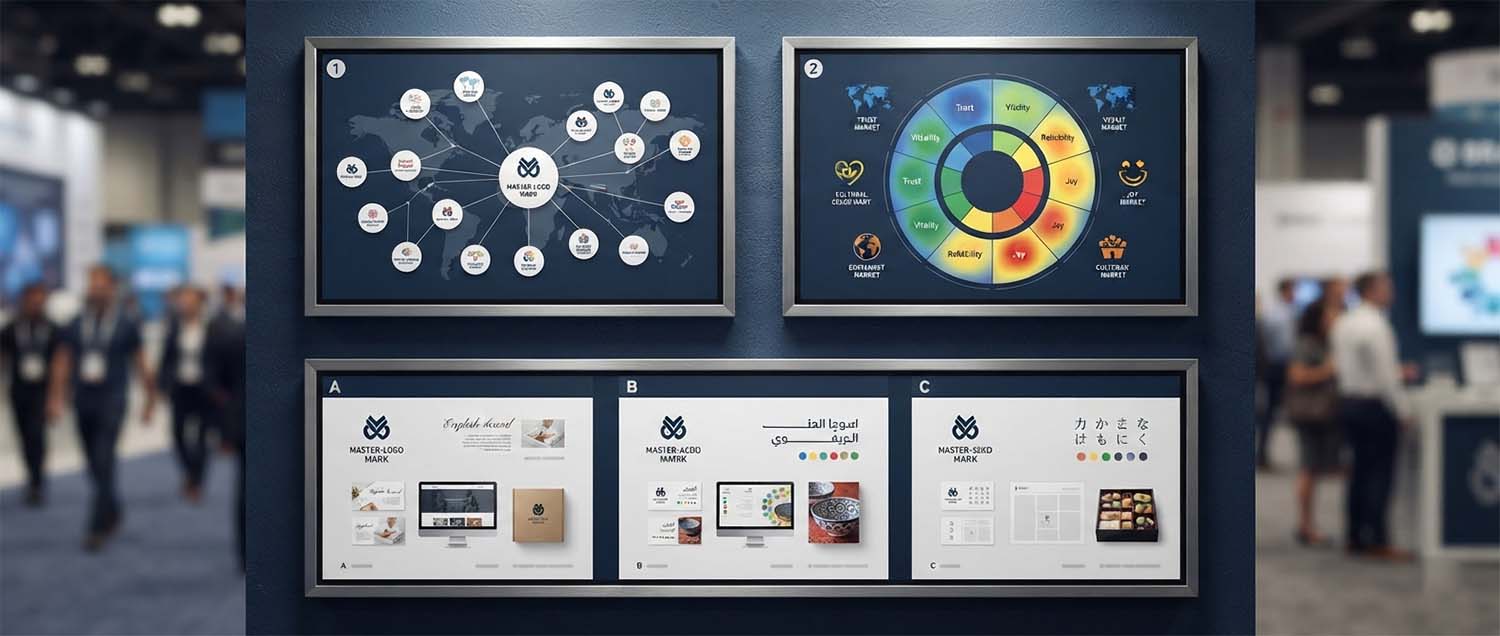
Global Brand Architecture: International brand identity design begins with a clear brand architecture that defines how the master brand relates to local brands, sub-brands, and product brands across markets. Some global brands maintain a single unified identity worldwide, relying on visual elements that transcend language and culture. Others adopt a house of brands approach where different brands serve different markets with distinct identities. Many successful international brands use an endorsed brand architecture where the global brand provides recognition and credibility while local brands provide relevance and cultural connection. Professional brand identity services help organizations choose the right architecture for their strategy and develop the visual and verbal systems that will work effectively across the chosen structure, ensuring that the brand is both globally consistent and locally relevant.
Cultural Adaptation and Sensitivity: Colors, symbols, imagery, and words carry different meanings in different cultures, and what works beautifully in one market can be confusing or offensive in another. Professional brand identity design services for international brands include cultural audits that assess how brand elements will be perceived across target markets. Color palettes are reviewed for cultural associations, with adjustments made when needed without compromising the brand visual identity. Typography systems must support multiple character sets and scripts including Latin, Cyrillic, Arabic, CJK, and others, requiring typeface selections that work across languages. Imagery guidelines must address cultural diversity and representation authentically. Brand voice and messaging must be adaptable to different languages and communication styles while maintaining brand personality. The most successful international brand identities feel both globally cohesive and locally authentic, creating a brand experience that resonates with diverse audiences around the world.
Internal Brand Identity and Employee Engagement
A brand identity is not just for external audiences. How employees experience and connect with the brand identity has a profound impact on engagement, performance, and the authentic delivery of the brand promise. Professional brand identity design services increasingly include internal brand identity systems that help employees understand, embrace, and live the brand every day.
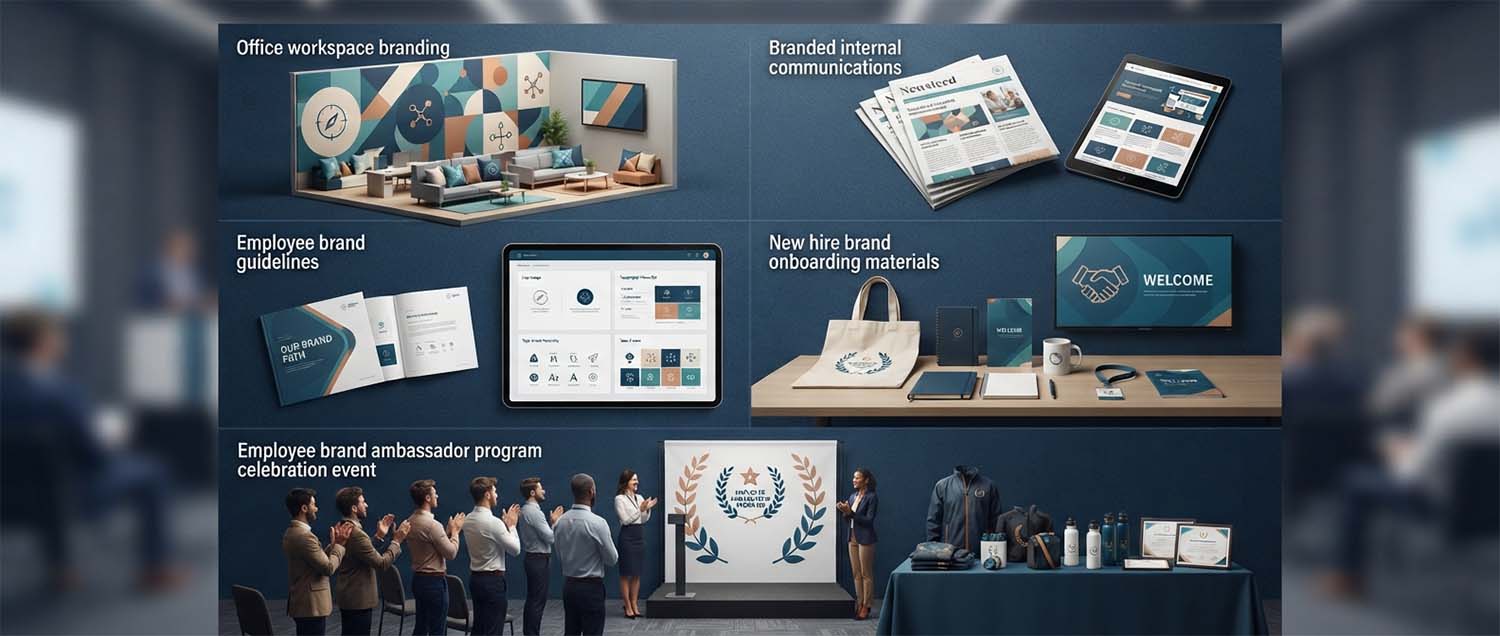
Employee Brand Experience Design: Internal brand identity design creates the visual and experiential environment that helps employees feel connected to the brand. This includes office and workspace branding that brings the identity into the physical environment where employees spend their days, from reception areas and meeting rooms to break rooms and hallways. Internal communications templates for emails, newsletters, intranet designs, and all-hands presentations ensure that internal communications reinforce the brand identity that employees are expected to represent externally. Employee brand guidelines explain the brand in a way that is accessible and relevant to every team member, not just marketing and design teams. Brand onboarding materials help new employees understand the brand identity and their role in bringing it to life from their first day. When employees see the brand identity consistently applied internally, they understand it more deeply and represent it more authentically to customers and partners.
Brand Ambassadorship and Culture: The most powerful brand identities are those that employees feel proud to represent. Professional brand identity services help organizations build brand cultures by creating employee brand ambassador programs, internal brand campaigns that build pride and understanding, brand recognition programs that celebrate employees who exemplify the brand, and internal brand measurement that tracks how well employees understand and embrace the brand identity. When employees are genuine brand ambassadors, they deliver more consistent and authentic brand experiences to every customer they interact with. The investment in internal brand identity pays dividends through improved employee retention, higher engagement, more consistent customer experiences, and a workforce that genuinely believes in and advocates for the brand they help build every day.
Frequently Asked Questions About Brand Identity Design Services
Q1: What is the difference between
branding and brand identity design?
Branding is the strategic work of defining who you are, what
you stand for, and how you are positioned in the market. Brand identity design is the visual and verbal
expression of that strategy. Professional services include both, ensuring that every design decision is grounded
in clear strategic purpose.
Q2: How much do brand identity
design services cost?
Comprehensive brand identity projects typically range from twenty-five
thousand to one hundred fifty thousand dollars. Logo design alone ranges from five thousand to thirty-five
thousand dollars. Brand naming ranges from fifteen thousand to fifty thousand dollars. Costs vary based on
project scope, complexity, and agency reputation.
Q3: How long does a typical brand
identity project take?
A comprehensive project typically takes twelve to twenty-four weeks. The
discovery and strategy phase takes four to eight weeks. Identity development takes eight to sixteen weeks.
Implementation timelines vary based on the number of touchpoints and the complexity of the rollout.
Q4: Do I need a full brand
identity or just a logo?
While a logo is essential, a full brand identity system with guidelines
for color, typography, imagery, and voice is far more valuable. It ensures consistency across all applications
and protects your brand investment. Most businesses benefit significantly from comprehensive identity services.
Q5: What deliverables come with
professional brand identity services?
You typically receive a brand strategy document, a complete
logo system in multiple formats, comprehensive brand guidelines, color palette specifications, a typography
system, imagery and iconography guidelines, and application designs for priority touchpoints.
Q6: How do I choose between a
brand refresh and a full rebrand?
A brand refresh is ideal when your strategy is sound but your
visual identity feels dated. A full rebrand is needed for major changes like mergers, strategy pivots, or
reputation recovery. A professional brand audit helps determine the right approach.
Q7: Can I create my own brand
identity or use templates?
While DIY options exist, professional brand identity services deliver
results that templates cannot match. Professional work is grounded in strategy and research, creates truly
distinctive systems, and produces comprehensive guidelines that protect your brand investment over time.
Q8: How do I maintain my brand
identity after the project ends?
Your brand guidelines are the primary tool for maintaining
consistency. Train your team on proper brand application. Use digital brand hubs for easy asset access. Consider
ongoing brand stewardship services to ensure continued consistency and thoughtful evolution.

Investing in Your Brand Identity
Professional brand identity design services represent one of the most impactful strategic investments a business can make. A well-crafted brand identity differentiates you from competitors, builds customer trust and loyalty, enables premium pricing, attracts top talent, and creates lasting enterprise value that compounds over time.
Key Takeaways: Brand identity design services encompass both the strategic definition of who you are and the creative expression of that identity across every touchpoint. A comprehensive brand identity system includes logo design, color palette, typography, imagery, iconography, brand voice, and detailed guidelines. Professional brand identity follows a rigorous process of discovery, strategy, creative development, and implementation that produces identities grounded in real insights and strategic clarity. The investment in professional brand identity delivers measurable returns through customer preference, pricing power, talent attraction, and brand equity that grows over time. Long-term brand partnerships protect and evolve your identity, ensuring it remains relevant and effective through every stage of business growth.
Your brand identity is how the world recognizes and remembers you. Investing in professional brand identity design services ensures that how the world sees your business reflects who you truly are, what you stand for, and why you matter. Take the first step toward building a brand identity that drives your business forward, connects with the people who matter most, and stands the test of time.