
From the confident narration of a documentary to the friendly assistant in your GPS, professional voice talent shapes how the world hears your story. Discover how to find, hire, and direct the perfect voice.
The human voice is the oldest instrument in the world. Before we wrote, we spoke. It carries nuance, emotion, authority, and trust in a way that text simply cannot. In the digital age, where attention spans are measured in milliseconds, the voice you choose to represent your brand is a critical strategic asset.
Yet, "Voice Over Talent" is often an afterthought. Many creators think, "I have a microphone; I'll just do it myself." While this might work for a quick Instagram story, it fails when you need to convey professional credibility, consistent branding, or complex emotional acting.
Whether you are casting for a national TV spot, an e-learning module, or an indie game character, this guide will navigate the complex world of professional voice acting (VO). We'll look at the industry standards, the cost of quality, and why a pro can do in 10 minutes what an amateur can't do in 10 hours.
Not All Voices Are Created Equal
Commercial
The "Sales" Voice.
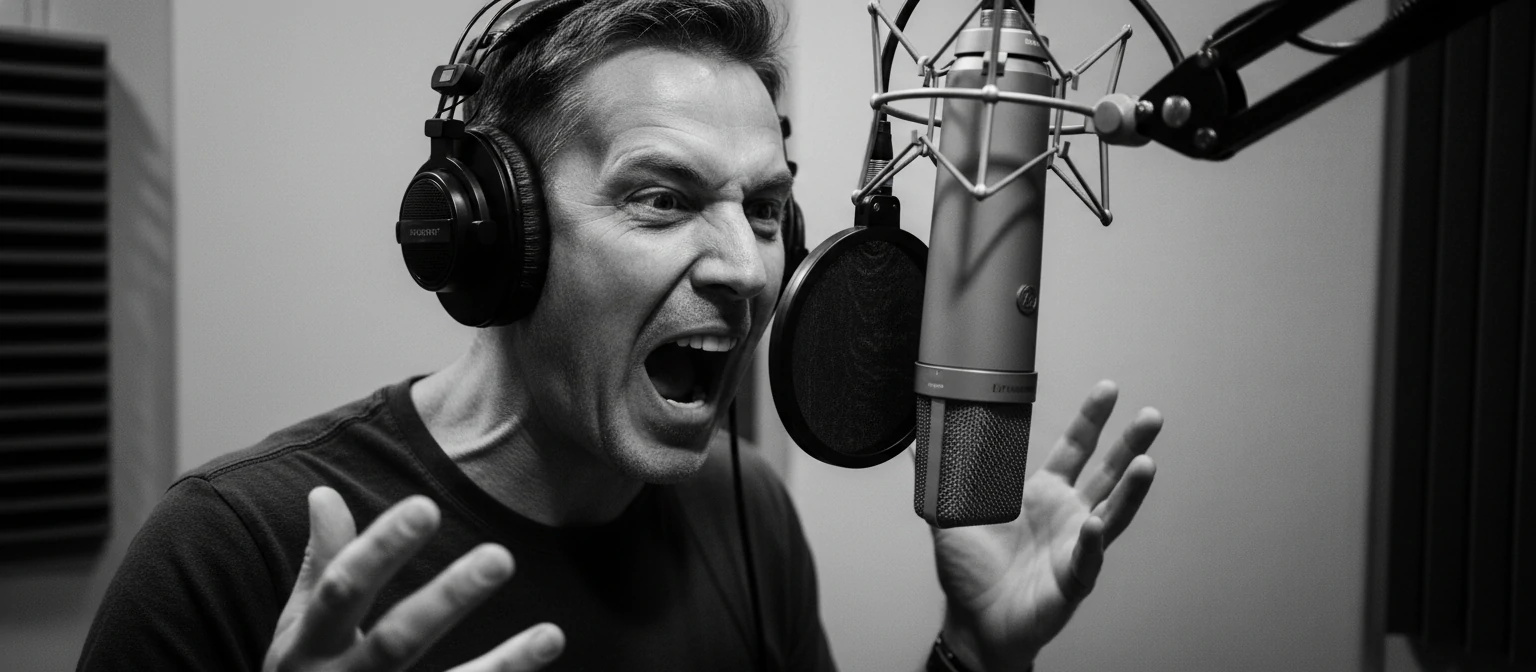
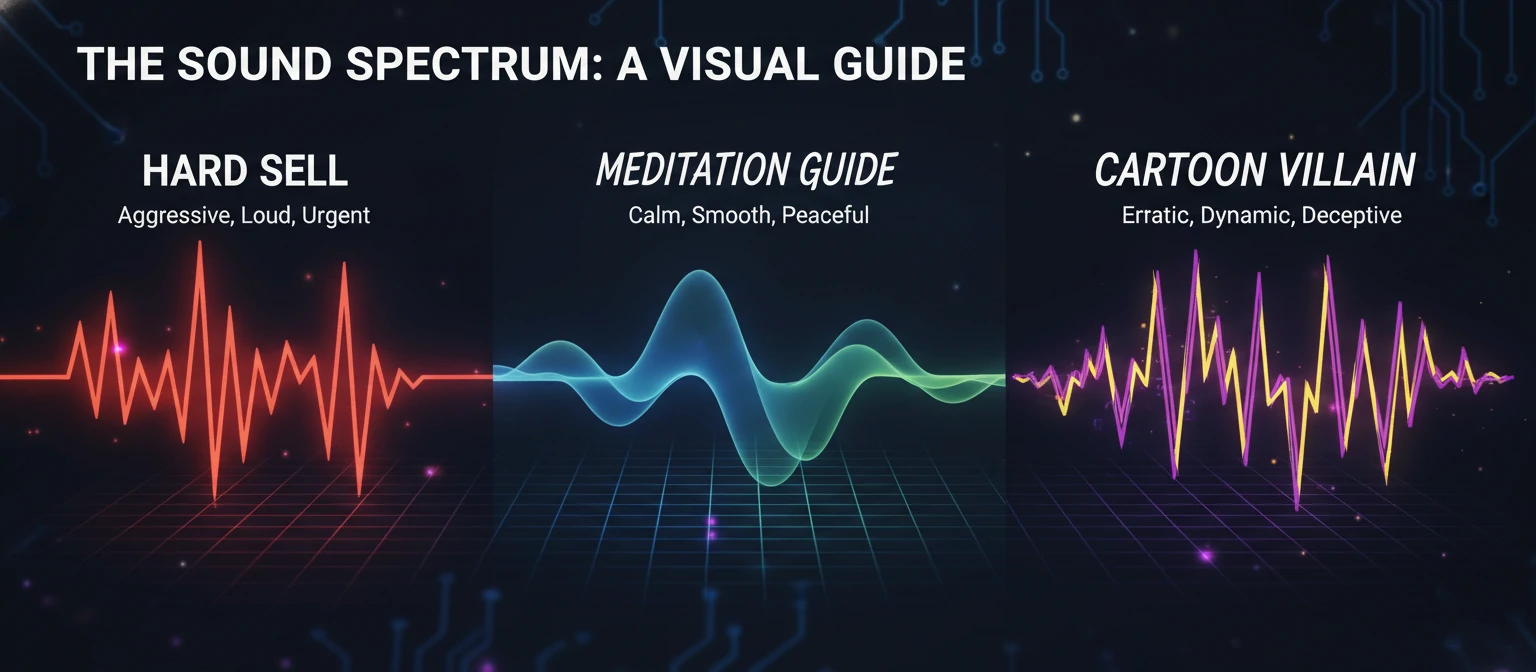
TV, Radio, and Pre-roll ads. Requires the ability to be persuasive, punchy, and fit exactly into 15, 30, or 60 seconds. Styles range from "Hard Sell" (Monster Truck Rally) to "Conversational/Real" (Modern lifestyle brands).
Corporate & Narration
The "Trusted" Voice.
Explainer videos, e-learning, medical narration, and documentaries. Requires clean articulation, stamina for long scripts, and an authoritative yet approachable tone.
Character & Animation
The "Actor" Voice.
Video games, cartoons, and dubbing (Anime). Requires immense versatility, the ability to sustain weird vocal placements without damaging vocal cords, and pure acting range.
Casting: Where the Pros Live
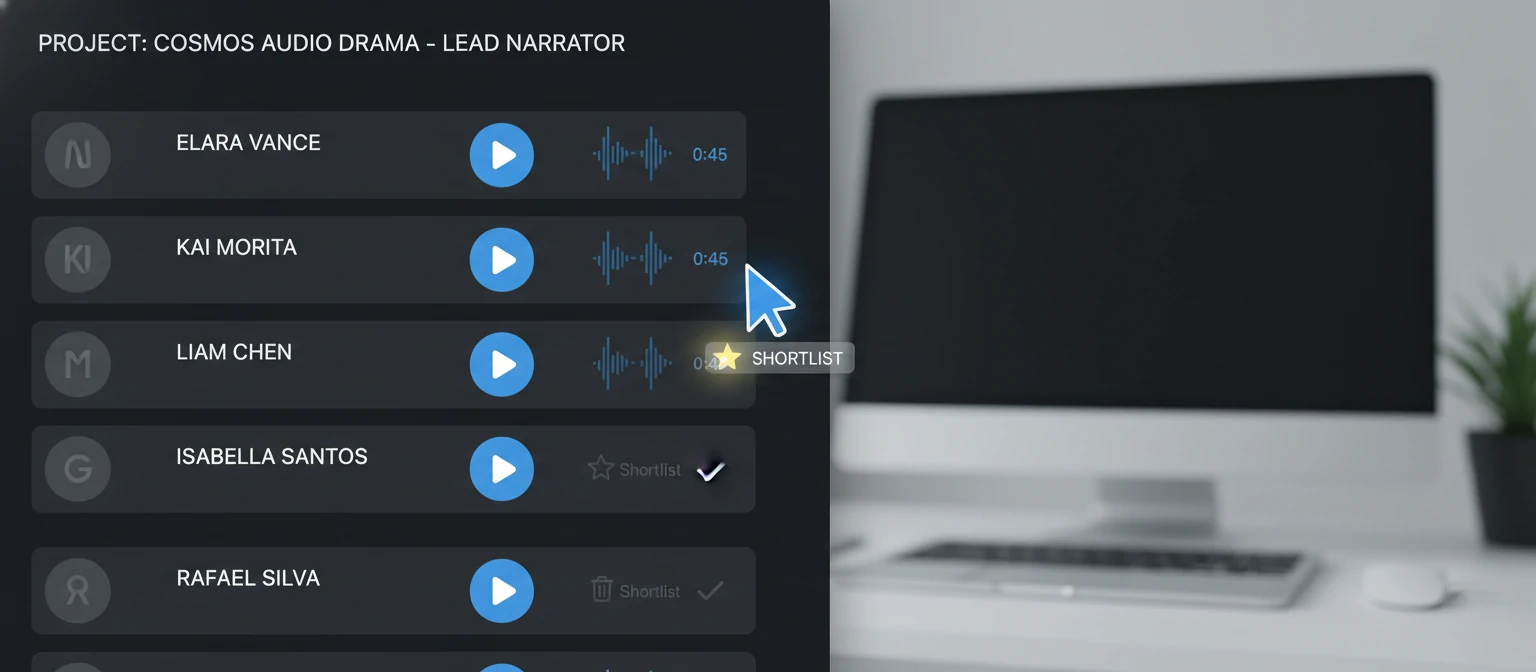
Finding talent used to mean calling a Hollywood agent. Today, the market is decentralized, but quality control is trickier.
"Pay-to-Play" Sites (P2P)
Examples: Voices.com,
Voice123.
These are membership sites where pros pay a fee to audition for your job. You get
high-quality auditions quickly because the barrier to entry keeps total amateurs out.
Freelance Marketplaces
Examples: Fiverr,
Upwork.
Cheaper, but the "Wild West." You have to sift through hundreds of people recording in
their closets on USB mics to find the hidden gems. Good for tight budgets.
Direct Booking / Agencies
Examples: Atlas Talent,
CESD, Individual Websites.
The gold standard. You contact an agent or the talent directly. You pay union rates
(SAG-AFTRA), but you get the voices you hear in Super Bowl commercials.
The Technical Standard
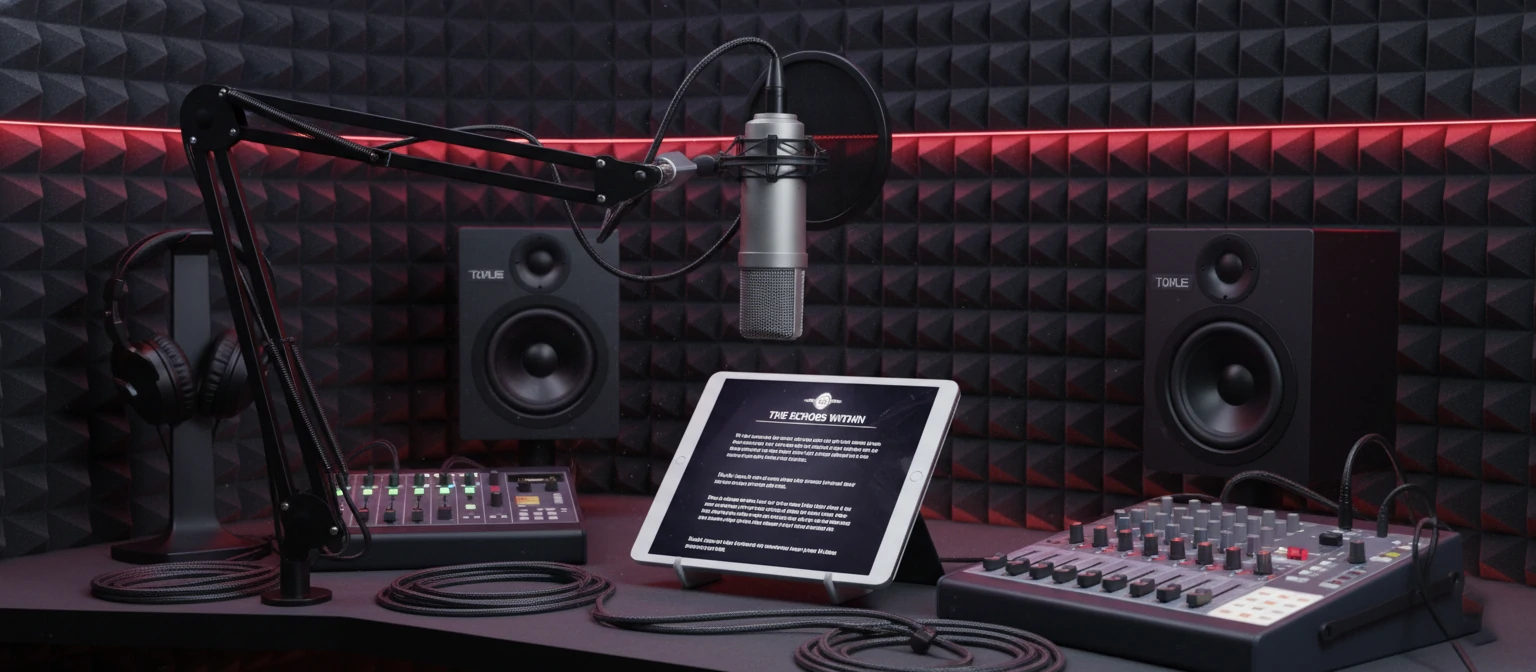
Why hire a pro? Because their home studio often costs more than a car. When you hire professional talent, you aren't just paying for their acting; you are playing for their "Noise Floor."
The Amateur Setup
- USB Microphone (Blue Yeti).
- Recording in a bedroom (Boxy, echoey sound).
- Background noise (Traffic, computer fans).
- Inconsistent audio levels.
The Pro Setup
- XLR Microphone (Sennheiser MKH 416 / Neumann TLM 103).
- Treated Vocal Booth (WhisperRoom / Studiobricks).
- Grace / Avalon Pre-amps.
- -60dB Noise Floor (Dead silence).
Talking Money: Usage & Buyouts
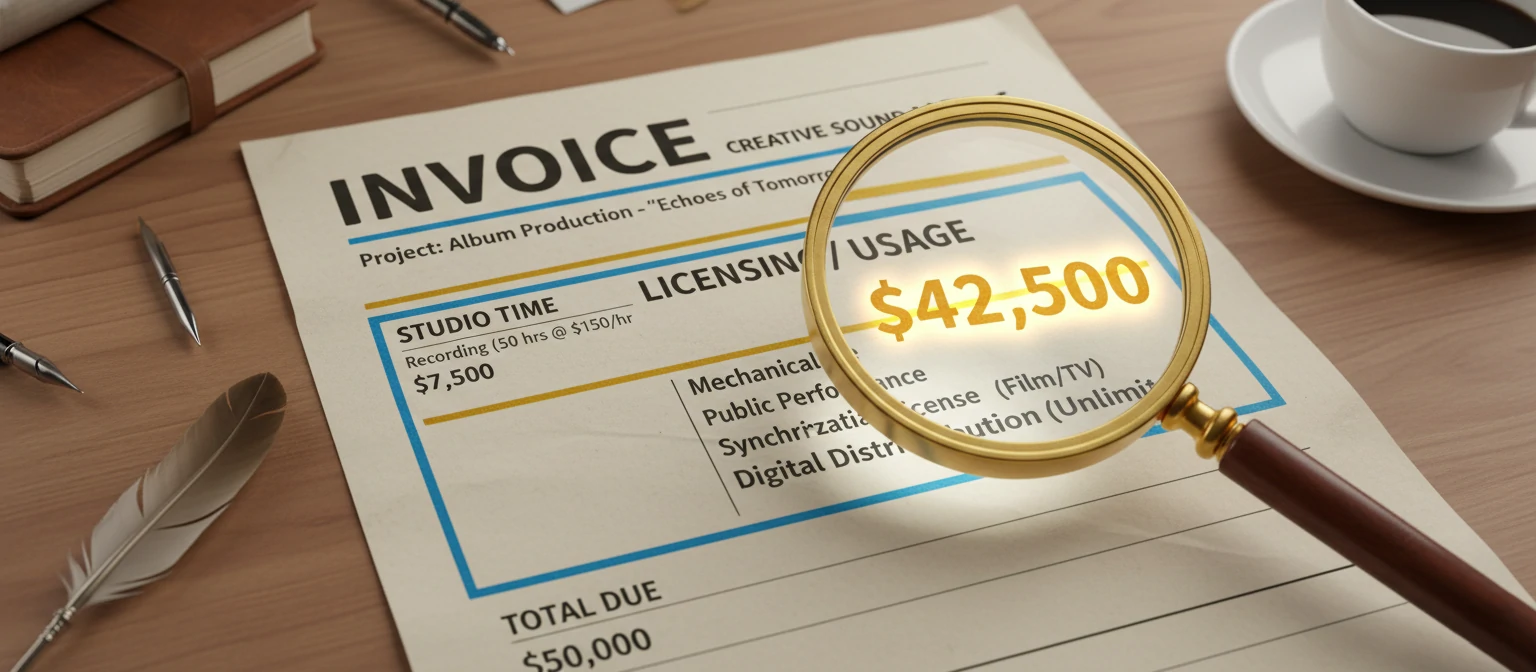
Voice over pricing is confusing. You don't just pay for the time; you pay for the Usage.
BSF (Basic Session Fee)
The cost for the talent to step into the booth and record the script. (e.g., $150 - $300).
Usage (Buyout)
The licensing fee to use that recording. This is determined by:
- Where: Local radio? National TV? Paid YouTube Ad?
- How Long: 13 weeks? 1 year? In perpetuity?
The GVAA Rate Guide
The industry standard for non-union rates. If a talent quotes you $5,000 for a National TV spot, they aren't ripping you off; they are following the standard rate card.
How to Direct (Live Sessions)
For important projects, don't just email a script and hope. Schedule a "Live Directed Session."
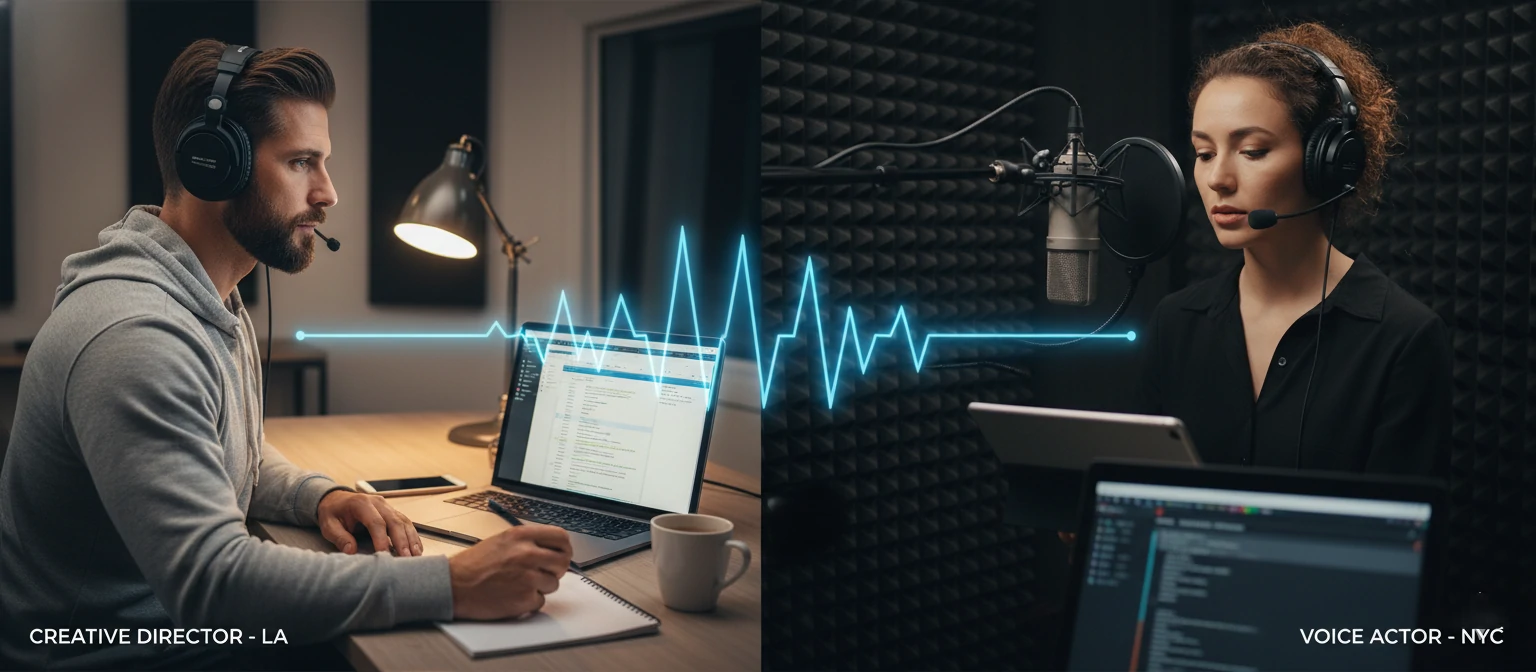
Using technologies like Source-Connect, Zoom, or Cleanfeed, you can listen to the talent in real-time as they record in their booth from your office.
- Give Context: "You are talking to a friend at a loud bar," not "Read this excitedly."
- Modeling: Don't try to act it out for them (unless you are an actor). Describe the feeling.
- The "ABC" Take: Ask for three variations on a critical line. One straight, one happy, one serious.