

Your guide to finding the perfect crypto trading platform beyond Binance
Table of contents
- Introduction: Why Look for Binance Alternatives?
- Understanding the Need for Binance Alternatives
- Top Binance Alternatives: Our Recommendations
- Comparison Table: Binance vs. Top Alternatives
- How to Choose the Right Binance Alternative
- Your Trading Experience and Goals
- Security and Regulation
- Fees and Cost Structure
- Available Cryptocurrencies and Trading Pairs
- Geographic Availability and Localization
- Additional Features and Ecosystem
- Customer Support and Community
- Technology and User Experience
- Reviews and Reputation
- Future Roadmap and Innovation
- Risks and Considerations When Switching Exchanges
- Real User Stories: Why People Switched from Binance
- Future of Crypto Exchanges: Trends to Watch
- Common Mistakes to Avoid When Choosing an Exchange
- Focusing Only on Low Fees
- Ignoring Security Fundamentals
- Not Researching Regulatory Status
- Overlooking Liquidity and Market Depth
- Failing to Test the Platform
- Not Considering Tax Implications
- Chasing Hype Without Due Diligence
- Neglecting Customer Support Quality
- Ignoring Platform Downtime History
- Not Planning for Withdrawals
- Tips for Beginners in Crypto Trading
- Advanced Trading Strategies
- Frequently Asked Questions About Binance Alternatives
- Is it safe to switch from Binance to another exchange?
- Will I lose my crypto if Binance gets shut down?
- Are there exchanges that accept the same payment methods as Binance?
- How do I transfer crypto from Binance to another exchange?
- Do alternatives offer the same cryptocurrencies as Binance?
- Are there free alternatives to Binance?
- How do I know if an exchange is trustworthy?
- Can I use multiple exchanges at once?
- What should I do if I’m not satisfied with my new exchange?
- How often should I review my exchange choice?
- Conclusion: Finding Your Perfect Crypto Exchange
Introduction: Why Look for Binance Alternatives?
Hey there, crypto enthusiast! In the exciting world of cryptocurrency trading, Binance has been a big name for a while. Started in 2017 by Changpeng Zhao (CZ), it shot to the top as the biggest exchange by trading volume, giving traders access to tons of cryptocurrencies, cool advanced features, and low fees. With over 350 cryptocurrencies listed and millions of active users, Binance has changed the game for trading digital assets. Its smart features like Binance Smart Chain and the Binance Coin (BNB) ecosystem have made it even stronger in the market.
However, as the crypto market matures and regulatory scrutiny increases, many traders are seeking alternatives to Binance. Whether it’s due to concerns about security, user experience, or specific features, finding the right exchange can make a significant difference in your trading journey. The crypto landscape is becoming increasingly competitive, with new players offering unique advantages that might better align with individual trader needs.
This comprehensive guide will explore the top Binance alternatives, helping you understand why you might want to switch and which platforms could better suit your needs. We’ll cover everything from user-friendly interfaces to advanced trading tools, ensuring you have all the information to make an informed decision. Our analysis is based on extensive research, user reviews, and market data to provide you with accurate, up-to-date information.
As we delve deeper into this topic, we’ll examine the current state of the crypto exchange market, discuss emerging trends, and provide practical advice for choosing the right platform. Whether you’re a seasoned trader looking for advanced features or a newcomer seeking a simple, secure way to enter the crypto space, this guide will help you navigate the options available beyond Binance.
Remember, while Binance has been a trailblazer, the crypto world is vast and diverse. Exploring alternatives isn’t just about finding a replacement—it’s about discovering platforms that might offer better value, security, or features tailored to your specific trading style and goals. Let’s embark on this journey to find your ideal crypto exchange companion.
Understanding the Need for Binance Alternatives
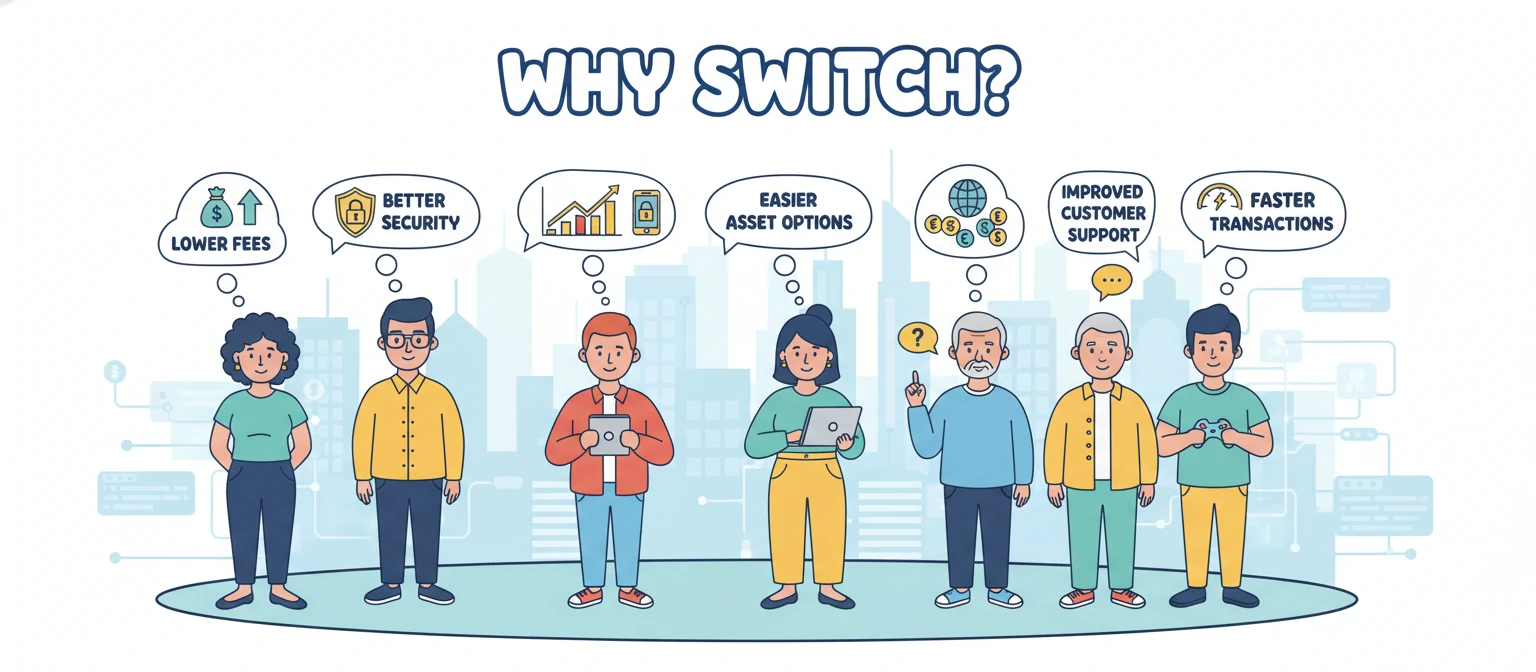
While Binance offers many advantages, it’s not without its drawbacks. As the crypto market has grown, so have the challenges associated with being the largest player. Many traders are now reevaluating their choices, seeking platforms that might offer better security, user experience, or compliance. Let’s dive deeper into the key reasons why people are looking for alternatives to Binance.
Regulatory Concerns and Compliance Issues
Binance has faced multiple regulatory challenges in various countries, leading to restrictions or bans in some regions. For instance, in 2023, the company faced scrutiny from regulators in the US, UK, and several Asian countries. This uncertainty can be stressful for users who worry about account freezes, asset seizures, or sudden service disruptions. Some alternatives prioritize regulatory compliance from the outset, offering more stability and peace of mind.
Security Incidents and Trust
Despite robust security measures, Binance has experienced hacks and security breaches in the past. Notable incidents include the 2019 hack where $40 million in Bitcoin was stolen and the 2022 incident involving the Ronin Network bridge. While the company has since improved its security, these events have raised concerns among the community. Traders are increasingly seeking exchanges with proven track records of security and transparent practices.
User Experience and Accessibility
Binance’s interface, while feature-rich, can be overwhelming for beginners. The platform offers advanced trading tools, margin trading, futures, and spot trading all in one place, which might confuse newcomers. Some users find the learning curve steep and prefer simpler platforms that focus on ease of use. Additionally, Binance’s mobile app, while functional, doesn’t always provide the smoothest experience compared to competitors.
Fee Structure and Transparency
While Binance’s fees are competitive, the structure can be complex. The exchange uses a tiered fee system based on trading volume and BNB holdings, which might not be immediately clear to all users. Some alternatives offer more transparent fee structures or lower rates for certain user segments. For high-volume traders, even small differences in fees can add up significantly over time.
Geographic Availability and Localization
Binance is not available in all countries due to regulatory restrictions. Users in countries like the US, UK, Japan, and several others have faced limitations or have been directed to localized versions of the platform. This has forced many to seek alternatives that are fully compliant and available in their regions. Local exchanges often provide better support for regional payment methods and currencies.
Customer Support and Responsiveness
Reports of slow or inadequate customer support have been a common complaint among Binance users. With millions of users, response times can be lengthy, and some issues require extensive documentation. Many alternatives offer more personalized support, including live chat, dedicated account managers for high-volume users, and comprehensive knowledge bases.
Feature Limitations and Specialization
While Binance offers a wide array of features, it might not excel in specific areas that some traders prioritize. For example, if you’re interested in staking, lending, or DeFi integrations, some alternatives provide more seamless experiences. Others focus on NFTs, futures trading, or educational resources, catering to niche interests.
Privacy and Data Concerns
As a large exchange, Binance collects significant amounts of user data. Some privacy-conscious users prefer alternatives that offer better data protection or decentralized options that don’t require extensive personal information.
By exploring alternatives, you can find platforms that align better with your trading style, risk tolerance, and location requirements. The key is to assess your priorities—whether it’s security, ease of use, low fees, or specific features—and choose accordingly. Remember, no exchange is perfect, and diversification across multiple platforms can sometimes be a wise strategy.
Top Binance Alternatives: Our Recommendations
Based on extensive research and user feedback, here are the top alternatives to Binance. We’ve selected platforms that offer a mix of features, security, and user-friendliness.
Coinbase is often considered the most user-friendly crypto exchange, making it an excellent alternative for beginners. Founded in 2012 by Brian Armstrong and Fred Ehrsam, it’s one of the oldest and most reputable exchanges in the industry. Headquartered in San Francisco, Coinbase has grown to serve millions of users worldwide and has become synonymous with “crypto for everyone.”
What sets Coinbase apart is its commitment to making cryptocurrency accessible to the masses. The platform has invested heavily in user education and has positioned itself as a bridge between traditional finance and the crypto world. In 2021, Coinbase went public on NASDAQ, becoming one of the first major crypto companies to do so, which speaks to its legitimacy and stability.
Key Features:
- Simple, intuitive interface designed for beginners
- Strong regulatory compliance with licenses in multiple jurisdictions
- Insurance coverage for digital assets held on the platform
- Wide range of cryptocurrencies, including major coins and some altcoins
- Comprehensive educational resources and learning academy
- Coinbase Earn program for learning about new cryptocurrencies
- Coinbase Card for spending crypto in everyday life
- Advanced trading options for experienced users
- Integration with Coinbase Wallet for self-custody
Pros:
- Excellent for beginners with step-by-step guides and tutorials
- High security standards with FDIC insurance for USD balances
- Available in over 100 countries with localized experiences
- Strong regulatory compliance reduces risk of sudden shutdowns
- Excellent customer support with 24/7 availability
- Educational content helps users learn about crypto
Cons:
- Higher fees compared to some competitors (maker/taker fees up to 0.5%)
- Limited advanced trading features like margin or futures
- Fewer altcoins compared to exchanges like Binance
- Some users report slower customer service response times during peak periods
Coinbase is particularly well-suited for new crypto investors who want a trustworthy, easy-to-use platform. It’s also a good choice for long-term holders who appreciate the security and educational aspects. However, active traders might find the fees and limited features frustrating. The exchange has been expanding its offerings, including the introduction of Coinbase Advanced for more experienced traders.
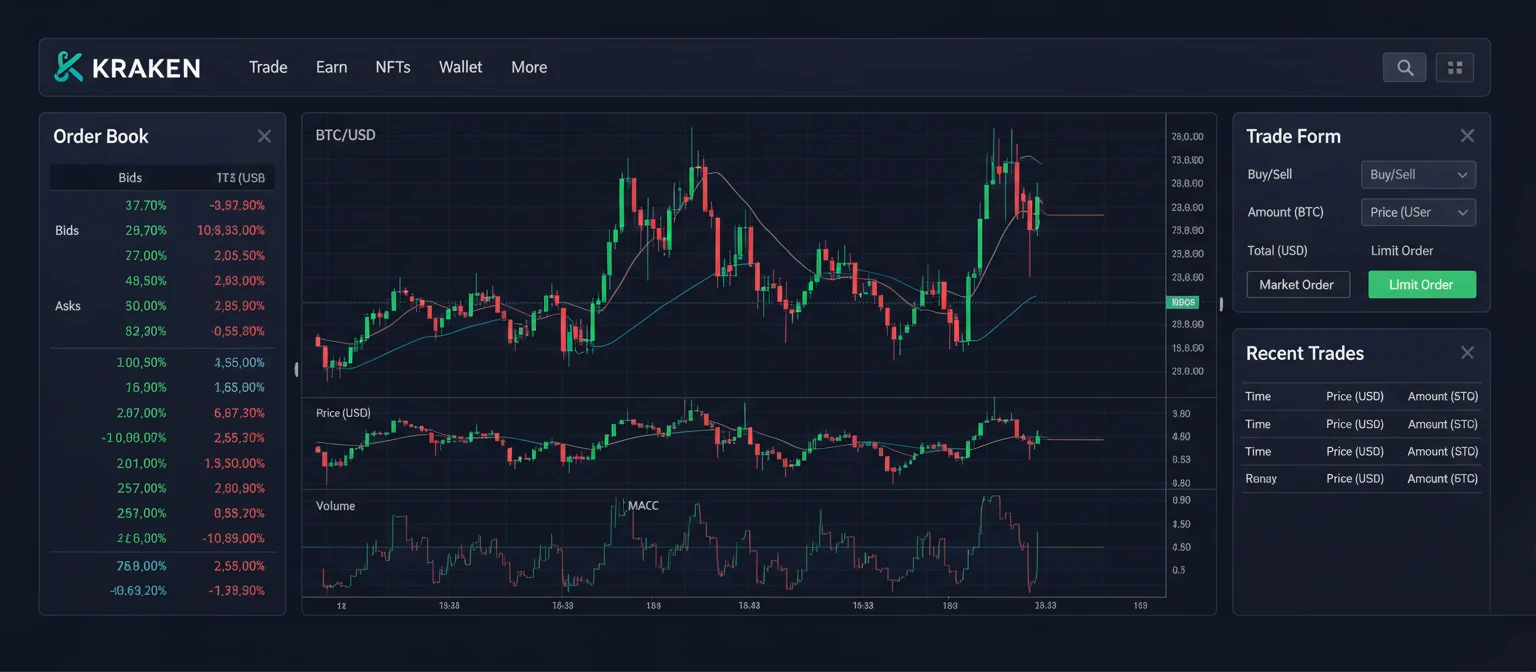
Kraken is known for its security and advanced trading features, making it a favorite among experienced traders.
Key Features:
- Advanced trading tools
- High security with cold storage
- Staking services
- Futures trading
Pros:
- Strong security measures
- Competitive fees
- Advanced features for pro traders
Cons:
- Steep learning curve for beginners
- Limited customer support
Gemini, founded by the Winklevoss twins, offers a balance of security and user-friendliness.
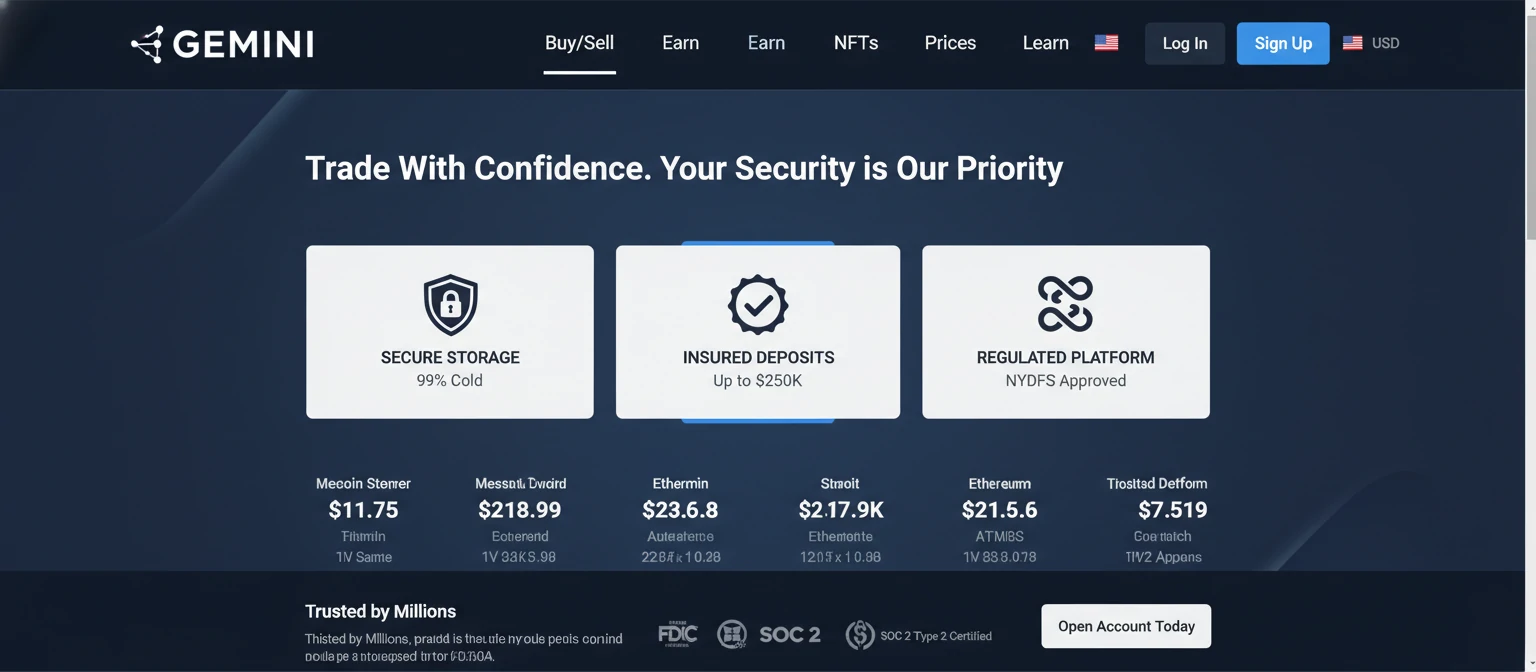
Key Features:
- Active and Earn programs
- Strong regulatory compliance
- Insurance coverage
- NFT marketplace
Pros:
- Excellent security
- User-friendly interface
- Educational content
Cons:
- Higher fees
- Limited cryptocurrency selection
KuCoin is gaining popularity for its wide range of altcoins and innovative features.
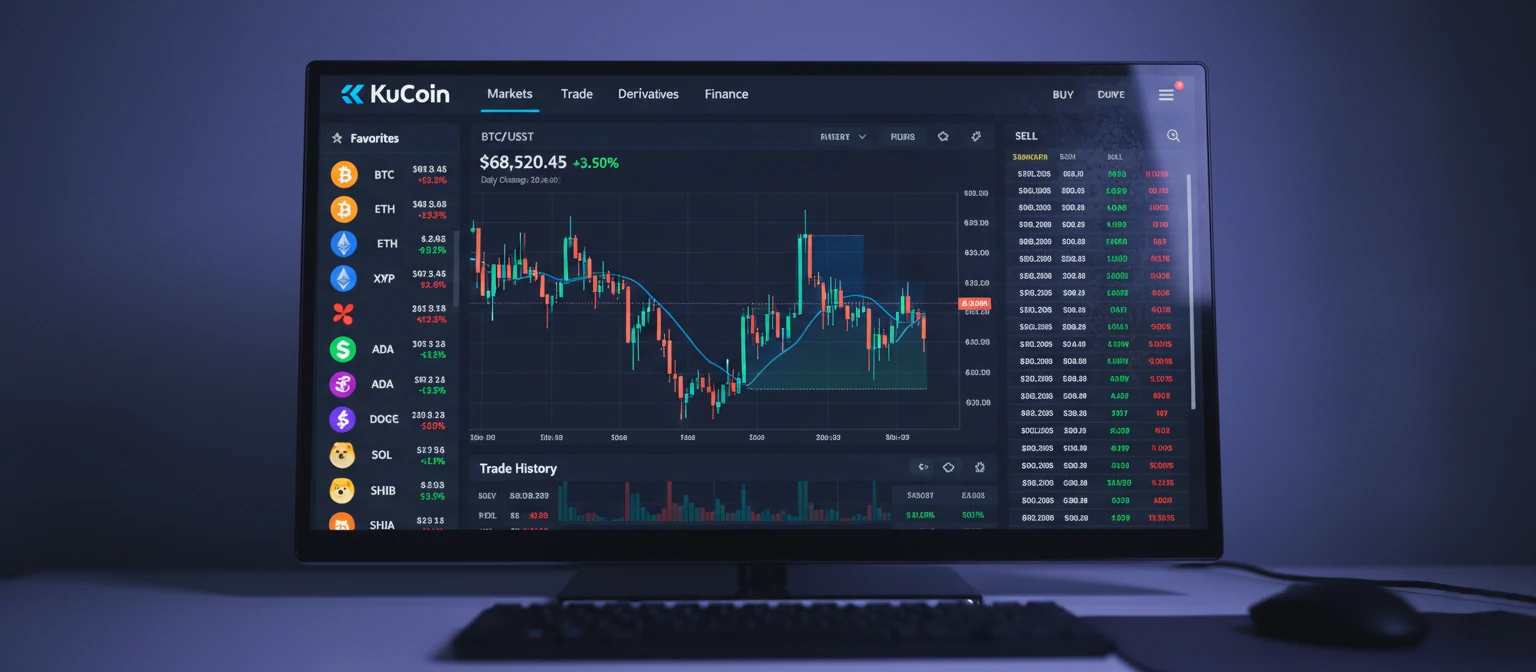
Key Features:
- Large selection of altcoins
- Staking and lending services
- Futures trading
- KuCoin Shares (KCS) token
Pros:
- Wide variety of cryptocurrencies
- Low fees
- Innovative features
Cons:
- Less regulated
- Customer support issues reported
Bitfinex is a professional trading platform with advanced tools for serious traders.
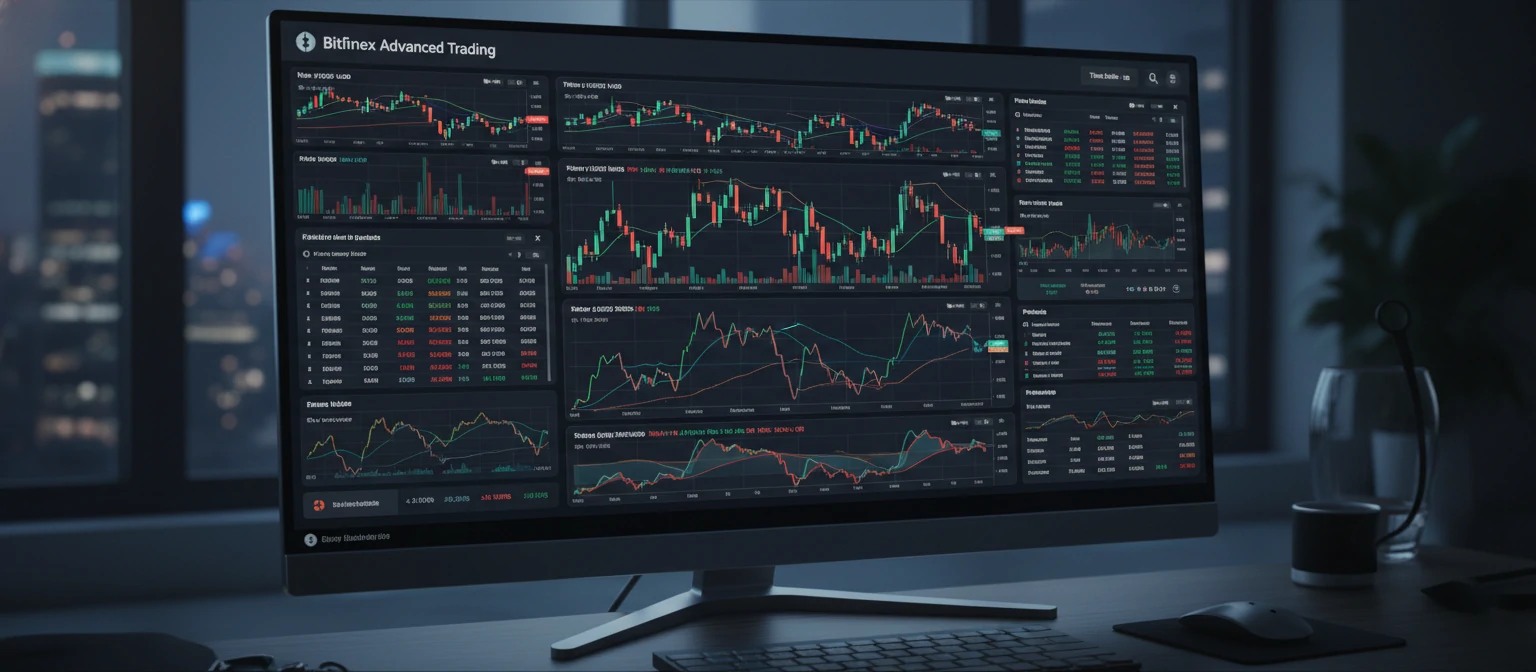
Key Features:
- Advanced trading tools
- Margin trading
- Derivatives
- High liquidity
Pros:
- Advanced features
- High liquidity
- Competitive fees
Cons:
- Not beginner-friendly
- Past security issues
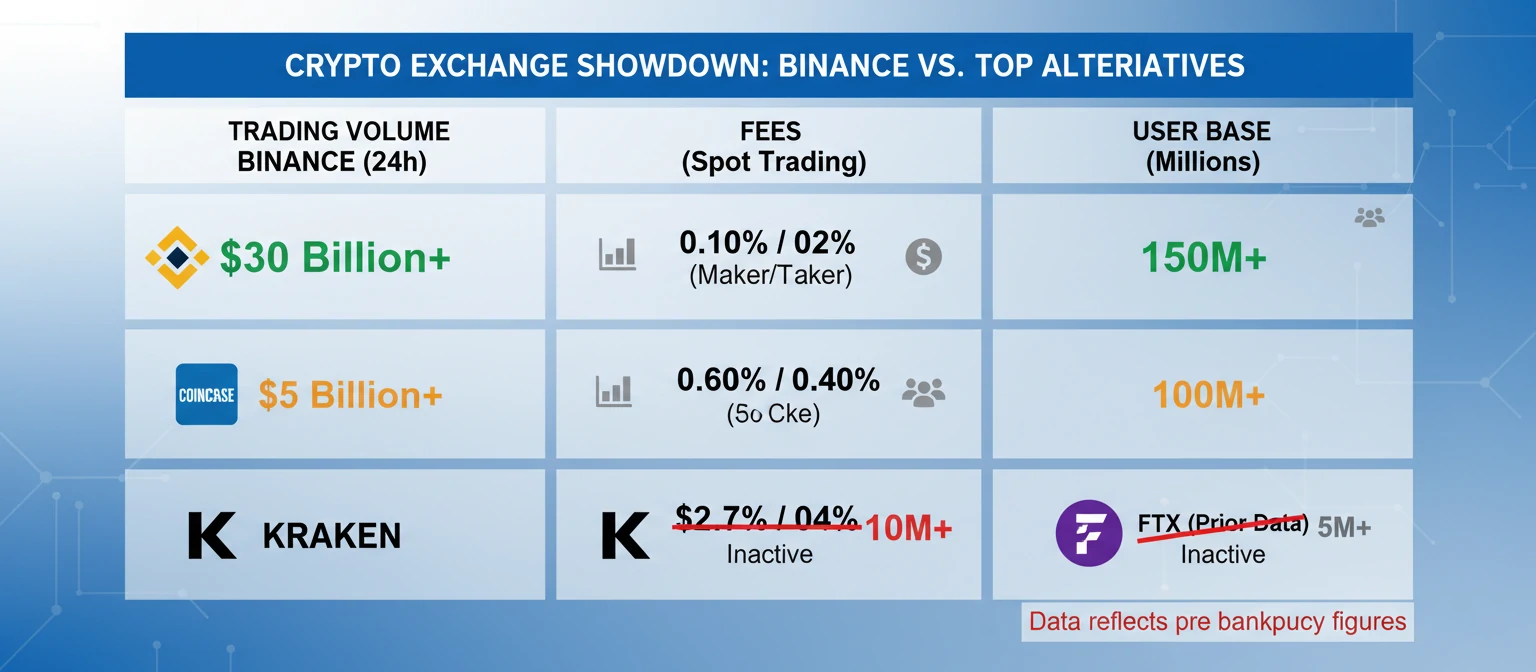
Comparison Table: Binance vs. Top Alternatives
To help you make an informed decision, here’s a comparison of key factors:
| Exchange | Founded | Trading Volume (24h) | Fees | Security | User-Friendliness |
|---|---|---|---|---|---|
| Binance | 2017 | $50B+ | 0.1% | Good | Moderate |
| Coinbase | 2012 | $2B+ | 0.5-2% | Excellent | Excellent |
| Kraken | 2011 | $1B+ | 0.16% | Excellent | Good |
| Gemini | 2014 | $500M+ | 0.35% | Excellent | Very Good |
| KuCoin | 2017 | $2B+ | 0.1% | Good | Good |
| Bitfinex | 2012 | $500M+ | 0.1% | Good | Poor |
Note: Data is approximate and subject to change. Always check the latest information from official sources.
How to Choose the Right Binance Alternative
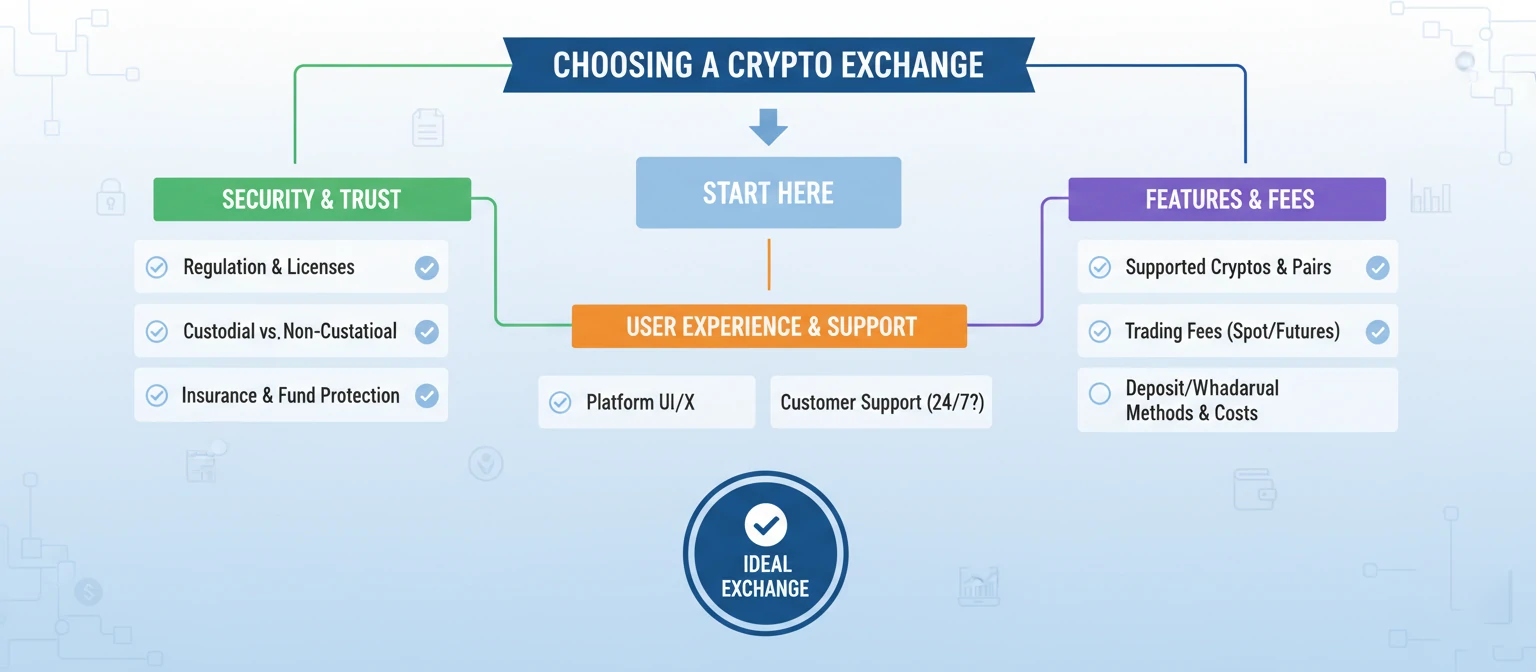
Selecting the best crypto exchange depends on your individual needs and preferences. With so many options available, it’s crucial to take a systematic approach to evaluation. Here are some key factors to consider, along with tips on how to assess them:
Your Trading Experience and Goals
Your level of experience should heavily influence your choice. If you’re new to crypto, prioritize user-friendly platforms like Coinbase or Gemini that offer extensive educational resources and simple interfaces. These platforms often include tutorials, demo accounts, and step-by-step guides to help you learn.
Experienced traders might prefer advanced features offered by Kraken or Bitfinex, which provide sophisticated charting tools, margin trading, and derivatives. Consider your trading frequency—day traders need fast execution and low latency, while long-term investors might focus more on security and ease of holding.
Also think about your goals: Are you looking to speculate on price movements, earn interest through staking, or use crypto for payments? Different exchanges excel in different areas.
Security and Regulation
Security should be your top priority when choosing an exchange. Look for platforms that use industry-standard security measures like two-factor authentication (2FA), cold storage for most assets, and regular security audits. Check if the exchange has been hacked in the past and how they responded.
Regulatory compliance is equally important. Exchanges that are registered with financial authorities (like SEC in the US or FCA in the UK) are generally more trustworthy. Look for insurance coverage—some exchanges insure user funds against hacks or insolvency. For example, Coinbase offers FDIC insurance for USD balances, while Gemini provides insurance for crypto assets.
Research the company’s history, leadership team, and any legal issues they’ve faced. Transparency is key—exchanges that publish regular proof-of-reserves audits demonstrate commitment to user protection.
Fees and Cost Structure
Fees can significantly impact your returns, especially for active traders. Compare not just trading fees but also withdrawal fees, deposit fees, and any other costs. Some exchanges charge higher fees for fiat deposits/withdrawals but lower trading fees.
Look for fee tiers based on trading volume—many exchanges offer discounts for high-volume traders. Also consider if the exchange accepts your preferred payment methods and any associated fees. Don’t forget about network fees when withdrawing cryptocurrencies to external wallets.
Calculate the total cost for your expected trading pattern. For instance, if you plan to hold crypto long-term, low withdrawal fees might be more important than trading fees.
Available Cryptocurrencies and Trading Pairs
Ensure the exchange supports the cryptocurrencies you want to trade. Major exchanges like Binance offer hundreds of coins, while more regulated platforms might focus on established cryptocurrencies. Check the depth of order books for your preferred pairs—thin order books can lead to slippage and poor execution.
Consider the exchange’s token listing process. Some are quick to list new, speculative coins, while others are more conservative. If you’re interested in DeFi tokens, NFTs, or emerging sectors, choose an exchange that supports these.
Geographic Availability and Localization
Not all exchanges are available worldwide. Check if the platform operates in your country and complies with local regulations. Some exchanges offer localized versions with support for local languages, currencies, and payment methods.
Be aware of any restrictions—some platforms limit services in certain jurisdictions due to regulatory reasons. If you’re traveling frequently, consider exchanges with global availability.
Additional Features and Ecosystem
Modern exchanges offer more than just trading. Consider features like staking services (earning interest on holdings), lending platforms, futures and options trading, NFT marketplaces, or DeFi integrations. If these align with your interests, they can add significant value.
Also look at the broader ecosystem—does the exchange have its own blockchain or token? Features like Binance’s BNB ecosystem or Coinbase’s wallet integration can enhance the user experience.
Customer Support and Community
Research the quality of customer support through user reviews on sites like Trustpilot or Reddit. Look for multiple support channels (email, chat, phone) and response times. Some exchanges offer priority support for premium users.
Check community resources like forums, knowledge bases, and social media presence. A strong community can be invaluable for learning and troubleshooting.
Technology and User Experience
Evaluate the platform’s technology stack. Does it have a robust API for automated trading? How does the mobile app perform? Consider uptime history and platform stability.
User experience matters—test the interface if possible. Look for intuitive design, fast loading times, and comprehensive charting tools.
Reviews and Reputation
Read reviews from multiple sources, but take them with a grain of salt. Look for patterns in complaints and how the company responds. Check ratings on app stores and financial review sites.
Consider the exchange’s market position and user base. More established platforms might offer better liquidity but could be more conservative in their approach.
Future Roadmap and Innovation
Look at the exchange’s development roadmap. Are they investing in new features, security improvements, or expanding into new markets? Companies that innovate tend to stay competitive.
Remember, your choice might evolve as your needs change. Many traders use multiple exchanges for different purposes. Start with one that matches your current needs, and be prepared to switch if circumstances change.
Risks and Considerations When Switching Exchanges
While switching to a new exchange can offer benefits, it’s important to be aware of potential risks and challenges. Making an informed transition requires careful planning and risk assessment. Here’s a comprehensive look at what to consider:
Technical and Operational Risks
- Transfer Fees and Delays: Moving cryptocurrencies between exchanges can incur network fees, which vary by blockchain and current congestion. For example, Ethereum transfers can be expensive during high network activity. Additionally, transfers can take time—Bitcoin transactions might take 10-60 minutes, while some altcoins can take hours or days.
- Learning Curve: Each platform has its own interface, terminology, and features to learn. This can lead to costly mistakes, especially for active traders. Take time to familiarize yourself with the new platform using small amounts before committing significant funds.
- Liquidity Differences: Smaller exchanges may have lower liquidity, leading to wider bid-ask spreads and potential slippage during large trades. This can result in worse execution prices compared to major exchanges.
- Platform Downtime: New exchanges might experience more frequent outages or slower performance as they scale. Check historical uptime data and user reports.
Financial and Market Risks
- Price Differences: The same cryptocurrency might trade at slightly different prices on different exchanges due to liquidity and regional demand. This can create arbitrage opportunities but also confusion.
- Fee Structures: What seems like a good deal initially might not be when you factor in all costs. Some exchanges have hidden fees or complex structures that only become apparent with use.
- Withdrawal Limits: New accounts often have lower withdrawal limits that increase over time. This can be frustrating if you need to move large amounts quickly.
Security and Regulatory Risks
- Account Security: Setting up new accounts requires sharing personal information. Ensure the exchange has strong security practices and never reuse passwords from other services.
- Regulatory Changes: Crypto regulations are evolving rapidly. An exchange that seems compliant today might face restrictions tomorrow. Stay informed about regulatory developments in your jurisdiction.
- Insurance Coverage: Not all exchanges offer the same level of fund protection. Understand what happens if the exchange faces insolvency or a security breach.
Practical Considerations
- Customer Support Transition: Building a relationship with a new support team takes time. You might encounter delays or less personalized service initially.
- Tax Implications: Moving assets between exchanges might have tax consequences in some jurisdictions. Consult with a tax professional if needed.
- API and Integration Changes: If you use trading bots or other integrations, ensure compatibility with the new exchange’s API.
To mitigate these risks, start small when trying a new exchange. Transfer a modest amount first and test all features thoroughly. Use multiple exchanges for diversification, and always keep the majority of your crypto in self-custody wallets. Stay informed through reputable sources and community forums, and be prepared to adapt as the market evolves.
Real User Stories: Why People Switched from Binance
To provide a more personal perspective, let’s look at some anonymized stories from real users who made the switch from Binance to alternatives. These stories highlight common motivations and experiences.
Sarah’s Story: Prioritizing Security and Regulation
Sarah, a long-term crypto investor from the US, switched to Coinbase after growing concerned about Binance’s regulatory issues. “I started with Binance because of the low fees and wide selection, but the constant news about legal troubles made me nervous. When they announced restrictions in the US, I decided it was time to move. Coinbase’s FDIC insurance and clear regulatory compliance gave me peace of mind. The higher fees are worth it for the security.”
Mike’s Story: Seeking Better Customer Support
Mike, an active trader in Europe, moved to Kraken after repeated issues with Binance’s support. “I had a problem with a stuck withdrawal that took weeks to resolve on Binance. The support was unresponsive, and I felt like just another number. Kraken’s support is much more helpful, and their advanced trading tools actually suit my style better. The switch was worth it for the reliability alone.”
Alex’s Story: Focusing on User Experience
Alex, a beginner investor, found Binance overwhelming and switched to Gemini. “Binance had too many options and felt like information overload. Gemini’s interface is clean and simple, and their educational content helped me learn without feeling lost. Plus, the Earn program lets me learn about new coins while potentially earning rewards.”
Jen’s Story: Exploring DeFi Features
Jen, interested in decentralized finance, moved to KuCoin for its broader altcoin selection and DeFi integrations. “Binance is great for major coins, but I wanted to explore smaller projects and DeFi opportunities. KuCoin has a huge selection of tokens and features like staking pools that Binance doesn’t emphasize as much. It’s opened up a whole new world of possibilities.”
David’s Story: Geographic Restrictions
David, living in a country where Binance faced restrictions, found a local alternative. “When Binance became unavailable in my region, I had to find something else quickly. The local exchange offers similar features but with better local support and currency options. It’s not as flashy as Binance, but it works perfectly for my needs.”
These stories illustrate that switching exchanges is often about finding a better fit for personal circumstances. What works for one person might not work for another, emphasizing the importance of evaluating your own priorities.
Future of Crypto Exchanges: Trends to Watch
The crypto exchange landscape is constantly evolving, driven by technological advancements, regulatory changes, and user demands. As we look ahead, several trends are likely to shape the industry in the coming years. Understanding these can help you choose exchanges that are future-proof and aligned with industry developments.
1. Rise of DEXs
DEXs like Uniswap, SushiSwap, and PancakeSwap are gaining significant traction. These platforms operate without a central authority, offering non-custodial trading that gives users full control over their funds.
2. DeFi Integration
Many centralized exchanges are integrating DeFi features, blurring the lines between traditional exchanges and decentralized finance. Users can now access lending protocols, liquidity pools, and yield farming directly.
3. Enhanced Security
We’re seeing the adoption of biometric authentication, hardware wallet integrations, and AI-powered fraud detection. Multi-signature wallets and social recovery options are becoming more common.
4. Web3 & Metaverse
Exchanges are positioning themselves as gateways to Web3. This includes native support for NFTs, virtual world assets, and blockchain-based gaming tokens.
5. Mobile-First & Social Trading
Mobile trading will intensify with advanced charting, one-click trading, and social trading features where users can follow and copy successful traders’ strategies.
6. Institutional Tools for Retail
Advanced trading tools previously available only to institutions are being democratized—sophisticated order types, algorithmic trading, and portfolio analytics.
7. Cross-Chain Support
Exchanges are adding support for multiple networks. Cross-chain bridges and atomic swaps allow seamless trading between different blockchains without intermediaries.
8. Sustainability
Exchanges are adopting energy-efficient consensus mechanisms and offsetting carbon footprints. Some are prioritizing eco-friendly blockchains or developing sustainable solutions.
9. AI & Machine Learning
AI is being integrated for market analysis, predictive trading, personalized recommendations, and automated customer support to enhance user experience.
10. Global Expansion
Exchanges are expanding into new markets with localized experiences—support for local languages, currencies, payment methods, and compliance with regional regulations.
These trends suggest a dynamic future for crypto exchanges, with increased competition, innovation, and user-centric features. As the industry matures, we can expect more specialization, with different exchanges catering to specific user segments. Staying informed about these developments will help you choose platforms that evolve with the market and meet your changing needs.

Common Mistakes to Avoid When Choosing an Exchange
Even experienced crypto users can make costly mistakes when selecting or switching exchanges. Here are some common pitfalls and how to avoid them:
Focusing Only on Low Fees
While fees are important, they’re not the only factor. Some exchanges advertise low trading fees but make up for it with high withdrawal fees, poor liquidity, or hidden costs. Always calculate the total cost of your trading strategy, including all fees and potential slippage.
Ignoring Security Fundamentals
Never skip basic security practices like enabling 2FA, using strong passwords, and verifying withdrawal addresses. Even on reputable exchanges, user error accounts for most security incidents. Use hardware wallets for large holdings and be cautious with API keys.
Not Researching Regulatory Status
Don’t assume an exchange is safe just because it’s popular. Check its regulatory status in your jurisdiction and read recent news about legal issues. Exchanges can face sudden restrictions or shutdowns, so diversify across multiple platforms.
Overlooking Liquidity and Market Depth
Trading on an exchange with thin order books can lead to poor execution and high slippage. Check the trading volume and order book depth for your preferred pairs before committing significant funds.
Failing to Test the Platform
Always test an exchange with small amounts first. Practice deposits, withdrawals, and trades to ensure everything works as expected. Check mobile app performance and customer support responsiveness before moving large sums.
Not Considering Tax Implications
Crypto transactions have tax consequences in many countries. Keep detailed records of all trades and transfers. Some exchanges provide tax reporting tools, which can simplify compliance.
Chasing Hype Without Due Diligence
Don’t switch exchanges just because of hype or influencer recommendations. Conduct your own research and consider your personal risk tolerance. What works for day traders might not suit long-term investors.
Neglecting Customer Support Quality
Don’t underestimate the importance of good support. Test response times and helpfulness before relying on an exchange for your trading needs. Read reviews from multiple sources to get a balanced view.
Ignoring Platform Downtime History
Check an exchange’s historical uptime and maintenance schedules. Frequent outages can be costly for active traders. Look for platforms with 99%+ uptime guarantees.
Not Planning for Withdrawals
Have a clear plan for withdrawing funds when needed. Some exchanges have withdrawal limits or require verification for large amounts. Know the process and timeframes before depositing large sums.
Avoiding these mistakes can save you time, money, and stress. Remember, in crypto, caution and preparation are your best allies.
Tips for Beginners in Crypto Trading
If you’re new to crypto, don’t worry—we’ve got you covered! Here are some friendly tips to get you started safely and confidently.
Start Small and Learn
Begin with a small amount you can afford to lose. Use it to practice buying, selling, and understanding the market without risking too much.
Educate Yourself
Read up on blockchain, wallets, and trading basics. Platforms like Coinbase offer great learning resources—take advantage of them!
Use Secure Exchanges
Stick to reputable platforms with strong security. Enable 2FA and never share your keys.
Diversify
Don’t put all your eggs in one basket. Spread your investments across different assets.
Remember, crypto is volatile—be patient and stay informed. Happy trading!
Advanced Trading Strategies
For experienced traders, here are some pro tips to level up your game.
Dollar-Cost Averaging
Invest a fixed amount regularly to reduce the impact of volatility.
Technical Analysis
Use charts, indicators, and patterns to predict price movements. Tools on Kraken or Bitfinex are great for this.
Arbitrage
Take advantage of price differences across exchanges for quick profits.
Staking and Yield Farming
Earn passive income by locking up your crypto on platforms like KuCoin.
Always do your research and manage risks. Trading is not guaranteed profits!
Frequently Asked Questions About Binance Alternatives
Here are answers to some common questions people have when considering alternatives to Binance:
Is it safe to switch from Binance to another exchange?
Yes, but it should be done carefully. Research your chosen alternative thoroughly, start with small transfers, and ensure you understand the new platform’s security features. Always use secure methods for transferring funds and double-check addresses.
Will I lose my crypto if Binance gets shut down?
Not necessarily. If you have your private keys or seed phrases, you can always withdraw to a personal wallet. However, if funds are left on the exchange during a shutdown, recovery might be difficult. It’s always best to use exchanges as trading platforms, not long-term storage.
Are there exchanges that accept the same payment methods as Binance?
Most major exchanges accept credit/debit cards, bank transfers, and popular cryptocurrencies. However, availability varies by region. Check the specific exchange’s supported payment methods for your location.
How do I transfer crypto from Binance to another exchange?
Go to the withdrawal section on Binance, select the cryptocurrency and amount, enter the destination address from your new exchange, and confirm. Be patient, as transfers can take time depending on network congestion. Always double-check the address to avoid losing funds.
Do alternatives offer the same cryptocurrencies as Binance?
No exchange offers everything. Major coins like Bitcoin and Ethereum are widely available, but some altcoins are exchange-specific. Check if your preferred cryptocurrencies are listed on your chosen alternative.
Are there free alternatives to Binance?
Some exchanges have zero trading fees but may charge for other services. However, “free” often comes with trade-offs like lower security, fewer features, or higher risks. Always prioritize security over cost.
How do I know if an exchange is trustworthy?
Look for regulatory compliance, strong security measures, transparent operations, and positive user reviews. Check their history, team, and any audits or insurance coverage. Established exchanges with good reputations are generally safer.
Can I use multiple exchanges at once?
Yes, many traders use multiple exchanges for different purposes, such as one for fiat deposits and another for specific trading pairs. This diversification can reduce risk and provide more options.
What should I do if I’m not satisfied with my new exchange?
Most exchanges allow withdrawals back to your original platform or personal wallet. If you encounter issues, contact customer support first. If the problem persists, consider moving to another exchange or consulting community forums for advice.
How often should I review my exchange choice?
Regularly—at least annually, or when your trading needs change. New exchanges emerge, features evolve, and regulations change. Staying informed helps you maintain an optimal setup.
Conclusion: Finding Your Perfect Crypto Exchange
While Binance has been a trailblazer in the crypto space, the market now offers a diverse range of alternatives catering to different needs and preferences. Whether you’re a beginner looking for simplicity, an experienced trader seeking advanced tools, or someone prioritizing security and regulation, there’s likely an exchange that fits your requirements.
Remember, the “best” exchange is subjective and depends on your individual circumstances. Take the time to research, compare features, and consider your goals before making a switch. Start small, stay informed about market developments, and always prioritize security in your crypto journey.
As the crypto ecosystem continues to mature, we can expect to see even more innovative and user-centric exchanges emerge. The key is to remain adaptable, keep learning about new developments, and choose platforms that align with your evolving needs. Whether you stick with established players or explore cutting-edge DEXs, the most important thing is to trade responsibly and within your risk tolerance.
Happy trading, and may your crypto journey be profitable and secure!
Ready to Explore Binance Alternatives?
Start your journey with one of the recommended exchanges today. Remember to do your own research and invest only what you can afford to lose.