
Building Your Personal Brand in the World of Sports
Table of contents
- Introduction to Athlete Branding
- What is Athlete Branding?
- Why Athlete Branding Matters in Today's Sports Landscape
- Key Strategies for Building a Powerful Athlete Brand
- Real-World Examples of Successful Athlete Branding
- Tools and Resources for Athlete Branding
- Common Mistakes to Avoid in Athlete Branding
- Challenges in Athlete Branding and How to Overcome Them
- The Future of Athlete Branding
- Frequently Asked Questions About Athlete Branding
- What Athletes Say About Branding
- Ready to Build Your Athlete Brand?
- Conclusion: Your Brand is Your Legacy
Introduction to Athlete Branding
Hey there, fellow athletes and sports enthusiasts! Have you ever wondered why some athletes seem to have a magnetic pull that goes way beyond their performance on the field? Why do certain players become household names while others, equally talented, fade into obscurity? The answer lies in the art and science of athlete branding – a powerful tool that can transform your athletic career into something truly extraordinary.
In today's hyper-connected world, where social media amplifies every victory and every setback, building a personal brand isn't just a nice-to-have – it's absolutely essential. Whether you're a professional athlete chasing endorsements or an amateur looking to stand out in a crowded field, understanding athlete branding can be the game-changer you've been searching for.
This comprehensive guide will take you on an exciting journey through the world of athlete branding. We'll explore what it really means to build a personal brand, why it's so crucial in modern sports, and most importantly, how you can start creating your own. Get ready to discover strategies that have propelled athletes like LeBron James and Serena Williams to global stardom, and learn how you can apply these principles to your own athletic journey.
But athlete branding isn't just about fame and fortune. It's about connecting with fans on a deeper level, inspiring the next generation, and using your platform to make a positive impact. As we dive into this topic, you'll see how branding can turn you from just another player into a movement, a brand, and ultimately, a legacy.
Throughout this guide, we'll break down the key elements of successful athlete branding, from crafting a compelling personal narrative to leveraging digital platforms effectively. We'll discuss the importance of authenticity in a world full of influencers, and how staying true to yourself can actually boost your brand's appeal.
By the end of this article, you'll have a clear roadmap for building and maintaining a powerful personal brand as an athlete. You'll learn from the successes and failures of those who've come before you, and you'll gain practical strategies you can implement starting today. So, whether you're dribbling a basketball, swinging a tennis racket, or pushing your body to the limits in any sport, remember: your athletic talent got you this far, but your brand will carry you even further.
What is Athlete Branding?
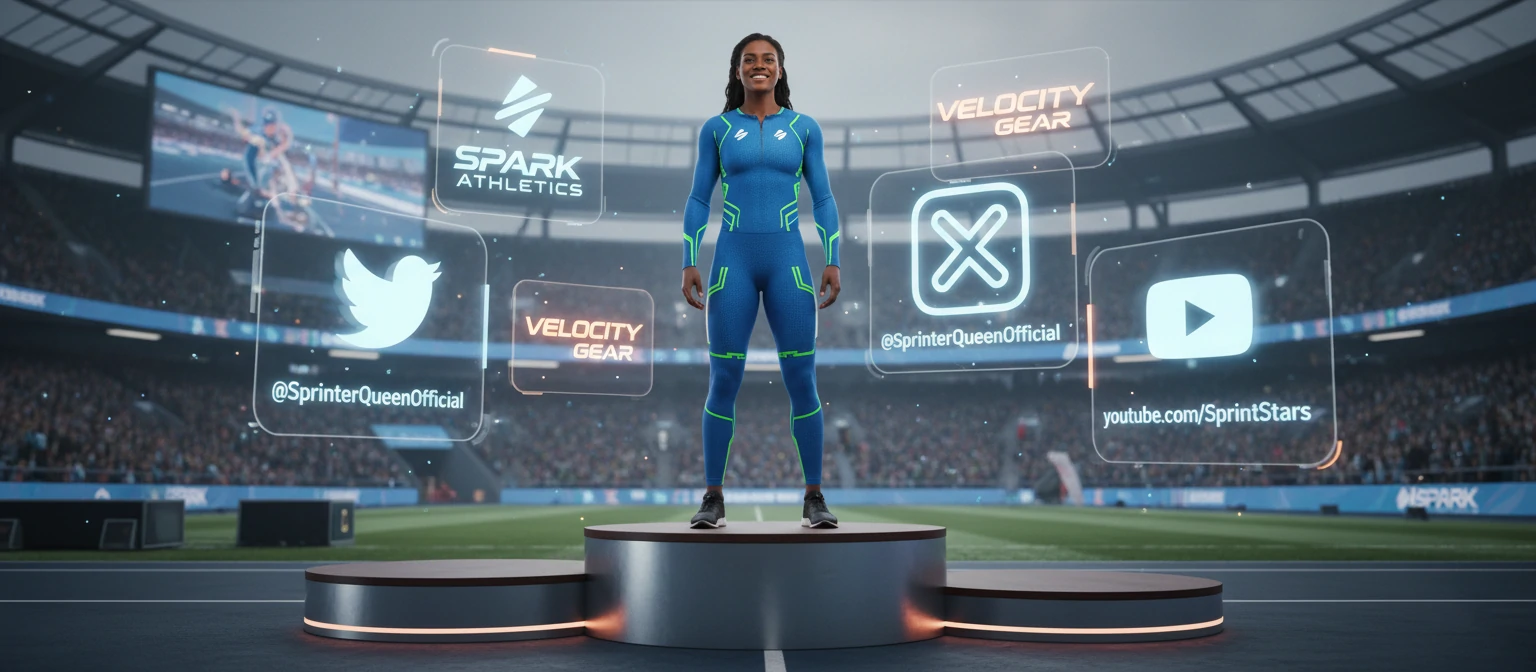
At its core, athlete branding is the process of creating and managing a personal identity that extends beyond an athlete's on-field performance. It's about crafting a narrative, building a reputation, and establishing a connection with fans, sponsors, and the broader public that transcends the sport itself.
Think of it as the athlete's "personal equity." Just as companies invest in brand development to create value and loyalty, athletes invest in their personal brand to enhance their marketability, influence, and long-term success. This involves everything from the way they present themselves in interviews to the causes they champion and the business ventures they pursue.
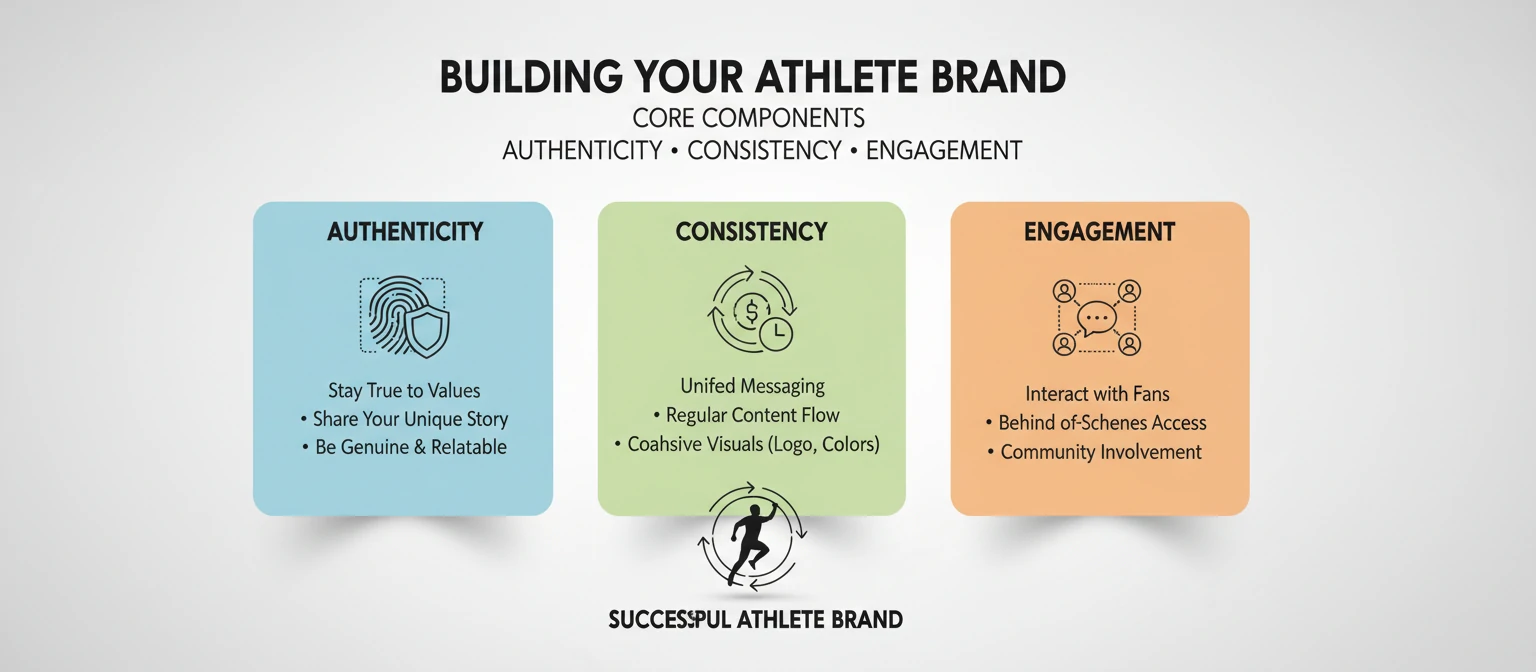
A strong athlete brand encompasses several key elements:
- Authenticity: Staying true to one's values and personality
- Consistency: Maintaining a coherent image across all platforms
- Visibility: Being present and active in media and social channels
- Engagement: Interacting with fans and building a community
- Value Proposition: Offering something unique that sets the athlete apart
The evolution of athlete branding can be traced back to the early days of sports marketing, but it has exploded in importance with the rise of digital media. In the past, athletes were primarily known through their performances and occasional endorsements. Today, they have direct access to millions of fans through social media, allowing them to control their narrative and build personal relationships with their audience.
However, athlete branding isn't just about self-promotion. It's about creating a platform for influence and impact. Many athletes use their brands to advocate for social causes, promote healthy lifestyles, or inspire young people to pursue their dreams. In this sense, branding becomes a tool for positive change and legacy building.
As we delve deeper into this topic, we'll explore how different athletes have approached branding and the strategies that have led to their success. From the charismatic personalities of basketball legends to the quiet determination of endurance athletes, every sport offers unique opportunities for brand development.
Why Athlete Branding Matters in Today's Sports Landscape
In an era where sports and business are inextricably linked, athlete branding has become a non-negotiable aspect of professional athletics. The reasons for its importance are multifaceted, ranging from financial opportunities to cultural influence and long-term career sustainability.
Let's break down the key reasons why building a strong personal brand is crucial for modern athletes:
1. Financial Opportunities
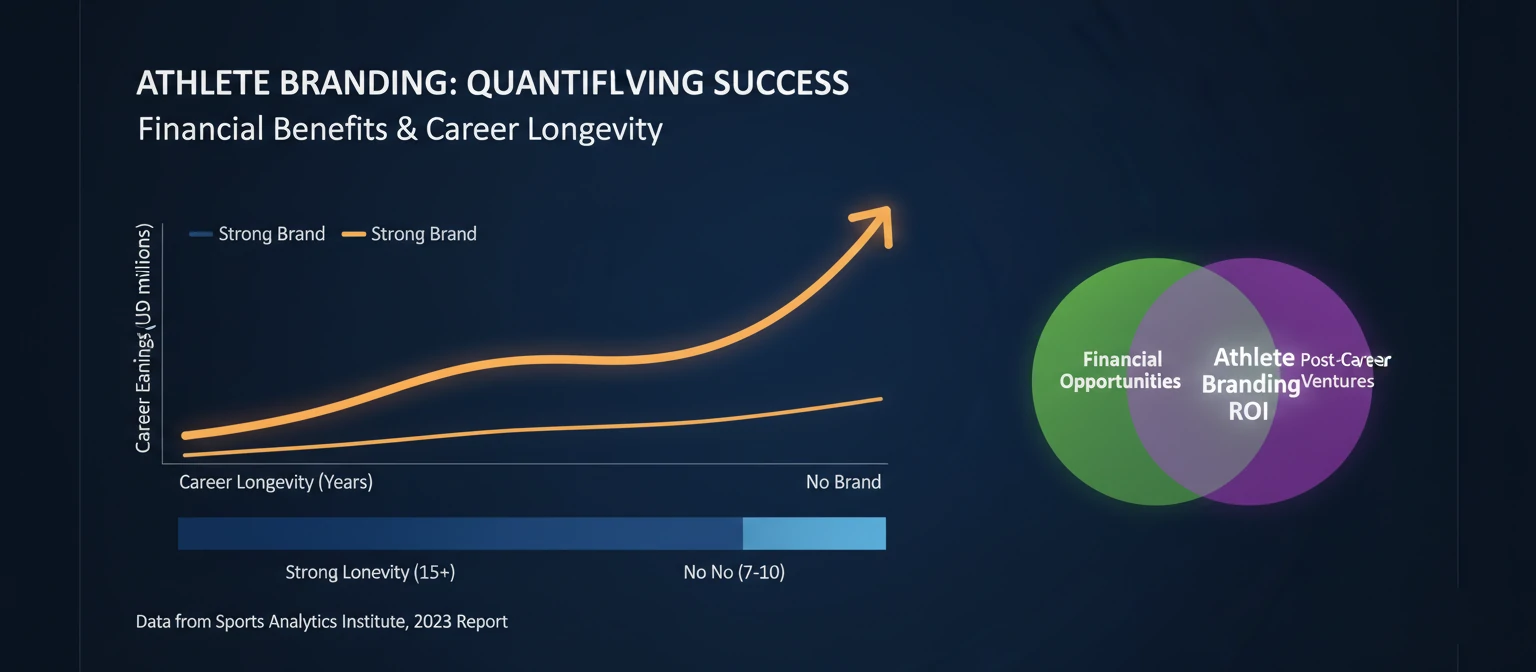
The most obvious benefit of strong athlete branding is the potential for increased earnings. Top-branded athletes command premium endorsement deals, often earning more from sponsorships than from their sport itself. For instance, Cristiano Ronaldo's brand value is estimated to be worth billions, far exceeding his salary from Manchester United.
2. Career Longevity
Athletic careers are notoriously short. Branding provides a pathway to continued relevance and income even after retirement. Many athletes transition into media, business, or philanthropy, leveraging their established brand to open new doors.
3. Influence and Impact
With great brand power comes great responsibility. Athletes with strong brands can influence public opinion, advocate for causes, and drive social change. LeBron James' "I Promise" schools and Colin Kaepernick's activism are prime examples of how athlete brands can be used for positive impact.
4. Competitive Advantage
In crowded sports markets, a distinctive brand can set an athlete apart from competitors. It creates loyalty among fans and makes athletes more attractive to sponsors and media outlets.
5. Personal Fulfillment
Beyond the external benefits, branding allows athletes to express their true selves and connect authentically with fans. It transforms the athlete from a distant figure into a relatable personality.
The importance of athlete branding extends beyond individual athletes to the sports industry as a whole. Strong personal brands drive fan engagement, boost viewership, and create new revenue streams for leagues and teams. In an age of cord-cutting and declining traditional media consumption, athlete brands have become crucial for keeping sports relevant and exciting.
However, with great power comes great scrutiny. Athletes must navigate the challenges of public life, including media scrutiny, fan expectations, and the pressure to maintain a positive image. The key to successful branding lies in authenticity—fans can spot a fake from a mile away.
As social media continues to democratize fame, athlete branding has become accessible to athletes at all levels. Even amateur athletes can build meaningful brands that open doors to scholarships, sponsorships, and professional opportunities.
Key Strategies for Building a Powerful Athlete Brand
Building an athlete brand is a multifaceted process that requires strategic thinking, consistent effort, and adaptability. While every athlete's journey is unique, there are proven strategies that can guide the branding process. Let's explore the most effective approaches:
1. Define Your Unique Value Proposition
Every great brand starts with a clear understanding of what makes you special. What sets you apart from other athletes in your sport? Is it your work ethic, your personality, your backstory, or your approach to the game? Identify your core strengths and craft a narrative around them.
2. Master Social Media Presence
Social media is the cornerstone of modern athlete branding. Platforms like Instagram, Twitter, and TikTok allow athletes to connect directly with fans, share behind-the-scenes content, and build a personal connection. Consistency is key—post regularly, engage with followers, and maintain a professional yet authentic voice.
3. Develop a Personal Website
A professional website serves as the hub of your online presence. It should showcase your achievements, share your story, and provide ways for fans and sponsors to connect with you. Include a blog, photo gallery, and contact information.
4. Cultivate Media Relationships
Building relationships with journalists, podcasters, and influencers can amplify your brand. Be accessible for interviews, provide unique insights, and position yourself as an expert in your field.
5. Engage in Philanthropy and Social Causes
Using your platform for good can significantly enhance your brand's appeal. Partner with charities, advocate for social issues, and demonstrate that you're more than just an athlete—you're a force for positive change.
6. Collaborate with Brands and Sponsors
Choose endorsement deals that align with your values and appeal to your fanbase. Be selective—quality partnerships are more valuable than quantity.
7. Create Content Consistently
Content is king in the digital age. Share training tips, motivational messages, and personal stories to keep your audience engaged and demonstrate your expertise.
8. Monitor and Adapt
Use analytics to track what's working and what's not. Be willing to pivot your strategy based on feedback and changing trends.
Implementing these strategies requires time, effort, and often professional guidance. Many athletes work with branding experts, publicists, and digital marketing specialists to refine their approach. Remember, branding is not a one-time effort but an ongoing process that evolves with your career and the changing media landscape.
Real-World Examples of Successful Athlete Branding
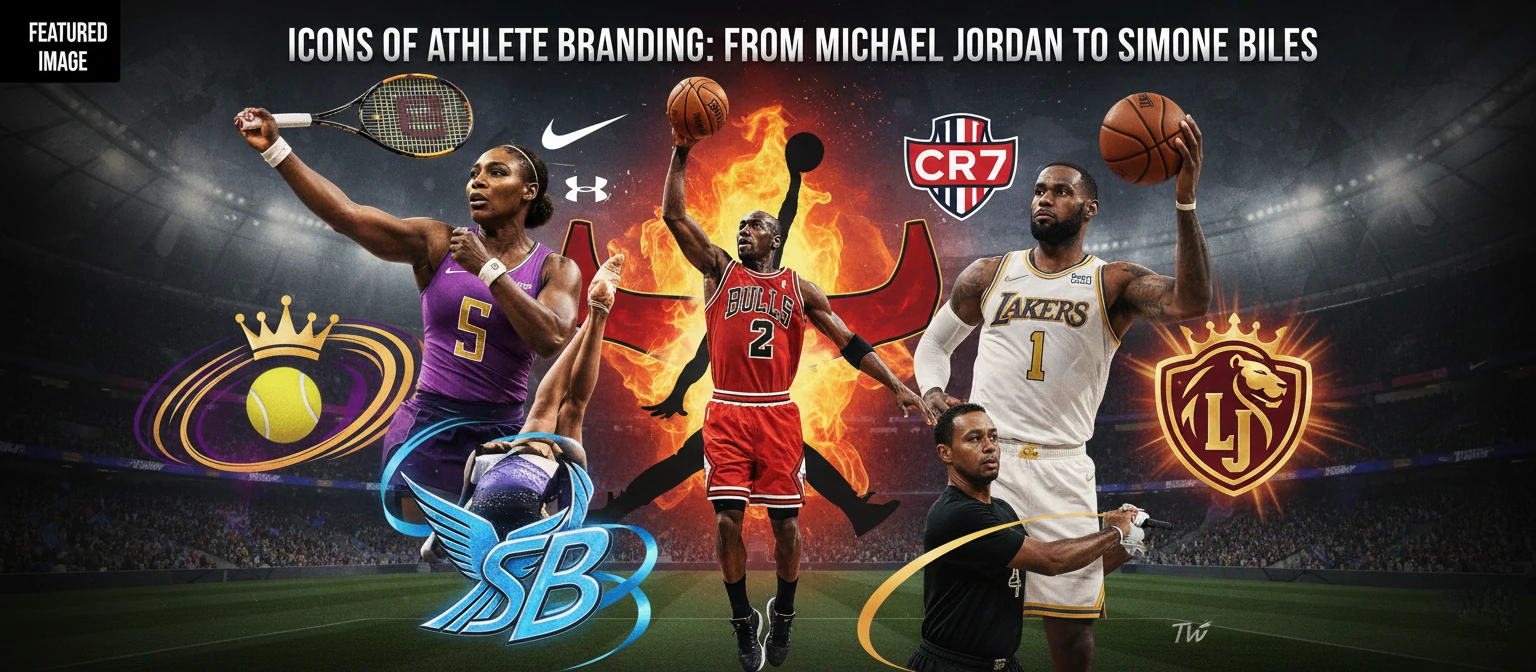
To truly understand athlete branding, it's helpful to examine real-world examples. Let's look at some athletes who have mastered the art of personal branding and the strategies that contributed to their success.
Michael Jordan: The GOAT of Branding
Michael Jordan didn't just revolutionize basketball—he revolutionized athlete branding. His partnership with Nike created the Air Jordan brand, which became a cultural phenomenon. Jordan's brand was built on excellence, competitiveness, and a relentless drive to win. Even decades after retirement, his brand remains incredibly valuable.
Serena Williams: Empowerment and Excellence
Serena Williams has built a brand around female empowerment and athletic dominance. Her Vogue cover, fashion line, and advocacy for gender equality have expanded her influence far beyond tennis. Serena's brand is about breaking barriers and inspiring women worldwide.
LeBron James: Social Impact and Business Acumen
LeBron James has leveraged his platform for social change while building a business empire. His "I Promise" schools, media company, and strategic investments demonstrate how athlete branding can drive real-world impact and financial success.
Tom Brady: Discipline and Longevity
Tom Brady's brand is centered on discipline, preparation, and longevity. His TB12 wellness brand and media appearances have kept him relevant long after his playing days. Brady's story shows how branding can extend an athlete's influence beyond their sport.
Simone Biles: Mental Health Advocacy
Gymnast Simone Biles has used her platform to advocate for mental health in sports. Her courage in prioritizing her well-being over competition has made her a role model and strengthened her brand's authenticity.
These examples illustrate that successful athlete branding requires authenticity, consistency, and a willingness to use one's platform for more than just personal gain. Each of these athletes has faced challenges and controversies, but their ability to stay true to their values has ultimately strengthened their brands.
Tools and Resources for Athlete Branding
Building a strong athlete brand doesn't have to be overwhelming. There are plenty of tools and resources available to help you along the way. Let's explore some of the most useful ones that can give your branding efforts a real boost.
Social Media Management Tools
Platforms like Hootsuite, Buffer, and Later can help you schedule posts, analyze engagement, and manage multiple social media accounts efficiently. These tools are essential for maintaining consistency across platforms.
Analytics Platforms
Google Analytics, Sprout Social, and Iconosquare provide insights into your audience demographics, content performance, and engagement metrics. Understanding your data is key to refining your branding strategy.
Content Creation Tools
Canva, Adobe Creative Suite, and CapCut make it easy to create professional-looking graphics, videos, and stories. Even if you're not a design expert, these tools can help you produce high-quality content.
Website Builders
WordPress, Squarespace, and Wix offer user-friendly platforms for creating professional websites. A strong online presence is crucial for athlete branding.
Branding Consultants
Working with professionals like publicists, social media managers, and brand strategists can accelerate your branding efforts. Many athletes start with DIY approaches but scale up as their brand grows.
Remember, the best tool is your unique voice and authentic self. Use these resources to amplify your message, not replace it.
Common Mistakes to Avoid in Athlete Branding
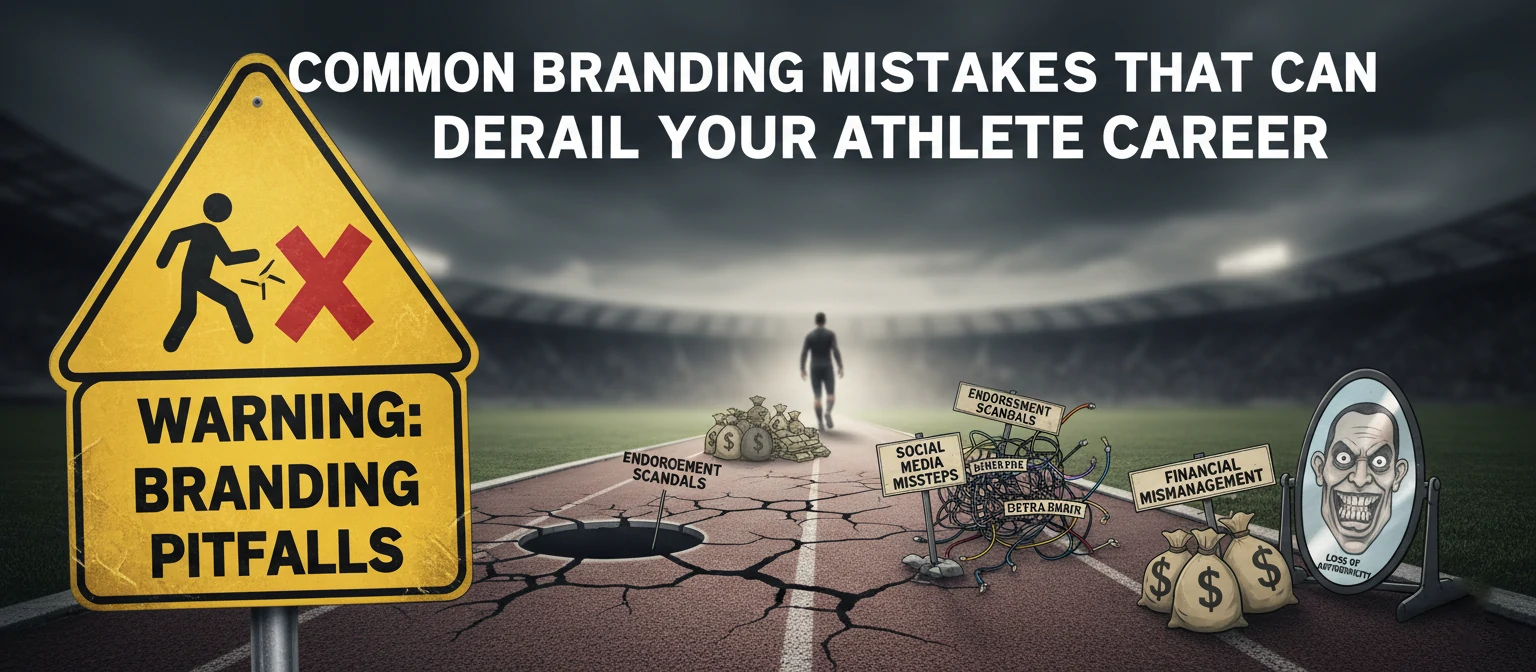
Even the most talented athletes can stumble when it comes to branding. Here are some common pitfalls to watch out for and how to avoid them.
1. Being Inauthentic
Trying to be someone you're not is a surefire way to lose credibility. Fans can tell when you're being genuine versus when you're putting on an act. Stay true to your values and personality.
2. Overposting on Social Media
Quality trumps quantity. Flooding your followers with content can lead to unfollows. Focus on meaningful, engaging posts rather than constant updates.
3. Ignoring Negative Feedback
Not all feedback will be positive, but ignoring criticism can damage your brand. Address concerns thoughtfully and use them as opportunities for growth.
4. Focusing Only on Self-Promotion
Brands that only talk about themselves come across as self-centered. Engage with your community, share valuable content, and show genuine interest in others.
5. Neglecting Your Website
In the age of social media, some athletes forget about having a central hub for their brand. A professional website is essential for credibility and sponsor interest.
Avoiding these mistakes will help you build a stronger, more authentic brand. Remember, branding is a long-term game – consistency and patience are key.
Challenges in Athlete Branding and How to Overcome Them
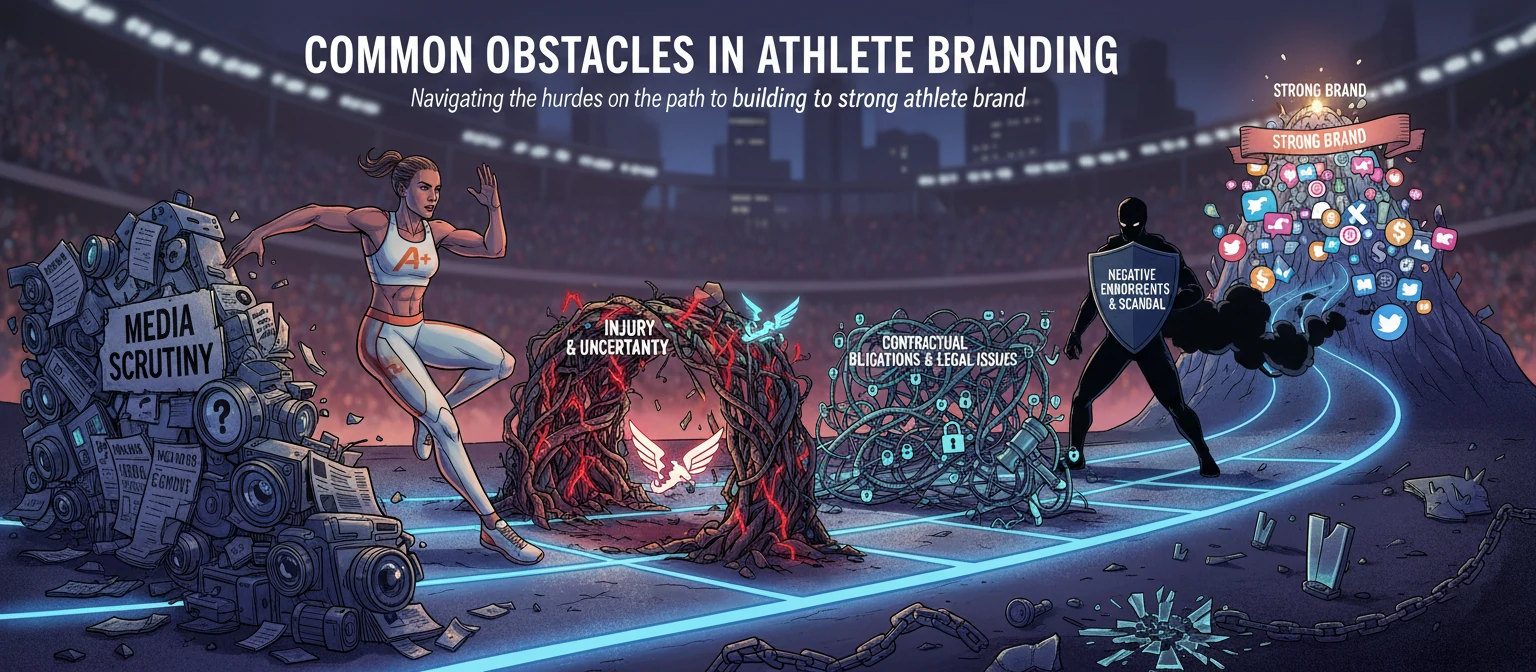
While the benefits of athlete branding are clear, the path is not without obstacles. Athletes face unique challenges in building and maintaining their personal brands. Understanding these challenges and developing strategies to overcome them is crucial for long-term success.
1. Maintaining Authenticity in a Commercial World
One of the biggest challenges is balancing commercial opportunities with genuine self-expression. Athletes often feel pressure to endorse products they don't truly believe in or present a persona that's not entirely authentic.
Solution: Stay true to your core values and only partner with brands that align with your beliefs. Transparency with fans about sponsored content can help maintain trust.
2. Dealing with Public Scrutiny
Athletes live under constant media scrutiny, and one misstep can damage their brand overnight. Social media amplifies both successes and failures.
Solution: Develop a crisis communication plan and focus on long-term reputation management. Remember that redemption stories can often strengthen a brand.
3. Time Management
Balancing training, competition, and branding activities can be overwhelming. Many athletes struggle to find time for content creation and fan engagement.
Solution: Build a support team including social media managers and publicists. Use tools and automation to streamline branding efforts.
4. Adapting to Changing Trends
The digital landscape evolves rapidly, and what works today may not work tomorrow. Athletes must stay current with new platforms and trends.
Solution: Stay informed about digital trends and be willing to experiment. Work with younger team members who understand emerging platforms.
5. Measuring ROI
It's often difficult to quantify the return on investment for branding efforts, especially intangible benefits like fan loyalty.
Solution: Set clear goals and use analytics to track engagement, brand sentiment, and business opportunities that arise from branding efforts.
Overcoming these challenges requires resilience, adaptability, and a long-term perspective. Successful athlete branding is a marathon, not a sprint, and those who persevere often reap the greatest rewards.
The Future of Athlete Branding
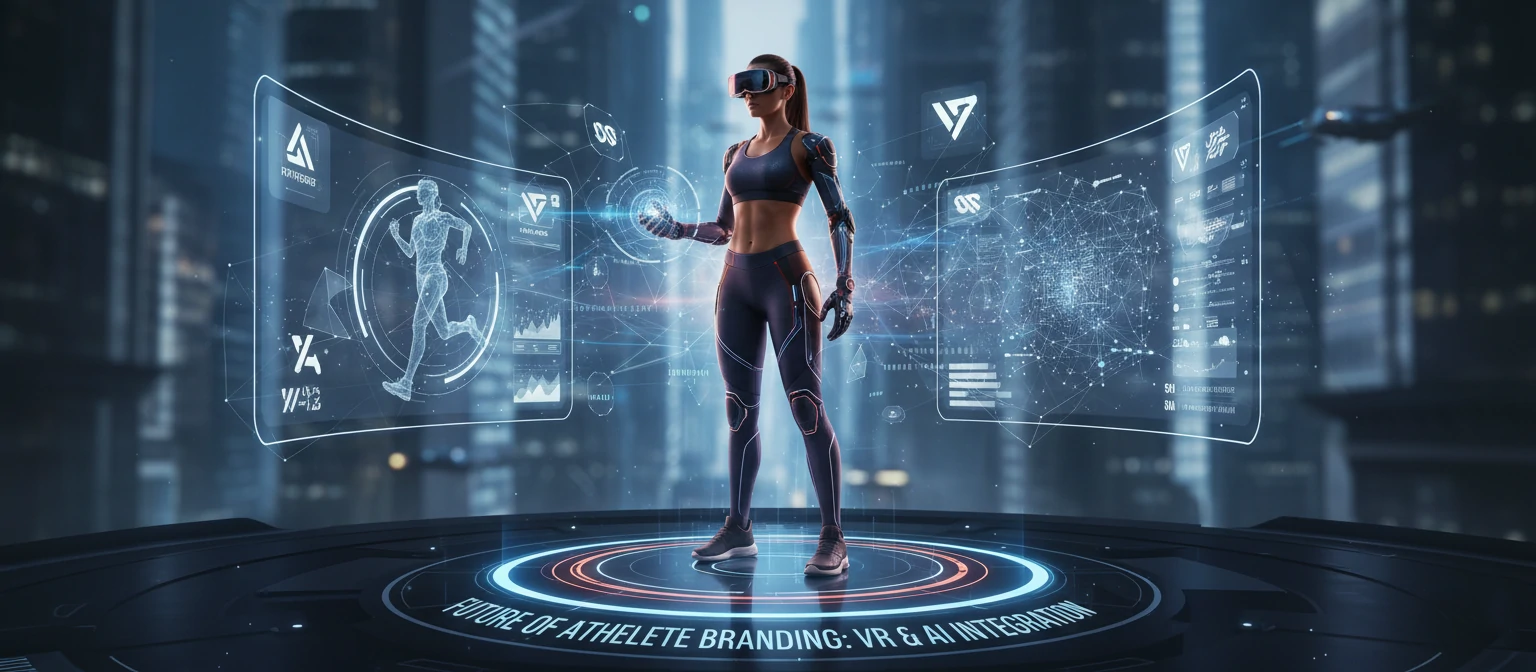
As technology continues to evolve, so too will the landscape of athlete branding. Emerging trends and technologies are reshaping how athletes connect with fans and build their personal brands.
Virtual Reality and Augmented Reality
VR and AR technologies offer new ways for athletes to engage fans. Imagine attending a virtual meet-and-greet or experiencing a game from an athlete's perspective.
AI-Powered Personalization
Artificial intelligence will enable more personalized fan interactions, from customized content to predictive analytics for branding strategies.
Blockchain and NFTs
Non-fungible tokens and blockchain technology are creating new monetization opportunities for athletes, from digital collectibles to fan ownership models.
Social Commerce
The integration of e-commerce directly into social media platforms will allow athletes to sell merchandise and experiences seamlessly.
Focus on Sustainability
As environmental concerns grow, athletes will increasingly brand themselves around sustainability and social responsibility.
The future of athlete branding will be more interactive, personalized, and technology-driven. Athletes who embrace these changes and adapt their strategies accordingly will be best positioned for success.
Frequently Asked Questions About Athlete Branding
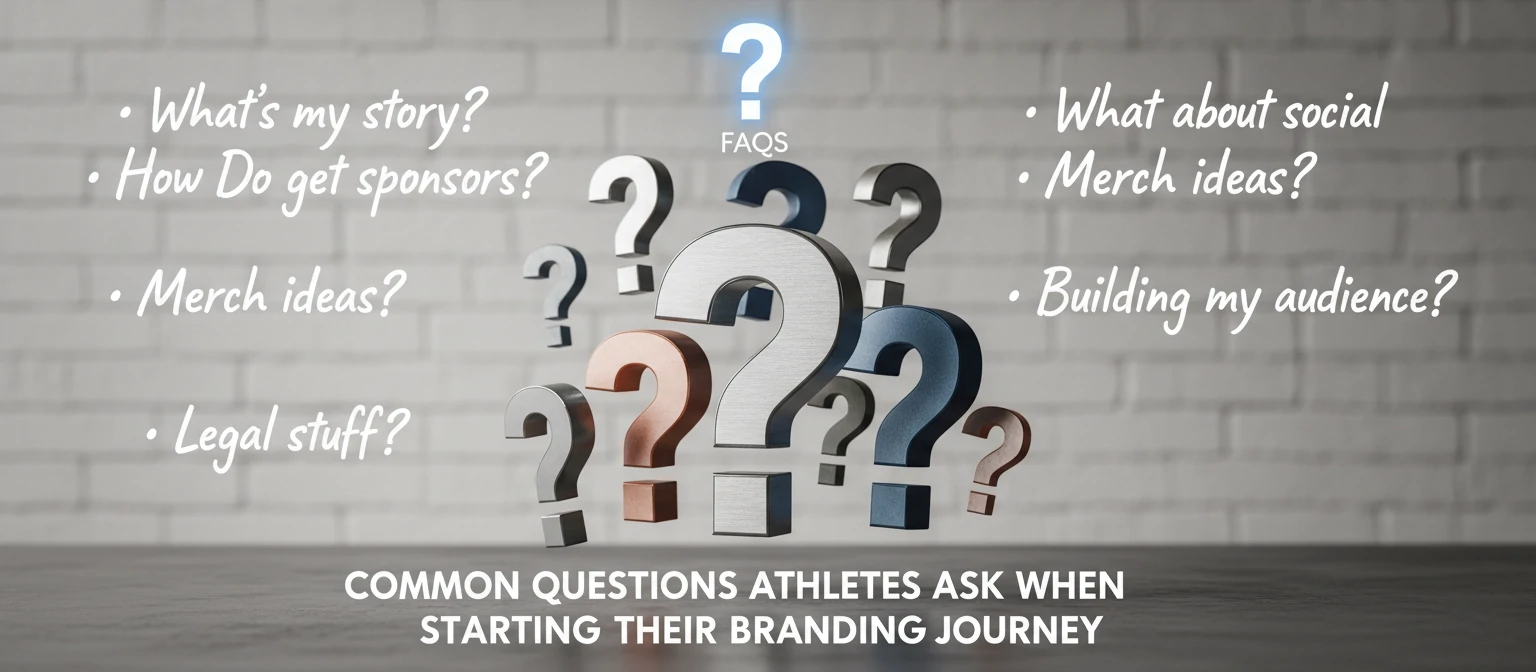
Got questions about athlete branding? You're not alone! Here are some of the most common queries we hear from athletes looking to build their personal brands.
How do I know if I'm ready to start branding myself as an athlete?
If you've got a unique story, consistent performance, and a passion for connecting with fans, you're ready! Even amateur athletes can start building their brand. It's never too early to begin crafting your narrative.
What's the biggest mistake athletes make when branding?
Trying to be someone they're not. Authenticity is key—fans can spot fakeness from a mile away. Stay true to your values and personality for long-term success.
How much time should I spend on social media for branding?
Quality over quantity! Aim for 2-3 meaningful posts per week rather than daily spamming. Consistency matters more than frequency.
Can I brand myself if I'm not a professional athlete?
Absolutely! Many successful brands start at the amateur level. Think of influencers like Alex Morgan or Simone Biles who built massive followings before going pro.
How do I handle negative comments or criticism?
Address it gracefully. Respond thoughtfully, learn from feedback, and remember that even the biggest stars face criticism. It often strengthens your brand when handled well.
If you have more questions, feel free to reach out or dive deeper into the sections above. Branding is a journey, and we're here to help you navigate it!
What Athletes Say About Branding
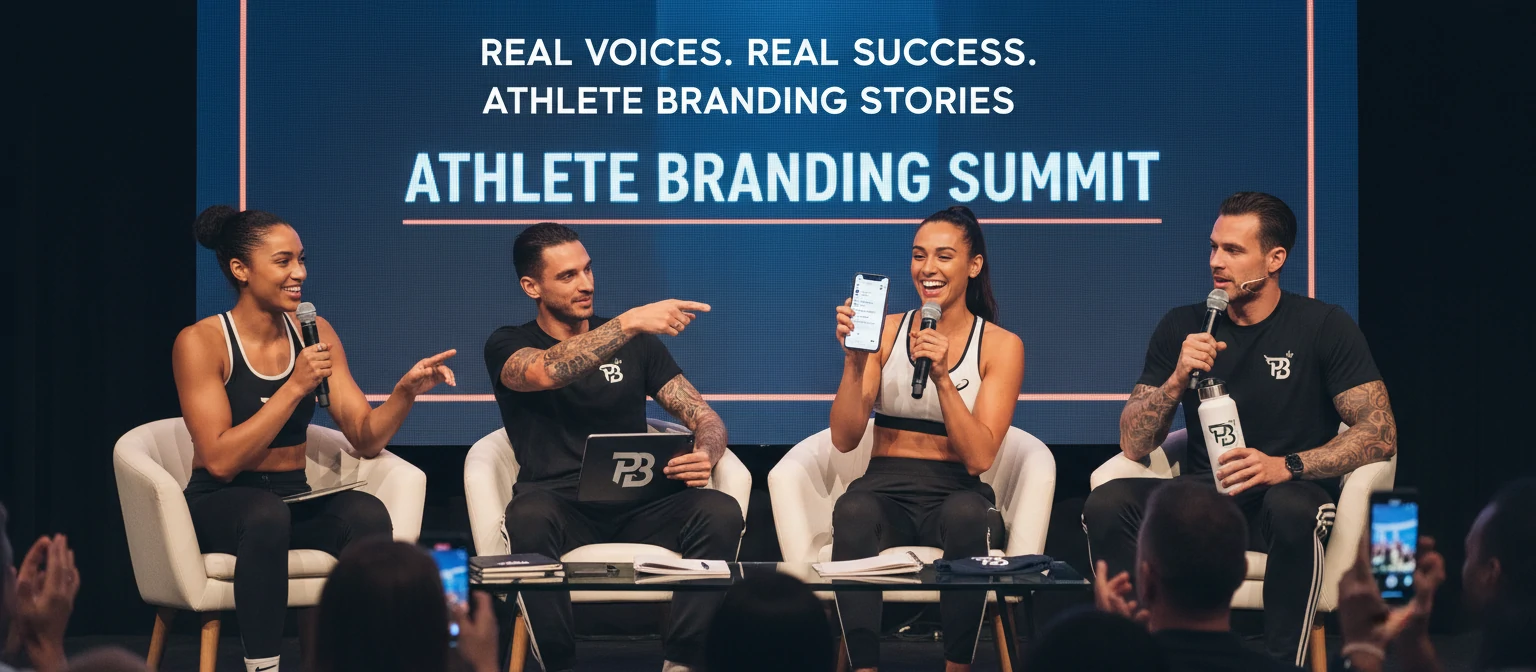
Don't just take our word for it—hear from athletes who've transformed their careers through strategic branding.
"Branding changed everything for me. It wasn't just about winning games anymore—it was about inspiring people and building a legacy."
- Anonymous Pro Athlete
"I started as a nobody, but consistent branding on social media turned me into a recognized name in my sport. The connections I've made are priceless."
- Rising Star Athlete
"Branding taught me that my voice matters. Now I use my platform to advocate for causes I care about and connect with fans on a deeper level."
- Social Impact Athlete
These testimonials show that branding isn't just for superstars—it's for any athlete willing to put in the work and stay authentic.
Conclusion: Your Brand is Your Legacy
As we've explored throughout this comprehensive guide, athlete branding is much more than a marketing strategy—it's a pathway to lasting impact and fulfillment. In a world where sports and business intersect more than ever, building a strong personal brand can elevate your career, amplify your influence, and create opportunities that extend far beyond the playing field.
Remember, successful athlete branding is built on authenticity, consistency, and a genuine desire to connect with others. It's about telling your story in a way that resonates, using your platform for positive change, and staying true to your values even in the face of challenges.
Whether you're just starting your athletic journey or you're a seasoned professional looking to expand your influence, the principles and strategies outlined in this guide provide a solid foundation for building a powerful personal brand. Embrace the process, learn from the examples of those who've succeeded before you, and always prioritize long-term relationships over short-term gains.
Your athletic talent got you here, but your brand will carry you into the future. Invest in it wisely, nurture it consistently, and watch as it opens doors you never imagined possible. The world of sports is waiting for your unique voice—now is the time to let it be heard.