

In the age of digital noise, radio remains a titan of local reach. But how much does it truly cost to get on the airwaves? We break down the math, the myths, and the ROI.
"Video killed the radio star," they sang. Then came the internet, social media, and streaming. Yet, more than 80% of Americans still tune into AM/FM radio every week. It turns out, the radio star is very much alive—and it's still selling millions of dollars in products every day.
For business owners, radio represents a paradox. It feels "old school," yet it offers something Facebook Ads often can't: a captive, local audience that trusts the voice coming through their speakers. But the pricing structure of radio can feel like a black box. What is a "Daypart"? Why does a 30-second spot cost $20 at midnight but $200 at 8 AM?
Whether you are a local plumber looking for more leads or a national brand launching a new product, understanding Radio Advertising Costs is the first step to ensuring you don't get taken for a ride. This guide strips away the industry jargon and gives you the raw numbers.
What Determines the Price Tag?
Unlike a magazine ad which has a fixed price for a quarter-page, radio inventory is perishable. Once a second of airtime is gone, it's gone forever. This supply-and-demand dynamic drives the cost.
Audience Size (Reach)
The more ears listening, the higher the cost. A station in New York City (Market #1) will cost exponentially more than a station in Des Moines (Market #68). It's a simple numbers game.
Time of Day (Daypart)
Radio listening peaks when people are commuting. These peak times are called "Drive Times" and they command premium pricing. 3 AM slots generally go for pennies on the dollar.
Frequency & Inventory
Buying one spot is useless; you need "frequency" (repetition). Buying in bulk lowers your rate per spot. Also, if an election is happening, political ads consume inventory, driving prices up.
Decoding "Dayparts": Where the Money Goes
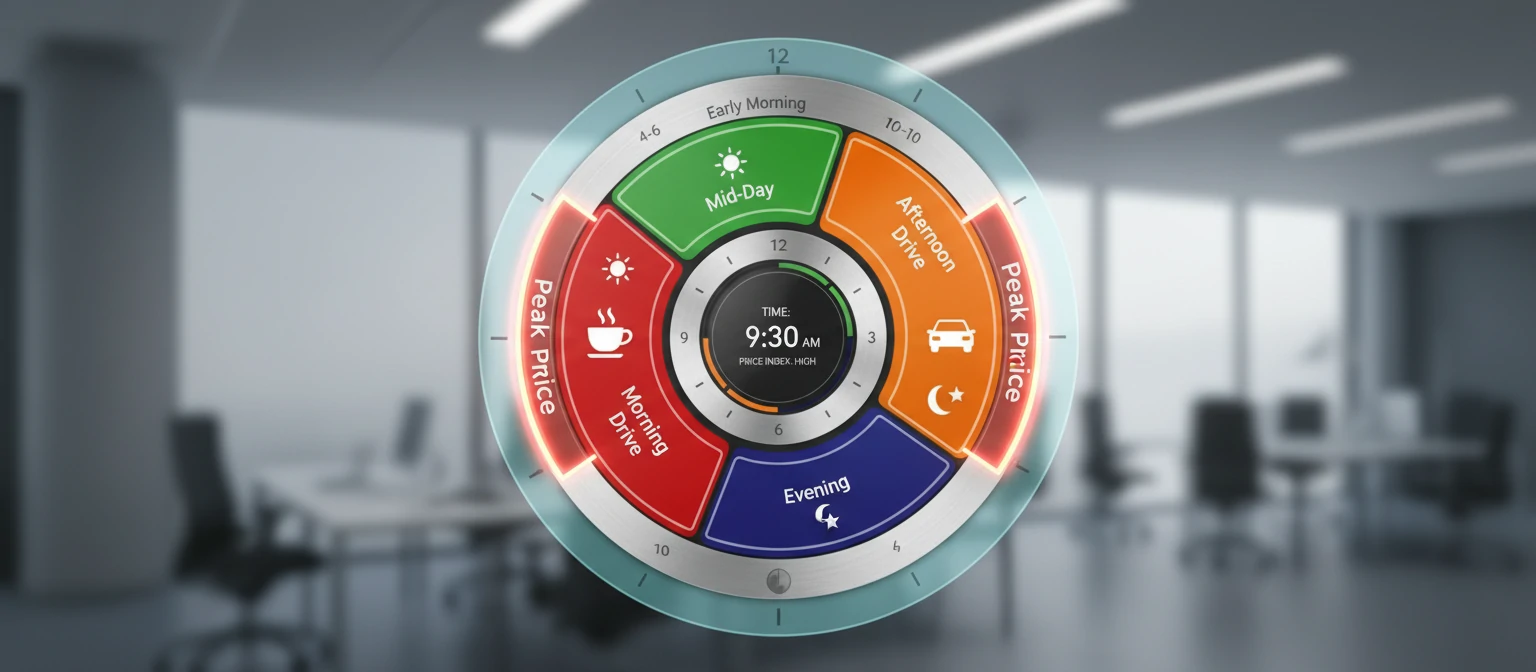
Radio schedules are broken into standard blocks. Understanding these is the key to negotiating a better deal.
Morning Drive (Prime Time)
Cost: $$$$. The coveted slot. Everyone is driving to work or school. News, weather, and "Morning Zoo" shows dominate listening.
Midday
Cost: $$. Background listening while at work. Good for reaching office workers and homemakers. Lower attention span, but consistent.
Afternoon Drive (PM Drive)
Cost: $$$. The commute home. Listeners are tired, thinking about dinner, or decompressing. High reach, slightly less expensive than mornings.
Evening & Overnight
Cost: $. Lowest reach. Often syndicated shows or automated playlists. Good for specific niche marketing or branding maintenance.
Show Me The Numbers (Estimates)
While prices vary wildly, here are rough estimates for a standard 30-second spot in 2026.
| Market Size | City Example | Est. Cost Per Spot |
|---|---|---|
| Top 10 (Major) | NYC, LA, Chicago | $500 - $8,000+ |
| Medium Market | Austin, Nashville, Columbus | $50 - $250 |
| Small Market | Topeka, rural areas | $5 - $50 |
*Note: These are per-play costs. A typical campaign requires 20-40 plays per week to be effective. Do the math: 20 spots x $100 = $2,000/week.
The Hidden Cost: Production
Buying the airtime is only half the battle. You need something to air. You generally have two options for producing your commercial:
Option A: Station Produced
Most radio stations will produce your ad for free if you buy a package. They use their in-house DJs.
Pros: Free,
fast.
Cons: Generic. Your ad sounds like the DJ who just intro'd the song.
Low creativity.
Option B: Agency / Pro Produced
Hiring a professional copywriter, voice actors, and sound engineers. Cost: $500 - $3,000+.
Pros: Stand out from the clutter. Higher
conversion. Brand consistency.
Cons: Upfront cost.
Digital Audio vs. Terrestrial Radio
You can't talk about radio in 2026 without mentioning Spotify, Pandora, and Podcasts. How do costs compare?
Streaming (Spotify/Pandora)
Cost Model: CPM (Cost Per
Thousand impressions). Usually $15 - $30 CPM.
Advantage: Extreme targeting (Age, Genre, Location). You know exactly
who heard it.
Disadvantage: People often pay for premium to skip ads.
Podcasts
Cost Model: CPM or
Host-Read Sponsorship. Runs $18 - $50 CPM.
Advantage: Massive trust. If a host recommends a product, listeners
buy.
Disadvantage: High cost for popular shows. Harder to target local
geo-location accurately.
How to Actually Make Money (ROI)
Radio is notorious for being hard to track. Unlike a Facebook click, you can't track a "listener." Here is how pros measure success:
- 01. Vanity URLs: "Visit domain.com/RADIO" to get a discount. Tracks traffic specifically from the ad.
- 02. Dedicate Phone Numbers: Use a call-tracking number just for the radio spot.
- 03. The "How did you hear about us?" Survey: Low tech, but effective. Ask every customer.
- 04. Frequency, Not Reach: It is better to reach 10,000 people 10 times than 100,000 people 1 time. Frequency builds memory; Reach just builds awareness.