
In an era of 8-second attention spans, static images are invisible. Discover how professional animation services—from 2D explainers to high-end 3D—can transform your message into a memorable experience.
Why Animation Matters Now More Than Ever
We live in a noise-filled digital landscape. Every day, the average person is bombarded with over 5,000 marketing messages. Most stick for less than a second. But animation is different. It disarms us. Since childhood, we have been conditioned to see cartoons and animated motion as entertainment, not sales.
Animation breaks down complex barriers. Try explaining "blockchain technology" or "pharmaceutical mechanisms of action" with just text. It’s dry, confusing, and boring. Add visual metaphors, fluid motion, and character scenarios, and suddenly, the complex becomes simple. The boring becomes delightful.
This guide explores the vast ecosystem of Animation Services. We aren't just talking about Disney movies. We're talking about the multi-billion dollar industry of commercial animation that powers tech startups, healthcare giants, and global brands.
Visual Suggestion
"The Evolution of Motion"
*A timeline graphic showing the progression from a hand-drawn flipbook to a vector character on a screen to a complex 3D hologram style render.*
The Animation Landscape
Choosing the right style is 50% of the battle.
2D Animation & Vectors
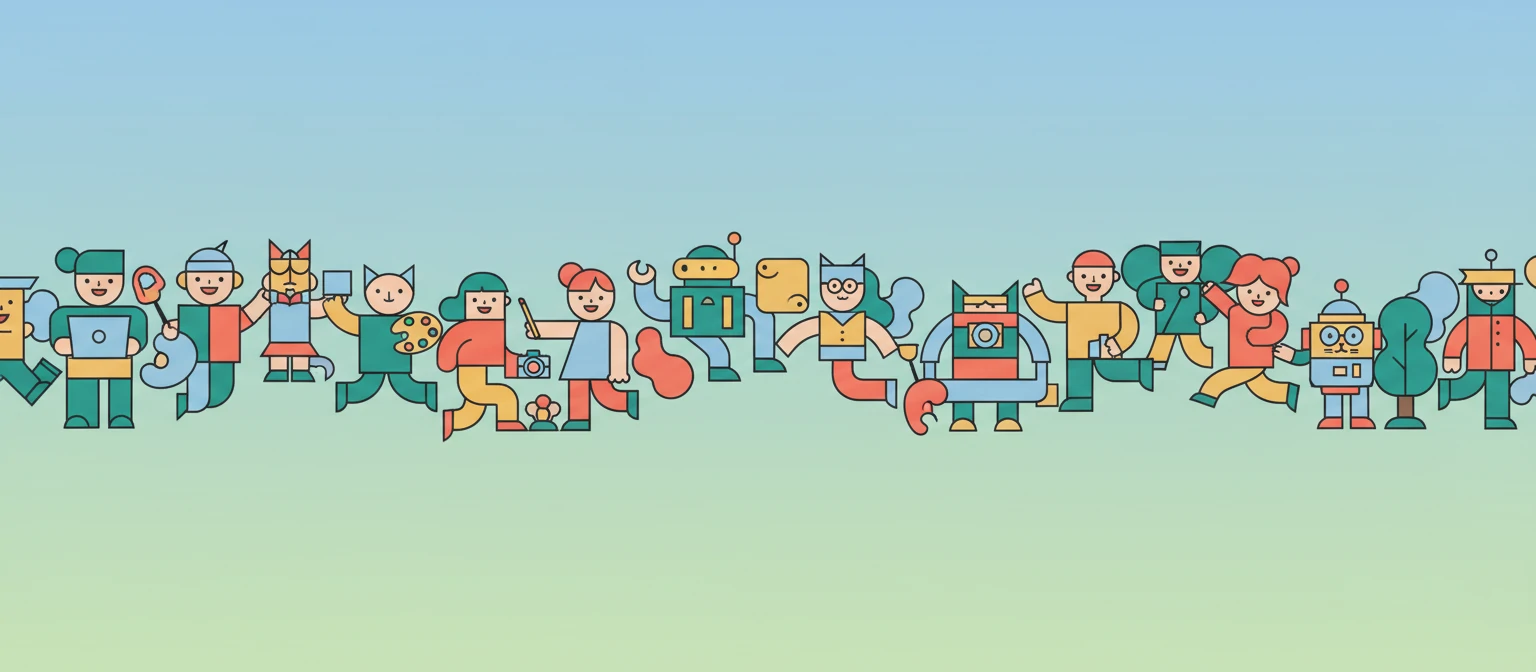
The bread and butter of the internet. Think of "Explainer Videos." It uses flat characters and environments.
- Vector-Based: Clean, scalable, modern. Created in Adobe Illustrator/After Effects.
- Cel (Traditional): Hand-drawn frame-by-frame. Artistic, gritty, fluid. Expensive but soulful.
- Whiteboard: Drawing on a screen. Great for educational content and holding attention.
3D & CGI
Adding depth, texture, and lighting. This is the realm of product visualization and cinematic trailers.
- Photorealistic: Indistinguishable from reality. Perfect for unreleased products.
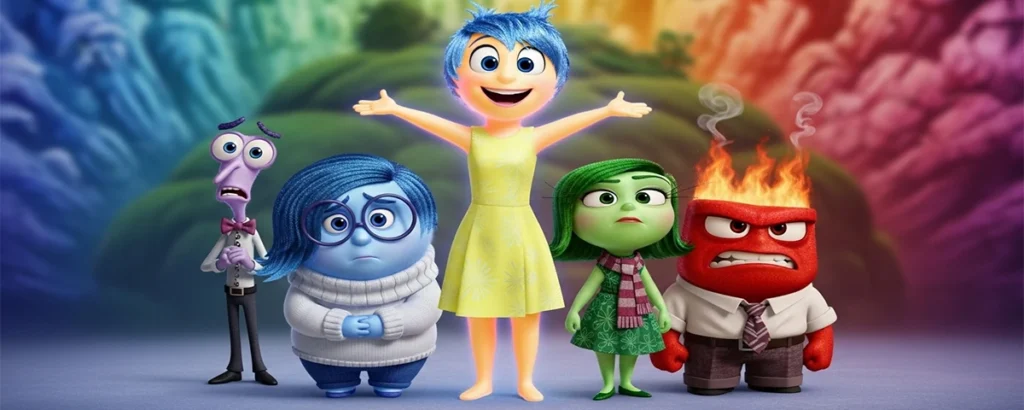
- Stylized: Think Pixar. Toy-like soft rendering that appeals to broad audiences.
- Medical/Scientific: Visualizing the inside of a vein or a machine engine.
Motion Graphics
"Graphic Design in Motion." It’s less about characters and stories, and more about typography, logos, and shapes.
- Kinetic Typography: Text that moves to emphasize the voiceover.
- UI Animation: Showing how an app works with cursors and swipes.
- Logo Reveals: The 3-second animation at the start of a YouTube video.
From Script to Screen
Animation is an industrial process. It follows a strict waterfall methodology.
Stage 1: Pre-Production (The Blueprint)
This is where the video is actually made. If you get this wrong, the video fails. It includes writing the Script, creating a Storyboard (pencil sketches of every scene), and defining the Style Frame (one colored image to prove the look).
Stage 2: Production (The Labor)
The heavy lifting. Illustrators draw the assets. Riggers add "bones" to characters so they can move. Animators spend hours manipulating keyframes to create the illusion of weight and life. 1 minute of animation can take 2-4 weeks here.
Stage 3: Post-Production (The Polish)
Sound Design is 50% of the experience. Whooshes, pops, and background ambience are added. The Voice Over is mixed. Color correction ensures brand consistency.
For Marketing
Higher Conversion. Landing pages with an explainer video can increase conversion rates by up to 80%. It keeps people on the page longer (SEO signal).
For SaaS & Tech
UI Walkthroughs. Don't just tell users your software is easy; show the cursor gliding through the interface. Abstract the noise, focus on the features.
For Corporate
Internal Training. Nobody reads the 50-page PDF on cybersecurity. Everyone watches the 3-minute animated scenario about "Phishing Phil."
The Golden Question: Cost
Animation is sold by time (duration) and complexity (style).
Average Studio Rates (per minute)
- Simple 2D (Stock assets, simple moves) $3,000 - $5,000
- Custom 2D (Original characters, fluid) $8,000 - $15,000
- High-End 3D (Broadcast quality) $20,000++