
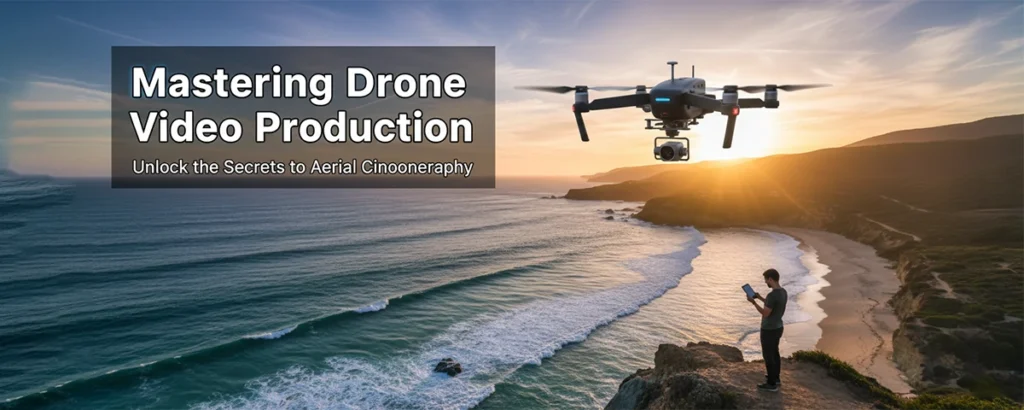
Your Ultimate Guide to Creating Breathtaking Aerial Videos
Table of contents
- Why Drone Videos Are Game-Changers
- The Evolution of Drone Technology
- Building Your Drone Arsenal
- Legal and Safety Essentials
- Planning Your Aerial Masterpiece
- Mastering Drone Shooting Techniques
- Post-Production Magic
- Common Mistakes and How to Avoid Them
- Real-World Success Stories
- Budgeting for Your Drone Setup
- Maintaining Your Drone Fleet
- Drone Communities and Learning Resources
- Building Your Drone Videography Portfolio
- The Future of Drone Videography
- Wrapping It Up: Your Drone Journey Begins
Why Drone Videos Are Game-Changers
Picture this: you're watching a video that starts with a sweeping view of a majestic mountain range, then dives down to reveal a crystal-clear lake nestled in the valley below. The camera glides smoothly, capturing details that ground-based filming could never reach. That's the magic of drone video production – it transforms ordinary scenes into extraordinary visual stories.
In our fast-paced digital world, where attention spans are shorter than ever, drone footage has become the secret weapon for content creators, marketers, and filmmakers. It adds that wow factor that keeps viewers glued to the screen. Whether you're promoting a real estate property, documenting an adventure, or creating promotional content for your business, drone videos can elevate your work from good to absolutely spectacular.
But here's the thing – creating professional drone videos isn't just about owning a fancy gadget. It's about understanding the art and science behind aerial cinematography. In this comprehensive guide, we'll walk you through everything you need to know, from selecting the right equipment to mastering shooting techniques and polishing your footage in post-production. By the time you finish reading, you'll be ready to take to the skies and create videos that leave your audience in awe.
The Evolution of Drone Technology
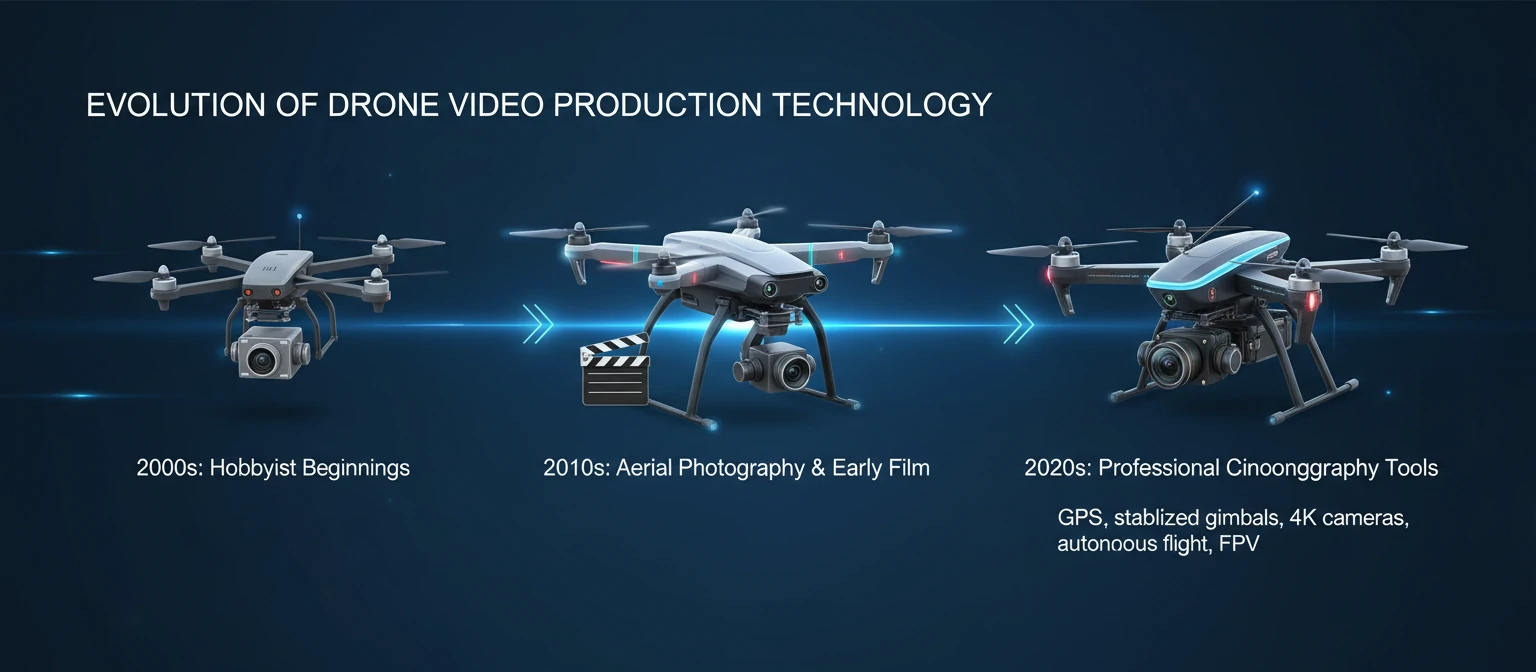
Drones have come a long way from their military origins in the early 20th century. Back then, they were clunky, expensive machines used for surveillance and reconnaissance. Fast forward to the 21st century, and drones have become accessible tools for everyday creativity.
The real game-changer came in 2013 when DJI released the Phantom series. These user-friendly quadcopters brought high-quality cameras and GPS stabilization to the masses. Suddenly, anyone with a few hundred dollars could capture professional-looking aerial footage. Since then, we've seen incredible advancements:
- 4K and even 8K video capabilities
- Extended flight times (up to 40 minutes)
- Intelligent flight modes like active track and point of interest
- Obstacle avoidance systems
- Integration with smartphones and advanced controllers
Today, drones are used in everything from Hollywood blockbusters to wedding videos, environmental monitoring, and even pizza delivery. The technology continues to evolve rapidly, with AI-powered features and better battery life on the horizon. As a content creator, staying on top of these developments can give you a competitive edge in your field.
Building Your Drone Arsenal
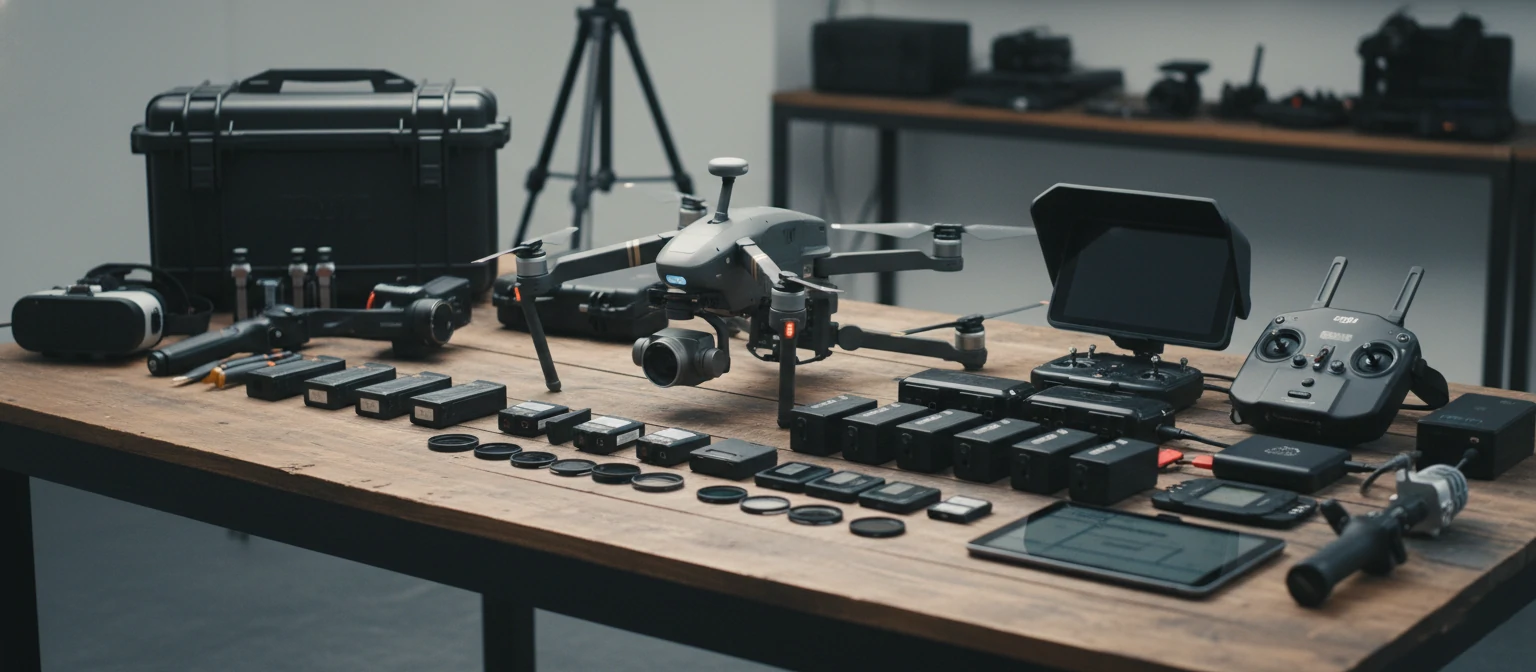
Choosing the right equipment can make or break your drone video production. Don't get overwhelmed by the options – start with the basics and upgrade as you grow. Here's what you need to get started:
The Drone Itself
Your drone is the star of the show. For beginners, I recommend starting with something like the DJI Mini series – they're lightweight, easy to fly, and capture stunning 4K footage. If you're serious about professional work, consider the DJI Mavic or Inspire series for better cameras and longer flight times.
Camera and Gimbal
Most drones come with built-in cameras, but quality varies. Look for models with good stabilization, manual controls, and the ability to shoot in RAW for better post-production flexibility. A solid gimbal ensures smooth footage even in windy conditions.
Controller and Accessories
A good remote controller with a screen lets you monitor your shot in real-time. Don't forget extras like extra batteries, ND filters for better exposure control, and a sturdy carrying case. Memory cards with fast write speeds are crucial for high-resolution video.
Software Tools
Beyond hardware, you'll need software for flight planning (like DJI GO or Litchi) and video editing (Adobe Premiere Pro, Final Cut Pro, or DaVinci Resolve). These tools help you plan shots and polish your footage.
💡 Pro Tip: Start small and invest in quality. A good drone will last for years and pay for itself through better footage and more gigs.
Legal and Safety Essentials
Before you launch your drone, make sure you're flying legally and safely. Drone regulations can be complex, but they're there for good reasons – to protect people and property.
FAA Rules in the US
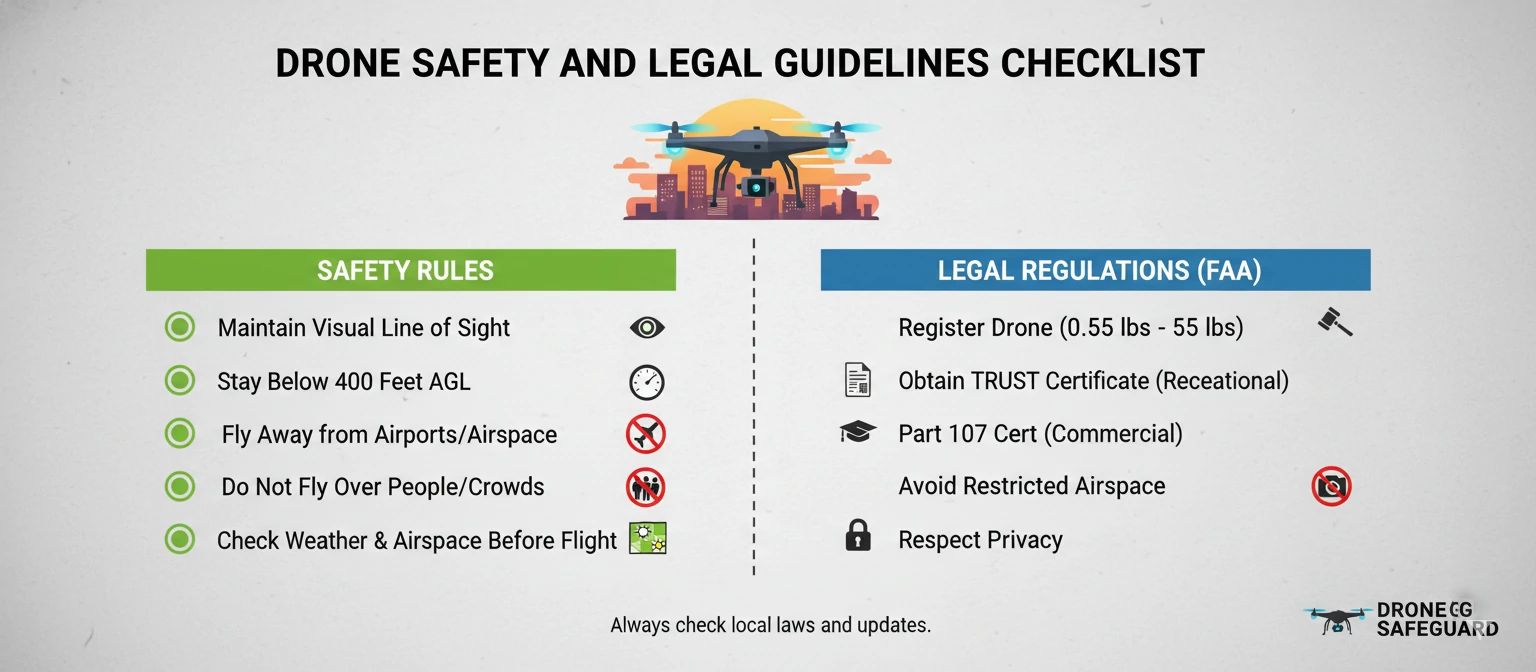
If you're in the United States, you must register your drone with the FAA if it weighs between 0.55 and 55 pounds. For commercial work, you'll need a Part 107 certification. Always fly below 400 feet, keep your drone in sight, and avoid restricted airspace.
International Considerations
Laws vary worldwide. In the EU, you'll deal with EASA regulations, while other countries have their own rules. Always check local laws before flying, especially when traveling.
Safety First
Safety isn't just about following rules – it's about protecting yourself and others. Fly in good weather, maintain a safe distance from people and obstacles, and always have a spotter. Regular maintenance and pre-flight checks are non-negotiable.
⚠️ Remember: A safe pilot is a successful pilot. Never compromise on safety for a shot.
Planning Your Aerial Masterpiece
Great drone videos don't happen by accident. They require careful planning and preparation. Think of yourself as both a pilot and a director – you need to visualize the final product before you even power on your drone.
Define Your Vision
Start by asking: What story am I telling? What emotions do I want to evoke? For a real estate video, you might want to showcase the property's grandeur. For a travel vlog, focus on the sense of adventure and discovery.
Scout Locations
Visit your shooting location beforehand. Note potential hazards, wind conditions, and the best times for lighting. Use apps like Google Earth to plan your flight paths and identify interesting vantage points.
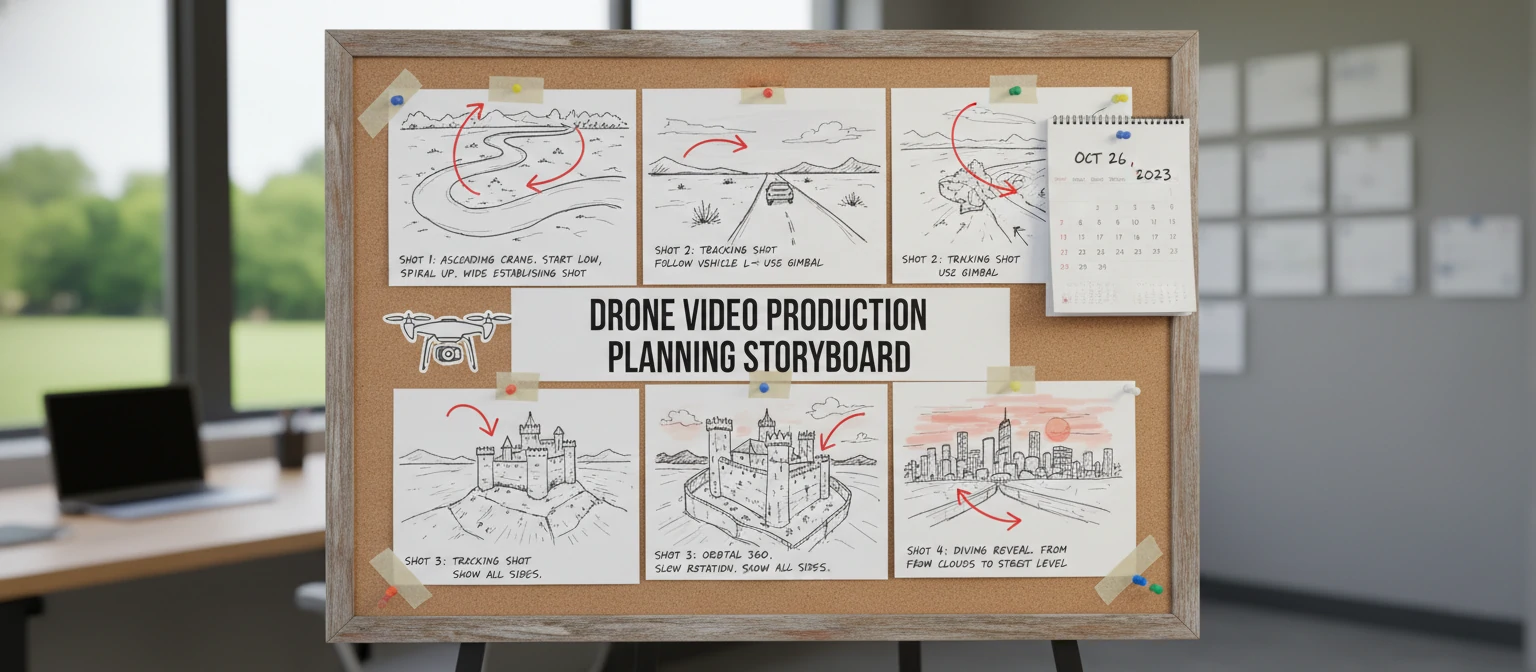
Create a Shot List
Break down your video into specific shots. Will you start with a wide establishing shot? Follow with some dynamic movements? End with an intimate close-up? Planning this out saves time and ensures you capture everything you need.
Check Weather and Permits
Weather can make or break your shoot. Wind, rain, and low visibility are no-gos. Also, secure any necessary permits – some locations require special permission for drone flights.
Mastering Drone Shooting Techniques
Now comes the fun part – actually flying and filming! Mastering these techniques will help you create videos that look professional and engaging.
Basic Movements
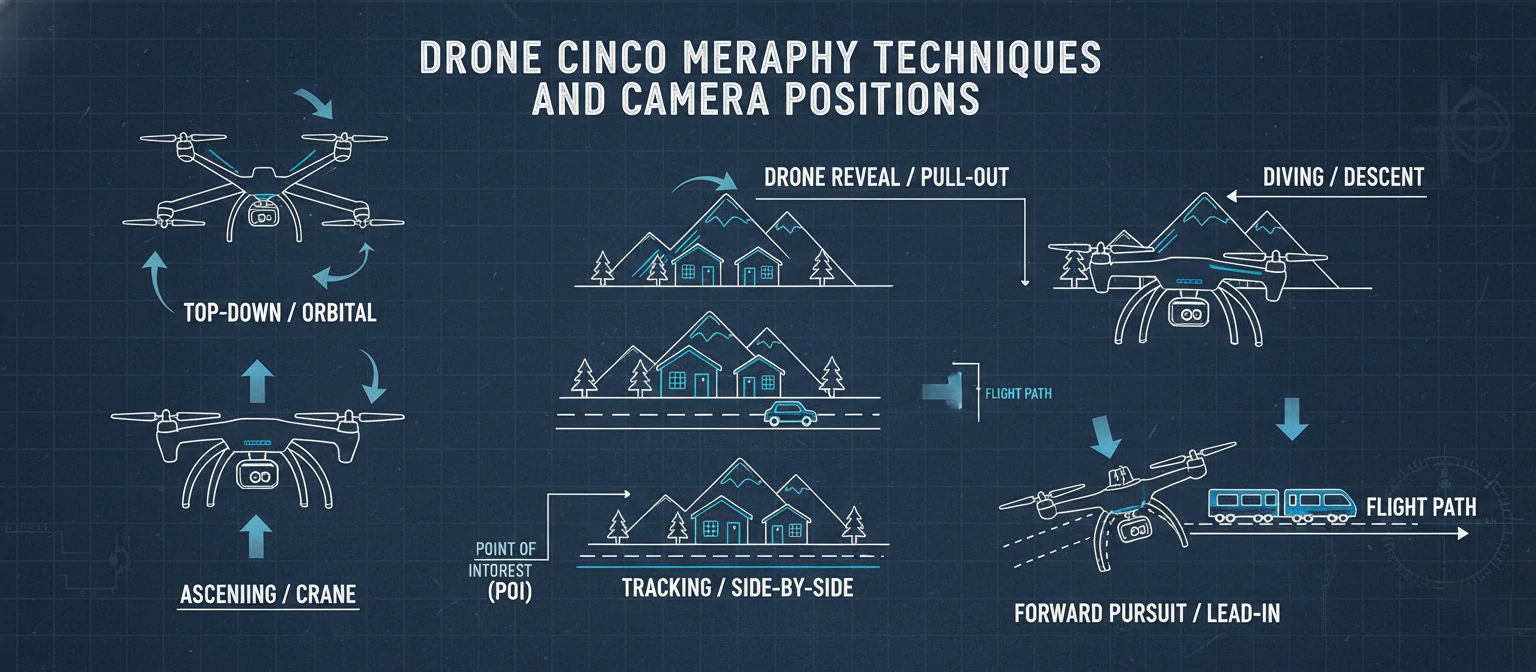
Start with the fundamentals: hovering for steady shots, orbiting for circular movements, and following subjects smoothly. Practice these until they feel natural.
Camera Angles and Perspectives
Experiment with different viewpoints. A bird's eye view can show scale, while low-angle shots add drama. Don't be afraid to get creative with Dutch angles or reveal shots.
Lighting and Composition
Golden hour (just after sunrise or before sunset) provides the most flattering light. Use the rule of thirds for composition, and look for leading lines to guide the viewer's eye.
Advanced Techniques
Once you're comfortable with the basics, try time-lapses, hyper-lapses, or FPV (first-person view) flying. These can add a unique dimension to your videos.
🎬 Director's Note: Always prioritize smooth movements over speed. Jerkiness can ruin an otherwise great shot.
Post-Production Magic
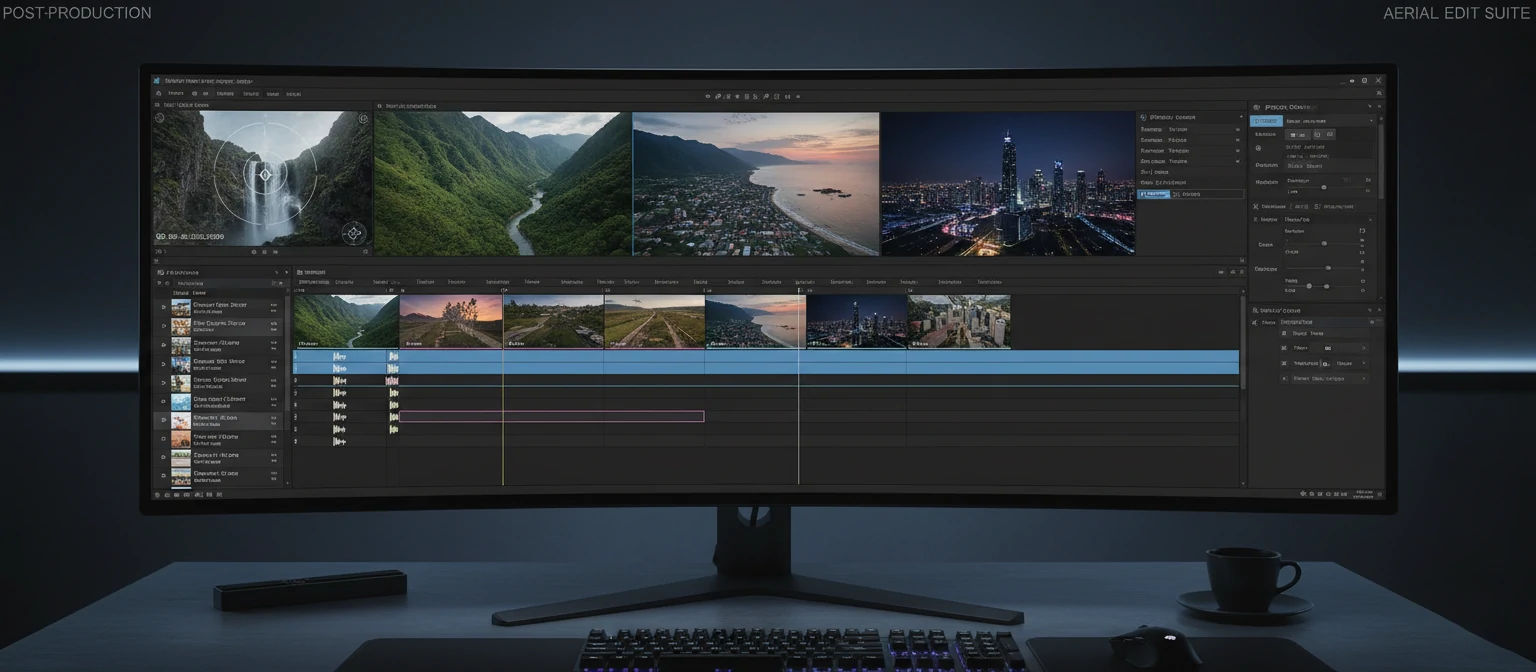
Raw footage is just the beginning. Post-production is where you transform good material into great content. This phase involves editing, color correction, and adding finishing touches.
Editing Workflow
Import your clips, log the best takes, and create a rough cut. Look for pacing – aerial shots often work well when cut to music or narration.
Color Grading
Drone footage can look flat or inconsistent. Use color grading to add warmth, contrast, and a cinematic feel. Tools like DaVinci Resolve offer powerful grading options.
Stabilization and Effects
Even with a good gimbal, you might need additional stabilization in post. Add speed ramping for dramatic effect or use tracking to follow subjects.
Audio and Music
Don't neglect sound! Add background music that complements your visuals, or include ambient audio to make the scene feel more immersive.
Common Mistakes and How to Avoid Them
Even experienced drone pilots make mistakes. Learning from these common pitfalls will help you create better videos faster.
Battery Management
Running out of battery mid-flight is a rookie mistake. Always monitor your battery level and have spares ready. Plan flights to use no more than 80% of your battery.
Weather Ignorance
Wind can ruin your shots and even crash your drone. Check weather forecasts and avoid flying in gusty conditions. Remember, what looks calm on the ground might be turbulent at altitude.
Poor Planning
Jumping into a shoot without a plan often leads to wasted time and mediocre results. Spend time scouting and planning – it pays off in the final product.
Legal Oversights
Flying in restricted areas or without proper permissions can lead to fines or worse. Always check regulations and get necessary approvals.
🔍 Lesson Learned: It's better to have a few great shots than a lot of mediocre ones. Quality over quantity always wins.
Real-World Success Stories
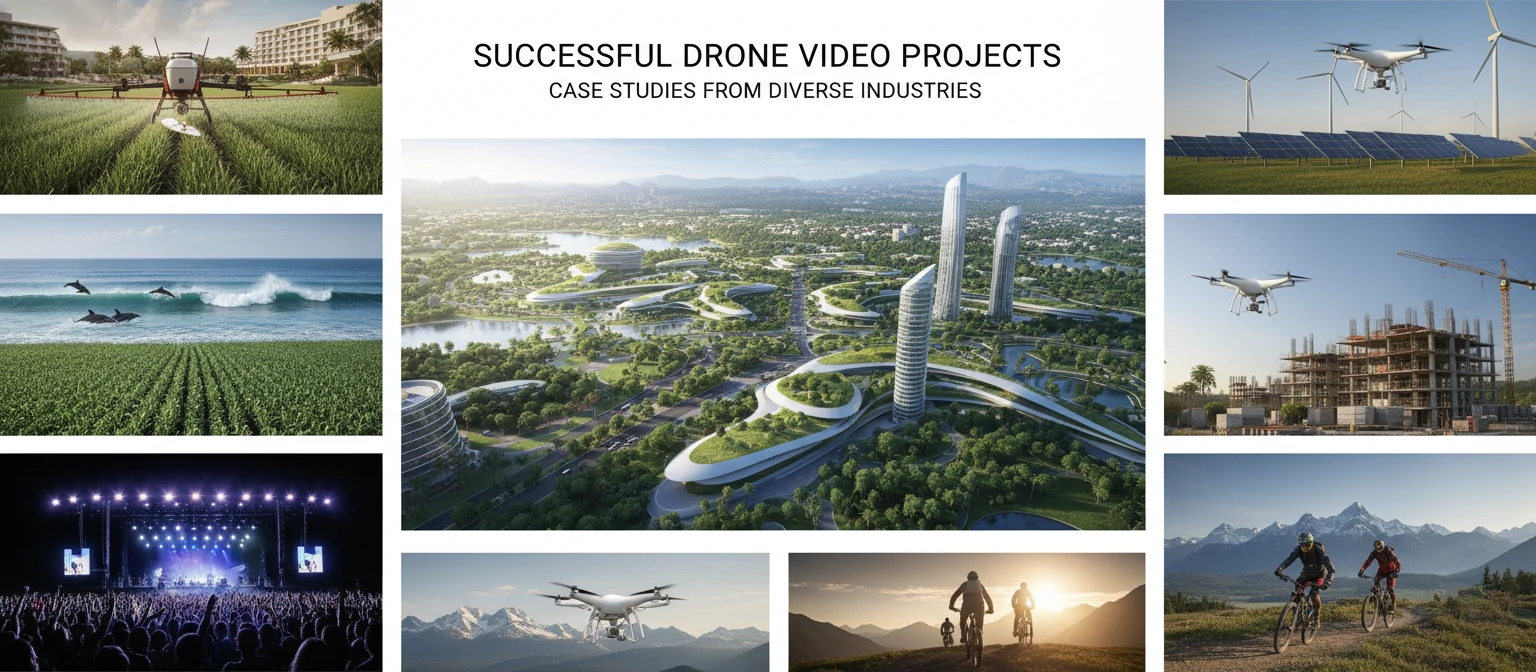
Drone videos aren't just cool – they're powerful marketing tools. Here are some inspiring examples of how businesses and creators are using drones to achieve amazing results.
Real Estate Revolution
A luxury real estate agent used drone footage to showcase a mountain property. The video went viral, leading to multiple offers and a 20% increase in the agent's business. Buyers could see the property from angles that traditional photos couldn't capture.
Adventure Tourism
A travel company created drone videos for their adventure packages. The breathtaking aerial shots of hiking trails and scenic routes boosted bookings by 35%. Viewers felt like they were experiencing the adventure themselves.
Environmental Advocacy
Conservationists used drones to document deforestation in remote areas. The compelling footage raised awareness and helped secure funding for protection efforts. Drones provided access to areas that were previously difficult or dangerous to reach.
Budgeting for Your Drone Setup
You don't need to break the bank to start creating amazing drone videos. Here's how to budget wisely for your aerial filmmaking journey.
Entry-Level Setup ($500-$1,000)
Perfect for beginners: A basic drone like the DJI Mini 2, a few extra batteries, and a microSD card. This gets you in the air and creating content right away.
Mid-Range Professional ($2,000-$5,000)
For serious creators: Upgrade to a Mavic Air 2 or similar, add ND filters, a better controller, and start investing in editing software. This level allows for more professional results.
High-End Production ($10,000+)
For professionals: DJI Inspire or Matrice series, professional lenses, advanced stabilization tools, and top-tier editing suites. This is for those making a living from drone videography.
Ongoing Costs
Don't forget maintenance, insurance, software subscriptions, and training. These can add up, so factor them into your budget.
💰 Smart Investment: Start small and reinvest profits into better equipment. Your skills will grow faster than you think.
Maintaining Your Drone Fleet
A well-maintained drone is a reliable drone. Regular care ensures your equipment lasts longer and performs better.
Pre-Flight Checks
Before every flight, inspect your drone for damage, ensure propellers are secure, and check battery levels. This simple routine can prevent accidents.
Cleaning and Storage
Keep your drone clean and dry. Store it in a cool, dry place away from direct sunlight. Use a soft cloth for cleaning and avoid harsh chemicals.
Firmware Updates
Regularly update your drone's firmware for improved performance and new features. This also addresses any known issues.
Professional Servicing
For complex repairs, take your drone to an authorized service center. DIY fixes can void warranties and cause more problems.
🔧 Maintenance Tip: Treat your drone like a professional tool – it will reward you with years of reliable service.
Drone Communities and Learning Resources
You're not alone in your drone journey. Joining communities and accessing quality resources can accelerate your learning and keep you inspired.
Online Communities
Reddit's r/drones is a goldmine of information, with over 200,000 members sharing tips, troubleshooting advice, and showcasing their work. Facebook groups like "DroneDeploy" and "Professional Drone Photography" offer more specialized discussions.
YouTube Channels
Channels like Peter Hyatt (HyattVisions), DroneDeploy, and Indie Film Hustle provide tutorials, gear reviews, and inspiration. Subscribe to a few that match your skill level and interests.
Courses and Certifications
Platforms like Udemy, Skillshare, and MasterClass offer drone-specific courses. For commercial work, consider FAA Part 107 certification or equivalent in your country. These not only teach skills but also boost your credibility.
Books and Publications
"The Drone Photography Bible" by AmaZing Aerials and "Commercial Drone Law" by Kelsey A. O'Connell provide in-depth knowledge. Stay updated with magazines like Drones Magazine or websites like DroneDeploy.com.
Local Clubs and Events
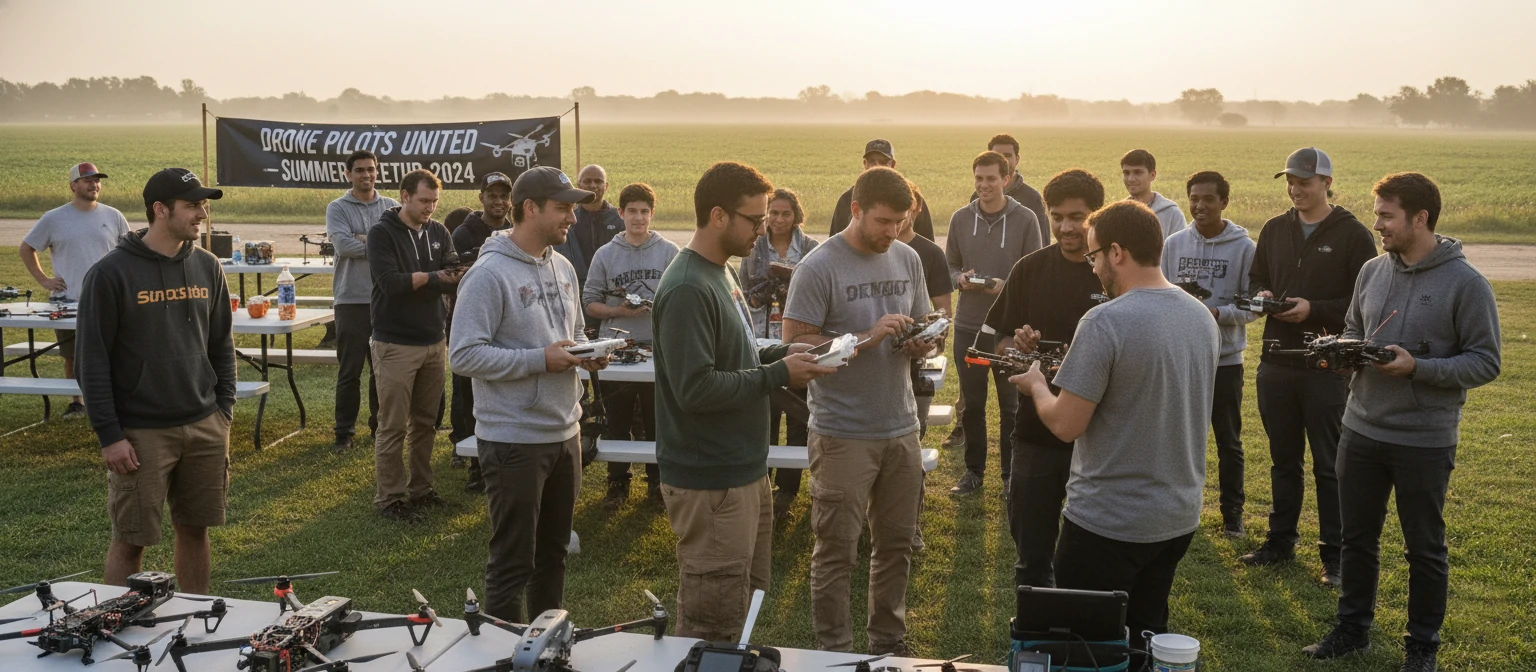
Join local drone clubs for hands-on learning and networking. Events like drone shows and workshops offer chances to see the latest technology and learn from experts.
🌐 Community Wisdom: The drone community is incredibly supportive. Don't hesitate to ask questions – most people are happy to share their knowledge and experiences.
Building Your Drone Videography Portfolio
A strong portfolio is your ticket to more gigs and better opportunities. Here's how to create one that showcases your skills effectively.
Start with Personal Projects
Before seeking paid work, build your portfolio with personal projects. Film local landmarks, events, or create themed videos. This allows you to experiment and develop your style without pressure.
Quality Over Quantity
It's better to have 5-10 high-quality videos than 50 mediocre ones. Focus on storytelling, technical proficiency, and unique perspectives that set you apart.
Show Your Process
Include behind-the-scenes footage or before-and-after comparisons. This demonstrates your professionalism and gives clients insight into your workflow.
Online Presence
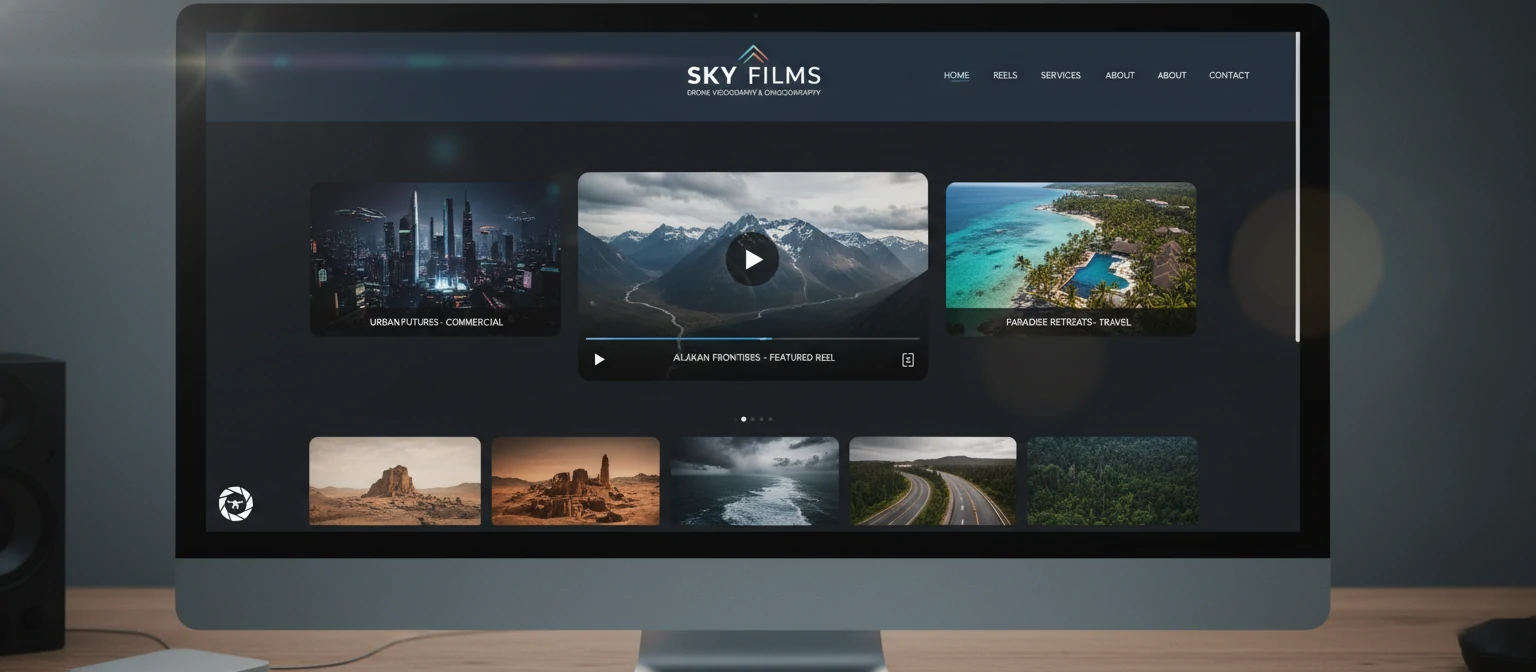
Create a dedicated website or use platforms like Vimeo, YouTube, or Behance to showcase your work. Optimize for SEO with keywords like "drone videography" and "aerial cinematography."
Client Testimonials
As you gain experience, ask satisfied clients for testimonials. These social proofs can be incredibly persuasive for potential new clients.
📂 Portfolio Tip: Update your portfolio regularly with your best recent work. Show progression and versatility to attract a wider range of clients.
The Future of Drone Videography
The drone industry is evolving at breakneck speed. Here's what's on the horizon for aerial filmmakers.
AI-Powered Features
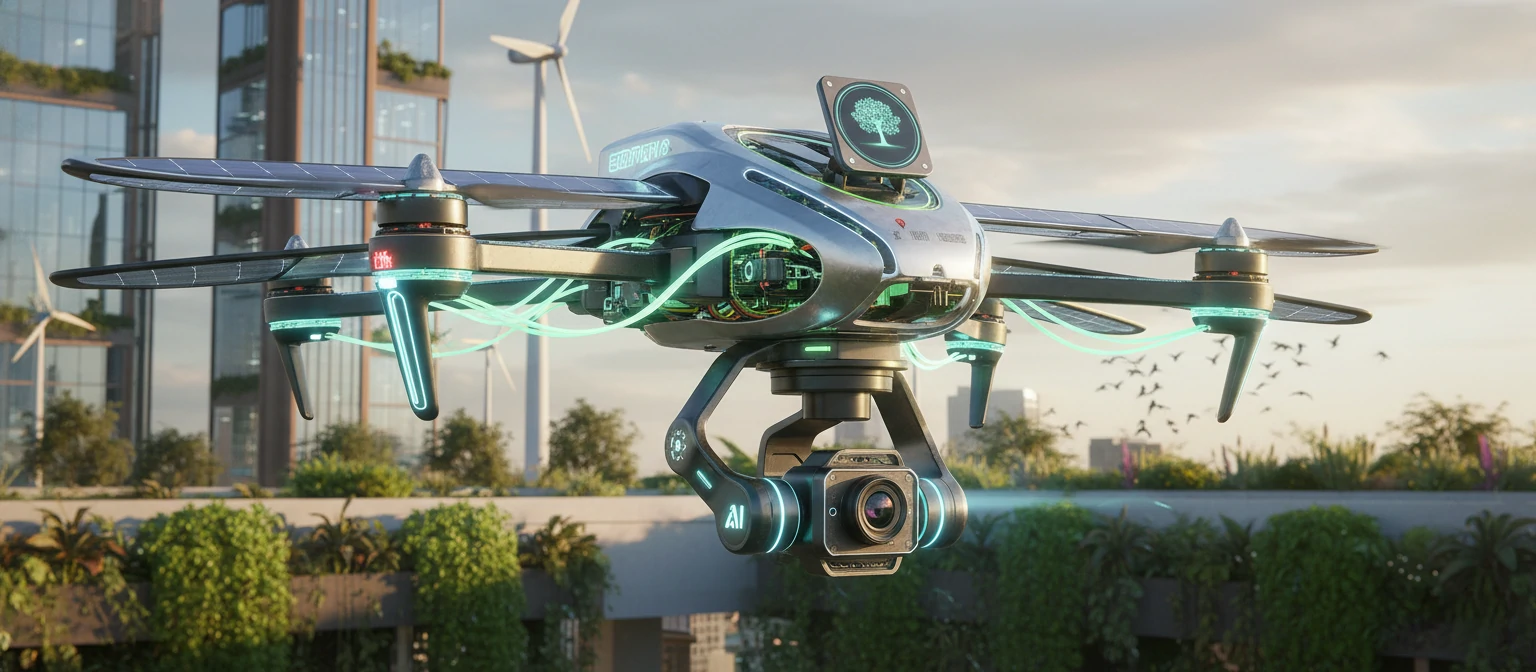
Expect drones that can automatically track subjects, optimize flight paths, and even suggest the best shots based on your location and lighting. AI will handle complex maneuvers, freeing you to focus on creativity.
Better Batteries and Flight Times
Advances in battery technology will give us drones that can fly for hours, opening up new possibilities for long-form content, extended shoots, and even multi-day projects.
4K and Beyond
8K and even higher resolutions will become standard, along with improved low-light performance, better dynamic range, and computational photography features that rival professional cameras.
Integration with VR/AR
Drones will work seamlessly with virtual and augmented reality, creating immersive 360-degree experiences. Imagine viewers feeling like they're actually flying through your footage!
Sustainability and Eco-Friendly Designs
As environmental concerns grow, expect more sustainable drones with longer-lasting components, recyclable materials, and features that minimize environmental impact during flights.
Wrapping It Up: Your Drone Journey Begins
There you have it – everything you need to know to start creating stunning drone videos. From choosing your first drone to mastering advanced techniques, you're now equipped to take your aerial filmmaking to new heights.
Remember, the key to great drone videos is practice, patience, and passion. Start with the basics, respect the rules, and always prioritize safety. As you gain experience, you'll develop your unique style and find ways to push the boundaries of what's possible.
The world of drone videography is exciting and full of potential. Whether you're doing this for fun, as a side hustle, or as a full-time career, the skills you learn here will open up incredible opportunities. So what are you waiting for? Grab your drone, head outside, and start creating!
If you have questions or want to share your drone videos, feel free to reach out. Happy flying, and may your footage always be epic!