
Build, Protect, and Enhance Your Brand's Image in Today's Digital World
Table of contents
- Introduction to Corporate Reputation Management
- Why Corporate Reputation Matters
- Building a Strong Foundation
- Digital Reputation Management Strategies
- Crisis Communication Planning
- Measuring Reputation Success
- Case Studies: Reputation Management in Action
- Tools and Technologies for Reputation Management
- Challenges in Corporate Reputation Management
- Future Trends in Reputation Management
- Building a Reputation Management Team
- Legal Considerations in Reputation Management
- Measuring ROI of Reputation Management
- Common Mistakes in Reputation Management
- Reputation Management for Startups
- The Role of Leadership in Reputation
- Integrating Reputation into Corporate Culture
- Conclusion: The Path Forward
Introduction to Corporate Reputation Management
Picture this: You're running a business in a world where a single tweet can make or break your brand overnight. That's the reality of today's hyper-connected landscape. Your company's reputation isn't just a nice-to-have—it's the foundation of everything you do. It's not merely about fixing problems when they arise; it's about proactively building trust and shaping how customers, employees, and investors see you. Whether you're just starting out or leading a Fortune 500 company, mastering reputation management is key to thriving in the long run.
In this guide, we'll dive deep into the world of corporate reputation management. You'll discover practical tips, learn from real stories, and get actionable advice you can start using today to boost your brand's image and protect what you've built.

Why Corporate Reputation Matters
Think of your company's reputation as its personality in the eyes of the world. It's how customers, employees, investors, and even the general public see you after years of interactions, stories, and experiences. A stellar reputation doesn't just make you look good—it unlocks doors to amazing opportunities, helps you snag the best talent, and gives you an edge over competitors. On the flip side, a tarnished reputation can cost you dearly, from losing customers to facing legal headaches and watching your profits plummet.
The Financial Impact
Let's talk money. Research from the Reputation Institute shows that companies with top-notch reputations see their stock prices soar—up to 2.5 times higher than those with shaky images. It's not just feel-good stuff; a great reputation translates to real dollars in your pocket through better performance and growth.
Employee Attraction and Retention
In today's competitive job market, reputation is your secret weapon for hiring. The best candidates want to work for companies they admire, and your current team sticks around longer when they're proud of where they work. A positive reputation builds loyalty and motivates everyone to give their best.

Building a Strong Foundation
Reputation management isn't something you tack on later—it's built from the ground up. Start by making sure your actions match your words and that you always keep your promises. It's like laying a strong foundation for a house; without it, everything else crumbles.
Define Your Core Values
Get clear on what your company truly believes in. These aren't just buzzwords—they should drive every choice you make. When people see that you're walking the talk, trust builds naturally and effortlessly.
Stakeholder Mapping
Take a moment to list out everyone who matters: customers, team members, suppliers, investors, regulators, and your local community. Figure out what they expect from you and how they currently view your brand. This knowledge is gold for crafting a reputation strategy that really resonates.
Consistent Branding
Make sure your brand story is the same everywhere—from your website and social posts to your product packaging and how your customer service team interacts. Every touchpoint should scream "this is us," creating a seamless experience that builds recognition and trust.
Digital Reputation Management Strategies
In our digital world, your online reputation is often the first thing people see. It's like your company's digital handshake. Getting this right means implementing smart strategies that keep you visible and credible in the online space.
Social Media Monitoring
Keep an eye on what people are saying about you on social platforms. Use tools like Hootsuite or Brandwatch to track mentions and jump in quickly—whether it's praise or complaints. Being responsive shows you care.
Content Creation and SEO
Share content that showcases your expertise and adds value. Think blogs, guides, or case studies that people actually want to read. Optimize them for search engines so more folks can find you and see you as a go-to source.
Online Review Management
Get your happy customers to leave reviews on Google, Yelp, or niche sites. And when someone leaves a negative one, respond with grace and solutions—turn critics into fans.

Crisis Communication Planning
Let's face it—crises happen to everyone. But having a solid plan in place can help you not just survive, but come out stronger. It's like having an emergency kit ready before the storm hits.
Develop a Crisis Response Team
Put together a diverse team with folks from PR, legal, operations, and top leadership. Train them so they're prepared to spring into action fast when needed.
Create Response Protocols
Map out exactly what to do for different crisis types. Who does what, how you communicate, and when to escalate. Run practice drills to make sure everyone knows their role.
Transparent Communication
When things go wrong, be open and honest. Own up to the issue, explain what you're doing to fix it, and keep everyone in the loop. Skip the guesswork and stick to facts.
Measuring Reputation Success
To really get a handle on your reputation, you've got to measure it. Regular check-ins let you see how you're progressing and spot any trouble spots before they become big issues.
Reputation Metrics
Mix numbers and feelings. Keep an eye on media buzz, social engagement, customer happiness scores, employee loyalty ratings, and how well-known your brand is.
Reputation Audits
Do regular deep dives into your reputation. Talk to stakeholders, check out competitors, and scan your online presence for a full picture.
Benchmarking
Stack your numbers against industry standards and rivals. It shows you where you fit in and helps set achievable goals for getting better.

Case Studies: Reputation Management in Action
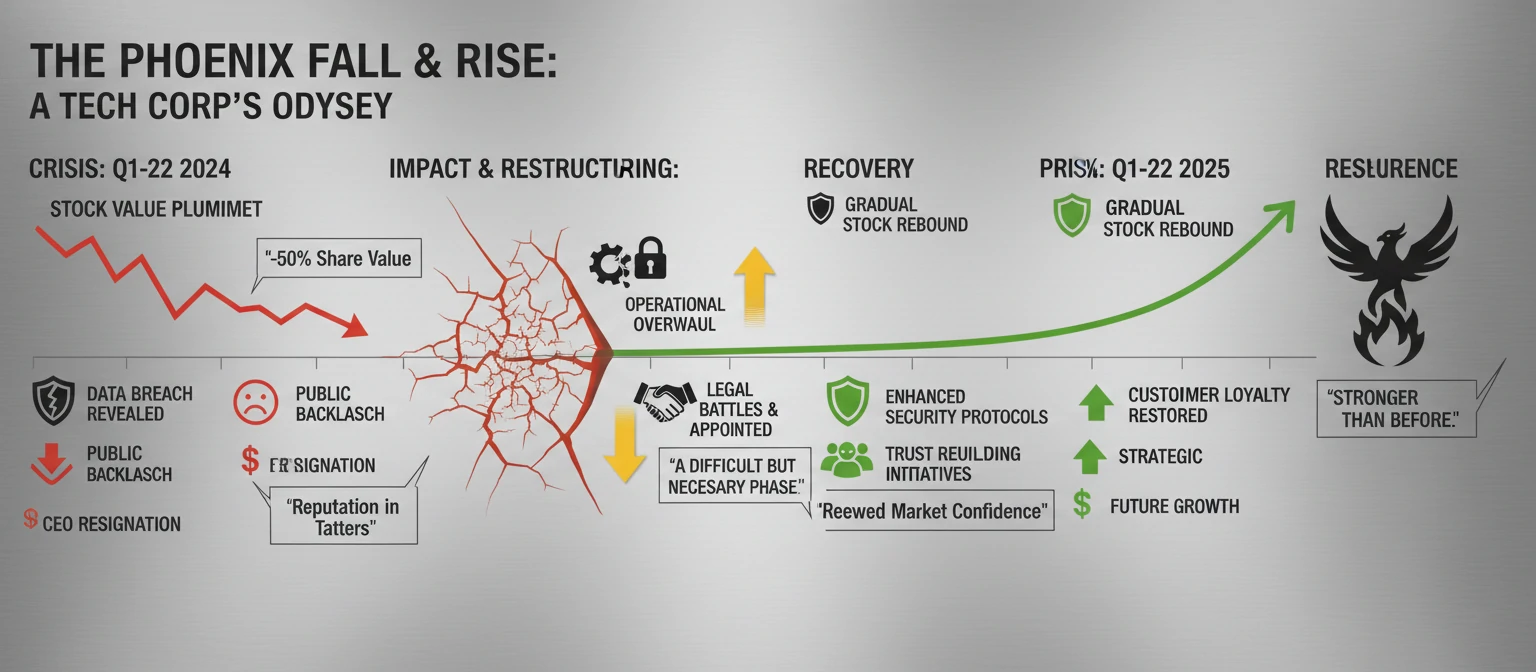
Nothing beats learning from real stories. Let's look at some famous examples that show reputation management at work.
Johnson & Johnson's Tylenol Crisis (1982)
When poisoned Tylenol killed people, J&J pulled 31 million bottles and created safety seals. Their honest, quick action not only stopped the crisis but boosted their rep for caring about customers.
United Airlines and the Passenger Incident (2017)
A video of a passenger being dragged off a plane went viral and wrecked United's image. Their cold response sparked outrage, showing why empathy in crises matters.
Patagonia: Building Reputation Through Sustainability
Patagonia wins hearts by fighting for the environment. Their repair program encourages reusing clothes, matching their values and attracting eco-conscious buyers.
Tools and Technologies for Reputation Management
The right tools can make reputation management easier and give you great insights to work with.
Social Media Management Tools
Apps like Hootsuite, Buffer, and Sprout Social let you watch and handle your social channels all in one place.
Reputation Monitoring Software
Programs such as Brandwatch, Mention, and RepTrak track mentions in real-time and analyze how people feel about you.
Survey and Feedback Platforms
Tools like SurveyMonkey or Qualtrics help collect feedback from stakeholders and gauge their happiness.
PR and Media Monitoring
Services like Meltwater or Cision follow media stories and show you how the press sees your company.
Challenges in Corporate Reputation Management
Reputation management is super important, but it's not easy. Knowing the hurdles can help you tackle them better.
Rapid Information Spread
News flies online. One bad post can blow up and hurt you before you even know it's happening.
Fake News and Misinformation
Bad guys can spread lies about you, making it harder to manage your rep.
Stakeholder Expectations
People want companies to speak up on social and environmental stuff, which adds more to your plate.
Resource Allocation
Smaller businesses might not have the budget or team for full-on reputation programs.
Future Trends in Reputation Management
As tech and the world change, so does reputation management. Keeping up with trends can give you an edge.
AI and Machine Learning
AI tools are getting smarter at watching moods, spotting trouble, and tailoring messages to stakeholders.
Sustainability and ESG Reporting
Environmental, Social, and Governance stuff is becoming huge for reputation. Companies that nail this will shine brighter.
Employee Advocacy
Letting your team be brand champions on social media can spread good vibes far and wide.
Real-time Reputation Management
With social evolving, being able to react instantly to rep issues will be key.

Building a Reputation Management Team
Good reputation management needs the right folks and setup. Think about creating a special team or spreading the duties across different departments.
Key Roles
Bring in PR pros, social media wizards, content makers, and data experts. Big companies might need a Chief Reputation Officer.
Training and Development
Keep your team sharp with ongoing training on the latest tips and trends in reputation work.
Cross-functional Collaboration
Don't keep reputation stuff in one corner. Get marketing, HR, customer service, and others working together.
Legal Considerations in Reputation Management
When handling reputation, stay on the right side of the law. Things like defamation rules, privacy laws, and ad standards matter a lot.
Defamation and Libel
Watch what you say about rivals or people. Talk to lawyers before hitting back at potentially harmful content.
Privacy Laws
Follow rules like GDPR when gathering or using stakeholder info for reputation stuff.
Advertising Standards
Make sure all your rep-building messages follow ad and consumer protection laws.
Measuring ROI of Reputation Management
To make sure your reputation efforts are worth the investment, keep tabs on the returns with key metrics.
Financial Metrics
Watch how your stock performs, how much it costs to get new customers, and the long-term value they bring.
Operational Metrics
Check employee turnover, supplier partnerships, and how well you stay on the right side of regulations.
Reputation-Specific Metrics
Track shifts in brand recognition, how stakeholders feel about you, and the tone of media stories.
Common Mistakes in Reputation Management
Even the best intentions can go wrong. Here are some pitfalls to avoid as you build your reputation strategy.
Ignoring Negative Feedback
Don't bury your head in the sand when criticism comes. Address it head-on to show you're listening.
Inconsistent Messaging
Make sure your story is the same across all channels. Mixed messages confuse people and erode trust.
Overpromising and Underdelivering
Be realistic about what you can achieve. Broken promises hurt more than no promises at all.
Reputation Management for Startups
Starting small doesn't mean you can't build a big reputation. Here's how new businesses can get ahead.
Start with Authenticity
Be genuine from day one. People can spot fakeness a mile away, especially in a startup world.
Leverage Personal Networks
Use your founder's story and connections to build credibility early on.
Monitor Online Presence
Even small businesses need to watch their digital footprint. Respond to reviews and engage online.

The Role of Leadership in Reputation
Leaders set the tone for the whole company. Your actions as a leader directly impact reputation.
Lead by Example
Walk the talk. Your behavior influences how employees and outsiders see the company.
Communicate Transparently
Be open about challenges and successes. Transparency builds trust at every level.
Invest in Team Development
Support your team's growth so they can contribute positively to the company's reputation.
Integrating Reputation into Corporate Culture
Make reputation a part of your company's DNA, not just a department's job.
Foster Ethical Practices
Encourage doing the right thing in all decisions, big and small.
Promote Stakeholder Engagement
Get everyone involved in understanding and responding to stakeholder needs.
Celebrate Positive Actions
Recognize and reward behaviors that enhance the company's reputation.
Conclusion: The Path Forward
Corporate reputation management is an ongoing journey, not a destination. By implementing proactive strategies, staying vigilant in the digital space, and consistently delivering value to stakeholders, you can build and maintain a reputation that drives long-term success.
Remember, reputation is earned through actions, not purchased through marketing. Focus on authenticity, transparency, and stakeholder-centric approaches to create a reputation that withstands challenges and opens doors to new opportunities.
As you embark on your reputation management journey, start small with the fundamentals we've discussed. Monitor your progress, adapt to changing circumstances, and always prioritize ethical practices. Your company's reputation is one of its most valuable assets—nurture it wisely.