
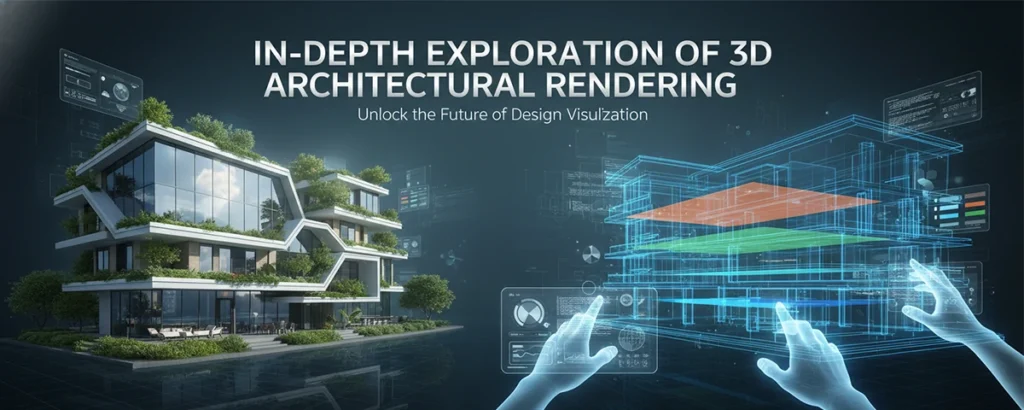
Techniques, Benefits, and Future Trends Shaping Modern Architecture
Table of contents
- 1. Introduction
- 2. Understanding 3D Architectural Rendering Techniques
- 3. Benefits of 3D Architectural Rendering
- 4. The Process of Creating 3D Architectural Renderings
- 5. Incorporating Virtual Reality (VR) and Augmented Reality (AR)
- 6. Emerging Trends in 3D Architectural Rendering
- 7. Challenges in 3D Architectural Rendering
- 8. Conclusion
1. Introduction
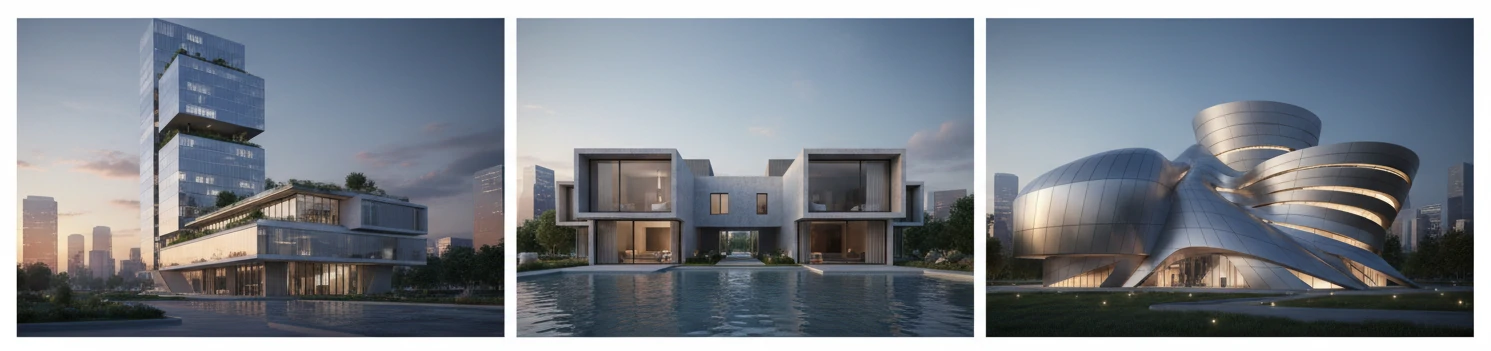
3D architectural rendering represents the digital transformation of architectural concepts into photorealistic visual representations. This revolutionary technology has fundamentally changed how architects, designers, and clients communicate, visualize, and experience architectural projects before they become physical realities.
The journey of architectural visualization began with hand-drawn sketches and evolved through technical drawings to today's sophisticated computer-generated imagery. From the early CAD systems of the 1960s to modern real-time rendering engines, the evolution has been remarkable. What once took weeks of manual drafting can now be accomplished in hours with unprecedented accuracy and detail.
💡 Key Insight
Modern 3D architectural rendering has become indispensable in contemporary architecture, serving not just as a visualization tool but as a comprehensive design validation and communication platform that bridges the gap between imagination and reality.
In today's competitive architectural landscape, 3D rendering serves multiple critical functions: it enables precise design validation, facilitates client communication, supports marketing efforts, and reduces costly construction errors. The technology has democratized architectural visualization, making high-quality renderings accessible to firms of all sizes.
2. Understanding 3D Architectural Rendering Techniques
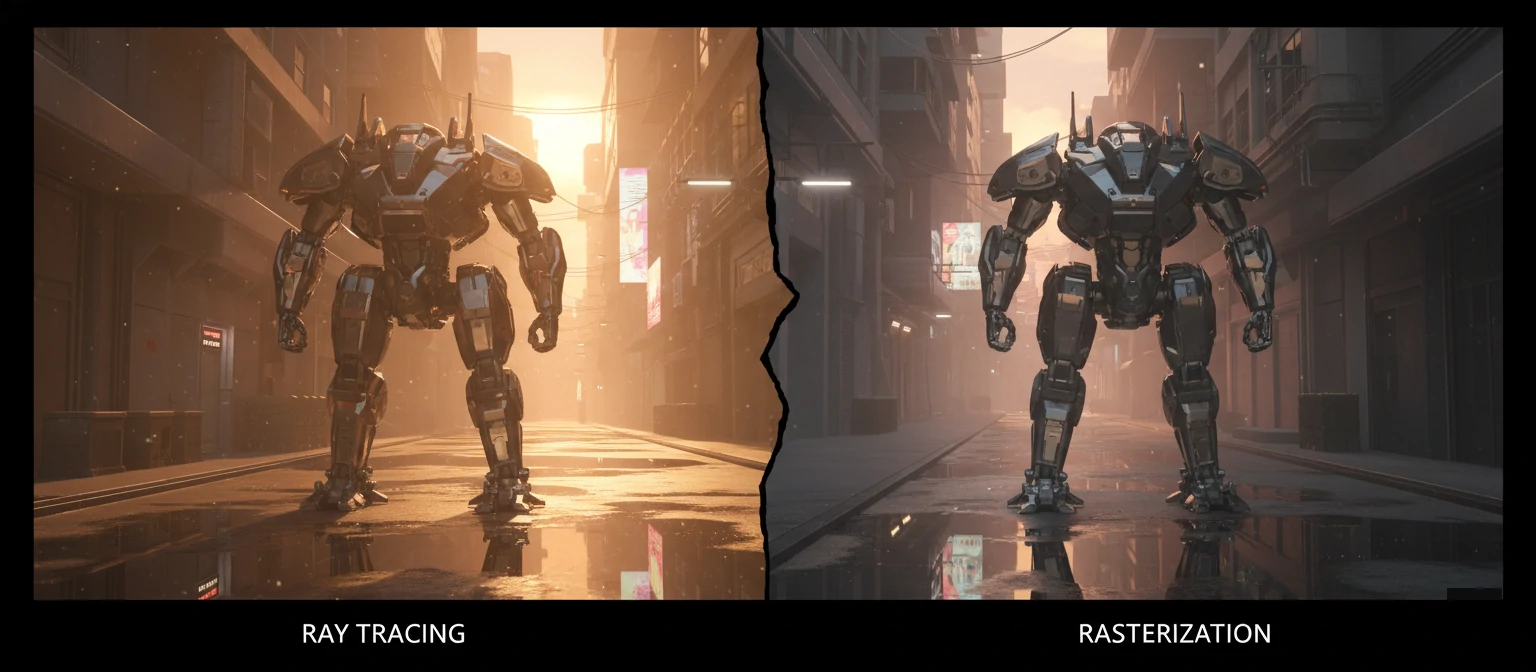
Core Rendering Technologies
🔬 Ray Tracing
Ray tracing simulates the physical behavior of light, creating incredibly realistic reflections, shadows, and global illumination. This technique produces the highest quality results but requires significant computational power.
⚡ Rasterization
Rasterization converts 3D models into 2D images quickly by projecting vertices onto the screen. While faster than ray tracing, it requires additional techniques for realistic lighting effects.
Photorealistic vs. Non-Photorealistic Rendering
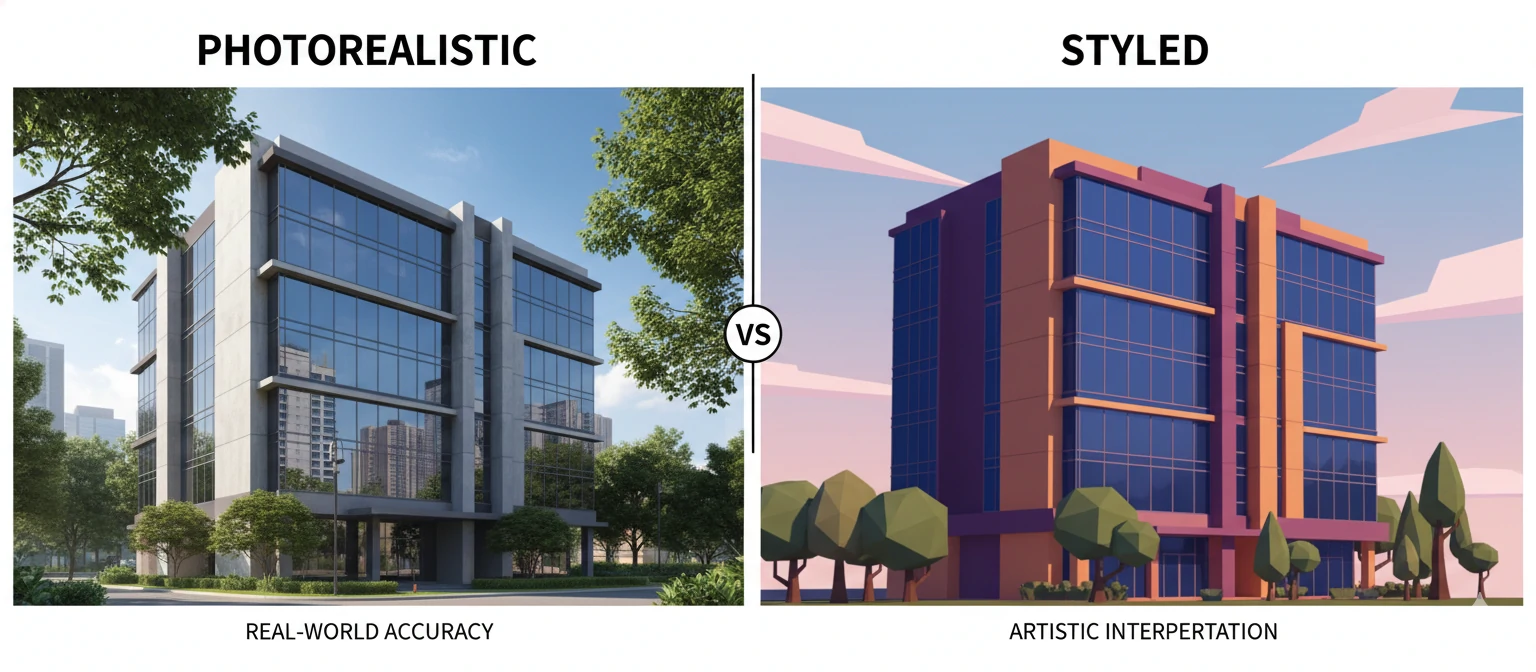
Photorealistic rendering aims to create images indistinguishable from photographs, incorporating accurate materials, lighting, and environmental effects. This approach is ideal for client presentations and marketing materials where realism is paramount.
Non-photorealistic rendering (NPR) embraces artistic interpretation, offering styles ranging from watercolor effects to technical illustrations. These approaches can be more effective for conceptual presentations and design development phases.
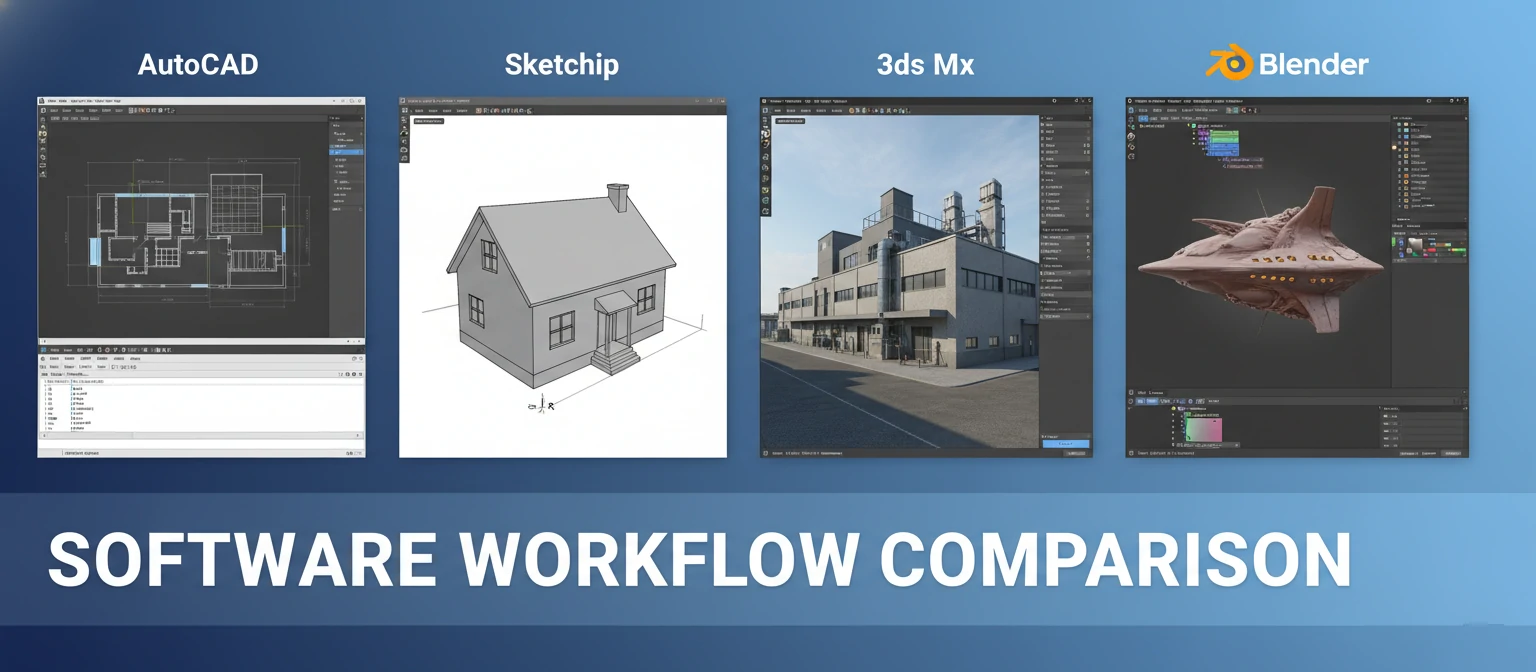
Industry-Standard Software
AutoCAD
Technical drafting foundation
SketchUp
Intuitive 3D modeling
3ds Max
Professional rendering
Blender
Open-source powerhouse
3. Benefits of 3D Architectural Rendering
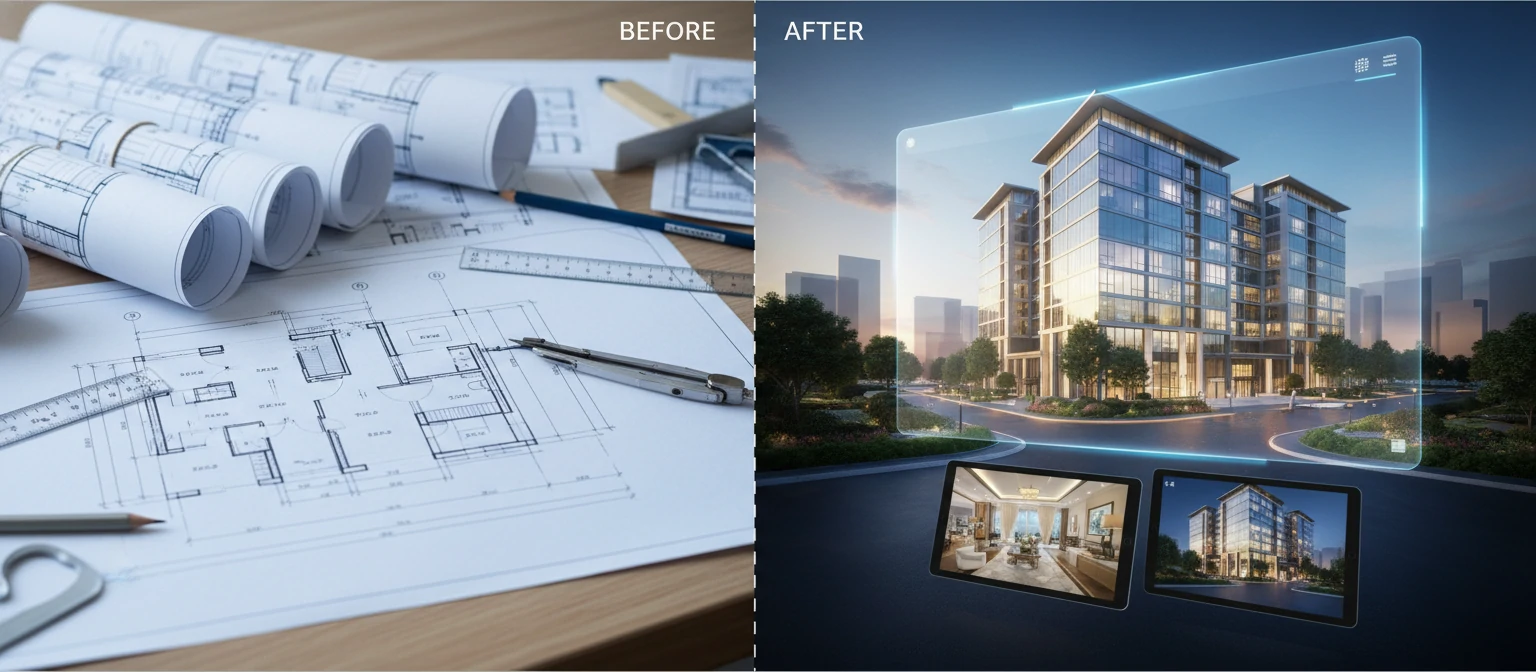
Enhanced Client Visualization
3D rendering transforms abstract architectural concepts into tangible visual experiences. Clients can now walk through their future spaces virtually, understanding spatial relationships, material choices, and design intent with unprecedented clarity. This enhanced visualization capability significantly reduces miscommunication and ensures client expectations align with the final design.
Improved Design Communication
The collaborative nature of modern architecture benefits immensely from 3D rendering. Design teams can share detailed visualizations across disciplines, enabling engineers, contractors, and consultants to identify potential issues early in the design process. This improved communication reduces costly revisions and ensures all stakeholders work from the same visual reference.
💰 Cost-Effectiveness Case Study
A recent commercial project saved $2.3 million in construction costs by identifying structural conflicts through 3D rendering during the design phase, rather than discovering them during construction.
Marketing and Presentation Power

High-quality 3D renderings have become essential marketing tools for architectural firms and real estate developers. These visualizations enable pre-sales of unbuilt properties, attract investors, and win design competitions. The emotional connection created by photorealistic renderings often proves decisive in client decision-making processes.
Design Validation and Iteration
3D rendering enables rapid design iteration and validation. Architects can test multiple design scenarios, evaluate different material options, and assess lighting conditions throughout various times of day and seasons. This iterative process leads to more refined and thoughtful design solutions.
4. The Process of Creating 3D Architectural Renderings
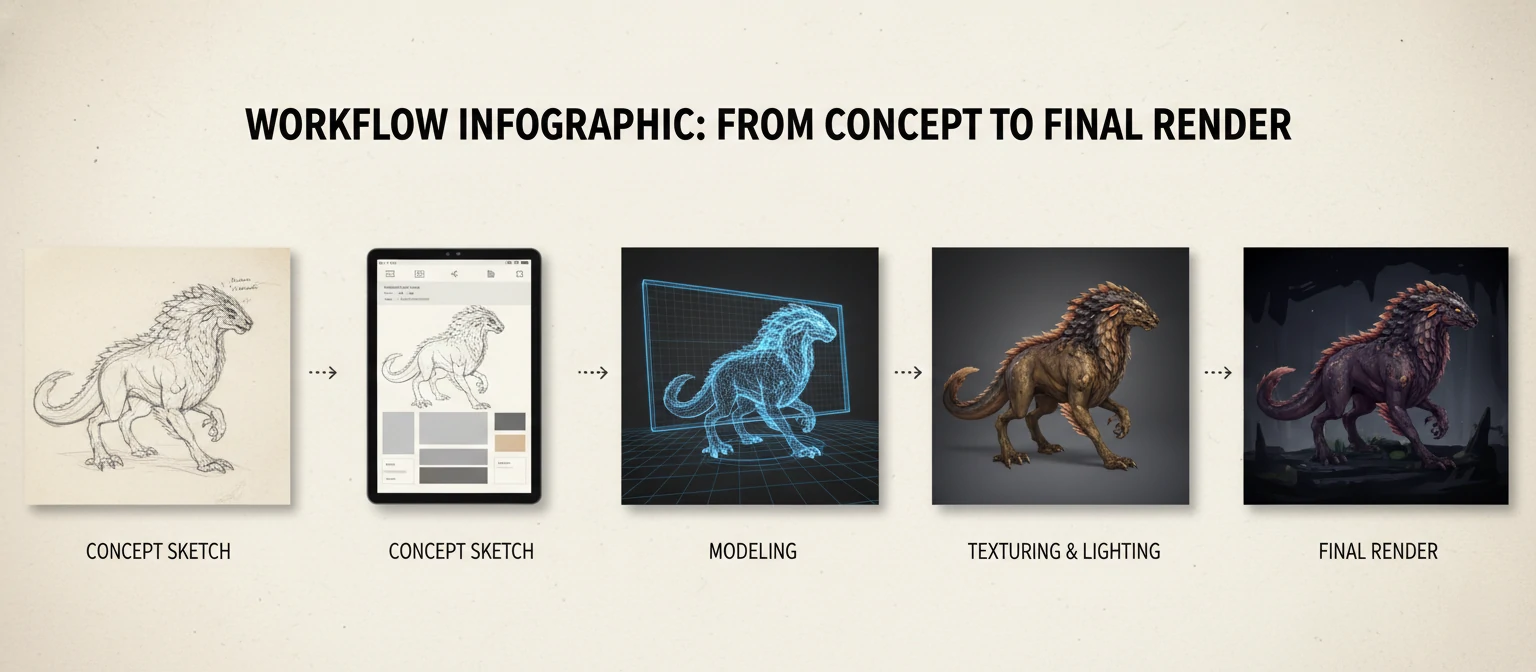
Step-by-Step Creation Process
1. Concept Development and Reference Gathering
Begin with architectural drawings, site analysis, and reference materials. Establish the project scope, target audience, and desired visual style.
2. 3D Modeling and Geometry Creation
Create accurate 3D models based on architectural plans, ensuring proper proportions and structural details.
3. Material Assignment and Texturing
Apply realistic materials and textures, considering surface properties, wear patterns, and environmental effects.
4. Lighting Setup and Environment
Configure lighting scenarios, including natural daylight, artificial lighting, and atmospheric conditions.
5. Camera Positioning and Composition
Select optimal viewpoints that showcase the design's key features and create compelling compositions.
6. Rendering and Post-Processing
Execute the final render and enhance the image through post-processing techniques for optimal visual impact.
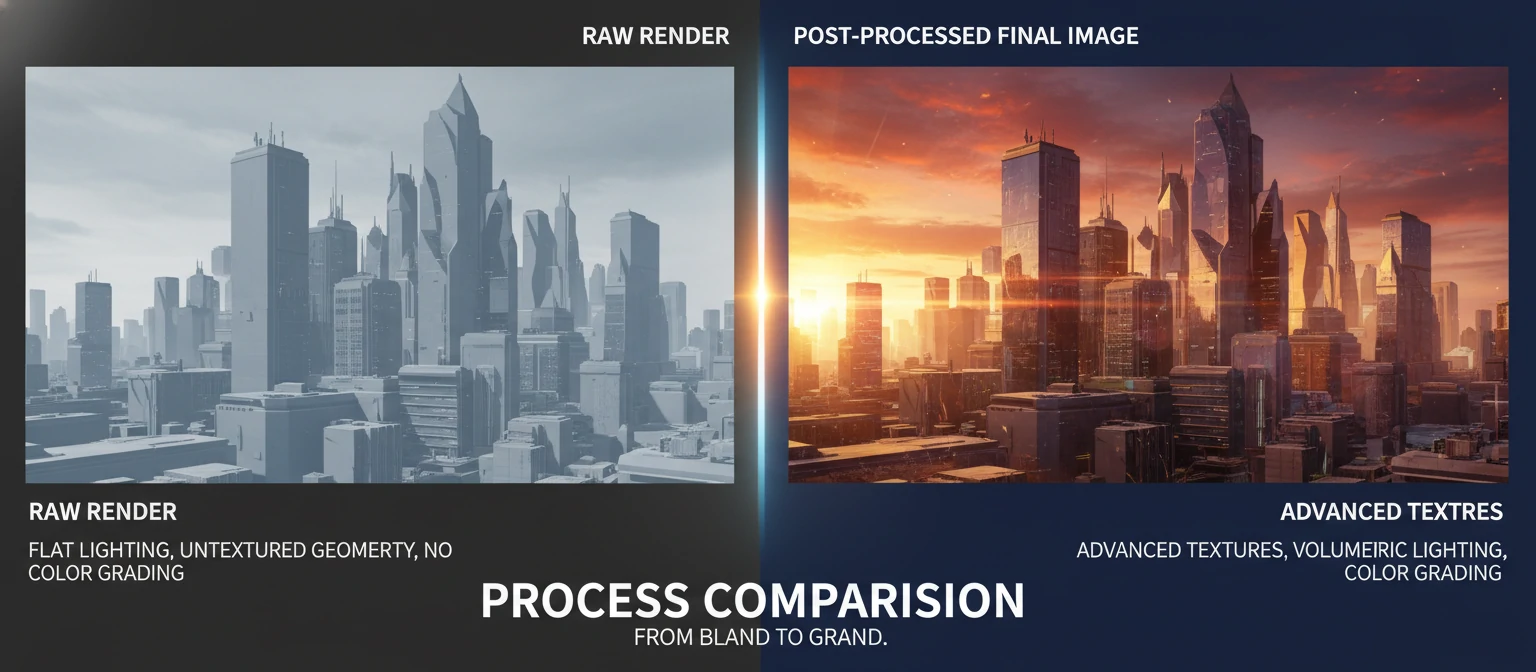
Achieving Realistic Lighting and Shadows
Lighting is perhaps the most critical aspect of creating convincing architectural renderings. Understanding natural light behavior, shadow casting, and atmospheric effects enables artists to create images that feel authentic and emotionally engaging. Key considerations include sun angle calculations, interior-exterior light balance, and the subtle interplay of direct and indirect illumination.
5. Incorporating Virtual Reality (VR) and Augmented Reality (AR)
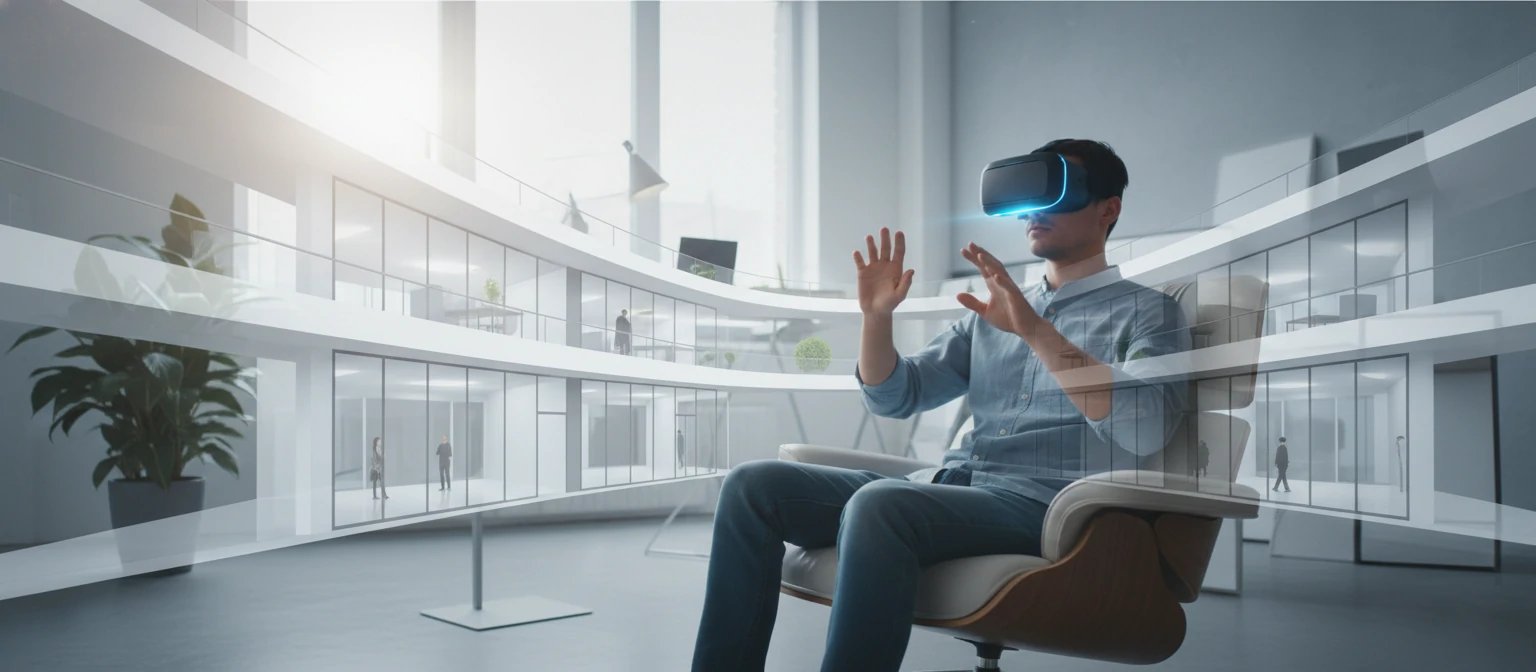
Immersive Client Experiences
Virtual Reality has revolutionized client presentations by enabling immersive architectural walkthroughs. Clients can now experience spaces at human scale, understanding proportions and spatial relationships in ways traditional renderings cannot convey. This technology has proven particularly valuable for complex projects where spatial understanding is crucial.
🥽 Virtual Reality Benefits
- Immersive spatial experience
- Real-time design modifications
- Enhanced client engagement
- Reduced design revisions
📱 Augmented Reality Applications
- On-site visualization overlay
- Interactive design elements
- Construction progress tracking
- Maintenance and facility management
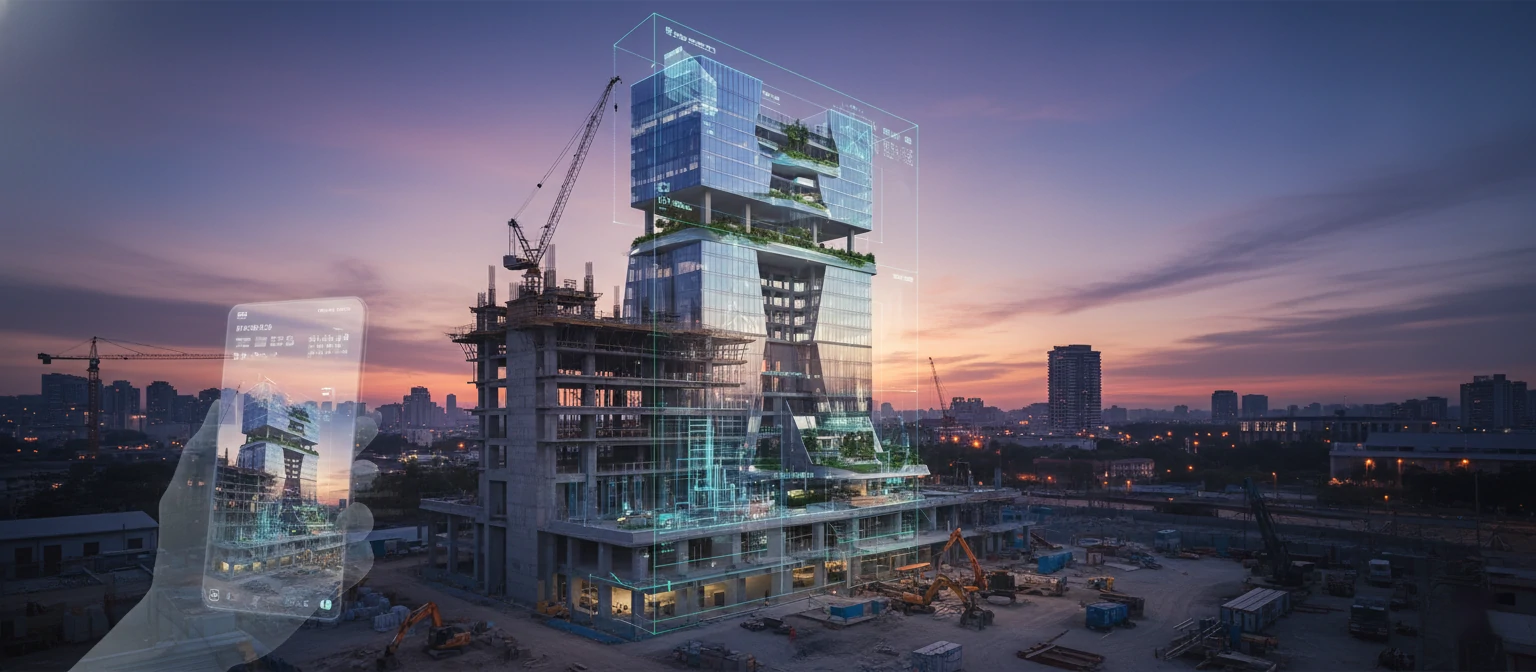
Future Potential and Adoption
The convergence of VR/AR with architectural rendering promises exciting developments. Mixed reality environments will enable collaborative design sessions where multiple stakeholders can interact with 3D models simultaneously. As hardware becomes more accessible and software more sophisticated, these technologies will likely become standard tools in architectural practice.
6. Emerging Trends in 3D Architectural Rendering
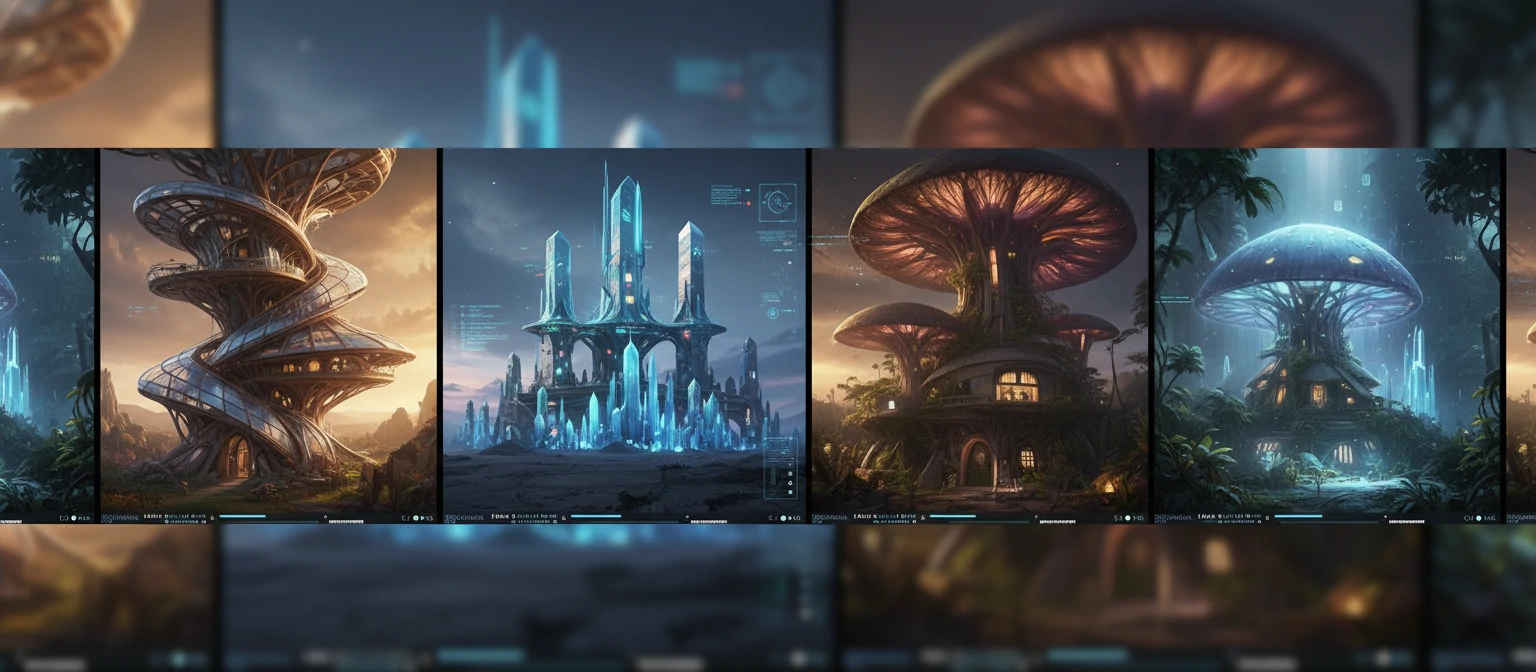
Artificial Intelligence and Machine Learning
AI is transforming architectural rendering through automated processes and intelligent optimization. Machine learning algorithms can now generate multiple design variations, optimize lighting setups, and even create photorealistic textures from simple inputs. These technologies are democratizing high-quality rendering by reducing the technical expertise required to achieve professional results.
🤖 AI Applications in Rendering
- Automated material generation and assignment
- Intelligent lighting optimization
- Style transfer and artistic interpretation
- Noise reduction and image enhancement
- Predictive rendering time estimation
Sustainability in Rendering Practices
Environmental consciousness is driving changes in rendering workflows. Cloud-based rendering services powered by renewable energy, optimized algorithms that reduce computational requirements, and sustainable visualization practices are becoming industry priorities. This trend aligns with architecture's broader sustainability goals.
Real-Time Rendering and Gaming Engines
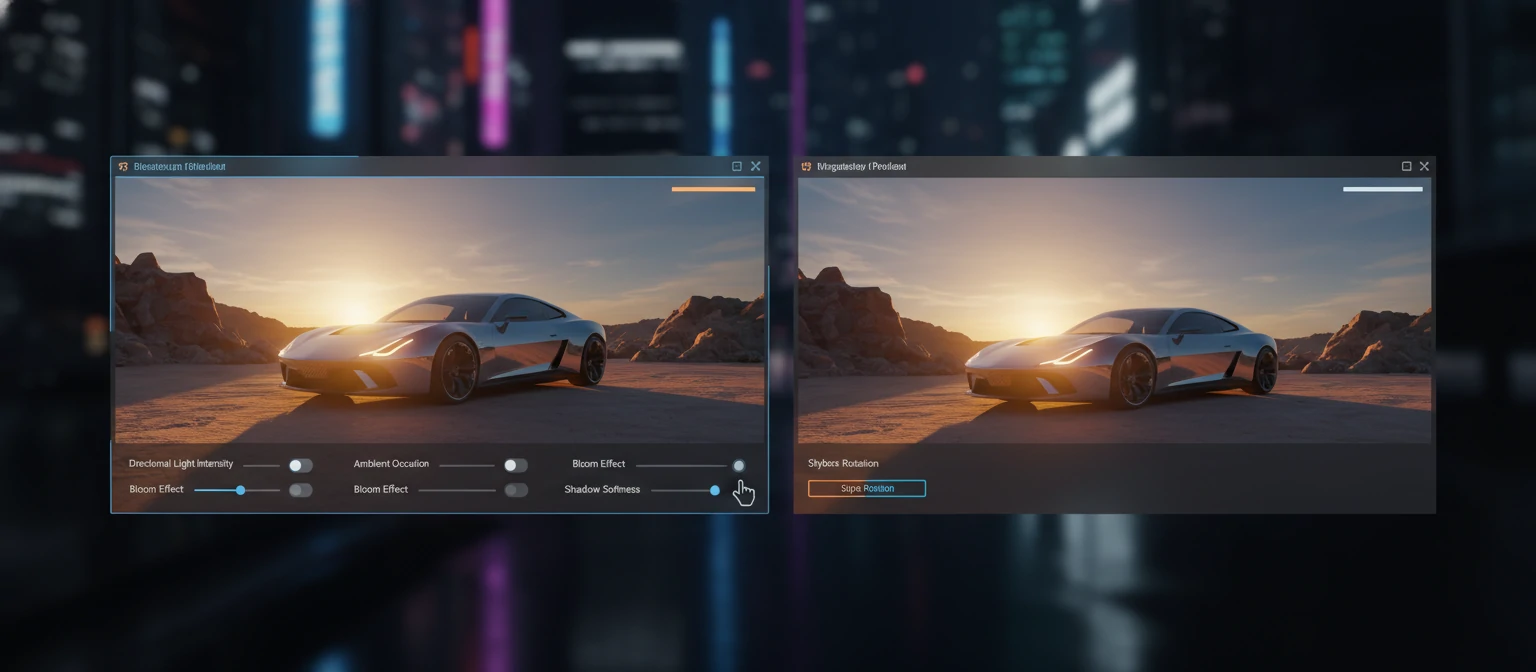
Gaming engines like Unreal Engine and Unity are revolutionizing architectural visualization by enabling real-time rendering. This technology allows instant feedback during design modifications, interactive presentations, and dynamic lighting scenarios. The boundary between pre-rendered images and real-time visualization continues to blur as hardware capabilities advance.
7. Challenges in 3D Architectural Rendering
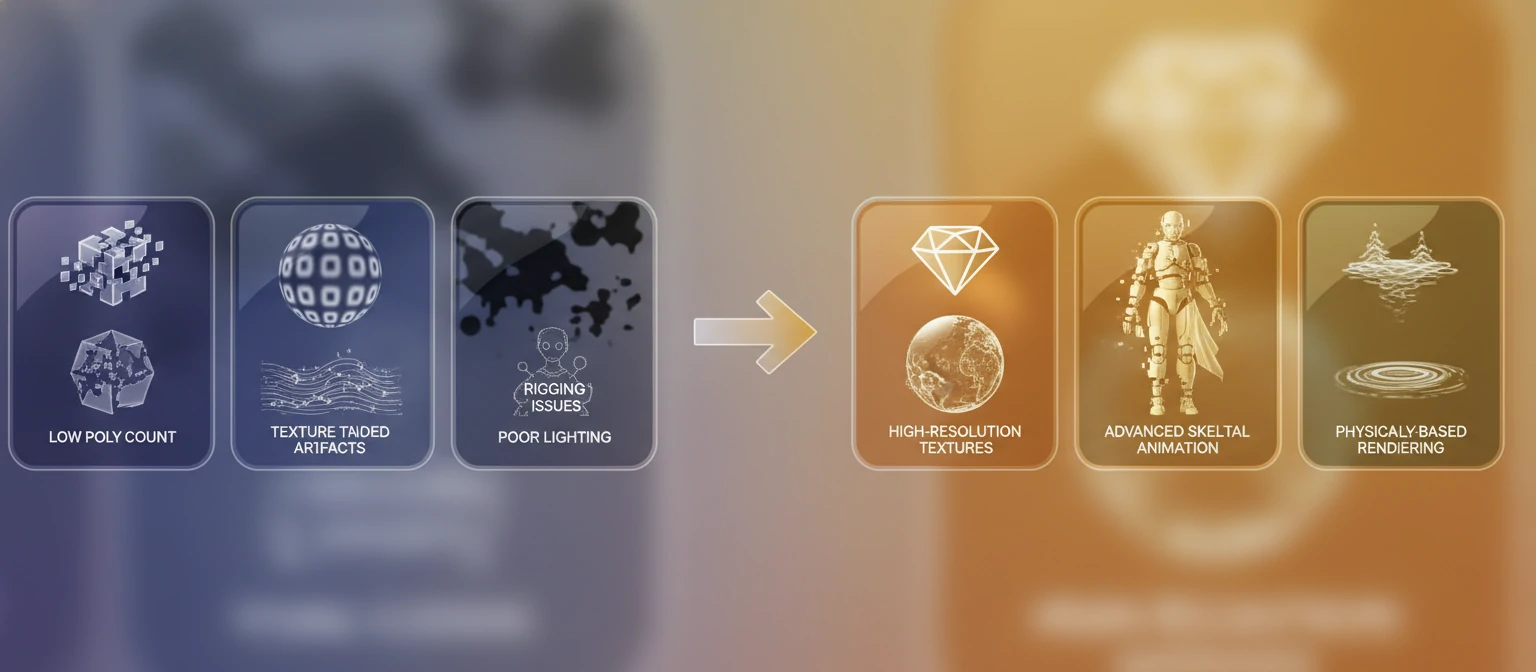
Technical and Resource Challenges
⚠️ Common Obstacles
- High computational requirements and rendering times
- Software licensing costs and learning curves
- Hardware limitations and upgrade cycles
- File management and version control complexity
- Balancing quality with project deadlines
✅ Solutions and Best Practices
- Cloud rendering services for scalable computing power
- Modular workflow development and team specialization
- Progressive quality approaches for different project phases
- Automated backup and version control systems
- Strategic outsourcing for specialized requirements
Quality vs. Efficiency Balance
One of the most persistent challenges in architectural rendering is balancing visual quality with production efficiency. While clients increasingly expect photorealistic results, project timelines and budgets often constrain the time available for rendering. Successful firms develop tiered quality approaches, using different rendering techniques appropriate to each project phase and client requirement.
8. Conclusion
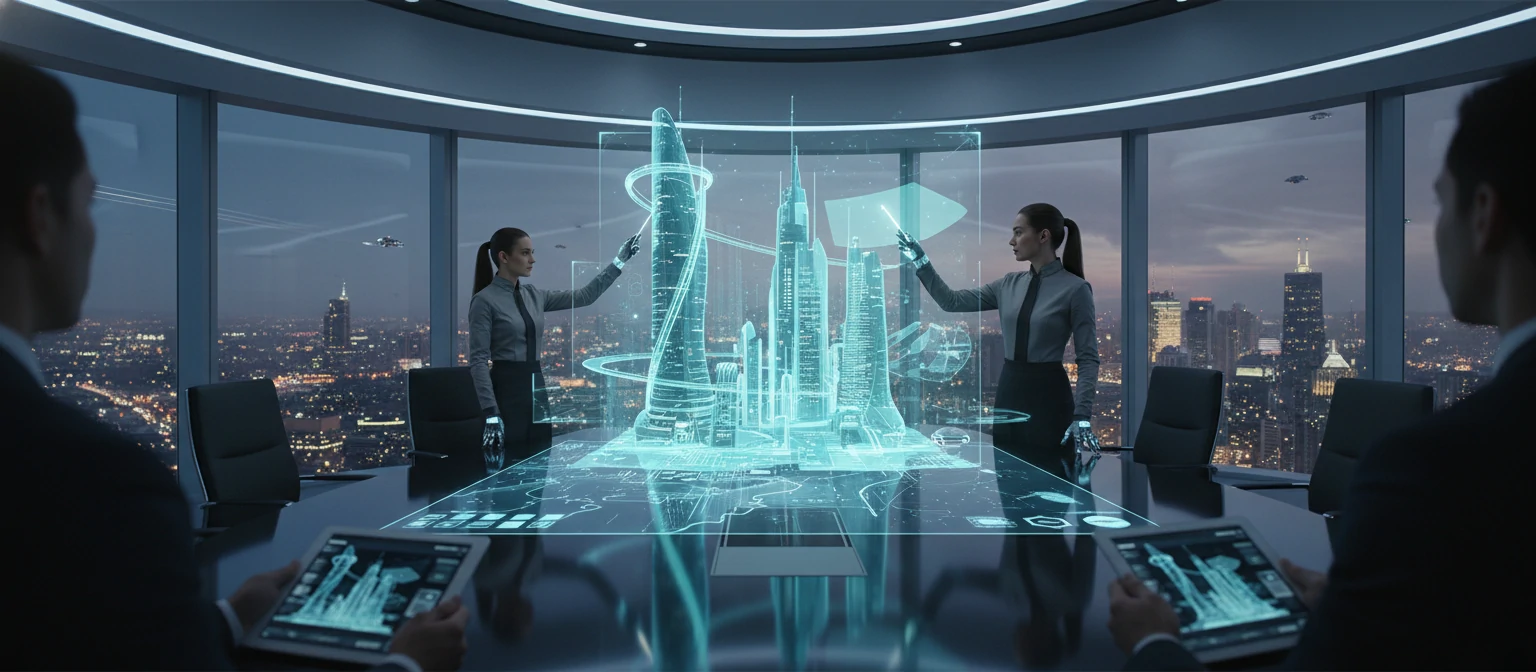
3D architectural rendering has evolved from a specialized visualization tool to an integral component of modern architectural practice. Its impact extends far beyond simple image creation, influencing design processes, client relationships, and project outcomes. The technology has democratized architectural visualization while simultaneously raising quality expectations across the industry.
Looking toward the future, several key developments will shape the evolution of architectural rendering. Artificial intelligence will continue to automate routine tasks while enabling new creative possibilities. Real-time rendering will become the standard for client presentations and design development. Virtual and augmented reality will create increasingly immersive experiences that blur the line between digital visualization and physical reality.
🔮 Future Outlook
The next decade will likely see the convergence of AI, real-time rendering, and immersive technologies creating unprecedented opportunities for architectural visualization. Firms that embrace these technologies while maintaining focus on design excellence will be best positioned for success.
The sustainability movement will also influence rendering practices, driving efficiency improvements and environmentally conscious workflows. As the technology becomes more accessible, we can expect to see innovative applications in areas such as community engagement, design education, and cultural preservation.
3D architectural rendering will continue to be a powerful catalyst for design innovation, enabling architects to push creative boundaries while communicating their visions with unprecedented clarity and impact.
Ready to Transform Your Architectural Presentations?
Discover how 3D rendering can elevate your architectural projects and client relationships.