

Table of contents
- The Exact Dimensions of an 8x10 Photo
- The History and Evolution of the 8x10 Photo Size
- How 8x10 Compares to Other Popular Photo Sizes
- Common Uses for 8x10 Photos
- Tips for Printing and Framing 8x10 Photos
- 8x10 Photos in the Digital Age
- Frequently Asked Questions About 8x10 Photos
- Is 8x10 the same as 10x8?
- Can I print 8x10 at home?
- How much does an 8x10 print cost?
- What's the best way to store 8x10 photos?
- What resolution do I need for an 8x10 print?
- Can I frame an 8x10 photo myself?
- How long do 8x10 prints last?
- Is 8x10 a standard size worldwide?
- Can I use 8x10 for passport photos?
- What paper types work best for 8x10?
- How do I prevent yellowing in 8x10 prints?
- Can I print 8x10 from my phone?
- What's the difference between borderless and bordered 8x10 prints?
- How do I clean a dusty 8x10 print?
- Can 8x10 photos be laminated?
- What aspect ratio is 8x10?
- How much does framing an 8x10 cost?
- Can I scan an 8x10 photo to digital?
- What's the weight of an 8x10 print?
- Do 8x10 prints come with copyright protection?
- How do I choose between 8x10 and 11x14?
- Creative Ways to Display and Use 8x10 Photos
- Final Thoughts on 8x10 Photo Sizes
Welcome to our comprehensive guide on the 8x10 photo size. If you've ever wondered about the exact dimensions of an 8x10 photo, how it compares to other popular sizes, or why it's such a staple in photography, you're in the right place. This article is designed with you in mind – the curious photographer, the framing enthusiast, or anyone looking to understand photo sizes better. We'll break down everything you need to know in a friendly, easy-to-follow way.
The Exact Dimensions of an 8x10 Photo
Let's start with the basics. An 8x10 photo measures exactly 8 inches by 10 inches. That's 20.32 centimeters by 25.4 centimeters if you're using the metric system. In terms of pixels, for high-resolution printing, you'd want at least 2400 x 3000 pixels at 300 DPI (dots per inch).
But why these specific measurements? The 8x10 size has been a standard in photography for decades. It's large enough to capture detail and emotion in portraits, yet compact enough for easy framing and display. Many professional photographers swear by it for headshots and family photos.
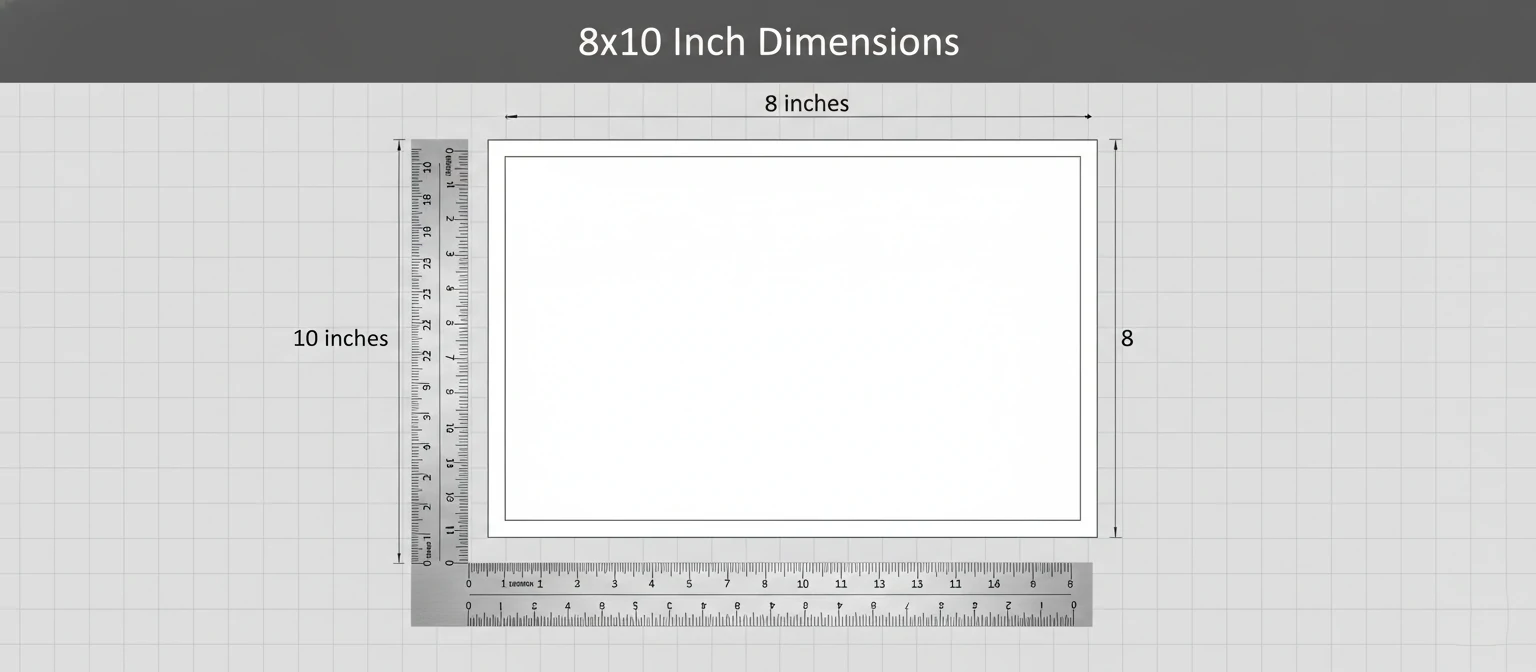
When you print an 8x10 photo, the orientation matters. Typically, the longer side (10 inches) is the height when displayed vertically, but you can rotate it for horizontal compositions. This flexibility makes it versatile for different types of photography.
In digital terms, if you're scanning old photos or working with digital files, remember that the aspect ratio of 8:10 (or 4:5 when simplified) is important. This ratio ensures that your image doesn't get cropped awkwardly when printing at this size.
Let's dive deeper into what these dimensions mean in practical terms. Imagine holding a standard sheet of printer paper, which is 8.5x11 inches. An 8x10 photo would fit comfortably on that page with a little room to spare. The extra 0.5 inches on the width allows for easy trimming if needed.
For those who work in millimeters, the conversion is straightforward: 203.2mm x 254mm. This precision is crucial when ordering custom frames or mats. Even a millimeter off can make a big difference in how your photo sits in the frame.
Pixel-wise, the 2400x3000 recommendation comes from the 300 DPI standard used in professional printing. DPI stands for dots per inch, and 300 is considered the sweet spot for photo quality. Anything less might look grainy when viewed up close.
But what if your image is larger or smaller? Modern photo editing software like Photoshop can easily resize images while maintaining quality, thanks to algorithms that interpolate pixels. However, enlarging a small image too much can lead to quality loss, so always start with the highest resolution possible.
The 8x10 size also has implications for aspect ratio in composition. Photographers often compose their shots with this ratio in mind, especially when shooting for print. A 4:5 aspect ratio gives a slightly taller feel than the more common 3:2 or 16:9 ratios used in digital photography.
When framing, the 8x10 size works well with standard mat openings. A common mat size for 8x10 is 11x14 or 12x16, which provides a nice border around the image. This not only protects the photo but also enhances its presentation.
In terms of weight and thickness, an 8x10 print on standard photo paper weighs about 1-2 ounces, making it easy to mail or transport. Thicker papers or canvas prints can increase this significantly, adding a premium feel to your display.
One interesting fact: the 8x10 size is exactly twice the area of a 5x7 print (35 square inches vs. 70 square inches). This makes it a good step up for those wanting more impact without going too large.
Globally, while inches are common in the US, many countries use centimeters. An 8x10 in cm is often rounded to 20x25 for simplicity. This slight difference (20.32x25.4 vs 20x25) is usually negligible for most printing purposes.
When shopping for frames, you'll find that 8x10 is one of the most common sizes available. This ubiquity keeps prices competitive and ensures you have plenty of options for styles and materials.
In the context of album design, 8x10 photos fit perfectly on standard album pages, often with room for captions or journaling. This makes them ideal for scrapbooking or creating physical photo books.
From a production standpoint, printing presses and photo labs are optimized for standard sizes like 8x10, which can lead to faster turnaround times and lower costs compared to custom sizes.
Lastly, consider the viewing distance. An 8x10 photo is designed to be viewed from about 2-3 feet away. At this distance, the human eye can't discern individual pixels, ensuring a smooth, continuous image.
The History and Evolution of the 8x10 Photo Size
The 8x10 photo size didn't just appear out of nowhere. Its roots go back to the early days of photography. In the 19th century, as photography became more accessible, standard sizes began to emerge based on practical considerations like film formats and printing capabilities.
The 8x10 size gained popularity in the mid-20th century with the rise of professional portrait studios. It was large enough to showcase the quality of studio lighting and composition, yet affordable for middle-class families. Famous photographers like Ansel Adams often used larger formats, but 8x10 became the "gold standard" for consumer and professional portraits alike.
Today, even in our digital age, 8x10 remains relevant. It's the size many people choose for school photos, passport applications (though not for actual passports), and professional headshots. The persistence of this size speaks to its practicality and aesthetic appeal.
As technology advanced, the 8x10 format adapted. Digital cameras can easily capture images that print beautifully at this size, and online printing services make it simple to order 8x10 prints from anywhere in the world.
To understand the origins, we need to look at the development of photographic paper and printing techniques. In the 1800s, photographers used glass plates and paper negatives, but standard sizes weren't yet established. It wasn't until the early 1900s that companies like Kodak began producing cameras with specific film sizes that influenced print dimensions.
The 8x10 size became prominent during the Great Depression and World War II era. Families wanted affordable ways to capture memories, and 8x10 offered a good balance between cost and quality. Photo studios charged reasonable prices for 8x10 portraits, making them accessible to the middle class.
In the 1950s and 60s, as color photography became mainstream, 8x10 remained a favorite. The size allowed for vibrant color reproduction without the expense of larger prints. Hollywood stars and politicians often had their publicity photos printed at this size for press kits.
The 1970s brought instant photography with Polaroid, but even instant cameras produced prints that could be enlarged to 8x10. This continuity helped cement the size's place in popular culture.
By the 1980s, with the advent of home computers and scanners, people could digitize photos and print them at home. However, 8x10 still dominated because it was easy to frame and display. Computer printers of the era struggled with larger sizes, making 8x10 a practical choice.
The digital revolution of the 1990s and 2000s didn't diminish 8x10's popularity. In fact, it made it easier than ever to produce. Digital files could be precisely sized for 8x10 output, and online services offered competitive pricing.
Today, 8x10 continues to evolve. Some photographers use it for fine art prints, while others incorporate it into mixed media projects. The size's longevity proves that some standards are timeless in the ever-changing world of photography.
Interestingly, the 8x10 size has influenced other media. For example, many computer monitors and tablets have aspect ratios close to 4:5, making 8x10 images display well on digital devices without distortion.
In international contexts, while the US embraced inches, other countries developed their own standards. However, 8x10 has become a global standard, with many international photo labs offering it as a default size.
The persistence of 8x10 can also be attributed to its role in education. Art schools and photography programs often use 8x10 as a teaching size, helping students learn composition and printing techniques.
As we look to the future, emerging technologies like 3D printing and holographic displays might change how we view photos, but the physical 8x10 print will likely remain a beloved format for generations to come.
One fascinating aspect is how 8x10 has influenced fashion and design. Clothing designers sometimes use 8x10 proportions in their patterns, and interior designers consider it when planning gallery walls.
In the world of collectibles, vintage 8x10 photos of celebrities can fetch high prices at auctions. This collectible value adds another layer to the size's cultural significance.
From a manufacturing perspective, the standardization of 8x10 has led to economies of scale. Paper manufacturers produce rolls optimized for this size, and frame factories stock components accordingly.
The 8x10 size has even influenced language. Phrases like "getting your picture taken" often imply an 8x10 portrait session, showing how deeply ingrained it is in our culture.
As environmental concerns grow, the 8x10 size offers sustainability benefits. It's large enough to make an impact but not so big that it wastes paper or framing materials.
Finally, in the age of social media, 8x10 prints serve as a counterpoint to digital sharing. They provide a tangible way to preserve memories that might otherwise get lost in the endless scroll of online feeds.
How 8x10 Compares to Other Popular Photo Sizes
To truly understand the 8x10 photo, it's helpful to see how it stacks up against other common sizes. Here's a comparison table:
As you can see, 8x10 sits comfortably in the middle. It's larger than the small wallet sizes but not as imposing as the big gallery prints. This makes it ideal for home decor and professional presentations.
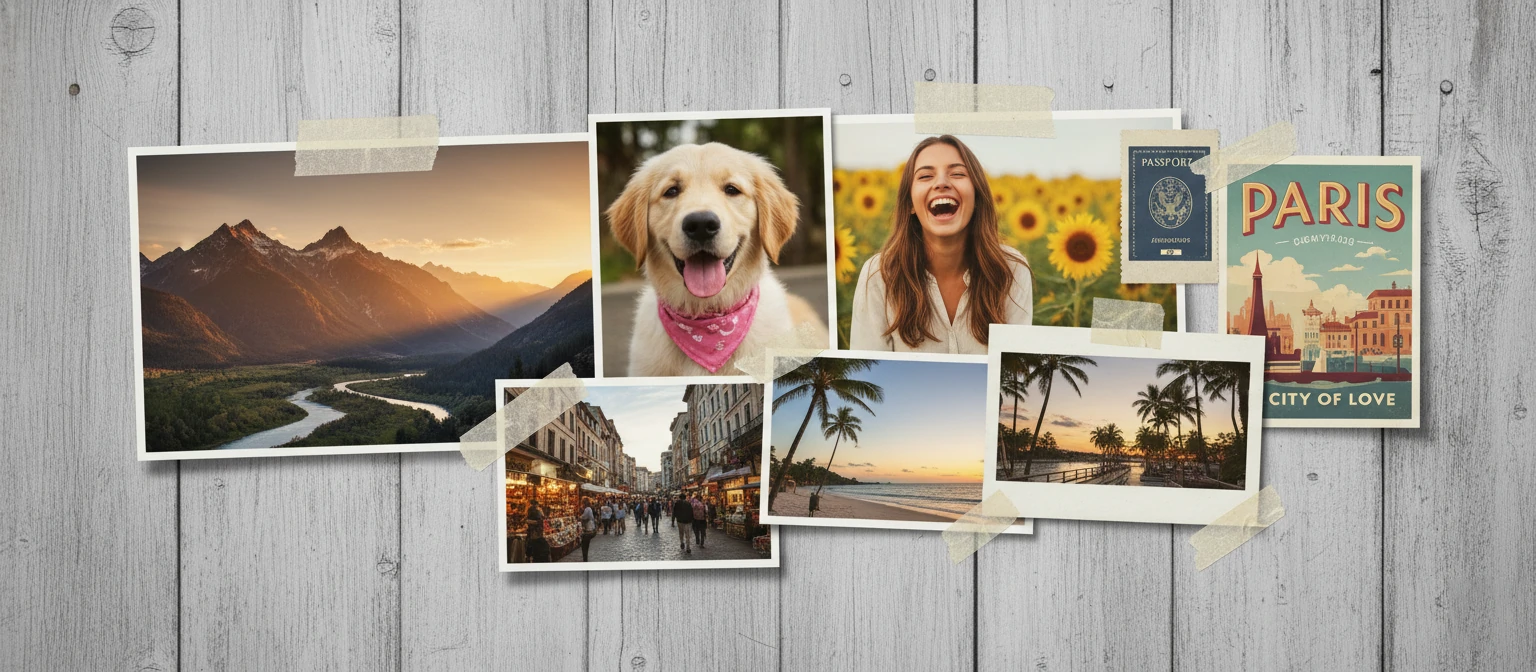
When choosing between sizes, consider your display space and the subject matter. An 8x10 works well for individual portraits or small group photos. If you're framing multiple photos together, you might opt for smaller sizes to create a gallery wall.
In terms of cost, 8x10 prints are reasonably priced at most photo labs. They're often more economical per square inch than very large prints, making them a smart choice for quality-conscious budget shoppers.
Let's explore these comparisons in more detail. Starting with the 4x6, this size is perfect for wallets or small albums. It's inexpensive and portable, but it lacks the impact of larger sizes. An 8x10 has four times the area of a 4x6, providing much more visual real estate for details.
The 5x7 is a popular step up from 4x6. It's often used for announcements or small displays. Compared to 8x10, it's about half the size, making it more affordable for multiple prints. However, 8x10 offers better resolution for facial features in portraits.
Moving up to 11x14, this size is closer to 8x10 in scale. An 11x14 has about 54% more area than 8x10, making it suitable for larger subjects or when you want more presence. But 8x10 is more versatile for standard framing options.
The 16x20 is in a different league entirely. With four times the area of 8x10, it's designed for statement pieces. However, it requires much higher resolution source images and can be expensive to frame and display.
Beyond these common sizes, there are specialty formats like panoramic photos or square formats. An 8x10 doesn't work well for panoramics, but it's adaptable for cropping square images.
In terms of aspect ratios, 8x10 (4:5) differs from the 3:2 ratio common in DSLR cameras. This means some cropping might be necessary when printing camera images at 8x10.
Cost-wise, 8x10 often represents the best value. Per square inch, it's cheaper than smaller sizes due to economies of scale, and it's more affordable than larger prints.
From a framing perspective, 8x10 is ubiquitous. You can find frames at discount stores, art supply shops, and online retailers. Larger sizes might require custom framing, increasing costs.
When considering multiple prints, 8x10 allows for interesting arrangements. You could create a triptych with three 8x10s or arrange them in a grid pattern on a wall.
In professional photography, 8x10 is often the "sweet spot" size. It's large enough to impress clients but not so big that it overwhelms a portfolio or client space.
For gift-giving, 8x10 strikes a balance. It's substantial enough to feel special but not so large that it creates storage issues for the recipient.
In terms of shipping, 8x10 prints are easy to package and mail. They fit in standard envelopes or small boxes, keeping postage costs reasonable.
Environmentally, 8x10 uses less paper and materials than larger sizes, making it a more sustainable choice for everyday printing needs.
From a design standpoint, 8x10 proportions work well with the golden ratio and other aesthetic principles. The 4:5 ratio is pleasing to the eye and creates natural balance in compositions.
When scanning old photos, 8x10 is a good target size. It preserves detail without requiring enormous file sizes that are hard to manage digitally.
In the context of photo books, 8x10 pages are common, allowing for beautiful layouts that showcase images effectively.
Finally, consider the psychological impact. An 8x10 commands attention without being intimidating, making it perfect for personal and professional use alike.
Common Uses for 8x10 Photos
The versatility of the 8x10 size is one of its biggest advantages. Here are some popular ways people use 8x10 photos:
Professional Portraits
Headshots for actors, business professionals, and LinkedIn profiles often come in 8x10. The size allows for clear facial details while fitting standard frame sizes.
Family and Baby Photos
Many parents choose 8x10 for milestone photos like first birthdays or family portraits. It's large enough to capture expressions but not so big that it overwhelms a nursery wall.
School and Yearbook Photos
School photographers frequently use 8x10 as a premium size option. It gives students a keepsake that's more substantial than the standard wallet sizes.
Art and Display
Some photographers create fine art pieces at 8x10, especially for limited edition prints or series work.
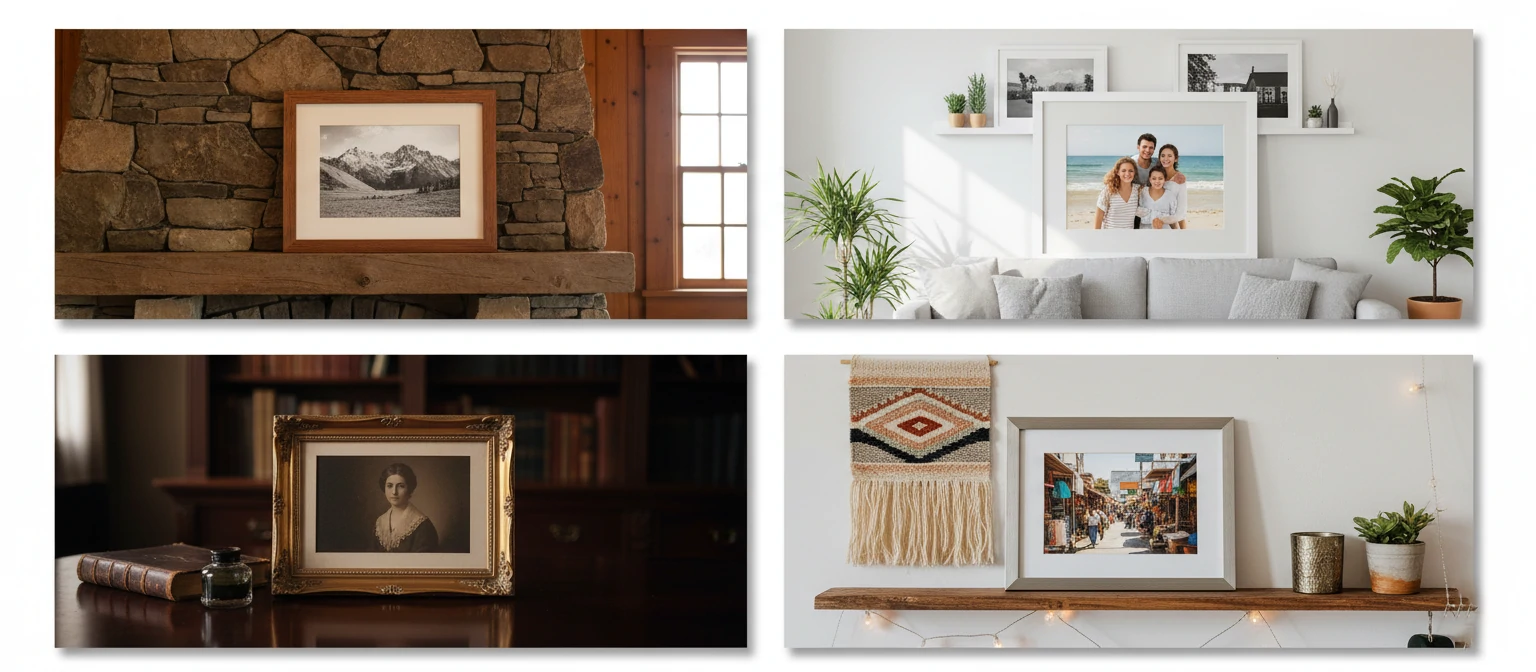
Whatever your purpose, 8x10 offers a perfect balance of size and practicality. It's easy to find frames for this dimension at any store, and it fits well in most display cases.
Let's delve deeper into these uses. For professional portraits, 8x10 is ideal because it provides enough space to showcase facial expressions and professional attire without being overwhelming. Casting directors and agents often request 8x10 headshots for their files.
In family photography, 8x10 works beautifully for individual portraits of children. The size captures the innocence and detail of young faces, making it perfect for grandparents or display in family rooms.
School photos at 8x10 give students a tangible memento of their school years. Many schools offer 8x10 as an upgrade option, and parents appreciate the quality and longevity of these larger prints.
For artistic purposes, 8x10 allows photographers to create intimate works. Street photographers might use it for candid shots, while landscape photographers can crop dramatic scenes to fit this format.
In corporate settings, 8x10 photos are common for executive portraits or employee of the month displays. The size commands respect while remaining practical for office environments.
Wedding photographers often use 8x10 for album pages or as standalone prints for the couple's parents. It's large enough to capture emotion but not so big that it competes with larger wedding displays.
Pet owners love 8x10 for their furry friends. The size perfectly frames a dog's face or a cat's curious expression, making for adorable wall art.
In real estate photography, 8x10 can be used for property portraits or agent headshots. The professional look helps build trust with potential clients.
Sports photographers might choose 8x10 for action shots or team portraits. The size allows viewers to appreciate the athleticism and emotion in the moment.
For memorial or funeral services, 8x10 photos provide a dignified way to honor loved ones. The size is substantial yet not imposing in somber settings.
Event photographers use 8x10 for key moments like speeches or award presentations. These prints can be framed and displayed as keepsakes.
In educational settings, teachers might use 8x10 photos for classroom displays or student portfolios. The size makes it easy to view details from a distance.
Travel photographers often print at 8x10 to capture the essence of a destination. A well-composed landscape or cultural scene fits perfectly in this format.
For product photography, 8x10 can showcase items beautifully, especially jewelry or small collectibles that benefit from detailed viewing.
In the world of social media influencers, 8x10 prints serve as physical reminders of online content, bridging the digital-physical divide.
Graduation photos at 8x10 mark important life transitions. The size reflects the significance of the achievement while remaining affordable.
Anniversary or milestone celebrations often feature 8x10 photos. Whether it's a 50th wedding anniversary or a retirement party, the size suits formal occasions.
For hobbyists, 8x10 is perfect for nature photography. Close-ups of flowers, insects, or wildlife details shine in this format.
In medical or scientific photography, 8x10 prints can document procedures or specimens with clarity and precision.
Finally, 8x10 photos make excellent gifts for any occasion. Their versatility ensures they'll be appreciated by recipients with varying tastes and spaces.
Tips for Printing and Framing 8x10 Photos
Getting the best results from your 8x10 prints requires attention to detail. Here are some practical tips:
Resolution Matters
For crisp prints, aim for at least 2400 x 3000 pixels. Anything less might look pixelated when enlarged.
Paper Choices
Glossy paper works well for vibrant colors, while matte is better for a classic look. Consider luster paper for a compromise between the two.
Framing Options
Standard 8x10 frames are widely available. Look for frames with matting to add elegance. For a modern look, try floating frames or shadow boxes.
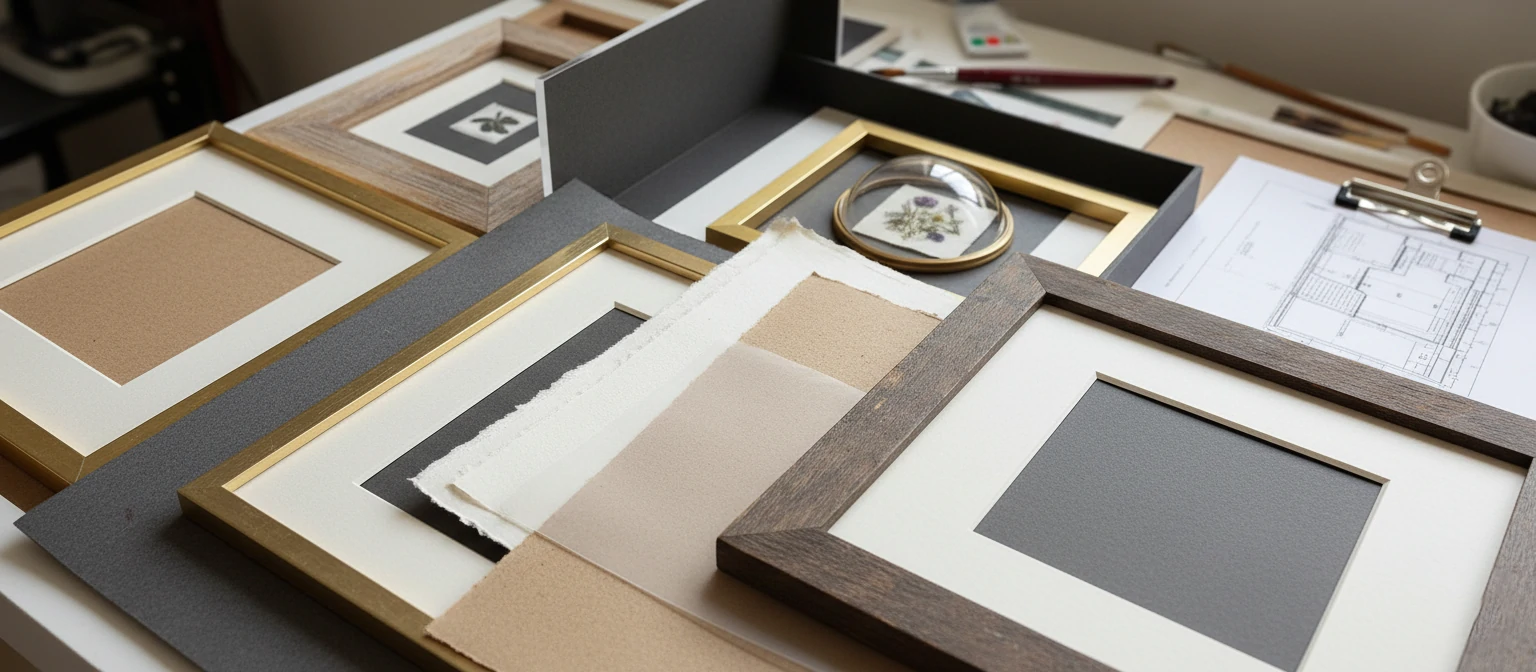
When ordering prints online, check the lab's policies on cropping and borders. Some services add a small white border, which can be trimmed if you prefer borderless prints.
Finally, consider the lighting in your display area. Photos look best away from direct sunlight to prevent fading over time.
Let's expand on these tips with more detailed advice. For resolution, remember that 300 DPI is the industry standard, but for critical viewing, 360 DPI or higher is even better. Use image editing software to check and adjust your file's DPI before printing.
When choosing paper, consider the ink type. Dye-based inks work best on glossy papers for vibrant colors, while pigment inks are more durable on matte surfaces. Test small prints if possible to see how colors reproduce.
For framing, measure your mat opening carefully. A standard 8x10 mat might have a 7.5x9.5 opening, leaving a 0.25-inch border on all sides. This creates a professional look and protects the photo from touching the glass.
Consider the frame's depth. Deeper frames can accommodate thicker mats or UV-protective glass, which helps prevent fading. For modern aesthetics, slim frames with no mat create a clean, contemporary look.
When cropping for 8x10, pay attention to the rule of thirds. Place important elements along the 4:5 grid lines to create a balanced composition that works well in this format.
Color correction is crucial. Calibrate your monitor to ensure what you see on screen matches the print. Professional labs often provide color profiles for accurate reproduction.
For black and white photos, choose papers with good tonal range. Fiber-based papers can give a classic, archival quality that's perfect for timeless images.
When mailing 8x10 prints, use rigid mailers to prevent bending. Place cardboard inserts between prints to avoid scratches, and consider insurance for valuable pieces.
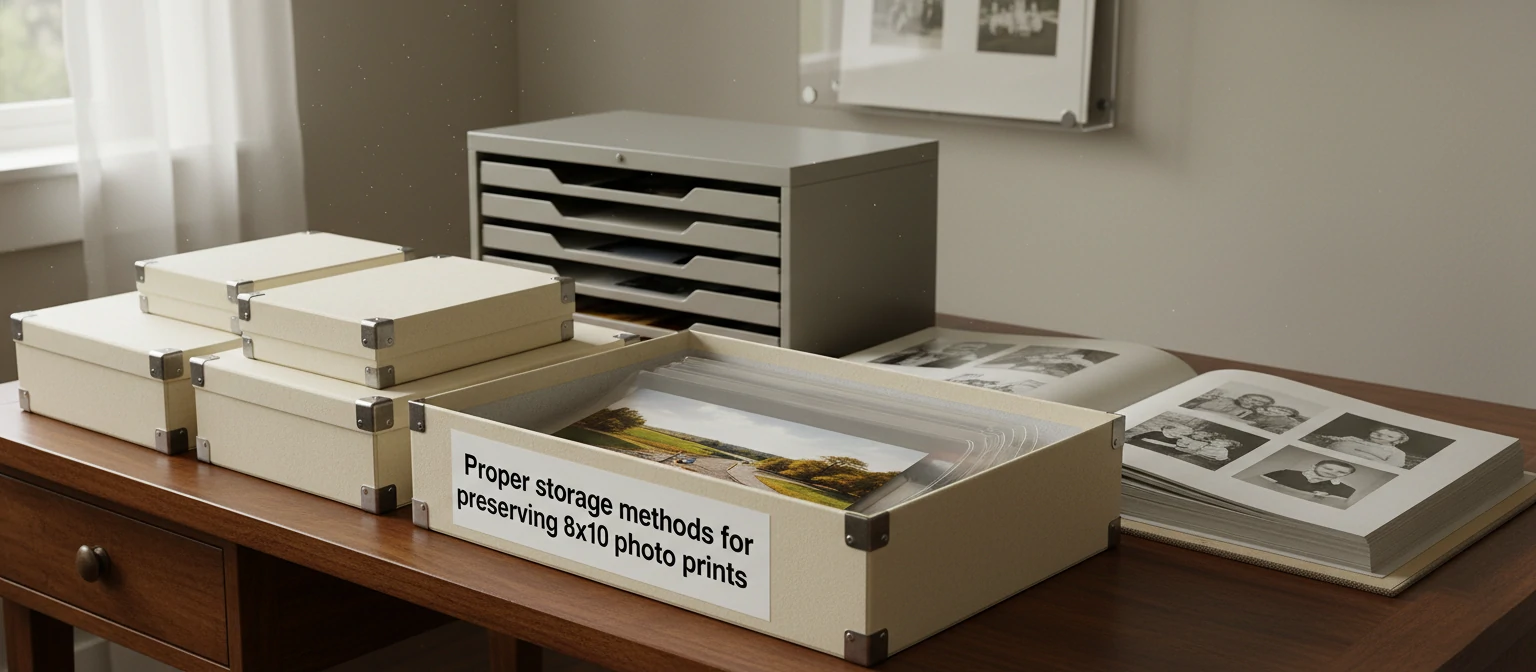
Storage is important too. Keep unframed prints in acid-free sleeves in a cool, dry place. For long-term preservation, consider archival storage boxes.
If you're printing at home, invest in a good photo printer. Inkjet printers with 6 or more colors produce better results than basic models. Clean the print heads regularly for consistent quality.
For canvas or metal prints at 8x10, the process differs. These require specialized printers and materials, but they offer durability and a modern look that's great for high-traffic areas.
When ordering from online services, read reviews and check for quality guarantees. Some labs offer free proofs or samples to ensure satisfaction before full orders.
Consider the viewing environment when choosing finishes. Glossy papers work well in low light, while matte papers reduce glare in bright rooms.
For artistic effects, try textured papers or those with subtle patterns. These can add depth and interest to your 8x10 prints.
Always handle prints by the edges to avoid fingerprints. Use cotton gloves if the print is particularly valuable or on delicate paper.
When framing multiple 8x10s, ensure consistency in mats and frames for a cohesive look. Vary the spacing between frames for visual interest.
Finally, don't forget about backing. Use acid-free backing boards and secure everything with framing points or tape to prevent shifting over time.
8x10 Photos in the Digital Age
Even though we're in a digital world, physical prints still hold value. An 8x10 photo can serve as a tangible reminder of memories in an era of digital overload.
Many people use 8x10 prints for gifts, especially for grandparents who prefer physical photos over digital albums. The size is perfect for mantel displays or desk arrangements.
In professional settings, 8x10 headshots are still the norm for many industries. They're easy to scan for digital use while providing a physical copy for portfolios.
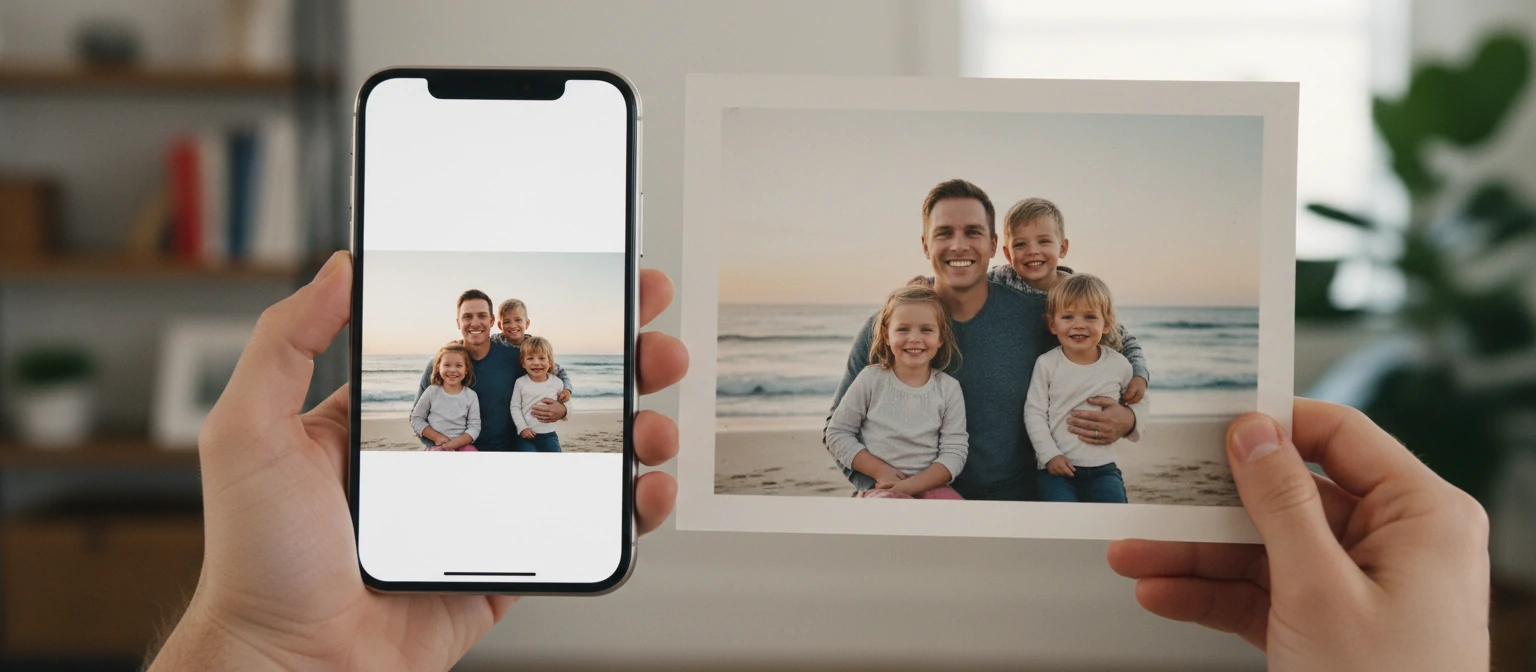
As printing technology improves, we can expect even higher quality 8x10 prints. Innovations like metallic papers and UV-resistant inks are making physical photos more durable than ever.
In our smartphone-dominated world, 8x10 prints offer a refreshing contrast. While digital photos can be viewed instantly, physical prints provide a sensory experience that screens can't replicate.
The 8x10 size bridges the gap between digital and physical. Many people print their favorite Instagram photos at 8x10 to create tangible art for their homes.
From a psychological perspective, studies show that physical photos help preserve memories better than digital ones. An 8x10 print on your desk can evoke emotions that a phone gallery can't.
In the workplace, 8x10 prints add a personal touch to offices. Employee photos or company milestones displayed at this size create a welcoming atmosphere.
Digital photographers often use 8x10 as a proofing size. Before committing to larger prints, they order 8x10s to check color accuracy and composition.
The rise of photo books and albums has given 8x10 new life. Many album layouts are designed around 8x10 pages, allowing for beautiful storytelling.
In education, 8x10 prints are used for student work displays or classroom decorations. The size is large enough to be seen from a distance but not overwhelming in a school setting.
For artists working digitally, 8x10 provides a canvas for their creations. Digital paintings or manipulations can be brought to life in physical form at this size.
The collectible market for 8x10 photos has grown with social media. Limited edition prints of viral images or influencer photos are popular at this size.
In terms of sustainability, 8x10 prints can be more eco-friendly than constantly upgrading devices to view digital photos. A well-made print can last decades with proper care.
Augmented reality apps are beginning to interact with physical 8x10 prints, adding digital layers to traditional photos for an enhanced experience.
For genealogists and family historians, 8x10 enlargements of old photos help preserve fading images and make them easier to study and share.
In the fashion industry, 8x10 is used for lookbooks and portfolio presentations. The size allows designers to showcase details while maintaining a professional appearance.
As remote work becomes common, 8x10 photos help personalize video call backgrounds or home offices, adding warmth to digital interactions.
The nostalgia factor can't be underestimated. In a world of fleeting digital content, an 8x10 print represents permanence and intentionality.
Finally, 8x10 prints serve as a hedge against technology obsolescence. While file formats change and devices become outdated, a physical print remains accessible forever.
Frequently Asked Questions About 8x10 Photos
Is 8x10 the same as 10x8?
Technically yes, but orientation matters. 8x10 usually means 8 inches wide by 10 inches tall, while 10x8 would be the reverse.
Can I print 8x10 at home?
Yes, with a good inkjet printer and photo paper. However, professional labs often produce better results for important prints.
How much does an 8x10 print cost?
Prices vary, but expect to pay $5-15 per print at most online services, depending on paper quality and quantity.
What's the best way to store 8x10 photos?
Keep them in acid-free albums or sleeves, away from heat, humidity, and direct light to prevent fading.
What resolution do I need for an 8x10 print?
Aim for 2400x3000 pixels at 300 DPI. This ensures sharp details without pixelation.
Can I frame an 8x10 photo myself?
Absolutely! Pre-cut mats and ready-made frames are available at most craft stores. Just measure carefully and use acid-free materials.
How long do 8x10 prints last?
With proper care, high-quality prints can last 50-100 years. Factors like paper type, ink, and storage conditions affect longevity.
Is 8x10 a standard size worldwide?
While inches are common in the US, 8x10 is recognized globally. Many international labs offer it, though some use metric equivalents.
Can I use 8x10 for passport photos?
Not typically, as passport photos have specific size requirements (usually 2x2 inches). However, 8x10 can be used for visa applications in some cases.
What paper types work best for 8x10?
Glossy for vibrant colors, matte for a sophisticated look, and luster as a happy medium. Choose based on your display environment.
How do I prevent yellowing in 8x10 prints?
Use archival-quality paper and inks, store in cool, dry conditions, and avoid exposure to pollutants or direct sunlight.
Can I print 8x10 from my phone?
Yes, but for best results, transfer the image to a computer first. Phone prints may lack the resolution for large sizes.
What's the difference between borderless and bordered 8x10 prints?
Borderless prints extend to the edge of the paper, while bordered have a small white or colored margin. Borderless looks modern but may show cropping imperfections.
How do I clean a dusty 8x10 print?
Use a soft, dry brush or compressed air to gently remove dust. For fingerprints, consult a professional conservator to avoid damage.
Can 8x10 photos be laminated?
Yes, but it's not recommended for valuable prints as it can cause discoloration over time. Use UV-protective glass in frames instead.
What aspect ratio is 8x10?
8x10 has a 4:5 aspect ratio, which is slightly taller than the common 3:2 ratio of most cameras.
How much does framing an 8x10 cost?
Basic frames start at $10-20, while custom framing can cost $50-200 depending on materials and complexity.
Can I scan an 8x10 photo to digital?
Yes, use a flatbed scanner at 600 DPI or higher for best results. This preserves the image for future printing or editing.
What's the weight of an 8x10 print?
A standard photo print weighs about 1-2 ounces, making it easy to mail or handle.
Do 8x10 prints come with copyright protection?
No, physical prints don't include copyright. If you're concerned about image theft, consider watermarking digital versions.
How do I choose between 8x10 and 11x14?
8x10 is more affordable and easier to frame, while 11x14 offers more presence. Choose based on your budget and display space.
Creative Ways to Display and Use 8x10 Photos
Beyond traditional framing, there are countless creative ways to showcase your 8x10 photos. Let's explore some innovative ideas that can make your images stand out.
Gallery Walls
Create a dynamic display by arranging multiple 8x10 photos in a grid or asymmetrical pattern on a wall. This works especially well in hallways or living rooms.
Shadow Boxes
Combine your 8x10 print with meaningful objects like ticket stubs, pressed flowers, or small mementos in a shadow box for a three-dimensional display.
Photo Books and Albums
Use 8x10 pages in custom photo books. Many services offer layouts that perfectly accommodate this size, creating beautiful keepsakes.
Canvas and Metal Prints
Transform your 8x10 digital file into canvas or metal art. These modern materials add texture and durability to your display.
Magnetic Displays
Attach magnetic strips to the back of framed 8x10s for easy rearrangement on metal surfaces, perfect for offices or kitchens.
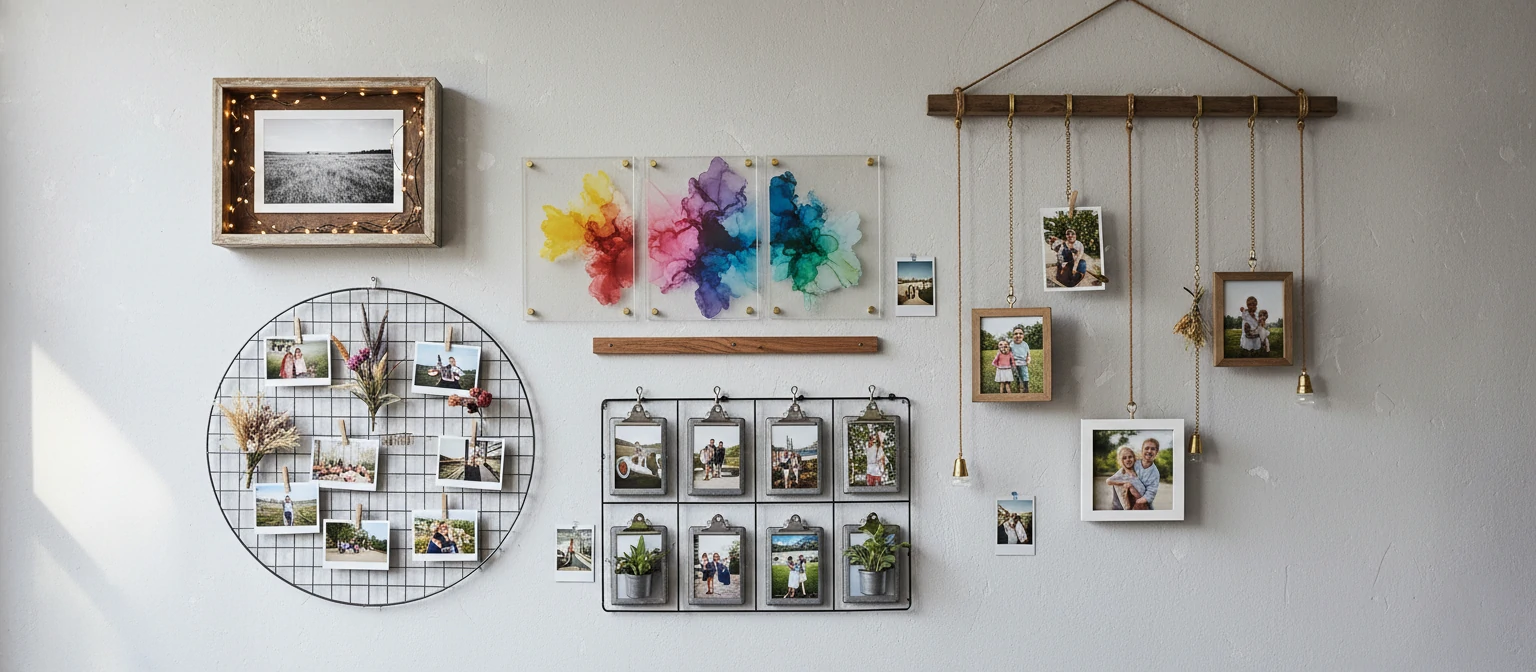
The key to creative display is thinking beyond the frame. Consider the story you want to tell and how the 8x10 size can enhance that narrative.
Final Thoughts on 8x10 Photo Sizes
The 8x10 photo size has stood the test of time for good reason. Its dimensions strike the perfect balance between detail and practicality, making it suitable for everything from casual snapshots to professional portraits.
Whether you're a photographer, a hobbyist, or just someone looking to print some cherished memories, understanding the 8x10 size can help you make better decisions about your prints. Remember, the right size enhances your photos and makes them more enjoyable to view and share.
We hope this guide has answered all your questions about 8x10 photos. If you have more questions or need help with printing, feel free to reach out. Happy photographing!
As we've explored throughout this comprehensive guide, the 8x10 photo is more than just a measurement—it's a cornerstone of photographic tradition that continues to serve us well in the modern world.
The versatility of 8x10 extends beyond its physical dimensions. It's a size that adapts to changing technologies, from film cameras to digital sensors, and from darkroom printing to online labs.
In a world where bigger often seems better, 8x10 reminds us that quality and appropriateness matter more than sheer size. It's large enough to command attention but not so imposing that it overwhelms.
The 8x10 format encourages thoughtful composition. Photographers must consider every element carefully, knowing that details will be visible and impactful at this scale.
From a practical standpoint, 8x10 offers unmatched convenience. Frames are readily available, shipping is straightforward, and display options are plentiful.
Emotionally, 8x10 prints connect us to our memories in a tangible way. Holding a physical photo evokes feelings that digital images often can't match.
As printing technologies advance, we can expect 8x10 to benefit from innovations like improved inks, sustainable papers, and enhanced durability.
The size's longevity speaks to its fundamental appeal. In an industry of trends and fads, 8x10 remains a constant, reliable choice for photographers worldwide.
Whether you're framing a family portrait, creating a professional headshot, or displaying artistic work, 8x10 provides a canvas that enhances rather than competes with your images.
In educational settings, 8x10 serves as an excellent teaching tool, helping students understand the relationship between image size, resolution, and impact.
For collectors and historians, 8x10 prints preserve visual culture, offering insights into past eras and artistic movements.
The affordability of 8x10 makes photography accessible. It allows more people to enjoy physical prints without breaking the bank.
In commercial applications, 8x10 supports branding efforts, from real estate listings to product photography, providing a professional yet approachable format.
As we look to the future, 8x10 will likely continue to evolve, perhaps incorporating smart materials or interactive elements while maintaining its core appeal.
The 8x10 size teaches us about balance in design. It's a reminder that the most effective solutions often come from finding the sweet spot between extremes.
In terms of environmental impact, 8x10 encourages responsible consumption. Its practicality reduces the need for larger, more resource-intensive prints.
Ultimately, the enduring popularity of 8x10 reflects our human desire for tangible connections in an increasingly digital world.
We encourage you to experiment with 8x10 in your own photography. Try printing a favorite image at this size and see how it transforms your perception of the photo.
Remember, the best size is the one that serves your vision and brings joy to viewers. For many, that size is 8x10.
Thank you for joining us on this exploration of the 8x10 photo. May your prints bring as much pleasure to others as they do to you.
If this guide has inspired you to print some 8x10 photos, we'd love to hear about your experiences. Share your stories and tips in the comments below!