
Your comprehensive, no-nonsense guide to creating photographs that don’t just capture moments — they tell stories that stick with people long after they’ve turned the page.
Table of contents
- Why Editorial Photography Matters
- Understanding Editorial Photography
- Getting Started
- Techniques That Set Pros Apart
- Common Challenges(And How to Handle Them)
- The Business of Editorial Photography
- Digital Workflow & Post-Processing
- Building Your Online Presence
- Your Journey Starts Now
- Ready to Tell Stories Through Your Lens?
- Continue Your Learning
Why Editorial Photography Matters
Here’s the thing — you know the difference between a good photograph and a great one the moment you see it. A good photograph shows you what happened. A great one makes you feel what it was like to be there. That’s editorial photography in a nutshell, and trust me, once you understand it, you’ll never look at a magazine spread the same way again.
Editorial photography sits at the beautiful intersection of journalism and art. It’s where visual storytelling meets technical mastery, where a single frame can convey what a thousand words struggle to express. And let me be real with you — that’s not hyperbole. I’ve seen a single editorial image stop someone mid-scroll on their phone, make them pause their morning coffee, and genuinely think. That’s power. That’s what we’re here to learn.
I remember the first time an editorial image truly stopped me in my tracks. It was a National Geographic spread — a fisherman’s weathered hands gripping a net at dawn, the light catching the salt spray just so. Nobody told him to pose. Nobody art-directed that moment. The photographer was simply there, ready, and understood exactly what that image needed to say. That’s the difference between someone who takes photos and someone who tells stories with a camera.
Whether you’re picking up your first serious camera or you’ve been shooting for years but want to break into editorial work, this guide is designed to meet you exactly where you are. We’ll walk through everything — from understanding what editorial photography actually is (it’s not what most people think), to mastering the techniques that separate hobbyists from professionals who get published.
So grab your favorite beverage, settle in, and let’s talk about how to create images that don’t just get looked at — they get remembered.
Understanding Editorial Photography
So What Exactly IS Editorial Photography?
Alright, let’s clear something up right away, because I get this question constantly. Editorial photography is not the same as commercial photography. They’re cousins, sure, but they grew up in very different houses.
Here’s the simplest way I can put it: commercial photography asks “will this sell?” while editorial photography asks “will this tell the story?” That distinction changes everything about how you approach a shoot.
Think about it this way. Imagine you’re photographing a chef. A commercial photographer would make that dish look absolutely flawless — pristine plating, perfect lighting, maybe a little steam added in post. The goal? Make you hungry. Make you buy. But an editorial photographer? They might capture that chef at 2 AM, flour-dusted and exhausted, taste-testing a sauce with an expression of intense concentration. One sells food. The other tells you what it means to be a chef. See the difference?
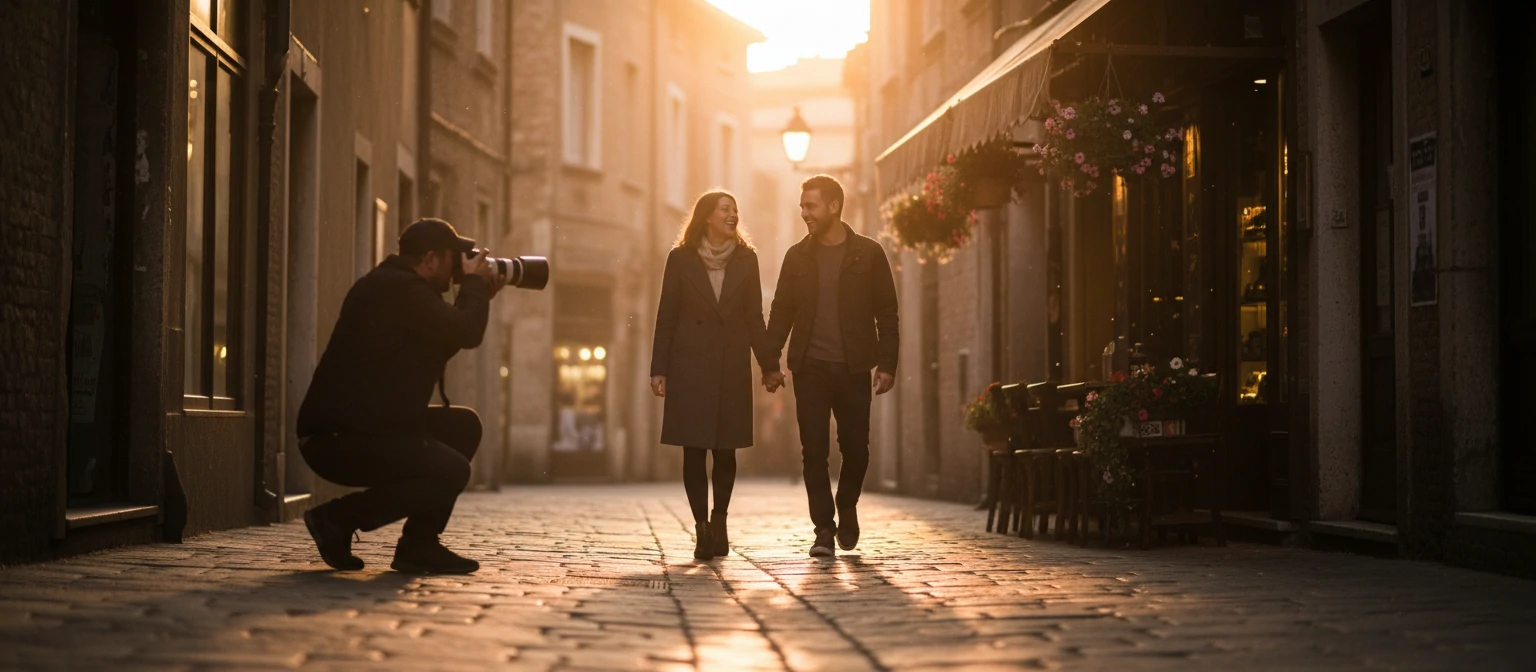
At its core, editorial photography accompanies written content in publications — newspapers, magazines, online features, annual reports. It’s there to enhance, illuminate, and give visual depth to the narrative. And trust me, when it’s done right, the images carry just as much weight as the words themselves.
Here’s a quick personal story. Early in my career, I shot what I thought was a brilliant portrait of a CEO for a business magazine. Technically perfect. Great lighting. Sharp as a tack. The editor looked at it and said, “This is nice, but it doesn’t tell me anything about who this person is.” That feedback changed my entire approach. Editorial isn’t about perfection — it’s about truth.
Types of Editorial Photography
News & Photojournalism
Capturing real events as they unfold — raw, unposed, and powerfully honest. This is where urgency meets artistry. Think front-page images that define entire historical moments. The photographer is a witness first, an artist second. You don’t stage anything; you document everything.
Magazine Features
Polished, conceptual, and often lavishly produced spreads that bring feature stories to life. More planning, more creative freedom, and often the most visually stunning editorial work you’ll encounter. These are the images that win awards and build careers.
Digital & Online Content
The fastest-growing segment. Web features, long-form journalism sites, and digital magazines need compelling imagery that grabs attention in the endless scroll. Speed and adaptability are key here. You might deliver images within hours, not weeks.
Corporate Editorial
Annual reports, internal publications, and brand storytelling that goes beyond marketing. Companies want authentic, editorial-quality imagery to humanize their brand and connect with stakeholders. It’s a growing market, and the pay is often surprisingly good.
What Makes a Great Editorial Image?
After reviewing thousands of editorial images over the years — and shooting quite a few myself — I’ve noticed that the truly great ones always share these four qualities. Miss even one, and the image falls flat. Nail all four? You’ve got something special.
Tells a Story
Every great editorial image has a narrative thread. You should be able to look at it and immediately sense the before and after — what led to this moment and what comes next. If the image doesn’t make the viewer curious, it hasn’t done enough.
Feels Authentic
People can spot a fake from a mile away. The best editorial work feels genuine, unforced, and true to its subject. Authenticity isn’t a technique — it’s a commitment to showing things as they really are, not as you wish they were.
Evokes Emotion
Whether it’s joy, tension, wonder, or heartbreak — a great editorial image makes you feel something. If it leaves you indifferent, it hasn’t done its job. The strongest images linger in your mind for days.
Technically Sound
Sharp focus, proper exposure, thoughtful composition — the technical foundation has to be rock solid. You can bend the rules once you’ve mastered them, but not before. Editors can forgive a lot, but soft focus on the wrong subject isn’t one of them.
Getting Started
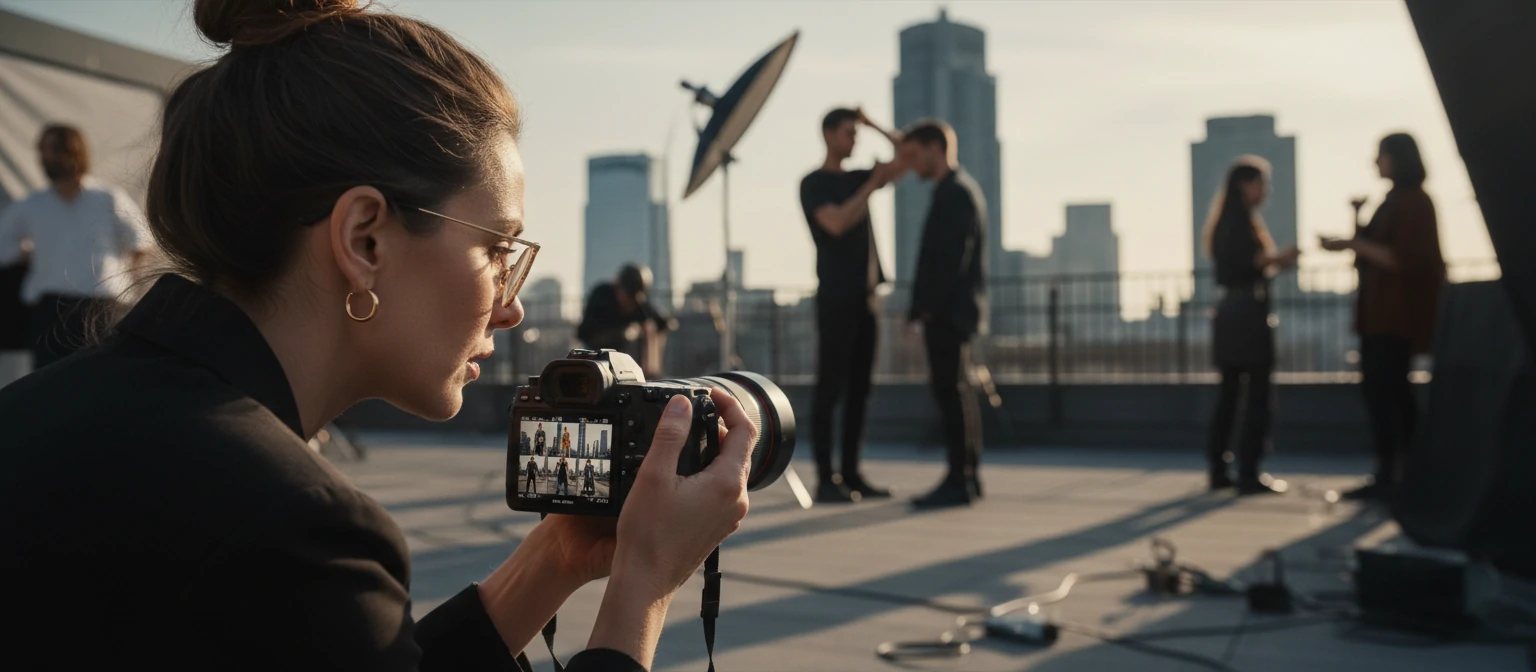
Let me be real with you — getting started in editorial photography can feel overwhelming. There’s gear to buy, skills to develop, portfolios to build, and a whole industry to navigate. But here’s what I wish someone had told me on day one: you don’t need to do it all at once. Let’s break it down into manageable pieces.
I’ve seen too many talented beginners get paralyzed by the sheer amount of “stuff” they think they need before they can start. The truth? Some of the best editorial work I’ve ever seen was shot on mid-range gear by someone who understood light, story, and timing. Gear helps, but it’s not the whole picture — pun intended.
📷 Essential Equipment
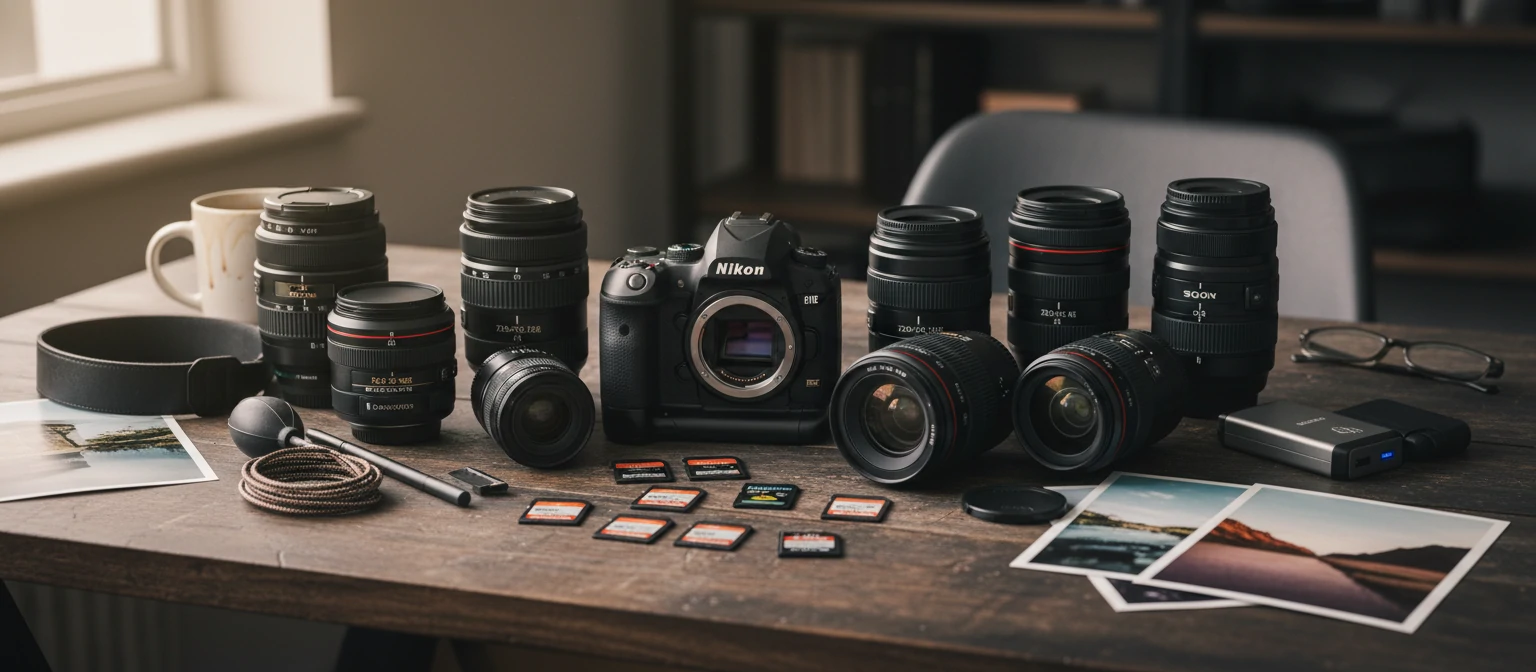
Here’s the thing about gear — it matters, but not as much as the internet would have you believe. That said, you do need reliable tools that won’t let you down in the field. Here’s what I’d recommend:
Camera Body
Full-frame mirrorless is the way to go. Sony A7 series, Canon R series, or Nikon Z series. Any of these will serve you beautifully for years. The autofocus alone on modern mirrorless bodies is worth the investment.
Core Lenses
Start with a 24-70mm f/2.8 (your workhorse), a 50mm f/1.8 (gorgeous portraits on a budget), and eventually a 70-200mm (reach without intrusion). These three cover 95% of editorial situations.
Essentials
Extra batteries, fast memory cards, a reliable speedlight flash, and a solid laptop for on-location editing. Don’t skimp on cards — trust me on this one. A corrupted card can ruin an entire assignment.
5 Steps to Launch Your Editorial Career
I’ve mentored dozens of photographers breaking into editorial work, and these are the five steps that consistently make the difference between those who make it and those who stall out. None of these are shortcuts — they’re the real work that leads to real results.
Master Your Camera
Shoot in manual mode until it feels like second nature. You need to adjust exposure, focus, and white balance without even thinking about it. When the moment happens, you can’t be fumbling with settings. I spent three months shooting everything in manual before I felt confident — and it was the best investment of time I’ve ever made.
Study Publications
Subscribe to magazines. Read long-form journalism online. Study the images alongside the stories and ask yourself: why did they choose this image? What does it add that words alone couldn’t? This reverse-engineering is pure gold. Start with The New York Times Magazine, National Geographic, and Wired — they consistently set the standard for editorial imagery.
Build Your Portfolio
Aim for 20–30 of your absolute best images. Quality over quantity, always. Create personal projects that demonstrate editorial thinking — stories you’d pitch to a magazine, even if no one assigned them to you. A self-initiated photo essay about your local community can be just as impressive to an editor as a paid assignment.
Start Local
Your local newspaper, alt-weekly, or community magazine needs photographers. The pay might be modest, but the experience is invaluable. Every published image is a credential. Every assignment teaches you something new about working with editors, meeting deadlines, and delivering under pressure.
Network Authentically
Join organizations like the NPPA (National Press Photographers Association) and ASMP (American Society of Media Photographers). Attend workshops, portfolio reviews, and industry events. But here’s the key — don’t network to “get something.” Network to build genuine relationships. Be curious about other people’s work. Offer help before asking for favors. The assignments will follow.
Techniques That Set Pros Apart
Now we’re getting to the good stuff. You’ve got your gear, you understand what editorial photography is — but how do you actually do it at a professional level? Let me walk you through the techniques that I’ve seen make the biggest difference.
And here’s something I want you to keep in mind throughout this entire chapter: technique without intention is just showing off. Every technical choice you make should serve the story. If it doesn’t, it’s just noise.
🌅 Mastering Light
Light is everything. Seriously — I cannot overstate this. A mediocre composition in beautiful light will outperform a brilliant composition in bad light every single time. Learn to see light before you learn anything else.
Natural Light
Golden hour — that magical window after sunrise and before sunset. The warmth, the softness, the long shadows. There’s a reason every photographer obsesses over it.
Overcast days — nature’s giant softbox. Even, diffused light that’s incredibly flattering for portraits. Don’t put your camera away when clouds roll in.
Window light — for indoor editorial work, nothing beats the soft directional glow from a large window. Position your subject at a 45-degree angle for beautiful, natural dimension.
Flash Photography
Bounce flash — aim your flash at the ceiling or a nearby wall instead of directly at your subject. Instant transformation from harsh to gorgeous.
Balance with ambient — don’t overpower the existing light. Use flash as a fill to lift shadows while preserving the mood of the scene. This is the mark of a skilled photographer.
Off-camera flash — take your flash off the hot shoe and position it creatively. A single off-camera speedlight with a small modifier can rival an entire studio setup.
Creative Approaches
Silhouettes — place your subject against a bright background and underexpose. The resulting outline can be more powerful than any detailed portrait.
Shadows as subjects — sometimes the shadow tells a better story than the person casting it. Train yourself to see the light and the darkness.
Backlighting — shoot into the light for a dreamy, ethereal quality. The rim light around your subject separates them from the background beautifully.
🖼️ Composition Essentials
Composition is how you guide the viewer’s eye through your image. Here’s the thing — these aren’t rigid rules. Think of them as proven starting points that you can (and should) break once you understand why they work. Every great rule-breaker started as a devoted rule-follower.
Rule of Thirds
Place key elements along the imaginary grid lines that divide your frame into nine equal parts. It creates natural balance and visual interest. Every camera has a grid overlay — use it until it becomes instinctive. Then learn when to ignore it.
Leading Lines
Roads, fences, architectural elements, even a subject’s gaze — use lines to draw the viewer’s eye toward your focal point. The most compelling editorial images feel like they pull you in. That pull isn’t accidental.
Negative Space
Don’t fill every inch of the frame. Empty space gives your subject room to breathe and creates a sense of isolation, calm, or emphasis. Some of the most powerful editorial images are mostly “nothing.” That takes confidence.
Framing Within Frames
Doorways, windows, arches, tree branches — use natural frames within your environment to draw focus to your subject. It adds layers and depth that make an image feel immersive, like you could step right into the scene.
🎯 Capturing Authentic Moments
This is where editorial photography really separates itself from everything else. Anyone can pose someone and click the shutter. But capturing a genuine, unguarded moment? That’s an art form. Here are the approaches that have served me well over years of editorial work:
Stay Ready
Keep your camera up and your settings dialed in. The best moments are fleeting — a genuine laugh, a look of concentration, an unexpected gesture. You can’t ask them to “do that again.” The moment you lower your camera is the moment the magic happens. Every. Single. Time.
Create Comfort
Talk to your subjects. Learn their names. Ask about their lives. When people feel comfortable with you, they forget the camera is there — and that’s when the magic happens. I always arrive early and spend the first 15 minutes just chatting before I even pull out my camera.
Observe First
Before you start shooting, spend time just watching. Notice patterns, interactions, and rhythms. Understanding the flow of a scene helps you anticipate where the next great moment will happen. Patience isn’t just a virtue in editorial photography — it’s a superpower.
Use Longer Lenses
A 70-200mm lets you capture intimate moments from a respectful distance. Your subjects stay natural because they don’t feel the pressure of a camera shoved in their face. Distance creates honesty. It also compresses backgrounds beautifully for that professional editorial look.
🧠 The Editorial Mindset
Here’s something that took me years to fully internalize: technique alone won’t make you an editorial photographer. You need to think like one. Before every shot, ask yourself these three questions — and if you can’t answer them clearly, pause and reconsider. I promise you, this mental checklist has saved me from submitting countless mediocre images.
“What story am I telling?”
Every image needs a narrative purpose. If you can’t articulate the story, you’re just making a pretty picture — and pretty pictures don’t get published. An editor will always ask: what does this image say?
“What will viewers feel?”
Emotion drives engagement. Think deliberately about the emotional response you want to create — curiosity, empathy, awe, urgency — and let that guide every choice, from focal length to timing.
“How does this support the text?”
Editorial images exist in context. Your photo should add something the words can’t — a visual dimension, an emotional layer, a moment frozen in time that makes the written piece more complete. The best editorial images don’t just illustrate — they elevate.
Chapter 4
Common
Challenges
(And How to Handle Them)
Here’s the thing — editorial photography isn’t always glamorous sunsets and cooperative subjects. Let me be real: you’ll face obstacles that test your patience, creativity, and professionalism. But every seasoned pro has been there, and here’s how they handle it.
1. Tight Deadlines
The Problem: The editor calls at 2pm needing images by 5pm. Trust me, this happens more often than you’d think — and it can feel like the walls are closing in. Deadlines in editorial are ruthless, and there’s no “just one more day” when the presses are rolling.
The Solution: Build systems that save you. Create camera presets for common scenarios, develop a streamlined editing workflow, and — here’s the big one — keep your gear packed and ready to go at all times. When that call comes, you grab your bag and move. No fumbling, no scrambling.
2. Unpredictable Conditions
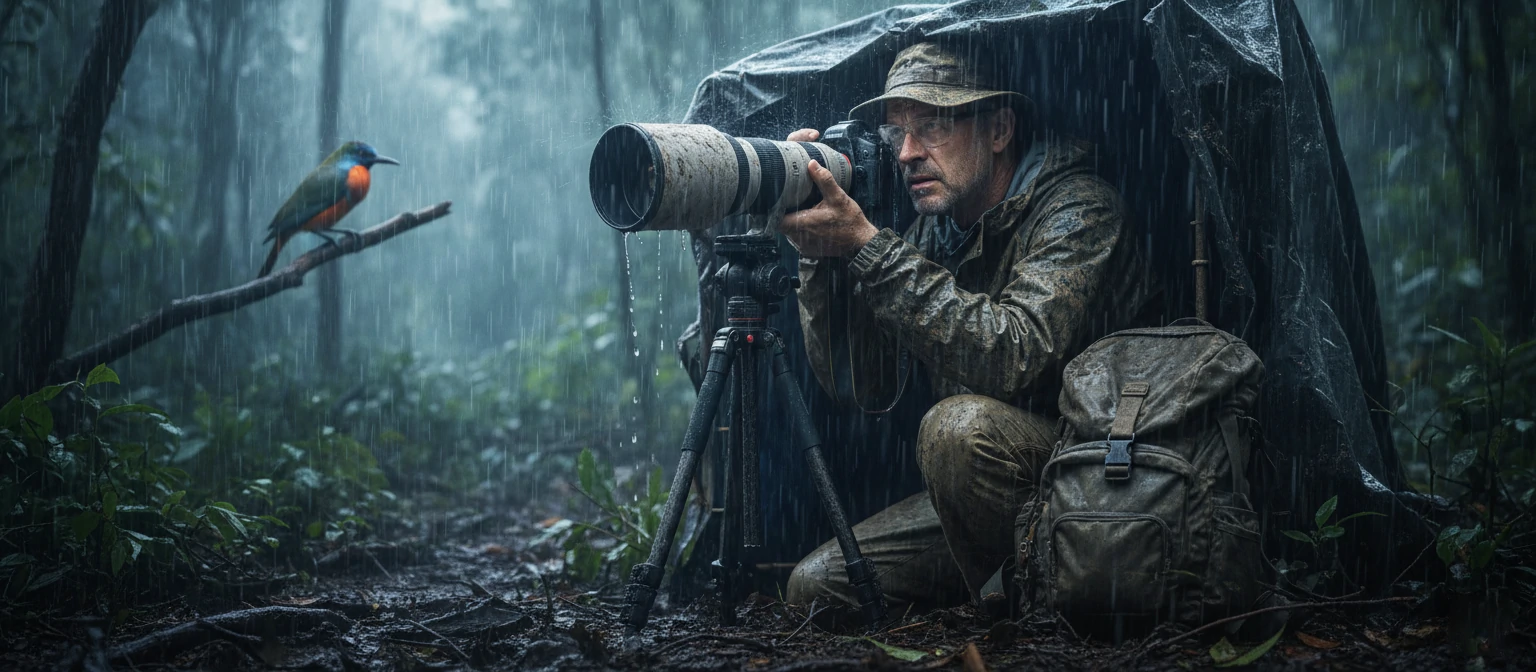
The Problem: Weather shifts, venue changes at the last second, timing goes sideways. Mother Nature doesn’t care about your shot list, and neither does the event coordinator who just moved everything indoors.
The Solution: Always have Plan B, C, and D in your back pocket. Scout locations ahead of time, carry portable lighting that can rescue any room, and invest in weather-sealed gear. The pros who thrive aren’t the ones with perfect conditions — they’re the ones who adapt fastest.
3. Difficult or Camera-Shy Subjects
The Problem: Some people freeze up, get nervous, or are downright hostile toward the camera. Others are impatient and give you exactly 90 seconds before they’re out the door. It’s not personal — but it’s still your problem to solve.
The Solution: People skills are half the job. Start with small talk, make them laugh, let them forget the camera exists. Lean on candid shots when posed feels forced. Pre-set your lighting so you’re not fiddling with gear while they lose patience. And when all else fails, a longer lens gives you distance while still capturing intimacy.
4. Budget Limitations
The Problem: Editorial rates can be lower than commercial work, and top-tier equipment doesn’t come cheap. You’re trying to deliver magazine-quality work on a blog-post budget.
The Solution: Here’s the truth — creativity beats gear every single time. Master natural light so you’re not dependent on expensive studio setups. Rent specialty equipment instead of buying. And strategically mix editorial work with commercial projects to keep the lights on while you build your editorial portfolio.
5. Legal & Ethical Considerations
The Problem: Model releases, privacy laws, and ethical boundaries create a minefield for editorial photographers. One misstep can mean lawsuits, damaged reputations, or worse.
The Solution: Educate yourself continuously on media law. Carry model releases — both digital and physical copies. Understand editorial use exemptions (they’re your friend). And above all, never manipulate editorial images in ways that misrepresent the truth. Your integrity is your most valuable asset.
🔥 Emergency Preparedness Kit
Trust me on this one — pack these eight items and you’ll never be caught off guard:
Chapter 5
The Business of Editorial Photography
Let me be real with you — talent behind the lens means nothing if you can’t run the business side. This chapter is about turning your passion into a sustainable career.
💲 Pricing Your Work
Here’s the thing nobody tells you in photography school: knowing your numbers is just as important as knowing your f-stops. Editorial day rates typically range from $500 to $2,500+, depending on the publication, scope, and your experience level.
Entry Level
$500–$800
per day
Mid-Career
$1,000–$1,800
per day
Established Pro
$2,000–$2,500+
per day
Beyond day rates, you need to understand licensing fees and usage rights. A photo used on a magazine cover has more value than one buried on page 47. Price accordingly — and always, always put it in writing.
💡 Pro Tip
Never quote a price on the spot. Ask about the scope, usage, and timeline first. Then send a written estimate within 24 hours. It shows professionalism and gives you time to price the job properly. Remember — licensing fees for a national magazine cover should be significantly higher than a quarter-page interior image.
📋 Contracts & Invoicing
No contract, no shoot. Period. Every assignment needs a written agreement covering deliverables, timelines, usage rights, kill fees, and payment terms. Trust me — the one time you skip this step is the one time it burns you.
Invoice promptly (Net 30 is standard), use professional invoicing software, and don’t be shy about following up on late payments. You’re running a business, not a charity.
📝
Scope of Work
Define deliverables clearly
💳
Usage Rights
Specify where & how long
💵
Kill Fee
50% if project is canceled
📅
Payment Terms
Net 30, 50% deposit upfront
🤝 Building Client Relationships
The best assignment you’ll ever get is the second one from the same editor. Deliver on time, exceed expectations, and be a pleasure to work with. Repeat business is the backbone of a freelance career.
📈 Managing Finances as a Freelancer
Set aside 25–30% of every payment for taxes. Keep personal and business accounts separate. Track every expense — from memory cards to mileage. And build an emergency fund covering at least three months of expenses.
🛡️ Insurance Considerations
Don’t skip this. Equipment insurance, liability insurance, and errors & omissions coverage are non-negotiable for working professionals. One dropped camera body or one slip-and-fall at a shoot location can wipe out months of earnings.
Chapter 6
Digital Workflow & Post-Processing
Your work doesn’t end when you press the shutter. A bulletproof digital workflow is what separates weekend warriors from publishing professionals.
📸 RAW vs. JPEG for Editorial
Let me settle this once and for all: shoot RAW. Always. JPEG is a finished product — RAW is a negative with infinite possibility. You retain full control over white balance, exposure recovery, and color grading. The larger files are worth it when an editor asks you to “make it warmer” or “pull out the shadow detail” at the last minute.
The only exception? Breaking news situations where transmission speed is critical. In those cases, shoot RAW+JPEG so you can fire off the JPEG immediately while keeping the RAW for archival quality.
✓ RAW Advantages
- • Full exposure recovery (2–3 stops)
- • Non-destructive white balance
- • 14-bit color depth
- • Maximum editing flexibility
- • Archival quality master files
✗ JPEG Limitations
- • Lossy compression artifacts
- • Baked-in white balance
- • 8-bit color (only 256 levels)
- • Limited shadow/highlight recovery
- • Quality degrades with each save
🎨 Lightroom Workflow Steps
Import & Organize: Use a consistent folder structure (Year > Month > Project) and apply keywords on import.
Cull & Rate: First pass — flag picks and rejects. Second pass — star-rate your selects. Be ruthless.
Global Adjustments: Exposure, white balance, contrast, and tone curve. Apply presets for consistency.
Local Edits: Dodging, burning, gradients, and spot removal. Keep it subtle — editorial, not fantasy.
Export & Deliver: Match the publication’s specs — resolution, color space, file format, and naming convention.
🌈 Color Grading for Editorial Consistency
Editors love consistency. When your images sit side by side on a spread, they need to feel unified. Develop signature presets and color profiles, but always fine-tune per image. A great editorial color grade feels invisible — it enhances the story without screaming “look at my editing.”
📁 File Naming & Organization
Use a consistent naming convention: YYYYMMDD_ClientName_ProjectName_0001.ext. It sounds boring, but when you’re searching for a specific image three years from now, you’ll thank yourself.
💾 Backup Strategies: The 3-2-1 Rule
Three copies of everything, on two different types of media, with one stored off-site (or in the cloud). No exceptions. Hard drives fail. It’s not a matter of if — it’s when.
📤 Delivery Formats for Publications
Print typically needs TIFF or high-quality JPEG in Adobe RGB at 300 DPI. Web wants sRGB JPEG optimized for fast loading. Always ask your editor before delivering — assumptions are the enemy of professionalism.
Chapter 7
Building Your Online Presence
In today’s editorial world, your online presence is your business card, your portfolio, and your pitch meeting all rolled into one. Here’s how to make it work for you.
🌐 Portfolio Website Essentials
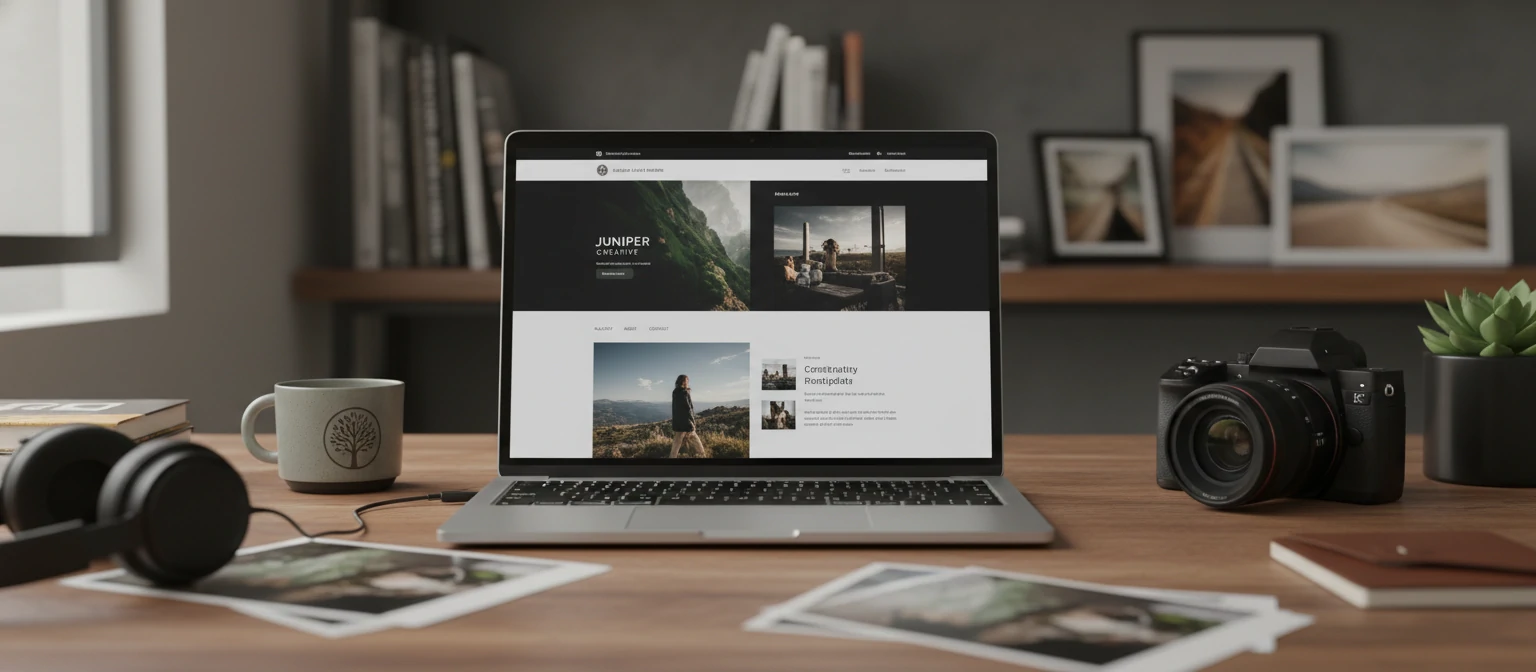
Your portfolio site is the single most important marketing tool you own. Keep it clean, fast-loading, and laser-focused on your best work. Here’s what every editorial photographer’s site needs:
- ✓ Curated galleries organized by editorial category (portrait, documentary, lifestyle)
- ✓ A compelling “About” page with your story and client list
- ✓ Easy-to-find contact information — no treasure hunts
- ✓ Mobile-responsive design (editors browse on phones too)
- ✓ Fast load times — compress images without destroying quality
📷 Instagram Strategy for Photographers
Love it or hate it, Instagram is where editors discover new talent. But don’t treat it like a photo dump. Curate your feed like a mini-portfolio. Post consistently, use Stories and Reels to show behind-the-scenes process, and engage genuinely with the editorial community.
Pro tip: Tag publications you want to work with. Engage with their content. Make yourself visible before you ever send that cold email.
📅
Post Consistently
3–5 times per week
🎬
Use Reels & Stories
Behind-the-scenes content
💬
Engage Genuinely
Comment, don’t just like
🏷️
Tag Strategically
Publications & editors
🚀 Using Social Media to Attract Editors
Beyond Instagram, consider LinkedIn for connecting with photo editors and art directors directly. Twitter/X is excellent for news and documentary photographers. Share your published work, credit the publication, and build a reputation as someone who delivers.
🔍 SEO for Photographers
Optimize your portfolio site with relevant keywords: “editorial photographer [your city],” “magazine photographer,” “portrait photographer for publications.” Write alt text for every image. Blog about your editorial projects — Google rewards fresh, relevant content.
📧 Email Newsletters
Here’s an underrated strategy: build an email list of editors, art directors, and potential clients. Send a monthly or quarterly newsletter showcasing recent work, behind-the-scenes stories, and availability for assignments. It keeps you top-of-mind without being pushy.
“The camera is an instrument that teaches people how to see without a camera.”
— Dorothea Lange
Pioneering Documentary Photographer
Conclusion
Your Journey Starts Now
🌟 Key Takeaways
Every great editorial image tells a story. Technical perfection means nothing without emotional resonance.
Light, composition, and timing are your foundation. Build on them relentlessly.
Conditions change, plans collapse, subjects surprise you. The best photographers thrive in chaos.
Your network is your net worth. Nurture connections with editors, subjects, and fellow photographers.
The industry evolves constantly. Stay curious, take workshops, study the work of those you admire.
Contracts, invoicing, and financial planning aren’t optional — they’re the engine that keeps your art alive.
A streamlined digital workflow saves hours and ensures consistency across every assignment.
A strong online presence opens doors that cold calls never could. Invest in your portfolio and social strategy.
🏃 Your Next Steps
Practice Daily
Grab your camera and shoot every single day. Personal projects, street photography, still life — it all counts. The more frames you make, the sharper your eye becomes.
Build Your Network
Attend industry events, join photography organizations, and reach out to editors. Every meaningful connection is a potential assignment waiting to happen.
Find Your Niche
Generalists get work. Specialists get known. Find the editorial niche that lights your creative fire and become the go-to person for it.
Resources
Continue Your Learning
Online Education
- CreativeLive — Photography workshops
- MasterClass — Learn from legends
- Adobe Tutorials — Master the tools
Industry Publications
- PDN — Photo District News
- American Photo — Visual storytelling
- Communication Arts — Creative excellence
Portfolio Reviews
Submit your work for professional review at events like PhotoLucida, FotoFest, and Review Santa Fe. Direct feedback from editors and curators is invaluable for growth.