

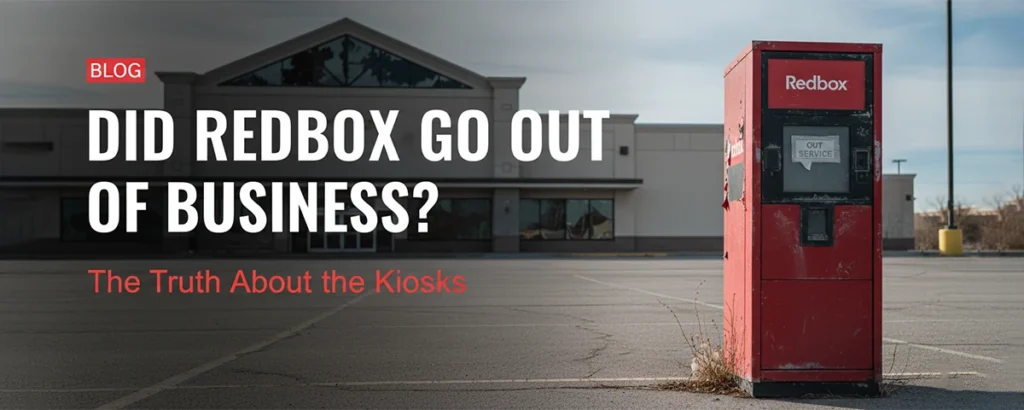
The complete story behind the fall of America’s beloved DVD rental kiosks, what went wrong, and what happens next.
Table of contents
- ⚡ Quick Answer
- 📋 Key Takeaways
- 1. Confirming the Closure
- 2. Rise of Redbox: How It All Started
- 3. The Golden Years: Peak Redbox
- 4. Signs of Trouble: The Slow Decline
- 5. The Chicken Soup Acquisition
- 6. The Bankruptcy Filing
- 7. Why Redbox Failed: Complete Analysis
- 8. Impact on Customers
- 9. The Future of Physical Media
- 10. Business Lessons from Redbox’s Fall
- ❓ Frequently Asked Questions
- The End of an Era
⚡ Quick Answer
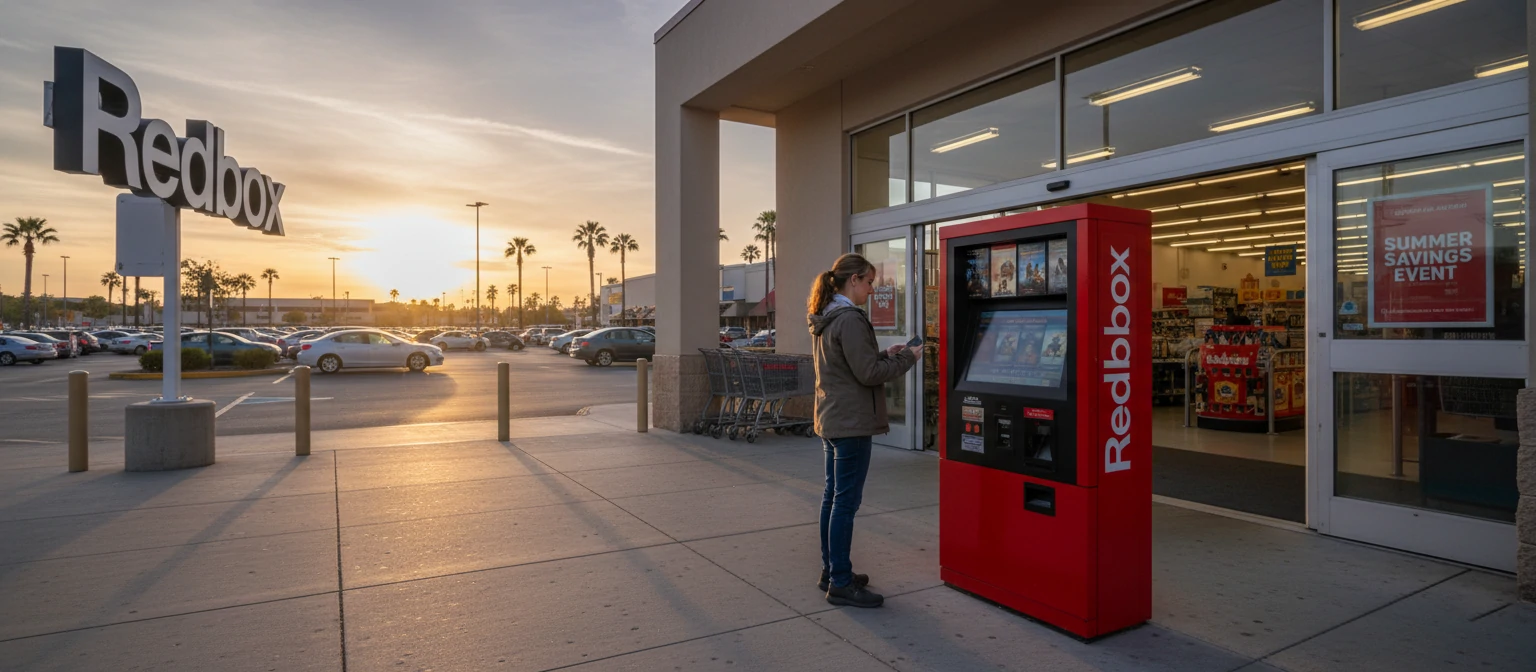
Yes, Redbox has effectively gone out of business. The company filed for Chapter 7 bankruptcy in July 2024 and began shutting down operations. Parent company Chicken Soup for the Soul Entertainment couldn’t sustain the business amid declining DVD rentals and massive debt. The iconic red kiosks are being removed from locations nationwide.
📋 Key Takeaways
- Redbox filed for Chapter 7 bankruptcy liquidation in July 2024 after years of declining revenue
- Parent company Chicken Soup for the Soul Entertainment faced over $970 million in debt
- At its peak in 2013, Redbox had over 51,000 kiosks; by closure, approximately 24,000 remained
- The streaming revolution and COVID-19 pandemic accelerated the company’s decline
- Remaining DVDs in kiosks and outstanding gift cards have limited to no redemption options
If you’ve walked past a grocery store, pharmacy, or gas station in America over the past two decades, you’ve almost certainly seen them—those bright red kiosks promising the latest movies for just a dollar or two a night. Redbox became as ubiquitous as ATMs, a symbol of affordable entertainment that outlasted video rental stores and seemed like it might stick around forever.
But forever came to an abrupt end in 2024. The company that once seemed like a brilliant solution to the video rental problem finally succumbed to the same forces that killed Blockbuster before it—just in slow motion. The difference is that Redbox saw streaming coming and still couldn’t escape its fate.
This is the complete story of what happened to Redbox, why it failed, and what it means for the millions of Americans who relied on those red kiosks for their movie nights. Whether you’re wondering what happened to your unreturned DVDs or just curious about another chapter in the streaming revolution, here’s everything you need to know.
1. Confirming the Closure
Yes, Redbox has gone out of business. On July 23, 2024, Chicken Soup for the Soul Entertainment—the parent company that acquired Redbox in 2022—filed for Chapter 7 bankruptcy. Unlike Chapter 11 bankruptcy, which allows companies to restructure and potentially continue operating, Chapter 7 means complete liquidation. The company is being dissolved, its assets sold off, and operations permanently ceased.

The shutdown wasn’t sudden—warning signs had been building for months. Employees reported not receiving paychecks, vendors weren’t being paid, and kiosks across the country began malfunctioning without repair. By the time the official bankruptcy filing came, many industry observers saw it as a formality confirming what was already obvious.
“It’s the end of an era for home entertainment. Redbox was the last major physical media rental option for millions of Americans who didn’t want to commit to streaming subscriptions.”
— Media Industry Analyst
The company’s kiosks are being systematically removed from locations nationwide. Some have already disappeared; others stand dark and non-functional. For a service that was once processing over 12 million rentals per week at its peak, the silence of those empty kiosk spaces marks a profound shift in American entertainment habits.
2. Rise of Redbox: How It All Started
The Redbox story begins in 2002 when McDonald’s, of all companies, was looking to diversify its offerings. The fast-food giant partnered with a company called Redbox Automated Retail to test DVD rental kiosks in select locations. The concept was simple but revolutionary: automated machines that could rent DVDs for $1 per night without the overhead of a full retail store.
The timing couldn’t have been better. Video rental stores like Blockbuster were at their peak but facing growing dissatisfaction from customers tired of late fees, limited selection, and inconvenient store hours. Redbox offered a compelling alternative—grab a DVD while picking up groceries, return it to any kiosk location, and pay just a fraction of traditional rental prices.
2002
First Kiosk Installed
$1
Original Rental Price
2009
Coinstar Acquisition
200+
DVDs Per Kiosk
In 2009, Coinstar (the company behind those coin-counting machines in grocery stores) acquired Redbox, seeing synergy in placing both services in retail locations. This acquisition provided the capital and infrastructure needed for massive expansion. Within just a few years, Redbox kiosks were everywhere—grocery stores, pharmacies, convenience stores, Walmarts, and McDonald’s locations across America.
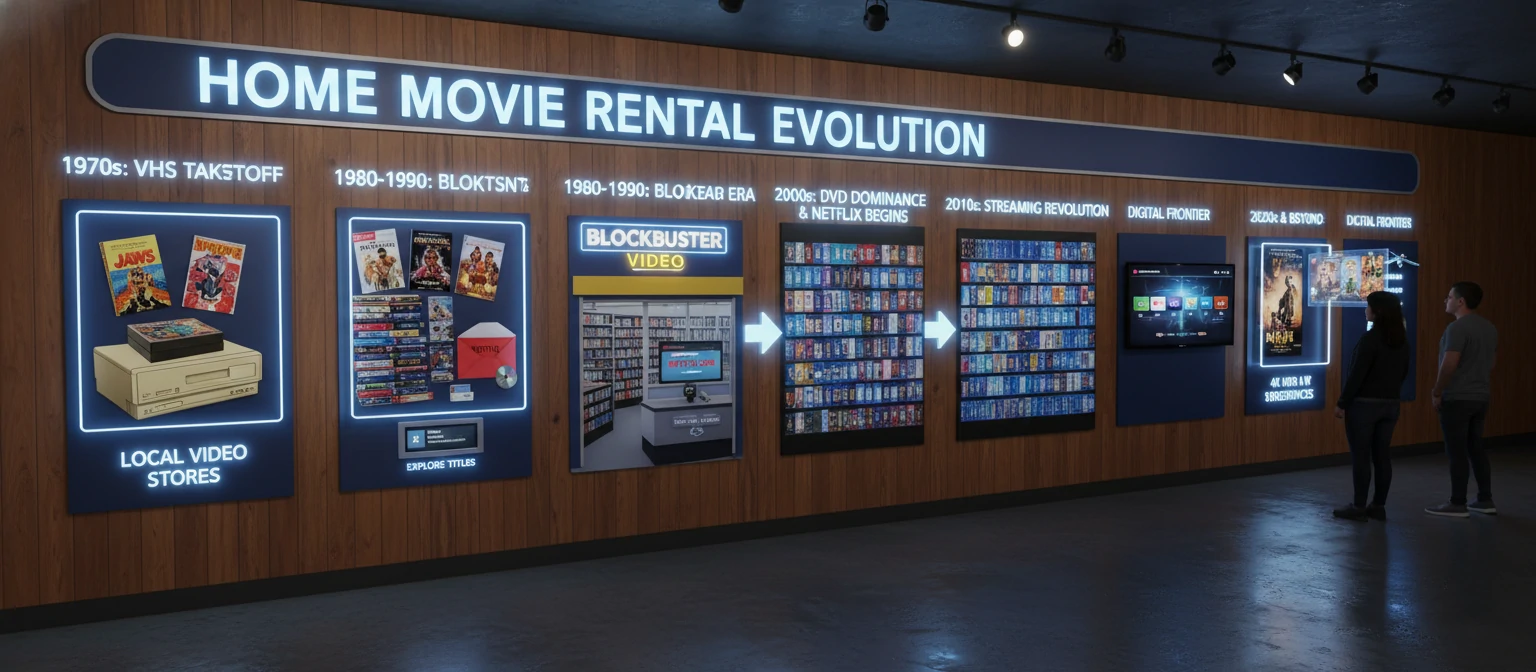
The business model was elegant in its simplicity. Each kiosk held approximately 200 DVDs (later adding Blu-rays and video games) and could be serviced by a single employee making regular rounds. The convenience factor was enormous—no membership required, no late fees in the traditional sense (just continued daily charges), and locations within minutes of most American homes.
3. The Golden Years: Peak Redbox
Redbox’s peak came around 2013-2014, representing one of the most successful physical retail concepts of the digital age. At its height, the company operated over 51,000 kiosks across the United States, processing more than 12 million rentals per week. The numbers were staggering for a company selling a physical product in an increasingly digital world.
📊 Redbox at Its Peak (2013-2014)
| Total Kiosks | 51,000+ |
| Weekly Rentals | 12+ million |
| Annual Revenue | $2+ billion |
| Retail Partners | 36,000+ locations |
| Market Share (DVD Rental) | ~50% |
The company had effectively killed Blockbuster, which filed for bankruptcy in 2010 and closed its remaining stores by 2014. Redbox had proven that physical media could survive in a convenient, low-cost format. For millions of families, Friday night meant stopping by the Redbox on the way home from work.
What made Redbox work during this period was its understanding of impulse entertainment. You didn’t need to plan ahead or commit to a subscription. See a movie advertised, swing by the kiosk, and you’re watching it that night. The $1-2 price point felt almost throwaway—less than a cup of coffee for a night’s entertainment.
💡 Why Redbox Worked (Initially)
- Convenience: Locations everywhere, no membership required
- Price: Dramatically cheaper than Blockbuster or buying DVDs
- No commitment: Rent one movie at a time, no subscription
- New releases: Same-day availability as retail DVD sales
- Impulse friendly: Perfect for last-minute entertainment decisions
4. Signs of Trouble: The Slow Decline
The warning signs started appearing around 2015, though the company remained profitable for several more years. Netflix had transformed from a DVD-by-mail service into the streaming giant we know today, and consumer habits were shifting faster than anyone anticipated. Why drive to a kiosk when you could scroll through thousands of titles on your couch?
Redbox tried to adapt. In 2017, the company launched its own streaming service called Redbox On Demand, attempting to capture customers migrating to digital. But competing against Netflix, Amazon Prime Video, Hulu, and eventually Disney+, HBO Max, and countless others proved impossible. The streaming market was already crowded and well-funded.
The COVID-19 Catalyst
The coronavirus pandemic in 2020 dealt a devastating blow. With people avoiding public spaces and retail stores, kiosk visits plummeted. Meanwhile, streaming subscriptions soared as locked-down families desperately sought entertainment. The pandemic accelerated digital adoption by years, and many customers who discovered the convenience of streaming never returned to physical rentals.
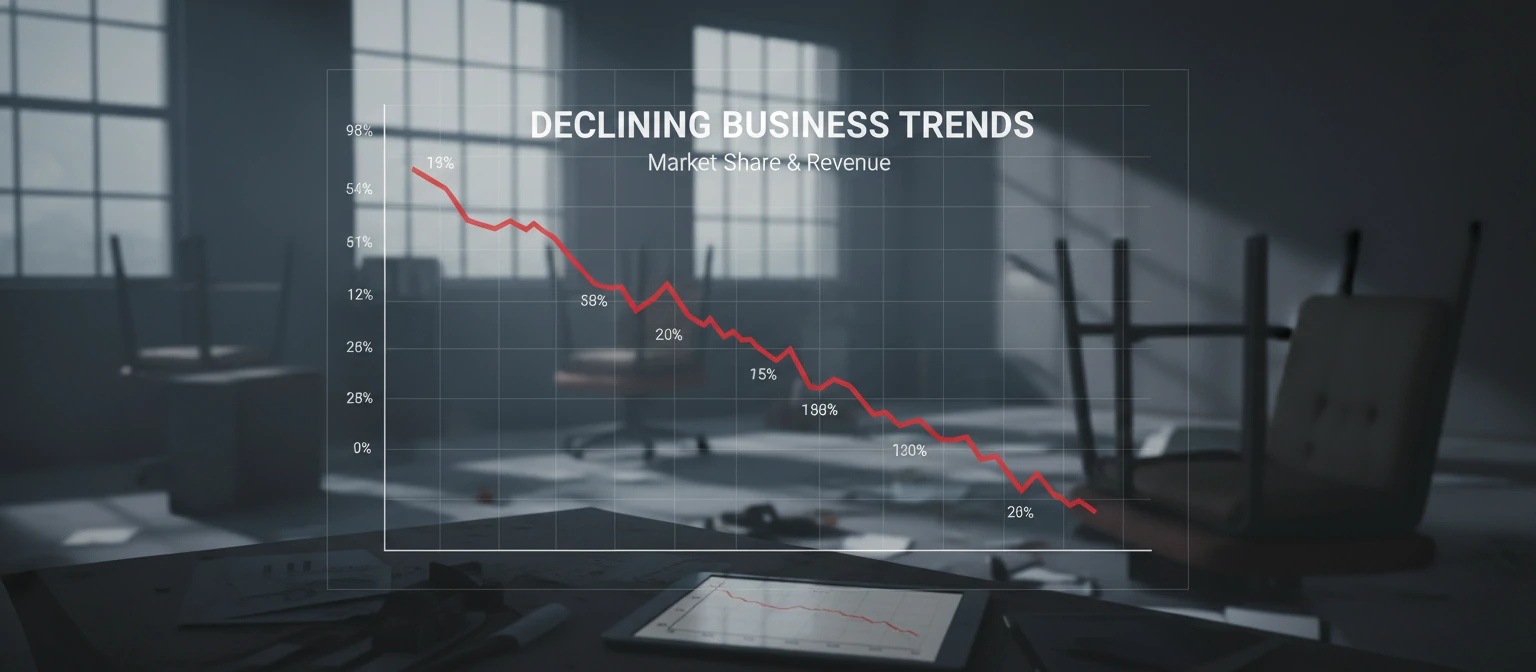
Kiosk Decline
From 51,000 kiosks at peak to roughly 24,000 by 2024—a loss of over 27,000 locations in a decade.
Revenue Collapse
Revenue dropped from $2+ billion at peak to a fraction of that amount, with losses mounting each quarter.
Content Challenges
Studios began prioritizing streaming releases over physical media, reducing new content available for kiosks.
5. The Chicken Soup Acquisition
In 2022, Chicken Soup for the Soul Entertainment acquired Redbox in a deal valued at approximately $375 million. Chicken Soup, known for its inspirational book series turned media company, saw an opportunity to combine Redbox’s customer base with its own streaming ambitions. The company operated Crackle and other ad-supported streaming services.
The acquisition was controversial from the start. Chicken Soup took on significant debt to complete the purchase, adding to Redbox’s already struggling balance sheet. The combined company faced an uphill battle: making physical rentals profitable while simultaneously building a competitive streaming platform against far better-funded rivals.
⚠️ Warning Signs After Acquisition
- Mounting debt exceeding $970 million
- Delayed payments to content providers and vendors
- Employee payroll issues and layoffs
- Kiosks falling into disrepair without servicing
- Multiple lawsuits from unpaid creditors
CEO Bill Rouhana attempted to present an optimistic vision, discussing plans to leverage Redbox’s 40+ million customer email database and integrate the kiosk network with streaming services. But the financial reality proved insurmountable. The company couldn’t generate enough revenue to service its debt while also investing in the technology and content needed to compete.

6. The Bankruptcy Filing
On July 23, 2024, the inevitable finally happened. Chicken Soup for the Soul Entertainment filed for Chapter 7 bankruptcy protection, signaling not just restructuring but complete liquidation. The filing listed debts between $500 million and $1 billion, with assets significantly less than what was owed to creditors.
📋 Bankruptcy Filing Details
| Filing Date | July 23, 2024 |
| Bankruptcy Type | Chapter 7 (Liquidation) |
| Estimated Debt | $500M - $1B |
| Remaining Kiosks | ~24,000 |
| Employee Impact | 1,000+ job losses |
The bankruptcy filing revealed the depth of the company’s financial troubles. Employees had gone weeks without paychecks. Vendors were owed millions for DVDs and services. Retail partners who hosted kiosks weren’t receiving their revenue share. The entire operation had essentially been running on fumes.
Following the filing, kiosks began going dark across the country. Some were quickly removed by landlords eager to reclaim floor space. Others stood abandoned, screens blank, a strange monument to changing entertainment habits. The Redbox app and website became non-functional, leaving customers unable to access accounts or redeem remaining balances.
“The closure of Redbox marks the end of the physical rental era in America. What started with neighborhood video stores and evolved through Blockbuster and Redbox has now fully transitioned to streaming.”
— Entertainment Industry Historian
7. Why Redbox Failed: Complete Analysis
Redbox’s failure wasn’t caused by a single factor but rather a perfect storm of industry changes, strategic missteps, and timing. Understanding what went wrong offers valuable lessons about business adaptation in rapidly changing markets.
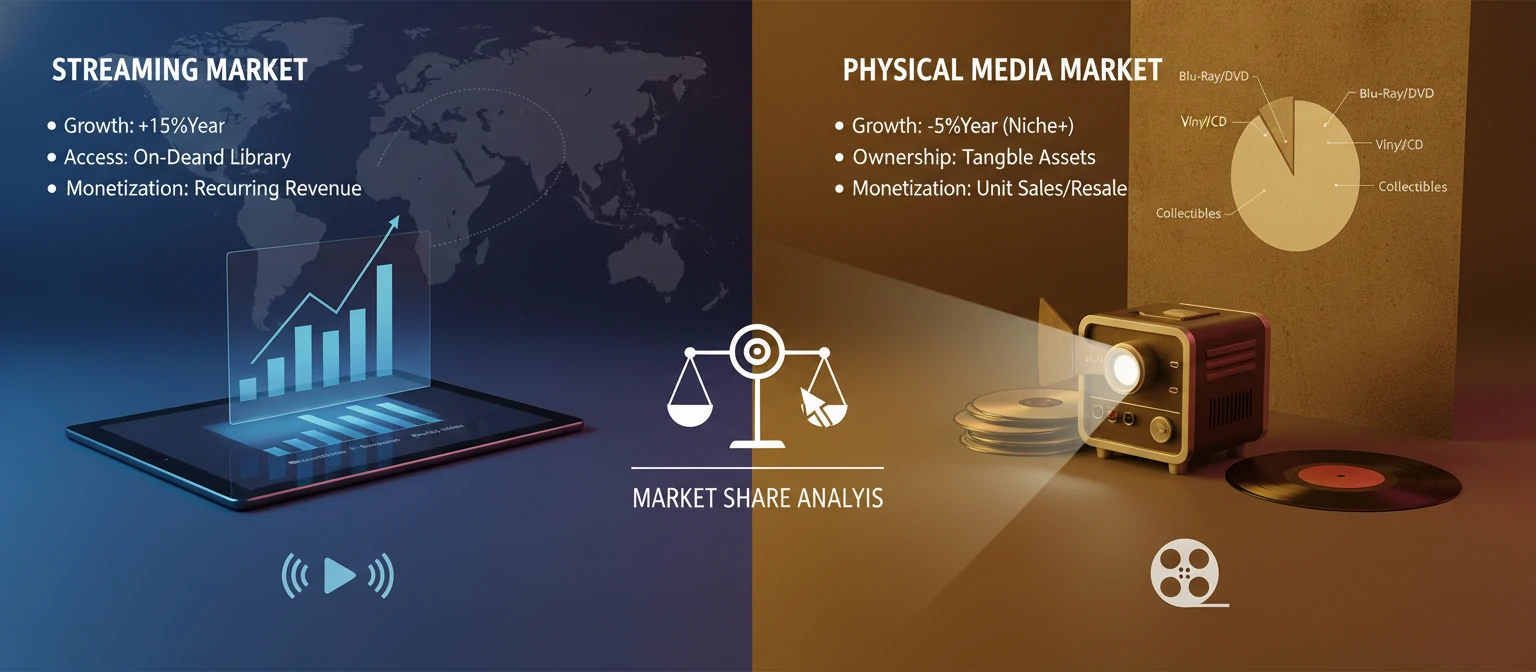
Streaming Revolution
Netflix, Amazon, Disney+, and others made physical media inconvenient by comparison. Why leave home when thousands of titles are one click away?
COVID-19 Impact
The pandemic accelerated streaming adoption by years while devastating kiosk traffic. Many customers who discovered streaming convenience never returned.
Debt Burden
The Chicken Soup acquisition loaded the company with unsustainable debt. Revenue couldn’t cover interest payments, let alone investment in growth.
Studio Changes
Hollywood studios increasingly prioritized streaming releases over physical media, reducing the new content that drove kiosk visits.
Late to Streaming
Redbox’s streaming service launched too late and with too little investment to compete against established platforms with massive content libraries.
Changing Habits
Younger generations grew up streaming and never developed the habit of physical media. The core customer base aged without replacement.
8. Impact on Customers
The sudden shutdown left millions of Redbox customers in limbo. Those with unreturned DVDs, gift card balances, or loyalty points faced a confusing situation with few options for resolution. Here’s what happened and what customers can do.
❓ Common Customer Questions
What happens to DVDs I never returned?
You won’t be charged additional fees since the system is no longer operational. Technically, you now own those DVDs. Some people are keeping them as memorabilia of the Redbox era.
What about my gift card balance?
Unfortunately, gift card holders are considered unsecured creditors in bankruptcy. The likelihood of recovering this value is extremely low. Consider it lost.
Can I still access the Redbox streaming service?
No. The Redbox app and streaming service have been shut down entirely. Any digital purchases or rentals are inaccessible.
Will Redbox ever come back?
While the brand name could theoretically be purchased by another company, a return to physical kiosk operations is highly unlikely given market conditions.
For those who had credit cards on file with Redbox, it’s advisable to monitor statements for any unauthorized charges and consider updating card information if concerned. The chaotic nature of the shutdown raised concerns about data security, though no major breaches have been reported.
✅ What You Can Do Now
- Keep any unreturned DVDs—they’re yours now
- Write off gift card balances as a loss
- Monitor credit card statements for unusual activity
- Explore streaming alternatives for movie entertainment
- Check your local library for free DVD rentals
9. The Future of Physical Media
Redbox’s closure raises broader questions about the future of physical media. DVDs and Blu-rays continue to be sold, but the rental market has essentially vanished. What does this mean for consumers who prefer physical copies or lack reliable internet for streaming?
Physical media isn’t completely dead, but it’s becoming a niche product. Collectors still purchase Blu-rays and 4K discs for superior quality and bonus features. Some consumers in rural areas with poor internet depend on physical media. Libraries continue to circulate DVDs as a free alternative to paid streaming services.
Alternatives to Redbox
📚 Public Libraries
Free DVD and Blu-ray rentals with a library card. Many also offer digital streaming through apps like Kanopy or Hoopla.
📺 Streaming Services
Netflix, Amazon Prime, Disney+, Max, and others offer vast libraries. Free options include Tubi, Pluto TV, and Freevee.
🛒 Retail Purchase
Walmart, Target, and Best Buy still sell DVDs and Blu-rays, often at budget prices for older titles.
💿 Netflix DVD
Netflix’s DVD-by-mail service also ended in 2023, but some may find remaining inventory at thrift stores.
The death of rental options does highlight a concerning aspect of streaming: you don’t own anything. When services remove content or go out of business, your access disappears. Physical media, for all its inconveniences, provides permanent ownership—a value some consumers are rediscovering.
10. Business Lessons from Redbox’s Fall
Redbox’s story offers valuable lessons for businesses navigating technological disruption. The company did many things right—it just couldn’t outrun the fundamental shift in how people consume media.
📖 Key Business Lessons
1. Disruption Can Come From Anywhere
Redbox disrupted Blockbuster, then was disrupted by streaming. No business model is permanent. The disruptor can become the disrupted remarkably quickly.
2. Convenience Is King
Redbox won against video stores by being more convenient. It lost to streaming for the same reason. Customers will always gravitate toward the easiest option.
3. Pivoting Too Late Is Pivoting Too Little
Redbox’s streaming service launched when the market was already crowded. Early movers in technology transitions have enormous advantages.
4. Debt Can Kill Growth
The Chicken Soup acquisition’s debt burden eliminated any ability to invest in transformation. Financial flexibility is crucial during industry transitions.
5. Hardware Businesses Face Unique Challenges
Physical infrastructure (kiosks) created operational overhead that software-based competitors didn’t face. The economics fundamentally favored streaming.
“Redbox’s story is a reminder that innovation is continuous. The company that disrupts an industry today may be disrupted tomorrow. Adaptability isn’t optional—it’s survival.”
— Business Strategy Professor
❓ Frequently Asked Questions
Is Redbox completely gone?
Yes. The company filed for Chapter 7 bankruptcy (liquidation) in July 2024. Kiosks are being removed, and all services including streaming have been discontinued.
What happened to the DVDs inside the kiosks?
The DVDs are being sold off as part of the liquidation process. Some have appeared at liquidation sales, thrift stores, and online marketplaces.
Can I buy a Redbox kiosk?
Some kiosks have been sold at liquidation auctions. However, without the software infrastructure, they’re essentially non-functional vending machines.
Will someone buy and restart Redbox?
While the brand name could be acquired, the physical kiosk rental model is unlikely to return. The economics simply don’t work in the streaming era.
Where can I rent DVDs now?
Public libraries remain the best free option for physical media. For paid options, digital rental through Amazon, Apple, or Vudu is available. Physical rental kiosks no longer exist at scale.
The End of an Era
Redbox’s closure marks the definitive end of the physical video rental era in America. From neighborhood video stores to Blockbuster superstores to those convenient red kiosks, the way we accessed movies has completely transformed in just a few decades.
For those who remember the ritual of browsing video store shelves or stopping by the Redbox on a Friday night, there’s genuine nostalgia in this loss. But the convenience of streaming that replaced it represents what consumers ultimately wanted. Redbox gave us affordable, convenient entertainment for two decades—and that’s a legacy worth remembering.
Michael Torres
Business & Technology Writer
Michael covers business transformations and technology disruption for major publications. With a background in business analysis and a passion for understanding why companies succeed or fail, he brings analytical depth to stories about industry change. He’s been following the home entertainment industry since the VHS era.