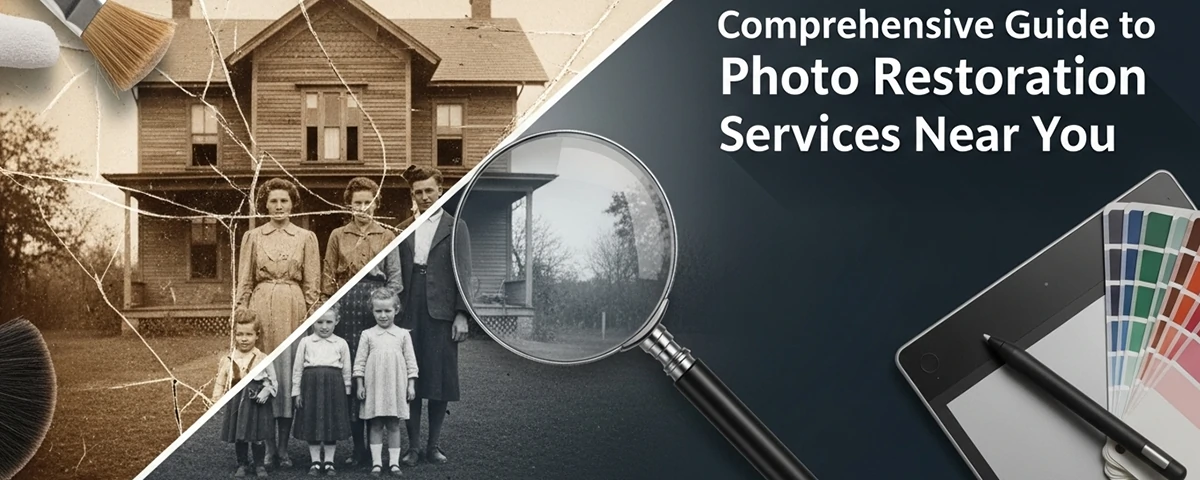
Your photographs hold stories of your past—precious moments captured in time that you want to preserve for yourself and future generations. Over time, even the most carefully preserved photographs can become damaged, faded, or deteriorated. This is where CVS photo restoration services come in, offering professional solutions to bring your damaged memories back to their former glory.
This comprehensive guide explores everything you need to know about CVS photo restoration services, including what they offer, how the process works, and how to get the best results from your restoration project. Whether you're looking to restore a single treasured family portrait or have an entire album of damaged photographs, understanding these services helps you make informed decisions.
What is CVS Photo Restoration?
CVS photo restoration refers to professional photo repair and restoration services available through CVS Pharmacy and similar retail photo services. These services use advanced digital technology and professional expertise to repair damaged photographs, restore faded colors, and reconstruct missing sections of images.
Faded Photo Revival
Restoring color and contrast to photographs that have lost their original vibrancy due to age, light exposure, or improper storage.
Damage Repair
Fixing tears, scratches, water damage, and other physical harm that has degraded the quality of your photographs.
Digital Enhancement
Improving overall image quality through color correction, sharpening, and removal of blemishes or imperfections.
Types of Damage CVS Services Can Fix
Understanding the types of photo damage that can be repaired helps you know what to expect from the restoration process. CVS photo restoration services address a wide range of issues, from minor imperfections to significant damage.
Common Issues Addressed
All Fixable
Professional photo restoration can address various forms of damage caused by time, accidents, and environmental factors. Each type of damage requires specific techniques to achieve optimal results.
- Faded colors and loss of contrast from prolonged light exposure
- Tears and rips from handling or accidents
- Scratches on the photo surface from improper cleaning or storage
- Water damage from flooding, humidity, or spills
- Mold and mildew growth due to improper storage conditions
- Stains from food, liquids, or environmental contaminants
The extent of repair possible depends on the original photo's condition and the quality of the source material. Professional restorers can work from original prints or high-resolution scans to achieve the best outcomes.
How the Restoration Process Works
Understanding the CVS photo restoration process helps you know what to expect and how to prepare your photos for the best possible results. The process involves several carefully executed steps.
Initial Assessment
Professional evaluation of your photo's condition to determine the best restoration approach and expected outcomes.
High-Resolution Scanning
Creating a detailed digital copy of your photo that allows precise manipulation while preserving the original.
Digital Restoration
Expert technicians carefully repair damage, rebuild missing sections, and correct colors using advanced software.
The final step delivers your restored photo in various formats, giving you both digital files and optionally printed copies of your rejuvenated memories.
CVS Photo Services Overview
CVS Pharmacy offers comprehensive photo services that extend beyond simple printing. Understanding the full range of available services helps you choose the right options for your needs.
Photo Printing
Digital prints from various sources in multiple sizes
Photo Books
Custom designed photo albums and books
Canvas Prints
Gallery-style canvas wraps of your photos
Photo Gifts
Mugs, ornaments, and custom merchandise
The photo restoration service specifically addresses damaged or aged photographs, bringing them back to life through professional digital restoration techniques. This service pairs well with creating new photo products from your restored images.
Many customers choose to restore old family photos and then create new prints, canvas wraps, or photo books to share with family members.
Who Uses Photo Restoration Services
Photo restoration services appeal to a wide range of customers, from individuals with family heirlooms to businesses with archival needs. Understanding who uses these services illustrates the diverse applications available.
Family Historians
Preserving family heritage by restoring old family photographs for current and future generations.
Estate Executors
Managing inherited photo collections and restoring damaged family archives from estates.
Wedding Photographers
Restoring vintage wedding photos for anniversary celebrations or re-wedding ceremonies.
Antique dealers and collectors also use restoration services to enhance the value and presentation of vintage photographs in their collections. Historical organizations rely on these services to preserve important visual records for education and display.
Anyone with damaged, faded, or deteriorating photographs can benefit from professional restoration, regardless of the photos' age or condition.
Understanding Pricing and Turnaround
CVS photo restoration pricing varies based on several factors. Understanding what influences cost helps you budget appropriately and compare options effectively.
The extent of damage significantly impacts price—minimal restoration on slightly faded photos costs less than extensive reconstruction on heavily damaged images. Photo size and resolution requirements also affect pricing, as larger or higher-resolution images require more detailed work.
Turnaround time depends on the complexity of work and the service provider's current workload. Standard service typically takes several days to a week, while rush services may be available for an additional fee when you need results quickly.
Pricing Factors
1
Damage Severity
Extent of repair needed
2
Photo Size
Resolution and dimensions
3
Turnaround
Rush service premiums
4
Quantity
Volume discounts available
Preparing Photos for Restoration
Proper preparation of your photos before sending them for restoration ensures the best possible results and protects your originals during handling and transport.
Safe Handling
Always handle old photographs by the edges to avoid transferring oils from your fingers. Place photos in protective envelopes or containers to prevent additional damage during transport.
Never attempt to clean damaged photos yourself—you may cause additional harm. Professional restorers have specialized techniques.
Documentation
Photograph or scan your photos before sending them to create a backup. Document any specific concerns or details you want emphasized in the restoration.
Provide context about the photo—dates, people, events—helps restorers understand the image's significance.
Shipping
Use insured, trackable shipping when sending originals. Many services offer secure pickup options for valuable items.
Consider keeping copies of extremely irreplaceable photos before sending them for restoration.
Discuss specific requirements with your service provider before sending photos. They can provide guidance on packaging and preparation specific to their process.
Ask about insurance options for high-value items, especially unique or historically significant photographs.
CVS vs Alternative Restoration Options
When considering photo restoration, you have multiple options beyond CVS. Understanding the pros and cons of different providers helps you make the best choice for your specific needs.
CVS offers the convenience of walk-in service and integration with their other photo products. However, specialized photo restoration services may offer more advanced capabilities for heavily damaged photographs. Online restoration services provide accessibility and often competitive pricing.
Local photo labs and professional photographers who offer restoration services can provide personalized attention and potentially better results for complex projects. However, they may have higher prices and longer turnaround times.
Provider Comparison
CVS: Convenient, integrated services, moderate pricing
Online: Competitive pricing, wide availability
Specialists: Advanced capabilities, expertise
Local Labs: Personalized service, quality focus
CVS Photo Services Overview
CVS Pharmacy offers comprehensive photo services that extend beyond simple printing. Understanding the full range of available services helps you choose the right options for your needs.
Photo Printing
Digital prints from various sources in multiple sizes
Photo Books
Custom designed photo albums and books
Canvas Prints
Gallery-style canvas wraps of your photos
Photo Gifts
Mugs, ornaments, and custom merchandise
The photo restoration service specifically addresses damaged or aged photographs, bringing them back to life through professional digital restoration techniques. This service pairs well with creating new photo products from your restored images.
Many customers choose to restore old family photos and then create new prints, canvas wraps, or photo books to share with family members.
Common Photo Damage Types and Solutions
Understanding the specific types of damage your photos have suffered helps restoration professionals determine the best approach for repair. Each damage type requires specialized techniques to achieve optimal results.
Fading and Discoloration
Over time, exposure to light causes photographs to lose their original color saturation and contrast. This is particularly common in photos that were displayed in sunny locations.
Professional restoration uses color matching algorithms and exposure adjustments to rebuild the original vibrancy while maintaining natural appearance.
Tears and Rips
Physical damage from handling, accidents, or improper storage can leave photographs torn or separated. The severity ranges from small edge tears to complete separations.
Digital restoration can carefully rejoin torn sections, remove evidence of damage, and reconstruct missing pieces based on surrounding image information.
Water Damage
Floods, spills, or high humidity can cause photos to become warped, stick together, or develop water stains. Mold growth is also common in water-damaged photographs.
Professional restorers can often recover images from water-damaged prints by carefully scanning and using specialized software to address water stains, warping, and mold damage.
Scratches, creases, and surface damage from improper cleaning are also common issues that professional restoration can address. The key to successful restoration is addressing damage promptly—the longer you wait, the worse damage can become.
The Science Behind Photo Restoration
Modern photo restoration combines artistic skill with advanced digital technology. Understanding the science behind the process helps you appreciate what professional restorers can achieve with your damaged photographs.
Digital Scanning
High-resolution scanners capture every detail of your photo at resolutions exceeding 600 DPI. This creates a digital master that preserves all available image information.
Color Correction
Software analyzes color channels to identify fading and adjust levels. Technicians manually fine-tune results to ensure colors appear natural and historically accurate.
Structural Repair
Damaged areas are carefully reconstructed using surrounding pixel information. Complex algorithms help blend repaired sections seamlessly into the original image.
The restoration process preserves the authenticity of the original image while improving its condition. Professional restorers balance enhancement with maintaining the historical integrity of your photographs.
Caring for Restored Photos
Once your photos have been professionally restored, proper storage and display ensures your restored memories remain beautiful for years to come.
Storage
Store photos in acid-free albums or archival boxes away from direct sunlight, extreme temperatures, and high humidity. Avoid plastic sleeves that can trap moisture.
Display
Use UV-protective glass or acrylic when framing for display. Keep framed photos away from windows and direct light sources that can cause fading.
Digital Backup
Keep multiple backups of your restored digital files on different storage devices or cloud services to protect against data loss.
Consider creating a digital archive of all your restored photos. This ensures your memories survive even if physical copies are lost to future disasters or accidents.
Share restored photos with family members—digital copies can be easily distributed to multiple people, ensuring your family history is preserved across generations.
Benefits of CVS Photo Restoration
Professional photo restoration offers numerous benefits beyond simply fixing damaged images. These services preserve family history, recover irreplaceable memories, and create lasting legacies.
Restored photos make meaningful gifts for family members, especially for milestone occasions like anniversaries, birthdays, or family reunions. A restored vintage wedding photo becomes a treasured heirloom that connects generations.
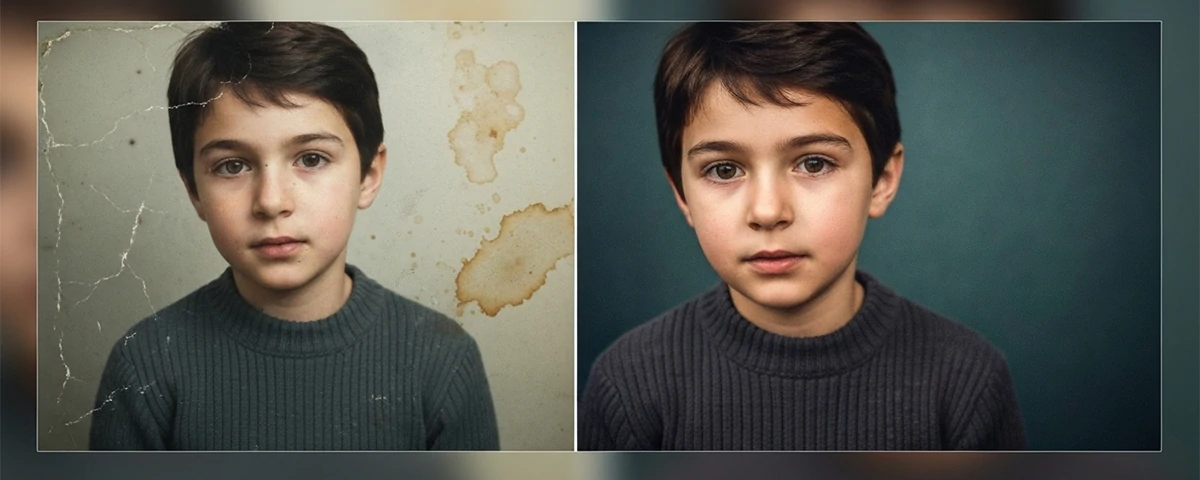
Professional restoration often reveals details invisible in damaged originals—faces become clearer, backgrounds emerge, and entire scenes that seemed lost are recovered. The transformation can be remarkable.
Key Benefits
Preserve History - Save family heritage for future generations
Recover Lost Memories - Restore images thought beyond saving
Create Heirlooms - Develop treasured family artifacts
Emotional Value - Reconnect with lost family members
Advanced Restoration Techniques
Professional photo restoration employs sophisticated techniques beyond basic editing. Understanding these methods helps you appreciate the complexity involved in bringing damaged photos back to life.
Layer Masking
Technicians use layer masks to isolate and treat damaged areas without affecting the rest of the image. This allows precise control over which parts of the photo receive adjustment.
Frequency Separation
This technique separates color and texture information, allowing restorers to fix damage on one layer without degrading the other. It's particularly useful for addressing surface scratches.
Content-Aware Fill
Advanced software analyzes surrounding pixels to intelligently fill in missing or damaged sections. The algorithm matches patterns and colors to create seamless repairs.
Manual cloning and brush techniques remain essential for complex repairs. Skilled technicians combine automated tools with artistic judgment to achieve the most natural-looking results.
Preserving Family Legacy Through Restoration
Family photographs are more than just images—they are tangible connections to our heritage and identity. Restoring damaged photos preserves these connections for yourself and future generations.
Many people have inherited boxes of old photographs from parents, grandparents, or great-grandparents. These images often show family members they never met, places that no longer exist, and moments frozen in time that would otherwise be lost forever.
When you restore these photographs, you're not just repairing paper and fixing colors—you're reconnecting with your family history. A restored photo of great-grandparents on their wedding day becomes a powerful family treasure that can be shared with children and grandchildren.
Why Restoration Matters
Identity - Understand where you come from
Connection - Feel close to lost relatives
Heritage - Preserve family stories
Legacy - Pass history to descendants
Professional photo restoration offers numerous benefits beyond simply fixing damaged images. These services preserve family history, recover irreplaceable memories, and create lasting legacies.
Restored photos make meaningful gifts for family members, especially for milestone occasions like anniversaries, birthdays, or family reunions. A restored vintage wedding photo becomes a treasured heirloom that connects generations.
Professional restoration often reveals details invisible in damaged originals—faces become clearer, backgrounds emerge, and entire scenes that seemed lost are recovered. The transformation can be remarkable.
Key Benefits
Preserve History - Save family heritage for future generations
Recover Lost Memories - Restore images thought beyond saving
Create Heirlooms - Develop treasured family artifacts
Emotional Value - Reconnect with lost family members
FAQ: CVS Photo Restoration
How long does CVS photo restoration take?
Turnaround time depends on the extent of restoration needed and current service volume. Simple repairs may take 3-5 days, while extensive restoration can take 1-2 weeks. In-store pickup typically offers the fastest turnaround.
What types of photos can be restored?
CVS restoration services can handle most standard photo types including prints, black and white images, and color photographs. The extent of possible restoration depends on the original photo's condition and whether we have sufficient image information to work with.
What file formats will I receive?
Most services provide high-resolution digital files in common formats like JPEG or PNG. You can request specific formats for different uses. Print-ready files at 300 DPI are standard for those wanting physical copies.
Is my original photo safe?
Professional services take great care with originals. Technicians typically work from high-resolution scans while preserving your original undamaged. Ask about handling procedures and return policies when you use the service.
Choosing the Right Photos for Restoration
Not all photos need restoration, and choosing which ones to restore requires thoughtful consideration. Prioritizing helps ensure you get the most value from restoration services.
Historical Significance
Photos depicting important family events, historical moments, or rare family members should take priority. These images carry irreplaceable historical value.
Sentimental Value
Images featuring loved ones, particularly those who have passed away, hold immense emotional importance. Restoring these photos preserves connections to family members.
Physical Condition
Photos with moderate damage respond better to restoration than severely degraded images. Assess whether the original contains enough detail for meaningful restoration.
Consider creating a restoration plan that addresses your most important photos first. This approach ensures your most precious memories receive attention before any budget or time constraints become issues.
Timeline of Photo Deterioration
Understanding how photographs deteriorate over time helps you assess the urgency of restoration and take preventive measures for undamaged photos in your collection.
0-10 Years
Minor fading may begin, especially in bright environments. Colors remain largely intact with proper storage.
10-30 Years
Noticeable color shifts and fading become apparent. Surface damage from handling may appear.
30-50 Years
Significant deterioration visible. Fading, yellowing, and physical damage often require professional restoration.
50+ Years
Severe damage common. Restoration becomes critical to preserve remaining image information.
Acting quickly to restore aging photographs prevents further deterioration. The sooner you address damage, the better the restoration results will be.
Common Mistakes to Avoid
Many people unintentionally cause additional damage to their old photographs when attempting to clean or repair them. Avoiding these common mistakes protects your images.
Using Harsh Cleaners
Household cleaners, alcohol, and abrasive materials can damage photo surfaces. Never use these on old photographs—professional cleaning is safer.
Peeling Stuck Photos
Forcefully separating photos that have stuck together often tears the image. Soak in clean water and let them separate naturally.
Ironing Out Creases
Applying heat to creased photos can melt the image layer or cause additional damage. Leave flattening to professionals.
When in doubt, consult a professional photo restorer before attempting any DIY repairs. The risk of causing irreversible damage is simply not worth the potential savings.
Maximizing Your Restoration Investment
Getting the most from your photo restoration investment involves strategic planning and proper follow-up care for restored images.
Batch Work - Restore multiple photos together for better value
Digital Copies - Keep backups in multiple locations
Quality Prints - Order archival-quality prints for display
Share Widely - Distribute copies to family members
More useful paths
Use these paths to continue with the closest practical topic, service, or decision guide.
Was this article helpful?
Pro Pixel Agency
Want this done for you? Try our image editing free.
Send a sample, get the finished result back, and only then decide. Clear prices, no commitment.