
This knowledge-based, visitor-centric guide explains what professional corporate reputation management delivers—from strategic planning and stakeholder engagement through crisis response, media relations, and long-term brand building—so you can protect your enterprise, build stakeholder trust, and drive business value.
Table of contents
- What Corporate Reputation Management Is
- Why Corporate Reputation Matters
- Key Stakeholder Groups
- Strategy and Planning: Build Your Foundation
- Monitoring and Listening: Know What’s Being Said
- Media Relations: Shape the Narrative
- Investor Relations: Build Confidence
- Employee Advocacy: Your Best Ambassadors
- Crisis Management: Respond and Recover
- Content Strategy: Tell Your Story
- Thought Leadership: Establish Authority
- Team Composition: Who Manages Corporate Reputation
- Delivery Models and Engagement
- Pricing and ROI
- How to Choose a Corporate Reputation Management Vendor
- Corporate Reputation Playbooks
- KPIs and Governance: Measure Success
- Mini Case Studies
- FAQ
- Downloadable Checklist: Corporate Reputation Readiness
- Corporate Reputation as Strategic Asset

What Corporate Reputation Management Is
Corporate reputation management is the strategic practice of building, protecting, and enhancing how your enterprise is perceived by stakeholders—including customers, investors, employees, regulators, media, and the public. It encompasses monitoring perceptions, managing communications, responding to crises, and building positive brand presence. A mature reputation strategy aligns internal culture with external messaging and protects enterprise value.
- Monitor stakeholder perceptions and sentiment
- Manage media relations and press coverage
- Engage with investors and analysts
- Build employee advocacy and engagement
- Handle crisis situations and PR emergencies
- Build thought leadership and authority
- Manage regulatory and compliance communications
- Recover from reputation damage

Why Corporate Reputation Matters
Corporate reputation directly impacts business performance, valuation, and stakeholder relationships. It’s a strategic asset that requires active management.
Strong reputation can add 10–20% to enterprise value
Top talent chooses companies with strong reputations
Reputation influences purchasing decisions and loyalty
Reputation affects stock price and capital access
Reputation influences regulatory treatment
Key Stakeholder Groups
Corporate reputation management requires engaging multiple stakeholder groups with tailored messaging:
- Investors and analysts: Financial performance, strategy, governance
- Employees: Culture, values, career development
- Customers: Quality, service, values alignment
- Media: News, stories, thought leadership
- Regulators: Compliance, governance, transparency
- Communities: Social responsibility, environmental impact
Strategy and Planning: Build Your Foundation
A strong reputation strategy starts with clear goals, stakeholder analysis, and messaging framework.
- Define reputation goals and success metrics
- Audit current reputation and perceptions
- Identify key stakeholders and their priorities
- Develop core messaging and positioning
- Create stakeholder engagement plans
Monitoring and Listening: Know What’s Being Said
Comprehensive monitoring tracks perceptions across media, social, investor relations, and employee channels.
- Media monitoring and press coverage analysis
- Social media listening and sentiment analysis
- Investor sentiment and analyst reports
- Employee engagement surveys
- Crisis alert systems
- Competitive benchmarking
Media Relations: Shape the Narrative
Strong media relationships help shape how your company is covered and perceived.
- Build relationships with key journalists and outlets
- Develop and distribute press releases
- Arrange executive interviews and speaking opportunities
- Respond to media inquiries professionally
- Manage negative coverage and corrections
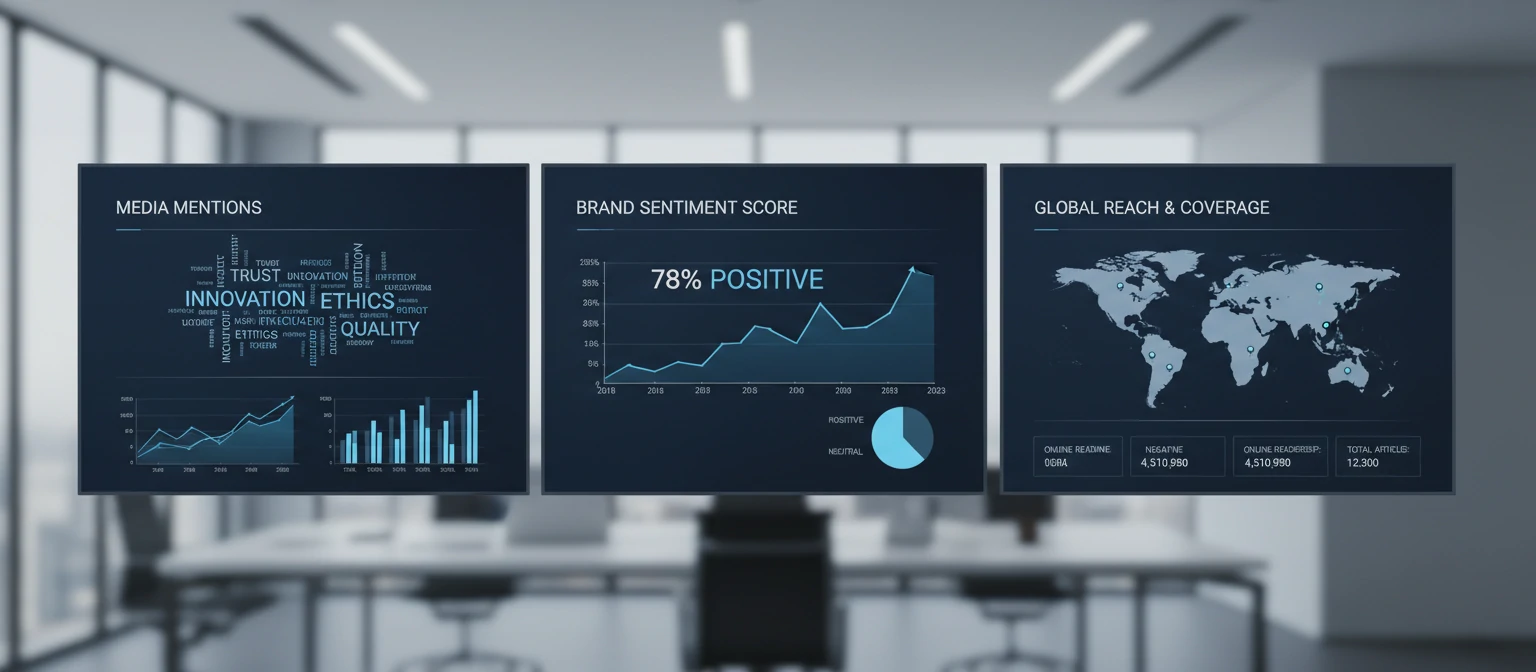
- Track media coverage and sentiment
Investor Relations: Build Confidence
Investor relations manages communications with shareholders, analysts, and the investment community.
- Earnings calls and investor presentations
- Annual reports and SEC filings
- Analyst relations and guidance
- Shareholder communications
- Investor conferences and roadshows
- ESG and sustainability reporting
Employee Advocacy: Your Best Ambassadors
Engaged employees are your most credible brand ambassadors. Employee advocacy programs amplify your message and build trust.
- Internal communications and transparency
- Employee engagement programs
- Social media advocacy training
- Recognition and rewards programs
- Leadership visibility and accessibility
- Culture and values alignment
Crisis Management: Respond and Recover
Crises happen. How you respond determines the outcome. A crisis response plan and trained team minimize damage.
- Crisis identification and escalation
- Rapid response protocols
- Messaging and communication strategy
- Stakeholder communication
- Media relations and press releases
- Recovery and reputation rebuilding

Content Strategy: Tell Your Story
Proactive content builds positive brand presence and shapes how your company is perceived.
- Blog posts and articles
- Press releases and media coverage
- Video and multimedia content
- Social media content
- Whitepapers and research
- Case studies and success stories
Thought Leadership: Establish Authority
Thought leadership positions your executives as industry experts and builds corporate credibility.
- Executive bylines and articles
- Speaking engagements and conferences
- Industry awards and recognition
- Research and original insights
- Media appearances and interviews
- Board memberships and affiliations
Team Composition: Who Manages Corporate Reputation
Corporate reputation management requires specialists across disciplines:
Overall strategy and leadership
Press coverage and journalist relationships
Shareholder and analyst communications
Employee engagement and culture
Emergency response and recovery
Articles, videos, multimedia
Monitoring, sentiment, reporting
Delivery Models and Engagement
Choose a model that fits your needs:
Full control and alignment
Specialized expertise and resources
In-house leadership + agency support
On-call for emergencies
Pricing and ROI
Corporate reputation management pricing varies by scope and service level:
How to Choose a Corporate Reputation Management Vendor
Signals of strength
- Fortune 500 and enterprise client experience
- Published case studies with measurable results
- Crisis response expertise and protocols
- Integrated services (PR, IR, internal comms)
- Leadership access and transparency
Red flags
- No enterprise experience or weak portfolio
- Vague on crisis response or strategy
- High staff turnover or unclear team
- Slideware-heavy, results-light demos
Corporate Reputation Playbooks
1) Proactive Reputation Building (Ongoing)
- Month 1: Audit current reputation and set baseline
- Month 2–3: Implement monitoring and engagement systems
- Month 4+: Content creation, thought leadership, stakeholder engagement
2) Crisis Response (Immediate)
- Hour 1: Assess situation and activate crisis team
- Hour 2–4: Develop messaging and response strategy
- Hour 4+: Execute response across channels
- Day 2+: Monitor, adjust, and communicate updates
3) Recovery and Rebuilding (3–12 months)
- Address root causes and communicate changes
- Amplify positive content and stories
- Rebuild stakeholder trust
- Monitor progress and adjust strategy
KPIs and Governance: Measure Success
Define success metrics upfront and review monthly:
- Overall reputation score and sentiment
- Media coverage volume and tone
- Investor confidence and stock performance
- Employee engagement and retention
- Crisis response time and effectiveness
- Stakeholder trust and satisfaction
Mini Case Studies
1) Fortune 500 Crisis Recovery
After a major product recall, implemented comprehensive crisis response and recovery plan. Rebuilt stakeholder trust through transparency and operational improvements. Stock price recovered within 6 months.
2) Tech Company IPO Preparation
Prepared company for IPO with investor relations program, thought leadership, and media strategy. Achieved strong analyst coverage and investor demand. IPO oversubscribed 3x.
3) Merger Integration Communications
Managed communications for major merger. Aligned employee culture, managed investor expectations, and shaped media narrative. Achieved 95% employee retention post-merger.

FAQ
How long does reputation recovery take?
It depends on severity. Minor issues: weeks to months. Major crises: 6–12+ months. Consistent effort and positive actions accelerate recovery.
Should we have an in-house team or use an agency?
Both have advantages. In-house: alignment and control. Agency: specialized expertise. Many companies use a hybrid model.
Is corporate reputation management worth the investment?
Yes. Reputation directly impacts valuation, talent, and business performance. Proactive management is far cheaper than crisis recovery.
Downloadable Checklist: Corporate Reputation Readiness
- Current reputation audit and baseline
- Stakeholder analysis and priorities
- Crisis response plan and protocols
- Monitoring tools and alerts configured
- Media relations strategy and contacts
- Investor relations program
- Employee advocacy program
- Content strategy and calendar
- Team roles and responsibilities
- KPIs and measurement framework
- Budget and resource allocation
- Governance and escalation procedures
Corporate Reputation as Strategic Asset
Corporate reputation is your most valuable strategic asset. It takes years to build and days to damage. The right reputation management strategy protects your enterprise, builds stakeholder trust, and drives business value. Start with a clear audit, implement monitoring and engagement systems, and invest in proactive communications. The best corporate reputation management is strategic, integrated, and long-term. Build your reputation before you need it.
Need corporate reputation management?
Use the playbooks and checklist above—or adapt this page into your internal RFP. Strategic management first—crisis response second.