
Discover everything you need to know about hiring professional photographers and elevating your visual storytelling.
Table of contents
- Benefits of Professional Photography Services
- Types of Professional Photography Services
- How to Choose the Right Photography Service
- Preparation Tips for Your Photography Session
- Understanding Post-Production and Editing
- Budgeting for Photography Services
- Legal Considerations in Photography Services
- Current Trends in Photography Services
- Common Mistakes to Avoid When Hiring Photography Services
- Not Reviewing Portfolios Thoroughly
- Choosing Based on Price Alone
- Not Communicating Your Vision Clearly
- Ignoring Contract Details
- Not Preparing for the Shoot
- Rushing the Post-Production Process
- Not Checking References or Reviews
- Assuming All Photographers Are the Same
- Not Discussing Usage Rights
- Underestimating the Importance of Chemistry
- Frequently Asked Questions
- Client Testimonials
- Essential Photography Tips
- Case Studies: Real Photography Success Stories
Hey there! As someone who's been captivated by the power of a great photo for years, I've seen firsthand how the right photographer can turn ordinary moments into extraordinary memories. In today's visually driven world, professional photography services have become essential for individuals and businesses alike. Whether you're planning a wedding, launching a new product, or simply want to capture life's precious moments, the right photographer can make all the difference. This comprehensive guide will walk you through everything you need to know about photography services, from understanding different types to choosing the perfect professional for your needs.
As a photography enthusiast who's worked with countless clients, I've learned that photography isn't just about taking pictures; it's about capturing emotions, telling stories, and creating lasting impressions. Professional photographers bring technical expertise, artistic vision, and years of experience to ensure that your images not only look great but also convey the message you want to send. Whether you're a business owner looking to boost your brand or an individual wanting to preserve family memories, understanding photography services can help you achieve your goals more effectively.
This guide is designed with you in mind – the person seeking to understand and utilize photography services. We'll cover practical advice, insider tips, and detailed explanations to empower you to make informed decisions that will result in stunning, professional-quality images. By the end of this article, you'll have a comprehensive understanding of how to select, work with, and benefit from professional photography services.
Benefits of Professional Photography Services
Investing in professional photography services offers numerous advantages that go beyond simply having nice pictures. Here's why working with a pro can be transformative for your personal or business projects.
Superior Quality and Technical Expertise
Professional photographers possess advanced technical skills and equipment that ensure consistently high-quality results. They understand lighting, composition, and camera settings in ways that amateurs often don't, resulting in sharper, more vibrant images.
You'll benefit from their ability to handle challenging shooting conditions, correct exposure issues on the fly, and use specialized lenses and accessories that dramatically improve image quality.
Artistic Vision and Creativity
Beyond technical skills, professionals bring creative vision to your project. They can suggest unique angles, compositions, and concepts that elevate your images from ordinary to extraordinary.
This artistic input can help you achieve results that align perfectly with your vision, whether you're creating a personal portfolio or marketing materials for your business.
Time and Stress Savings
Hiring a professional saves you countless hours of trial and error. They handle all the technical aspects, allowing you to focus on being the subject or enjoying the event.
For businesses, this means not having to train employees on photography basics or deal with subpar results that could harm your brand image.
Professional Editing and Post-Production
Professional services include expert editing that enhances your images without looking artificial. This includes color correction, retouching, and creative enhancements that make your photos pop.
You'll receive polished, professional-looking images that are ready for any use, from social media to print publications.
Versatility and Adaptability
Experienced photographers can adapt to various situations and requirements. Whether you need to reschedule due to weather or change your concept mid-shoot, professionals handle these challenges seamlessly.
This flexibility ensures that you get the results you need, even when unexpected circumstances arise.
Long-Term Value
Quality professional images have lasting value. They can be used for years in marketing materials, personal keepsakes, or as part of your brand identity.
Unlike amateur photos that may fade or become outdated, professional images maintain their appeal and effectiveness over time.
Networking and Industry Connections
Many professional photographers have extensive networks in the creative industry. They can connect you with other professionals like stylists, makeup artists, or graphic designers for comprehensive projects.
This access to a broader creative community can open doors to additional opportunities and collaborations.
Types of Professional Photography Services
Photography services encompass a wide range of specialties, each catering to different needs and occasions. Understanding these categories will help you identify which type of photographer best suits your project.
Portrait Photography
Portrait photography focuses on capturing the personality and essence of individuals or small groups. This versatile service is perfect for headshots, family portraits, or personal branding.

When hiring a portrait photographer, look for someone who excels at directing subjects and creating comfortable environments. They should have experience with various lighting setups and be able to bring out the best in their clients.
Portrait sessions typically involve posing techniques that flatter the subject while revealing their true character. Professional portrait photographers use a combination of natural and studio lighting to create depth and dimension in their images. They understand facial anatomy and how to position subjects to minimize flaws and maximize appeal.
For businesses, professional headshots can significantly enhance your personal brand. A skilled portrait photographer will help you present a confident, approachable image that resonates with your target audience. They can also provide guidance on wardrobe choices and styling to ensure your portraits align with your professional persona.
Family portraits benefit greatly from professional services, as photographers can manage group dynamics and capture genuine moments of connection. They know how to arrange family members comfortably and create compositions that tell the family's story.
Event Photography
Event photography captures the energy and emotions of special occasions. This includes weddings, corporate events, parties, and celebrations.
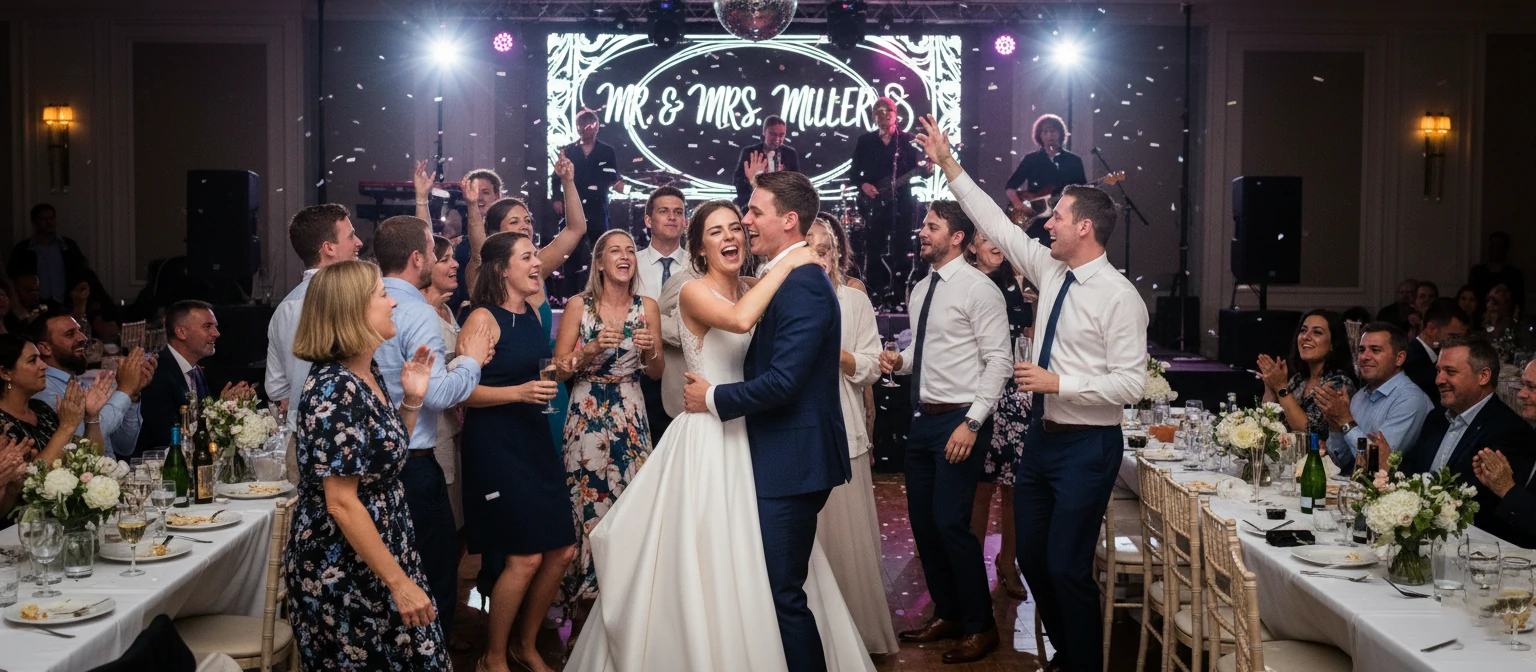
Event photographers need to be quick-thinking and adaptable, often working in challenging lighting conditions and fast-paced environments. They should be able to anticipate key moments and capture them authentically.
One of the key benefits of professional event photography is the ability to document moments that happen too quickly for guests to notice. Experienced event photographers know when to be discreet and when to capture candid emotions. They understand event flow and can position themselves strategically to get the best shots.
For weddings, event photographers often work in teams to ensure comprehensive coverage from ceremony to reception. They handle everything from low-light indoor shots to bright outdoor group photos. Professional wedding photographers also provide guidance on posing and can help coordinate with other vendors like videographers and florists.
Corporate event photography serves a different purpose, focusing on creating images that can be used for marketing, internal communications, or client presentations. These photographers understand corporate branding and can deliver images that align with company values and messaging.
Party and celebration photography captures the joy and spontaneity of social gatherings. Professional photographers at these events know how to blend into the background while still getting great shots, ensuring guests can enjoy themselves without feeling posed.
Commercial and Product Photography
This service focuses on showcasing products, services, or brands for marketing purposes. It's essential for e-commerce businesses and advertising campaigns.

Commercial photographers understand the importance of consistency, branding, and visual appeal. They often work with art directors and use specialized equipment to create images that drive sales.
In the world of e-commerce, product photography can make or break sales. Professional product photographers use techniques like shadowless lighting, seamless backgrounds, and precise composition to create images that accurately represent products while making them look irresistible. They understand how to photograph different materials, from shiny metals to soft fabrics, ensuring each item is showcased at its best.
Commercial photography extends beyond products to include lifestyle shots that show how products fit into real-life scenarios. This type of imagery helps consumers visualize themselves using the product, which is crucial for conversion rates. Photographers in this field often collaborate with stylists, models, and set designers to create compelling narratives around brands.
For advertising campaigns, commercial photographers need to be versatile and creative. They must be able to execute complex concepts, work with large production teams, and deliver images that meet strict brand guidelines. This often involves location scouting, prop sourcing, and post-production work to create polished, professional results.
One of the key advantages of professional commercial photography is the ability to create consistent imagery across multiple products or campaigns. This brand consistency helps build recognition and trust with consumers, which is invaluable for long-term business success.
Real Estate Photography
Real estate photography showcases properties in their best light, helping potential buyers visualize themselves in the space.

These photographers use wide-angle lenses and careful composition to make spaces appear larger and more inviting. They understand the real estate market and what buyers look for in property images.
Fashion and Lifestyle Photography
This creative field captures clothing, accessories, and lifestyle imagery for magazines, brands, and social media.
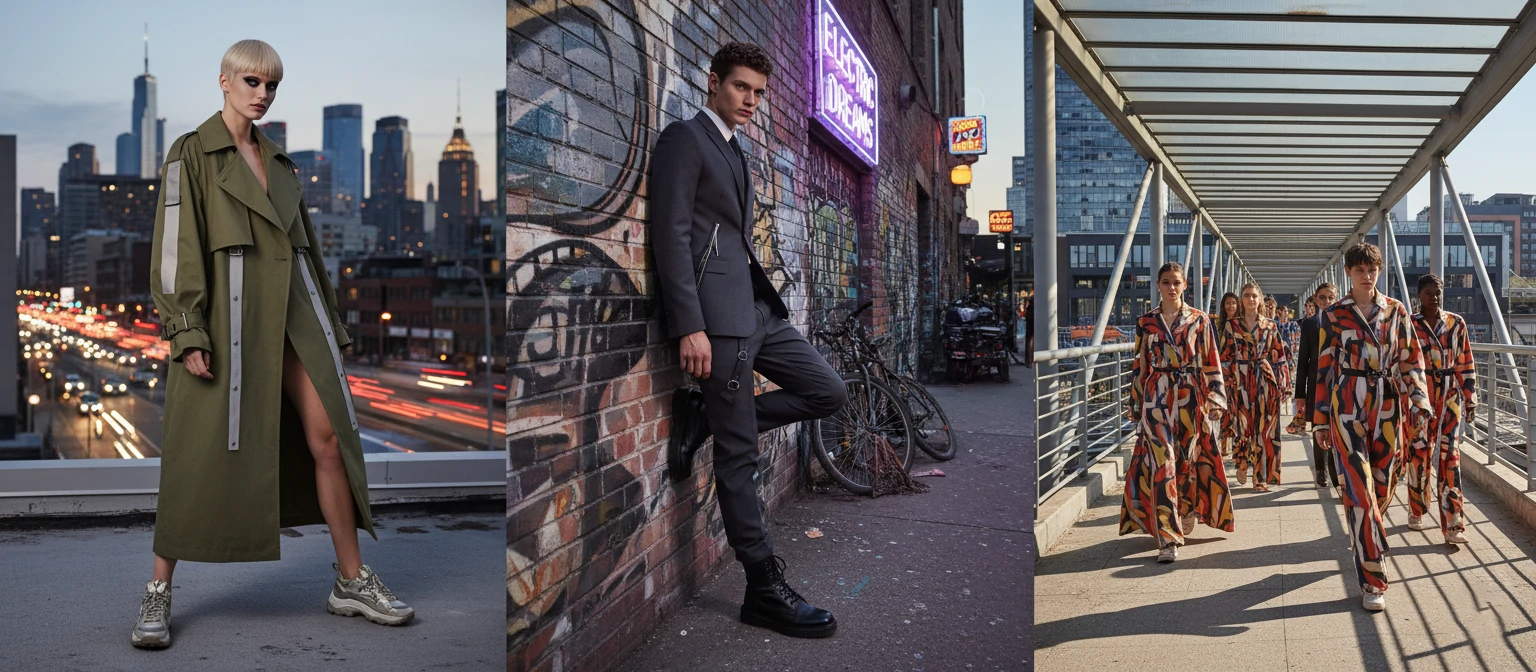
Fashion photographers often collaborate with stylists and makeup artists to create cohesive, trend-setting images that tell a story.
Food Photography
Food photography makes dishes look irresistible, crucial for restaurants, cookbooks, and food blogs.

Food photographers use techniques like backlighting and prop styling to make food appear fresh and delicious.
Sports and Action Photography
This fast-paced photography captures athletes in motion, requiring quick reflexes and specialized equipment.
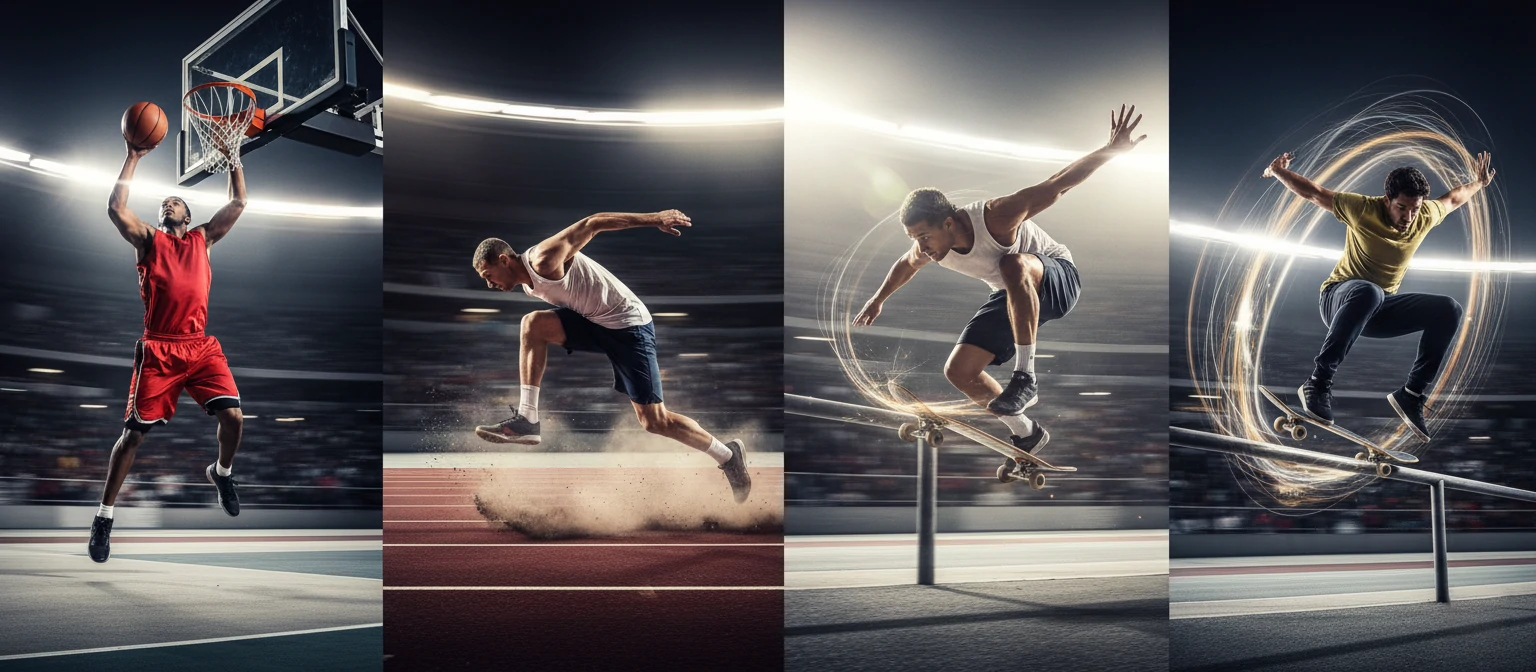
Sports photographers use high-speed cameras and telephoto lenses to freeze moments of intense activity.
Nature and Landscape Photography
Landscape photographers capture the beauty of natural environments, often requiring travel and patience.
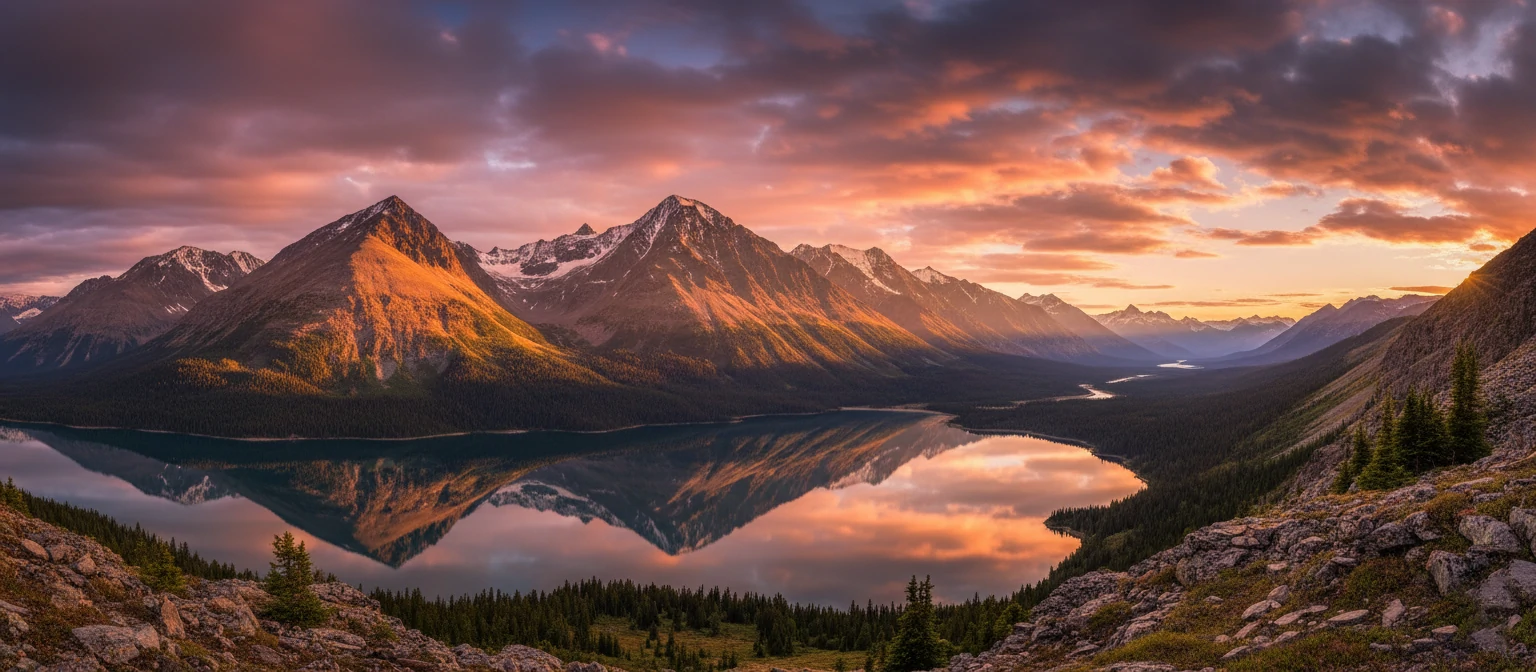
These photographers work with natural light and weather conditions to create stunning environmental portraits.
Documentary and Photojournalism
This style tells real stories through images, often for news, social causes, or historical documentation.

Documentary photographers aim for authenticity and emotional impact rather than staged perfection.
How to Choose the Right Photography Service
Selecting the right photographer is crucial for achieving the results you envision. Here are key factors to consider:
Portfolio Review
Always examine a photographer's portfolio thoroughly. Look for consistency in style, quality, and the types of subjects they excel at.
Pay attention to lighting, composition, and post-processing. Does their work align with your vision? Are the images technically sound and emotionally engaging?
Experience and Specialization
Consider how long they've been in business and whether they specialize in your type of photography. A wedding photographer might not be the best choice for product shots, and vice versa.
Client Testimonials and Reviews
Read reviews on platforms like Google, Yelp, or photography-specific sites. Look for patterns in feedback about reliability, communication, and final results.
Communication Style
You'll be working closely with your photographer, so ensure their communication style matches yours. Are they responsive? Do they listen to your ideas and concerns?
Technical Skills and Equipment
Inquire about their equipment and technical expertise. Do they stay current with technology? Do they have backup equipment for important shoots?
Pricing and Packages
Understand their pricing structure. What does the fee include? Are there hidden costs? Compare packages to ensure you're getting value for money.
Contract and Rights
Always work with a written contract that outlines deliverables, timelines, and usage rights for the images.
Location and Availability
Consider their location relative to yours and their availability for your desired dates. Some photographers travel extensively, while others prefer local work.
Preparation Tips for Your Photography Session
To get the best results from your photography service, proper preparation is key. Here are some tips to ensure a smooth and successful shoot:
Plan Your Wardrobe
Choose outfits that reflect your personality and the purpose of the photos. Consider colors, patterns, and how clothing will look on camera.
Location Scouting
If possible, visit potential locations in advance. Consider lighting, background, and how the space will work for your shoot.
Timing Matters
Schedule your shoot during the best lighting conditions. Golden hour (shortly after sunrise or before sunset) often produces the most flattering light.
Relax and Be Yourself
The best photos come from natural moments. Try to relax and let your personality shine through.
Communicate Your Vision
Share reference images and clearly articulate what you want to achieve. Don't be afraid to provide feedback during the shoot.
Prepare for Post-Production
Understand the editing process and timeline. Discuss what level of retouching you're comfortable with.
Understanding Post-Production and Editing
Post-production is where raw images are transformed into polished final products. Here's what you need to know:
Basic Editing
This includes color correction, exposure adjustments, and cropping to improve the overall look of the image.
Retouching
More advanced editing that can remove blemishes, smooth skin, or alter backgrounds. Discuss boundaries with your photographer.
Creative Enhancements
Adding effects, compositing images, or creating artistic interpretations of the original shots.
Timeline Expectations
Ask about delivery timelines. Simple edits might take days, while complex work could take weeks.
File Formats and Delivery
Discuss what formats you'll receive (JPEG, RAW, TIFF) and how files will be delivered (USB, online gallery, cloud storage).
Budgeting for Photography Services
Photography costs can vary widely. Here's how to approach budgeting:
Factors Affecting Cost
- Photographer's experience and reputation
- Type and duration of shoot
- Location and travel requirements
- Post-production work
- Usage rights and licensing
Average Price Ranges
Portrait sessions: $200-$800
Wedding photography: $2,000-$10,000+
Commercial shoots: $500-$5,000+
Event coverage: $300-$2,000
Getting the Best Value
Don't choose based on price alone. Consider the overall package, including the number of images, editing, and delivery options.
Negotiating Rates
Many photographers are open to negotiation, especially for multiple services or off-peak times. Be respectful and realistic in your discussions.
Legal Considerations in Photography Services
Understanding the legal aspects can protect both you and your photographer:
Contracts and Agreements
Always have a written contract outlining services, payment terms, and deliverables.
Copyright and Usage Rights
Clarify who owns the copyright to the images and what usage rights you're purchasing.
Model Releases
For commercial work, ensure proper model releases are obtained for any people in the images.
Property Releases
If photographing private property, you may need permission from the owner.
Privacy Laws
Be aware of privacy regulations, especially when photographing minors or in public spaces.
Current Trends in Photography Services
The photography industry is constantly evolving. Stay ahead of the curve with these current trends:
Drone Photography
Drones offer unique aerial perspectives for real estate, events, and landscapes.
360-Degree and Virtual Reality
Immersive photography experiences for virtual tours and interactive content.
AI-Enhanced Editing
Artificial intelligence tools are streamlining post-production and enabling new creative possibilities.
Sustainable Practices
Eco-friendly approaches, including digital workflows and minimal printing.
Mobile Photography Integration
Combining professional shoots with smartphone photography for hybrid results.
Diverse Representation
Increased focus on inclusive photography that represents all body types, ethnicities, and abilities.
Common Mistakes to Avoid When Hiring Photography Services
Even experienced clients can make mistakes when hiring photographers. Being aware of these common pitfalls can help you avoid them and ensure a successful experience.
Not Reviewing Portfolios Thoroughly
One of the biggest mistakes is hiring a photographer without carefully reviewing their portfolio. Don't just look at the pretty pictures – examine the consistency of their work, the types of subjects they excel at, and whether their style matches your vision.
Take time to look at recent work, not just older pieces that might not represent their current capabilities. Pay attention to lighting, composition, and post-processing styles.
Choosing Based on Price Alone
While budget is important, selecting the cheapest option often leads to disappointment. Professional photography is an investment, and you typically get what you pay for in terms of quality, experience, and service.
Consider the overall value, including the photographer's expertise, equipment quality, and the comprehensiveness of their package.
Not Communicating Your Vision Clearly
Many clients assume photographers are mind readers. Be specific about what you want – share reference images, describe the mood you're aiming for, and explain how the photos will be used.
The more information you provide upfront, the better the photographer can prepare and deliver results that meet your expectations.
Ignoring Contract Details
Skipping over contract terms can lead to disputes later. Make sure you understand what's included in the package, delivery timelines, usage rights, and cancellation policies.
Don't sign anything you haven't read and understood. If terms are unclear, ask for clarification before proceeding.
Not Preparing for the Shoot
Showing up unprepared can result in suboptimal results. Plan your wardrobe, scout locations if applicable, and be ready to communicate during the session.
For events, arrive early and introduce yourself to the photographer. For studio shoots, bring any props or items you want included in the photos.
Rushing the Post-Production Process
Good editing takes time. Pressuring your photographer for rushed delivery often results in lower quality work. Understand typical timelines and plan accordingly.
If you need images quickly, discuss rush fees upfront and be prepared for potential additional costs.
Not Checking References or Reviews
While online reviews are helpful, personal references can provide more detailed insights. Ask the photographer for client references and contact them directly.
Look for patterns in feedback – reliability, communication, and ability to meet deadlines are as important as technical skill.
Assuming All Photographers Are the Same
Different photographers specialize in different areas. A wedding photographer might not be the best choice for product shots, and vice versa. Choose based on the specific type of photography you need.
Don't assume that because someone is good at one type of photography, they'll excel at others. Specialization matters.
Not Discussing Usage Rights
Copyright laws can be complex. Make sure you understand what rights you're purchasing – personal use, commercial use, social media rights, etc.
Clarify whether you can use the images for marketing, resale, or other commercial purposes to avoid legal issues later.
Underestimating the Importance of Chemistry
You'll be working closely with your photographer, so personal rapport matters. If you don't feel comfortable or if communication feels strained, it might be worth looking for someone else.
A good working relationship leads to better results and a more enjoyable experience overall.
Frequently Asked Questions
Client Testimonials
"Working with this photographer was a dream! They captured our wedding day perfectly, and the photos still bring tears to my eyes. Highly recommend!"
- Sarah & John, Newlyweds
"For our product launch, the commercial photography exceeded our expectations. Sales increased 30% after using these images!"
- Mike, E-commerce Owner
"The family portraits are stunning. Our kids loved the session, and the results are timeless. Worth every penny!"
- Emily, Mother of Three
Essential Photography Tips
As someone who's spent years behind the lens, here are some insider tips to help you get the most out of your photography experience:
Lighting is Everything
Good lighting can make or break a photo. Natural light during golden hour creates magical results, but don't be afraid of dramatic shadows either.
Rule of Thirds
Imagine your frame divided into nine equal parts. Place key elements along these lines or at their intersections for more engaging compositions.
Get Close to Your Subject
Fill the frame with your subject to create impact. Sometimes, less is more – zoom in to capture emotion and detail.
Experiment with Angles
Don't always shoot from eye level. Try low angles for power, high angles for vulnerability, or unusual perspectives for creativity.
Tell a Story
Every great photo tells a story. Think about the narrative you want to convey and compose accordingly.
Case Studies: Real Photography Success Stories
Wedding Photography Transformation
A couple invested in professional wedding photography despite a tight budget. The stunning images led to features in local magazines, creating free publicity worth thousands. Plus, they now have heirloom-quality photos to cherish forever.
E-commerce Sales Boost
An online boutique replaced amateur product photos with professional shots. Within three months, conversion rates increased by 45%, and customer reviews specifically mentioned the improved image quality.
Brand Identity Makeover
A startup invested in headshots and lifestyle photography for their team. The cohesive visual branding helped them appear more professional, leading to partnerships and increased investor interest.