

Comprehensive Guide to Naked Photoshoots: Embracing Art, Confidence, and Self-Expression
Introduction
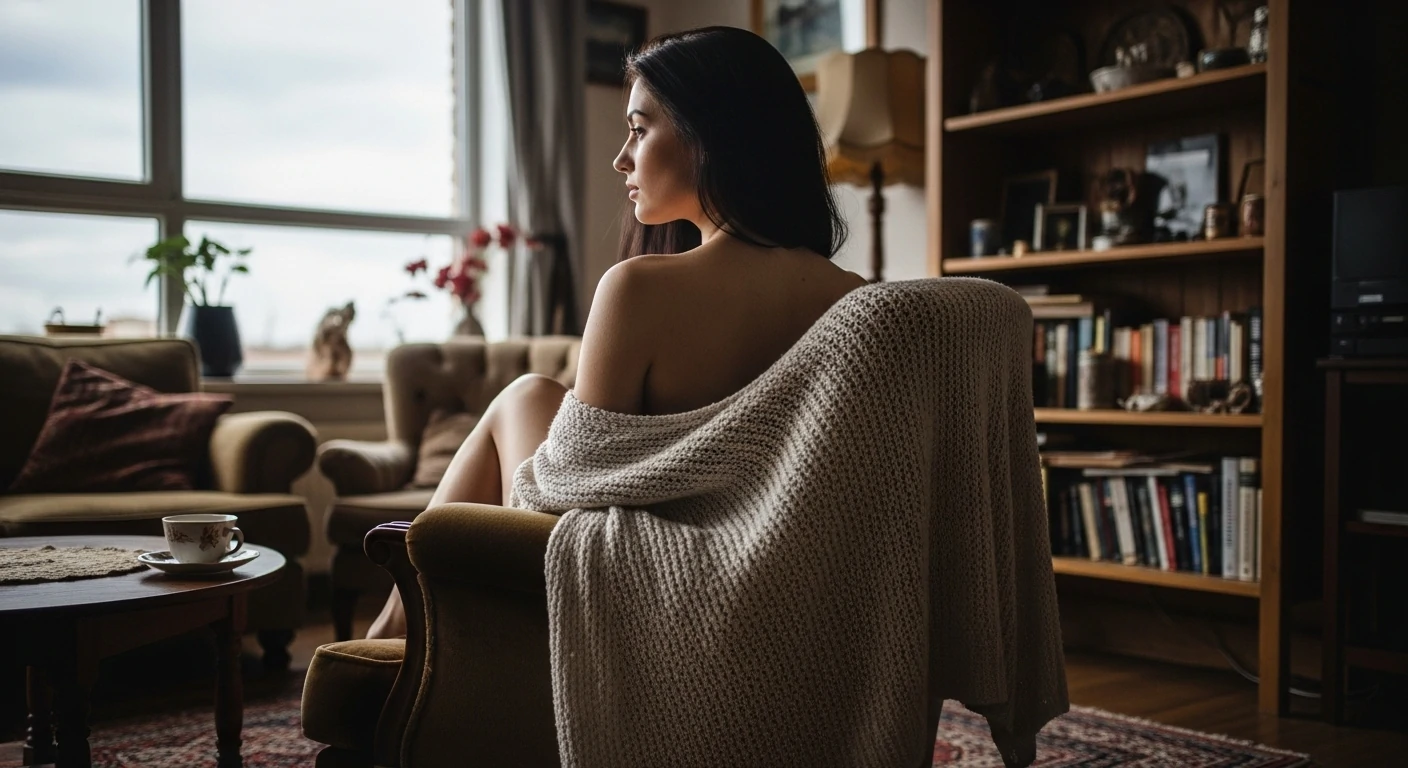
A naked photoshoot is a form of artistic expression that captures the human body in its natural state, often celebrating the beauty and diversity of the human form. This genre of photography transcends mere nudity; it delves into themes of vulnerability, empowerment, and self-acceptance. Throughout history, nude photography has played a significant role in art, challenging societal norms and perceptions of the body. From classical paintings to modern photography, the naked form has been a subject of fascination and admiration.
In this blog, we will explore the multifaceted world of naked photoshoots, examining their historical context, various styles, and the emotional journey involved in participating in such a shoot. Readers can expect to gain insights into preparation, wardrobe choices, setting the scene, and the photographer's role, as well as the post-shoot process. Whether you are considering a naked photoshoot for artistic purposes or personal exploration, this guide aims to provide valuable information and encouragement.
Historical Context
The history of nude photography is rich and varied, tracing back to the origins of photography itself. The first known nude photographs were taken in the mid-19th century, coinciding with the invention of the camera. Early photographers like Eadweard Muybridge and Edward Weston pushed the boundaries of artistic expression, capturing the human form in ways that had never been seen before.
Key Movements and Influences
- Pictorialism (1890s-1910s): This movement emphasized artistic expression over realism. Photographers like Alfred Stieglitz and Gertrude Käsebier used soft focus and artistic techniques to create emotive images, often featuring nude subjects.
- Modernism (1920s-1940s): With the rise of modernism, photographers began to explore abstraction and form. André Kertész and Man Ray experimented with light and shadow, creating iconic nude images that challenged traditional representations.
- Contemporary Photography (1960s-Present): The late 20th century saw a shift towards body positivity and self-expression. Photographers like Sally Mann and Richard Avedon captured the human body in diverse contexts, emphasizing individuality and personal narratives.
Societal Perceptions of Nudity
Societal attitudes towards nudity have evolved significantly over time. In many cultures, nudity has been associated with shame and taboo, while in others, it is celebrated as a natural state. The feminist movement of the 1960s and 1970s played a crucial role in redefining perceptions of the female body, advocating for body positivity and the right to self-expression. Today, nude photography is increasingly recognized as a legitimate art form, encouraging individuals to embrace their bodies and challenge societal norms.
Types of Naked Photoshoots
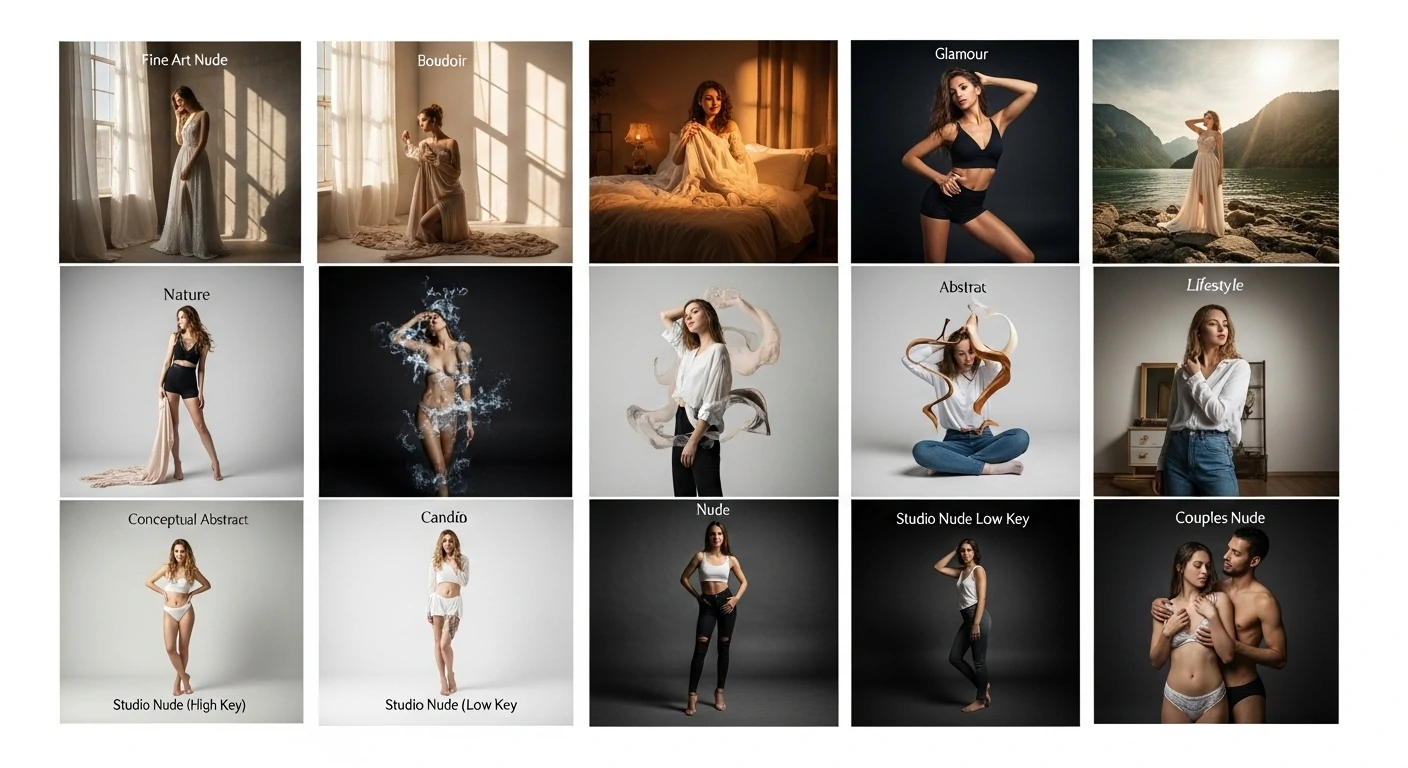
Naked photoshoots can take on various styles, each with its own emotional and psychological implications. Understanding these different types can help participants choose the right approach for their shoot.
1. Fine Art Nude Photography
Fine art nude photography focuses on the aesthetic and artistic representation of the human body. It often emphasizes form, light, and composition, creating visually striking images that evoke emotion. Famous works in this category include Robert Mapplethorpe's portraits, which explore themes of sexuality and identity.
2. Fashion Nude Photography
Fashion nude photography blends elements of fashion and nudity, often showcasing clothing or accessories in a provocative manner. This style can challenge conventional beauty standards and promote body positivity. Notable examples include the work of David LaChapelle, who combines vibrant colors and surreal settings.
Conceptual Nude Photography
Conceptual nude photography uses the human body as a canvas for storytelling. This style often incorporates props, settings, and themes to convey deeper messages. Artists like Cindy Sherman have used this approach to explore identity and societal roles.
Emotional and Psychological Aspects
Participating in a naked photoshoot can evoke a range of emotions, from vulnerability to empowerment. Many individuals report feeling liberated and confident after embracing their bodies in front of the camera. This experience can foster self-acceptance and challenge negative body image perceptions.
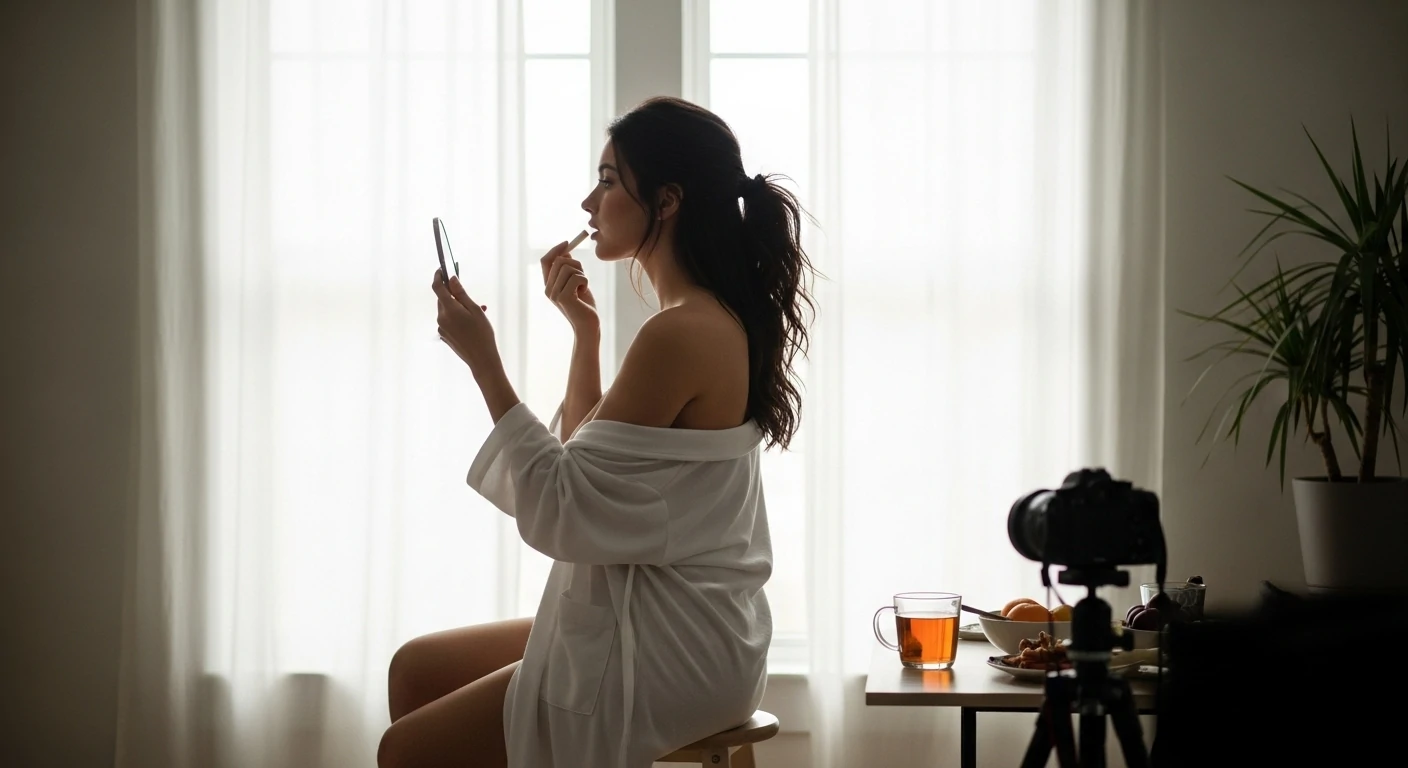
Preparing for a Naked Photoshoot
Preparation is key to ensuring a successful and comfortable naked photoshoot. Here are some practical tips to help you get ready.
Physical and Mental Preparation
- Self-Care: Prioritize self-care leading up to the shoot. This may include skincare, grooming, and maintaining a healthy lifestyle to feel your best.
- Mindset: Cultivate a positive mindset. Consider practicing mindfulness or visualization techniques to boost your confidence.
Choosing the Right Photographer and Studio
- Research: Look for photographers who specialize in nude photography and have a portfolio that resonates with you. Read reviews and testimonials to gauge their professionalism and approach to working with models.
- Consultation: Schedule a consultation to discuss your vision, comfort levels, and any concerns you may have. This conversation is crucial for establishing trust and ensuring that the photographer understands your boundaries.
Selecting Poses and Expressions
- Practice Posing: Before the shoot, practice different poses in front of a mirror. This can help you discover angles that make you feel confident and comfortable. Consider poses that highlight your best features while allowing you to feel at ease.
- Facial Expressions: Think about the emotions you want to convey in your photos. Whether it’s confidence, serenity, or playfulness, practicing facial expressions can help you communicate your desired mood effectively.
Feedback: If possible, seek feedback from friends or fellow models on your poses and expressions. Constructive criticism can help you refine your approach and boost your confidence.
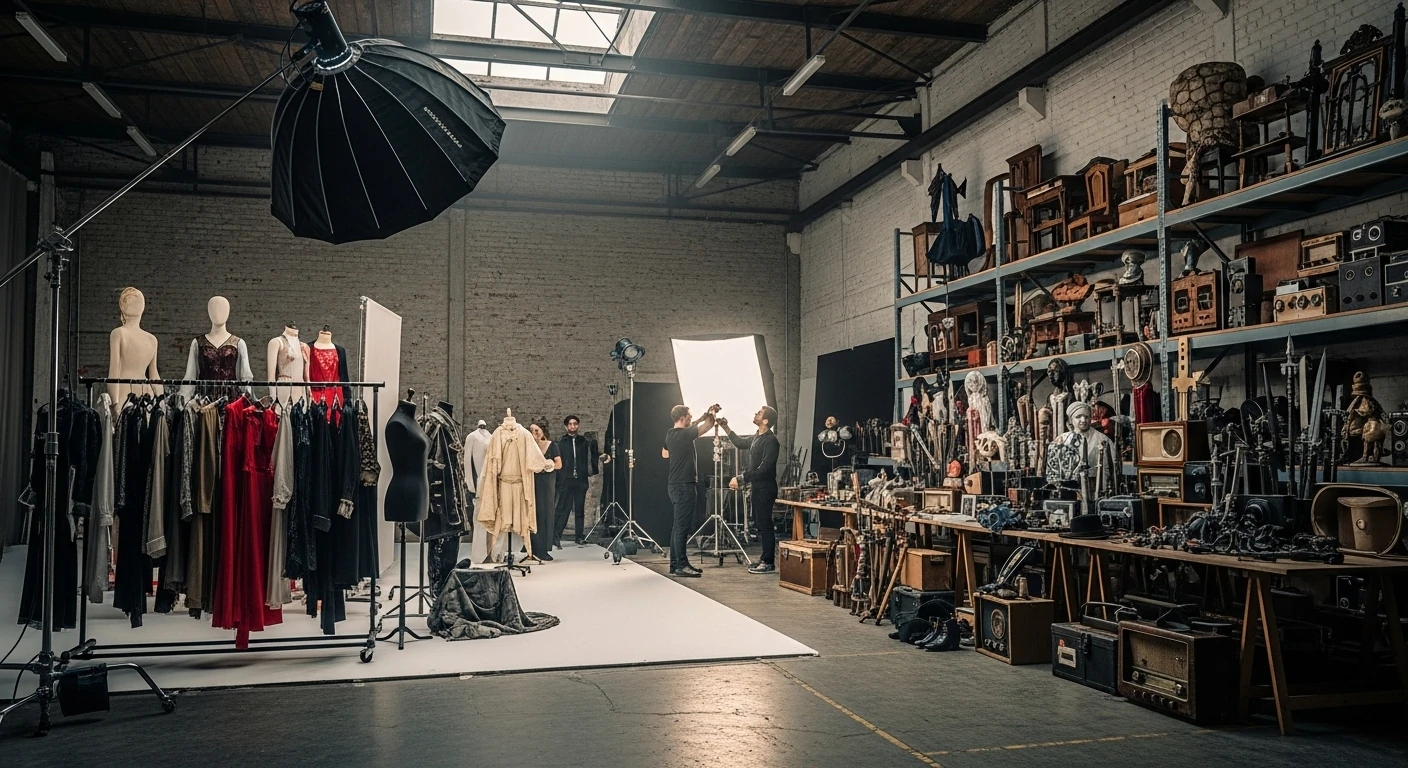
Wardrobe and Props
Even in a naked photoshoot, wardrobe choices and props can play a significant role in enhancing the overall aesthetic and mood of the images.
Significance of Wardrobe Choices
- Accessories: Consider incorporating accessories like jewelry, hats, or scarves that can add interest without detracting from the focus on your body. These elements can create visual contrast and enhance the artistic quality of the photographs.
- Fabric and Textures: If you choose to wear any clothing, opt for sheer or flowing fabrics that complement your body without fully covering it. This can create a sense of movement and elegance in the images.
Suggested Props and Accessories
- Natural Elements: Incorporating flowers, leaves, or other natural elements can add a touch of organic beauty to your photos. These props can symbolize growth, femininity, or connection to nature.
- Furniture and Backdrops: Consider using furniture like chairs or draped fabrics to create interesting compositions. These elements can provide context and depth to your images while maintaining the focus on your form.
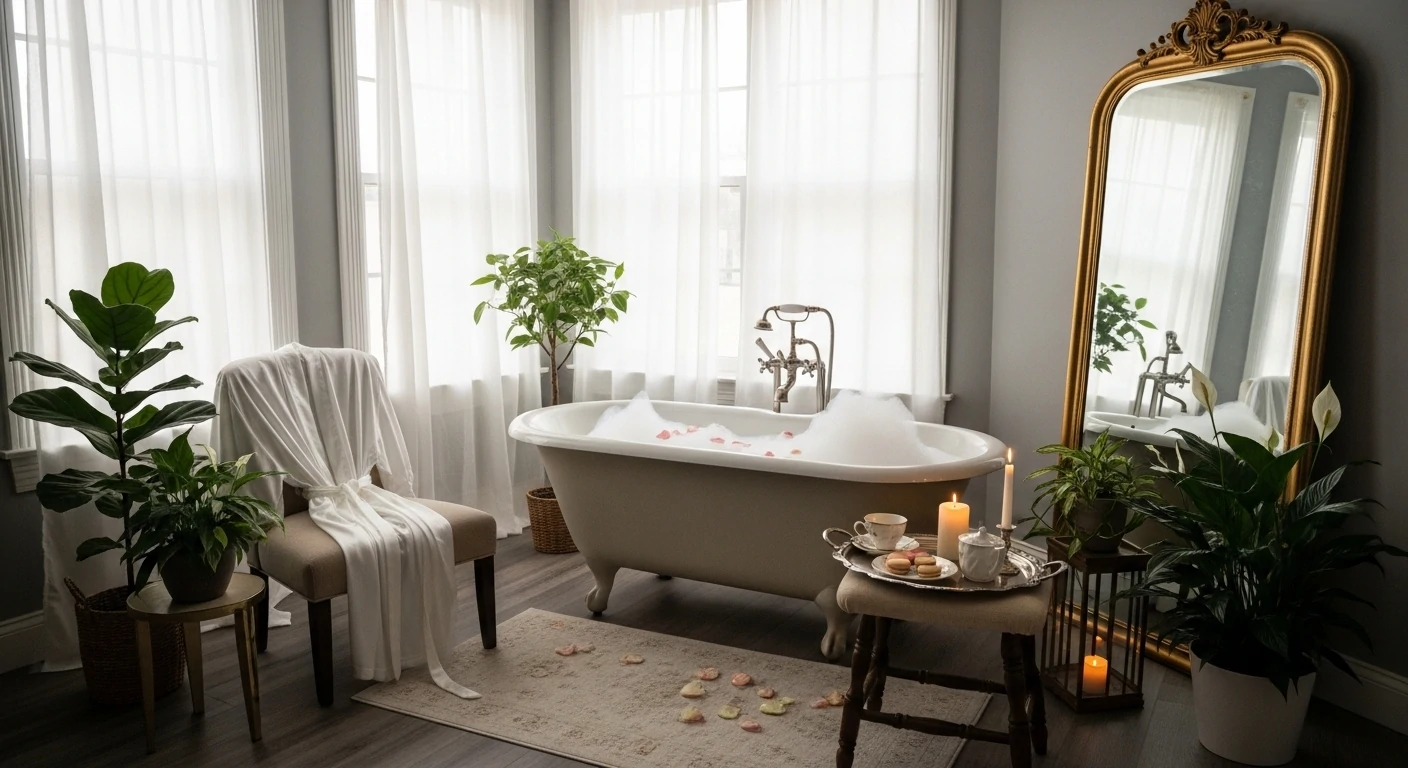
Setting the Scene
The environment in which a naked photoshoot takes place can greatly influence the mood and outcome of the images. Here are some considerations for setting the scene.
Location Choices
- Studio vs. Outdoor: Studios offer controlled lighting and privacy, making them ideal for fine art and fashion nude photography. Outdoor settings, on the other hand, can provide natural light and beautiful backdrops, perfect for conceptual or nature-inspired shoots.
- Personal Spaces: Consider using personal spaces that hold significance to you, such as your home or a favorite park. This can create a more intimate atmosphere and help you feel more comfortable.
Importance of Lighting and Backdrop
- Lighting: Natural light can create soft, flattering images, while artificial lighting can be manipulated to achieve dramatic effects. Discuss lighting options with your photographer to find the best approach for your desired style.
- Backdrop Selection: Choose backdrops that complement your skin tone and the overall theme of the shoot. Neutral colors can create a timeless look, while bold colors can add vibrancy and energy.
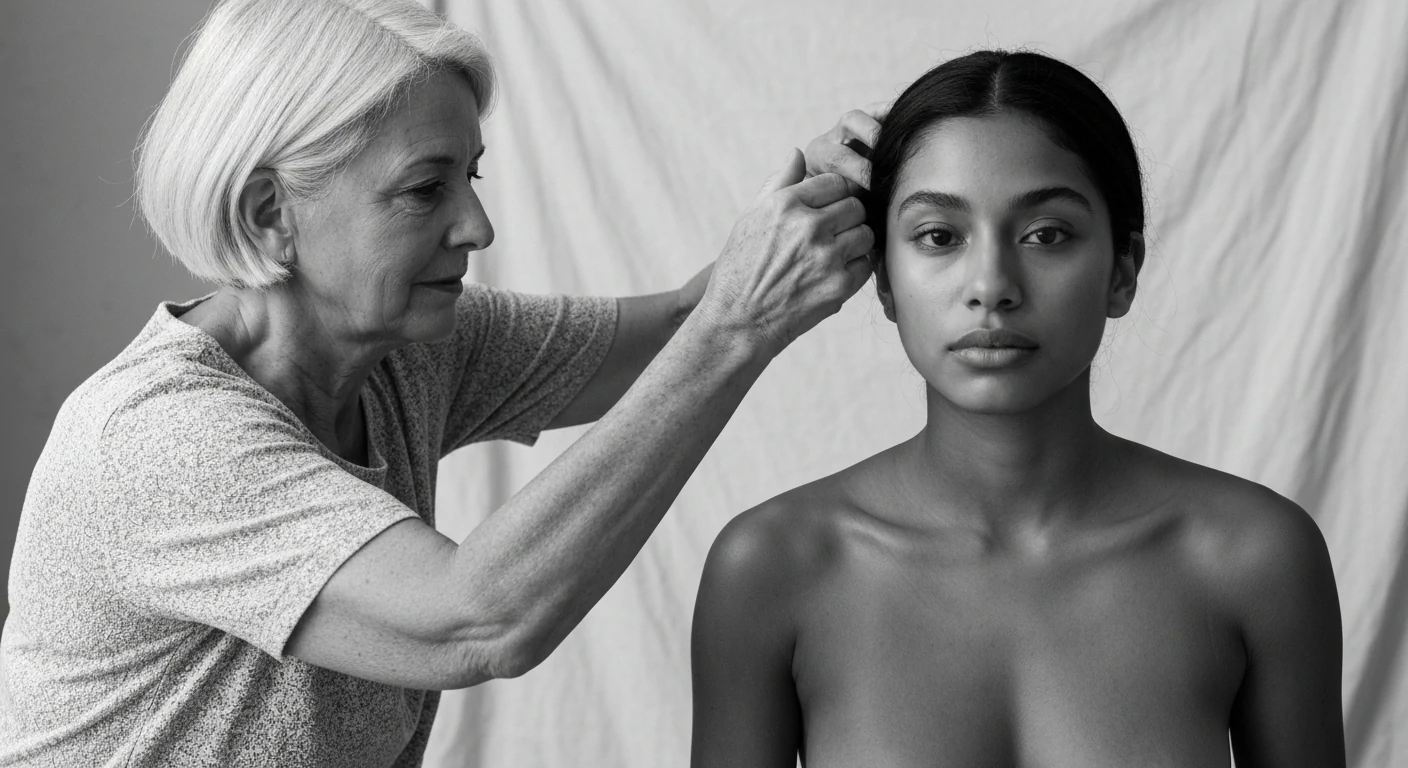
The Role of the Photographer
The photographer plays a crucial role in ensuring a successful naked photoshoot. Their responsibilities extend beyond just taking pictures; they must create a comfortable and respectful environment for the model.
Creating a Comfortable Environment
- Communication: Open and honest communication is essential. Photographers should discuss the model's comfort levels, boundaries, and any specific requests before the shoot begins.
- Respect and Professionalism: Maintaining a professional demeanor is vital. Photographers should treat the model with respect, ensuring that they feel safe and valued throughout the process.
Tips for Effective Communication
- Clear Direction: Provide clear instructions on poses and expressions, but also allow the model to express their creativity. Encouraging collaboration can lead to more authentic and engaging images.
- Feedback: Offer constructive feedback during the shoot to help the model feel confident and comfortable. Positive reinforcement can boost their self-esteem and enhance the overall experience.
Importance of Consent and Boundaries
- Consent: Always prioritize consent in every aspect of the shoot. Ensure that the model is comfortable with the poses, settings, and any potential sharing of the images.
Boundaries: Respect the model's boundaries at all times. If they express discomfort with a particular pose or setting, be willing to adapt and find alternatives that work for both parties.
Post-Shoot Process
After the shoot, there are several important steps to consider regarding the editing, sharing, and distribution of the images.
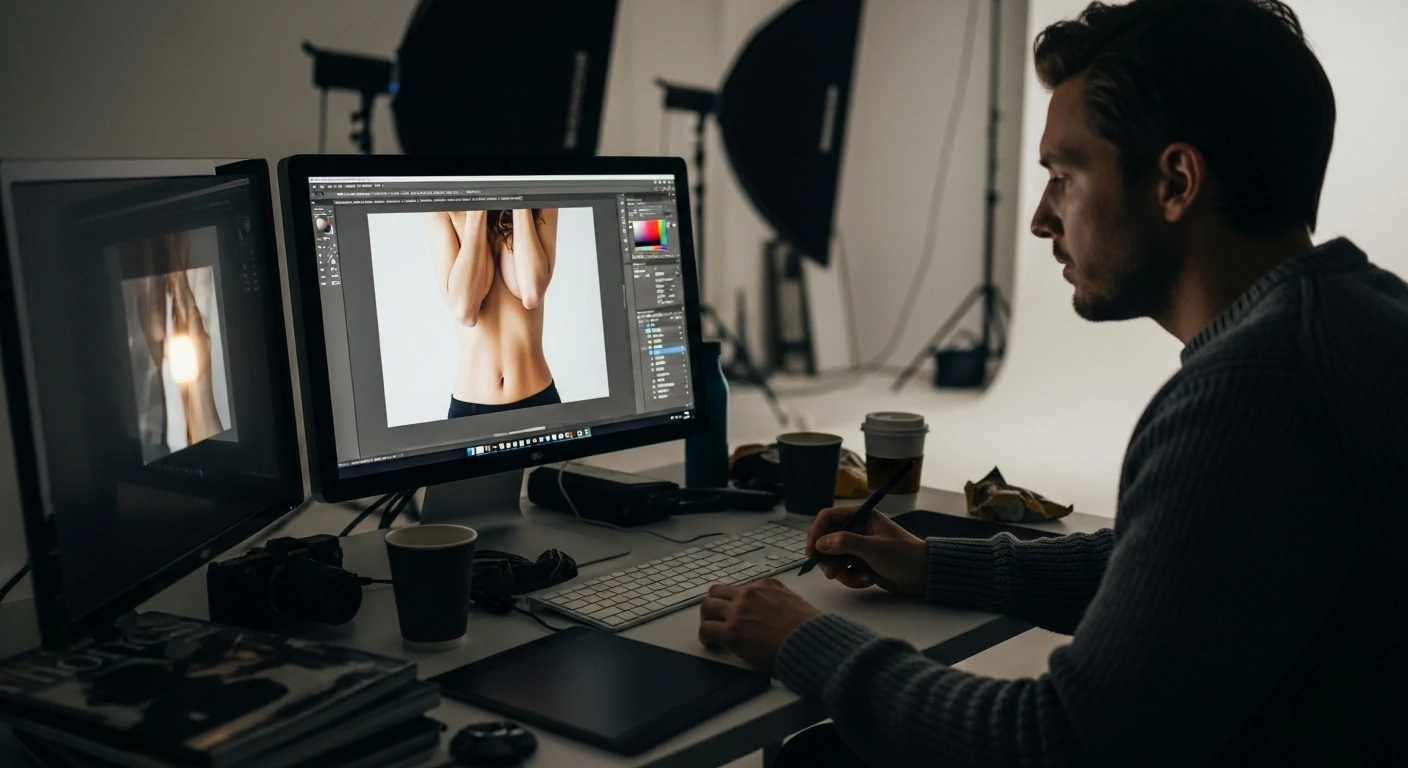
Editing and Retouching
- Editing Techniques: Discuss the editing process with your photographer. Some may prefer minimal retouching to maintain authenticity, while others may enhance images for artistic effect. Ensure that both parties agree on the approach.
- Retouching Ethics: Consider the ethical implications of retouching. Strive for a balance between enhancing the image and preserving the model's natural beauty.
Handling Distribution and Sharing
- Privacy Considerations: Discuss how the images will be used and shared. Establish clear guidelines regarding privacy and consent, ensuring that both the model and photographer are on the same page about where and how the images may be displayed.
- Watermarking: If the images are to be shared online, consider watermarking them to protect the model's identity and the photographer's work. This can help prevent unauthorized use and maintain control over the distribution of the images.
- Social Media Sharing: If the model is comfortable with it, discuss the possibility of sharing the images on social media platforms. Ensure that proper credit is given to both the model and the photographer, and that any tags or captions align with the model's preferences.
Conclusion
Naked photoshoots offer a unique opportunity for self-expression, artistic exploration, and body positivity. Throughout this guide, we have explored the historical context of nude photography, the various styles and emotional aspects of participating in a shoot, and the practical considerations for preparation, setting, and post-shoot processes.
Embracing your body and considering the artistic value of naked photography can be a transformative experience. It encourages individuals to challenge societal norms and celebrate their unique forms. Whether you are a seasoned model or contemplating your first shoot, remember that the journey is as important as the final images.
We invite you to share your thoughts or experiences with naked photography. Have you participated in a naked photoshoot? What was your experience like? Your insights can inspire others to embrace their bodies and explore the world of artistic nudity.