
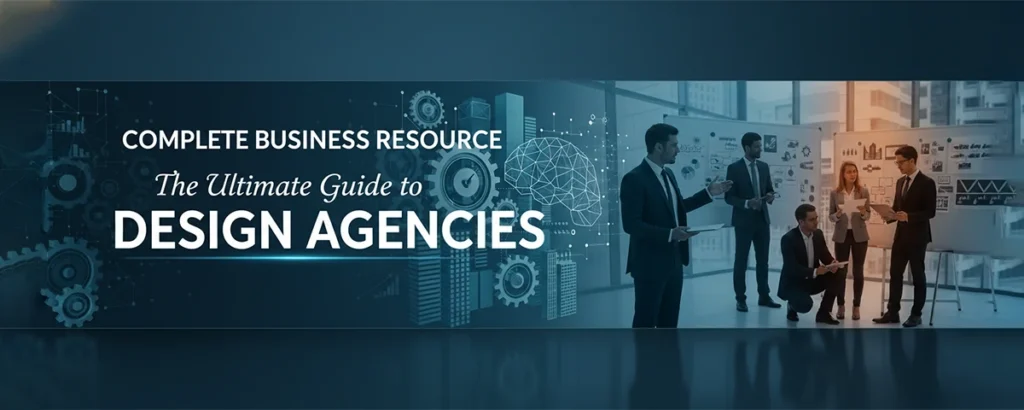
Everything you need to know about working with a design agency - from understanding their services to maximizing your creative investment
Welcome to the World of Design Agencies
In today’s competitive business landscape, the role of a design agency has become more crucial than ever. Whether you’re a startup looking to establish your brand identity or an established company seeking to refresh your visual presence, understanding how to work effectively with a design agency can be the difference between mediocre results and extraordinary success.
This comprehensive guide serves as your roadmap to navigating the world of creative services. We’ll explore what makes a design agency tick, how to choose the right partner for your needs, and most importantly, how to maximize the value of your creative investment.
What You’ll Learn
Understanding Design Agencies
Discover what design agencies do and how they can transform your business
What is a Design Agency?
A design agency is a specialized creative services company that helps businesses communicate their message through visual design, branding, and user experience. These agencies combine artistic talent with strategic thinking to create compelling visual solutions that drive business results.
Modern design agencies offer a comprehensive range of services including brand identity development, web design, print materials, digital marketing assets, packaging design, and user interface/user experience (UI/UX) design.

Benefits of Working with a Design Agency
Professional Expertise
Access to specialized skills, industry knowledge, and creative talent that would be expensive to maintain in-house.
Fresh Perspective
External viewpoint that can identify opportunities and solutions that internal teams might miss.
Cost Efficiency
More economical than hiring full-time designers, especially for project-based work or specialized needs.
Common Use Cases Across Industries
Corporate Branding
Complete brand identity development including logos, color schemes, typography, and brand guidelines.
E-commerce Design
User-friendly online store designs that optimize conversion rates and provide seamless shopping experiences.
Mobile App UI/UX
Intuitive mobile application interfaces that prioritize user experience and drive engagement.
Marketing Materials
Compelling marketing collateral including brochures, ads, social media graphics, and digital campaigns.
Product Packaging
Eye-catching packaging designs that stand out on shelves and communicate brand values effectively.
Website Development
Responsive websites that combine beautiful design with functionality to achieve business objectives.
Getting Started with a Design Agency
Follow this guide to ensure a smooth and successful partnership from day one
01. Clarify Your Project Requirements
Before reaching out to any design agency, take time to clearly define what you need. Consider your business goals, target audience, budget constraints, and timeline expectations.
02. Find the Right Creative Partner
Research potential partners by examining their portfolios, client testimonials, industry experience, and service offerings. Not all design agencies are created equal.
03. Schedule Discovery Meetings
Most reputable design agencies offer initial consultations to understand your needs. Use this opportunity to assess their expertise and communication style.
Pro Tip: Prepare a brief document outlining your project goals, target audience, and any existing brand materials to share during the consultation.
04. Evaluate and Compare Options
After consultations, agencies will provide detailed proposals outlining their approach, timeline, deliverables, and pricing. Compare these carefully.
5. Formalize the Partnership
Once you’ve selected your design agency, review and sign the contract, then participate in a project kickoff meeting to align expectations.

Optimizing Your Design Agency Partnership
Maximize the value of your investment with these proven strategies
Clear Communication
Establish regular check-ins and use specific, actionable feedback. Avoid vague comments like “make it pop.”
Respect Timelines
Provide feedback and approvals within agreed timeframes. Delays can cascade through the entire project.
Provide Resources
Share existing brand materials, competitor examples, and inspiration for better alignment.
Trust the Process
Allow the agency to follow their proven methodology. Focus on strategic input at key decision points.
Consolidate Feedback
Gather input from all stakeholders before providing feedback to avoid conflicting directions.
Plan for Success
Discuss post-launch support and future project possibilities. Long-term relationships yield better results.

Industry Best Practices
Do These Things
Avoid These Mistakes
Common Challenges and Solutions
Even the best partnerships can face obstacles. Here’s how to overcome them.
Communication Breakdowns
Misunderstandings about requirements, unclear feedback, or infrequent communication leading to deliverables that miss the mark.
Scope Creep
Additional requests and changes that weren’t part of the original agreement, inflating budgets and extending timelines.
Misaligned Expectations
Different visions for the final outcome, unrealistic timelines, or budget constraints that weren’t properly communicated.
Quality Concerns
Deliverables that don’t meet expected standards due to skill gaps, resource constraints, or miscommunication about quality requirements.