
Hey there! If you're reading this, you're probably curious about how the Internet of Things can transform your business. In our fast-paced world, IoT is like the magic glue connecting everyday devices to create smarter, more efficient systems. Whether it's your smart fridge ordering groceries or industrial machines predicting maintenance needs, IoT is everywhere. But here's the thing – not all IoT development companies are created equal. Choosing the right partner can make or break your project. That's why I've put together this detailed guide to help you navigate the IoT landscape and find the perfect company for your needs. Let's dive in!

What is the Internet of Things (IoT)?
From humble temperature sensors to sophisticated autonomous vehicles, IoT devices come in all shapes and sizes. The magic happens through four key components:
- Sensors and Actuators: These are the eyes and hands of IoT – collecting environmental data and executing commands.
- Connectivity: The invisible threads that link devices, using everything from Wi-Fi to cutting-edge 5G networks.
- Data Processing: Where raw data gets transformed into actionable insights, often in the cloud or at the device edge.
- User Interface: The friendly face of IoT, letting humans interact with these smart systems through apps and dashboards.
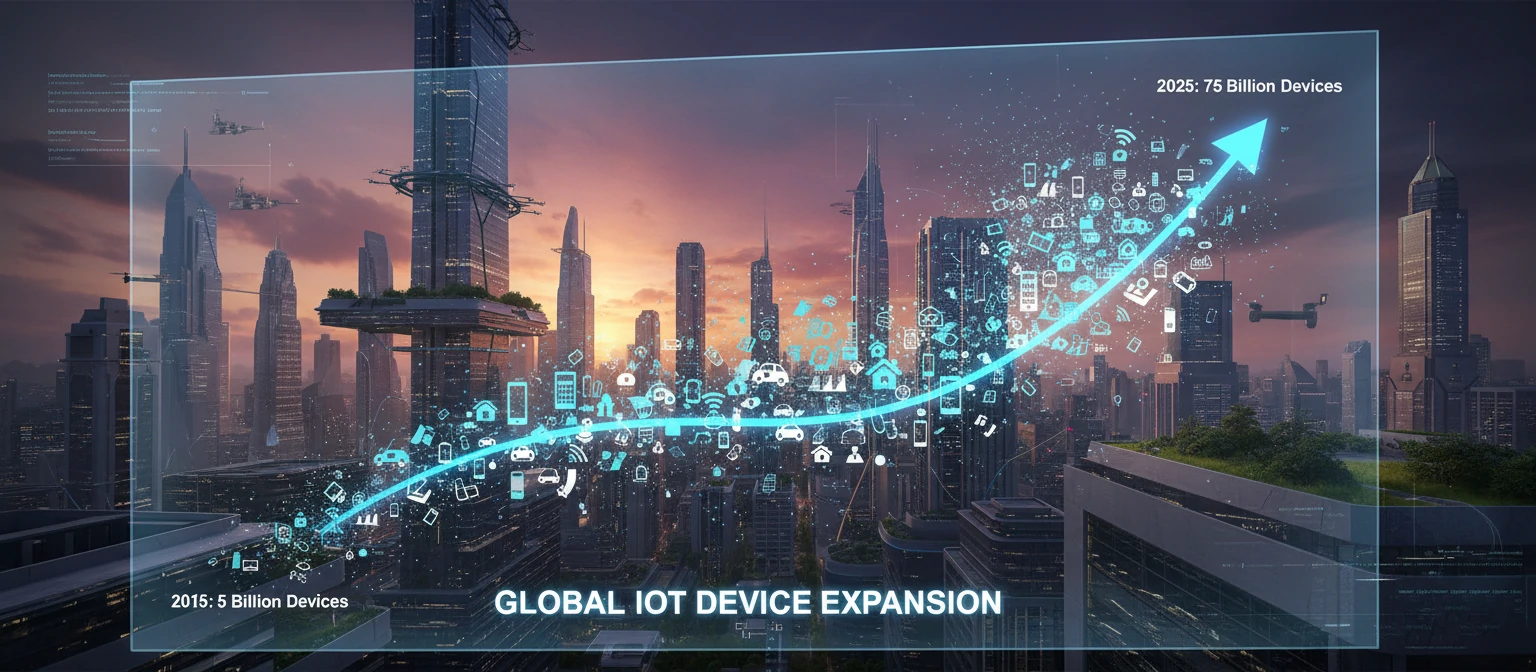
The IoT revolution is in full swing. Experts predict we'll have over 30 billion connected devices by 2025 – that's more than four devices for every person on Earth! This explosive growth is fueled by cheaper hardware, faster internet, and our insatiable appetite for data-driven solutions.
What Does an IoT Development Company Do?
So, what exactly do these IoT wizards do? An IoT development company is like a full-service tech shop that turns your IoT dreams into reality. They combine hardware know-how, software skills, connectivity expertise, and data smarts to create complete IoT ecosystems. Think of them as the architects and builders of your connected world.
Their services usually cover the full spectrum:
- IoT Strategy and Consulting: Brainstorming with you to spot IoT opportunities and create a game plan.
- Hardware Design and Prototyping: Crafting custom sensors, devices, and gateways that fit your needs perfectly.
- Software Development: Writing the code that makes devices smart – from firmware to fancy cloud apps.
- Connectivity Solutions: Setting up secure, reliable ways for devices to chat with each other.
- Data Analytics and AI Integration: Turning raw data into gold – insights that drive decisions.
- Security Implementation: Fortifying your IoT setup against digital bad guys.
- Maintenance and Support: Keeping everything running smoothly long after launch.
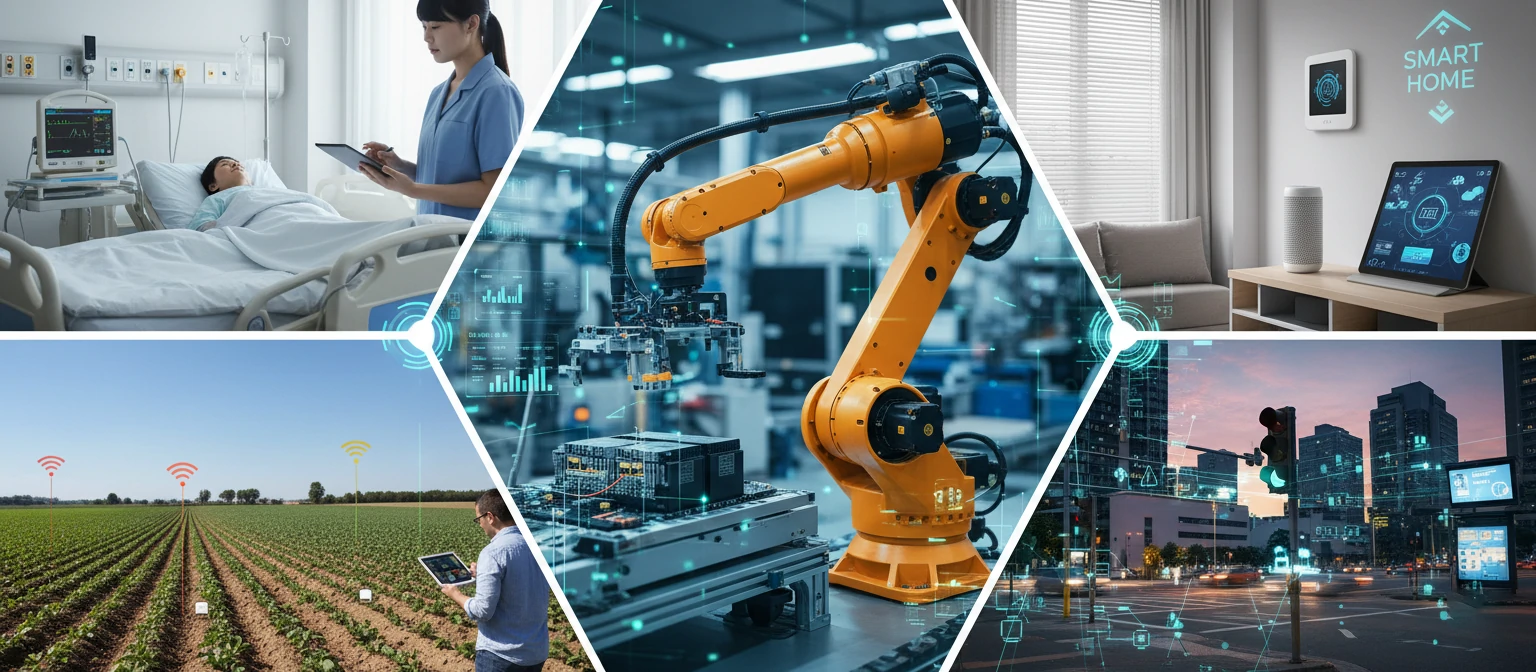
These companies play in every industry sandbox – manufacturing robots, healthcare monitors, agricultural sensors, smart city infrastructure, and even consumer gadgets. Their goal? To help you harness the power of connected devices and supercharge your operations.
Benefits of Partnering with an IoT Development Company
1. Expertise and Experience
IoT development companies have deep knowledge of the latest technologies, best practices, and industry standards. They've likely worked on similar projects before, allowing them to anticipate challenges and deliver better results.
2. Faster Time-to-Market
With pre-built frameworks, libraries, and experienced teams, IoT companies can develop and deploy solutions much faster than internal teams starting from scratch.
3. Cost Efficiency
While it might seem expensive upfront, partnering with experts often saves money in the long run by avoiding costly mistakes and ensuring optimal resource utilization.
4. Scalability and Flexibility
IoT companies design solutions that can grow with your business, easily accommodating new devices and features as your needs evolve.
5. Security and Compliance
Professional IoT developers prioritize security from the ground up, ensuring your systems comply with relevant regulations and standards.
6. Innovation and Future-Proofing
Staying at the forefront of IoT trends, these companies can help you leverage emerging technologies like 5G, edge computing, and AI integration.
By partnering with an IoT development company, you're not just getting a product; you're gaining a strategic ally that can help drive your digital transformation.
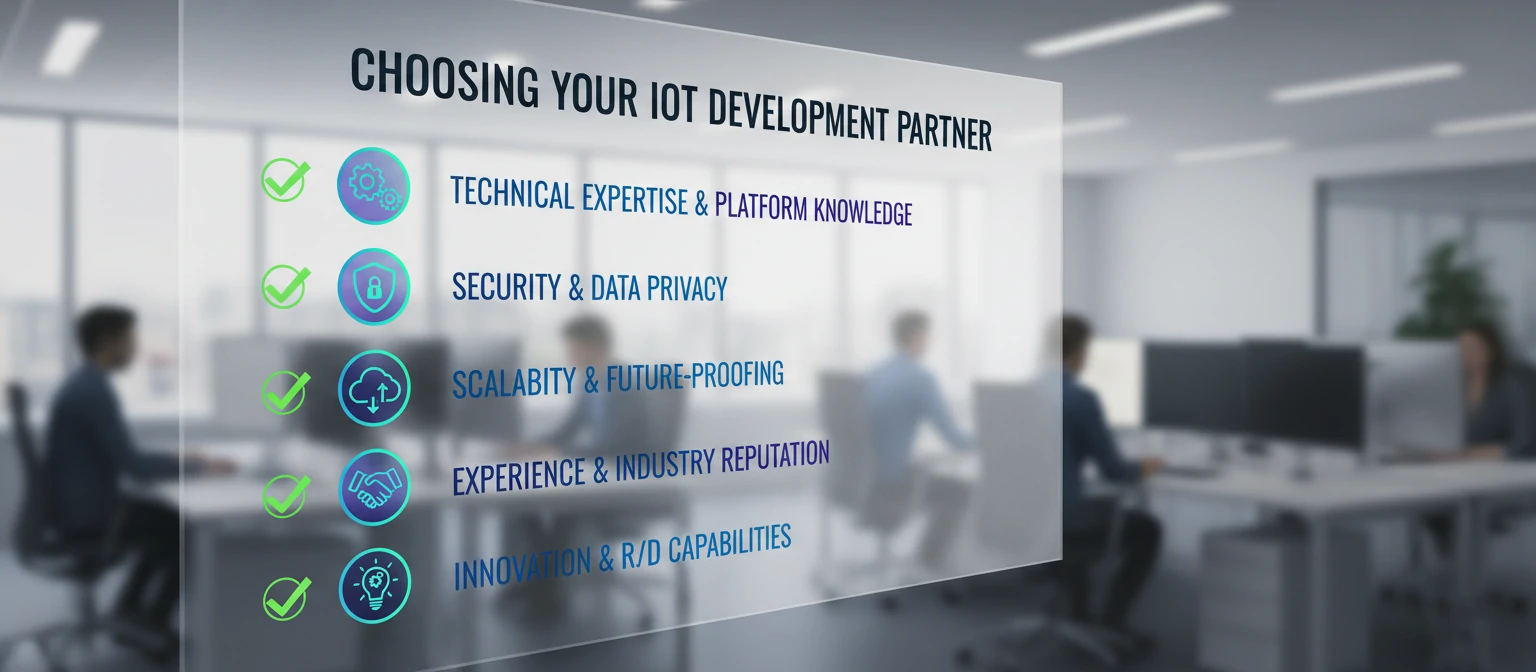
How to Choose the Right IoT Development Company
1. Industry Experience
Look for companies with experience in your specific industry. IoT solutions for healthcare differ significantly from those in manufacturing or agriculture.
2. Technical Expertise
Assess their knowledge of relevant technologies: sensors, microcontrollers, cloud platforms (AWS IoT, Azure IoT, Google Cloud IoT), connectivity protocols, and data analytics tools.
3. Portfolio and Case Studies
Review their past projects. Look for similar scale and complexity to your requirements. Ask for references and contact them if possible.
4. Security Focus
IoT security is paramount. Ensure the company has robust security practices, including encryption, secure boot, and regular security audits.
5. Scalability and Support
Choose a company that offers ongoing support, maintenance, and the ability to scale your IoT solution as your needs grow.
6. Communication and Collaboration
Effective communication is key. The company should be transparent, responsive, and willing to collaborate closely with your team.
7. Cost and Timeline
While cost shouldn't be the only factor, ensure the pricing is transparent and aligns with your budget. Also, check their track record for meeting deadlines.
8. Innovation and R&D
Look for companies that invest in research and development, staying ahead of IoT trends and technologies.
When evaluating potential partners, don't hesitate to ask tough questions. Request demos, technical specifications, and detailed proposals. Remember, the cheapest option isn't always the best – focus on value and long-term partnership potential.
Common Challenges in IoT Development
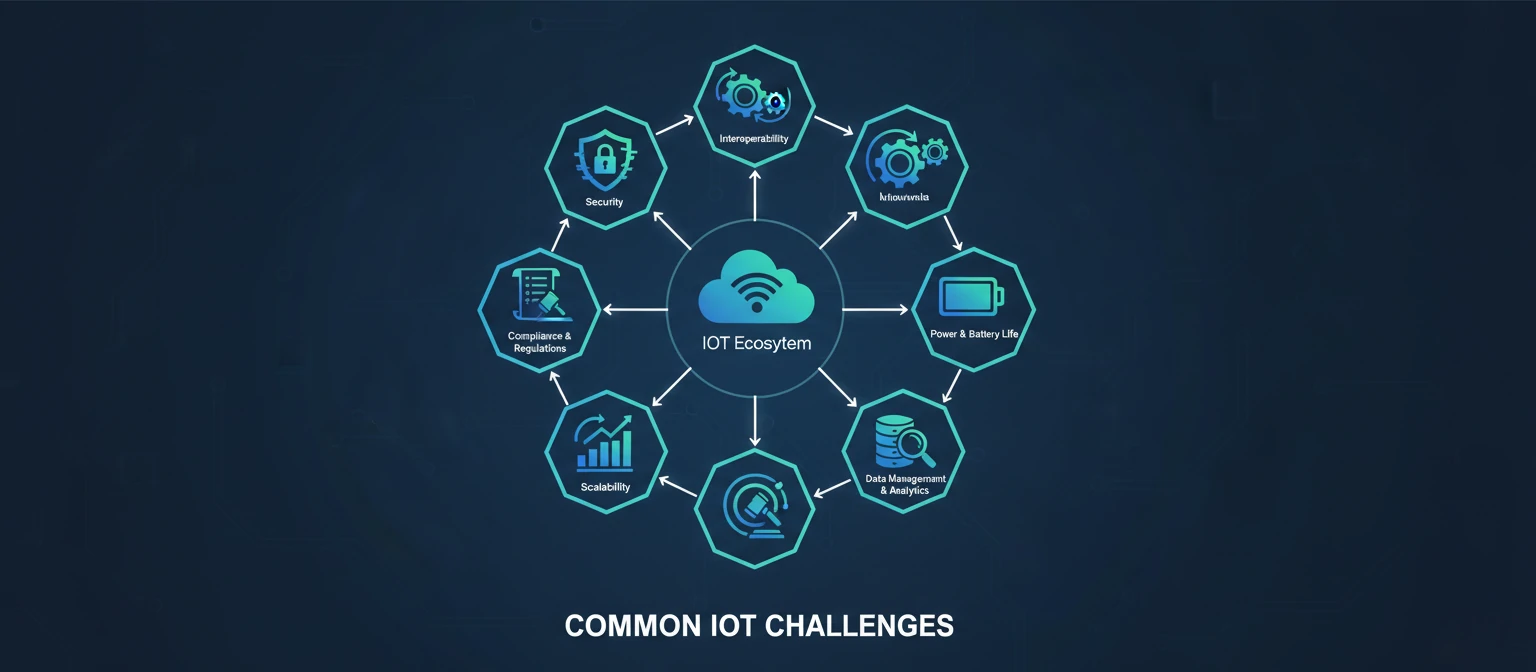
While IoT offers tremendous opportunities, it's not without its challenges. Understanding these can help you appreciate why choosing an experienced IoT development company is so important.
1. Security Vulnerabilities
IoT devices are often resource-constrained and can be difficult to secure. A single vulnerable device can compromise an entire network.
2. Interoperability Issues
With so many different devices and protocols, ensuring seamless communication between components can be complex.
3. Power Management
Many IoT devices need to operate on battery power for extended periods, requiring careful optimization of power consumption.
4. Data Management and Analytics
Handling the massive amounts of data generated by IoT devices requires robust infrastructure and analytics capabilities.
5. Scalability Concerns
As your IoT deployment grows, maintaining performance and managing costs becomes increasingly challenging.
6. Regulatory Compliance
IoT solutions often need to comply with various regulations, such as GDPR for data privacy or industry-specific standards.
An experienced IoT development company will have strategies and best practices to address these challenges, minimizing risks and ensuring successful implementation.
Case Studies: Successful IoT Implementations
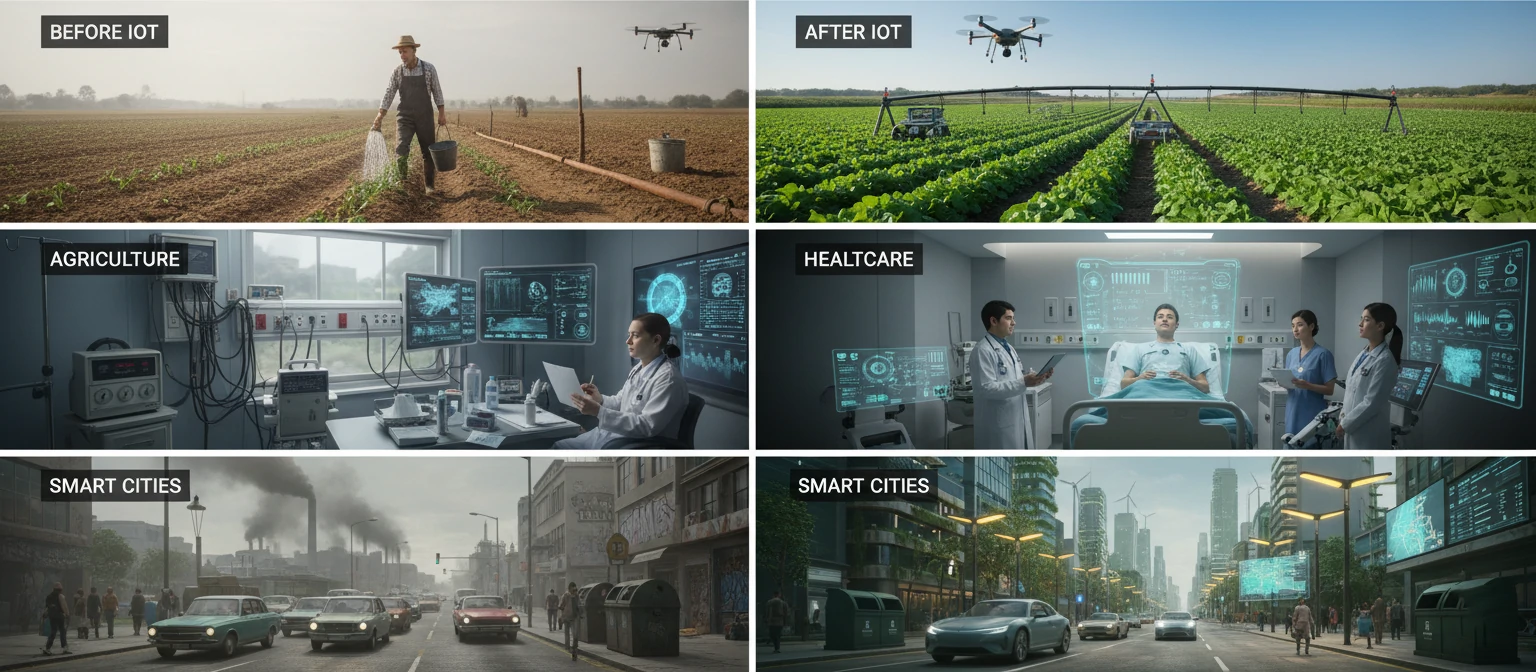
Let's look at some real-world examples of successful IoT implementations to understand the impact these solutions can have.
Smart Agriculture with John Deere
John Deere partnered with IoT developers to create precision agriculture solutions. Their tractors and combines now collect data on soil conditions, crop health, and equipment performance. This data is analyzed to optimize farming practices, resulting in increased yields and reduced resource usage.
Healthcare Monitoring with Philips
Philips developed IoT-enabled patient monitoring systems that allow continuous tracking of vital signs. These devices automatically alert healthcare providers to potential issues, enabling proactive care and reducing hospital readmissions.
Smart City Infrastructure in Barcelona
The city of Barcelona implemented a comprehensive IoT network covering lighting, parking, waste management, and traffic control. This has led to significant energy savings and improved quality of life for residents.
Industrial IoT in Manufacturing
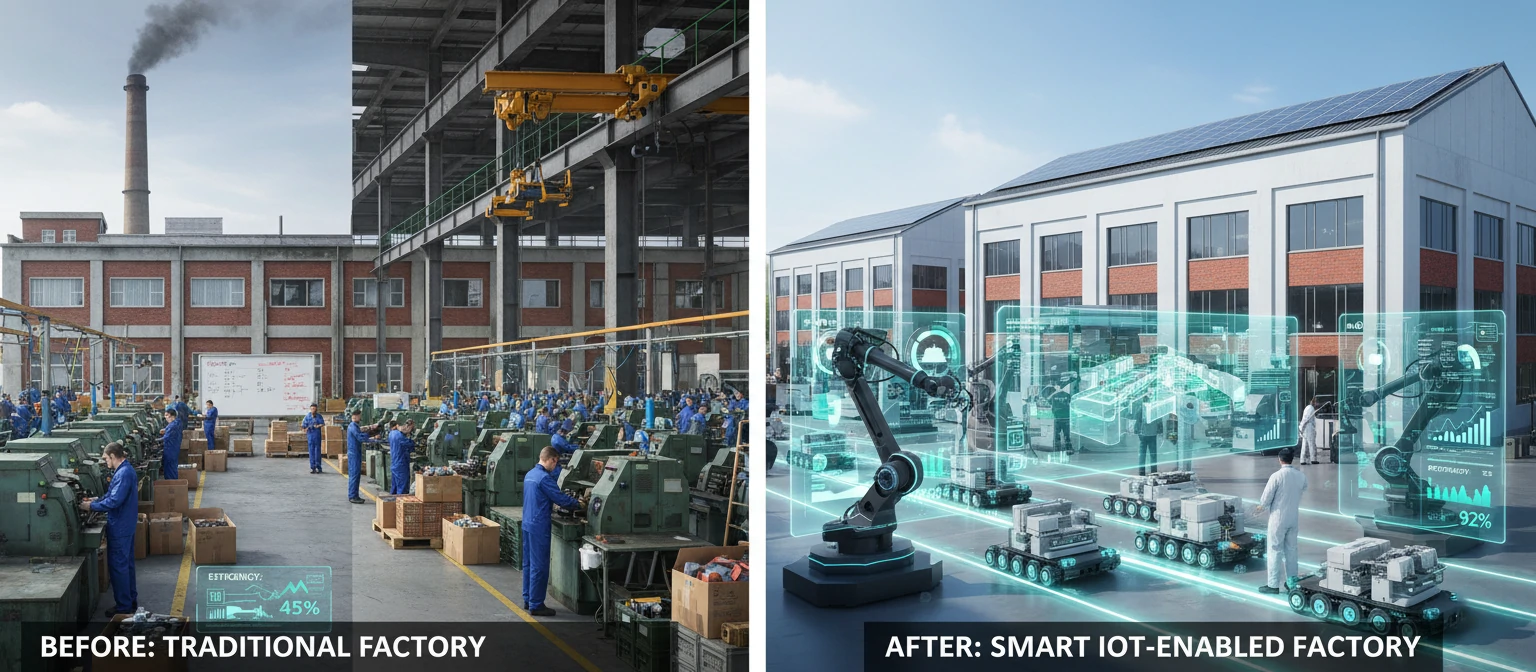
Companies like Siemens have implemented Industrial IoT (IIoT) solutions that predict equipment failures before they occur, optimize production lines, and improve overall efficiency. One case study showed a 20% reduction in downtime and 15% increase in productivity.
These examples demonstrate how IoT development companies can transform businesses across industries, delivering measurable ROI and competitive advantages.
The Future of IoT Development
The IoT landscape is continuously evolving, with new technologies and trends shaping its future. Here's what to expect:
5G and Edge Computing
The rollout of 5G networks will enable faster, more reliable connectivity for IoT devices. Combined with edge computing, this will allow for real-time processing closer to the data source, reducing latency and bandwidth requirements.
AI and Machine Learning Integration
AI will play an increasingly important role in IoT, enabling predictive analytics, autonomous decision-making, and more intelligent automation.
Blockchain for IoT Security
Blockchain technology could provide decentralized security solutions for IoT networks, ensuring data integrity and enabling secure device-to-device transactions.
Sustainable IoT
As environmental concerns grow, IoT will be used to monitor and reduce carbon footprints, optimize energy usage, and promote sustainable practices.
IoT in Emerging Markets
Developing countries are adopting IoT for applications like smart agriculture, telemedicine, and infrastructure monitoring, creating new opportunities for IoT development companies.
Staying ahead of these trends will be crucial for businesses looking to maintain a competitive edge. Partnering with a forward-thinking IoT development company can help you leverage these emerging technologies.

Getting Started with Your IoT Project
Ready to embark on your IoT journey? Here's a step-by-step guide to get started:
- Define Your Objectives: Clearly outline what you want to achieve with IoT. Is it cost reduction, improved efficiency, new revenue streams, or enhanced customer experience?
- Assess Your Current Infrastructure: Evaluate your existing systems and identify integration points for IoT solutions.
- Start Small: Begin with a pilot project to test concepts and demonstrate value before scaling up.
- Choose the Right Partner: Use the criteria discussed earlier to select an IoT development company that fits your needs.
- Plan for Security: Incorporate security considerations from the very beginning of your project.
- Measure Success: Define KPIs and metrics to track the performance and ROI of your IoT implementation.
- Scale Gradually: Once your pilot is successful, expand your IoT ecosystem incrementally.
Remember, IoT implementation is a journey, not a destination. Start with clear goals, choose the right partners, and be prepared to iterate and improve over time.
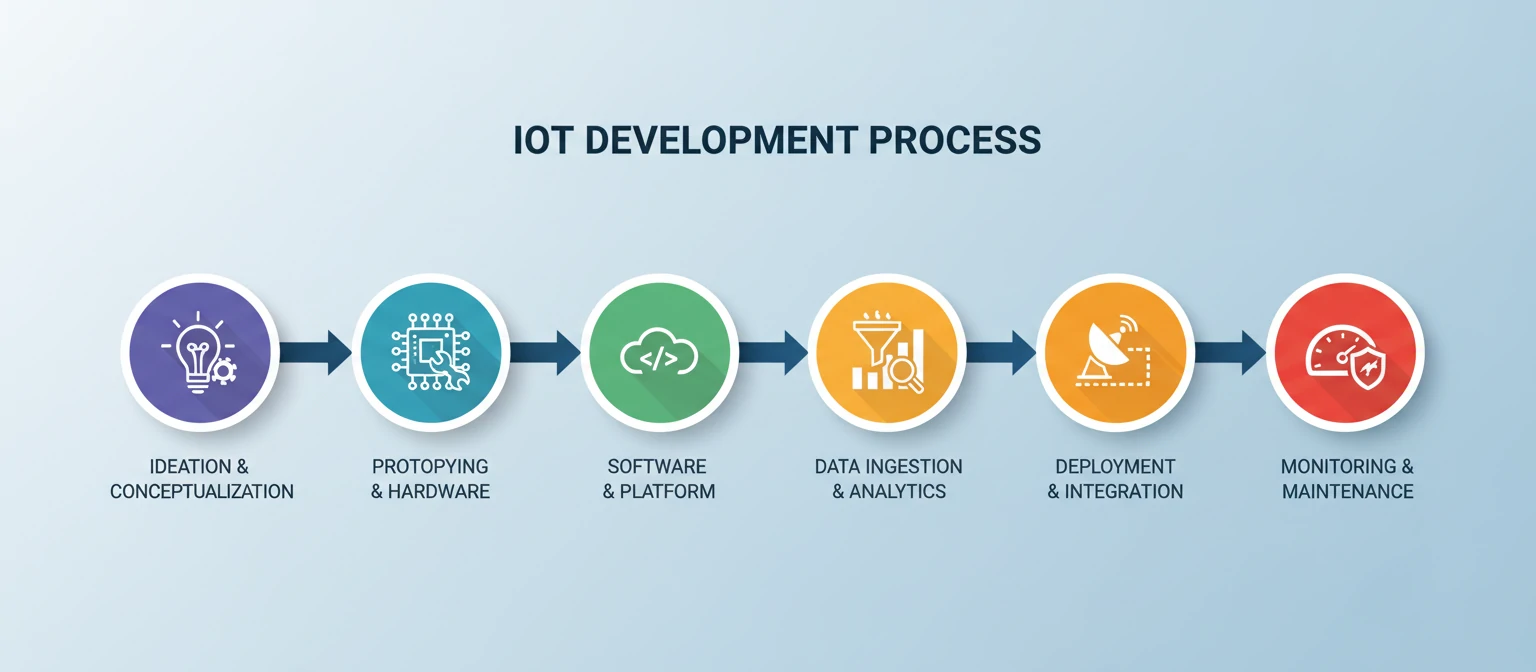
The IoT Development Process
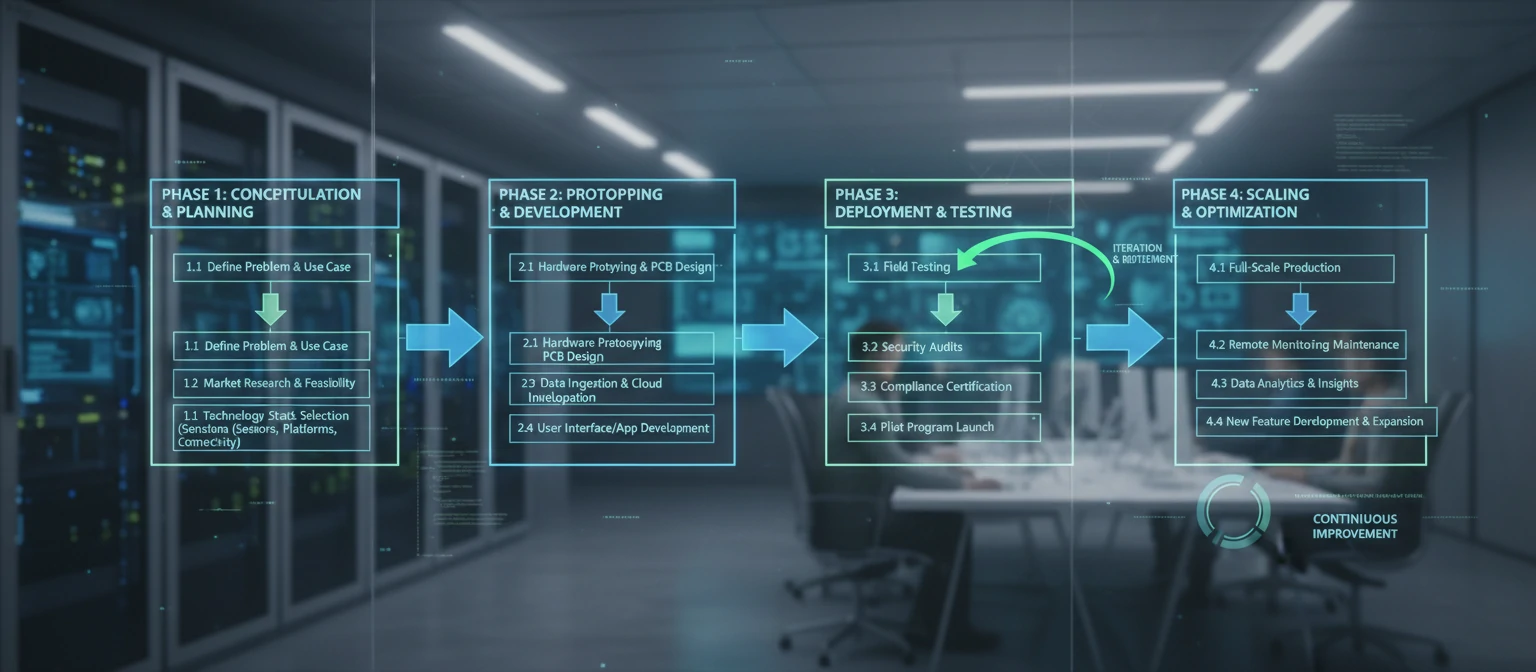
Understanding the IoT development process can help you better collaborate with your chosen IoT development company. While processes may vary slightly between companies, most follow a structured approach to ensure successful outcomes.
1. Discovery and Planning
This initial phase involves gathering requirements, defining objectives, and conducting feasibility studies. The IoT development company will work closely with you to understand your business needs, technical constraints, and desired outcomes.
2. Design and Prototyping
Based on the requirements, the team designs the system architecture, selects appropriate hardware and software components, and creates prototypes. This phase often includes creating proof-of-concept models to validate the approach.
3. Development and Integration
The core development work takes place here, including firmware programming, software development, and system integration. This is where the IoT solution starts to take shape.
4. Testing and Quality Assurance
Rigorous testing ensures the system works reliably under various conditions. This includes unit testing, integration testing, security testing, and performance testing.
5. Deployment and Launch
The solution is deployed to production environments, with careful monitoring to ensure smooth operation. User training and documentation are also provided during this phase.
6. Maintenance and Optimization
Post-launch support includes monitoring, updates, and continuous improvement based on real-world performance data.
Throughout this process, agile methodologies are often employed, allowing for iterative development and frequent feedback. This ensures the final product meets your evolving needs and adapts to any challenges that arise during development.
Costs and Budgeting for IoT Projects
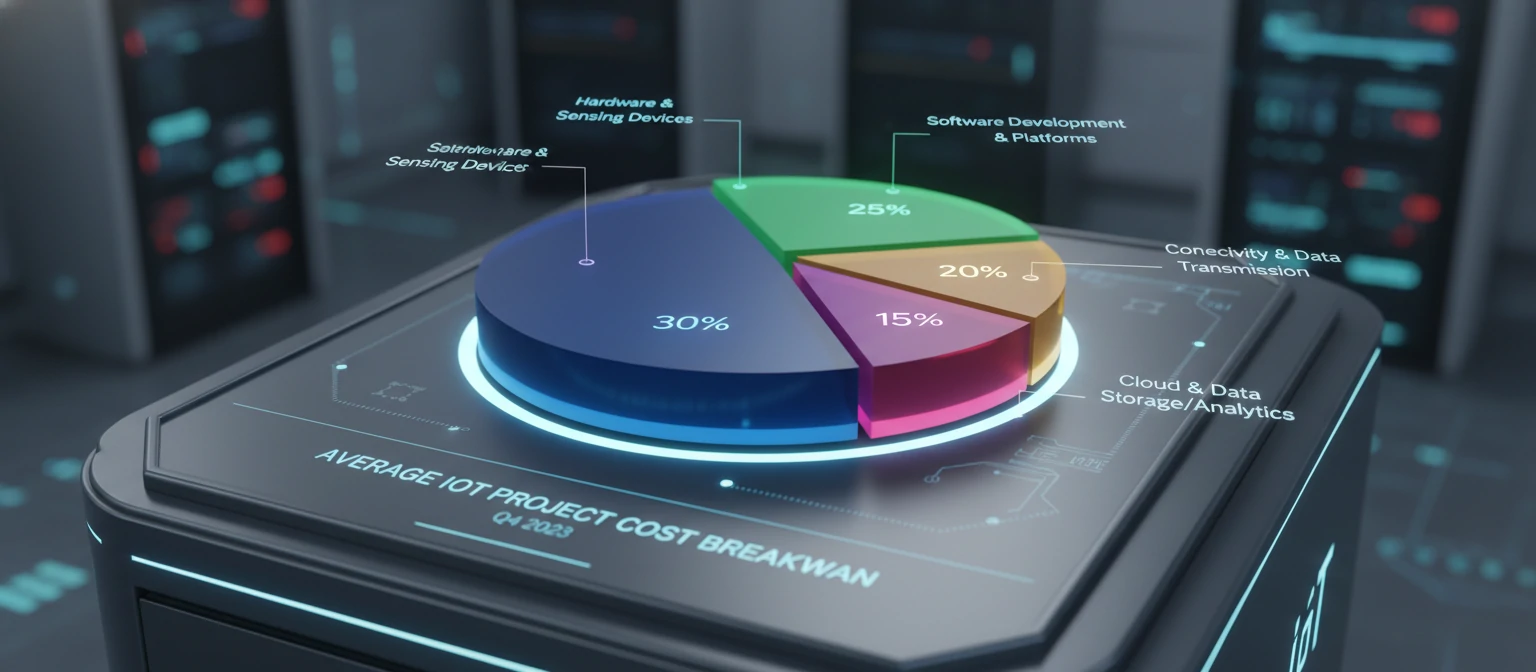
IoT project costs can vary widely depending on complexity, scale, and requirements. Understanding the typical cost structure can help you budget effectively and avoid surprises.
Factors Affecting IoT Project Costs
- Hardware Costs: Sensors, microcontrollers, gateways, and other physical components can range from a few dollars to hundreds per device.
- Software Development: Custom firmware, applications, and cloud services form a significant portion of the budget.
- Connectivity: Ongoing costs for cellular data, Wi-Fi infrastructure, or satellite communication.
- Data Storage and Analytics: Cloud storage fees and analytics platform costs.
- Security: Implementing robust security measures adds to the overall cost but is essential.
- Integration: Costs for integrating with existing systems and legacy infrastructure.
- Maintenance and Support: Ongoing costs for updates, bug fixes, and technical support.
Typical Cost Ranges
Simple IoT projects might cost $10,000 to $50,000, while complex enterprise solutions can exceed $500,000 or more. Pilot projects often start smaller, allowing you to test concepts before full-scale implementation.
When budgeting, consider not just the initial development costs but also long-term operational expenses. A good IoT development company will provide transparent pricing and help you understand the total cost of ownership.
Remember, investing in quality upfront can save money in the long run by reducing maintenance costs and improving reliability. Don't cut corners on critical aspects like security and scalability.
Top IoT Development Companies to Consider
While the "best" company depends on your specific needs, here are some reputable IoT development companies known for their expertise and track record:
1. IBM IoT
IBM offers comprehensive IoT solutions with strong analytics capabilities and enterprise-grade security. They're particularly strong in industrial IoT and AI integration.
2. Microsoft Azure IoT
Microsoft provides robust cloud-based IoT platforms with excellent scalability and integration with other Microsoft services.
3. Amazon Web Services (AWS) IoT
AWS offers a wide range of IoT services, from device management to analytics, with global infrastructure and reliability.
4. Google Cloud IoT
Google's IoT platform leverages their expertise in AI and machine learning for advanced analytics and predictive capabilities.
5. PTC ThingWorx
Specializing in industrial IoT, PTC provides powerful platforms for connected products and operations.
6. Bosch IoT Suite
Bosch brings deep hardware expertise combined with software solutions for various IoT applications.
7. Smaller Specialized Firms
Don't overlook boutique IoT development companies that may offer more personalized service and niche expertise.
When researching companies, look beyond the big names. Consider factors like industry focus, geographic location, and cultural fit. Many companies offer free consultations or demos to help you evaluate their suitability.
Frequently Asked Questions About IoT Development
What industries benefit most from IoT?
IoT has applications in virtually every industry, but manufacturing, healthcare, agriculture, retail, and smart cities see some of the most significant benefits.
How long does it take to develop an IoT solution?
Development timelines vary widely. Simple projects might take 3-6 months, while complex enterprise solutions can take 12-18 months or more.
Is IoT secure?
IoT can be secure when properly implemented with best practices. However, security must be a priority from the design phase, not an afterthought.
What skills do I need on my team for IoT projects?
While you don't need deep technical expertise, having team members who understand IoT concepts and can communicate requirements effectively is helpful.
How do I measure ROI for IoT investments?
ROI can be measured through metrics like cost savings, productivity improvements, revenue growth, and risk reduction. Start with clear KPIs before implementation.
Can I start with a small IoT project and scale up?
Absolutely. Many companies begin with pilot projects to test concepts and demonstrate value before expanding.
These FAQs address common concerns, but every IoT project is unique. Consult with your IoT development partner for advice tailored to your specific situation.
Emerging IoT Technologies
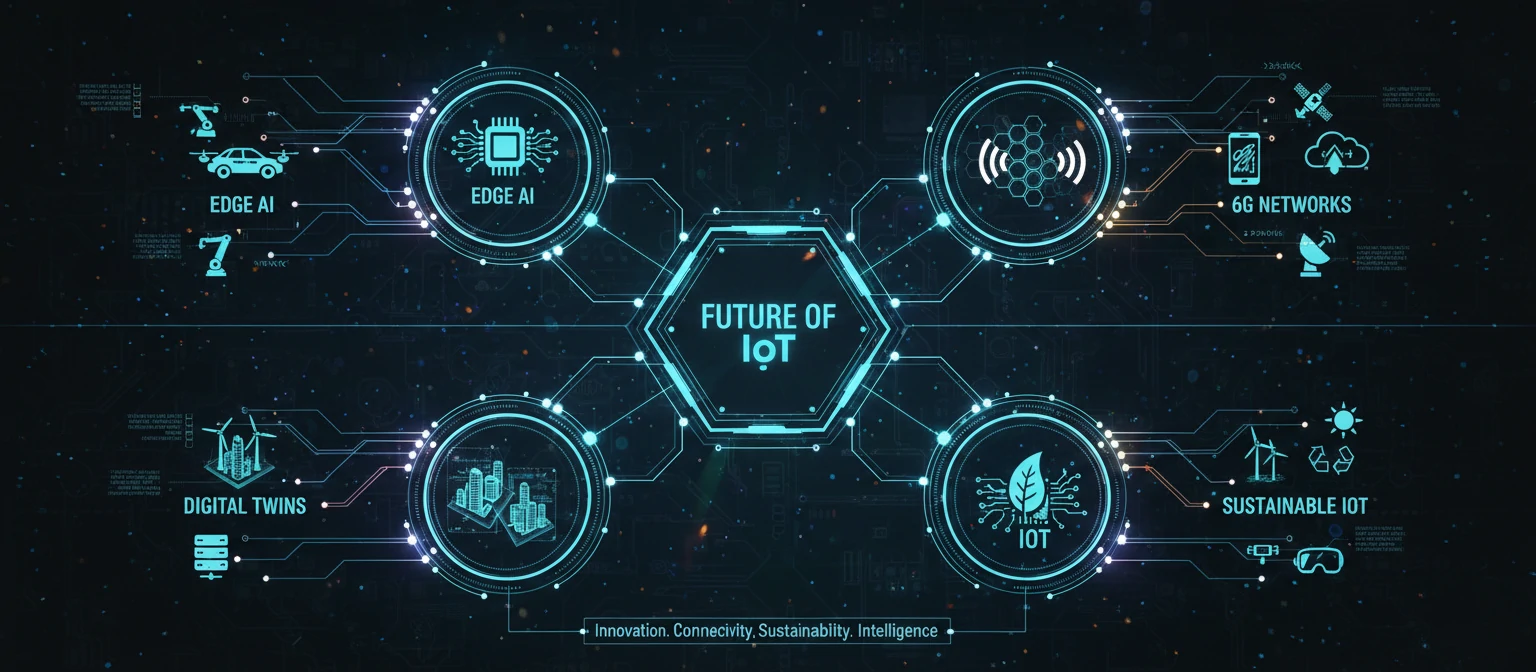
Hey, IoT isn't standing still – it's constantly evolving with exciting new technologies that are pushing the boundaries of what's possible. Let's talk about some of the coolest emerging trends that are shaping the future of IoT development. These aren't just buzzwords; they're real innovations that could transform how we interact with the connected world.
- Edge AI and Machine Learning: Imagine your smart devices getting smarter right on the device itself, without needing to send data to the cloud. This means faster responses and better privacy – pretty awesome, right?
- 6G Connectivity: While 5G is still rolling out, researchers are already dreaming about 6G. This next-gen network could enable ultra-low latency and massive device connectivity, opening doors to applications we can barely imagine today.
- Digital Twins: These virtual replicas of physical objects or systems allow us to simulate, analyze, and optimize IoT deployments before they even exist. It's like having a crystal ball for your IoT projects!
- Sustainable IoT: With climate change on everyone's mind, IoT is stepping up with energy-efficient designs, biodegradable sensors, and solutions that help monitor and reduce environmental impact.
Partnering with an IoT development company that's keeping up with these trends can give your business a serious edge. They can help you leverage these cutting-edge technologies to create solutions that are not just current, but future-proof.
IoT Security Best Practices
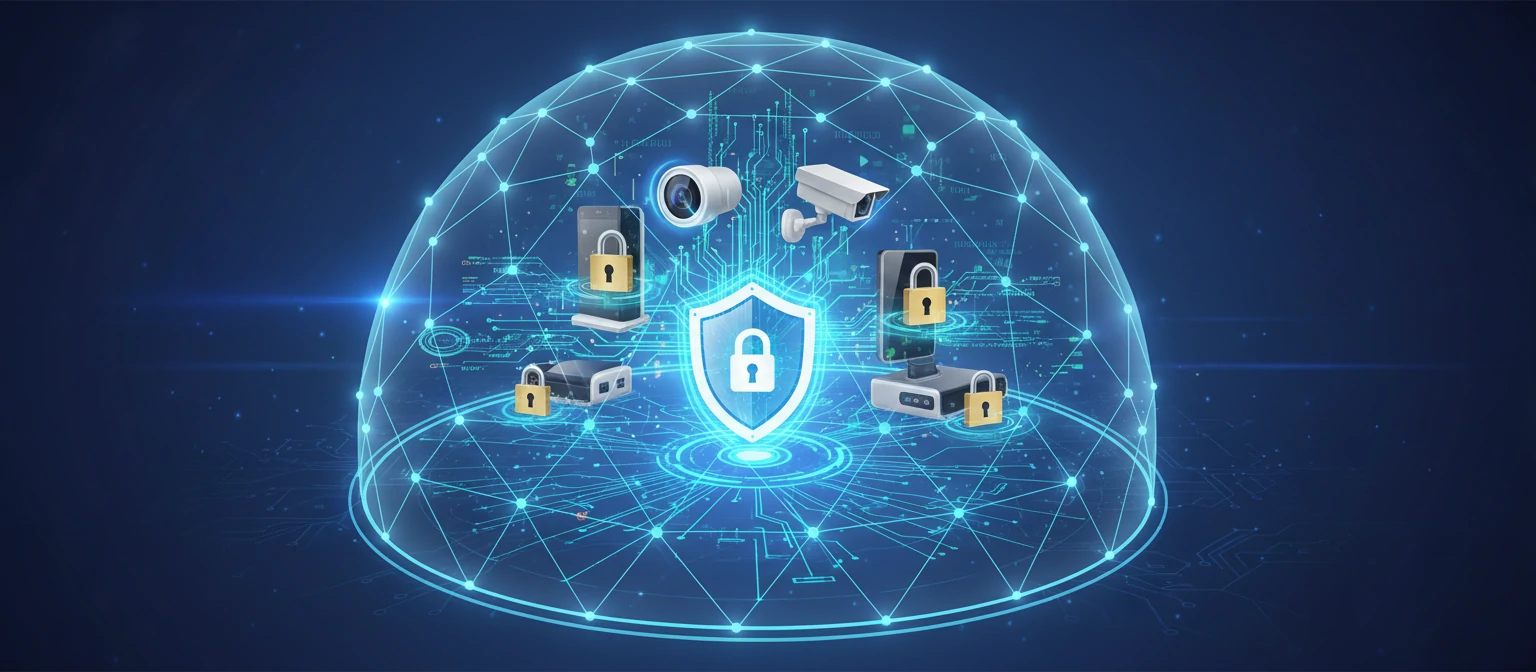
Okay, let's get real for a moment – IoT security is absolutely crucial. With billions of connected devices, the potential for security breaches is huge. But don't worry, there are solid best practices that can keep your IoT ecosystem safe and sound. A good IoT development company will build security into every layer of your solution from day one.
- Secure by Design: Think security first, not as an afterthought. Every device, every connection, every piece of software should be designed with security in mind.
- Regular Updates and Patching: Keep everything up to date. Outdated software is like leaving your front door wide open – don't do it!
- Encryption Everywhere: Encrypt data at rest, in transit, and during processing. Your sensitive information deserves the best protection.
- Access Control and Authentication: Use strong authentication methods and limit access to only those who need it. Multi-factor authentication is your friend here.
- Network Segmentation: Don't put all your eggs in one basket. Segment your network so if one device is compromised, the whole system doesn't fall.
Remember, IoT security isn't a one-time thing – it's an ongoing commitment. Choose a development partner with a proven track record in secure IoT implementations, and you'll sleep better at night knowing your connected world is protected.
Common Mistakes to Avoid in IoT Development
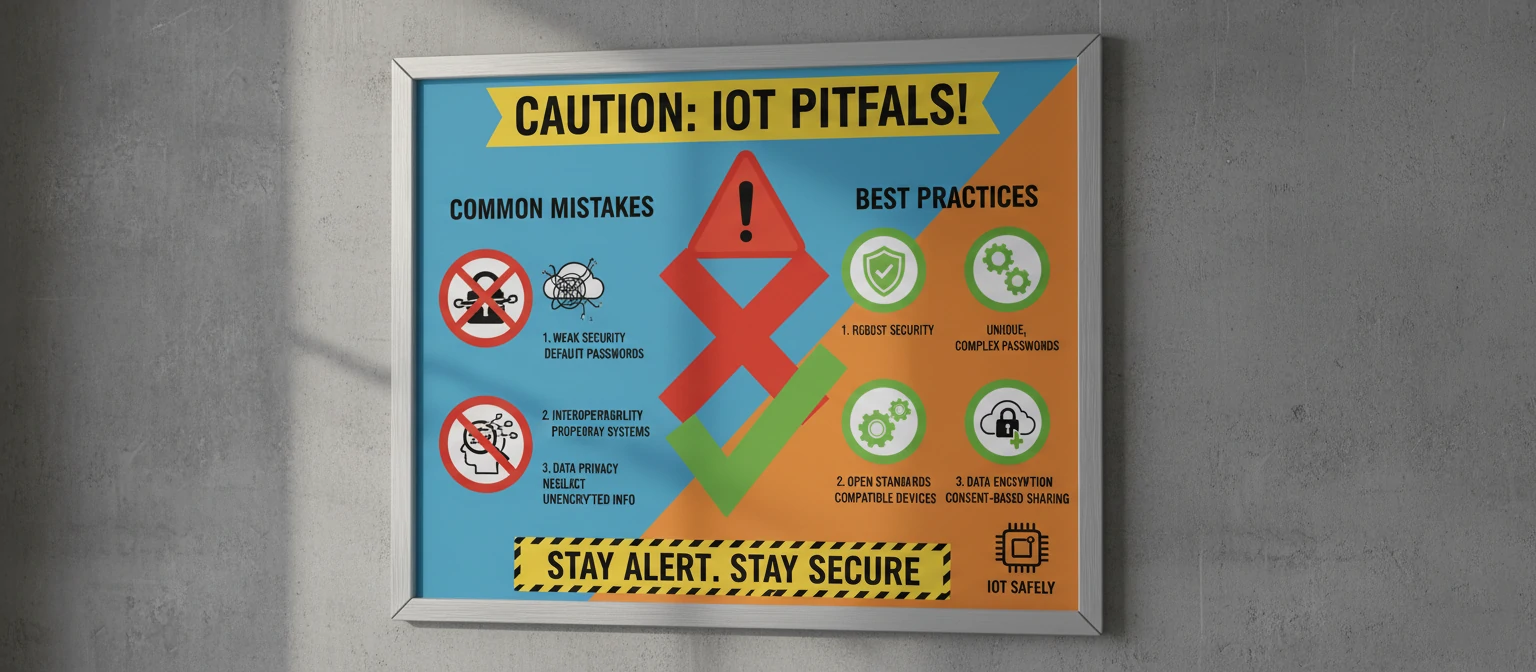
We've all been there – learning from mistakes is part of the process. But when it comes to IoT development, some errors can be costly and time-consuming. Let's chat about the most common pitfalls and how to steer clear of them. Working with experienced IoT developers can help you avoid these traps altogether.
- Underestimating Complexity: IoT isn't just about connecting devices – it's a symphony of hardware, software, data, and user experience. Don't oversimplify!
- Ignoring Scalability: What works for 10 devices might not work for 10,000. Plan for growth from the start, or you'll be rebuilding sooner than you think.
- Neglecting Security: We've talked about this, but it bears repeating – security can't be an add-on. It's fundamental to every IoT project.
- Poor Power Management: Many IoT devices need to run on batteries for years. Optimize power consumption, or you'll be changing batteries constantly.
- Overlooking Interoperability: Your IoT solution shouldn't live in isolation. Ensure it can play nicely with other systems and devices.
The key takeaway? IoT development is complex, but that's why partnering with experts matters. They bring the experience to anticipate these issues and build robust, scalable solutions that stand the test of time.
Ready to Transform Your Business with IoT?
Don't let the complexity of IoT hold you back. Partner with an experienced IoT development company and unlock the full potential of connected technologies. Contact us today to discuss your IoT project and take the first step towards a smarter, more efficient future.
Conclusion
The Internet of Things is revolutionizing how we live, work, and interact with technology. By partnering with the right IoT development company, businesses can harness this power to drive innovation, improve efficiency, and create new opportunities. Remember to thoroughly evaluate potential partners, focusing on their expertise, experience, and ability to deliver secure, scalable solutions.
As IoT continues to evolve, staying informed and adaptable will be key to success. Whether you're in manufacturing, healthcare, agriculture, or any other industry, there's likely an IoT solution that can help you achieve your goals. The future is connected – are you ready to join the revolution?