

Master search engine optimization to attract beauty enthusiasts and drive sales for your cosmetics business
Table of contents
- 💎 Key Takeaways
- 1. Understanding Beauty SEO
- 2. Keyword Research for Beauty
- 3. Product Page Optimization
- 4. Category Page Strategies
- 5. Content Marketing for Beauty
- 6. Visual SEO & Image Strategy
- 7. Technical SEO Essentials
- 8. Local SEO for Beauty Stores
- 9. Link Building Strategies
- 10. Measuring Success
- Start Growing Your Beauty Brand Today
- Frequently Asked Questions
The beauty and cosmetics industry has transformed dramatically in the digital age. What was once dominated by department store counters and magazine ads is now a vibrant online marketplace where brands of all sizes compete for attention. With global beauty e-commerce projected to exceed $500 billion by 2027, the opportunity is immense—but so is the competition.
For beauty brands, SEO represents a powerful opportunity to reach consumers at every stage of their purchasing journey. From the person researching “best foundation for oily skin” to the loyal customer searching for your brand by name, organic search captures high-intent traffic that converts into sales.
This comprehensive guide covers everything you need to know about SEO for beauty and cosmetics businesses. Whether you’re an indie brand just starting out or an established company looking to improve your digital presence, these strategies will help you attract more customers and grow your beauty business online.
💎 Key Takeaways
Beauty SEO is highly visual—image optimization and Pinterest/YouTube presence are as important as traditional SEO
Skin type, concern, and ingredient-based keywords offer the best opportunities for ranking and conversions
Tutorial and how-to content drives massive traffic and builds brand authority in the beauty space
User-generated content, reviews, and influencer partnerships significantly impact SEO performance
Clean beauty, sustainability, and ingredient transparency are growing search trends to capitalize on
1. Understanding Beauty SEO
The beauty industry presents unique SEO opportunities and challenges. Understanding how beauty consumers search and what influences their purchasing decisions is essential for developing effective strategies.
The Beauty Consumer Journey
Beauty purchases are deeply personal and often require significant research. The typical journey includes:
Stage 1: Problem Recognition
Searches like “how to reduce acne scars,” “why is my skin so dry,” “best treatment for fine lines”
Stage 2: Solution Research
Searches like “retinol vs vitamin C,” “best ingredients for aging skin,” “niacinamide benefits”
Stage 3: Product Comparison
Searches like “best vitamin C serum 2025,” “The Ordinary vs Paula’s Choice,” “drugstore dupes for high-end products”
Stage 4: Purchase Decision
Searches like “buy [brand] vitamin C serum,” “[product name] reviews,” “[brand] discount code”
Beauty Industry Search Trends
Several trends are shaping beauty search behavior:
Clean Beauty
Growing searches for natural, non-toxic, and sustainable products
Ingredient-Focused
Consumers searching by specific ingredients like retinol, hyaluronic acid
Video Content
YouTube and TikTok driving product discovery and tutorials
Inclusivity
Searches for diverse shade ranges and products for all skin tones
The Competitive Landscape
Beauty SEO competition includes major retailers, established brands, and emerging indie brands:
- Major retailers: Sephora, Ulta, and Amazon dominate many high-volume keywords
- Established brands: L’Oréal, Estée Lauder brands have significant authority
- Indie disruptors: Glossier, The Ordinary, and similar brands excel at content marketing
- Media sites: Allure, Byrdie, and beauty publications capture informational searches
The good news? The beauty market is vast enough for brands of all sizes to find their niche. Success comes from targeting specific skin types, concerns, and demographics rather than competing for broad terms.
2. Keyword Research for Beauty
Beauty keyword research requires understanding the specific language consumers use to describe their needs. The most valuable keywords combine product types with skin concerns, types, or ingredients.
Beauty-Specific Keyword Modifiers
High-Value Keyword Patterns
# Product + Skin Type/Concern
best + [product] + for + [skin type] → “best foundation for dry skin”
[product] + for + [concern] → “serum for dark circles”
[ingredient] + [product] → “vitamin C moisturizer”
# How-To and Tutorial Searches
how to + [action] → “how to contour round face”
[look] + makeup tutorial → “smokey eye makeup tutorial”
[product] + application → “concealer application techniques”
# Comparison and Review Searches
[brand] + vs + [brand] → “MAC vs Charlotte Tilbury”
[product] + review → “Fenty foundation review”
best + [category] + 2026 → “best lipsticks 2025”
Category-Specific Keywords

3. Product Page Optimization
Beauty product pages need to do more than list features—they need to connect with consumers emotionally while providing the practical information needed to make purchasing decisions.
Product Title Optimization
❌ Weak Product Title
“Face Serum - 30ml”
✔ Strong Product Title
“20% Vitamin C Brightening Serum with Hyaluronic Acid — Anti-Aging Dark Spot Treatment — 30ml”
The optimized title includes: concentration (20%), key ingredient (vitamin C), benefit (brightening), additional ingredients (hyaluronic acid), concerns addressed (anti-aging, dark spots), and size. This captures multiple search queries.
Essential Product Page Elements
Schema Markup for Beauty Products
Implement comprehensive Product schema with beauty-specific properties:
- name: Full product name with key ingredients and benefits
- description: Comprehensive product description
- image: Multiple product images including swatches
- brand: Your brand name
- offers: Price, availability, and any promotions
- aggregateRating: Customer review ratings
- size: Product size (ml, oz, etc.)
4. Category Page Strategies
Category pages have significant ranking potential in beauty e-commerce. Well-optimized category pages can rank for competitive keywords while helping customers find the right products.
Creating Targeted Category Pages
Create indexable category pages for different customer needs:
By Product Type
- /skincare/serums/
- /skincare/moisturizers/
- /makeup/foundations/
- /makeup/lipsticks/
By Skin Concern
- /skincare/acne-treatment/
- /skincare/anti-aging/
- /skincare/brightening/
- /skincare/hydrating/
By Ingredient
- /ingredients/retinol/
- /ingredients/vitamin-c/
- /ingredients/niacinamide/
- /ingredients/hyaluronic-acid/
By Values
- /collections/vegan/
- /collections/cruelty-free/
- /collections/clean-beauty/
- /collections/sustainable/
Category Page Content
Optimal Category Page Structure
5. Content Marketing for Beauty
Content marketing is where beauty brands can truly shine. Beauty consumers are hungry for information, tutorials, and inspiration—creating massive opportunities for organic traffic.
High-Performing Content Types
Skincare Routines
“Complete Morning Skincare Routine for Oily Skin,” “Korean Skincare Routine for Beginners” — Routine content captures high-volume searches and showcases multiple products.
Makeup Tutorials
“Natural Makeup Look Tutorial,” “How to Apply Foundation Like a Pro” — Tutorial content drives traffic and demonstrates product application.
Ingredient Guides
“Complete Guide to Retinol,” “Niacinamide Benefits for Skin” — Educational content establishes authority and targets ingredient-focused searchers.
Product Comparisons
“Retinol vs Retinal: What’s the Difference?,” “Drugstore vs High-End: Foundation Comparison” — Comparison content captures decision-stage searches.
Best-Of Roundups
“Best Moisturizers for Dry Skin 2025,” “Top 10 Concealers for Dark Circles” — Curated lists capture high-intent traffic from buyers ready to purchase.
Seasonal Content Calendar
6. Visual SEO & Image Strategy
Beauty is inherently visual, making image optimization and visual search critical components of your SEO strategy. Google Images, Pinterest, and Instagram drive significant traffic to beauty brands.
Image Optimization Best Practices
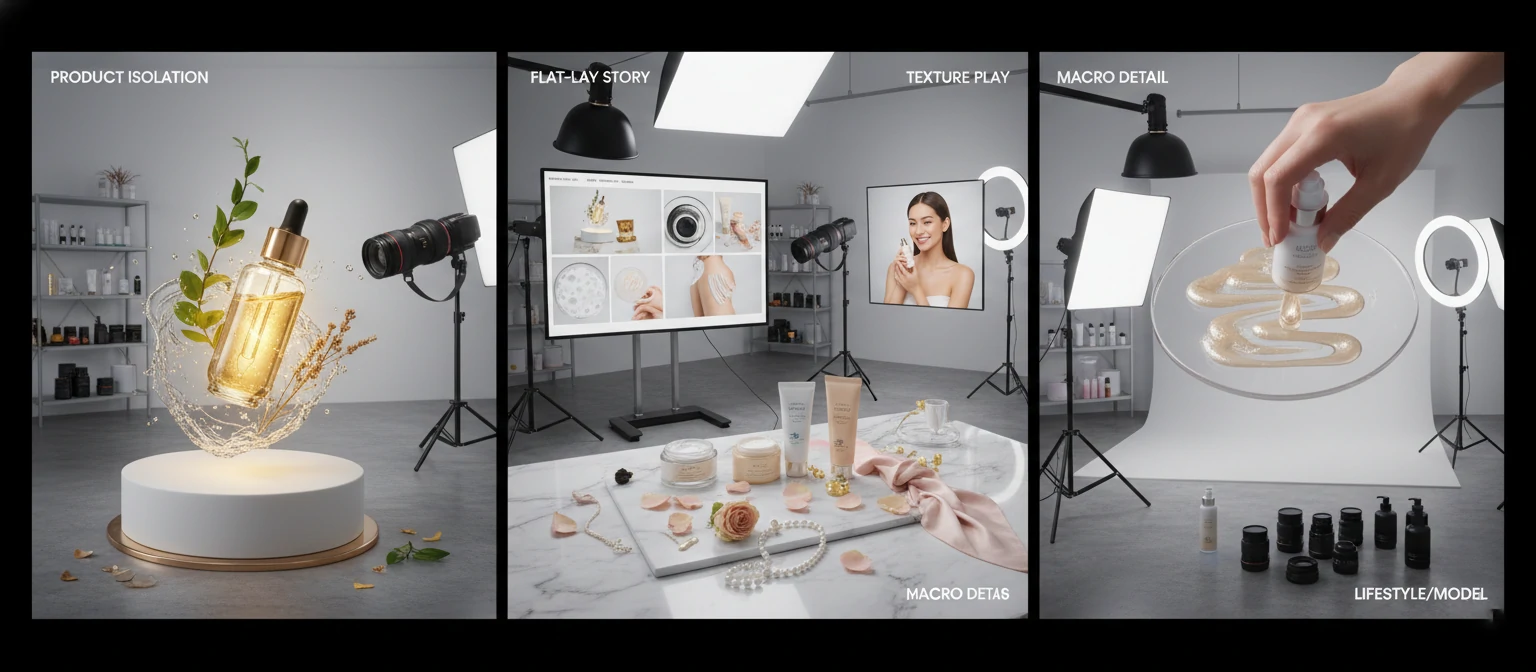
Essential Image Types for Beauty
Product Shots
Clean, white background images showing packaging from multiple angles
Swatches
Color swatches on various skin tones for makeup products
Before/After
Results imagery showing product effectiveness
Application
Images showing how to use the product
Lifestyle
Products in aspirational, styled settings
Texture
Close-ups showing product texture and consistency
Pinterest Optimization
Pinterest is a major traffic driver for beauty brands. Optimize your Pinterest presence:
- Vertical images: Use 2:3 aspect ratio (1000x1500px) for best feed performance
- Text overlays: Add descriptive text to lifestyle and tutorial images
- Rich Pins: Enable Product Rich Pins for real-time pricing
- Board organization: Create boards by product type, concern, and look
- SEO descriptions: Write keyword-rich pin descriptions
7. Technical SEO Essentials
Technical SEO ensures search engines can efficiently crawl and index your beauty site. These fundamentals support all your other SEO efforts.
Site Speed Optimization
Beauty sites are image-heavy, making speed optimization critical:
Page load time target
Preferred image format
PageSpeed score goal
Use content delivery
Mobile Optimization
Most beauty shopping happens on mobile. Ensure your site:
- Uses responsive design across all screen sizes
- Has touch-friendly navigation and product filtering
- Displays shade swatches clearly on small screens
- Enables easy image zoom for product details
- Provides streamlined mobile checkout
URL Structure
# Recommended URL Structure
/skincare/serums/ # Category
/skincare/serums/vitamin-c/ # Subcategory
/skincare/serums/vitamin-c-brightening-serum/ # Product
/blog/skincare-routine-oily-skin/ # Content
# Avoid
/product.php?id=12345&cat=serums
/p/12345/vitamin-c-serum
8. Local SEO for Beauty Stores
If you have physical retail locations, salons, or spas, local SEO is essential for driving foot traffic and appointments.
Google Business Profile Optimization
Complete all profile fields including services, hours, and attributes
Choose accurate categories like “Beauty Supply Store,” “Cosmetics Store,” or “Spa”
Upload high-quality photos of your store, products, and services
Post regularly about new products, promotions, and beauty tips
Respond to all reviews professionally and promptly
Enable booking if you offer services like makeovers or consultations
Local Keywords to Target
9. Link Building Strategies
Building quality backlinks establishes authority and improves rankings. The beauty industry offers unique link building opportunities through publications, influencers, and community engagement.
Beauty Publication Outreach
Beauty Magazines
Allure, Glamour, InStyle, Cosmopolitan, Harper’s Bazaar
Digital Beauty Sites
Byrdie, Who What Wear, Refinery29, The Zoe Report
Lifestyle Publications
Well+Good, MindBodyGreen, PureWow, Goop
Beauty Bloggers
Into The Gloss, The Beauty Look Book, Temptalia
Influencer Partnerships
Beauty influencers can provide valuable backlinks and brand exposure:
- YouTube collaborations: Product reviews and tutorials with links in descriptions
- Blog features: Partner with beauty bloggers for product reviews
- Expert roundups: Contribute quotes and insights to beauty articles
- Gift guides: Get featured in influencer holiday and seasonal guides
Linkable Content Ideas
- Original research: Survey consumers about beauty habits and trends
- Ingredient glossaries: Comprehensive guides to skincare ingredients
- Shade finders: Interactive tools for finding the right foundation shade
- Routine builders: Customizable skincare routine generators
- Trend reports: Annual beauty trend analysis and predictions
10. Measuring Success
Track the right metrics to understand what’s working and identify opportunities for improvement in your beauty SEO strategy.
Key Performance Indicators
Traffic Metrics
- Organic sessions and users
- Traffic by content type
- Pinterest and image search traffic
- New vs. returning visitors
Revenue Metrics
- Organic revenue
- Conversion rate by channel
- Average order value
- Customer lifetime value
Ranking Metrics
- Keywords in top 10
- Category page rankings
- Content rankings
- Image search visibility
Engagement Metrics
- Time on page
- Pages per session
- Social shares
- Email signups from organic
Essential Tools
Start Growing Your Beauty Brand Today
SEO for beauty brands requires a unique approach that combines technical optimization with compelling visual content and authentic expertise. The beauty industry’s passionate, engaged audience actively seeks information—making SEO one of the most effective channels for sustainable growth.
Start by understanding your audience’s specific needs and concerns. Build content that genuinely helps them solve problems and achieve their beauty goals. Optimize your product pages with comprehensive information, and leverage visual platforms like Pinterest and YouTube.
Remember, beauty consumers value authenticity and expertise. By providing real value through your content and products, you build the trust and authority that leads to long-term SEO success. Your passionate customers will become your best advocates, sharing and linking to your content naturally.
Frequently Asked Questions
How long does it take to see results from beauty SEO?
Most beauty brands see initial improvements within 3–4 months. Content targeting specific skin concerns or ingredients often ranks faster than competitive category terms. Building significant organic traffic typically takes 6–12 months of consistent effort.
How important is Pinterest for beauty SEO?
Extremely important. Pinterest drives significant traffic for beauty brands and influences purchasing decisions. Many beauty brands report Pinterest as their second or third largest traffic source. Invest in vertical, visually compelling images and consistent pinning.
Should indie brands compete with Sephora and Ulta?
Not directly on broad keywords. Instead, focus on specific niches—particular skin concerns, ingredients, or values (vegan, clean beauty). Build authority through educational content and community engagement. Your expertise and authenticity can outperform generic retail content.
How do reviews impact beauty SEO?
Reviews are crucial for beauty products. They provide fresh, unique content with natural keyword variations and enable review rich snippets in search results. Encourage customers to share their skin type and concerns in reviews for additional SEO benefit.
What content should beauty brands prioritize?
Start with skincare routines and ingredient guides—these have high search volume and evergreen value. Then build out product comparisons and “best of” lists for conversion-focused content. Tutorial content works well for makeup brands.
About Sophia Laurent
Sophia Laurent is a beauty industry digital strategist with over 10 years of experience helping cosmetics brands grow their online presence. She has worked with indie startups and established beauty houses alike, developing SEO strategies that drive both traffic and conversions. Sophia is a regular contributor to beauty marketing publications and speaks at industry conferences.