
Unlock the power behind your digital experiences
Table of contents
- Introduction to Backend Development Services
- What is Backend Development?
- Key Backend Development Services
- Technologies and Tools in Backend Development
- Benefits of Professional Backend Development Services
- Choosing the Right Backend Development Service Provider
- Future Trends in Backend Development
- Conclusion: Investing in Backend Development Services
Introduction to Backend Development Services
In today's hyper-connected world, where every click, swipe, and tap drives business decisions, the backend of your application is the unsung hero that keeps everything running smoothly. Backend development services form the foundation of digital experiences, handling the complex logic, data management, and server-side operations that users never see but rely on every day.
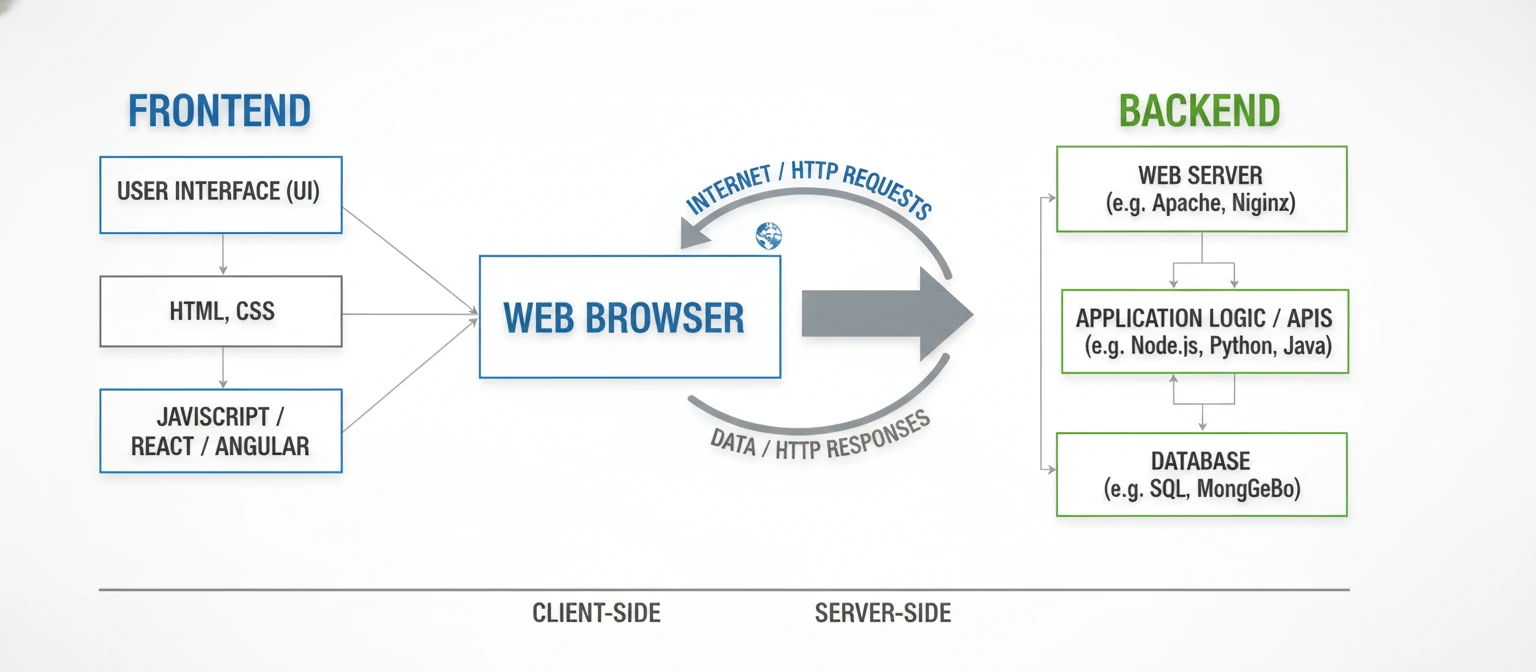
Imagine you're browsing an e-commerce site. The sleek product images, intuitive navigation, and smooth checkout process – that's the frontend. But behind the scenes, backend services are processing your search queries, managing inventory data, securing payment transactions, and ensuring the site can handle thousands of users simultaneously. Without robust backend development, even the most beautiful frontend would crumble under real-world demands.
This comprehensive guide will explore backend development services in depth, helping you understand their importance, the services available, and how to choose the right provider for your needs. Whether you're a startup founder, a business owner, or a developer looking to expand your skills, this article will provide valuable insights into the world of backend development.
As we dive deeper into backend development services, we'll cover everything from basic concepts to advanced technologies, real-world applications, and future trends. By the end of this guide, you'll have a clear understanding of how backend services can transform your digital presence and drive business growth.
Let's start by defining what backend development actually means and why it's crucial for modern applications.
What is Backend Development?
Backend development, also known as server-side development, refers to the part of web development that focuses on the server, database, and application logic. It's the "behind-the-scenes" work that powers the user-facing frontend.
While frontend developers create the visual elements users interact with – buttons, forms, layouts – backend developers build the systems that make those interactions meaningful. This includes:
- Server Logic: The code that runs on servers to process requests and generate responses
- Database Management: Designing, implementing, and maintaining data storage systems
- API Development: Creating interfaces that allow different software systems to communicate
- Security Implementation: Protecting applications from threats and vulnerabilities
- Performance Optimization: Ensuring applications run efficiently under various loads
Backend development services encompass a wide range of offerings that help businesses build, maintain, and scale their server-side infrastructure. These services are essential for any application that needs to store data, process user inputs, or integrate with other systems.

One of the key aspects of backend development is its invisibility to end-users. Users don't see the complex algorithms, database queries, or server configurations that make their experience possible. However, they definitely notice when backend issues occur – slow loading times, error messages, or data loss can quickly erode trust and drive users away.
Backend development services bridge the gap between business requirements and technical implementation. They ensure that your application's backend is not just functional, but also scalable, secure, and maintainable.
In the next sections, we'll explore the specific services offered by backend development providers and how they can benefit your business.
Key Backend Development Services
Backend development services cover a broad spectrum of technical offerings. Let's explore the most important ones that can help your business succeed in the digital landscape.
1. Custom Backend Development
Every business has unique requirements, and off-the-shelf solutions often fall short. Custom backend development services create tailored server-side solutions that perfectly match your business needs.
This service involves:
- Analyzing your business requirements
- Designing scalable architecture
- Writing clean, maintainable code
- Implementing business logic
- Integrating with existing systems
Custom development ensures that your backend grows with your business, adapting to new features and changing requirements without the limitations of pre-built solutions.
2. API Development and Integration
APIs (Application Programming Interfaces) are the bridges that connect different software systems. Backend development services specializing in API development create robust, secure, and efficient interfaces for your applications.
Key aspects include:
- RESTful API design
- GraphQL implementation
- Third-party API integration
- API documentation and testing
- Version management
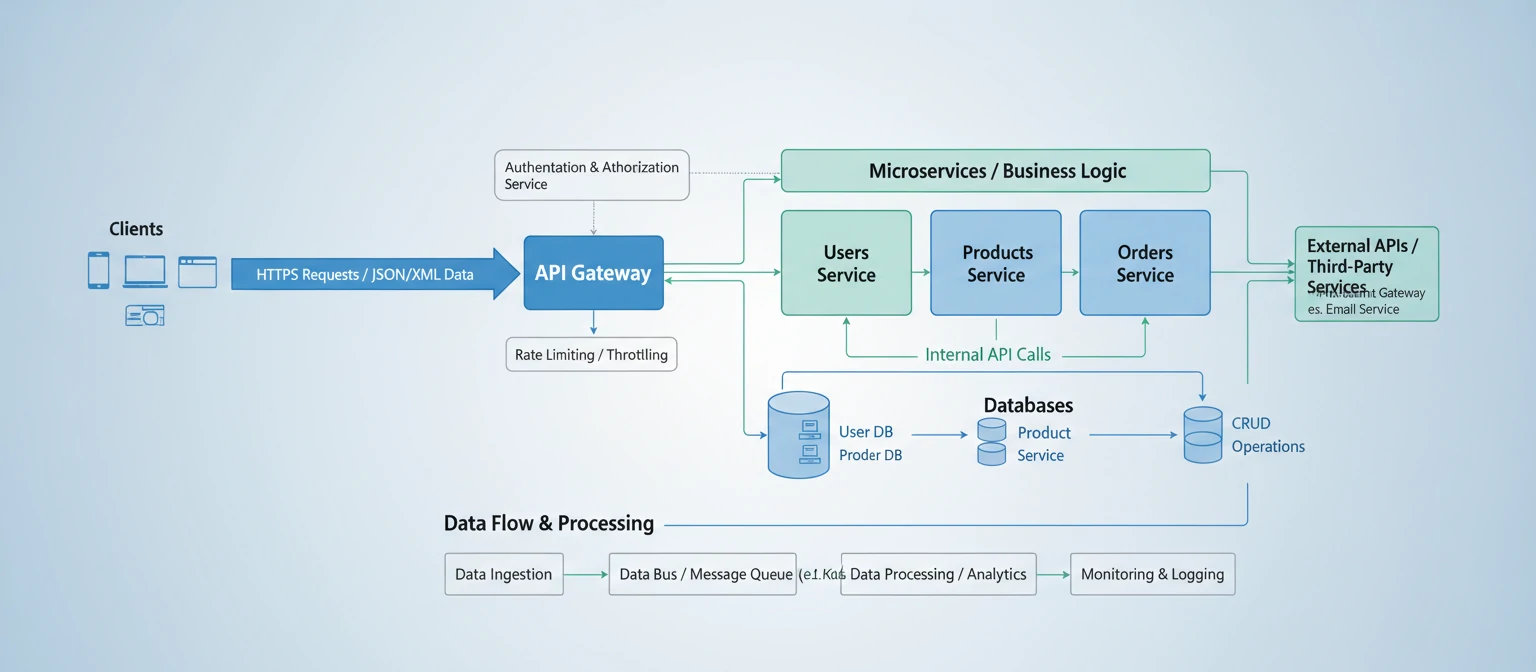
Well-designed APIs enable seamless communication between your backend and frontend, mobile apps, and external services, creating a cohesive digital ecosystem.
3. Database Design and Management
Data is the lifeblood of modern applications. Backend development services include expert database design and management to ensure your data is stored efficiently, accessed quickly, and remains secure.
Services typically cover:
- Database schema design
- Data modeling
- Performance optimization
- Backup and recovery strategies
- Data migration
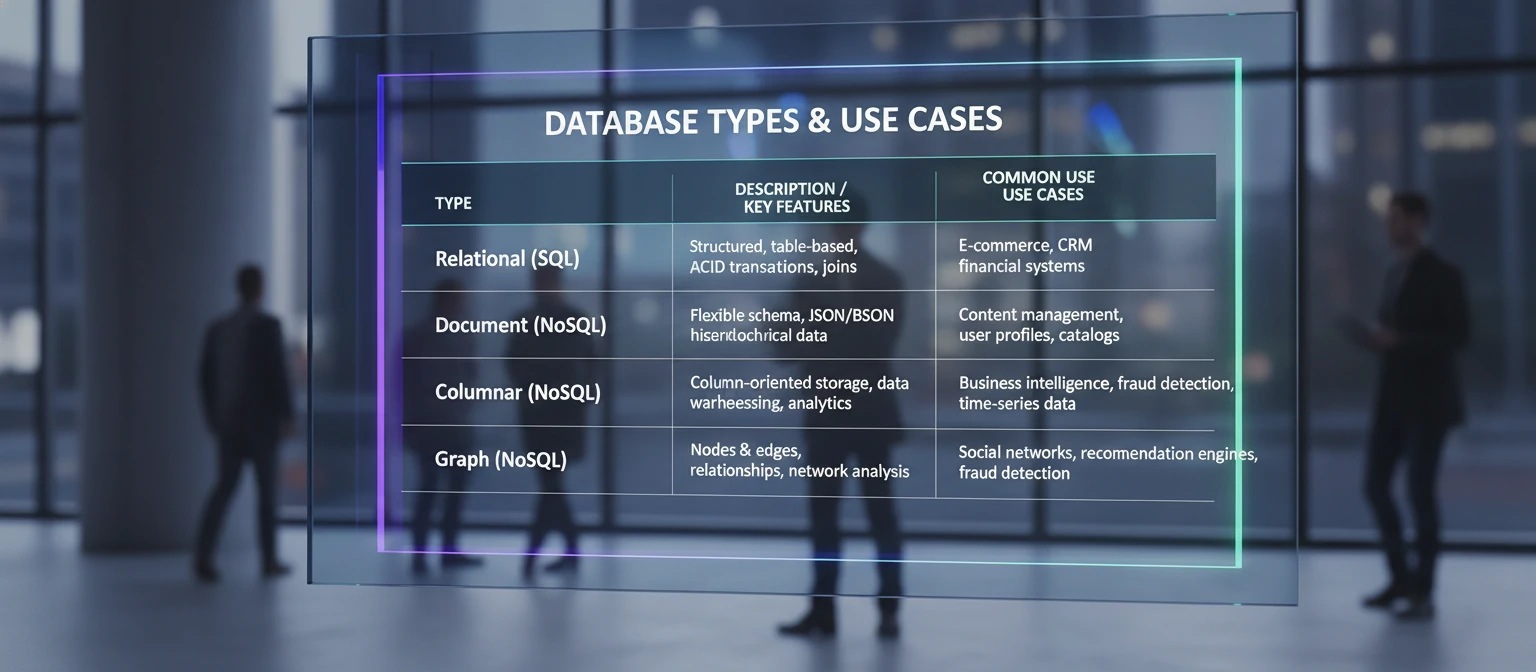
Whether you need relational databases like PostgreSQL or MySQL, or NoSQL solutions like MongoDB, professional backend services can help you choose and implement the right database for your needs.
4. Cloud Services and Infrastructure
Cloud computing has revolutionized backend development. Backend services now include cloud migration, infrastructure setup, and management using platforms like AWS, Azure, and Google Cloud.
Benefits include:
- Scalability on demand
- Cost optimization
- Global reach
- Built-in security features
- Disaster recovery

Cloud-based backend services allow your applications to handle traffic spikes, reduce downtime, and provide a better user experience worldwide.
5. Security Implementation
With cyber threats on the rise, backend security is non-negotiable. Professional backend development services implement comprehensive security measures to protect your data and users.
Security services include:
- Authentication and authorization
- Data encryption
- SSL/TLS implementation
- Security audits and penetration testing
- Compliance with standards (GDPR, HIPAA, etc.)
A secure backend not only protects your business but also builds trust with your users.
6. Maintenance and Support
Backend development doesn't end at launch. Ongoing maintenance and support services ensure your applications remain up-to-date, secure, and performant.
Support services typically include:
- Bug fixes and updates
- Performance monitoring
- Security patches
- Feature enhancements
- 24/7 technical support
Regular maintenance prevents issues before they occur and keeps your application competitive in a rapidly evolving digital landscape.
Technologies and Tools in Backend Development
Backend development leverages a wide array of technologies and tools. Understanding these can help you make informed decisions about your backend services.
Programming Languages
The choice of programming language depends on your project requirements, team expertise, and performance needs:
- JavaScript/Node.js: Versatile, great for real-time applications
- Python: Readable, excellent for data-intensive applications
- Java: Robust, widely used in enterprise environments
- PHP: Popular for web development, easy to learn
- Ruby: Elegant syntax, rapid development
- Go: High performance, excellent for microservices
Frameworks and Libraries
Frameworks provide structure and speed up development:
- Express.js: Minimalist Node.js framework
- Django: Full-featured Python framework
- Spring Boot: Java framework for microservices
- Laravel: PHP framework with elegant syntax
- Ruby on Rails: Convention over configuration
Databases
Choosing the right database is crucial for performance and scalability:
- Relational: MySQL, PostgreSQL, SQL Server
- NoSQL: MongoDB, Cassandra, Redis
- In-memory: Redis, Memcached
Cloud Platforms
Cloud providers offer comprehensive backend services:
- AWS: Extensive services, global infrastructure
- Microsoft Azure: Strong enterprise integration
- Google Cloud Platform: Advanced AI and machine learning
- DigitalOcean: Developer-friendly, cost-effective
DevOps Tools
DevOps practices ensure smooth deployment and maintenance:
- Docker: Containerization for consistent environments
- Kubernetes: Orchestration for containerized applications
- Jenkins: Automation server for CI/CD
- Terraform: Infrastructure as code
Staying current with these technologies ensures your backend services remain competitive and efficient.
Benefits of Professional Backend Development Services
Investing in professional backend development services offers numerous advantages that can significantly impact your business success.
Scalability
Professional backend services design systems that can grow with your business. Whether you have 100 users or 100,000, a well-architected backend can handle increased load without compromising performance.
Key scalability benefits:
- Horizontal and vertical scaling capabilities
- Load balancing for high traffic
- Database optimization for large datasets
- Cloud-based auto-scaling
Security
Data breaches can be devastating. Professional backend services implement multiple layers of security to protect your application and users.
Security advantages:
- Encryption of sensitive data
- Regular security audits
- Compliance with industry standards
- Protection against common vulnerabilities
Performance
Fast-loading applications keep users engaged. Backend optimization ensures your app performs well under various conditions.
Performance improvements:
- Caching strategies
- Database query optimization
- Code profiling and optimization
- CDN integration

Cost-Effectiveness
While professional services have upfront costs, they save money in the long run by preventing expensive mistakes and reducing maintenance needs.
Cost benefits:
- Reduced development time
- Fewer bugs and issues
- Lower maintenance costs
- Scalable infrastructure costs
Innovation and Future-Proofing
Professional backend services stay ahead of technology trends, ensuring your application remains relevant and competitive.
Innovation benefits:
- Integration with emerging technologies
- Modular architecture for easy updates
- API-first design for flexibility
- Support for new features and integrations
These benefits translate directly to business success, with improved user satisfaction, higher conversion rates, and competitive advantages in your market.
Choosing the Right Backend Development Service Provider
Selecting the right backend development partner can make or break your project. Here are key factors to consider when evaluating potential providers.
Experience and Expertise
Look for providers with proven track records in your industry and with the technologies you need.
Evaluate:
- Years of experience
- Similar project portfolios
- Technology stack expertise
- Certifications and qualifications
Communication and Collaboration
Clear communication is essential for project success. Choose providers who prioritize transparency and regular updates.
Key aspects:
- Regular progress reports
- Agile development methodologies
- Client feedback integration
- Technical documentation
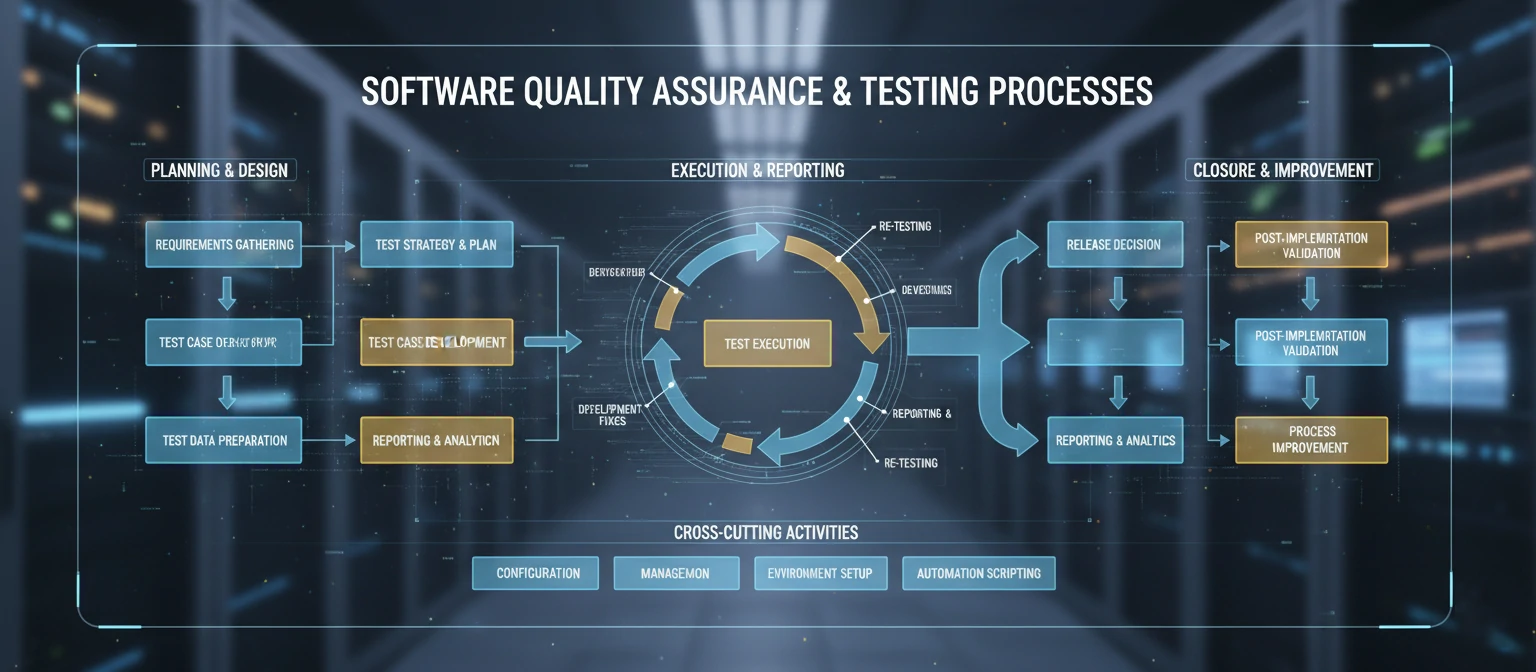
Quality Assurance and Testing
Reliable providers implement rigorous testing processes to ensure high-quality deliverables.
Quality measures:
- Automated testing suites
- Code review processes
- Performance testing
- Security testing
Pricing and Value
While cost is important, focus on value rather than the lowest price. Consider long-term benefits and ROI.
Pricing considerations:
- Transparent pricing models
- Cost-benefit analysis
- Scalability of pricing
- Post-launch support costs
Support and Maintenance
Ongoing support is crucial for long-term success. Ensure your provider offers comprehensive post-launch services.
Support offerings:
- 24/7 technical support
- Regular maintenance packages
- Performance monitoring
- Security updates
Take the time to interview multiple providers, review their past work, and discuss your specific needs before making a decision.
Future Trends in Backend Development
The field of backend development is constantly evolving. Staying ahead of trends ensures your applications remain competitive and future-proof.
Serverless Architecture
Serverless computing allows developers to focus on code without managing servers. This trend is gaining popularity for its scalability and cost-effectiveness.
Benefits:
- Automatic scaling
- Reduced operational overhead
- Pay-per-use pricing
- Faster development cycles
Microservices
Microservices architecture breaks applications into small, independent services that can be developed and deployed separately.
Advantages:
- Improved scalability
- Easier maintenance
- Technology diversity
- Fault isolation
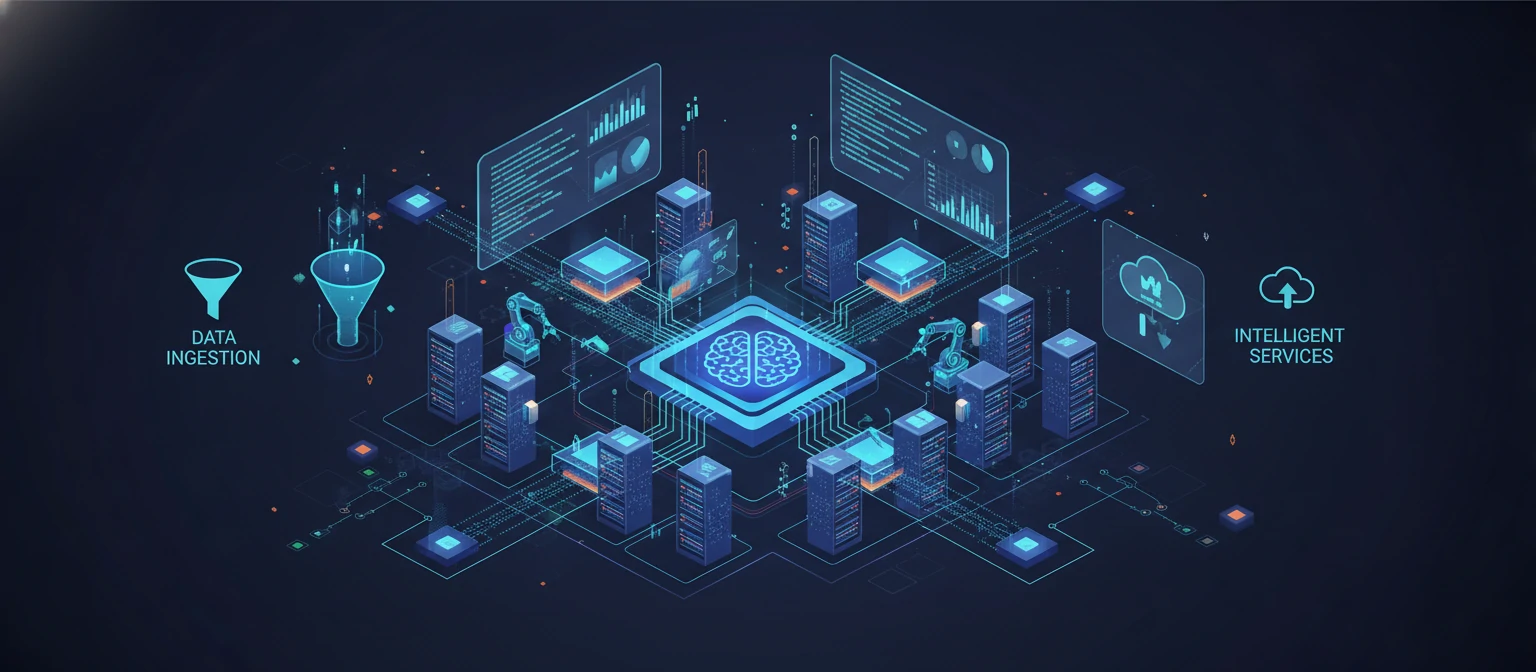
AI and Machine Learning Integration
AI is increasingly being integrated into backend systems for automation, personalization, and intelligent decision-making.
Applications:
- Predictive analytics
- Automated customer support
- Fraud detection
- Personalized recommendations
Edge Computing
Edge computing brings computation closer to data sources, reducing latency and improving performance for IoT and real-time applications.
Benefits:
- Reduced latency
- Bandwidth optimization
- Improved reliability
- Enhanced security
Quantum Computing
While still emerging, quantum computing promises to revolutionize data processing and encryption in backend systems.
Potential impacts:
- Ultra-fast data processing
- Advanced encryption methods
- Complex optimization problems
- New algorithm possibilities
Embracing these trends will position your business at the forefront of technological innovation.
Conclusion: Investing in Backend Development Services
As we've explored throughout this comprehensive guide, backend development services are the foundation of successful digital experiences. From custom development and API creation to cloud infrastructure and ongoing maintenance, these services ensure your applications are powerful, secure, and scalable.
The benefits of professional backend services extend far beyond technical functionality. They drive business growth by improving user satisfaction, enhancing security, and enabling rapid innovation. In an increasingly competitive digital landscape, investing in robust backend development is not just a technical necessity – it's a strategic advantage.
Whether you're launching a new application, modernizing existing systems, or scaling your digital presence, partnering with experienced backend development professionals can accelerate your success. Remember to evaluate providers based on their expertise, communication, and ability to deliver long-term value.
As technology continues to evolve with trends like serverless computing, AI integration, and edge computing, staying informed and adaptable will be key to maintaining competitive backend systems.
We hope this guide has provided valuable insights into the world of backend development services. If you're ready to take your digital infrastructure to the next level, consider consulting with backend development experts who can tailor solutions to your specific needs.
Remember, in the digital world, what happens behind the scenes is just as important as what users see. Invest in your backend, and watch your digital experiences thrive.