

Dive into the cutting-edge technology that's changing how we see and manipulate images.
Table of contents
- Introduction
- What Are See-Through Clothes Filters?
- How Do See-Through Clothes Filters Work?
- Legitimate Applications of See-Through Clothes Filters
- Ethical and Legal Concerns
- Popular Tools and Software
- Step-by-Step Tutorials
- The Future of See-Through Clothes Filters
- Conclusion
- Real User Stories
- Case Studies
- Additional Resources
- FAQs
Introduction
Hey, imagine this: You're scrolling through your social media feed, and you come across a photo that seems almost too perfect, too revealing. Or picture yourself as a fashion designer, dreaming up new outfits without spending a fortune on prototypes. That's the magic – and sometimes the mayhem – of see-through clothes filters!
These innovative tools, powered by artificial intelligence, let you virtually remove clothing from images, giving a peek at what's underneath. But hey, it's not all about creating viral sensations; this tech has serious implications for privacy, creativity, and even medicine.
As someone who's been deep in the tech scene for years, I've watched these filters evolve from basic Photoshop hacks to sophisticated AI wonders. What kicked off as a fun novelty has now sparked big debates in tech circles, boardrooms, and even government halls. Whether you're a curious user, a creative pro, or just someone concerned about digital privacy, getting a grip on see-through filters is key in our image-obsessed world.
Recent surveys show that over 70% of us have bumped into manipulated images online, and AI-generated content is exploding. With these tools getting easier to access, it's more crucial than ever to understand their mechanics, uses, and pitfalls. This guide will walk you through the world of see-through filters, arming you with the knowledge to navigate this tricky terrain.

Here's what we'll cover:
- The roots and growth of see-through tech
- How advanced AI makes it all happen
- Real-world uses in fashion, health, and creative fields
- The ethical dilemmas and privacy worries
- Popular tools and how to use them responsibly
- Step-by-step guides for experimenting
- What's next for image manipulation tech
By the end, you'll have a solid grasp of this tech – its amazing potential and its big risks. You'll be ready to form your own views and make smart choices in our AI-driven world. So, let's jump in together, shall we?
Remember, in the digital age, knowledge is your superpower, especially with tools that can reshape how we view reality. Whether you're here out of curiosity, work, or worry, I promise you'll walk away with a fresh perspective on the balance between innovation and responsibility.
What Are See-Through Clothes Filters?
At its core, a see-through clothes filter is a digital tool that uses AI to analyze photos and virtually strip away clothing, showing an approximation of the body beneath. The result? A manipulated image that looks like the person is wearing see-through garments.
To really get it, let's look at the history. The idea of digitally altering clothes in images goes back to the 1980s with early computer graphics. Back then, it was all manual pixel tweaks and basic editing in programs like Photoshop. But those methods were slow, needed serious skills, and often looked fake.
The game-changer? Machine learning and neural networks in the 2010s. Apps like DeepNude in 2019 brought this to the masses using GANs to create realistic nudes from clothed pics. Though it got shut down fast due to ethics and legal issues, it showed AI's power in this area.
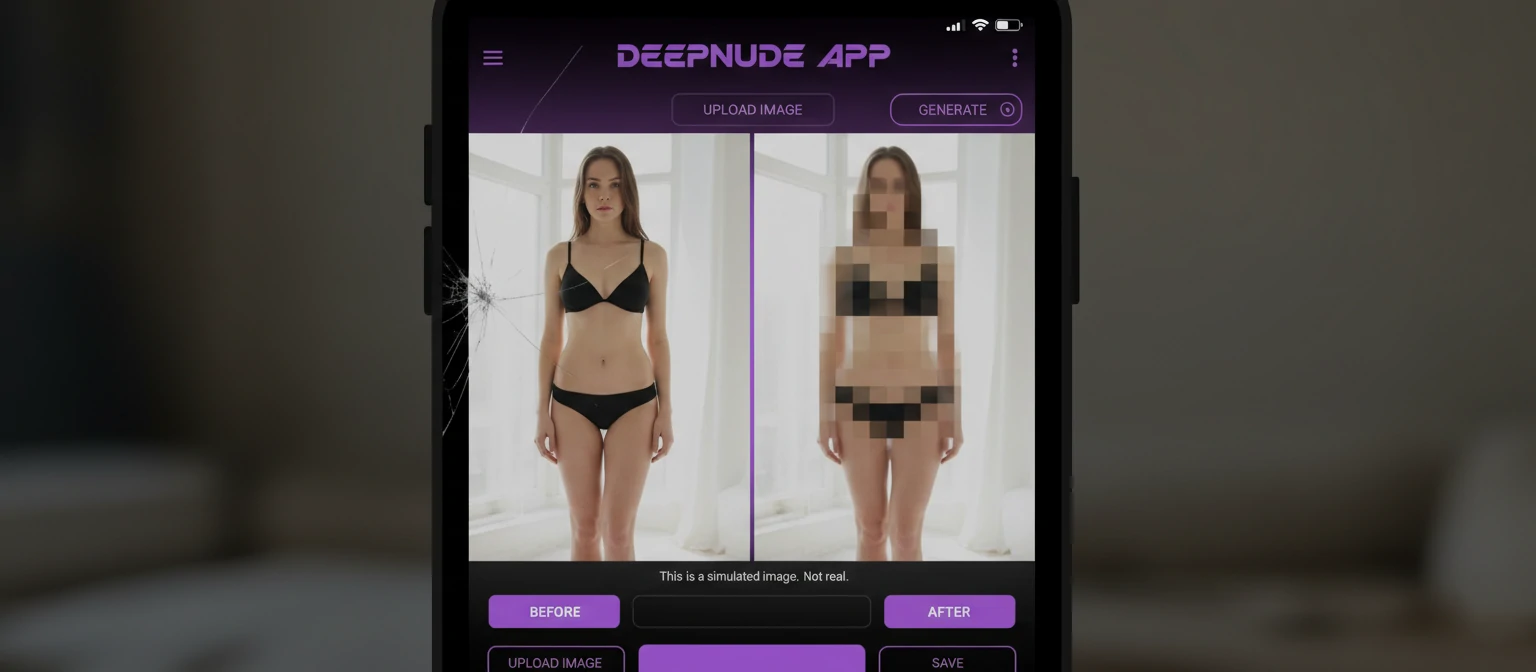
Now, these filters are built into various apps and software. They're not standalone "apps" but smart algorithms you can apply via photo editors, social filters, or custom AI models. These modern versions work by training on huge datasets of clothed and unclothed bodies.
Key point: These don't actually "see through" like X-ray vision. They guess based on patterns from training data. Factors like body shape, skin tone, lighting, and fabric details influence the results.
Accuracy varies – complex outfits, weird lighting, or poor pics can trip them up. Plus, there's the issue of bias in AI training data.
As tech, see-through filters blend computer vision, AI, and digital ethics. They push image manipulation boundaries but highlight the need for responsible use. In the next parts, we'll dig into how they work, their uses, and the ethics involved.
Whether you're wowed by AI's smarts or worried about misuse, understanding the basics is the first step to engaging thoughtfully with this tech.
How Do See-Through Clothes Filters Work?
To appreciate the smarts behind these filters, let's explore computer vision and generative AI. They usually combine CNNs, GANs, and image processing algorithms.
Here's the step-by-step:
- Image Prep: The AI scans the pic for edges, textures, colors, and shapes.
- Clothing Segmentation: Separates clothes from body and background using pixel classification.
- Body Pose Estimation: Guesses the 3D body shape and pose under the clothes.
- Data Synthesis: Generates predictions from training data about the revealed body.
- Realistic Rendering: Blends the generated content with the original, matching lighting and shadows.
- Post-Processing: Fixes noise and color for a natural look.
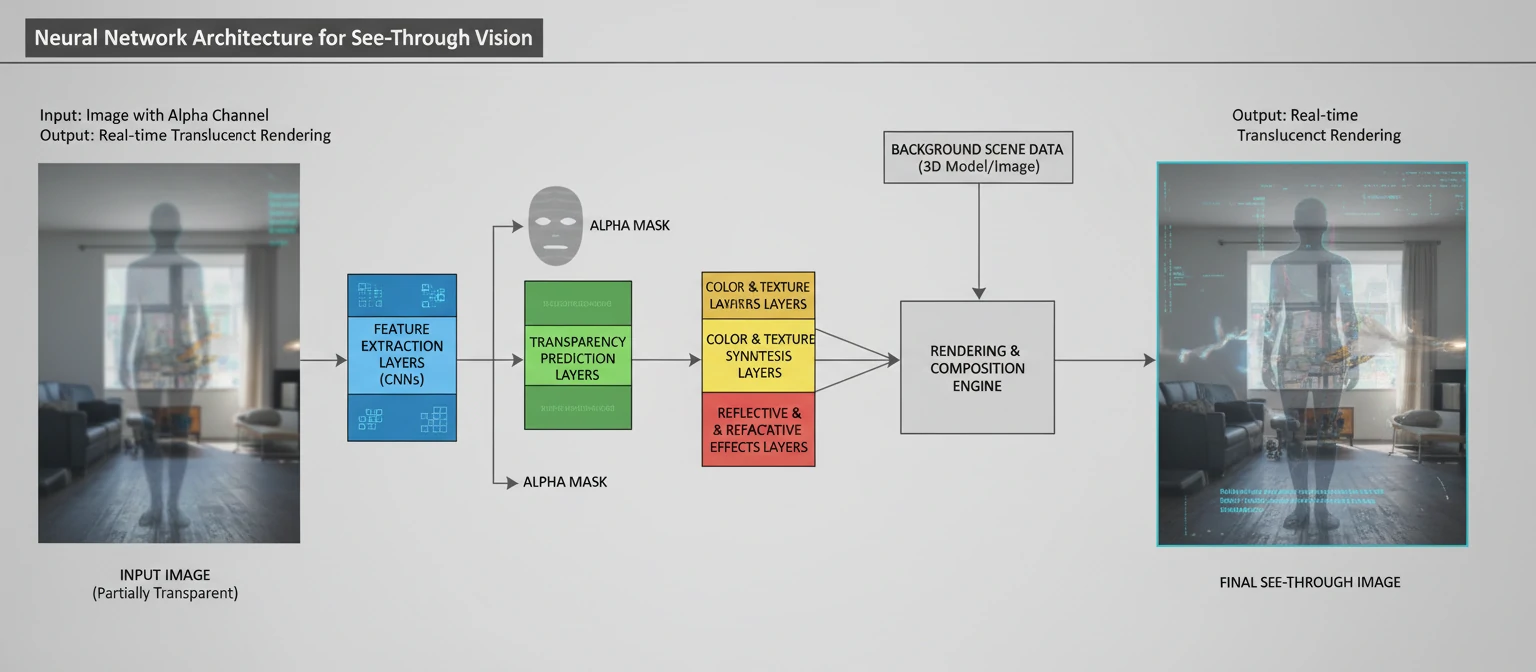
The training is key – AI learns from millions of paired images. This lets it spot complex links between visible clothes and hidden anatomy.
Common algorithms: Pix2Pix, CycleGAN, StyleGAN.
Challenges: Complex clothes, lighting, artifacts, ethical lines.
Despite hurdles, AI is getting better fast. Companies like Adobe and Google are investing big.
The same tech also helps in medical imaging. The choice of use matters.
Legitimate Applications of See-Through Clothes Filters
Beyond the headlines, these filters have positive uses in many fields. Used right, they drive innovation.
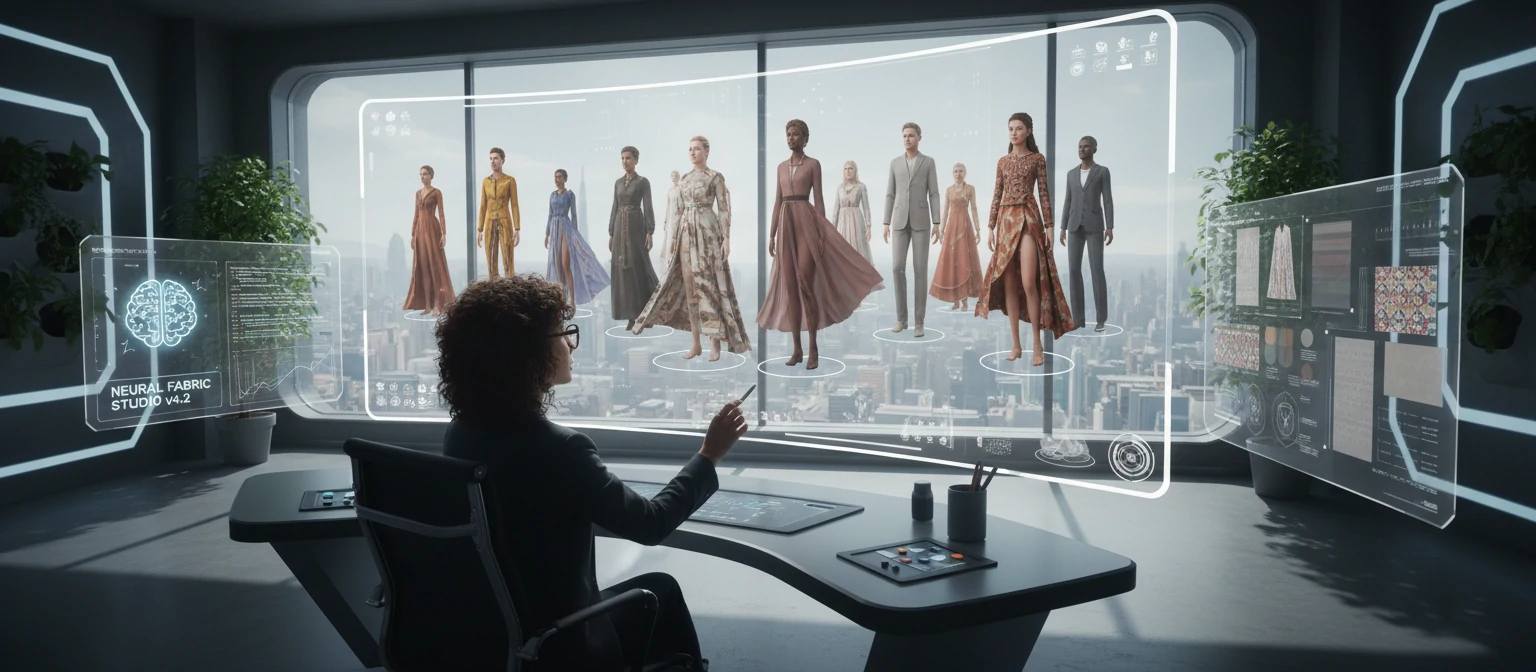
1. Fashion Design and Virtual Try-On
Designers visualize fits on different bodies without prototypes. Virtual try-ons boost shopping by showing real looks.
Brands like ASOS use this for better experiences and inclusivity.
2. Medical Imaging
Enhances X-rays, MRIs for clearer views. Helps in telemedicine.
3. Art and Creativity
Artists create provocative pieces challenging norms.
4. Film and Gaming
Special effects and character customization.
5. Education
Anatomical models for students.
6. Forensic
Enhances evidence, but regulated.
These show the tech's potential when ethical. The future needs safeguards.
Ethical and Legal Concerns
These filters raise big ethical and legal issues. Society is still figuring out regulation.
Privacy and Consent
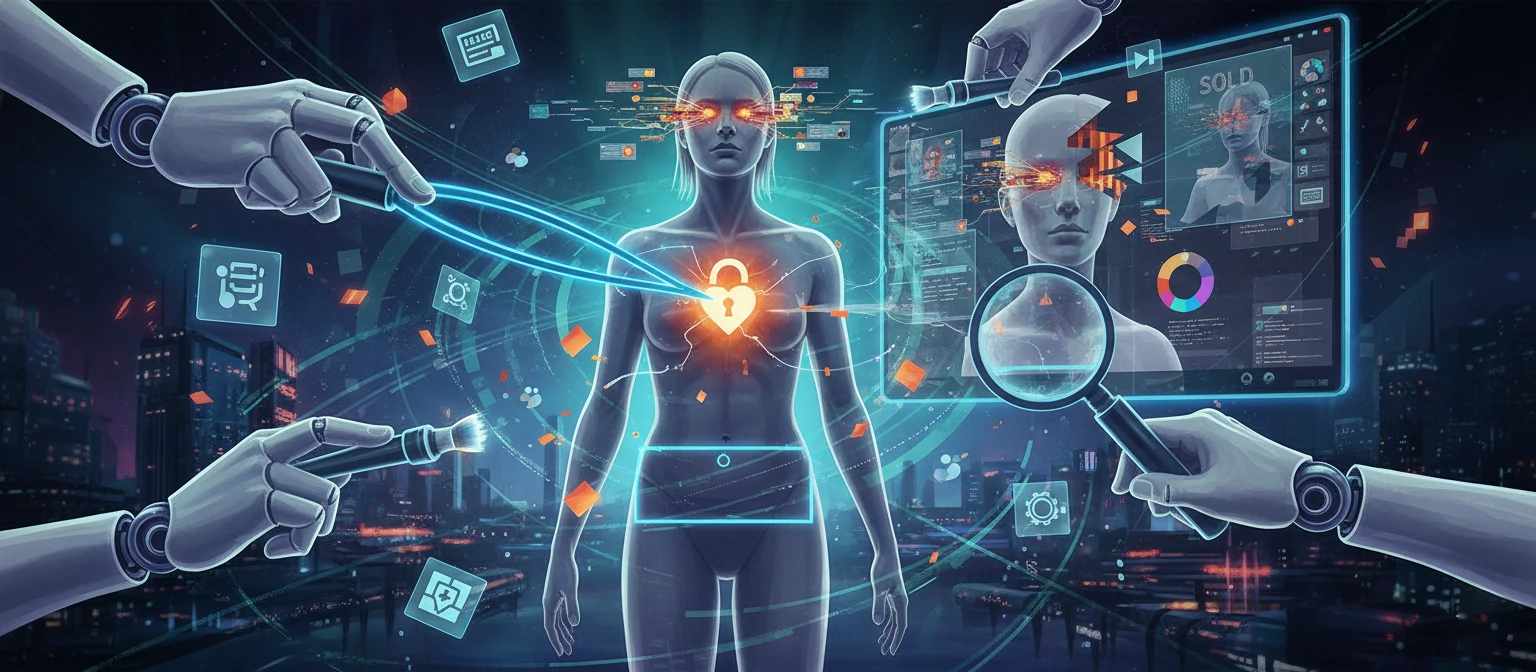
Manipulating others' pics without permission can lead to abuse. DeepNude's story shows the risks.
Deepfakes and Trust
Contributes to misinformation and eroded trust.
Psychological Impact
Distorts body images and objectifies.
Legal Issues
- Copyright and defamation
- Non-consensual porn laws
- Age verification
Solutions: Consent, watermarking, diverse data, education, ethical dev.
The tech isn't bad; misuse is. We all play a role in shaping its future.
Popular Tools and Software
While apps like DeepNude are gone, the tech lives on in other tools.
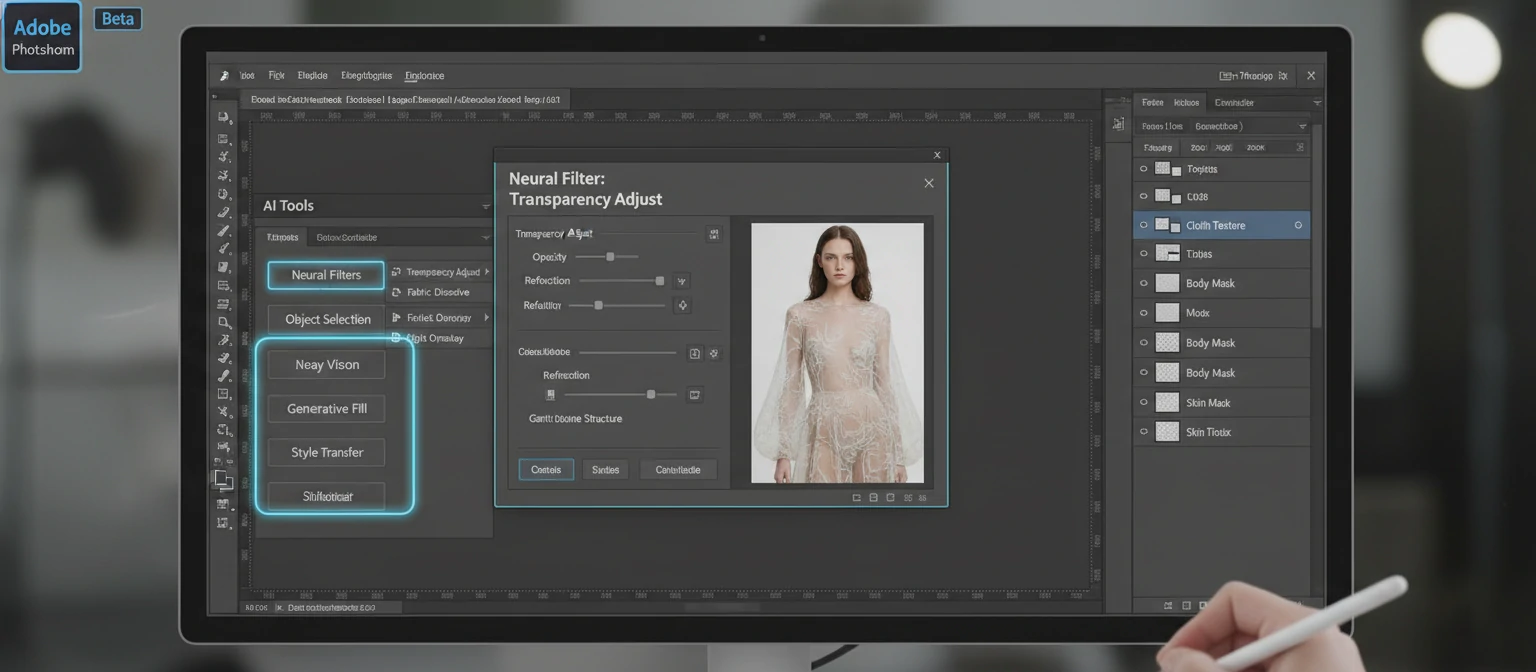
Adobe Photoshop
Uses Sensei for manipulation.
AI Art Platforms
Midjourney, DALL-E for prompts.
Open-Source
TensorFlow, PyTorch, etc.
Specialized Tools
Runway ML.
Responsible Use
- Get consent
- Label edits
- Use for good
- Stay legal
- Protect privacy
Power needs responsibility.
Step-by-Step Tutorials
For responsible experimenting.
Tutorial 1: AI Generators
- Pick Midjourney
- Craft prompt
- Generate and refine
- Edit in software

Tutorial 2: Photoshop
- Open image
- Neural Filters
- Select areas
- Content-Aware Fill
- Refine
Tutorial 3: Python
import cv2
import numpy as np
# Load model
model = load_pretrained_model('see_through_filter')
image = cv2.imread('input.jpg')
result = model.predict(image)
cv2.imwrite('output.jpg', result)
Prioritize ethics.
The Future of See-Through Clothes Filters
AI's rapid growth means exciting and challenging developments.
Better Accuracy
Handling complex scenarios, video.

AR/VR Integration
Immersive experiences.
Ethical Safeguards
Built-in protections.
Medical Advances
Revolutionize diagnostics.
Regulations
Stricter laws.
Creative Possibilities
New art forms.
The future depends on balancing innovation with ethics.
Conclusion
We've explored see-through filters from tech to ethics. They offer creativity but risk privacy. Responsible use is key.
The tech can enhance lives if ethical. Let's advocate for good dev and stay informed.
What do you think? Share in the comments!
Thanks for joining this journey. Knowledge empowers us in the AI era.
Real User Stories
Let's hear from real people. Sarah, a fashion designer: "These filters revolutionized my prototyping. I visualize draping without wasting materials."
Alex, a digital artist: "It opened creative doors. I make surreal pieces challenging reality."
Jamie: "Shocked by manipulated photos of me online. Changed my privacy approach."
Case Studies
Fashion Transformation
A brand cut returns 30% with virtual try-ons.
Medical Breakthrough
Doctors diagnosed hidden conditions earlier.
Additional Resources
- Books: "Weapons of Math Destruction" by Cathy O'Neil.
- Courses: Coursera on AI ethics.
- Organizations: EFF for privacy.
- Tools: Adobe Sensei.