Iconic Disney Characters: The Magic Behind the Legends
Explore the most beloved Disney characters of all time, from Mickey Mouse to Elsa, and discover the artistry, history, and cultural impact behind each iconic creation.
 Pro Pixel Agency

Explore the most beloved Disney characters of all time, from Mickey Mouse to Elsa, and discover the artistry, history, and cultural impact behind each iconic creation.
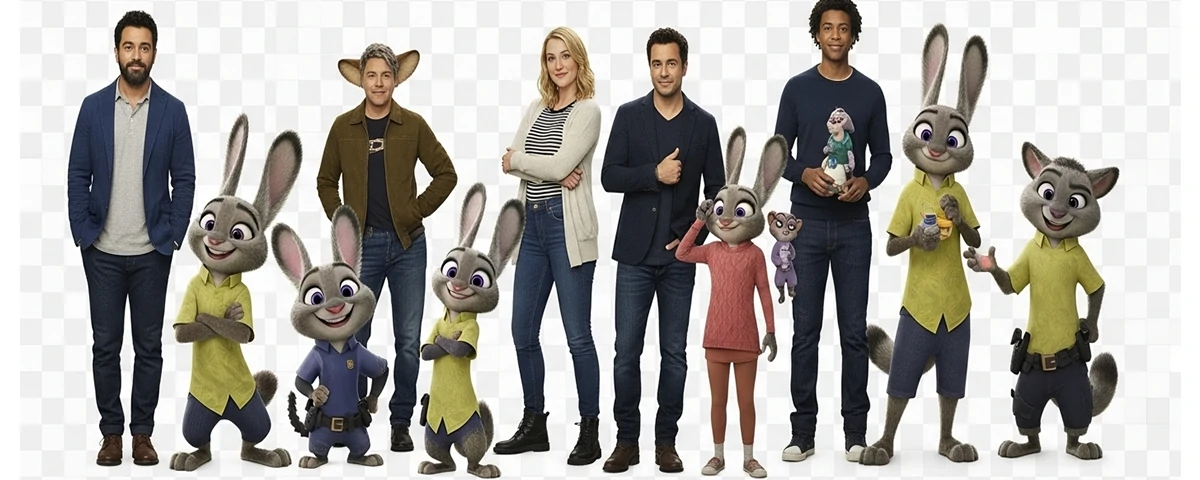
Image: Beloved Disney characters from across generations of animation
Mickey Mouse: The Character Who Started It All
Mickey Mouse is more than just a cartoon character. He is a global icon, a symbol of childhood joy, and the foundation of an entertainment empire. Since his debut in Steamboat Willie on November 18, 1928, Mickey has appeared in over 130 films, countless television shows, theme parks, and merchandise, becoming one of the most recognized figures in human history.
Created by Walt Disney and Ub Iwerks, Mickey was originally designed as a replacement for Oswald the Lucky Rabbit after Disney lost the rights to that character. The simple design of three circles two for ears and one for the head became the foundation of Mickey timeless appeal. His cheerful personality, can-do attitude, and distinctive falsetto voice made him an instant sensation.
Mickey has evolved over the decades. In his early years, he was more mischievous and adventurous. By the 1940s, he had settled into the friendly, optimistic personality we know today. This evolution reflected changing audience expectations and Walt Disney vision for the character as a wholesome symbol of American values.
Today, Mickey remains the official mascot of The Walt Disney Company, appearing in new shorts, theme park meet-and-greets, and as the iconic symbol of Disney magic worldwide. His image alone generates billions of dollars in annual revenue.
Mickey Mouse by the Numbers
Mickey Mouse has appeared in over 130 films, won an honorary Academy Award in 1932, has a star on the Hollywood Walk of Fame, and is recognized by over 95% of people worldwide. The character generates billions annually through merchandise, theme parks, and media.
Disney Princesses
From Snow White to Moana
The Disney Princess franchise is one of the most successful character-based properties in entertainment history. Spanning multiple generations and evolving cultural values, these characters represent different eras of Disney storytelling.
Snow White and the First Generation
Snow White, created in 1937, was the first animated feature film character. She set the template: a kind, beautiful princess with animal friends, a wicked stepmother, and a rescue by true love kiss. Cinderella and Aurora followed, each embodying the classic fairy tale princess archetype of their time.
The Renaissance Princesses
Ariel from The Little Mermaid started a new era in 1989. Belle from Beauty and the Beast was a bookish dreamer who valued inner beauty. Jasmine from Aladdin wanted freedom and adventure. Pocahontas connected with nature. Mulan disguised herself to save her family. These characters had more agency and personality than their predecessors.
Modern Princesses
Tiana was Disney first Black princess and a hardworking entrepreneur. Rapunzel had dreams beyond her tower. Merida from Brave rejected marriage expectations. Moana set sail to save her people without a love interest. Elsa and Anna explored sisterhood and self-acceptance.
This evolution reflects changing social values about gender roles, independence, and diversity. Each princess generation marks progress toward more complex, empowered female characters.
Disney Villains We Love to Hate
The characters that make heroes shine
Disney villains are some of the most memorable characters in animation history. Often more theatrical and quotable than the heroes, these antagonists drive the conflict and create the stakes that make stories compelling.
Classic Villains
The Evil Queen from Snow White set the standard with her vanity and jealousy. Maleficent from Sleeping Beauty is perhaps the most iconic Disney villain, with her dramatic cape, horned headdress, and transformation into a dragon. Cruella de Vil from 101 Dalmatians is a fashion-obsessed menace whose style is as memorable as her villainy.
Scar from The Lion King brought Shakespearean ambition to Disney animation. Ursula from The Little Mermaid is a charismatic, operatic villain who steals every scene. Jafar from Aladdin is a master manipulator with grand ambitions. Gaston from Beauty and the Beast is a narcissistic parody of toxic masculinity.
Disney villains are designed with visual cues that signal their nature. Angular shapes, dark color palettes, and exaggerated features distinguish them from the softer, rounder heroes.
Top Disney Villains
- Maleficent - The Mistress of All Evil
- The Evil Queen - Vanity personified
- Scar - Shakespearean betrayal
- Ursula - Charismatic sea witch
- Jafar - Master manipulator
Sidekicks and Supporting Characters
The friends who make the journey better
Disney sidekicks are often as beloved as the main characters. They provide comic relief, emotional support, and memorable moments that enhance the storytelling. Many sidekicks have become cultural icons in their own right.
Animal Sidekicks
Timon and Pumbaa from The Lion King brought humor and unforgettable songs to the savanna. Sebastian from The Little Mermaid is a Jamaican-accented crab who just wants everything to be under the sea and orderly. Flounder is Ariel loyal but nervous best friend. Jiminy Cricket serves as Pinocchio conscience with the timeless When You Wish Upon a Star.
Mushu from Mulan is a tiny dragon with a huge ego. Olaf from Frozen brings innocent warmth to a cold story. Genie from Aladdin, voiced by the late Robin Williams, broke the mold of what a sidekick could be with his improvisational genius and fourth-wall-breaking humor.
Sidekick Roles
- Comic Relief: Timon and Pumbaa, Olaf, Mushu
- Mentor: Jiminy Cricket, Rafiki, Fairy Godmother
- Loyal Friend: Flounder, Pascal, Meeko
- Musical Support: Sebastian, Genie, Heffalumps
The Disney Renaissance Era
1989-1999: A golden age of character creation
The Disney Renaissance produced some of the most beloved characters in animation history. This period from The Little Mermaid in 1989 through Tarzan in 1999 represented a remarkable creative resurgence that saved Disney animation from decline and established a new standard for animated filmmaking.
Key Renaissance Characters
The Little Mermaid gave us Ariel, the first princess with a rebellious spirit and genuine personal goals. Beauty and the Beast introduced Belle, an intelligent, independent heroine, and the Beast, a complex character who transforms both physically and emotionally.
Aladdin brought us Aladdin, Jasmine, and the unforgettable Genie. The Lion King featured Simba, Timon, Pumbaa, and Scar in an epic Shakespearean story. Mulan gave us a heroine who defied gender expectations. Hercules reimagined Greek mythology with a heartwarming hero.
These characters shared common traits: strong personalities, memorable designs, incredible voice performances, and songs that became part of popular culture. The Renaissance proved that animated characters could carry sophisticated, emotionally complex stories.
Pixar Characters
The characters that revolutionized animation
Pixar proved that computer-generated characters could be as emotionally compelling as any hand-drawn creation. From the first feature Toy Story in 1995, Pixar characters have been defined by their emotional depth, relatability, and the profound themes they explore.
The Toy Story Universe
Woody and Buzz Lightyear became the first CGI characters to achieve the cultural status of classic Disney characters. Woody journey from jealous leader to selfless friend, and Buzz arc from deluded space ranger to loyal companion, set the standard for Pixar character development. Jessie, Rex, and Mr. Potato Head expanded the toy box with distinct personalities.
Wall-E is perhaps Pixar most remarkable character, a robot who communicates primarily through expression and movement, yet conveys more emotion than many characters with dialogue. Up showed that an elderly widower and a young wilderness explorer could create one of animation most touching friendships.
Pixar Character Strengths
- Deep emotional resonance and relatable struggles
- Characters that grow and change meaningfully
- Universal themes explored through unique perspectives
- Humor and heart in perfect balance
- Visual storytelling that transcends dialogue
Modern Disney Characters
Frozen, Moana, Encanto and beyond
Modern Disney animation has created a new generation of beloved characters that reflect contemporary values while maintaining the magic that makes Disney special.
Frozen Phenomenon
Elsa and Anna redefined the Disney princess archetype. Elsa struggle with her powers served as an allegory for hiding ones true self, resonating with millions. Anna loyalty to her sister proved that love does not have to be romantic. Olaf provided comic relief while delivering surprising emotional depth. Frozen became a global phenomenon grossing over 1.2 billion.
Moana broke new ground with a heroine who had no love interest and whose journey was about self-discovery and saving her people. Maui, the demigod, brought humour and heart. Encanto introduced the Madrigal family, each member with unique gifts, with Mirabel proving that being special does not require magical powers.
Raya and the Last Dragon featured a Southeast Asian-inspired world and a strong warrior princess. These modern characters reflect Disney commitment to diverse representation and empowering storytelling.
Classic Disney Characters
The early stars of the Silver Age
The Silver Age of Disney animation from 1950 to 1967 produced characters that remain beloved today. This era included Cinderella, Alice in Wonderland, Peter Pan, Lady and the Tramp, Sleeping Beauty, and The Jungle Book.
Silver Age Stars
Cinderella remains one of the most iconic Disney characters, representing hope and kindness in the face of adversity. Lady and the Tramp gave us one of animation most romantic scenes with the spaghetti kiss. Peter Pan character captures eternal youth and adventure. Alice curiosity leads her through Wonderland memorable characters.
These characters established Disney reputation for quality animation and timeless storytelling that appeals to all ages. Their designs are simpler than modern characters but no less effective at communicating personality and emotion.
Classic Era Films and Characters
- Cinderella (1950) - Cinderella, Fairy Godmother, Stepsisters
- Alice in Wonderland (1951) - Alice, Cheshire Cat, Mad Hatter
- Peter Pan (1953) - Peter Pan, Tinker Bell, Captain Hook
- Lady and the Tramp (1955) - Lady, Tramp, Si and Am
- Sleeping Beauty (1959) - Aurora, Maleficent, Three Fairies
Disney Heroes and Princes
The leading men of Disney animation
While Disney princesses often get the spotlight, the heroes and princes of Disney films are equally important to the stories. From classic princes to modern heroes, these characters have evolved significantly over time.
Classic Princes
Prince Charming from Cinderella, Prince Phillip from Sleeping Beauty, and Prince Eric from The Little Mermaid are handsome but minimally characterized. The Beast from Beauty and the Beast is the exception, with a full character arc from cruel to kind. Aladdin is a more fully realized hero, a street-smart dreamer with genuine personality and flaws.
Modern heroes like Flynn Rider from Tangled, Kristoff from Frozen, and Maui from Moana are more complex and humorous. These characters have their own arcs and personalities beyond supporting the heroine.
Hercules is a unique hero whose struggle is not with external villains but with his own identity and worth. His earnest, optimistic personality makes him one of Disney most endearing protagonists.
Disney Animal Characters
Creatures great and small
Disney has created some of the most memorable animal characters in popular culture. From the realistic to the highly anthropomorphic, these characters have captivated audiences across generations.
The Lion King Legacy
The Lion King characters Simba, Mufasa, Scar, Timon, Pumbaa, and Rafiki are among the most beloved in animation history. These animals are fully realized characters with complex relationships and motivations. The film approach of treating animals as characters in a Shakespearean drama elevated animal animation to new heights.
Bambi set the standard for realistic animal animation. Thumper, Flower, and Friend Owl became iconic supporting characters. The film emotional impact comes from treating its animal characters with genuine respect and emotional depth.
101 Dalmatians gave us Cruella de Vil memorable villainy and a cast of adorable spotted puppies. The Aristocats, The Jungle Book, and Robin Hood all featured animal characters with distinct personalities and human-like traits.
Iconic Disney Animals
- Simba and Mufasa - The Lion King royalty
- Bambi and Thumper - Forest friends
- Lady and Tramp - Romantic dogs
- Dumbo - The flying elephant
- Baloo and Bagheera - Jungle companions
Songs That Define Characters
Music as character expression
Music is integral to Disney character identity. Songs often serve as character introductions, emotional expressions, or pivotal story moments. The best Disney songs are inseparable from the characters who sing them.
Character-Defining Songs
Let It Go defined Elsa character arc and became a global anthem. Part of Your World expresses Ariel longing and curiosity. Be Our Guest showcases the enchanted objects hospitality. Hakuna Matata captures Timon and Pumbaa carefree philosophy. Zero to Hero summarizes Hercules journey in an upbeat musical montage.
Villain songs are particularly memorable. Poor Unfortunate Souls reveals Ursula manipulative nature. Be Prepared shows Scar ambition. Friends on the Other Side is Jafar at his most theatrical. Hellfire from The Hunchback is one of Disney most complex villain songs.
These songs become part of the character identity, playing in theme parks, concerts, and covering artists worldwide.
Voice Actors Behind the Magic
The performers who bring characters to life
Behind every iconic Disney character is a voice performance that defines how we hear and feel about them. The greatest Disney voice performances become inseparable from the characters they portray.
Legendary Performances
Robin Williams as Genie set a new standard for animated voice acting with his improvisational genius. James Earl Jones brought commanding dignity to Mufasa. Jeremy Irons gave Scar his silky menace. Idina Menzel powerful voice defined Elsa. Lea Salonga provided the singing voice for both Jasmine and Mulan.
Walt Disney himself voiced Mickey Mouse for decades. Clarence Nash created Donald Duck distinctive voice. Sterling Holloway brought gentle warmth to Winnie the Pooh. These voice actors created characters that have endured for generations.
Iconic Voice Performances
- Robin Williams as Genie - Improvisational brilliance
- James Earl Jones as Mufasa - Commanding authority
- Jeremy Irons as Scar - Elegant menace
- Pat Carroll as Ursula - Theatrical perfection
- Eddie Murphy as Mushu - Comedic timing
Disney Characters in the Parks
Where characters become real
Disney theme parks bring characters to life in a unique way. Meeting Mickey Mouse, hugging a princess, or seeing characters in parades and shows creates magical experiences that deepen emotional connections to these beloved figures.
Meet and Greet Experiences
Character meet and greets are a central part of the Disney park experience. Princesses appear in dedicated locations, often within their own castle settings. Mickey and friends roam Main Street. Villains have their own events. Each interaction is carefully managed to maintain character consistency.
Costumed performers undergo extensive training to embody each character movement style, personality, and signature poses. Cast members learn the specific way each character moves, waves, and interacts with guests.
Parades, shows, and nighttime spectaculars feature characters in elaborate productions that bring Disney stories to life in immersive ways. These experiences create lasting memories that strengthen the bond between audiences and characters.
Cultural Impact of Disney Characters
How Disney shaped global culture
Disney characters have profoundly influenced global popular culture. They appear on merchandise ranging from clothing to home goods, inspire fan art and cosplay, and have become shorthand for various personality types and archetypes.
Merchandising Empire
Disney characters generate billions in annual merchandise revenue. The Disney Princess franchise alone brings in over 5 billion yearly. Mickey Mouse merchandise spans every imaginable product category. Character licensing extends to video games, clothing, toys, home decor, and food products.
Characters also drive social media engagement, with Disney accounts commanding millions of followers. Fan communities create art, theories, and celebrations around their favorite characters.
Disney Character Impact
- Over 5 billion in annual princess merchandise sales
- Mickey Mouse recognized by 95% of people globally
- Characters appear in over 50 languages worldwide
- Disney Parks welcome millions of character-seeking guests annually
- Characters inspire generations of artists and animators
Frequently Asked Questions
Common questions about Disney characters
Who is the most popular Disney character of all time?
Mickey Mouse is the most recognized Disney character globally. However, characters like Elsa, Simba, and Buzz Lightyear have achieved enormous popularity in specific generations.
How many official Disney Princesses are there?
There are 12 official Disney Princesses: Snow White, Cinderella, Aurora, Ariel, Belle, Jasmine, Pocahontas, Mulan, Tiana, Rapunzel, Merida, and Moana.
What was the first Disney movie with a princess?
Snow White and the Seven Dwarfs from 1937 was the first animated feature film and introduced Disney first princess character, Snow White.
Does Disney own Pixar characters?
Yes, Disney acquired Pixar in 2006. All Pixar characters, including Woody, Buzz, Nemo, and Elastigirl, are now part of the Disney family of characters.
What is the highest-grossing Disney movie?
Frozen II is the highest-grossing animated Disney film at over 1.45 billion. Avatar and Avengers films hold the overall Disney records.
Who voiced Mickey Mouse originally?
Walt Disney himself provided Mickey voice from 1928 to 1947. Since then, several voice actors have portrayed Mickey, with Bret Iwan being the current official voice.
The Magic Continues
Disney characters continue to enchant audiences worldwide, proving that great storytelling and character design never go out of style.
Explore Disney Magic
The Secrets of Disney Character Design
What makes Disney characters so appealing
Disney characters have a distinctive design philosophy that makes them universally appealing. The Disney approach to character design combines artistic principles with psychological understanding of what audiences find attractive and engaging.
The Appeal Formula
Disney characters typically have large, expressive eyes that convey emotion clearly. Their heads are proportionally larger than real humans, creating a childlike appeal. Simple, clean silhouettes make them instantly recognizable. Limited color palettes keep designs focused and iconic.
Characters are designed with clear personality indicators built into their appearance. A heroes design suggests their virtues. A villains design hints at their malice. Supporting characters have designs that communicate their role in the story without words.
The nine old men of Disney animation developed these principles through decades of practice, and they continue to influence character design across the entire animation industry today.
Disney Character Merchandising
How characters become products
Disney characters are not just artistic creations, they are among the most valuable intellectual property in the world. The merchandising machine behind Disney characters is a sophisticated operation that extends their reach far beyond the screen.
Merchandise Categories
Disney character merchandise spans toys and dolls for children, fashion collaborations with luxury brands, home decor collections, stationery and school supplies, video games and interactive experiences, collectible items for adult fans, and theme park exclusive merchandise.
The Disney Princess franchise alone generates over 5 billion annually in retail sales worldwide. Mickey Mouse merchandise is a multi-billion dollar category. Character licensing extends to every continent and virtually every product category.
Disney carefully manages its character brand to maintain consistency and quality across all products, ensuring that each representation of a character meets exacting standards.
Disney Characters Around the World
Global appeal across cultures
Disney characters have achieved remarkable global penetration, recognized across cultures, languages, and generations. The universal themes in Disney stories combined with careful localization strategies have made characters beloved worldwide.
International Appeal
Disney characters appear in over 50 languages through localized versions of films and content. Characters are adapted for different cultural contexts while maintaining their core identity. Mickey Mouse is recognized in virtually every country. Elsa Let It Go was translated into 41 languages for the film international release.
Disney theme parks in Paris, Tokyo, Shanghai, and Hong Kong bring characters to life for local audiences while maintaining the Disney magic. Each park adapts character experiences to local cultural preferences while preserving the essence of the characters.
Global Disney Parks
- Disneyland Paris - European charm
- Tokyo Disneyland - Japanese attention to detail
- Shanghai Disneyland - Chinese cultural integration
- Hong Kong Disneyland - Regional magic
The Future of Disney Characters
What comes next for Disney animation
Disney animation continues to evolve with new technologies, storytelling approaches, and cultural perspectives. The future of Disney characters will be shaped by several key trends.
Emerging Trends
Disney is investing heavily in diverse representation with characters from more varied cultural backgrounds. Original stories are increasingly prioritized over traditional fairy tale adaptations. Advanced CGI and AI-assisted animation allow for more detailed and expressive characters.
Streaming content on Disney+ creates opportunities for characters to appear in series rather than just feature films. This allows for deeper character development and more niche storytelling.
The next generation of Disney characters will likely reflect an even more global perspective, with stories and designs drawn from a wider range of cultural traditions and artistic influences.
Donald Duck and the Disney Duck Universe
The temperamental star and his extended family
Donald Duck, who debuted in 1934, is one of the most popular and enduring Disney characters. Known for his distinctive voice, explosive temper, and perpetual bad luck, Donald has appeared in over 150 films, more than any other Disney character.
The Duck Family
Donald is joined by an extended family that includes his love interest Daisy Duck, his nephews Huey, Dewey, and Louie, and his wealthy uncle Scrooge McDuck. Scrooge became a major character in his own right through comics and the DuckTales animated series.
The Disney duck universe, developed extensively through Carl Barks and Don Rosa comic books, created a rich world of characters including Gladstone Gander, Magica De Spell, and Gyro Gearloose. These characters have maintained popularity for decades through comics, television, and merchandise.
Duck Family Members
- Donald Duck - The temperamental star
- Daisy Duck - Donald sophisticated partner
- Scrooge McDuck - Richest duck in the world
- Huey, Dewey, Louie - Adventurous nephews
- Gladstone Gander - The impossibly lucky rival
Goofy, Pluto, and the Gang
The rest of the classic lineup
Alongside Mickey and Donald, Goofy and Pluto round out the core group of classic Disney characters that have been entertaining audiences for nearly a century.
Goofy
Goofy debuted in 1932 as an unnamed audience member before evolving into the lovable, clumsy character we know today. His distinctive howl, good-natured personality, and physical comedy made him an instant favorite. Goofy has the unique distinction of being a dog who walks upright and talks, unlike Pluto who remains a pet.
Goofy son Max became a significant character in the 1990s through the Goof Troop TV series and A Goofy Movie, which explored their father-son relationship with surprising emotional depth.
Pluto
Pluto, Mickey pet dog, debuted in 1930 and is unique among the core Disney characters as the only one who does not talk. Despite this limitation, Pluto communicates effectively through expression and movement, showcasing the power of visual storytelling. His loyalty to Mickey and his adventures around the neighborhood made him a beloved character.
Pluto won an Academy Award in 1940 for the short Lend a Paw, demonstrating the quality of animation that went into even the simplest character.
Romance in Disney Characters
The evolution of love in Disney stories
Romance has been a central theme in Disney storytelling since Snow White. The portrayal of romantic relationships in Disney films has evolved significantly, reflecting changing social attitudes about love and partnership.
Classic Romance
Early Disney romances followed the fairy tale formula of love at first sight and rescue by a prince. Snow White, Cinderella, and Sleeping Beauty featured passive heroines saved by true love kiss. These stories reflected the values of their time.
The Renaissance era brought more developed romances. Belle and the Beast built their relationship through conversation and shared experiences. Aladdin and Jasmine connected through adventure and mutual respect. These relationships felt more earned and believable.
Modern Disney films have moved beyond romance as the central focus. Frozen emphasized sisterly love. Moana had no love interest. Encanto centered on family dynamics. This evolution reflects a broader understanding of what kinds of love stories are worth telling.
Romance Evolution
- Classic: Love at first sight, rescue by prince
- Renaissance: Developed relationships, mutual respect
- Modern: Romance optional, diverse love stories
Disney Characters in Comics
The printed adventures of beloved characters
Disney characters have been featured in comics since the 1930s, with the newspaper strip and comic book adventures becoming a significant part of how audiences experienced these characters. Disney comics remain popular worldwide, particularly in Europe and South America.
Comic Legacy
Floyd Gottfredson Mickey Mouse comic strips from the 1930s through 1970s are considered classics of the medium. Carl Barks work with Donald Duck and Scrooge McDuck created an entire universe that continues to this day. Don Rosa continued the duck legacy with meticulously researched stories.
Italian Disney comics, particularly those produced by Topolino, have created many original characters that later appeared in animation, demonstrating how comics can expand the Disney character universe.
Disney comics have introduced characters like Scrooge McDuck, Magica De Spell, and Gyro Gearloose who became popular enough to cross over into animated television series.
Disney Television Characters
Characters from Disney Channel and beyond
Disney television has created a vast array of characters through Disney Channel original series, Disney Junior programming, and syndicated content. These characters often have a different style and appeal than feature film characters.
Disney Channel Stars
Phineas and Ferb created by Dan Povenmire and Jeff Marsh, introduced characters like Phineas, Ferb, Candace, Perry the Platypus, and Dr. Doofenshmirtz. The show inventive premise and memorable characters made it one of Disney Channel most successful series.
The Owl House, Gravity Falls, Amphibia, and Star vs. The Forces of Evil created richly developed characters with serialized storylines. These shows have developed passionate fan bases and critical acclaim.
Disney Junior characters like Doc McStuffins, the vampire from Vampirina, and the characters from Mickey Mouse Clubhouse introduce the youngest audiences to the world of Disney characters.
Notable TV Characters
- Perry the Platypus - Secret agent pet
- Dipper and Mabel Pines - Gravity Falls twins
- Luz Noceda - The Owl House hero
- Anne Boonchuy - Amphibia adventurer
- Doc McStuffins - Young healer
Live-Action Adaptations of Disney Characters
Bringing animation to life
Disney has produced live-action adaptations of many classic animated films, bringing animated characters to life through real actors. These adaptations have introduced beloved characters to new generations while offering fresh interpretations.
Notable Adaptations
Emma Watson brought Belle to life in Beauty and the Beast. Will Smith portrayed the Genie in Aladdin. Angelina Jolie iconic performance as Maleficent reimagined the classic villain. Miley Cyrus voiced Penny in Bolt. These performances connect animated characters with contemporary audiences.
Photorealistic CGI versions of characters like Simba in the Lion King remake push technological boundaries while maintaining the emotional core of the original characters.
These adaptations spark debate among fans about whether the new versions capture the magic of the original animated characters, but they undeniably keep these characters in the public consciousness.
Where to go next
- Professional Voice & Music Separation Services
- Capture the Magic of Live Music
- Transform Your Music Into Visual Masterpieces
More useful paths
Use these paths to continue with the closest practical topic, service, or decision guide.
Spotted something wrong? Report an error on this page. We correct on the page and say what changed.