Hire VFX Artist
Your complete guide to finding, hiring, and working with professional visual effects artists for films, commercials, games, and digital content
 Pro Pixel Agency

Your complete guide to finding, hiring, and working with professional visual effects artists for films, commercials, games, and digital content

Elena Rodriguez
VFX Production Consultant & Creative Director
The magic of cinema often happens not on set, but in the minds and workstations of visual effects artists. When you watch a dragon soar across the screen, a city crumble into dust, or a superhero soar through the clouds, you're witnessing the extraordinary craft of VFX professionals who transform impossible concepts into seamless on-screen reality.
Hiring the right VFX artist can make or break your project. Whether you're producing an indie film with limited resources, crafting a commercial that needs to stand out, developing a game with stunning visuals, or creating content for digital platforms, finding the perfect visual effects collaborator is essential to achieving your creative vision.
This comprehensive guide walks you through everything you need to know about hiring VFX artists. From understanding what these creative professionals actually do, to evaluating portfolios, negotiating rates, and managing the creative relationship, we'll cover all the bases to help you make informed decisions and achieve spectacular results.
What Are VFX Artists?

Visual effects artists are creative professionals who use specialized software and techniques to create or enhance images that cannot be captured with a camera. They work across multiple industries including film, television, advertising, gaming, and digital media. Their work ranges from subtle enhancements like removing unwanted objects or adding realistic weather effects, to entirely computer-generated environments, characters, and creatures that never existed in reality.
The VFX industry has exploded in recent years, driven by the demands of streaming platforms, the rise of visual-heavy content, and increasingly sophisticated audience expectations. What once required massive studios with enormous budgets is now achievable by talented freelancers working from home studios. This democratization has created both opportunities and challenges for those looking to hire VFX talent.
Understanding the different specializations within VFX is crucial when hiring. Some artists focus on compositing, combining multiple visual elements into seamless final frames. Others specialize in 3D modeling and animation, creating everything from vehicles and props to fully realized characters. Matchmaking your project's specific needs with an artist's particular expertise is the first step toward a successful collaboration.
💡 Quick Insight
The term "VFX" is often used broadly, but the industry actually encompasses dozens of specialized roles. Before posting your job or reaching out to artists, clearly identify exactly what kind of visual effects work you need. This will help you find the right specialist and avoid miscommunication later.
What Do VFX Artists Actually Do?
VFX artists perform a wide variety of tasks depending on their specialization and your project's needs. Understanding these capabilities will help you communicate effectively and set realistic expectations for your collaboration.
Compositing
Compositors are the master painters of VFX, combining multiple image layers into a single seamless frame. They might integrate computer-generated elements with live-action footage, create convincing set extensions, or combine multiple takes into the perfect shot. This role requires both technical precision and an artistic eye for color, light, and composition.
3D Modeling & Texturing
3D artists create digital models of objects, characters, and environments from scratch. They build geometry, paint textures that give surfaces their appearance, and ensure the models move and react realistically. From a coffee cup on a kitchen table to a massive alien creature, everything starts as a 3D model created by these skilled artisans.
Animation
VFX animators bring everything to life. They create the movement for characters, vehicles, environmental elements, and special effects like fire, water, and particles. This goes far beyond simple movement animation—the best VFX animators understand physics, weight, timing, and the subtle details that make digital content feel real and compelling.
Lighting & Rendering
Lighting artists craft the mood and atmosphere of every shot, using light as a painter uses color. They create realistic lighting that matches production footage or craft entirely artificial environments. Rendering specialists then calculate the final image from all these elements—a computationally intensive process that can take hours for a single frame of complex content.
Many VFX artists are generalists who can handle multiple aspects of a project, while others are highly specialized experts in one particular area. When hiring, consider whether you need a specialist for a specific task or a versatile artist who can handle multiple phases of your project.
Where to Find VFX Artists

Finding the right VFX talent has never been easier, thanks to the proliferation of online platforms connecting creative professionals with clients worldwide. However, knowing where to look and how to navigate these platforms effectively can significantly impact the quality of talent you attract.
Freelance Platforms
Upwork, Fiverr, and Freelancer host thousands of VFX artists offering their services at various price points. These platforms offer access to global talent and provide some buyer protection through review systems and escrow payments. However, quality can vary dramatically, and you'll spend more time vetting candidates. Best for smaller projects or testing artists before larger commitments.
Specialized Creative Communities
ArtStation, Behance, and Dribbble are the professional portfolios of the creative world. These platforms are where serious VFX artists showcase their best work. While they don't function as traditional job boards, you can reach out directly to artists whose work impresses you. The quality of talent here tends to be higher, though rates often reflect that quality.
VFX-Specific Job Boards
Platforms like VFX Job Board, ProductionHub, and The Talent Network focus specifically on visual effects and motion graphics positions. These are excellent resources for finding both freelance and full-time VFX professionals. You'll often find more experienced artists here who treat VFX as their primary career rather than a side gig.
Social Media & Discord Communities
Many VFX artists are active on social media platforms, particularly Twitter (X), Instagram, and TikTok where they share work in progress and finished pieces. Reddit communities like r/vfx and r/AfterEffects can also be valuable. Additionally, many artists participate in Discord servers dedicated to specific software or techniques. These channels often allow job postings.
Industry Referrals
Perhaps the most reliable way to find quality VFX talent is through personal recommendations from other producers, directors, or creative professionals who've worked with artists they trust. If you know someone whose project had impressive VFX, reach out and ask about their experience. VFX is a relationship-driven industry where reputation matters enormously.
💡 Pro Tip
Don't limit yourself to one platform. Many of the best VFX artists maintain profiles across multiple sites. Use a multi-pronged approach: post your job on platforms, actively search portfolios on creative sites, and reach out to your professional network. The wider net you cast, the better chance of finding your perfect match.
How to Evaluate VFX Portfolios

A VFX artist's portfolio is their calling card, their resume, and their proof of capability all wrapped into one. Learning to properly evaluate portfolios will help you identify the best talent for your specific needs and avoid wasting time on artists who may not be the right fit.
Look for Relevant Work
A stunning showreel with dramatic feature film work might look impressive, but if you're producing a 30-second social media commercial, you need to see examples of that specific type of work. Quality matters, but relevance matters more. The best VFX artists often specialize, and someone who excels at photorealistic environments might struggle with stylized cartoon animation.
Examine Before and After
The most revealing portfolio elements are breakdowns showing the final shot alongside the raw elements—what the camera originally captured versus what the VFX artist added. These breakdowns demonstrate not just the final quality but the artist's process and ability to match computer-generated elements with live-action footage seamlessly.
Check for Consistency
A strong portfolio shows consistent quality across multiple projects. One amazing piece among mediocre work might indicate a fluke or a project where the artist had exceptional support. Look for a steady baseline of quality that tells you what to expect on a regular project. Also consider the recency of work—VFX software and techniques evolve rapidly.
Watch the Full Showreel
It's tempting to skim through showreels, but take the time to watch them in full. Notice if the pacing feels right, if the transitions are effective, and if the overall presentation reflects professional standards. A poorly edited showreel might indicate an artist who pays less attention to detail than their technical work suggests.
Don't hesitate to ask potential hires for additional work samples or references from past clients. Professional VFX artists should be able to provide contact information for previous collaborators who can speak to their reliability, communication, and final output quality.
Essential Skills to Look For

Technical proficiency is obviously important in VFX, but the best artists possess a combination of hard and soft skills that make them reliable partners throughout a project. Here are the key competencies to prioritize when evaluating candidates.
Software Proficiency
The VFX industry relies heavily on specific software tools. While new tools emerge regularly, mastering industry-standard applications like Nuke, Maya, Houdini, After Effects, and Cinema 4D remains essential. Look for fluency in whatever tools are appropriate for your project, but also consider an artist's willingness and ability to learn new software if your pipeline requires it.
Artistic Foundation
Behind every great VFX shot is a solid understanding of fundamental art principles—composition, color theory, lighting, perspective, and anatomy. This foundation separates artists who create believable, compelling work from those whose output looks obviously artificial. Look for evidence of this understanding in their portfolio work.
Problem-Solving Abilities
VFX work is essentially creative problem-solving. Shots rarely work exactly as planned, and artists must find solutions when faced with technical limitations, budget constraints, or creative challenges. The best VFX artists approach problems as opportunities for innovation rather than obstacles to overcome.
Time Management
VFX projects typically operate on tight schedules with multiple revision rounds. Artists who can estimate time accurately, work efficiently, and deliver on deadline are invaluable. Ask about their process for handling multiple projects simultaneously and how they communicate about timeline challenges.
Communication Skills
Clear communication separates good VFX artists from great ones. They should be able to understand your creative vision, ask clarifying questions, explain technical concepts in accessible terms, and provide honest feedback about what's achievable. Watch for red flags like artists who over-promise, ignore your input, or become defensive about criticism.
Attention to Detail
The difference between professional and amateur VFX often comes down to the small details—subtle reflections, accurate shadows, consistent lighting, natural motion. Artists who obsess over these finishing touches produce work that stands up to scrutiny and delivers the "wow" factor that makes VFX worth investing in.
Understanding VFX Pricing

VFX pricing can feel like navigating a maze—there are many variables, and costs can vary dramatically based on complexity, artist experience, timeline, and usage rights. Understanding how pricing works helps you budget effectively and negotiate fairly with potential hires.
Common Pricing Models
Hourly Rate: Many VFX artists price their work by the hour, typically ranging from $25-150+ per hour depending on experience and location. This model works well for projects with uncertain scope or when you'll need ongoing work.
Per-Shot Pricing: For defined sequences with specific shots, artists often quote per shot based on complexity estimates. Simple compositing might run $50-200 per shot, while complex 3D work can escalate to $500-5000+ per shot.
Project Flat Fee: For well-defined projects, many artists prefer offering a fixed price covering all work. This requires accurate scope definition but provides budget certainty for clients.
Day Rate: Commonly used for longer-term on-site work, day rates typically range from $400-1200+ depending on the artist and market.
Factors That Affect Cost
Complexity: More complex shots—those with many elements, realistic simulation (fire, water, destruction), or intricate character animation—cost significantly more than simple compositing or clean-up work.
Deadline Pressure: Rush jobs typically command 25-50% premium rates. If your project has a tight deadline, expect to pay more for the convenience.
Usage Rights: The scope of where your content will be used affects pricing. A commercial that will air on television costs more than a web-only video. Consider whether you need exclusive or non-exclusive rights.
Revision Rounds: Most VFX quotes include 1-3 rounds of revisions. Additional revision rounds beyond what's included typically cost extra, so be clear about your revision expectations upfront.
💰 Budget Reality Check
A single professional VFX shot can easily cost $500-3000+. A 30-second commercial with 8-12 VFX shots might run $10,000-50,000+ with a professional studio. Indie film VFX budgets often range from $5,000-100,000+ depending on scope. Low-budget work requiring VFX should allocate 15-30% of total budget to post-production.
Freelance VFX Artist vs VFX Studio
One of the fundamental decisions you'll make is whether to hire an individual freelance VFX artist or work with a professional VFX studio. Each approach offers distinct advantages and disadvantages depending on your project's scale, budget, and requirements.
Freelance VFX Artists
Advantages:
Cost-effectiveness often makes freelancers the choice for smaller projects. Direct communication with the actual artist rather than account managers creates clearer understanding of your vision. Flexibility in scheduling and approach often exceeds what larger operations can provide. Many freelancers are willing to work remotely, expanding your talent pool globally.
Considerations:
Individual artists have limited capacity—if your project suddenly needs 50 shots in two weeks, a solo freelancer may struggle. They also typically specialize in specific areas rather than offering full-service capabilities. Reliability varies more in the freelance market; thorough vetting becomes essential.
VFX Studios
Advantages:
Studios offer capacity to handle large projects and tight deadlines thanks to multiple artists. They provide full-service capabilities covering every VFX discipline. Structured processes typically include project management, clear workflows, and quality control. Studios often have established relationships with vendors and can handle complex pipeline integrations.
Considerations:
Studios typically command premium pricing that may exceed smaller project budgets. Communication chains can sometimes create distance between you and the actual artists working on your shots. Studios often require larger commitments and minimums that don't suit small projects.
For most independent filmmakers, content creators, and small-to-medium businesses, experienced freelancers offer the best balance of quality, cost, and flexibility. Reserve studio relationships for large-scale productions with соответствующие budgets and complex requirements.
Types of VFX Work
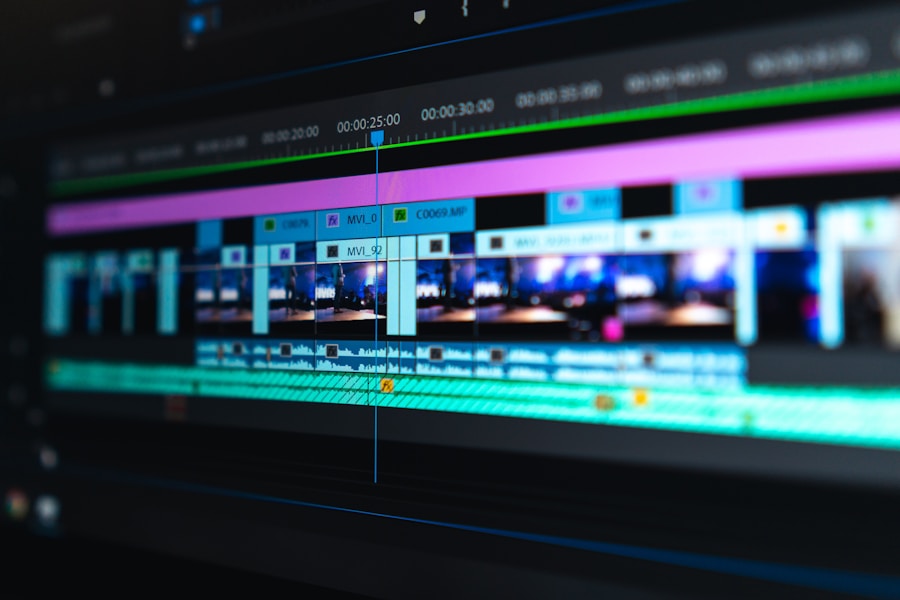
Understanding the different types of VFX work helps you communicate your needs clearly and find artists with relevant expertise. Each category requires different skills and often different pricing structures.
Film & Television VFX
The entertainment industry represents the largest and most diverse VFX market. Feature films often require thousands of VFX shots spanning creature creation, environment building, destruction simulation, and more. Television, from prestige dramas to streaming series, has increased demand for VFX to create the impossible on smaller budgets.
Commercial Advertising
Advertising VFX prioritizes visual impact and brand messaging within tight time frames. Commercial work often involves product visualization, creating impossible scenarios, and seamless integration of computer-generated elements with live-action talent. The high stakes of advertising budgets typically demand experienced professionals who can deliver under pressure.
Music Videos
Music videos push creative boundaries with experimental techniques and stylized aesthetics. This genre allows artists significant creative latitude, and many VFX professionals build reputations through distinctive music video work. The format typically involves rapid turnaround and creative problem-solving within limited budgets.
Gaming & Interactive Media
Video games and interactive experiences require VFX that respond to user input in real-time. This differs fundamentally from linear media—games need optimized assets that perform efficiently during actual gameplay. VFX artists in gaming often specialize in real-time engines like Unreal or Unity.
Social Media & Digital Content
The explosive growth of digital content has created massive demand for VFX in shorter formats. Social media content, YouTube videos, and web content often require faster turnaround and more affordable options while still delivering professional quality. Many VFX artists now specialize specifically in this fast-paced market.
Corporate & Training Videos
Corporate presentations, training materials, and product demos often incorporate VFX for explainer visualizations, data presentation enhancement, and creating professional polish. This work tends to prioritize clarity and brand consistency over artistic expression.
VFX Software & Tools

While you don't need to understand every technical detail of VFX software, knowing the basic tools helps you communicate with artists and understand what's possible in your project. Here's an overview of the industry-standard applications.
Compositing Software
Nuke by Foundry is the industry standard for high-end compositing in film and television. Its node-based workflow allows for incredibly complex compositing operations. After Effects from Adobe is more accessible and widely used for commercial and motion graphics work. DaVinci Resolve offers compositing capabilities alongside its renowned color grading tools.
3D Software
Maya from Autodesk remains the most widely used 3D application in film production, offering comprehensive modeling, animation, and rigging tools. Blender has emerged as a powerful free alternative increasingly used in professional production. Cinema 4D dominates in motion graphics and commercial work due to its user-friendly interface. Houdini by SideFX is the go-to for procedural effects and simulation work.
Tracking & Matchmoving
SynthEyes and PFTrack are specialized tracking applications that analyze footage to create camera and object movement data for VFX integration. Accurate tracking is fundamental to believable compositing.
Rendering Engines
Arnold by SolidAngle (now Autodesk) and V-Ray are industry-standard render engines known for photorealistic results. Redshift has gained popularity for its GPU-accelerated rendering speed. These tools calculate how light interacts with 3D scenes to create final images.
💡 Technical Note
Don't get caught up in debates about which software is "best." All industry-standard tools can produce excellent results. What matters is finding an artist who masters whatever software fits your project. Many professional VFX artists are fluent in multiple applications and adapt their toolset to project needs.
The VFX Hiring Process

Hiring a VFX artist involves more than simply finding someone with a good portfolio. A systematic approach helps ensure you find the right match for your specific project while protecting your interests and budget.
Step 1: Define Your Project
Before reaching out to anyone, clearly define what you need. Create a detailed brief covering your project type, specific VFX requirements, style preferences, timeline, and budget range. The more precise your brief, the more accurate quotes you'll receive. Include reference images showing the look you're aiming for.
Step 2: Research & Shortlist
Search for artists whose work matches your needs. Create a shortlist of 5-10 candidates whose portfolios show relevant work and style. Don't limit yourself to those closest to you geographically—VFX work happens remotely very effectively.
Step 3: Initial Contact
Reach out to your shortlist with a clear project overview. Ask about availability, relevant experience, and general pricing indications. Pay attention to how quickly and professionally they respond—good communication at this stage often predicts good communication during the project.
Step 4: Review Proposals
Compare proposals based on price, timeline, approach, and your impression of the artist. Don't automatically choose the lowest price—consider the complete picture of what you're getting. Ask for clarification on anything unclear before deciding.
Step 5: Test Project
If possible, start with a small test project before committing to larger work. This allows you to evaluate actual working quality, communication responsiveness, and deadline reliability. Many clients offer a single shot or short sequence as an initial test.
Step 6: Finalize Agreement
VFX Contract Essentials

While formal contracts might feel like overkill for smaller projects, having clear agreements protects both you and the artist. Even a simple written agreement covering key points prevents misunderstandings that can derail projects.
Scope of Work
Precisely define what's included: number of shots, specific VFX work per shot, delivery format, and any exclusions. Ambiguity here leads to disputes later. Reference your initial brief and expand it into a detailed shot list or project specification.
Timeline & Milestones
Establish clear delivery dates for drafts, revisions, and final files. Include milestones tied to payments if your project is large enough to justify them. Build in buffer time for unexpected delays—VFX often reveals additional work as shots develop.
Revision Terms
Specify how many revision rounds are included and what counts as a revision versus a new deliverable. VFX revision cycles can be contentious—what you see as minor tweaks the artist may view as entirely new work. Clear definitions prevent these disputes.
Payment Terms
Define total cost, payment schedule, and accepted methods. Many VFX artists require partial payment upfront, particularly for new clients. Common structures include 50% upfront, 50% on delivery, or milestone-based payments for larger projects.
Usage Rights
Specify what you can do with the final VFX deliverables. Will you have exclusive or non-exclusive rights? Can the artist use the work in their portfolio? Are there time limits on your usage? Geographic restrictions? These questions matter enormously, especially for commercial work.
File Delivery
Agree on delivery formats: final rendered video files, project files, or both. Understand what happens to project files after completion. Some artists retain project files for their portfolio; others provide them to clients upon request.
Working Effectively with Your VFX Artist

A successful VFX project depends not just on finding the right artist but on how you work together throughout the process. These practical tips will help you build a productive collaborative relationship.
Provide Clear References
Visual references are worth a thousand words. When you describe what you want, provide reference images showing the style, mood, or specific elements you're envisioning. Links to similar VFX work in other productions help artists understand your aesthetic expectations.
Trust Their Expertise
You've hired a VFX artist because of their expertise. Allow them creative latitude in how they achieve your vision. Micro-managing technical decisions or dictating specific software approaches undermines their ability to deliver their best work. Provide clear goals, then let them determine the best path to achieve them.
Provide Quality Assets
Garbage in, garbage out applies heavily to VFX. Provide the highest quality footage and assets possible. Raw camera files rather than compressed videos. High-resolution images for any elements you're asking them to incorporate. Clean, properly exposed footage gives artists the best foundation for great work.
Give Specific Feedback
When reviewing VFX work, be specific in your feedback. "It looks wrong" isn't helpful; "the lighting on the character's face doesn't match the key light in the original footage" gives the artist actionable information. Help them understand exactly what you'd like changed.
Communicate Proactively
If timeline changes become necessary, inform your artist as early as possible. If your budget changes, communicate transparently rather than hoping they'll read your mind. Proactive communication prevents crises and allows collaborative problem-solving.
💡 Remote Collaboration Tips
VFX work translates beautifully to remote collaboration. Use cloud storage (Google Drive, Dropbox, WeTransfer) for file sharing. Slack or Discord for quick communication. Frame.io or similar platforms for video review with timestamped comments. These tools create efficient remote workflows that rival in-person collaboration.
Common Hiring Mistakes to Avoid

Learning from others' mistakes helps you avoid pitfalls that have derailed countless VFX projects. Here are the most common errors clients make when hiring visual effects talent.
Mistake #1: Hiring Based on Price Alone
The cheapest option often costs more in the long run. Low-quality VFX requires re-doing, delays your timeline, and may end up costing as much or more than hiring a qualified professional from the start. Budget realistically for the quality you need.
Mistake #2: Unrealistic Timelines
Professional VFX takes time. Asking an artist to deliver impossible deadlines results in rushed work, mistakes, or simply damaged professional relationships. Build realistic timelines from the start and communicate any constraints early.
Mistake #3: Unclear Scope
"We'll know what we want when we see it" is a recipe for disaster and budget overruns. Define your requirements clearly before hiring. While some creative exploration during the project is normal, fundamental scope clarity is essential.
Mistake #4: Skipping the Test Project
For any significant VFX work, test the artist's actual working capabilities before committing fully. Portfolio work may not represent their current skill level or working style. A small test validates the relationship before larger investments.
Mistake #5: Ignoring Communication Quality
Before you sign, notice how potential hires communicate. Do they ask clarifying questions? Do they respond promptly? Do they explain things clearly? Communication quality during the sales process strongly predicts communication quality during the project.
Mistake #6: Not Considering Technical Requirements
Ensure your chosen artist can work within your pipeline. Do they need particular software? Do they require specific file formats? Do they need access to certain assets? Technical compatibility matters for smooth project execution.
VFX Industry Trends

The VFX industry continues evolving rapidly, with new technologies, techniques, and business models reshaping how visual effects work gets done. Understanding current trends helps you make smarter hiring decisions and position your projects appropriately.
Real-Time Rendering Revolution
Unreal Engine and other real-time rendering tools have transformed workflows that previously required lengthy render times. What once took hours now happens instantly, enabling unprecedented creative iteration and client interaction. Artists skilled in real-time workflows are increasingly valuable.
AI-Assisted VFX
Machine learning tools are now assisting VFX workflows in roto-prep, noise removal, upscaling, and even basic compositing. This doesn't replace artists—rather it automates tedious tasks, freeing creative professionals to focus on higher-value work. Understanding which tools incorporate AI helps you know what to expect.
Virtual Production Growth
LED volume stages and virtual production techniques blur lines between VFX and production. Skills in real-time engines, stage design, and in-camera VFX are increasingly valuable. This hybrid field offers exciting opportunities for artists who can work across traditional and virtual production.
Global Talent Distribution
Remote VFX work became standard during recent disruptions and has remained the norm. Geographic location matters less than ever—clients now access global talent pools, and artists work with clients worldwide. This democratization expands your options considerably.
Short-Form Content Demand
The explosive growth of short-form video content on social platforms creates enormous demand for fast-turnaround VFX. Artists who can deliver quality work on tight timelines for this market are finding abundant opportunities. These projects often have different pricing and workflow expectations than traditional production.
How to Identify Quality VFX Work

Being able to evaluate VFX quality helps you assess portfolio work, review deliverables, and communicate effectively with artists. Here are the key indicators of professional-quality visual effects.
Seamless Integration
Professional VFX blends flawlessly with source footage. When watching a shot, you shouldn't be able to identify where original footage ends and VFX begins. Look for matching grain, color, lighting, and focus characteristics between real and created elements.
Consistent Physics
Elements follow physical laws appropriately. Water behaves like water, gravity affects objects correctly, light creates proper shadows and reflections. Even stylized or fantastical content should follow internally consistent rules.
Attention to Edge Detail
Amateur VFX often fails at edges—halos around composited elements, rough cutouts on characters or objects, inconsistent edge softening. Professional work maintains clean, well-defined edges that match the source footage.
Proper Depth of Field
Elements at different distances should have appropriate blur based on camera settings. Background VFX elements that should be out of focus must show appropriate blur, while sharp foreground elements match the point of focus.
Film & Broadcast Quality
Professional deliverables meet technical specifications for their intended use: correct color space, appropriate resolution, proper format, and clean audio sync. Professional artists understand delivery requirements across different platforms and broadcast standards.
Aesthetic Sophistication
Beyond technical accuracy, quality VFX has aesthetic appeal. Colors feel harmonious, compositions are dynamic, and there's a sense of intentional artistry. The best VFX enhances the emotional impact of content rather than just meeting technical requirements.
Final Recommendations

Hiring a VFX artist is both a practical business decision and a creative partnership. The right artist becomes an extension of your team, helping translate your vision into visual reality. Here's what to remember as you move forward.
Start with Clarity
Before beginning your search, clearly define your project: the scope, style, timeline, and budget. The more precisely you know what you need, the more effectively you can evaluate potential hires and the better outcomes you'll achieve.
Evaluate Beyond Portfolio
While portfolio quality is essential, also evaluate communication, reliability, and approach. The best VFX artist for your project isn't necessarily the one with the most impressive showreel—it's the one whose skills, working style, and personality align with your project needs.
Invest in the Relationship
Great VFX work comes from strong collaborative relationships. Treat your VFX artists as partners rather than vendors. Communicate openly, provide what they need to succeed, and appreciate their creative contributions. Artists who feel valued deliver work that exceeds expectations.
Budget Appropriately
Quality VFX requires appropriate investment. While you can find affordable options for basic work, projects requiring professional results need realistic budgets. Cutting corners on VFX often produces false economy—poor quality content damages your brand, while quality visual effects amplify your message.
Trust the Process
Finding the right VFX artist might take time, but it's worth the investment. Rushing to hire the first available option often leads to subpar results and frustration. Approach your search systematically, evaluate multiple candidates, and make considered decisions.
The world of visual effects offers extraordinary possibilities for creators willing to invest in professional talent. Whether you're producing your first independent film, crafting a brand-defining commercial, or exploring new creative frontiers, the right VFX artist transforms what seems impossible into stunning reality. Take what you've learned in this guide, approach your search thoughtfully, and get ready to create something amazing.
VFX Requirements by Project Type

Different types of projects have distinct VFX requirements, workflows, and expectations. Understanding what's typical for your project type helps you communicate effectively with artists and set realistic parameters.
Feature Films
Narrative feature films typically require the most comprehensive VFX work, often involving hundreds or thousands of shots. Quality expectations are extremely high as content undergoes theatrical release and streaming scrutiny. Pipeline integration, format considerations (IMAX, 3D, standard), and adherence to industry delivery specifications are essential. Budgets range from tens of thousands for indie projects to millions for major studio productions.
Television & Streaming
TV productions face unique challenges including tighter schedules, episodic consistency across different directors, and format variations between broadcast, cable, and streaming. VFX needs to maintain quality while accommodating faster turnaround times. Budgets are typically calculated per-episode, and artists must understand the technical requirements of various delivery platforms.
Commercial Advertising
Advertising VFX demands exceptional polish within extremely tight timeframes. A 30-second spot might need 10-20 complex shots with high client involvement and rapid iteration cycles. Brand consistency, messaging clarity, and visual impact take priority. Commercial work typically pays premium rates but demands artists who can handle pressure and deliver quickly.
Music Videos
Music video VFX often embraces experimental, stylized aesthetics that differ from photorealistic work. Budgets vary enormously based on artist reputation and project scope, but the format rewards creative risk-taking. Fast turnaround is common, and artists often have more direct creative input than in other formats.
Corporate & Branded Content
Corporate video VFX tends to prioritize clarity and brand alignment over artistic expression. Explainer videos, product demonstrations, and internal presentations have different aesthetic requirements than entertainment content. Projects often involve confidential material requiring NDAs, and working with established professionals who understand business environments matters.
Understanding VFX Pipeline
Understanding the VFX pipeline helps you communicate more effectively with artists and anticipate what your project requires. Even basic familiarity with production stages improves collaboration outcomes.
Pre-Production Planning
Before any VFX work begins, thorough planning determines project success. This phase includes identifying all VFX shots, creating storyboards, determining which shots are practical versus requiring digital augmentation, establishing budgets and timelines, and preparing production to capture elements needed for VFX integration.
On-Set Requirements
Quality VFX requires quality source material. On-set considerations include proper reference photography for matchmoving, clean plates, HDRI environment captures, tracking markers for complex shots, proper lighting that can be replicated digitally, and sufficient resolution for post-production scaling.
Post-Production Workflow
The post-production phase includes editing synchronization, asset creation, shot-by-shot VFX work, compositing, review cycles, color grading integration, and final rendering. Each stage builds upon previous work, and delays in early stages cascade through the pipeline. Clear milestone expectations help manage this complex workflow.
Delivery Specifications
Final delivery requirements vary by project and platform. Understanding delivery specs avoids last-minute complications. Consider color space requirements (Rec.709, DCI-P3, HDR), frame rate considerations, resolution needs, codec requirements, audio sync specifications, and any broadcast or platform-specific technical standards.
Budget Management Strategies
VFX budgets require careful management to achieve optimal results without overspending. Strategic approaches to planning, prioritization, and execution help stretch your investment further.
Prioritize Shot Complexity
Not every shot requires equal investment. Identify which shots carry the most visual and narrative weight, and allocate more resources there. Simpler shots with minimal digital work can often be executed quickly and affordably, freeing budget for hero shots that truly matter to your project.
Plan for Revisions
Budget for revision rounds in your initial quote rather than treating them as unexpected costs. The more clearly you can articulate your vision upfront, the fewer revisions you'll need. But building in budget for 2-3 revision cycles protects you from scope creep while ensuring artists are fairly compensated for additional work.
Consider Trade-offs
Sometimes achieving your vision requires trade-offs between scope, timeline, and quality. A complex digital environment might require either more time, more budget, or simplified design. Being open to creative solutions helps artists propose alternatives that respect your constraints while still delivering impact.
Phased Approaches
For larger projects, consider phasing VFX work. Complete a first phase with core shots, assess results, then plan subsequent phases based on remaining budget and priorities. This approach provides flexibility and reduces risk of overspending before seeing initial results.
The Future of VFX Hiring
The VFX industry continues evolving rapidly, with emerging technologies and changing business models reshaping how creative work gets done and how clients find talent.
AI Integration Acceleration
Artificial intelligence tools are becoming increasingly sophisticated at handling routine VFX tasks. From automated rotoscoping to intelligent upscaling and noise reduction, AI assistance is becoming standard. However, creative direction, complex problem-solving, and artistic judgment remain distinctly human skills that AI augments rather than replaces.
Cloud-Based Collaboration
Cloud rendering and cloud-based collaboration tools are transforming how VFX work gets done remotely. Artists can work on computationally intensive projects without expensive local hardware, and clients can review work in progress without complex file transfers. This trend expands access to professional-grade tools for smaller teams.
Specialization Growth
As VFX techniques become more sophisticated, specialization increases. We're seeing growth in niche roles like virtual production supervisors, real-time engine artists, procedural effects specialists, and HDR colorists. For clients, this means finding the right specialist matters more than ever.
Flexible Engagement Models
Beyond traditional hourly and project rates, new engagement models are emerging. Retainer arrangements for ongoing work, revenue-share partnerships for independent productions, and skill-specific marketplace platforms create more options for matching talent to project needs.
The VFX industry offers more opportunities than ever for clients seeking visual effects talent. By understanding your project needs, knowing where to look, and building strong collaborative relationships, you can achieve remarkable visual results that elevate your content and captivate your audience.
Share this article:

← Back to Top
Where to go next
- Hire Adobe Dimension Experts for Stunning 3D
- Hire designers who make Topaz Studio sing.
- Hire Expert Freelance Video Editors
More useful paths
Use these paths to continue with the closest practical topic, service, or decision guide.
Spotted something wrong? Report an error on this page. We correct on the page and say what changed.