Different Types Of Photography
Photography is one of the most diverse and accessible art forms in the world today. From capturing stunning landscapes to documenting intimate portraits, from the fast-paced action of sports to the…
 Pro Pixel Agency

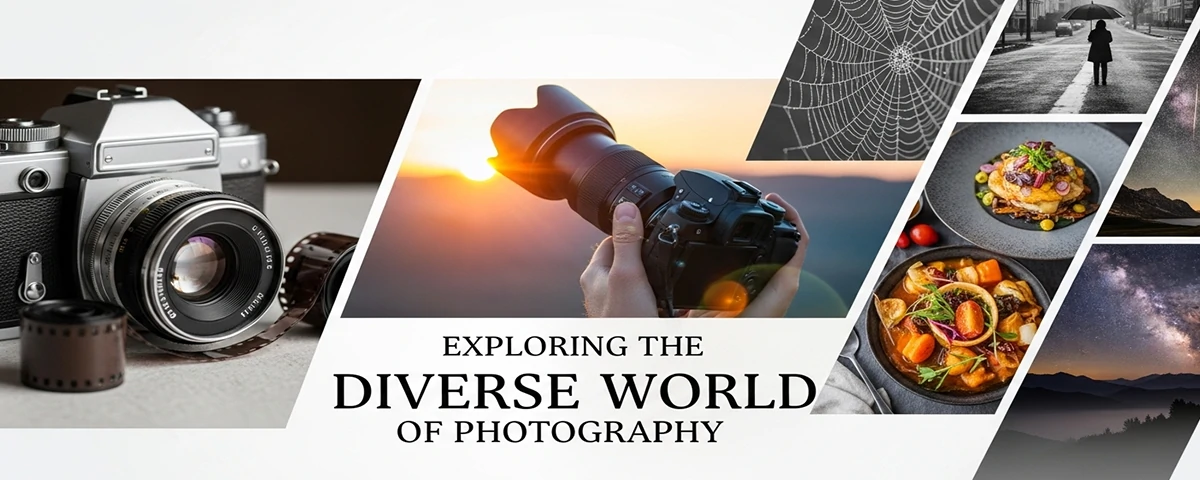
Photography is one of the most diverse and accessible art forms in the world today. From capturing stunning landscapes to documenting intimate portraits, from the fast-paced action of sports to the patient observation of wildlife, photography offers something for everyone. Understanding the different types of photography helps you find your niche, develop your skills, and create images that truly resonate with your vision.
This comprehensive guide explores the major photography genres, what makes each unique, and how you can pursue them. Whether you're just starting your photography journey or looking to expand your existing skills, this overview will help you navigate the rich world of photographic possibilities.
Portrait Photography
Portrait photography is perhaps the most intimate and personal type of photography. It focuses on capturing the personality, mood, and identity of a subject through careful composition, lighting, and expression. The best portrait photographs reveal something meaningful about the person being photographed.
Portrait photography spans many styles, from formal studio portraits to casual environmental portraits. Traditional portraits often feature subjects looking directly at the camera with controlled lighting, while contemporary approaches might capture people in action or in their natural environment.
Key Skills: Strong communication skills to direct subjects, understanding of lighting (both natural and artificial), ability to make people feel comfortable, and an eye for detail.
Equipment needs range from simple setups with natural light to elaborate studio configurations with multiple strobes and modifiers.
Landscape Photography
Landscape photography captures the natural world, from vast mountain ranges to intimate forest scenes. This genre celebrates the beauty of our planet and often emphasizes the relationship between humans and nature, even when people aren't visible in the frame.
The best landscape photographs go beyond simply recording a scene. They capture a mood, convey an atmosphere, or reveal a perspective that the viewer might not otherwise see. This requires patience, planning, and often significant physical effort to reach the right location at the right time.
Essential Gear: Sturdy tripod, wide-angle and telephoto lenses, filters (polarizers and neutral density), and weather protection for both camera and photographer.
Understanding light is crucial in landscape photography, with many photographers specifically chasing the "golden hour" light around sunrise and sunset.
Street Photography
Street photography documents everyday life in public places, capturing candid moments of human experience. This genre emerged from the tradition of Henri Cartier-Bresson and other masters who saw poetry in the ordinary. The best street photographs reveal the humor, tragedy, beauty, and absurdity of modern life.
What makes street photography challenging is its unpredictable nature. You can't pose your subjects or control the environment. Instead, you must anticipate moments, react quickly, and find order in chaos. This requires both technical proficiency and artistic vision.
Technical Skills: Fast autofocus, zone focusing, quick composition decisions, and the ability to work in various lighting conditions.
Ethical considerations are important in street photography, including respecting people's privacy and understanding local laws about photographing in public.
Wildlife Photography
Wildlife photography captures animals in their natural habitats, from majestic elephants on the African savanna to tiny insects in your backyard. This genre requires patience, persistence, and often significant travel to remote locations. The best wildlife photographs tell stories about animals and their environments.
Technical requirements for wildlife photography are demanding. You'll need telephoto lenses that can reach hundreds of meters, cameras with fast and accurate autofocus, and often specialized equipment for shooting in low light or at great distances. But beyond the gear, wildlife photography requires deep knowledge of animal behavior.
Conservation Focus: Many wildlife photographers use their work to raise awareness about conservation issues and inspire protection of endangered species.
Ethical practice is paramount in wildlife photography, always prioritizing animal welfare over getting the perfect shot.
Sports And Action Photography
Sports photography captures athletes in motion, freezing moments of competition, triumph, and determination. This high-energy genre requires quick reflexes, technical precision, and deep knowledge of the sports you're covering. The best sports photographs convey the emotion and intensity of the moment.
Speed is essential in sports photography. You'll need cameras with rapid burst rates, highly responsive autofocus systems that can track moving subjects, and fast telephoto lenses to bring distant action close. Understanding the sport helps you predict where key moments will occur.
Key Techniques: Panning to convey motion, using back-button focus, pre-focusing on anticipated action points, and high-speed continuous shooting.
Many sports photographers work for major publications, while others cover events independently or focus on amateur sports.
Product Photography
Product photography showcases items for commercial purposes, from consumer goods to luxury items. This genre is essential for e-commerce, advertising, and catalog production. The goal is to make products look as appealing as possible while accurately representing their characteristics.
Precision and attention to detail are crucial in product photography. You'll need controlled lighting to highlight product features, careful styling to arrange items attractively, and post-processing skills to create flawless final images. Many product photographers specialize in specific categories like food, jewelry, furniture, or electronics.
Studio Setup: Professional product photography typically requires a dedicated studio space, specialized lighting equipment, and various backdrops and surfaces.
This commercially valuable genre offers many opportunities for photographers, from in-house positions at major brands to freelance work for agencies and small businesses.
Wedding Photography
Wedding photography documents one of life's most important days, capturing moments that couples will treasure forever. This demanding genre combines portraiture, event photography, and documentary work. You'll need to be comfortable shooting in various conditions, from bright outdoor ceremonies to dimly lit reception venues.
Beyond technical skills, wedding photographers need strong interpersonal abilities to work with stressed couples, manage family dynamics, and direct large groups for formal portraits. The best wedding photographers anticipate moments before they happen and capture genuine emotions as they unfold.
Business Skills: Success in wedding photography requires not just photographic ability but also booking, client management, and post-production workflows.
This is one of the most commercially viable photography specialties, with consistent demand across virtually all markets.
Architecture Photography
Architecture photography captures buildings and structures, from iconic skyscrapers to humble homes. This genre emphasizes the relationship between human design and the environment, showcasing how architecture shapes our world. The best architecture photographs reveal both the grandeur and the details of buildings.
Shooting architecture often involves dealing with challenging lighting situations, both interior and exterior. You'll need to manage reflections in glass, work with available light in cathedrals, and sometimes use techniques like focus stacking to achieve complete sharpness throughout exteriors. Many architects and real estate professionals need high-quality building photographs.
Technical Requirements: Tilt-shift lenses help correct perspective distortion, while high-resolution cameras capture the detail necessary for large-format prints.
Architecture photography serves clients ranging from architects and developers to travel publications and tourism boards.
Food Photography
Food photography makes delicious dishes look irresistible, serving restaurants, cookbooks, packaging, and advertising. This specialized genre combines technical precision with creative styling to capture food at its appetizing best. The best food photographs make viewers want to reach through the screen and taste what they see.
Food photography often involves careful preparation and "fake" elements to achieve perfect appearances. Ice might be replaced with plastic for longer shooting, steam might be created with humidifiers, and certain ingredients might be pre-cooked to look fresher. Understanding how to make food look its best is a crucial skill.
Styling Skills: Food photographers often work with dedicated food stylists, but many learn styling skills themselves to create cohesive visions.
This growing field includes work for restaurants, food brands, magazines, and increasingly, social media content creators.
Fashion Photography
Fashion photography showcases clothing, accessories, and models in creative ways. This glamorous genre appears in magazines, advertising campaigns, e-commerce websites, and social media. Beyond simply showing products, fashion photography creates aspirational images that tell stories and evoke emotions.
Fashion photography ranges from straightforward catalog work showing garments clearly to high-fashion editorial images that prioritize artistic expression. Both require different approaches but share the need for strong visual sense and technical proficiency.
Collaboration: Fashion photographers work with stylists, makeup artists, hair stylists, models, and creative directors to create cohesive visions.
Breaking into fashion photography often requires building relationships and creating a strong portfolio that showcases versatility and style.
Macro Photography
Macro photography reveals the hidden world of tiny subjects, from insects and flowers to everyday objects seen in a new way. This specialized genre captures details invisible to the naked eye, transforming the small into the spectacular. Macro photography requires specialized equipment and significant patience.
Equipment: True macro lenses provide 1:1 magnification or greater, allowing life-size reproduction of small subjects. Extension tubes, close-up filters, and specialized macro accessories extend capabilities.
Technical Challenges: Working at such close distances reduces depth of field dramatically, often requiring focus stacking techniques to achieve acceptable sharpness.
Macro photography subjects include nature, products, scientific specimens, and artistic explorations of everyday objects.
Astrophotography
Astrophotography captures the night sky, from stunning Milky Way panoramas to detailed images of distant galaxies. This technical genre combines landscape photography with astronomy, requiring both artistic vision and scientific knowledge. The best astrophotography reveals cosmic wonders invisible to the naked eye.
Astrophotography presents unique challenges. You'll often shoot in remote locations away from light pollution, wait for suitable moon phases, and spend long hours processing images to bring out faint details. Technical requirements include fast wide-angle lenses, sturdy tripods, and often tracking mounts to compensate for Earth's rotation.
Post-Processing: Extensive image processing is often necessary to bring out star colors, reduce noise, and combine multiple exposures.
The genre ranges from simple star trail images to deep-sky photography using telescopes and specialized cameras.
Documentary Photography
Documentary photography tells real stories about people, places, and events. This photojournalistic approach prioritizes authenticity and truth, capturing moments as they happen without staging or interference. The best documentary work creates powerful narratives that inform, educate, and inspire viewers.
Documentary photographers often spend extended time with their subjects, building trust and gaining access that allows more intimate coverage. Projects can take months or years to complete, revealing stories that might otherwise remain untold.
Ethical Considerations: Documentary photographers must balance the desire to capture powerful images with respect for their subjects' dignity and privacy.
This important genre serves publications, nonprofits, and social causes, helping bring attention to important issues around the world.
Fine Art Photography
Fine art photography prioritizes creative expression over documentation. Artists in this genre use photography as a medium for artistic vision, creating images that exist as art objects rather than mere records. The value lies in the concept, execution, and emotional impact rather than subject accuracy.
Fine art photographers often control every aspect of image creation, from conceptualization through final presentation. Post-processing becomes a significant creative tool, transforming photographs into unique artistic statements.
Presentation: How photographs are presented—through prints, books, exhibitions—matters as much as the images themselves in fine art contexts.
This genre includes conceptual work, experimental processes, and purely aesthetic explorations that push the boundaries of what photography can be.
When creating content about different types of photography, using the right images helps communicate these genres effectively.
Genre Example Collections: Show representative images from each photography type to demonstrate what makes each unique.
Equipment Demonstrations: Images showing cameras, lenses, and accessories used in different genres help beginners understand tools.
Behind-the-Scenes: Photos of photographers working in various environments illustrate real-world practice.
Before-and-After Examples: Showing unprocessed versus final images demonstrates post-processing skills.
Comparison Shots: Images comparing different techniques within a genre help explain concepts visually.
Strategic imagery makes photography education accessible and inspiring.
Choosing Your Photography Path
With so many types of photography available, how do you choose which to pursue? Consider your interests, lifestyle, and goals. Some photographers focus on one genre, while others work across multiple specialties. Many find their path through experimentation and gradual refinement.
Practical Considerations: Some genres require significant investment in specialized equipment, while others need extensive travel or unusual schedules.
Market Viability: Some types of photography offer more commercial opportunities than others, though passion often matters more than profit potential.
Starting Point: Many photographers begin with accessible genres like portraits or street photography before moving into more specialized areas.
The best approach is to start shooting, discover what excites you, and let your unique voice emerge through practice and exploration.
Combining Photography Types
Many successful photographers don't limit themselves to a single genre. They combine different types of photography based on their interests and opportunities. For example, a wedding photographer might also do portrait work, while a landscape photographer might explore fine art projects.
The skills you develop in one genre often transfer to others. Portrait techniques improve your wedding work, landscape patience benefits wildlife sessions. Versatility can also provide financial stability, allowing you to take on various jobs rather than relying on one specialty.
Cross-Pollination: Studying different genres expands your creative toolkit and often leads to unique approaches that set your work apart.
Many photographers find their signature style emerges at the intersection of multiple interests.
Event Photography Types
Event photography covers specific occasions and gatherings, from corporate conferences to birthday parties. This practical genre requires adaptability and the ability to work in various conditions while capturing important moments.
Corporate Events: Conferences, trade shows, and company gatherings require professional coverage that reflects brand identity.
Social Events: Birthdays, anniversaries, and family gatherings create lasting memories for families.
Music and Entertainment: Concerts, festivals, and performances require fast lens speed and low-light capability.
Event photographers must be versatile, capturing both candid moments and formal group shots.
Travel Photography
Travel photography documents experiences, cultures, and locations around the world. This genre combines elements of landscape, portrait, street, and documentary photography, creating compelling narratives about places and people.
Adventure Travel: Documenting outdoor activities, expeditions, and remote destinations.
Cultural Exploration: Capturing traditions, ceremonies, and daily life in different communities.
Destination Features: Creating content for travel publications, tourism boards, and hospitality industries.
Travel photographers often work as content creators, bloggers, or freelancers selling images to various outlets.
Still Life Photography
Still life photography captures arranged objects, from food and products to artistic arrangements. This controlled genre allows photographers complete creative control over every element in the frame, making it excellent for commercial work and artistic expression.
Commercial Applications: Product photography, packaging, and advertising all use still life techniques.
Artistic Exploration: Creating visually compelling arrangements that explore themes and concepts.
Technical Skills: Mastery of lighting, composition, and post-processing is essential in this precise genre.
Still life requires patience and attention to detail, rewarding photographers who work methodically.
Abstract And Experimental Photography
Abstract photography breaks traditional rules, creating images that prioritize visual experience over documentation. This experimental genre pushes boundaries, using techniques like multiple exposures, intentional camera movement, and unusual processing to create unique visual expressions.
Technique Exploration: Using movement, multiple exposures, and unusual angles to create new perspectives.
Post-Processing Innovation: Extensive digital manipulation creating surreal and artistic results.
Alternative Processes: Historical techniques like cyanotypes, film stripping, and hand-coloring create distinctive results.
This genre appeals to photographers seeking complete artistic freedom and unique visual statements.
Interior And Real Estate Photography
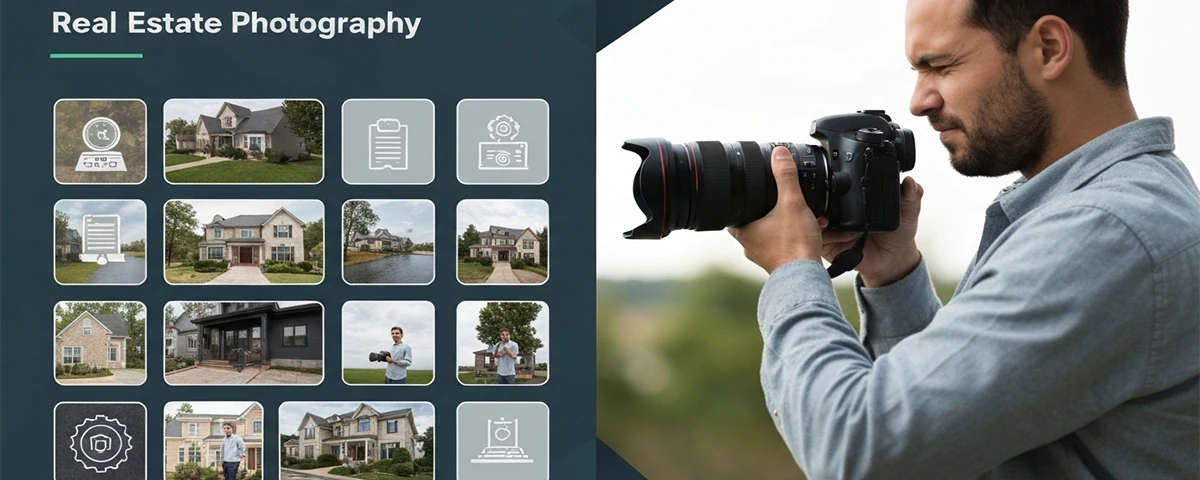
Interior and real estate photography captures architectural spaces, from luxury homes to commercial properties. This practical genre serves real estate agents, architects, and hospitality businesses by showing properties at their best.
Wide-Angle Skills: Interior photographers master wide-angle lenses that capture entire rooms while minimizing distortion.
Lighting Techniques: Combining natural and artificial light to create warm, inviting atmosphere in spaces.
Post-Processing: Virtual tours, HDR blending, and sky replacement are common in this genre.
This growing field offers consistent work as real estate marketing increasingly relies on professional imagery.
Pet And Animal Photography
Pet and animal photography celebrates our furry companions, from family pets to working animals. This joyful genre combines portrait techniques with patience for working with animal subjects who don't take direction well.
Patience and Timing: Capturing the right expression requires waiting for natural moments.
Working with Handlers: Collaborating with pet owners or trainers to get the best results.
Business Opportunities: Pet photography includes portraits, calendars, and commercial work for pet brands.
This niche offers both commercial potential and personal satisfaction.
Forensic And Scientific Photography
Forensic and scientific photography documents evidence, research, and discoveries. This specialized field requires absolute accuracy, standardized procedures, and often additional training beyond general photography.
Crime Scene Documentation: Recording evidence with precision and maintaining chain of custody.
Scientific Research: Supporting research in biology, medicine, and physics with visual documentation.
Medical Imaging: Clinical and surgical photography requires specialized training and sterile procedures.
This important genre serves justice and scientific advancement with visual evidence.
Underwater Photography
Underwater photography reveals the mysterious world beneath the surface, from marine life to sunken architecture. This challenging genre requires specialized equipment and diving certification, opening access to subjects few other photographers capture.
Equipment Needs: Specialized housing, strobes, and sometimes scooter propulsion systems.
Diving Skills: Strong buoyancy control allows close approaches without disturbing marine life.
Light Challenges: Managing color absorption underwater and working with limited natural light.
This awe-inspiring genre rewards those who invest in developing its unique skills.
Frequently Asked Questions
Which type of photography is best for beginners?
Portrait and street photography are excellent starting points because they involve real subjects and teach essential skills like communication and quick decision-making. Portrait photography teaches you about working with people, while street photography develops your eye for composition in unpredictable situations.
What type of photography makes the most money?
Commercial photography, including product and corporate work, typically offers the highest income potential. Wedding photography also provides steady demand in most markets. However, earnings vary significantly based on location, experience, and business skills.
Do I need special equipment for different photography types?
Each genre has specific equipment needs, but many can be explored with basic gear. Wildlife needs telephoto lenses, macro needs specialized close-up equipment, and studio photography needs lighting gear. However, starting with what you have and upgrading as needed is a valid approach.
Can I specialize in multiple types of photography?
Absolutely. Many photographers work across several genres, using different skills for different projects. Versatility can be an advantage, offering variety in your work and multiple income streams.
How do I choose which type of photography to pursue?
Experiment with different genres to discover what excites you most. Consider what subjects you're naturally drawn to photograph, what environments you enjoy working in, and what skills you want to develop. Your passion will sustain you through the challenges of building a photography practice.
What's the difference between amateur and professional photography?
The main difference is that professional photography is done for payment, but this doesn't capture the full reality. Professionals typically have more sophisticated equipment, developed business skills, and proven reliability. However, some of the most beautiful photographs come from passionate amateurs pursuing their vision without commercial pressures.
Start Exploring Different Types Of Photography
The world of photography offers endless possibilities for creative expression and career development. Pick up your camera and start exploring the type of photography that speaks to you.
Start Learning Today
Where to go next
- Shoot More. Edit Less. We Handle the Post.
- Expert Bokeh Effect Services
- Meet the Artists Behind Your Perfect Photos
More useful paths
Use these paths to continue with the closest practical topic, service, or decision guide.
- Photography article library
- Light Examples in Photography: 12 Types of Light and How to Use Them
- Types of Photography: 15 Genres Explained With Skills and Gear
- Diffused Light vs Direct LightThe Complete Guide to Lighting Quality
- Directing CameraThe Complete Guide to Camera Direction
- Photography Post Production Services
Spotted something wrong? Report an error on this page. We correct on the page and say what changed.