Design Studio Internship: The Complete Guide to Landing Your Dream Creative Role
Everything you need to know about design studio internships — from finding the right opportunity and building a standout portfolio to acing the interview and turning your internship into a full-time…
 Pro Pixel Agency

Everything you need to know about design studio internships — from finding the right opportunity and building a standout portfolio to acing the interview and turning your internship into a full-time creative career.
By Maya Chen
Design Career Coach
Career & Education
Featured Image Suggestion
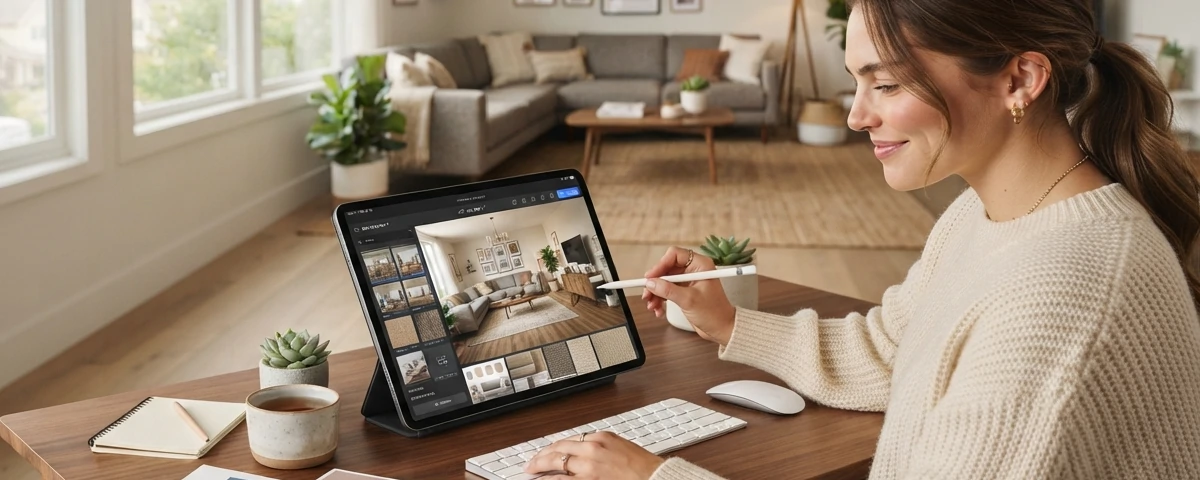
A bright, modern design studio with large white desks, iMacs, sketchbooks scattered about, mood boards on the wall, a foosball table in the background, and natural light streaming through floor-to-ceiling windows
# design internship
# creative career
# studio life
TABLE OF CONTENTS
1. Introduction
2. Why a Design Internship Matters
3. Types of Design Studio Internships
4. Building Your Portfolio
5. Finding the Right Opportunity
6. The Application Process
7. Acing the Interview
8. Your First Week
9. Daily Life as an Intern
10. Skills to Develop
11. Design Tools & Software
12. Finding Mentors
13. Receiving Feedback
14. Networking Within the Studio
15. Building Your Personal Brand
16. Common Challenges
17. Working With Creative Directors
18. Mistakes to Avoid
19. Turning Internship Into a Job
20. Remote Internships
21. Paid vs. Unpaid Internships
22. Life After the Internship
23. Industry Insights
24. Diversity & Inclusion
25. Frequently Asked Questions
Why a Design Studio Internship Could Change Your Life
A design studio internship is more than just a line on your resume. It is the bridge between the theoretical world of design education and the fast-paced, client-driven reality of professional creative work. For aspiring designers, an internship at a reputable studio is often the single most important career move they can make — a formative experience that shapes their skills, their professional network, and their understanding of what it truly means to work in design.
The design industry is fiercely competitive. Every year, thousands of talented graduates enter the market, all armed with degrees, portfolios, and ambition. What sets successful designers apart is not just raw talent — it is real-world experience, professional connections, and a proven ability to deliver in a studio environment. A well-chosen internship provides all of these. It gives you the opportunity to work on real client projects, collaborate with experienced designers, learn the rhythms of a working studio, and build relationships that can support your career for decades.
This guide covers everything you need to know about design studio internships. Whether you are a current student planning your first internship, a recent graduate looking for your first studio role, or a career changer transitioning into design, the advice here will help you navigate the process with confidence. From building your portfolio and finding the right opportunity to making a lasting impression and converting your internship into a full-time job, every step of the journey is covered in detail.
Key Takeaway
A design studio internship is the most effective way to launch a creative career. It provides real-world experience, professional mentorship, portfolio-quality work, and the network you need to succeed — often leading directly to a full-time offer.
Why a Design Studio Internship Matters
The value of a design studio internship extends far beyond the projects you work on. It is an immersive learning experience that accelerates your growth as a designer in ways that classrooms and online courses simply cannot replicate.
Real Client Work
Internships put you on real projects with real deadlines and real stakeholders. You experience the pressure, the collaboration, and the satisfaction of seeing your work go live in the world.
Expert Mentorship
Working alongside senior designers gives you access to years of accumulated wisdom. Good studios invest in teaching their interns, providing feedback that sharpens your thinking and your craft.
Professional Network
The people you meet during your internship — coworkers, clients, vendors, and other interns — become your professional network. Many designers find their first jobs through connections made during internships.
Portfolio Building
Work produced during an internship is often portfolio-ready. Real client projects with real outcomes are far more compelling to future employers than academic projects or speculative work.
Industry Insight
Internships reveal how design studios actually operate — how projects are scoped, how teams communicate, how budgets work, and how design decisions are made in a commercial context.
Career Acceleration
Many studios use internships as a pipeline for junior hires. An intern who performs well is often offered a full-time position, skipping the competitive external hiring process entirely.
Beyond these tangible benefits, an internship also helps you discover what kind of designer you want to be. You might arrive thinking you want to be a brand designer and discover a passion for UX design. You might realise you prefer working in a boutique studio over a large agency. You might learn that you thrive on fast-paced project work or that you prefer deep, long-term engagements. An internship is as much about self-discovery as it is about skill development.
Types of Design Studio Internships
Not all design studio internships are the same. The type of studio you intern at will shape your experience, the skills you develop, and the kind of work you produce. Understanding the landscape helps you target the right opportunities.
Branding Studios
Focus on brand identity, logo design, visual systems, and brand strategy. Interns work on logo explorations, mood boards, brand guidelines, and presentation decks. Ideal for those passionate about visual identity and strategic thinking.
Digital & UX Studios
Specialise in website design, app design, and user experience. Interns work on wireframes, prototypes, user flows, and UI design. Best for designers interested in the intersection of design and technology.
Advertising Agencies
Focus on campaign creative, advertising concepts, and multi-channel marketing. Interns support creative teams in developing campaign ideas, preparing presentations, and producing advertising materials across print and digital.
Packaging Studios
Specialise in consumer packaging design. Interns work on label design, structural packaging, and shelf-ready artwork. Great for designers interested in tangible, tactile design work and the consumer goods industry.
Motion & Animation Studios
Focus on video production, motion graphics, and animation. Interns assist with storyboarding, asset preparation, animation, and post-production. Ideal for designers who think in movement and time, not just static layouts.
Multidisciplinary Studios
Full-service creative studios that work across branding, digital, packaging, advertising, and more. Interns get exposure to a wide range of disciplines — perfect if you are unsure which path to pursue.
There are also in-house design teams at companies — sometimes called internal creative studios — which offer a different experience. In-house internships focus on maintaining and evolving a single brand rather than working across multiple client projects. Both types of experience are valuable, and many designers benefit from doing both at different points in their career.
Building a Portfolio That Gets You Hired
Your portfolio is the single most important tool in your internship search. Studios use portfolios to assess your design thinking, your craft, your range, and your potential. A strong portfolio can open doors at the best studios; a weak one will close them regardless of how impressive your resume or cover letter may be.
Quality over quantity is the golden rule. A portfolio with five outstanding projects is far more effective than one with fifteen mediocre ones. Studios would rather see that you can execute a small number of projects brilliantly than that you have dabbled in many things without depth. Choose your strongest work — the projects that best demonstrate your design thinking, your technical skills, and your ability to solve problems creatively.
Each project should tell a complete story. Include the brief — what was the challenge or goal? Your process — how did you research, ideate, and iterate? Your solution — what did you create? And the outcome — what impact did it have? Studios value process over final artefacts because process reveals how you think. Show sketches, wireframes, mood boards, rejected concepts, and iterations. Demonstrate that you are thoughtful, thorough, and resilient in your creative process.
Portfolio Best Practices
▸ Show range, not repetition
Demonstrate versatility across different types of projects — branding, print, digital, packaging — to show you can handle various challenges.
▸ Include process work
Sketches, iterations, mood boards, and wireframes prove you have a thoughtful, rigorous process behind every design decision you make.
▸ Write compelling case studies
Explain the context, your role, your approach, and the results. Good writing about design is nearly as important as the design itself.
▸ Keep it focused
5 to 8 projects is the sweet spot. Every piece should earn its place. If a project does not demonstrate something unique, cut it.
▸ Make it easy to view
Use a clean, well-organised portfolio website. PDFs are acceptable but online portfolios are preferred. Ensure navigation is intuitive and load times are fast.
▸ Tailor for each application
If applying to a packaging studio, lead with packaging projects. If applying to a digital agency, lead with UX/UI work. Customise your portfolio for each target.
Your portfolio should also reflect your personality. Design is a people business, and studios want to know who they might be hiring. A carefully designed portfolio that reflects your aesthetic sensibility, your attention to detail, and your unique perspective as a designer will stand out. Do not be afraid to let your personality shine through in the design of the portfolio itself — as long as it does not get in the way of the work.
Finding the Right Internship Opportunity
Finding a design studio internship requires strategy, persistence, and a willingness to put yourself out there. The best opportunities often go to those who are proactive and creative in their search.
Online platforms are a good starting point. Websites like LinkedIn, Indeed, Glassdoor, and specialised creative job boards like Dribbble, Behance, and Coroflot regularly list design internship opportunities. Set up job alerts with keywords like "design intern," "creative intern," "brand intern," and "UX intern" so you never miss a posting. Follow studios you admire on LinkedIn and Instagram — many announce internship openings on social media before they appear on job boards.
Cold outreach is surprisingly effective in the design world. Identify studios whose work you admire and reach out directly — even if they are not advertising an internship. Send a concise, respectful email expressing your interest in their work, explaining why you would love to learn from their team, and attaching your portfolio and resume. Many studios are open to creating an internship position for a promising candidate who reaches out at the right time. The worst they can say is no, and a well-crafted cold email can lead to opportunities you would never find through a job board.
Job Boards
LinkedIn, Indeed, Dribbble, Behance, Coroflot, AIGA Design Jobs — set up alerts and check daily
Cold Outreach
Research studios you admire, personalise your email, showcase your portfolio, and express genuine interest in their work
Networking
Attend portfolio reviews, design talks, studio tours, and AIGA events. Build relationships before you need them
Networking events are an underrated channel. Attend AIGA chapter events, design conferences, portfolio review nights, and university career fairs. These events put you in the same room as studio owners, creative directors, and senior designers. A brief, memorable conversation at an event can lead to an interview invitation the next day. Come prepared with business cards, a clear pitch about who you are and what you are looking for, and genuine curiosity about the people you meet.
University career centres and faculty connections are also valuable resources. Many studios have long-standing relationships with design programmes and recruit directly through them. Professors often hear about internship opportunities before they are publicly posted. Make sure your career centre knows you are looking and keep in touch with your professors about your job search.
The Application Process — Making a Strong First Impression
Your application is often the first impression a studio has of you. In a competitive market, a polished, professional application can mean the difference between getting an interview and being passed over. Here is what you need to get right.
Your resume should be clean, well-designed, and focused on relevant experience. List your education, any previous design work or internships, relevant coursework, software proficiency, and notable achievements. Keep it to one page. Use the same design language as your portfolio to create a cohesive brand for yourself as a candidate. Studios notice attention to detail — a typo or inconsistent spacing on your resume signals a lack of care.
Your cover letter or email should be specific and personal. Avoid generic templates. Research the studio and reference specific projects that resonate with you. Explain why you want to intern at that particular studio — what you admire about their work, what you hope to learn, and what you can contribute. Keep it concise — three to four short paragraphs is ideal. Studios receive hundreds of applications; a genuine, well-written note will stand out.
Pro Tip
Include a link to your portfolio prominently in your email and resume. Studios prefer a simple, fast-loading portfolio website over a large PDF attachment. If you must send a PDF, keep it under 10MB.
Follow the instructions. If a studio asks for a specific subject line, file format, or set of materials, follow their instructions precisely. Studios use these requirements to filter applicants — those who cannot follow simple instructions are quickly eliminated. Attention to detail is a core competency in design, and your application is the first test.
Acing the Interview
Congratulations — you landed an interview. Now the real work begins. The interview is your opportunity to bring your portfolio to life, demonstrate your thinking, and show the studio that you are someone they would enjoy working with every day.
Prepare your portfolio presentation. Most design interviews include a portfolio review where you walk through your projects. Practice telling the story of each project in 3 to 5 minutes. Focus on the problem, your process, and the outcome. Be ready to discuss what you would do differently with hindsight. Studios are not looking for perfection — they are looking for self-awareness, curiosity, and the ability to learn from experience.
Research the studio thoroughly. Know their work, their clients, their philosophy, and their place in the market. Look at their recent projects and think about what you admire and what questions you have. Being able to reference specific projects during the interview shows genuine interest and preparation. It also helps you determine whether the studio is the right fit for you.
Do
▸ Ask thoughtful questions about the studio's culture and process
▸ Show enthusiasm and curiosity about the work
▸ Demonstrate self-awareness about your strengths and areas for growth
▸ Send a thank-you note within 24 hours
Don't
▸ Badmouth previous employers or educational programmes
▸ Oversell yourself or claim skills you do not actually have
▸ Focus only on what the studio can do for you
▸ Forget to follow up after the interview
Many studios also include a design exercise as part of the interview process. This might be a brief to redesign a logo, create a mood board, or wireframe a landing page. Approach these exercises as you would any client project — ask clarifying questions, show your process, and deliver your best work within the time constraint. Studios evaluate not just the final output but how you approach the problem, how you handle ambiguity, and how you receive feedback.
Your First Week — Making a Great Start
Your first week at a design studio sets the tone for your entire internship. First impressions matter, and the small things you do in those early days can establish you as a reliable, enthusiastic, and capable team member.
Arrive prepared. Bring a notebook and pen — yes, even in a digital studio. You will receive a lot of information in your first week, and writing it down demonstrates attentiveness and respect. Learn people's names quickly. Make eye contact. Smile. Be early to every meeting. These simple behaviours signal that you are professional and eager to be there.
Ask smart questions. Your first week is the safest time to ask basic questions. How does the file server work? What is the naming convention for project files? How do we log hours? Where is the coffee? Asking these questions shows you are thinking about how to be effective. But also ask bigger questions — about the studio's philosophy, the current projects, the clients, the team dynamics. Show that you are curious about more than just your daily tasks.
First Week Checklist
Learn the studio's file organisation system. Set up your software and shortcuts. Introduce yourself to everyone, not just your team. Ask about the studio's design process and project workflow. Identify who you should go to with different types of questions. Most importantly, listen more than you speak.
Find small ways to contribute. In your first week, you may not have meaningful client work yet. Look for opportunities to help — organising the asset library, cleaning up the server, testing a new font, creating a template, or researching a topic for an upcoming project. Proactive interns who find ways to add value without being asked are the ones who get remembered.
Daily Life as a Design Studio Intern
What does a typical day look like for a design studio intern? The answer varies by studio, but most internships follow a similar rhythm that combines hands-on design work, collaboration, and learning.
Mornings are often focused on individual work. You might be refining a logo concept, preparing files for a client presentation, exploring colour palettes for a brand project, or wireframing pages for a website design. This is focused, heads-down time where you apply your craft to real project needs. Your supervisor will typically brief you on tasks each morning or during a weekly check-in meeting.
Afternoons tend to be more collaborative. There may be team stand-ups, design critiques, client meetings, or brainstorming sessions. You might sit in on a client call to observe how the team presents work and handles feedback. You might participate in a design review where the team evaluates work-in-progress and offers constructive feedback. These collaborative moments are where much of the learning happens.
Morning
Focused design work, file preparation, research, concept exploration, and individual project tasks
Afternoon
Team meetings, design critiques, brainstorming sessions, client presentations, and collaborative work
Anytime
Learning — watching tutorials, reading design articles, exploring inspiration, practising new tools and techniques
The best interns treat every moment as a learning opportunity. When you are not assigned to a specific task, use the time to explore the studio's past work, watch tutorials on tools you want to improve at, read design books from the studio library, or ask team members if they need help with anything. Studios notice interns who are self-directed and hungry to learn.
Skills to Develop During Your Internship
A design internship is the perfect time to build and refine the skills that will define your career. While every studio has its own focus, there are certain skills that are valuable across all design disciplines.
▸ Software Mastery
Deepen your proficiency in industry-standard tools: Figma, Adobe Creative Suite (Illustrator, Photoshop, InDesign, After Effects), Sketch, and prototyping tools. Aim to move beyond basic competence to genuine fluency.
▸ Presentation Skills
Learn to present your work confidently and clearly. Practise explaining design decisions, articulating your process, and handling questions and feedback from clients and senior team members.
▸ Time Management
Studio work is deadline-driven. Learn to estimate how long tasks will take, prioritise competing demands, communicate progress, and deliver work on time without sacrificing quality.
▸ Client Communication
Observe how senior designers interact with clients — how they present work, handle feedback, manage expectations, and build trust. These soft skills are as important as design skills.
▸ Typography & Layout
The fundamentals of typography and layout are the foundation of all visual design. Every project you touch is an opportunity to refine your typographic eye and compositional instincts.
▸ Design Thinking
Learn to approach problems systematically — research, synthesis, ideation, prototyping, testing, iteration. Design thinking is the methodology behind every successful design project.
Perhaps the most important skill to develop is learning how to learn. The design industry evolves constantly — new tools, new techniques, new platforms, new best practices. The designers who thrive are those who have built the habit of continuous learning. Use your internship to develop your own system for staying current: follow design leaders on social media, subscribe to newsletters, take online courses, and set aside time each week for skill development.
Design Tools & Software You Should Know
The modern design studio runs on software. While the specific tools vary by studio and speciality, there is a core set of applications that every aspiring designer should be comfortable with. Your internship is the perfect time to deepen your proficiency and explore new tools that can expand your capabilities.
Figma has become the industry standard for interface design, prototyping, and collaboration. Most digital design studios use Figma as their primary design tool, and many brand studios use it for mood boards, presentations, and client feedback. Figma's cloud-based, collaborative nature makes it ideal for studio environments where multiple designers work on the same files. If you only learn one tool before your internship, make it Figma — proficiency here is increasingly expected of every design intern.
Adobe Creative Suite remains essential, particularly for print, branding, and motion design. Photoshop is still the industry standard for image editing and compositing. Illustrator is indispensable for logo design, icon creation, and illustration. InDesign is the go-to for multi-page documents like brand guidelines, brochures, and reports. After Effects is the primary tool for motion graphics and animation. While you do not need to be an expert in all of them, having a working knowledge of each will make you more versatile and valuable as an intern.
Design & Prototyping
Figma, Sketch, Adobe XD — essential for UI/UX design, wireframing, prototyping, and collaborative design work
Creative Suite
Photoshop, Illustrator, InDesign, After Effects — the industry standard toolkit for brand, print, and motion design
Project Management
Notion, Trello, Asana, Monday.com — tools for managing tasks, tracking projects, and collaborating with teams
Beyond the core tools, many studios use specialised software depending on their focus. Brand studios might use FontExplorer X Pro for font management and Brandfetch for brand asset organisation. Digital studios often use Zeplin or Avocode for developer handoff. Motion studios rely on Cinema 4D or Blender for 3D work. The best approach is to arrive with solid fundamentals in the core tools and demonstrate willingness to learn whatever software the studio uses. Your ability to pick up new tools quickly is far more important than knowing every application before you start.
Finding and Building Mentor Relationships
One of the greatest benefits of a design studio internship is access to experienced designers who can serve as mentors. A good mentor can accelerate your growth, provide honest feedback, introduce you to opportunities, and guide you through the challenges of starting a creative career.
Not every senior designer will become your mentor, and that is okay. Mentorship is a relationship that develops naturally over time — it cannot be forced or demanded. The best way to attract mentorship is to be an excellent intern: show up prepared, do great work, ask thoughtful questions, and demonstrate that you are coachable. Senior designers are busy people; they invest their time in interns who make that investment feel worthwhile.
Be specific when asking for guidance. Instead of asking "Can you teach me about design?" try "I am working on this logo and struggling with the balance between the mark and the type. Could you look at it and share your thoughts?" Specific requests are easier for busy designers to respond to and lead to more useful feedback. Over time, these small interactions build into a meaningful mentor-mentee relationship.
Finding the Right Mentor
Look for someone whose work you admire, who communicates clearly, and who seems genuinely interested in helping others grow. A mentor does not need to be your direct supervisor — some of the best mentoring relationships form across teams or departments.
Show gratitude. When a senior designer takes time to help you, acknowledge it. A simple thank-you note, a shout-out in a team meeting, or returning the favour by helping them with a small task goes a long way. The best mentor relationships are reciprocal — even if you are the junior party, you can bring energy, fresh perspectives, and technical skills that your mentor might not have.
Receiving Feedback — The Most Important Skill
The ability to receive feedback gracefully and act on it constructively is arguably the most important skill you can develop as an intern. Design is an inherently iterative discipline — no design is ever truly finished, and every project involves multiple rounds of revision based on feedback from creative directors, clients, and teammates.
Listen first, respond second. When receiving feedback, your first instinct might be to defend your work or explain your reasoning. Resist that urge. Instead, listen carefully to understand the feedback fully before responding. Take notes. Ask clarifying questions. Repeat back what you heard to confirm your understanding. This demonstrates that you value the feedback and are committed to improving.
Separate feedback from criticism. Feedback is about the work, not about you. When a creative director suggests a different approach, they are not saying your idea was bad — they are saying there might be a better solution. Learn to depersonalise feedback and see it as a gift. Every piece of feedback is an opportunity to make your work stronger and to understand how more experienced designers think.
A Framework for Receiving Feedback
1. Listen fully
Let the person finish their thoughts before responding. Do not interrupt, defend, or explain. Just listen and absorb.
2. Clarify and confirm
Ask questions to ensure you understand the feedback. "When you say the typography feels heavy, do you mean the weight or the spacing?"
3. Thank them
Express genuine gratitude. "Thank you, that is really helpful. I can see how that would strengthen the design."
4. Act on it
Apply the feedback to your work and show the updated version. Following through proves you are coachable and committed to growth.
Networking Within the Studio
Your internship is not just about impressing your direct supervisor — it is about building relationships across the entire studio. Every person you work with is a potential reference, future colleague, or source of opportunities down the line.
Eat lunch with different people. It is easy to sit with the same group of interns or team members every day, but make an effort to eat with people from different teams. Sit with the developers, the project managers, the strategy team. These informal conversations build cross-departmental relationships and give you a broader understanding of how the studio operates.
Attend studio events. Most studios have regular social events — Friday drinks, team outings, birthday celebrations, design talks. Attend these events enthusiastically. They are opportunities to connect with colleagues in a relaxed setting and show that you are invested in the studio culture. Do not skip them to catch up on work — the relationships you build are as important as the design work you produce.
Coffee Chats
Schedule 15-minute coffee chats with people across different teams to learn about their role and build connections
Studio Events
Attend social events, design talks, and team outings to build relationships outside of project work
Connect with colleagues on LinkedIn before your internship ends and maintain those relationships over time
Connect on LinkedIn. As your internship progresses, connect with your colleagues on LinkedIn. When your internship ends, write personalised notes to the people who made the biggest impact on you. Stay in touch periodically — share articles, congratulate them on achievements, and let them know how your career is progressing. The relationships you build during your internship can support your career for decades.
Building Your Personal Brand as a Designer
In today's competitive design landscape, your personal brand is just as important as your portfolio. Personal branding is the practice of intentionally shaping how you are perceived as a designer — your unique perspective, your areas of expertise, your design philosophy, and your professional presence. A strong personal brand helps you stand out, attract opportunities, and build a reputation that follows you throughout your career.
Define your niche and perspective. What makes you different from other designers? Maybe you have a background in psychology that informs your UX research approach. Perhaps you are passionate about sustainable design and bring environmental consciousness to every project. Maybe your illustration skills set you apart from other brand designers. Identify what is unique about your combination of skills, experiences, and perspectives, and make that the foundation of your personal brand. Your internship is the perfect time to discover and refine this — pay attention to what you enjoy most and what others compliment you on.
Curate your online presence. Your portfolio website is the centrepiece of your personal brand, but it is not the only element. Your LinkedIn profile should be complete, professional, and aligned with the story your portfolio tells. Your Behance or Dribbble presence should showcase your best work. Your Instagram, if you use it professionally, should reflect your design sensibility. Consistency across platforms builds recognition and trust. During your internship, pay attention to how the studio presents itself online and apply those lessons to your own presence.
Portfolio Website
Your own domain with a clean, fast-loading portfolio that showcases your best work and tells your design story
A complete profile with a professional photo, compelling summary, detailed experience, and recommendations from mentors
Social Portfolio
Behance, Dribbble, or Instagram presence that showcases process work, experiments, and finished projects
Share your thinking publicly. One of the most effective ways to build a personal brand is to share your design thinking with the world. Write case studies that go deep into your process. Share lessons learned during your internship on LinkedIn or Medium. Post work-in-progress on social media and invite feedback. Designers who share their thinking generously build communities around their work and attract opportunities that would never come through a traditional job search. Your internship provides rich material for this kind of content — the challenges you faced, the projects you contributed to, the skills you developed.
Common Challenges and How to Overcome Them
Design studio internships are rewarding, but they are not without challenges. Knowing what to expect can help you navigate difficult moments with resilience and professionalism.
Imposter Syndrome
Almost every intern experiences feelings of inadequacy. Remember that you were chosen for a reason. Trust the process, ask questions, and focus on learning rather than proving yourself.
Time Pressure
Studio deadlines can be intense. Learn to manage your time effectively, communicate early if you are falling behind, and ask for help when needed. Deadlines are real but so is your wellbeing.
Feeling Invisible
In busy studios, interns can feel overlooked. Be proactive about asking for feedback, requesting more responsibility, and inserting yourself into relevant conversations. Visibility is earned.
Creative Block
Every designer hits creative blocks. Step away from the screen, look for inspiration outside of design, talk through the problem with a colleague, or start on a different task and come back fresh later.
The most important thing to remember is that every challenge you face during your internship is a normal part of the learning process. Senior designers at the studio all went through the same struggles when they were starting out. Be kind to yourself, stay curious, and keep showing up with a positive attitude.
Working With Creative Directors — Navigating the Hierarchy
One of the most important relationships you will navigate as an intern is the one with your creative director. Creative directors — often abbreviated as CDs — are the senior leaders who set the creative vision for projects, guide the design team, and ultimately approve the work that goes to clients. Understanding how to work effectively with creative directors is a skill that will serve you throughout your career.
Understand their role and pressures. Creative directors are responsible for the overall quality of the studio's creative output. They answer to clients, studio owners, and their own creative consciences. They are often juggling multiple projects simultaneously, managing client relationships, and mentoring the design team. When a creative director gives you feedback or direction, understand that it comes from a place of experience and a desire to protect the quality of the work. Their feedback is not personal — it is about making the work as strong as it can be.
Come prepared to every interaction. When you present work to a creative director, come with specific questions and a clear understanding of what feedback you need. Instead of saying "What do you think?" try "I explored two directions for this logo — one is more conceptual and the other is more literal. I would love your perspective on which direction has more potential and where I should focus my refinement." Creative directors appreciate interns who are thoughtful about what they need and respectful of their time.
Building Trust With Your Creative Director
Trust is built through consistency. Deliver quality work on time. Show that you can take feedback and improve. Demonstrate good judgment about when to ask for guidance and when to push forward independently. Over time, a creative director who trusts you will give you more autonomy, more interesting work, and stronger advocacy when full-time decisions are made.
Learn their communication style. Every creative director has a unique way of giving feedback. Some are direct and concise. Others are more conversational and exploratory. Some prefer written feedback, others want to talk through concepts together. Pay attention to how your creative director communicates and adapt your approach accordingly. Being able to flex your communication style to match the person you are working with is a mark of professional maturity that creative directors notice and appreciate.
Common Mistakes Interns Make
Learning from your own mistakes is valuable. Learning from others' mistakes is even better. Here are the most common pitfalls that design interns fall into — and how to avoid them.
Waiting to be told what to do. The most successful interns are proactive. If you finish a task, ask for the next one. If you see something that needs doing, offer to do it. If you notice a process that could be improved, suggest it respectfully. Studios value initiative over passive compliance.
Not asking for help. Many interns are afraid to ask questions because they do not want to appear incompetent. But struggling in silence and delivering work that misses the mark is far worse than asking for clarification early. Good studios expect you to have questions. Asking shows self-awareness and a commitment to doing the job right.
Overworking. Design interns often feel pressure to prove themselves by working excessively long hours. While dedication is admirable, burnout is real. You will learn more and produce better work if you maintain a sustainable pace. Quality of work matters more than quantity of hours.
The Golden Rule
Never miss a deadline without communicating early. Studios understand that things come up, but they need to know in advance. If you are going to be late on a deliverable, tell your supervisor as soon as you know — not when the deadline has already passed.
Turning Your Internship Into a Full-Time Job
For many interns, the ultimate goal is to convert their internship into a full-time position. Studios invest in interns partly as a recruiting pipeline — they want to evaluate potential junior hires in a low-risk setting before making a permanent offer.
Exceed expectations consistently. The path to a full-time offer is paved with consistently strong work. Deliver every project on time or early. Pay attention to details. Show that you can take feedback and improve. Demonstrate that you are reliable, creative, and pleasant to work with. Studios are looking for interns who make their teams better.
Express your interest. Do not assume the studio knows you want to stay. Toward the midpoint of your internship, have a conversation with your supervisor about your interest in a full-time role. Ask what it would take to earn an offer and what areas you should focus on developing. This shows ambition and gives the studio a clear signal of your intentions.
Show Growth
Demonstrate that you have learned and improved during your internship. Studios want to hire people who are on an upward trajectory.
Take Initiative
Go beyond your assigned tasks. Suggest improvements, take on extra work, and show that you are invested in the studio's success.
Be a Good Teammate
Studios hire people they enjoy working with. Being talented is not enough — you also need to be kind, helpful, and collaborative.
Even if a full-time offer does not materialise, leave the internship on good terms. Ask for a recommendation on LinkedIn, request a reference letter, and stay in touch with the team. Many designers receive job offers from former internship studios years later, when the timing is right and a position opens up. The relationships you build during your internship are permanent assets.
Remote Design Studio Internships
Remote internships have become increasingly common since 2020, and many studios now offer hybrid or fully remote internship programmes. Remote internships offer flexibility and access to studios you might not be able to relocate for — but they also come with unique challenges.
Communication is everything in a remote internship. Without the benefit of casual in-person interactions, you need to be intentional about staying connected. Over-communicate your progress, ask questions in public channels when appropriate, and schedule regular check-ins with your supervisor. Respond to messages promptly and keep your video on during meetings to build rapport.
Create a dedicated workspace. Even if you are working from a small apartment, having a consistent, organised workspace helps you focus and signals professionalism during video calls. Invest in a good desk lamp, a reliable internet connection, and a decent webcam and microphone. Small investments in your setup pay dividends in how you are perceived.
Remote Internship Tip
Schedule virtual coffee chats with team members. In a remote setting, these casual conversations do not happen naturally. Proactively set up 15-minute video calls to get to know your colleagues and build the relationships that would form organically in a physical studio.
Set boundaries. When your home is your office, it can be difficult to switch off. Set clear working hours, take regular breaks, and establish a routine that separates work time from personal time. Remote internships require discipline and self-management — skills that will serve you well throughout your career.
Paid vs. Unpaid Internships
The question of paid versus unpaid internships is an important one. In an ideal world, all internships would be paid — and increasingly, they are. Many design studios recognise that paying interns is not only ethical but also attracts better candidates.
Paid internships are the norm at established design studios, especially in major markets. Internship compensation varies widely depending on the studio's size, location, and the cost of living. In major US cities, design interns can expect to earn between $15 and $30 per hour. Some studios also offer stipends for relocation, housing assistance, or transportation.
Unpaid internships are more common at smaller studios, startups, or in markets where design internships are less established. If you are considering an unpaid internship, evaluate it carefully. Does it offer valuable experience, strong mentorship, and portfolio-quality work? Will it open doors that paid opportunities would not? If the answer is yes, an unpaid internship may still be worth pursuing — but always check local labour laws, as many jurisdictions have strict rules about unpaid internships.
▸ Paid Internship Advantages
Financial independence, professional recognition, higher commitment from the studio, access to better resources, and no need to juggle a second job during your internship.
▸ When Unpaid Can Make Sense
If the studio offers exceptional mentorship, a strong portfolio opportunity, a foot in the door at a prestigious firm, or flexibility that accommodates your schedule. Know your rights and set clear expectations upfront.
Life After the Internship
Your internship will eventually end, but its impact on your career will continue for years. How you manage the transition after your internship is as important as how you performed during it.
Update your portfolio immediately. As soon as your internship ends, add the best work you produced to your portfolio. Write case studies for each project, including the brief, your process, and the outcomes. Reach out to your supervisor to confirm which work you can share publicly and whether they can provide attribution. Your internship portfolio will be significantly stronger than your pre-internship portfolio.
Stay connected. Send thank-you notes to the people who made the biggest impact on your growth. Connect with everyone on LinkedIn. Share your new portfolio with the team and ask for their feedback. Check in periodically — share an article that reminded you of the studio, congratulate them on award wins, or simply say hello. The design world is smaller than you think, and the relationships you built during your internship are worth maintaining.
Update Portfolio
Add case studies for internship projects immediately — fresh details lead to stronger writing and presentation
Say Thank You
Write personalised thank-you notes to mentors, supervisors, and teammates who supported your growth
Network Forward
Use your internship connections to find your next opportunity — referrals from studio alumni are powerful
Reflect on what you learned. Take time after your internship to reflect on the experience. What skills did you develop? What did you learn about the kind of work you enjoy? What kind of studio culture suits you best? What would you do differently next time? These reflections will guide your next career move and help you make more informed decisions about your future.
Industry Insights — What Studios Look For
Understanding what design studios are looking for in interns can help you position yourself more effectively. While every studio has its own criteria, certain qualities are universally valued.
▸ Strong Portfolio
This is the number one factor. Studios want to see that you have a solid foundation in design fundamentals — typography, composition, colour, and conceptual thinking — demonstrated through real or self-initiated projects.
▸ Coachability
Studios would rather hire a B+ designer who is eager to learn and takes feedback well than an A+ designer who is defensive or set in their ways. Coachability is the most important soft skill.
▸ Cultural Fit
Studios are tight-knit teams. They look for interns who will contribute positively to the studio culture — people who are kind, collaborative, curious, and bring good energy to the studio every day.
▸ Curiosity & Initiative
The best interns are genuinely curious about design and the business of design. They ask questions, seek feedback, explore new tools, and find ways to contribute beyond their assigned tasks.
▸ Technical Foundation
You do not need to know everything, but you should have a solid grasp of the essential tools — Figma, Adobe Creative Suite — and be comfortable learning new software quickly.
▸ Professionalism
Punctuality, reliability, clear communication, and a positive attitude. These basic professional behaviours are surprisingly rare and highly valued by studios of all sizes.
Diversity & Inclusion in Design Studios
Diversity and inclusion have become central topics in the design industry, and for good reason. Design studios are recognising that diverse teams produce better work — a wider range of perspectives leads to more creative solutions, deeper audience understanding, and more innovative outcomes. As an intern, understanding the state of diversity in design and how to be an advocate for inclusion will make you a more valuable team member and a more thoughtful designer.
The design industry still has work to do. Historically, design has been a predominantly white, male field, particularly in leadership positions. While progress has been made, women and people of colour remain underrepresented in many studios, especially at the creative director and partner levels. Organisations like AIGA, Diversity in Design, and Design for Diversity are working to change this through scholarship programmes, mentorship initiatives, and industry advocacy. As an intern, you can contribute to this progress by being aware of these dynamics and supporting an inclusive studio culture.
How to be an inclusive teammate. Inclusion is about making everyone feel welcome, respected, and valued. As an intern, you can practise inclusion in simple but powerful ways. Listen more than you speak in meetings. Amplify voices that are often overlooked. Be mindful of whose ideas get credit. Avoid making assumptions about people based on their background, appearance, or identity. If you see something that does not seem right — a biased comment, an exclusionary practice — speak up respectfully or raise it with a trusted supervisor.
Why Diversity Makes Better Design
▸ Richer Perspective
Diverse teams bring lived experiences that inform more nuanced, empathetic design solutions. A team that reflects its audience creates work that resonates more deeply.
▸ Stronger Innovation
Research shows that diverse teams are more innovative. Different viewpoints challenge assumptions, spark new ideas, and lead to breakthrough creative work.
▸ Better Client Work
Clients are increasingly diverse and expect to see their audiences reflected in the work. Diverse studios are better equipped to serve a wide range of clients and markets.
▸ Healthier Culture
Inclusive studios retain talent better, have higher morale, and attract a wider range of candidates. A culture of inclusion benefits everyone, not just underrepresented groups.
As you progress through your career, consider how you can be a force for positive change in the design industry. Support organisations that promote diversity. Mentor aspiring designers from underrepresented backgrounds. Advocate for inclusive hiring practices in the studios where you work. The design industry is at its best when it reflects the full diversity of the people it serves, and every designer — at every career stage — has a role to play in making that vision a reality.
Frequently Asked Questions
When should I start applying for design internships?
Start applying 3 to 4 months before you want to begin. Many studios recruit on a semester-based schedule, especially for summer internships. Applications for summer positions often open in January or February. Larger studios may recruit even earlier.
Do I need a design degree to get an internship?
No. While many interns are current students or recent graduates, studios care more about your portfolio and your potential than your educational background. Self-taught designers with strong portfolios and a clear passion for design are competitive candidates.
How long do design internships typically last?
Most design internships last 3 to 6 months. Summer internships are typically 10 to 12 weeks. Semester-based internships for students run 12 to 16 weeks. Some studios offer extended or year-long internship programmes for recent graduates.
Should I include school projects in my portfolio?
Yes, as long as they are your best work. School projects can demonstrate your design thinking, process, and craft. Present them professionally — reframe the brief, show your process, and explain the outcomes as you would with any client project. The context matters less than the quality of the thinking and execution.
What if I do not get a full-time offer after my internship?
Do not be discouraged. Many factors influence hiring decisions — budget, headcount, timing — that have nothing to do with your performance. Treat your internship as a learning experience and a portfolio-building opportunity. The skills, connections, and experience you gained will serve you well in your next job search. Ask your supervisor for honest feedback about areas to develop and for help with your job search moving forward.
How many design studios should I apply to?
Apply to 15 to 25 studios. Cast a wide net, but personalise each application. A targeted, thoughtful application to a studio you genuinely admire is far more effective than a generic application sent to a hundred studios. Quality of applications matters more than quantity.
Privacy Policy
Terms of Service
This article is for informational purposes only. Internship availability, compensation, and policies vary by studio and location. Always verify details directly with the organisation.
Where to go next
- Digital assets that actually work.
- Consistent Series Branding That Builds Loyalty
- Your owndedicated design team.Ready when you are.
More useful paths
Use these paths to continue with the closest practical topic, service, or decision guide.
Spotted something wrong? Report an error on this page. We correct on the page and say what changed.