How to Write Product Descriptions That Sell
In the fast-paced world of e-commerce, where customers scroll through hundreds of products in mere seconds, your product descriptions are your silent salespeople.
 Pro Pixel Agency
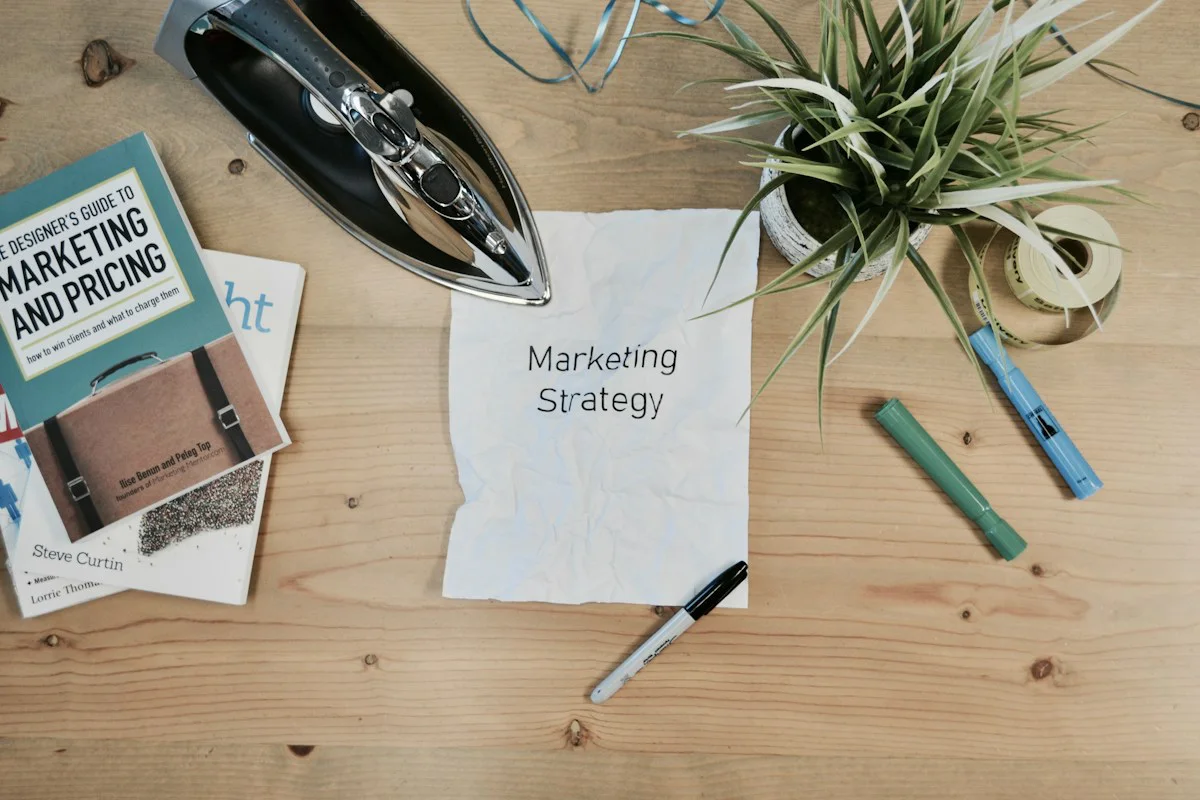
In the fast-paced world of e-commerce, where customers scroll through hundreds of products in mere seconds, your product descriptions are your silent salespeople. They work tirelessly around the clock, persuading, informing, and convincing potential buyers to click that coveted "Add to Cart" button. Yet, despite their critical importance, product descriptions are often an afterthought—rushed paragraphs filled with technical jargon and generic language that fails to spark any emotion or urgency.
The truth is, writing product descriptions that actually sell is both an art and a science. It requires a deep understanding of your target audience, a mastery of persuasive language, and a strategic approach to search engine optimization. Whether you're selling handcrafted jewelry, high-tech gadgets, organic skincare products, or professional services like Web Design & Development, the principles of effective product copy remain the same.
In this comprehensive guide, we'll walk you through everything you need to know about crafting product descriptions that don't just inform—they convert. From understanding your buyer psychology to implementing advanced SEO techniques, you'll discover the exact strategies used by top-performing e-commerce brands to drive sales and build customer loyalty.
Why Product Descriptions Matter
Many e-commerce sellers underestimate the power of well-crafted product descriptions. They assume that high-quality images alone are enough to drive sales. While visual content is undeniably important, research consistently shows that detailed, compelling product descriptions significantly increase conversion rates.
According to a study by Salsify, 87% of consumers say that product content is extremely important when deciding to make a purchase. Furthermore, products with detailed descriptions see up to a 78% higher conversion rate compared to those with minimal or generic copy. These aren't just statistics—they represent real revenue opportunities that most businesses are leaving on the table.
Product descriptions serve multiple critical functions in your sales funnel. First, they provide essential information that helps customers make informed decisions. Second, they establish your brand voice and personality, helping you stand out from competitors. Third, they play a crucial role in search engine optimization, helping your products appear in relevant search results. Finally, and perhaps most importantly, they create emotional connections with your audience that transcend the transactional nature of online shopping.
Whether you're running a small boutique or managing a large-scale e-commerce operation, investing in professional copywriting services—alongside complementary services like Image Editing for product photos and Video Editing for product demonstrations—creates a cohesive brand experience that builds trust and drives conversions.
Key Insight
The average online shopper spends only 54 seconds on a product page before making a decision. Your description needs to capture attention within the first two sentences and deliver value quickly. Front-load your most compelling benefits and use formatting that allows for easy scanning.
Understanding Your Target Audience
Before you write a single word of your product description, you need to understand exactly who you're writing for. This might seem obvious, but you'd be surprised how many businesses create generic descriptions that try to appeal to everyone—and end up resonating with no one.
Start by developing detailed buyer personas for your ideal customers. Consider their demographics, but more importantly, understand their psychographics—their values, fears, aspirations, and pain points. A customer shopping for a premium laptop has very different motivations than someone browsing budget options. The former is likely concerned with performance, status, and reliability, while the latter prioritizes value and essential features.
Conduct thorough market research by analyzing competitor descriptions, reading customer reviews, and engaging with your audience on social media. Pay attention to the specific language your customers use when describing their problems and desires. This authentic vocabulary should form the foundation of your product copy. When customers see their own words reflected back to them, they feel understood and are more likely to trust your brand.
Consider the customer journey stage as well. Someone discovering your brand for the first time needs different information than a returning customer comparing specific features. Your product descriptions should address the right concerns at the right stage of the buying process. For awareness-stage customers, focus on the problem your product solves. For consideration-stage buyers, emphasize unique differentiators and competitive advantages.
Businesses offering services like SEO Services or 3D Design & Rendering must take extra care to translate technical capabilities into customer benefits. Instead of listing technical specifications, show how those features translate into real-world value for the customer.
The Benefits vs. Features Approach
One of the most fundamental principles of persuasive copywriting is the distinction between features and benefits. Features are what your product is or has; benefits are what your product does for the customer. While features provide important technical information, benefits are what actually drive purchasing decisions.
Consider this example: A laptop with a "10-hour battery life" is a feature. The benefit is "work all day without hunting for power outlets" or "stream your favorite shows on a long flight without anxiety." The feature provides information; the benefit paints a picture of improved life. Always translate features into tangible benefits that resonate emotionally with your audience.
The FAB framework is a powerful tool for structuring your product descriptions. Start with Features (what it is), move to Advantages (how it's better than alternatives), and finish with Benefits (why it matters to the customer). This structure ensures you cover all bases while keeping the customer's perspective at the forefront of your copy.
However, don't make the mistake of abandoning features entirely. Savvy customers—especially in technical categories—want both. They want to know the specifications AND understand the practical implications. The key is to present features in context, always linking them to the value they deliver. A professional Audio Editing service, for instance, might list "24-bit/96kHz processing" as a feature, but should immediately follow with "ensuring your music sounds crystal-clear on every platform, from Spotify to concert speakers."
When crafting your benefits, think about the five key benefit categories: saving time, saving money, reducing stress, gaining status, and improving health or safety. Almost every product benefit can be mapped to one of these fundamental human desires. Frame your copy around these core motivations to create descriptions that truly resonate.
Writing Compelling Headlines
Your product headline is the first thing potential customers see, and it determines whether they'll continue reading or bounce to a competitor. A weak headline can undermine even the most brilliantly written description that follows. Crafting compelling headlines requires a balance of clarity, intrigue, and value proposition.
Effective product headlines follow several proven formulas. The "Outcome + Timeframe" formula works exceptionally well: "Achieve Perfect Skin in 30 Days" immediately communicates both the benefit and the timeline. The "Specific Number" approach adds credibility and sets expectations: "17 Professional Filters for Instagram-Worthy Photos Every Time." The "Problem-Solution" headline directly addresses pain points: "Tired of Blurry Product Photos? Here's Your Fix."
Avoid generic headlines that could apply to any product in your category. "High Quality Widget" tells the customer nothing specific and fails to differentiate your offering. Instead, be specific about what makes your product unique. If your widget is made from aerospace-grade aluminum, say so. If it comes with a lifetime warranty, lead with that. Specificity builds credibility and helps customers understand exactly what they're getting.
Keep your headlines concise—ideally under 10 words for the primary headline, with supporting details in subheadlines. Mobile shoppers, in particular, scan quickly and need to grasp the value proposition at a glance. Test different headline variations to see what resonates with your specific audience, and don't be afraid to get creative while staying authentic to your brand voice.
For service-based businesses, such as those offering Web Design & Development or Video Editing, headlines should focus on transformation rather than process. Instead of "Custom Website Development Services," try "Transform Your Online Presence: Website Solutions That Drive Real Results." The latter is more engaging and immediately communicates value.
Using Sensory Language
One of the most powerful techniques in persuasive product writing is engaging the reader's senses. Online shoppers can't touch, smell, or try your products before purchasing, so your words must create vivid mental experiences that compensate for this limitation. Sensory language activates the same neural pathways in the brain as actual physical experiences, making your descriptions more memorable and emotionally compelling.
Consider the difference between "soft leather jacket" and "buttery-soft leather that drapes like a second skin, with a subtle scent that deepens with every wear." The second version transports the reader to a sensory experience, making the product tangible in their imagination. This technique is especially powerful for products where texture, taste, smell, or sound play a significant role in the buying decision.
For food and beverage products, sensory language is absolutely essential. Don't just describe flavors—create experiences. Instead of "delicious chocolate," write "velvety dark chocolate that melts slowly on your tongue, releasing waves of rich cocoa with hints of roasted hazelnut and a whisper of sea salt." This level of detail engages multiple senses simultaneously and creates craving that drives immediate action.
Even for non-physical products and services, sensory language creates connection. A 3D Design & Rendering service might describe "photorealistic visualizations that make your clients gasp with delight" or "walk-through animations so immersive, stakeholders feel like they're already standing in the finished space." The key is translating intangible services into vivid, experiential language that readers can visualize and feel.
Build a sensory vocabulary bank for your product categories. For electronics, focus on visual and tactile words. For food products, emphasize taste and smell. For clothing and textiles, highlight touch and movement. For fragrances, create olfactory journeys. The more specific and evocative your sensory language, the more your products will come alive in your customers' minds.
Pro Tip: The Power of "Imagine"
Starting a sentence with "Imagine..." is one of the most effective ways to engage sensory imagination. "Imagine wrapping yourself in warmth on a cold winter evening" immediately transports the reader into an emotional scenario. Use this technique strategically in your most important product descriptions to create deeper engagement.
SEO for Product Descriptions
Creating compelling product descriptions is only half the battle. If your descriptions aren't optimized for search engines, potential customers may never find them in the first place. Effective SEO for product pages requires a strategic approach that balances keyword optimization with natural, readable copy that serves the human reader first.
Start with thorough keyword research to identify the terms your target customers actually use when searching for products like yours. Focus on long-tail keywords that indicate purchase intent—"buy organic cotton baby clothes online" is more valuable than just "baby clothes." These specific phrases have less competition and attract more qualified traffic that's ready to convert.
Place your primary keyword naturally in your product title, the first 100 words of your description, and at least one subheading. Secondary keywords should appear throughout the description without forcing them into places where they don't belong. Keyword stuffing not only reads poorly but can actually hurt your search rankings, as search engines prioritize content quality and user experience.
Beyond keywords, optimize your product pages for featured snippets and rich results. Use bullet points to highlight key features, include FAQ sections that address common questions, and ensure your product schema markup is properly implemented. These elements help search engines understand your content better and can significantly increase your visibility in search results.
Professional SEO Services can help you develop a comprehensive optimization strategy that goes beyond on-page elements to include technical SEO, link building, and ongoing performance monitoring. The investment in professional SEO often pays for itself many times over through increased organic traffic and higher conversion rates.
Formatting for Readability
Even the most brilliantly written description will fail if it's presented as an intimidating wall of text. Online readers scan rather than read, and their attention spans are notoriously short. Proper formatting is essential to ensure your message gets across and your key selling points don't get lost in a sea of words.
Break your descriptions into digestible chunks using short paragraphs of 2-3 sentences maximum. Use bullet points or numbered lists for features, specifications, and benefits. These visual breaks make your content more approachable and allow customers to quickly find the information most important to them. Bold key phrases and benefits so scanners can pick up the essential points without reading every word.
Incorporate white space generously. Dense text blocks create cognitive overload and cause readers to disengage. Each paragraph should address one specific point or benefit, making it easy for customers to process information incrementally. Short sentences and simple language enhance comprehension, especially for mobile readers who may be viewing your content on small screens.
Consider the visual hierarchy of your product page. Your most compelling benefits should appear above the fold, with detailed specifications and supporting information available for customers who want to dive deeper. This layered approach respects the different levels of interest and engagement among your visitors.
Professional Image Editing services can complement your well-formatted descriptions by ensuring product photos are optimized for fast loading, consistent styling, and visual appeal that matches the quality of your written content.
The Impact of Great Product Descriptions
78% Higher conversion rates with detailed descriptions
93% Of online purchases start with a search engine
54s
Average time spent on a product page
87% Say product content is crucial for purchase decisions
Social Proof and Urgency Techniques
Humans are social creatures, and we naturally look to others for guidance when making decisions. Incorporating social proof into your product descriptions taps into this fundamental psychology, providing the reassurance that other customers have purchased and loved your products. This reduces the perceived risk of buying and builds trust in your brand.
Customer testimonials are among the most powerful forms of social proof. Instead of simply claiming your product is "highly rated," include specific quotes from satisfied customers. "This blender changed my morning routine—I can make restaurant-quality smoothies in under 60 seconds" is far more persuasive than any marketing copy you could write. Real voices carry real weight.
Urgency and scarcity are equally powerful psychological triggers when used authentically. Phrases like "Limited stock available," "Only 3 left at this price," or "Sale ends midnight tonight" create FOMO (fear of missing out) that compels immediate action. However, these tactics must be used honestly—manufactured urgency erodes trust and can damage your brand reputation.
A/B Testing Your Descriptions
Even experienced copywriters can't predict with certainty what will resonate best with a specific audience. That's why A/B testing—comparing two versions of your product description to see which performs better—is an essential practice for optimizing conversion rates. Data-driven decision-making removes the guesswork from copywriting and helps you continuously improve your results.
Start by testing one element at a time to isolate the impact of each change. Begin with high-impact elements like headlines, as they have the greatest influence on whether customers continue reading. Test different value propositions, benefit emphasis, and emotional hooks to discover what motivates your specific audience to take action.
Common elements worth testing include headline formulas, description length (short vs. detailed), benefit ordering, call-to-action language, and the placement of social proof elements. Even small changes—like swapping "Buy Now" for "Add to Cart" or "Get Yours Today"—can produce significant differences in conversion rates.
Ensure your tests run long enough to achieve statistical significance. A common mistake is ending tests prematurely based on early results that may not be representative. Aim for a minimum of 100 conversions per variation before drawing conclusions. Use proper A/B testing tools that handle traffic splitting and statistical analysis automatically.
Remember that what works for one product category or audience segment may not work for another. Document your test results and build a knowledge base of what works for your specific brand and customers. Over time, this accumulated knowledge becomes an invaluable competitive advantage that helps you write increasingly effective product descriptions.
Common Writing Mistakes to Avoid
Even with the best intentions, many e-commerce sellers fall into traps that undermine their product descriptions. Recognizing and avoiding these common mistakes can dramatically improve the effectiveness of your copy and increase your conversion rates.
Using generic, cliché language. Phrases like "high quality," "best in class," or "industry leading" have been overused to the point of meaninglessness. Every competitor claims these attributes, so they no longer differentiate your offering. Instead, be specific about what makes your product superior. Don't just say "high quality materials"—name the materials, explain their benefits, and describe why they matter.
Writing for search engines instead of humans. While SEO is important, keyword-stuffed descriptions that read awkwardly will drive customers away. Search engines increasingly prioritize user experience and content quality. Write naturally first, then optimize strategically. If your description doesn't read well to a human, it won't convert—and search engines will eventually recognize that poor user experience.
Neglecting mobile optimization. With over 60% of e-commerce traffic coming from mobile devices, descriptions that don't read well on small screens are leaving money on the table. Test your descriptions on actual mobile devices to ensure they're scannable, properly formatted, and don't require horizontal scrolling or excessive zooming.
Failing to address objections. Customers naturally have concerns and doubts before purchasing. Your product descriptions should preemptively address common objections—whether related to quality, value, durability, or fit. Consider what might prevent someone from buying and address those concerns proactively in your copy.
Ignoring the power of storytelling. Facts and features inform, but stories sell. Weaving a brief narrative about your product—its origin, the problem it solves, or a customer success story—creates emotional resonance that pure specifications cannot match. Stories help customers envision how your product fits into their lives, making the purchase feel more meaningful and less transactional.
Quick Checklist
Before publishing any product description, verify: Does it start with a compelling hook? Does it focus on benefits over features? Is it formatted for easy scanning? Does it include social proof? Does it have a clear call to action? Is it optimized for mobile? Does it sound natural when read aloud? If you can check all these boxes, you're on the right track.
Conclusion: Your Path to Conversion-Optimized Descriptions
Writing product descriptions that sell is a skill that combines creativity with strategic thinking. It requires understanding your audience deeply, communicating value clearly, and optimizing for both humans and search engines. The principles outlined in this guide—from benefits-focused copywriting to sensory language, from social proof to A/B testing—provide a comprehensive framework for creating descriptions that drive real results.
Remember that great product descriptions are never truly "finished." They evolve as you gather customer feedback, analyze performance data, and learn more about what resonates with your audience. Commit to continuous improvement, test relentlessly, and never stop refining your approach.
The investment in quality product copy pays dividends across your entire business. Better descriptions lead to higher conversion rates, fewer returns, improved search visibility, and stronger brand loyalty. Whether you choose to develop these skills in-house or partner with professional content creators, make product descriptions a priority in your e-commerce strategy.
At Pro Pixel Agency, we understand that exceptional product experiences require exceptional content across every touchpoint. From professional copywriting and SEO Services to Image Editing, Video Editing, Audio Editing, 3D Design & Rendering, and comprehensive Web Design & Development, we help e-commerce brands create cohesive experiences that convert browsers into buyers and buyers into advocates.
Our Services
Web Design & Development
Custom websites that look stunning and convert visitors into customers.
Video Editing
Professional video production that tells your brand story.
Image Editing
Expert photo retouching and product image optimization.
Audio Editing
Crystal-clear audio production for podcasts, music, and more.
3D Design & Rendering
Photorealistic 3D visuals that bring your ideas to life.
SEO Services
Data-driven strategies to boost your search visibility.
Sarah Mitchell
Senior Content Strategist & Copywriter
Where to go next
Spotted something wrong? Report an error on this page. We correct on the page and say what changed.