Best Clipping Path Service
In the world of digital imaging and e-commerce, the importance of clean, professional images cannot be overstated.
 Pro Pixel Agency

In the world of digital imaging and e-commerce, the importance of clean, professional images cannot be overstated. Clipping path services have become an essential tool for businesses and photographers looking to remove backgrounds, create transparency, and prepare images for various applications. Whether you're managing an online store, working on advertising campaigns, or preparing product photography, understanding clipping path services will help you make informed decisions about your image editing needs.
This comprehensive guide explores everything you need to know about clipping path services, from basic concepts to advanced techniques, and how to choose the best provider for your specific requirements.
What is Clipping Path Service?
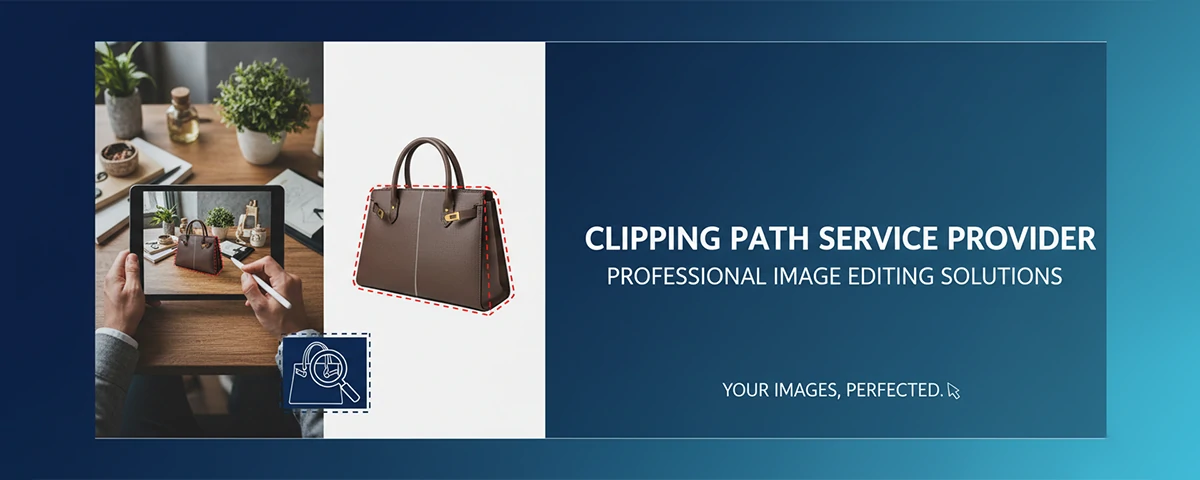
Clipping path is a technique used in image editing to create a precise selection around a subject, allowing for the removal or modification of the background. This process involves drawing a vector path around the edges of an object using specialized software like Adobe Photoshop. The resulting path acts as a mask, separating the subject from its original background.
Vector Path Creation
Professional editors manually draw precise paths around subjects using the pen tool, ensuring accurate edge detection.
Background Removal
Once the path is created, the background can be removed, replaced, or made transparent for various applications.
High Precision Results
Manual clipping paths provide superior accuracy compared to automated tools, preserving fine details like hair and fur.
Types of Clipping Path Services
Understanding the different types of clipping path services helps you choose the right option for your specific image editing needs. Each type varies in complexity and pricing based on the detail level required.
Basic Clipping Path
Basic clipping path is ideal for simple objects with straight or slightly curved edges. This includes items like boxes, furniture, and appliances. The path follows the outer contour of the subject, creating a clean separation from the background. Basic paths are typically faster to create and more affordable, making them perfect for high-volume product photography where the subjects have well-defined edges.
Medium Clipping Path
Medium clipping path handles subjects with moderate complexity, including items with rounded edges, simple curves, and minor indentations. This type is suitable for products like clothing, shoes, and bags where the edges are more organic but still relatively straightforward. Medium paths require more precision and time compared to basic paths, resulting in higher quality separation for items with more detailed silhouettes.
Complex Clipping Path
Complex clipping path is required for subjects with intricate details, multiple components, or challenging edge conditions. This includes items like jewelry, furniture with ornate details, and products with transparent or reflective elements. Complex paths require significantly more time and expertise to achieve flawless results, with editors carefully tracing every detail to ensure nothing is lost in the separation process.
Super Complex Clipping Path
Super complex clipping path is the highest level of service, reserved for extremely detailed subjects like models with loose hair, animals with fur, or products with many small intricate parts. This level requires exceptional skill and attention to detail, with editors spending considerable time on each image to preserve every strand of hair or feather. The results are indistinguishable from the original, maintaining the integrity of the subject while completely removing the background.
Applications of Clipping Path Services
Clipping path services serve numerous industries and purposes. Understanding the various applications helps you recognize the value these services provide across different business needs.
E-commerce Product Images
Online retailers use clipping paths to create consistent, professional product images that stand out on marketplace platforms.
Advertising Campaigns
Marketing teams create composite images by combining subjects from different photos for impactful advertisements.
Portrait Photography
Photographers create transparent backgrounds for portraits to use in various marketing materials and websites.
Catalog Creation
Print and digital catalogs require consistent, clean product images that can be arranged in various layouts.
How to Choose the Best Clipping Path Service
Selecting the right clipping path service provider requires careful consideration of several factors. The quality of the output directly impacts your brand image and customer perception, making it essential to choose wisely.
Quality of Work
Always request samples or a trial order before committing to a large project. Examine the edge quality, particularly in challenging areas like hair, fur, or transparent objects. The best services maintain clean, smooth edges without jagged lines or missing details. Requesting before-and-after examples helps you evaluate the actual output quality rather than relying on portfolio highlights that may not represent typical results.
Turnaround Time
Delivery time is crucial, especially for businesses with tight deadlines. Different providers offer various turnaround options ranging from same-day delivery to standard 24-48 hour processing. Consider your project timeline and choose a service that can accommodate your needs without sacrificing quality. Some providers offer rush services for urgent projects, though this often comes with premium pricing.
Pricing Structure
Clipping path services typically price based on image complexity, not flat rates. Understanding the pricing structure helps you budget effectively. Be wary of prices that seem too good to be true, as they often result in compromised quality. Request detailed quotes that break down costs by complexity level. Many providers offer bulk discounts for larger projects, so consider your volume when negotiating rates.
Customer Support
Responsive customer service indicates a professional operation that values client relationships. The best providers offer clear communication channels and are willing to address concerns or revisions. Test their responsiveness before committing by sending an inquiry and evaluating how quickly and thoroughly they respond. Good support also means they accept feedback and make necessary corrections without additional charges.
Data Security
Protecting your intellectual property and client images is paramount. Verify that the service has appropriate security measures in place, including secure file transfer protocols, confidentiality agreements, and data deletion policies after project completion. Reputable providers understand the importance of client data protection and have protocols to ensure your images remain secure throughout the editing process.
Benefits of Professional Clipping Path Services
Investing in professional clipping path services provides numerous advantages that extend beyond simple background removal.
Time Savings
Professional services handle time-consuming editing tasks, allowing you to focus on core business activities.
Cost Effectiveness
Outsourcing eliminates the need for in-house editing software, training, and dedicated staff.
Consistent Quality
Professional editors deliver uniform results across all images, maintaining brand consistency.
Scalability
Services can handle projects of any size, from single images to thousands of product photos.
Understanding Pricing and Turnaround
Understanding how clipping path services price their work helps you budget appropriately and avoid unexpected costs.
Factors Affecting Price
Several factors influence the cost of clipping path services. Image complexity is the primary consideration, with simple geometric shapes costing less than intricate subjects with fine details. The number of objects requiring separation, presence of hair or fur, and transparency requirements all affect pricing. Additionally, the file size and resolution impact the time required for editing, with larger images requiring more processing time.
Volume discounts are commonly available, with many providers reducing per-image costs for bulk orders. If you regularly need image editing services, establishing a long-term relationship with a provider often leads to better rates and priority handling.
Standard Turnaround Times
Typical turnaround times range from 24 to 48 hours for standard orders, with rush services available for urgent projects. Same-day or 4-6 hour turnaround options exist for critical needs, though these typically incur additional charges. Understanding the provider's capacity and communication style helps ensure your deadlines are met.
Clear communication about your timeline requirements from the start prevents misunderstandings and ensures the service can meet your needs. Always confirm turnaround times in writing before starting a project.
Revision Policies
Professional clipping path services typically include revisions within their offering. Understanding the revision policy helps you know what to expect if the initial output doesn't meet your expectations. Most providers offer one or two rounds of free revisions for quality issues. Clearly document your requirements and expectations to minimize the need for revisions.
Be specific about your needs, including whether you require transparent backgrounds, specific file formats, or particular edge handling. The more information you provide, the more accurate the initial delivery will be.
Preparing Images for Clipping Path Services
Proper image preparation ensures the best possible results from clipping path services. Taking the right steps before submission saves time and improves output quality.
Use High Resolution Images
Higher resolution images provide more detail for editors to work with, resulting in cleaner edges and better final output.
Provide Clear Instructions
Detailed instructions about desired output, including background color and specific areas to include or exclude.
Use Appropriate File Formats
Provide images in lossless formats like PSD, TIFF, or high-quality JPEG to preserve image data during editing.
Reference Images Help
Providing reference images showing the desired style helps editors understand your expectations more clearly.
Common Mistakes to Avoid
Understanding common pitfalls helps you get better results from clipping path services and avoid costly errors.
Choosing Price Over Quality
The cheapest option often results in subpar results that require expensive reworks or harm your brand image. While budget matters, prioritizing quality ensures your images serve their intended purpose effectively. Consider the long-term cost of poor-quality work versus investing in reliable service from the start.
Unclear Instructions
Vague requirements lead to results that don't match expectations. Take time to clearly communicate your needs, including specific requirements for edge handling, transparency, and output format. The more precise your instructions, the better the delivered results will match your vision.
Ignoring File Format Requirements
Using compressed formats or converting files incorrectly can result in quality loss. Ensure you're using appropriate file formats and discuss output requirements with your service provider to get files in the format you need for your intended use.
Not Testing First
Jumping into large projects without testing the service quality leads to disappointing results. Always start with a small test order to evaluate the provider's capabilities before committing to bigger projects. This approach minimizes risk and helps you understand what to expect.
Future of Clipping Path Services
The clipping path industry continues evolving with advances in technology, changing how services are delivered and what clients can expect.
AI-Assisted Editing
Machine learning algorithms now assist with initial path detection, reducing manual work while maintaining quality.
Cloud-Based Workflows
Cloud platforms enable seamless collaboration and faster file transfer between clients and editors worldwide.
Automated Quality Control
Automated systems now help identify potential issues before delivery, improving consistency.
Integration with E-commerce
Direct integrations with major e-commerce platforms streamline the workflow for online retailers.
Frequently Asked Questions
What is the difference between clipping path and background removal?
Clipping path specifically refers to the vector path created around a subject, while background removal is the broader process of eliminating the background. Clipping path is the technique used to achieve clean, precise background removal, particularly important for complex subjects requiring accurate edge definition.
How long does a clipping path service take?
Standard turnaround typically ranges from 24 to 48 hours depending on image complexity and volume. Rush services are available for urgent projects, often delivering within 4-12 hours for an additional fee. Discuss your timeline with the provider to ensure they can meet your deadlines.
Can clipping path handle transparent objects?
Yes, professional clipping path services can handle transparent and semi-transparent objects like glassware, plastic items, and water. This requires super complex path creation to properly mask transparent areas while maintaining the object's visual integrity. Discuss transparency requirements with your provider to ensure they can handle such projects.
What file formats do clipping path services deliver?
Services typically deliver in multiple formats including PNG (with transparency), JPEG, PSD with layer mask, TIFF, and EPS. The format you need depends on your intended use. For web use, PNG with transparency is common. For print or further editing, PSD or TIFF formats preserve the most image data.
How do I know if I need basic or complex clipping path?
Image complexity depends on subject characteristics. Basic works for simple geometric shapes with clear edges. Medium suits items with curves but no intricate details. Complex is needed for items with many curves, holes, or attached parts. Super complex applies to subjects with fine details like hair, fur, or intricate jewelry. When in doubt, consult with the provider who can assess your specific images.
Final Recommendations
Choosing the right clipping path service significantly impacts your visual content quality and business efficiency.
Invest time in researching providers, request samples, and start with small projects to establish working relationships. Quality results from professional services elevate your brand image and provide lasting value.
Getting Started Today
Begin exploring clipping path services by evaluating your current image editing needs and identifying areas where professional help could improve efficiency.
Request quotes from multiple providers, compare their offerings, and choose the one that best matches your quality requirements and budget constraints.
Industries That Benefit Most
Several industries rely heavily on clipping path services for their visual content needs.
E-commerce, fashion, real estate, and automotive sectors utilize these services extensively.
Quality Checklist for Clipping Path Work
When evaluating clipping path services, use this checklist to ensure quality results.
Check for smooth edges, accurate detail preservation, and proper transparency handling.
Tips for Better Results
Follow these tips to get the best results from clipping path services.
Provide clear instructions, use high-quality source images, and communicate openly.
Understanding Service Level Agreements
Service level agreements protect both clients and providers in clipping path services.
Always negotiate clear terms for delivery times, quality standards, and revision policies.
Where to go next
- How to Create Seamless Patterns in Photoshop
- Professional Sleeves Joining on Ghost Mannequin
- Turn Your Family Memories Into Masterpieces
More useful paths
Use these paths to continue with the closest practical topic, service, or decision guide.
Spotted something wrong? Report an error on this page. We correct on the page and say what changed.