

A Comprehensive Guide for Beginners
1. Introduction
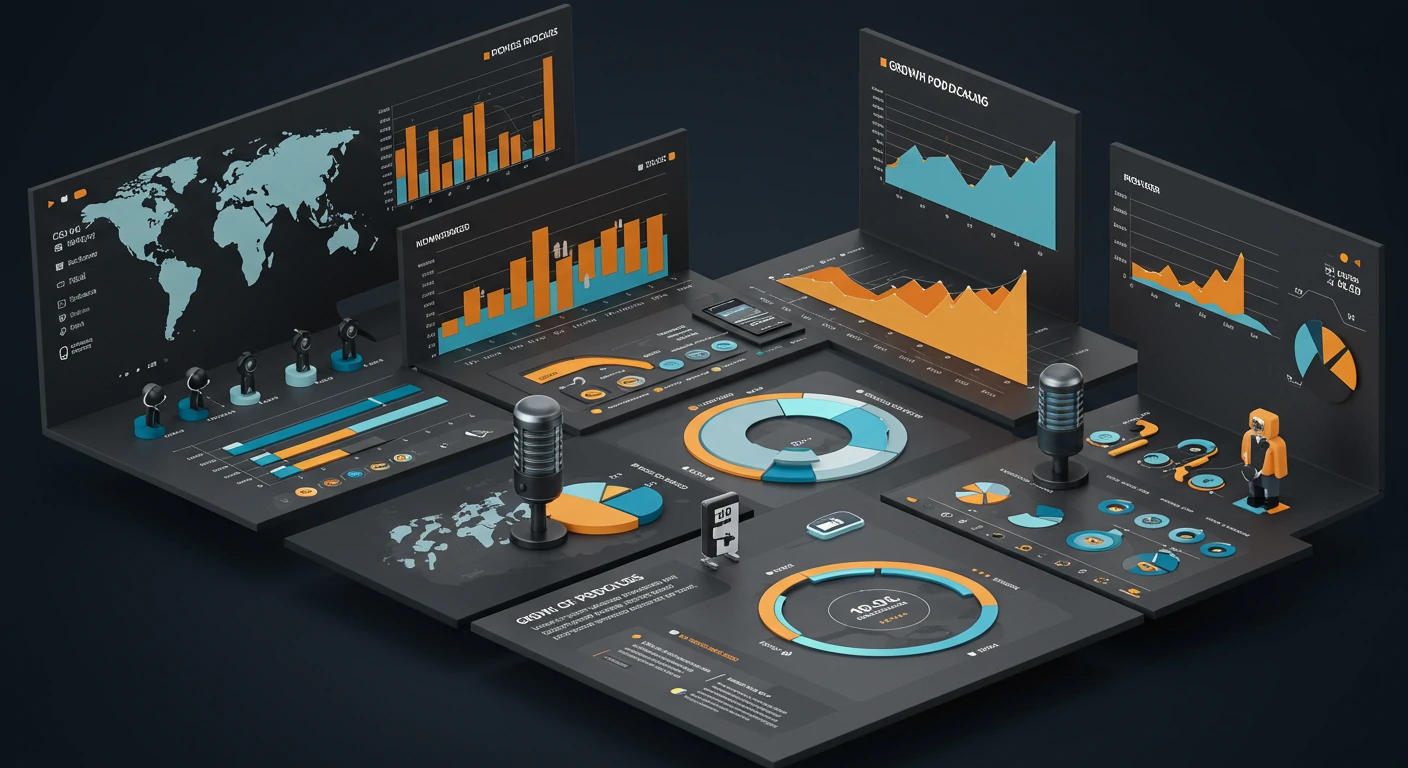
The podcasting landscape has experienced unprecedented growth over the past decade, transforming from a niche medium into a mainstream form of entertainment and education. With over 2 million active podcasts and more than 48 million episodes available worldwide, the medium has become an integral part of how people consume content in their daily lives.
Today's listeners turn to podcasts for everything from true crime stories and comedy shows to business insights and personal development. The intimate nature of audio content creates a unique connection between hosts and their audience, fostering communities around shared interests and experiences. This accessibility has democratized media creation, allowing anyone with a story to tell or knowledge to share to reach a global audience.
The importance of podcasts in today's media consumption cannot be overstated. Unlike traditional media, podcasts offer on-demand, portable content that fits seamlessly into busy lifestyles. Whether commuting, exercising, or doing household chores, listeners can engage with content that educates, entertains, or inspires them. This convenience factor, combined with the personal nature of audio storytelling, has made podcasting one of the fastest-growing media formats.
The aim of this comprehensive guide is to demystify the podcasting process and provide you with a clear roadmap to launch your own show. Whether you're looking to share your expertise, build a personal brand, or simply explore a creative outlet, this article will walk you through every essential step. From identifying your niche and planning your content to recording, publishing, and growing your audience, we'll cover the practical aspects that will set you up for podcasting success.
2. Understanding Your Niche
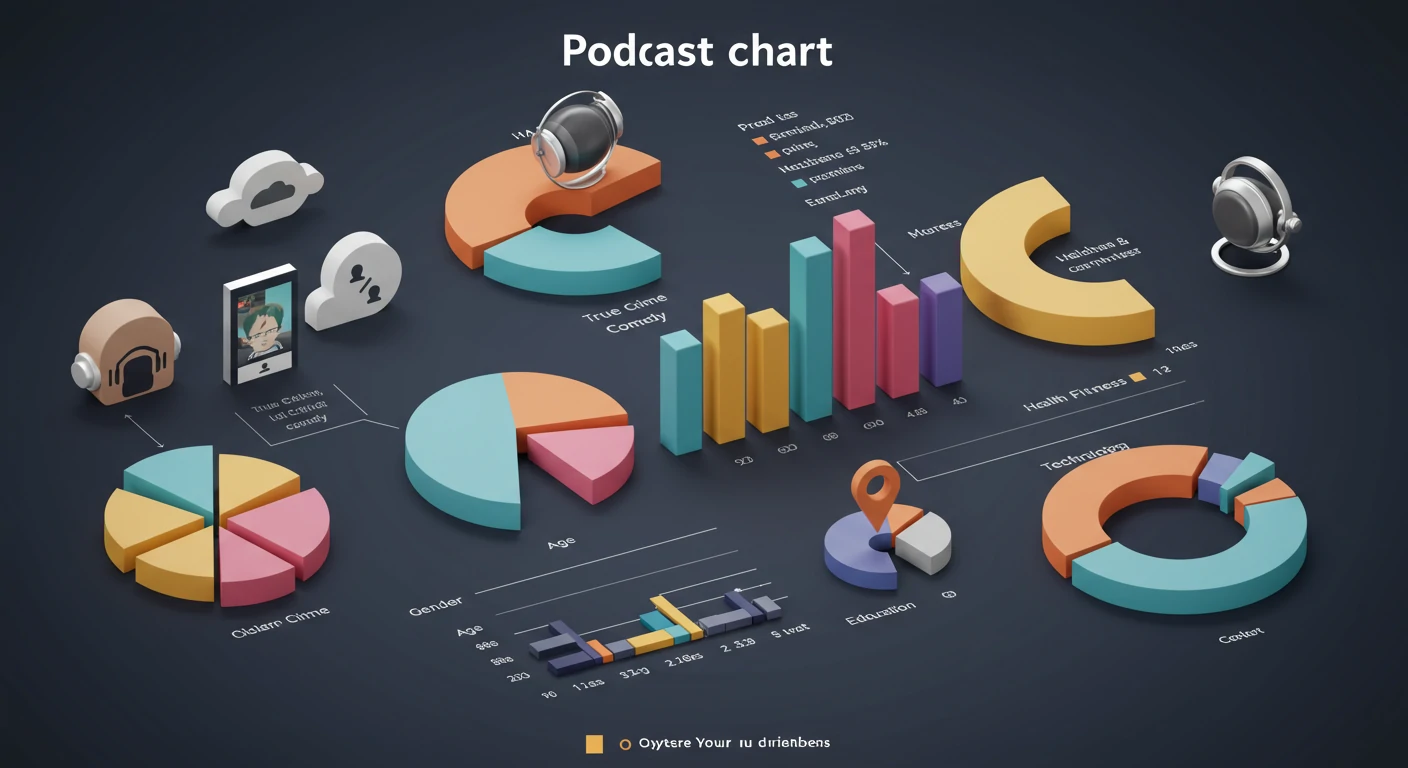
Choosing the right niche is perhaps the most critical decision you'll make as a podcaster. Your niche defines not only what you'll talk about but also who you'll attract as listeners, how you'll position yourself in the market, and ultimately, your potential for growth and monetization.
The significance of choosing a podcast niche extends beyond simple topic selection. A well-defined niche helps you establish authority and credibility within a specific area, making it easier for potential listeners to understand what value you provide. It also helps with discoverability, as podcast directories and algorithms can better categorize and recommend your content to interested audiences. Moreover, a clear niche makes it easier to create consistent content and develop a recognizable brand voice.
When identifying your target audience, start by examining your own interests, expertise, and experiences. Consider what unique perspective or knowledge you can bring to a topic. Ask yourself: What problems can you solve? What questions do you frequently get asked? What topics do you find yourself discussing passionately with friends and colleagues? Your niche should ideally sit at the intersection of your passion, expertise, and market demand.
Understanding your audience's interests requires research and empathy. Dive into online communities, forums, and social media groups related to your potential niche. What questions are people asking? What challenges are they facing? What type of content do they engage with most? Tools like Google Trends, Reddit, and Facebook groups can provide valuable insights into what your target audience cares about and how they prefer to consume content.
Consider the size and engagement level of your potential audience. While it might seem counterintuitive, sometimes a smaller, more engaged niche can be more valuable than a broad, general topic. A passionate community of 10,000 listeners who actively engage with your content is often more valuable than 100,000 passive listeners. Look for niches that have dedicated communities but aren't oversaturated with content.
Examples of successful niche podcasts demonstrate the power of focused content. "The Tim Ferriss Show" carved out the productivity and life optimization niche, "Serial" revolutionized true crime storytelling, and "How I Built This" focuses specifically on entrepreneurship stories. Each of these shows succeeded by going deep into their chosen niche rather than trying to appeal to everyone. They built loyal audiences by consistently delivering value within their specific area of expertise, proving that niche focus often leads to broader success.
3. Planning Your Podcast
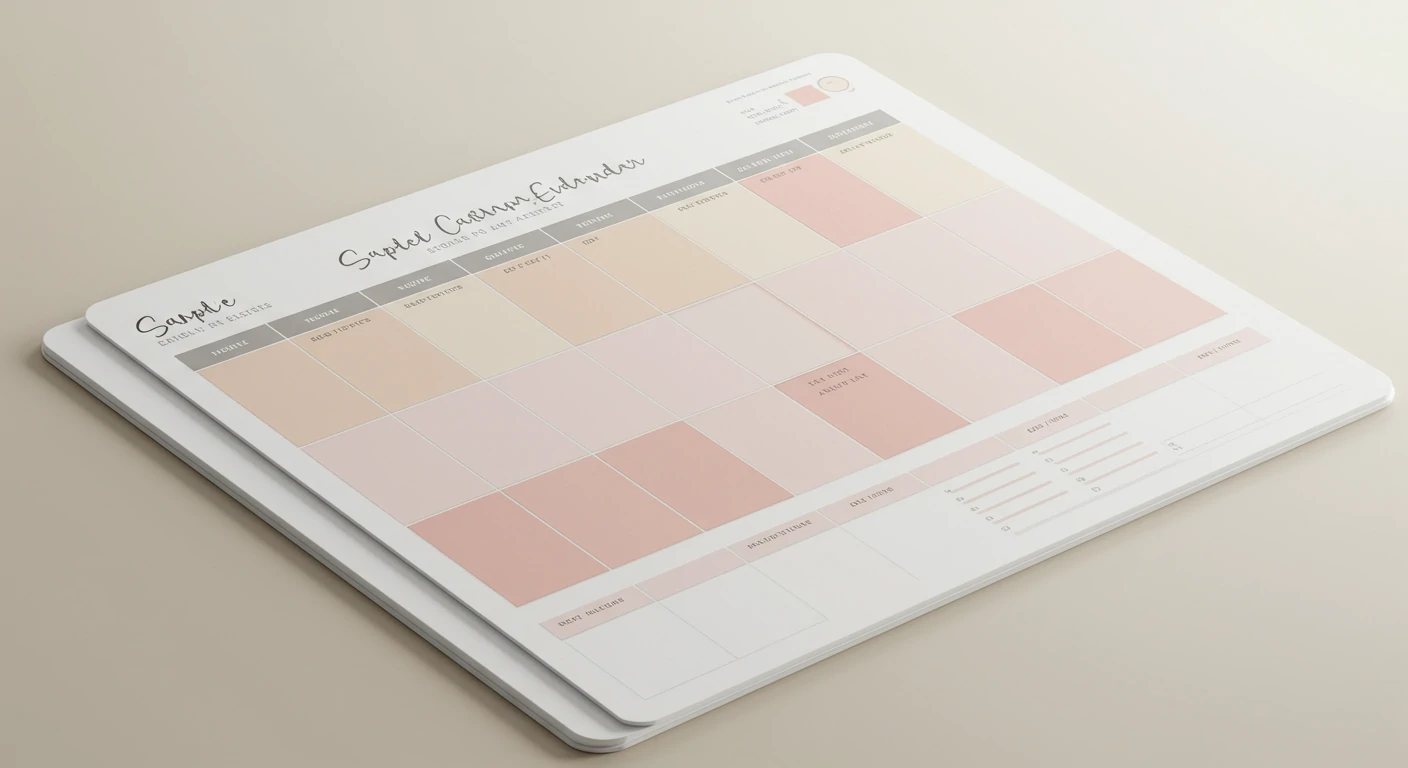
Proper planning is the foundation of a successful podcast. Without a clear structure and strategy, even the most passionate podcasters can struggle to maintain consistency and grow their audience. This section will guide you through the essential planning steps that will set your podcast up for long-term success.
The first step in outlining your podcast content is determining your episode format. Will you host solo episodes where you share insights and stories? Will you conduct interviews with guests? Perhaps you prefer a co-host format with regular discussions? Each format has its advantages: solo episodes give you complete control and allow for intimate storytelling, interviews bring fresh perspectives and can help you tap into guests' audiences, while co-hosted shows can create dynamic conversations and shared workload.
Episode length is another crucial consideration that should align with your content type and audience preferences. Research shows that the most popular podcast episodes range from 20-60 minutes, but this varies significantly by niche. Educational content might require longer episodes to dive deep into topics, while news or comedy podcasts might work better in shorter formats. Consider your audience's lifestyle: are they commuting (20-30 minutes), working out (45-60 minutes), or looking for quick insights during breaks (10-15 minutes)?
Frequency is equally important and should be realistic based on your available time and resources. Weekly episodes are the most common and help maintain audience engagement, but bi-weekly or monthly schedules can work if you're producing high-quality, in-depth content. The key is consistency – it's better to publish monthly episodes reliably than to start weekly and then become sporadic. Your audience needs to know when to expect new content.
Crafting a catchy podcast name requires balancing creativity with clarity. Your name should give potential listeners an immediate sense of what your podcast is about while being memorable and easy to search for. Avoid overly clever names that don't communicate your content clearly. Consider how the name will look in podcast directories and whether the domain name and social media handles are available. Test potential names with friends and potential listeners to gauge their immediate understanding and recall.
Your podcast description serves as your elevator pitch to potential listeners and podcast directories. It should clearly communicate what your show is about, who it's for, and what value listeners will gain. Include relevant keywords that people might search for, but avoid keyword stuffing. The first sentence is crucial as it often appears in search results and directory listings. Make it compelling enough to encourage clicks while accurately representing your content.
The importance of a content calendar cannot be overstated for maintaining consistency and reducing the stress of content creation. A well-planned calendar helps you batch content creation, ensures you're covering diverse topics within your niche, and allows you to plan around seasonal events or trends. Start by brainstorming 20-30 episode ideas, then organize them strategically. Consider creating themed months, planning guest interviews well in advance, and leaving room for timely topics. Tools like Google Calendar, Trello, or specialized content planning software can help you stay organized and ahead of your publishing schedule.
4. Essential Equipment & Software
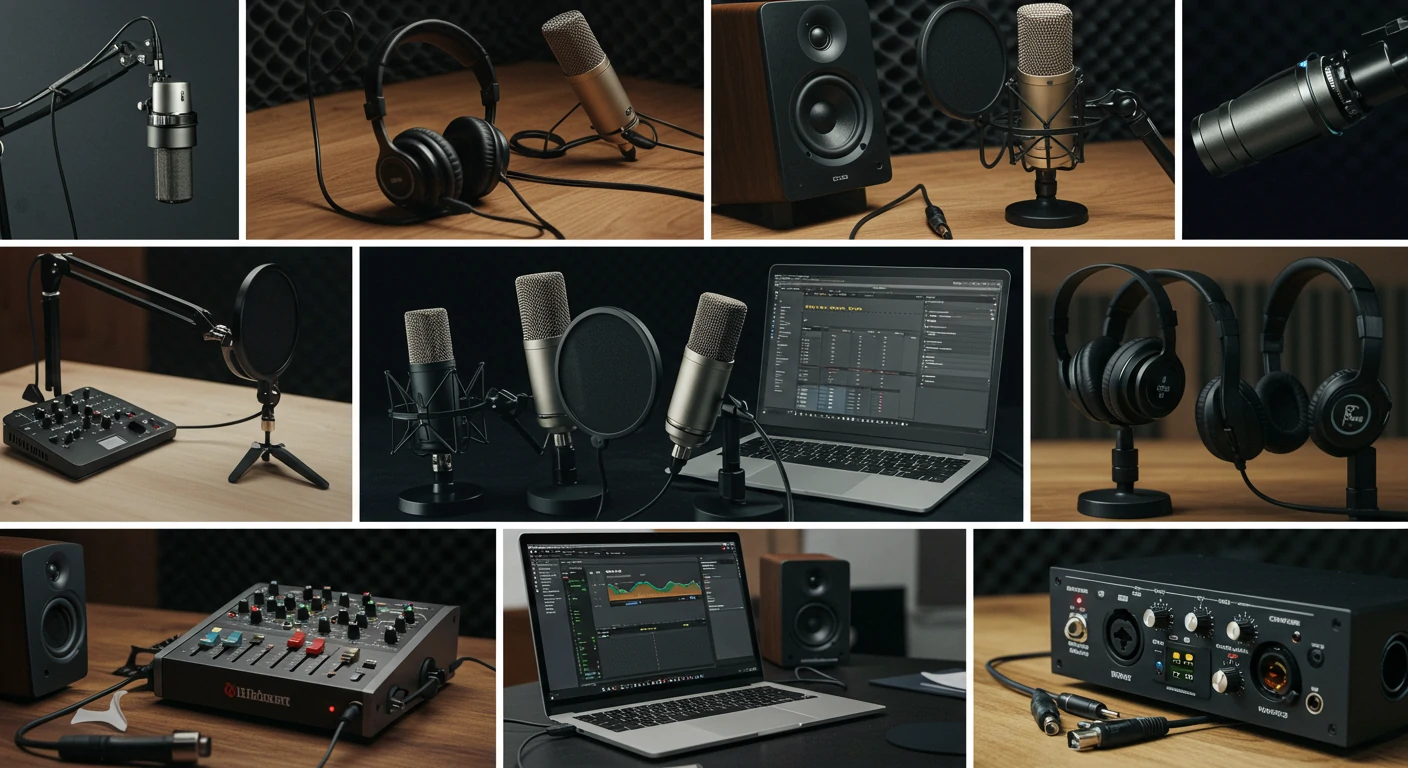
⚠️ Pro Tip: Start with budget-friendly equipment and upgrade as your podcast grows. Great content matters more than expensive gear!
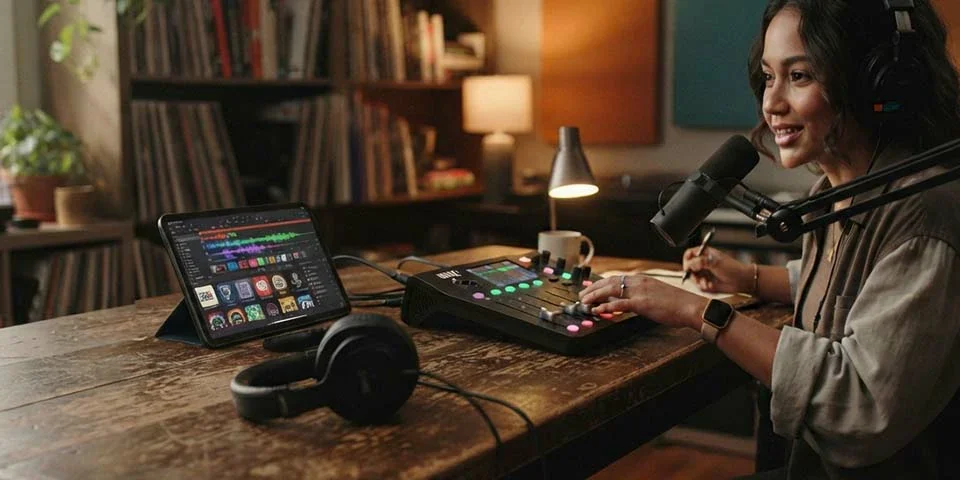
While great content is the heart of any successful podcast, having the right equipment and software ensures your message is delivered clearly and professionally. You don't need to break the bank to get started, but investing in quality audio equipment will significantly impact your podcast's perceived value and listener retention.
🎤 Microphones
Your microphone is your most important piece of equipment. A good microphone can make a $50 recording sound professional, while a poor microphone can make even expensive setups sound amateurish. For beginners, USB microphones offer the best balance of quality, ease of use, and affordability. The Audio-Technica ATR2100x-USB and Blue Yeti are popular choices that provide excellent sound quality without requiring additional equipment.
For those ready to invest more, XLR microphones offer superior sound quality and more professional features. The Shure SM7B is considered the gold standard for podcasting, used by professionals like Joe Rogan, but requires an audio interface. The Electro-Voice RE20 and Heil PR-40 are also excellent choices for serious podcasters.
🎧 Headphones
Quality headphones are essential for monitoring your audio during recording and for detailed editing work. Closed-back headphones are preferred as they prevent audio bleed into your microphone. The Sony MDR-7506 and Audio-Technica ATH-M40x offer professional-grade monitoring at reasonable prices. For budget-conscious podcasters, the Sony MDR-V6 provides excellent value.
🔌 Audio Interfaces and Recording Devices
If you choose XLR microphones, you'll need an audio interface to connect them to your computer. The Focusrite Scarlett Solo is perfect for single-microphone setups, while the Scarlett 2i2 accommodates two microphones for interview formats. For portable recording, devices like the Zoom PodTrak P4 are specifically designed for podcasters and offer built-in features like sound pads and mix-minus functionality.
💻 Recording and Editing Software
For recording software, Audacity remains the most popular free option, offering all the basic features needed for podcast production. GarageBand (Mac only) provides a more user-friendly interface with built-in effects and music loops. For more advanced features, Adobe Audition offers professional-grade tools with excellent noise reduction and spectral editing capabilities.
Hindenburg Pro is specifically designed for spoken word content and offers intelligent features like automatic leveling and EQ. Reaper provides professional features at a fraction of the cost of other professional DAWs, making it popular among serious podcasters on a budget.
💰 Budget-Friendly vs. Professional-Grade Options
A complete beginner setup can cost as little as $100-200 with a USB microphone, basic headphones, and free software. This setup can produce professional-sounding results with proper technique and post-processing. A mid-range setup ($300-600) might include an XLR microphone, audio interface, and better headphones, offering more flexibility and slightly better sound quality. Professional setups ($1000+) include high-end microphones, professional interfaces, acoustic treatment, and advanced software, but the improvement in sound quality may not justify the cost for beginners.
5. Recording Your First Episode
✅ Recording Do's
- Test your setup before recording
- Record in a quiet, treated space
- Maintain consistent distance from mic
- Stay hydrated and warm up your voice
- Record room tone for editing
❌ Recording Don'ts
- Don't record in echoey rooms
- Don't ignore background noise
- Don't rush through your content
- Don't forget to monitor audio levels
- Don't skip the editing process
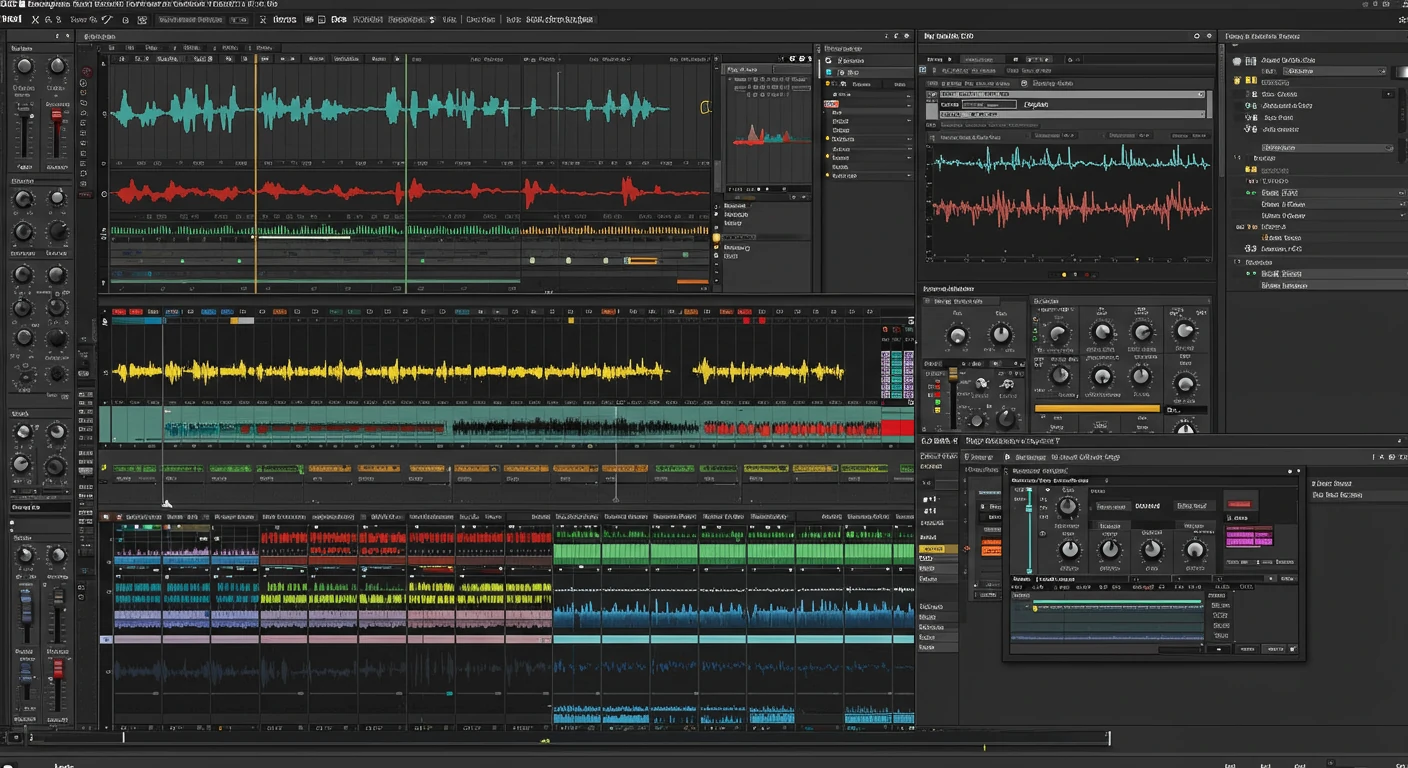
Recording your first episode can feel intimidating, but with proper preparation and technique, you can create professional-sounding content that engages your audience. The key is creating the right environment, developing good recording habits, and understanding the basics of audio editing.
🏠 Creating a Conducive Recording Environment
Your recording environment significantly impacts your audio quality. The ideal recording space is quiet, with minimal echo and background noise. You don't need a professional studio – a closet full of clothes, a room with heavy curtains, or even a blanket fort can work well. The goal is to minimize hard surfaces that cause sound reflections and to reduce ambient noise.
Consider the time of day you record. Early mornings or late evenings often have less ambient noise from traffic, neighbors, and household activities. Turn off air conditioning, fans, and other appliances that create background noise. Inform household members about your recording schedule to minimize interruptions. Even small sounds like footsteps, door closing, or phone notifications can be distracting in a podcast.
🎯 Best Practices for Recording
Voice modulation is crucial for maintaining listener engagement. Vary your pace, tone, and energy level throughout your episode. Speak clearly and at a moderate pace – remember that listeners might be multitasking or listening in noisy environments. Practice reading your content aloud before recording to identify awkward phrasing or areas where you might stumble.
Maintain consistent distance from your microphone, typically 6-8 inches for most mics. Use a pop filter to reduce plosive sounds (P's and B's) and consider your posture – sitting up straight helps with breathing and voice projection. Stay hydrated, but avoid dairy products before recording as they can increase mucus production.
Monitor your audio levels during recording. Your peaks should typically stay between -12dB and -6dB to avoid clipping while maintaining good signal-to-noise ratio. Most recording software provides visual level meters to help you maintain appropriate levels. Record a few seconds of room tone (silence in your recording space) at the beginning – this will be useful during editing.
✂️ Editing for a Polished Final Product
Audio editing transforms your raw recording into a polished, professional-sounding episode. Start by removing obvious mistakes, long pauses, and filler words (um, uh, like). However, don't over-edit – some natural speech patterns help maintain authenticity and connection with your audience.
Apply noise reduction carefully to remove background hiss or hum, but avoid over-processing which can make voices sound unnatural. Normalize your audio levels to ensure consistent volume throughout the episode. Add compression to even out volume differences and make your voice sound more polished and radio-ready.
Consider adding intro and outro music, but ensure you have the rights to use it. Websites like Epidemic Sound, AudioJungle, or free options like YouTube's Audio Library provide royalty-free music. Keep music levels low enough that they don't compete with your voice – typically 15-20dB below your speaking level. Export your final episode in a high-quality format (typically 128kbps MP3 or higher) that balances file size with audio quality.
6. Publishing and Hosting Your Podcast
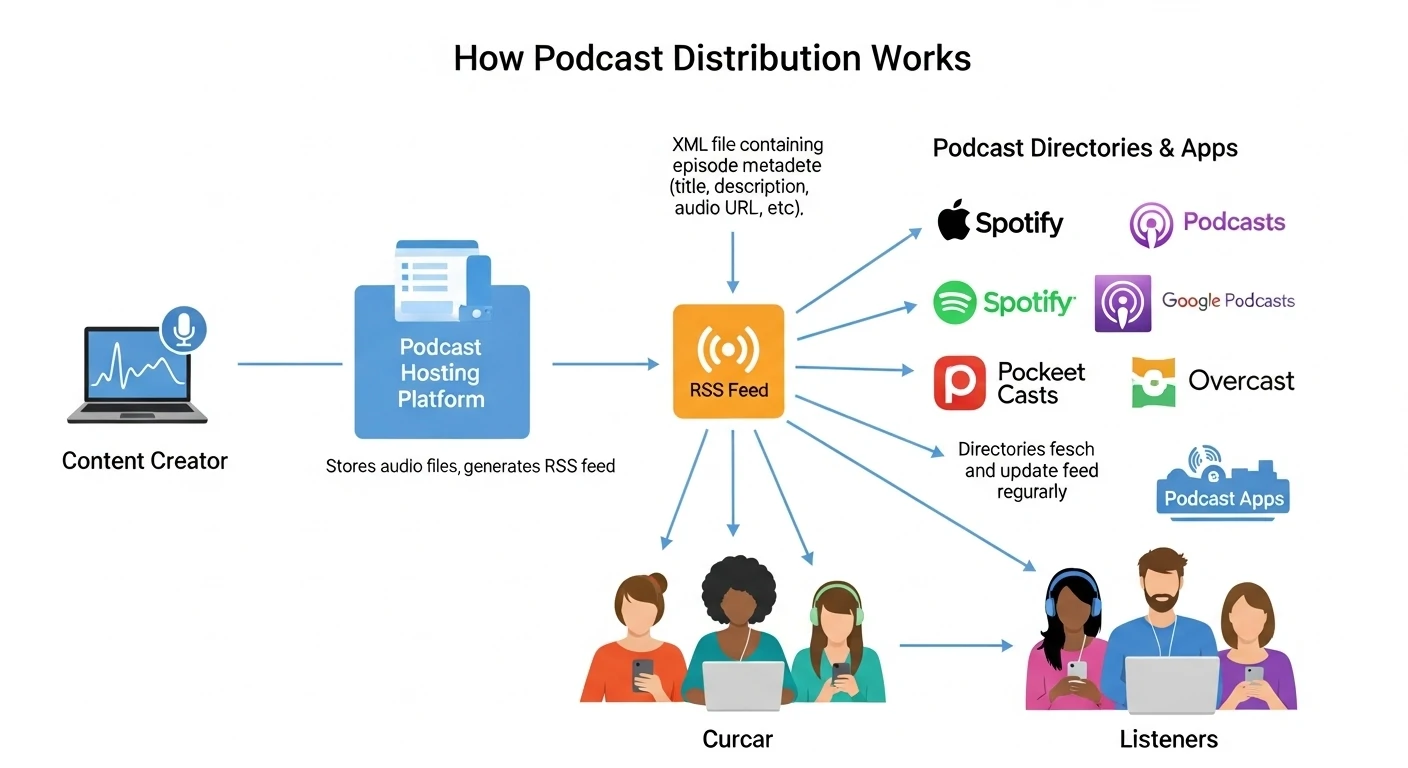
Publishing your podcast involves more than just uploading audio files. You need a hosting platform that can distribute your content to major podcast directories and provide analytics to track your growth. Understanding this ecosystem is crucial for reaching your audience effectively.
🌐 Podcast Hosting Platforms
Podcast hosting platforms store your audio files and generate the RSS feed that podcast directories use to distribute your content. Popular hosting platforms include Anchor (free with Spotify integration), Buzzsprout (user-friendly with great analytics), Libsyn (veteran platform with robust features), and Podcast One (comprehensive hosting with marketing tools).
When choosing a hosting platform, consider factors like storage limits, bandwidth, analytics quality, ease of use, and pricing. Free platforms like Anchor are great for beginners, but paid platforms often offer better analytics, more customization options, and superior customer support. Most platforms charge between $12-20 per month for basic plans.
📱 Submitting to Podcast Directories
Once your podcast is hosted, you need to submit it to major podcast directories where listeners discover and subscribe to shows. Apple Podcasts remains the largest directory, followed by Spotify, Google Podcasts, and Stitcher. Each directory has its own submission process and requirements.
For Apple Podcasts, you'll need an Apple ID and must meet their content guidelines. The approval process typically takes 24-72 hours. Spotify requires a Spotify for Podcasters account and has been increasingly important for podcast discovery. Google Podcasts pulls from Google Play Music's podcast directory, and submission is straightforward through Google Podcasts Manager.
Don't forget smaller but valuable directories like Overcast, Pocket Casts, and TuneIn. Many hosting platforms can automatically submit to multiple directories, saving you time and ensuring broader distribution. Each directory may have slightly different requirements for artwork, descriptions, and metadata, so review their guidelines carefully.
📡 Understanding RSS Feeds
RSS (Really Simple Syndication) feeds are the backbone of podcast distribution. Your hosting platform generates an RSS feed – essentially a file that contains information about your podcast and links to your episodes. Podcast apps and directories use this feed to automatically update with your new episodes.
Your RSS feed includes metadata like your podcast title, description, artwork, episode titles, and links to audio files. When you publish a new episode, your hosting platform updates the RSS feed, and podcast apps that have subscribed to your feed automatically download the new episode for listeners. This system allows for seamless, automatic distribution across multiple platforms without requiring you to manually upload to each one. Understanding RSS feeds helps you troubleshoot distribution issues and optimize your podcast's discoverability across different platforms.
7. Marketing Your Podcast
📱
Social Media
Share clips, quotes, and behind-the-scenes content
🤝
Collaborations
Guest appearances and cross-promotion
💬
Community
Engage with listeners and build relationships
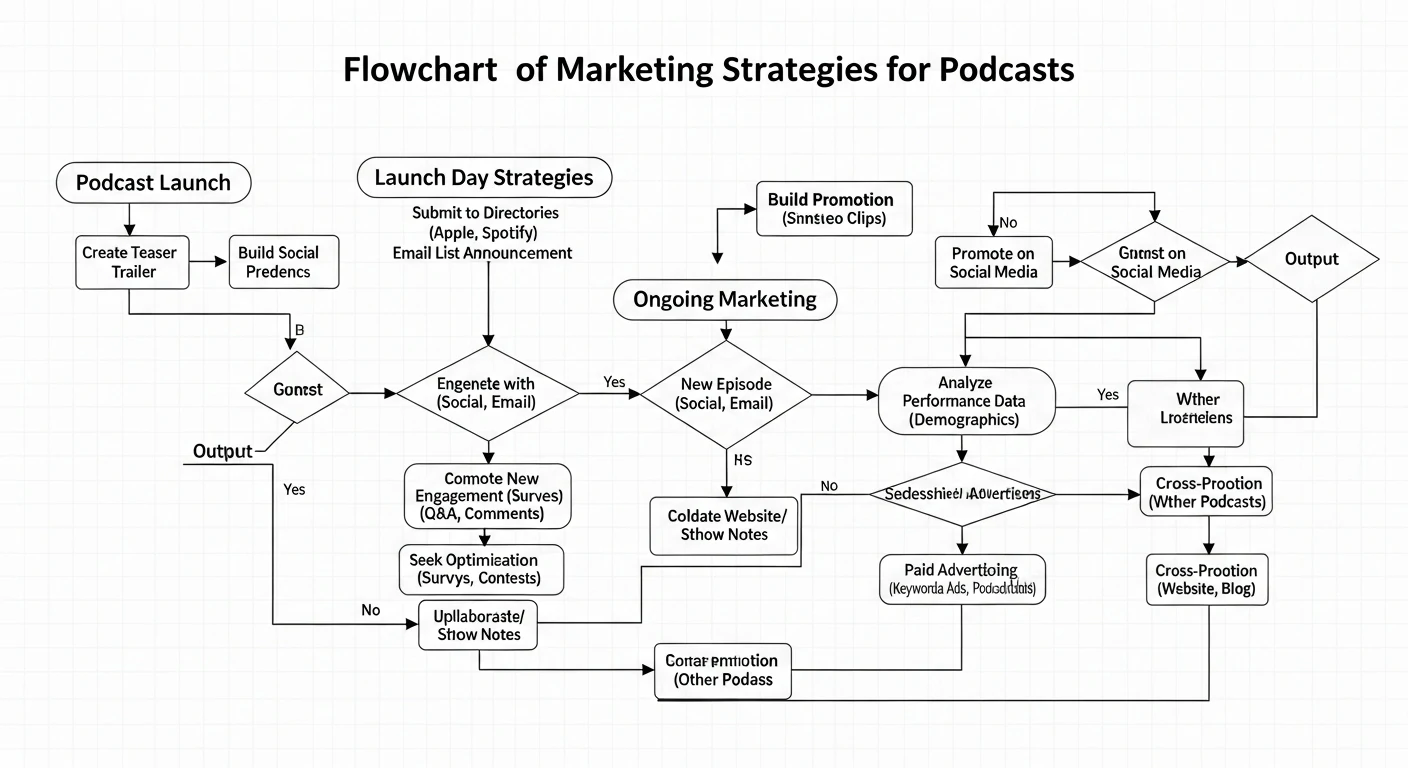
Creating great content is only half the battle – you need effective marketing strategies to help potential listeners discover your podcast. Successful podcast marketing combines consistent promotion, community building, and strategic partnerships to grow your audience organically.
📱 Social Media Strategies
Social media platforms are essential for podcast promotion, but each platform requires a different approach. On Instagram, share visually appealing quote cards, behind-the-scenes photos, and short video clips from your episodes. Instagram Stories and Reels are particularly effective for reaching new audiences. Use relevant hashtags and engage with your niche community.
Twitter is excellent for real-time engagement and sharing quick insights from your episodes. Participate in relevant Twitter chats, share thread summaries of your episodes, and engage with other podcasters and influencers in your niche. LinkedIn works well for business and professional development podcasts, allowing you to share longer-form content and connect with industry professionals.
TikTok and YouTube Shorts offer opportunities to reach younger audiences with short, engaging clips from your podcast. Focus on your most interesting or controversial moments, and use trending sounds and hashtags to increase discoverability. Remember to always include a call-to-action directing viewers to your full podcast.
🤝 Collaborations and Cross-Promotion
Guest appearances on other podcasts are one of the most effective ways to reach new audiences. Research podcasts in your niche or adjacent niches and pitch yourself as a guest. Prepare a compelling pitch that explains what unique value you can provide to their audience. When you appear as a guest, always mention your own podcast naturally within the conversation.
Cross-promotion with other podcasters can be mutually beneficial. You can trade promotional mentions, create joint episodes, or participate in podcast swaps where you each promote the other's show. Look for podcasters with similar audience sizes and complementary (not competing) content.
Consider creating a podcast network or joining an existing one. Networks can provide cross-promotional opportunities, shared resources, and collective marketing power. Even informal networks of podcasters who support each other can be valuable for growth and motivation.
💬 Engaging with Your Audience
Building a community around your podcast is crucial for long-term success. Respond to comments on social media, emails, and reviews. Ask for listener feedback and incorporate their suggestions into future episodes. Consider creating a Facebook group, Discord server, or other community space where listeners can interact with you and each other.
Encourage listener participation through Q&A episodes, listener voicemails, or social media challenges. When listeners feel involved in your podcast, they're more likely to become advocates who recommend your show to others. Always acknowledge and thank listeners who engage with your content or leave reviews.
📈 Growing Your Listener Base Organically
Organic growth takes time but creates more engaged, loyal listeners. Focus on consistency in both content quality and publishing schedule. Optimize your podcast title, description, and episode titles for search discovery. Use relevant keywords naturally, but prioritize clarity and appeal over keyword stuffing. Encourage satisfied listeners to leave reviews and share your podcast with friends – word-of-mouth remains one of the most powerful marketing tools. Consider creating valuable free content like blog posts, email newsletters, or downloadable resources that complement your podcast and help establish your expertise in your niche.
8. Monetizing Your Podcast
⚠️ Important: Focus on building a loyal audience before pursuing monetization. Most successful podcasters don't see significant revenue until they have 1,000+ regular listeners.
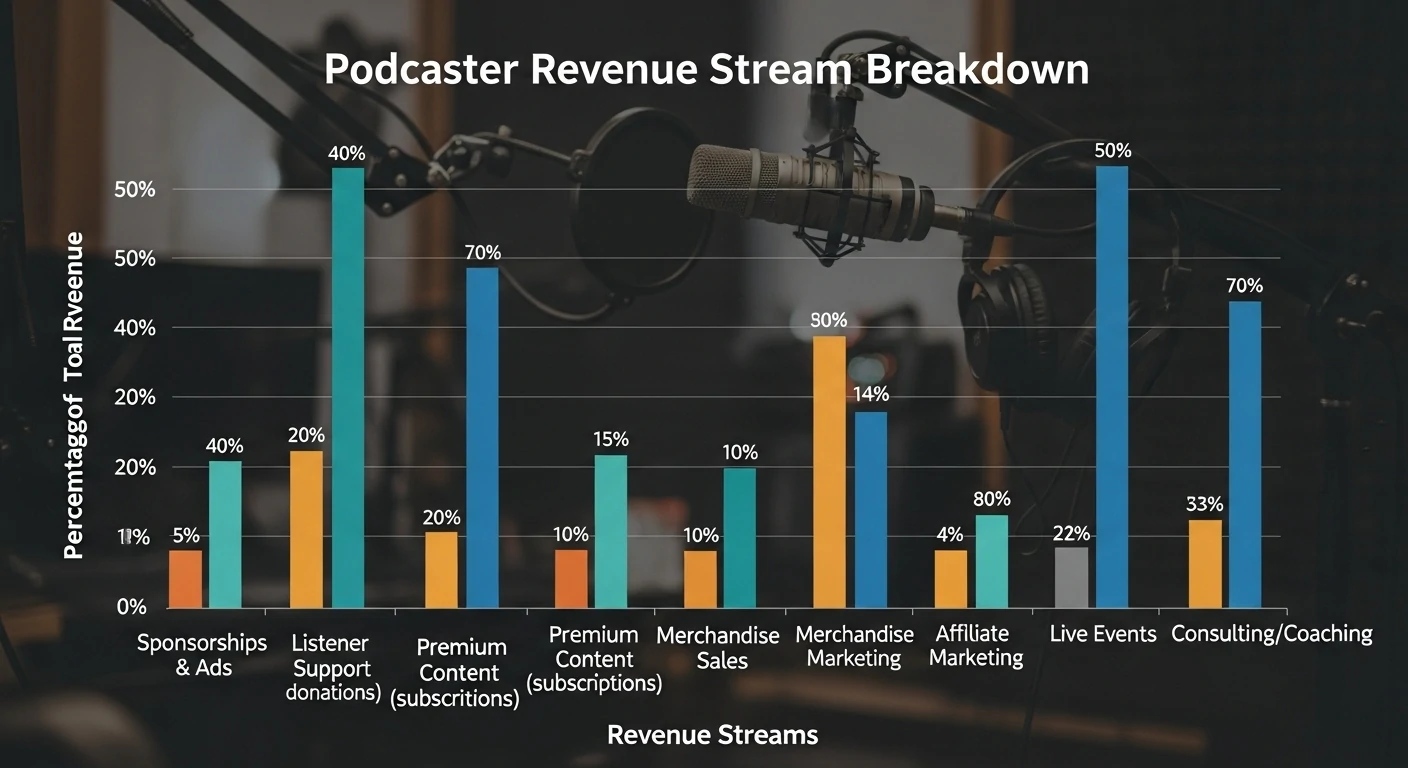
While passion and purpose should drive your podcasting journey, monetization can help sustain your efforts and allow you to invest more time and resources into creating quality content. There are several monetization strategies available, each with different requirements and potential returns.
💰 Sponsorships and Advertising
Sponsorships are often the most lucrative monetization method for established podcasts. Sponsors typically pay based on your download numbers, with rates ranging from $15-25 per 1,000 downloads for 30-second ads and $25-40 per 1,000 downloads for 60-second ads. However, most sponsors require a minimum of 1,000-5,000 downloads per episode before considering partnerships.
When approaching potential sponsors, focus on companies that align with your audience's interests and values. Create a media kit that includes your download statistics, audience demographics, and examples of how you would integrate their message. Authentic endorsements perform better than obvious advertisements, so only partner with brands you genuinely believe in.
🎁 Listener Donations and Support
Platforms like Patreon, Ko-fi, and Buy Me a Coffee allow listeners to support your podcast directly. This model works well when you have a dedicated audience that values your content. Offer exclusive perks like bonus episodes, early access, or behind-the-scenes content to incentivize support. Even small monthly contributions from a portion of your audience can provide meaningful income.
🛍️ Merchandise and Products
Selling merchandise can generate revenue while building brand awareness. Start simple with items like branded mugs, t-shirts, or stickers. Print-on-demand services like Printful or Teespring minimize upfront costs and inventory management. Consider creating digital products like courses, ebooks, or templates related to your podcast's niche – these often have higher profit margins than physical merchandise.
⚖️ Ethical Considerations
Maintain transparency with your audience about monetization efforts. Clearly disclose sponsored content and affiliate relationships as required by FTC guidelines. Don't compromise your content quality or authenticity for monetary gain – your audience's trust is more valuable than any single sponsorship deal. Consider your audience's experience when integrating ads, and avoid overwhelming them with promotional content. Remember that sustainable monetization comes from providing genuine value to your listeners, not from maximizing short-term revenue.
✰
Ready to Start Your Podcasting Journey?
Starting a podcast is an exciting journey that combines creativity, technology, and community building. Throughout this comprehensive guide, we've covered the essential elements that will set you up for podcasting success: from identifying your unique niche and planning engaging content to mastering the technical aspects of recording and distribution.
Remember that every successful podcaster started exactly where you are now – with an idea and the courage to share it with the world. The podcasting landscape offers unprecedented opportunities to connect with like-minded individuals, share your expertise, and build meaningful relationships with your audience. While the technical aspects might seem overwhelming at first, they become second nature with practice and experience.
The most important step is simply to begin. Don't wait for perfect equipment, the ideal topic, or complete confidence in your abilities. Start with what you have, focus on providing value to your listeners, and improve with each episode. Your unique perspective and voice matter, and there's an audience waiting to hear what you have to say.
Take Action Today!
Your podcasting journey starts with a single step. Choose your niche, plan your first episode, and begin recording. The world needs to hear your unique voice and perspective.
💬 Share your podcasting plans or questions in the comments below
🎯 What topic will your first episode cover?
🚀 When will you publish your first episode?
Found This Guide Helpful?
Share it with aspiring podcasters and help grow the podcasting community!