
Transform your brand communication with stunning 3D motion graphics that captivate audiences, simplify complex ideas, and drive measurable results across every platform.
Table of contents
- What Are 3D Motion Graphics?
- Applications of 3D Motion Graphics
- Industries That Benefit from 3D Motion Graphics
- Key Benefits of 3D Motion Graphics for Your Business
- The 3D Motion Graphics Production Process
- Software and Tools Powering 3D Motion Graphics
- 3D Motion Graphics vs 2D Animation: Key Differences
- Rendering Technologies for 3D Motion Graphics
- Storytelling Through 3D Motion Graphics
- Typography and Text Animation in 3D Space
- Sound Design and Music for 3D Motion Graphics
- How to Choose the Right 3D Motion Graphics Provider
- Current Trends Shaping 3D Motion Graphics
- Understanding 3D Motion Graphics Pricing
- Project Management for 3D Motion Graphics
- Frequently Asked Questions About 3D Motion Graphics
- 3D Motion Graphics for Social Media
- Common Mistakes to Avoid in 3D Motion Graphics
- The Future of 3D Motion Graphics
- Elevate Your Brand with 3D Motion Graphics
- Ready to Create Something Amazing?
What Are 3D Motion Graphics?
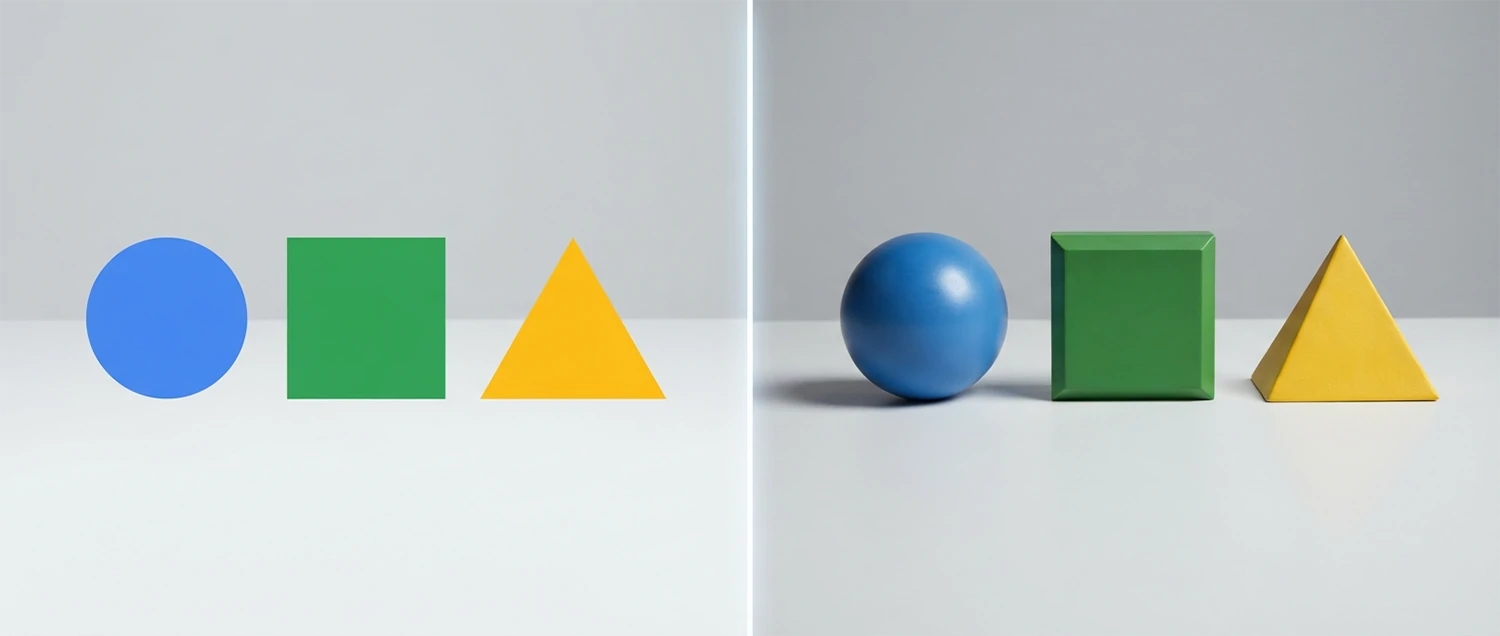
3D motion graphics represent the convergence of three-dimensional modeling, animation, and graphic design into a single dynamic medium. Unlike traditional 2D animation that operates on a flat plane, 3D motion graphics create objects and environments with depth, volume, and spatial relationships that can be viewed and animated from any angle. This dimensional quality gives 3D motion graphics a level of realism and visual impact that 2D content cannot match.
The field combines artistic creativity with technical precision. Artists build three-dimensional models using specialized software, apply surface materials and textures that determine how each object looks and reacts to light, and then animate these objects through space over time. The result is moving imagery that can range from abstract geometric compositions to photorealistic product visualizations, from stylized explainer animations to cinematic visual effects sequences.
What distinguishes 3D motion graphics from other forms of animation is their focus on graphic design principles applied in a three-dimensional context. Typography, color theory, composition, and visual hierarchy remain central to the work, but these elements exist in a dimensional space where they can rotate, move, and interact with virtual cameras and lighting. This creates a unique visual language that is particularly effective for brand communication, product marketing, and information visualization.
The evolution of 3D motion graphics has been driven by advances in computing power and software accessibility. What once required expensive specialized workstations and weeks of rendering time can now be accomplished on powerful laptops with real-time preview capabilities. This democratization has opened the field to a broader range of creators and made 3D motion graphics accessible to businesses of all sizes, from startups to multinational corporations.
Applications of 3D Motion Graphics
3D motion graphics have become an essential communication tool across virtually every industry. Their versatility allows them to serve multiple purposes, from marketing and advertising to education and internal communication. Understanding the range of applications helps businesses identify opportunities to leverage this medium for their specific needs.
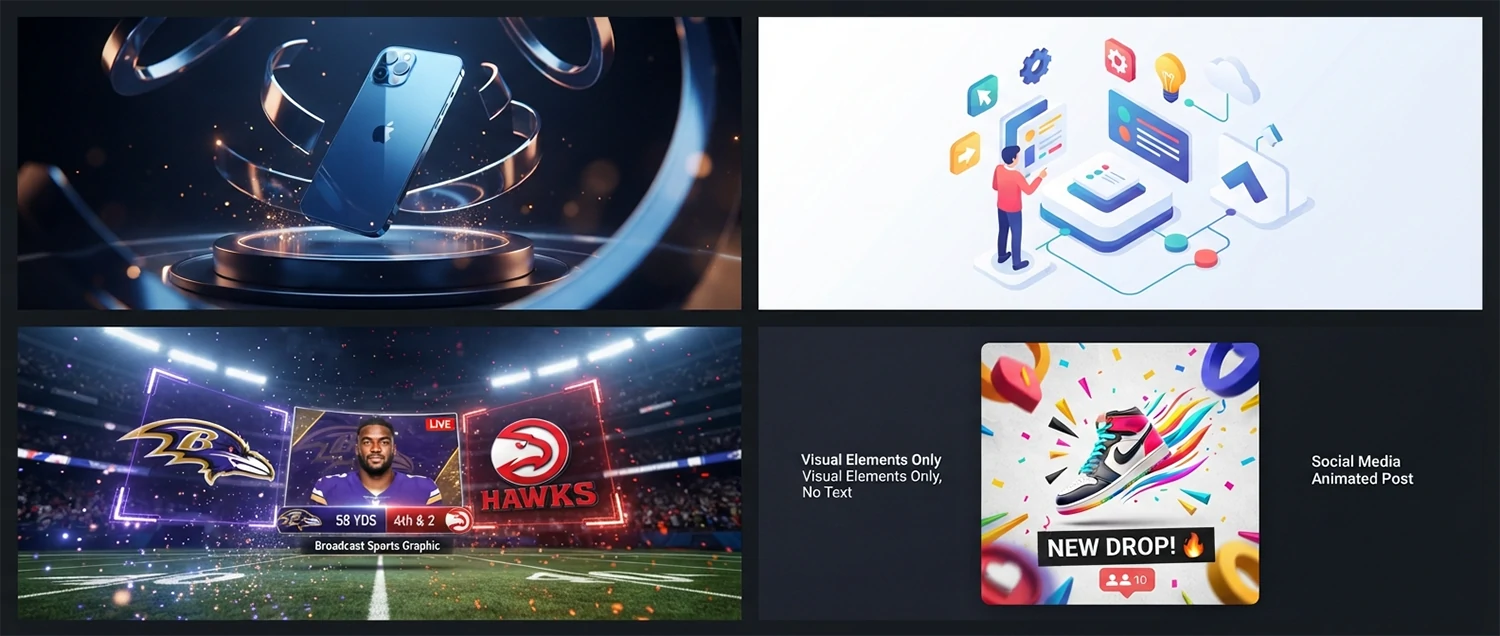
Product visualization and marketing represent one of the largest applications of 3D motion graphics. Companies use animated 3D renders to showcase products from every angle, demonstrate features in action, and create aspirational lifestyle content around their offerings. This approach eliminates the need for expensive photography shoots and physical prototypes while providing greater creative flexibility. Products that exist only as digital designs can be visualized and marketed before physical production begins, accelerating time to market.
Explainer videos and educational content benefit enormously from 3D motion graphics. Complex processes, scientific concepts, and technical systems that are difficult to describe with words or static images become clear and accessible when visualized in animated 3D. Medical device manufacturers use 3D animation to show how their products work inside the human body. Technology companies visualize data flows and software architectures. Engineering firms demonstrate mechanical systems in operation.
Broadcast and commercial production has been transformed by 3D motion graphics. Television networks use dimensional animated logos, transitions, and lower thirds that create distinctive brand identities. Commercials incorporate 3D product shots and visual effects that would be impractical or impossible to achieve with live-action production. Sports broadcasts use 3D graphics for analysis, replay visualization, and on-screen information displays that enhance viewer understanding and engagement.
Digital and social media content thrives with 3D motion graphics. Short-form video platforms demand visually striking content that stops the scroll and captures attention in seconds. 3D animated posts consistently outperform static images in engagement metrics across Instagram, TikTok, LinkedIn, and Facebook. The visual sophistication of 3D content signals quality and professionalism, helping brands stand out in crowded social media feeds.
Industries That Benefit from 3D Motion Graphics
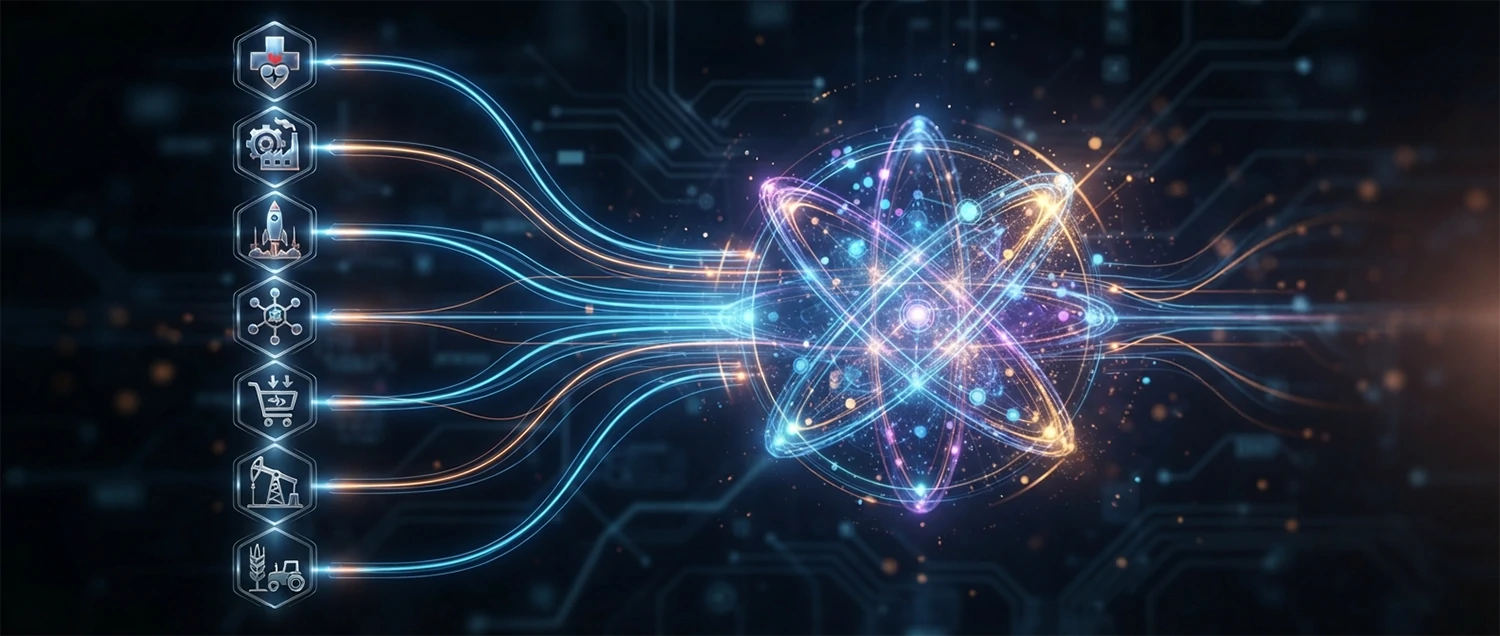
While 3D motion graphics can enhance communication in any field, certain industries have embraced the medium as an essential part of their marketing and operations. Understanding which industries benefit most helps businesses benchmark their own use of 3D motion graphics against competitors and identify best practices from adjacent fields.
Technology and software companies are among the heaviest users of 3D motion graphics. These companies deal with abstract concepts and digital products that are inherently difficult to visualize. 3D animation helps them demonstrate user interfaces, explain cloud architectures, visualize data flows, and create compelling product launch content. The technology sector appreciation for innovation also makes them early adopters of cutting-edge 3D techniques.
Healthcare and medical technology rely on 3D motion graphics for both professional and patient communication. Medical device companies use 3D animation to show how their products function within the human body, often working with medical illustrators to ensure anatomical accuracy. Pharmaceutical companies visualize drug mechanisms at the cellular level. Hospitals and healthcare providers use 3D animated content for patient education, making complex medical information accessible and less intimidating.
Architecture, engineering, and construction have been transformed by 3D visualization. Architectural firms use 3D motion graphics to create virtual walkthroughs of buildings before construction begins, allowing clients to experience spaces and make design decisions early. Real estate developers use animated 3D renders for pre-construction marketing, selling properties that do not yet exist. Engineering firms visualize structural systems, mechanical operations, and infrastructure projects.
Entertainment and media remain at the forefront of 3D motion graphics innovation. Film and television use 3D animation for visual effects, title sequences, and promotional content. Game developers create cinematic trailers and in-game cutscenes. Music artists commission 3D animated music videos that push creative boundaries. The entertainment industry demand for innovation drives much of the technological advancement in 3D motion graphics tools and techniques.
Retail and e-commerce have embraced 3D product visualization as online shopping continues to grow. 3D product spins and configurators allow customers to examine products from all angles and customize options in real time. Augmented reality applications let shoppers visualize products in their own spaces before purchasing. These applications reduce return rates and increase customer confidence in online purchasing decisions.
Key Benefits of 3D Motion Graphics for Your Business
Investing in professional 3D motion graphics delivers tangible returns across multiple business dimensions. Beyond the obvious visual appeal, 3D motion graphics provide measurable advantages in communication effectiveness, audience engagement, and marketing performance that directly impact business outcomes.
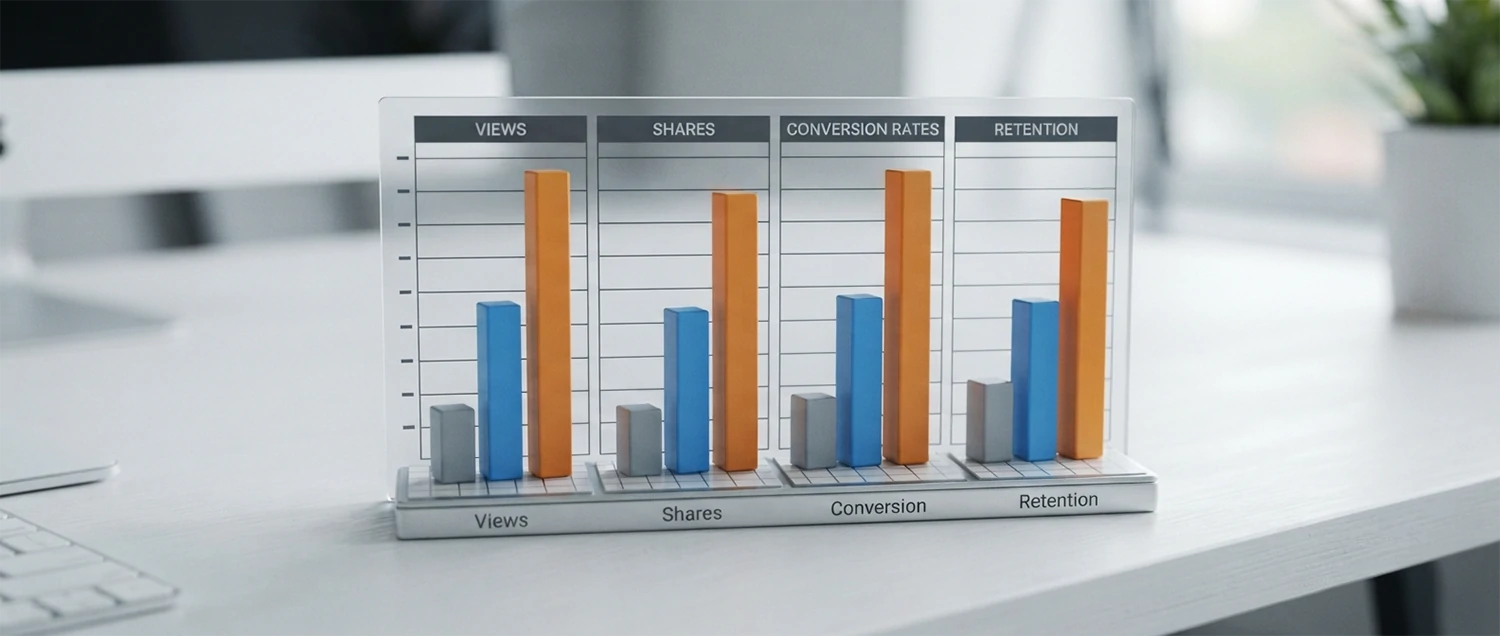
Enhanced audience engagement is perhaps the most immediately visible benefit. Animated content consistently outperforms static imagery across every digital platform. Social media algorithms favor video content, giving it greater organic reach. Website visitors spend more time on pages featuring animated content, reducing bounce rates and improving search engine rankings. The visual complexity and production value of 3D motion graphics amplify these engagement effects, capturing attention and holding it longer than simpler animation styles.
Improved message retention and comprehension result from the combination of visual and auditory information. Studies show that viewers retain significantly more information from animated content than from text or static images alone. The ability to show processes in motion, visualize abstract concepts, and create memorable visual metaphors makes complex information more accessible and more likely to be remembered. For businesses explaining sophisticated products or services, this improved comprehension directly translates to better-informed customers and shorter sales cycles.
Brand differentiation and perceived value increase substantially with professional 3D motion graphics. In competitive markets where many businesses offer similar products or services, high-quality animated content signals innovation, professionalism, and attention to detail. Customers associate sophisticated visual content with product quality and company competence. The investment in premium content becomes a signal of the company commitment to excellence in all aspects of their business.
Cost efficiency compared to live-action production is a significant but often overlooked benefit. Creating a 3D product visualization eliminates photography studio rental, travel expenses, set construction, and physical prototype costs. Changes and iterations in 3D are far less expensive than reshooting live-action footage. For products still in development, 3D visualization is the only option for creating marketing content before physical production begins. The reusable nature of 3D assets also provides long-term value, as scenes can be updated and repurposed for future campaigns.
Versatility across platforms and formats maximizes the return on your investment. A single 3D motion graphics project can be rendered in multiple aspect ratios and resolutions optimized for television, social media, websites, digital displays, and presentations. The same 3D scene can produce still images for print materials, short animated clips for social media, and longer format videos for your website or YouTube channel. This multiplatform versatility ensures your content reaches audiences wherever they consume media.
The 3D Motion Graphics Production Process
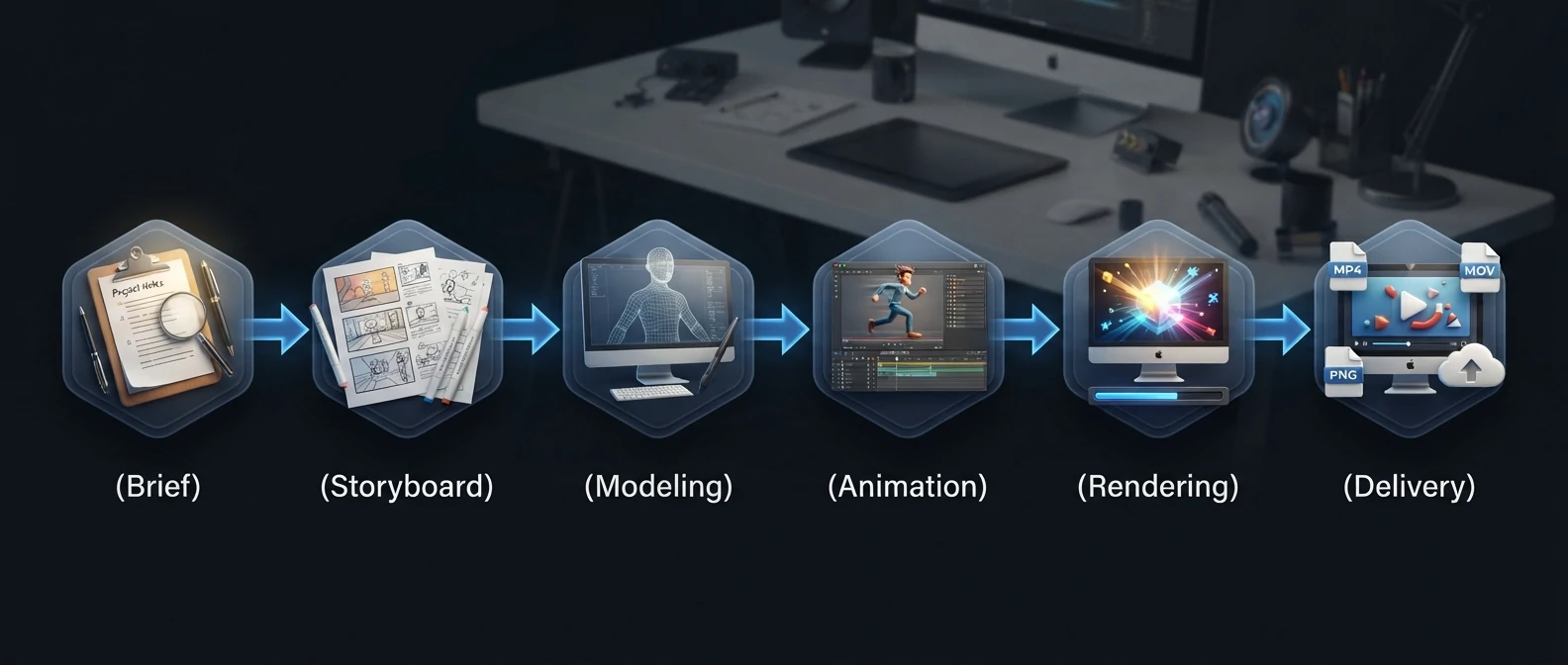
Professional 3D motion graphics follow a structured production process that transforms creative concepts into polished animated content. Understanding this workflow helps clients collaborate effectively with service providers and set realistic expectations for timelines and deliverables. The process typically unfolds in three main phases: pre-production, production, and post-production.
Pre-production establishes the creative foundation for the entire project. This phase begins with a discovery session where the creative team learns about the client business, objectives, target audience, and project goals. A creative brief is developed that defines the project scope, key messages, visual direction, and technical requirements. Storyboards are created to visualize the animation sequence frame by frame, ensuring the narrative flow works before production begins. Style frames establish the visual aesthetic including color palette, lighting approach, and material treatments.
Production is where the actual 3D content comes to life. Modeling artists build the three-dimensional objects, environments, and characters based on approved designs. Texturing artists apply surface properties including colors, patterns, reflectivity, and roughness. Rigging artists add control structures that allow models to be animated. Animators create the movement, timing, and choreography that bring the scene to life. Lighting artists establish the illumination that defines the mood and ensures visual consistency across all shots.
Post-production is where all elements are refined and assembled into the final product. Compositing artists layer rendered elements with effects, color correction, and atmosphere. Motion graphics designers add typography, logos, and graphic overlays that integrate with the 3D content. Sound designers create or select audio elements including music, sound effects, and voice-over narration. The final edit combines all components into a polished, cohesive piece that meets the project objectives and technical delivery specifications.
Quality assurance runs throughout the entire production process. Regular reviews at each milestone catch issues early when they are less expensive to fix. Client feedback is incorporated through structured revision rounds that maintain production momentum while ensuring the final output meets expectations. A thorough technical review before delivery confirms the content meets all format, resolution, and playback requirements.
Software and Tools Powering 3D Motion Graphics
Professional 3D motion graphics rely on sophisticated software tools that provide the capabilities needed for every stage of the production pipeline. Understanding the software ecosystem helps clients evaluate provider capabilities and ensure their projects are built on industry-standard technology.
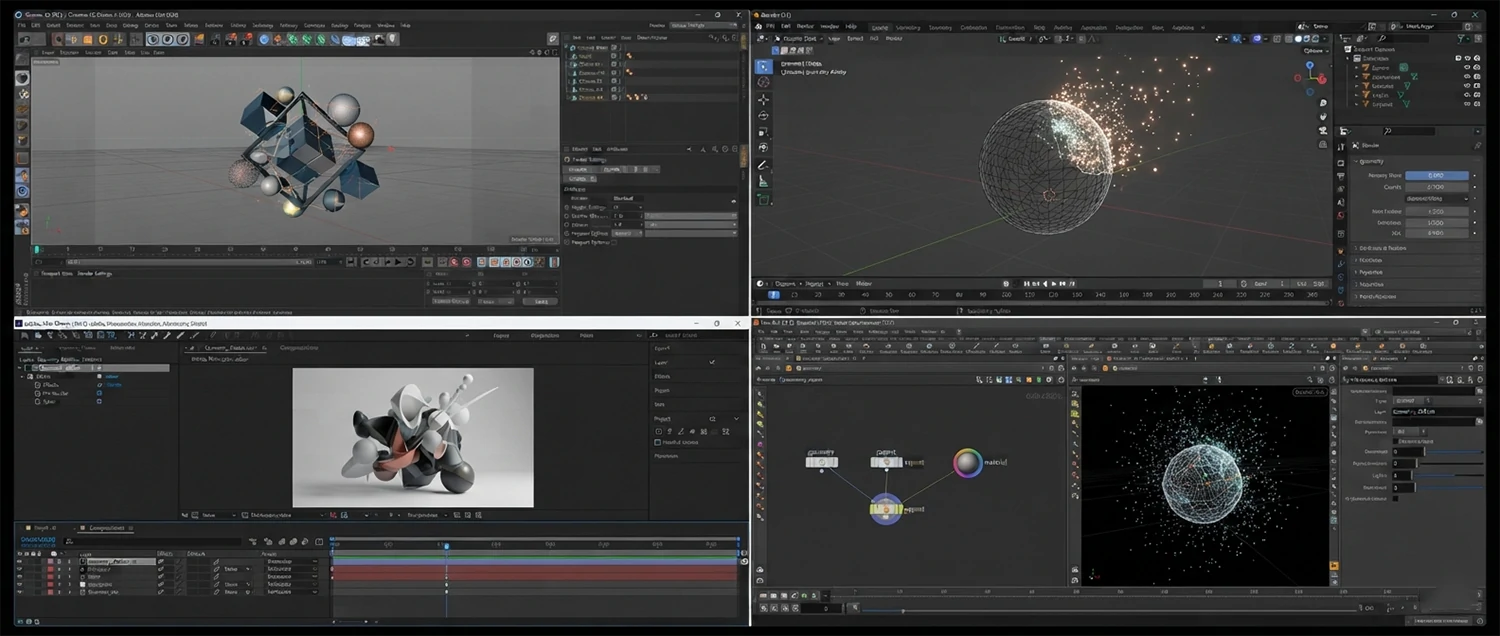
Cinema 4D has established itself as the industry standard for 3D motion graphics, particularly for broadcast and commercial work. Its intuitive interface makes it accessible while providing powerful animation and rendering capabilities. The MoGraph module offers specialized tools for creating complex motion graphics effects like cloners, effectors, and fracturing that would be extremely difficult to achieve in other software. Tight integration with Adobe After Effects streamlines the compositing workflow, making Cinema 4D the preferred choice for many professional motion graphics studios.
Blender has emerged as a formidable open-source alternative with capabilities that rival commercial software. Its comprehensive toolset includes modeling, sculpting, texturing, rigging, animation, simulation, rendering, and compositing in a single application. Blender has seen explosive growth in professional use as its feature set has matured and its development community has expanded. The zero licensing cost makes it particularly attractive for independent creators and smaller studios.
Autodesk Maya and 3ds Max remain pillars of the industry, particularly for high-end film and game production. Maya excels in character animation, complex simulations, and visual effects, making it the choice for cinematic work requiring sophisticated rigging and animation systems. 3ds Max is widely used in architectural visualization and game asset creation. Both applications offer unparalleled depth for complex projects but require significant training and experience to use effectively.
Adobe After Effects serves as the essential hub for compositing and finishing 3D motion graphics. While After Effects is primarily a 2D compositing application, it integrates with 3D software through plugins and import pipelines that allow rendered 3D elements to be enhanced with effects, typography, color correction, and graphic overlays. Most motion graphics projects pass through After Effects for final assembly, where the 3D renders are combined with other elements to create the polished final product.
Houdini by SideFX is the premier software for procedural generation and sophisticated simulation effects. Its node-based workflow allows artists to create complex particle systems, fluid simulations, destruction sequences, and procedural environments that would be impractical to create manually. Houdini is essential for high-end visual effects work and is increasingly used in motion graphics for its ability to create unique, organic, and highly complex animations.
3D Motion Graphics vs 2D Animation: Key Differences
Understanding the distinction between 3D motion graphics and 2D animation is essential for choosing the right approach for your project. Both mediums have distinct strengths, and the best choice depends on your specific communication goals, budget, and creative vision.
The fundamental difference lies in dimensionality. Two-dimensional animation operates on a flat plane with height and width only, while 3D motion graphics add depth, allowing objects to be viewed from any angle and rotated freely in space. This dimensional capability makes 3D the clear choice for product visualization, architectural presentations, and any application where realistic spatial representation is important. Two-dimensional animation excels at stylized, illustrative content where a flat aesthetic is desirable and dimensional accuracy is not required.
Production workflows differ significantly between the two mediums. Two-dimensional animation typically involves creating individual frames or using rigged 2D puppets with bone systems for movement. This approach can be faster and more cost-effective for simple projects with limited visual complexity. Three-dimensional motion graphics require more upfront investment in modeling, texturing, and scene setup, but once the 3D scene is built, it offers enormous flexibility for camera movements, lighting changes, and alternative renders from different angles.
Realism and photorealism are achievable only in 3D. While skilled 2D artists can create highly realistic illustrations through careful shading and perspective techniques, true photorealism with accurate light simulation, physical material properties, and lifelike depth of field requires 3D rendering. This makes 3D the only choice for applications where realistic representation is essential, such as product design review, architectural visualization, and medical animation requiring anatomical precision.
The choice between 2D and 3D often depends on brand identity and creative direction. Some brands have established 2D illustrative styles that are integral to their visual identity and should be maintained across all communications. Others seek the cutting-edge, premium appearance that 3D motion graphics provide. Many successful projects combine both techniques, using 2D for character animation and 3D for environments and effects, leveraging the strengths of each medium to create something greater than either could achieve alone.
Cost comparison between 2D and 3D varies significantly by project. Simple 3D projects may cost less than detailed 2D animation, and vice versa. Generally, 3D requires higher initial investment in software, hardware, and specialized training, but per-project costs depend primarily on complexity, duration, and quality requirements. The best approach is to describe your project to qualified providers in both disciplines and compare their proposals and creative recommendations.

Rendering Technologies for 3D Motion Graphics
Rendering is the technical process that transforms 3D scene data into final images or video frames. The choice of rendering technology significantly affects visual quality, production timeline, and creative possibilities. Understanding rendering helps clients appreciate the technical complexity behind 3D motion graphics and make informed decisions about project specifications.
CPU-based renderers like Octane, Redshift, and Arnold use sophisticated ray-tracing algorithms to simulate the physical behavior of light with exceptional accuracy. These renderers produce the highest quality results with realistic reflections, refractions, global illumination, ambient occlusion, and depth of field. CPU rendering typically produces superior image quality but requires more time per frame. GPU-based renderers leverage graphics card processing power to achieve dramatically faster rendering speeds, making them popular for projects with tight deadlines or extensive iteration requirements.
Real-time rendering engines including Unreal Engine and Unity have expanded from game development into motion graphics production. Real-time rendering allows artists to see lighting, material, and animation changes instantly without waiting for renders to complete, dramatically accelerating the creative iteration process. This technology is particularly valuable for interactive applications, virtual reality experiences, and projects requiring rapid client feedback cycles. The quality of real-time rendering has improved enormously, approaching offline renderer quality for many applications.
Render farm services provide access to massive distributed computing power for complex projects. Cloud-based render farms allow frames to be processed in parallel across hundreds or thousands of machines, reducing rendering time from days to hours or even minutes. Render farm costs can be significant for projects requiring extensive rendering, particularly for high-resolution, photorealistic work. Understanding render farm requirements helps in accurate project budgeting and timeline estimation.
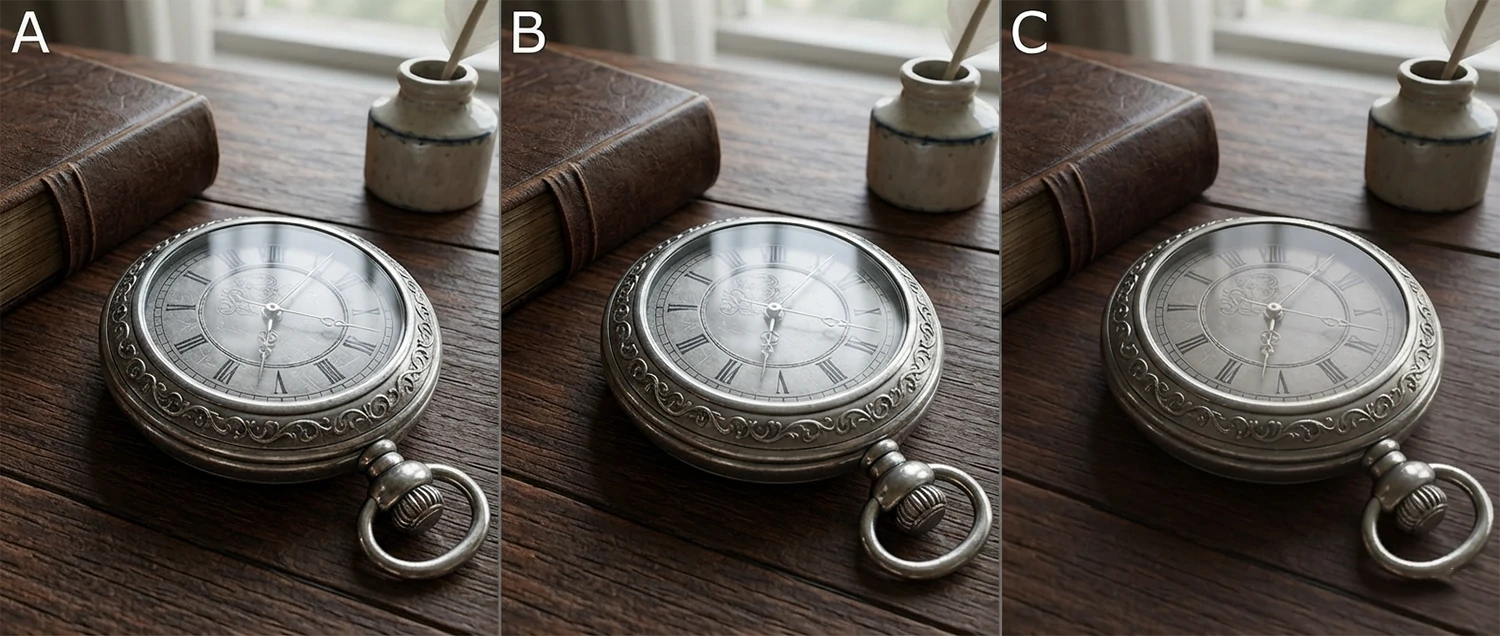
Modern denoising technology has revolutionized rendering workflows by allowing artists to render at lower sample counts and use AI-powered algorithms to remove noise from the final image. This technique dramatically reduces rendering time while maintaining high visual quality. Modern rendering engines include integrated denoising that makes high-quality rendering more accessible and affordable for a wider range of projects, democratizing access to professional 3D motion graphics.
Storytelling Through 3D Motion Graphics
At its heart, 3D motion graphics is a storytelling medium. The most powerful animated content goes beyond visual spectacle to communicate narratives that engage audiences emotionally and intellectually. Understanding narrative principles helps businesses brief their providers effectively and create content that resonates deeply with viewers.
Classic narrative structure remains relevant in 3D motion graphics. An effective piece introduces a problem or context, presents a solution or journey, and concludes with a resolution or call to action. This three-act structure gives viewers a mental framework for understanding the information being presented. Even short social media pieces benefit from having a clear beginning that hooks attention, a middle that delivers the core message, and an end that drives the desired action.
Visual metaphor is one of the most powerful tools in the 3D motion graphics arsenal. Abstract concepts can be represented through concrete visual elements that audiences understand intuitively. A complex software platform might be visualized as a well-organized city with different districts representing different features. A security product might be shown as an impenetrable fortress protecting valuable assets. Effective metaphors make complex ideas accessible and memorable, creating emotional connections that pure information cannot achieve.
Pacing and rhythm control the emotional journey of the viewer through your content. Fast-paced editing with quick cuts and energetic animation creates excitement and urgency, appropriate for product launches and campaign announcements. Slower pacing with smooth transitions and held shots allows viewers to absorb details and creates feelings of sophistication and confidence, ideal for luxury brands and complex technical explanations. Music and sound design reinforce the visual pacing to create a cohesive emotional experience.
Human connection remains important even in abstract 3D motion graphics. Including human elements, whether realistic characters, stylized figures, or even objects that move with human-like qualities, helps viewers connect emotionally with the content. Seeing a hand interact with a product helps viewers imagine themselves using that product. Faces expressing emotion create empathy and engagement. The human element transforms technical demonstrations into relatable experiences.
Typography and Text Animation in 3D Space
Typography plays a critical role in 3D motion graphics, serving as the primary vehicle for conveying information and reinforcing brand identity. Animated text in three-dimensional space creates visual interest and emphasis that static typography cannot achieve, but it requires careful design to remain readable and effective while supporting the overall visual narrative.
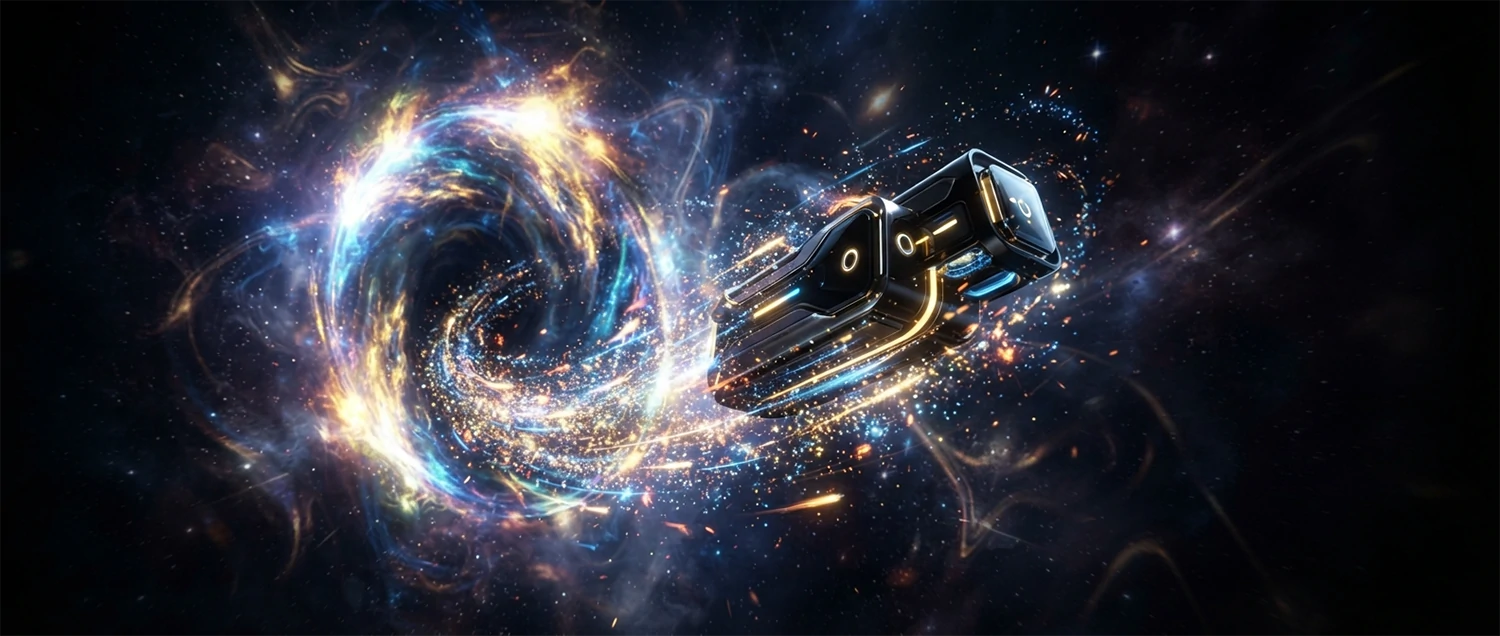
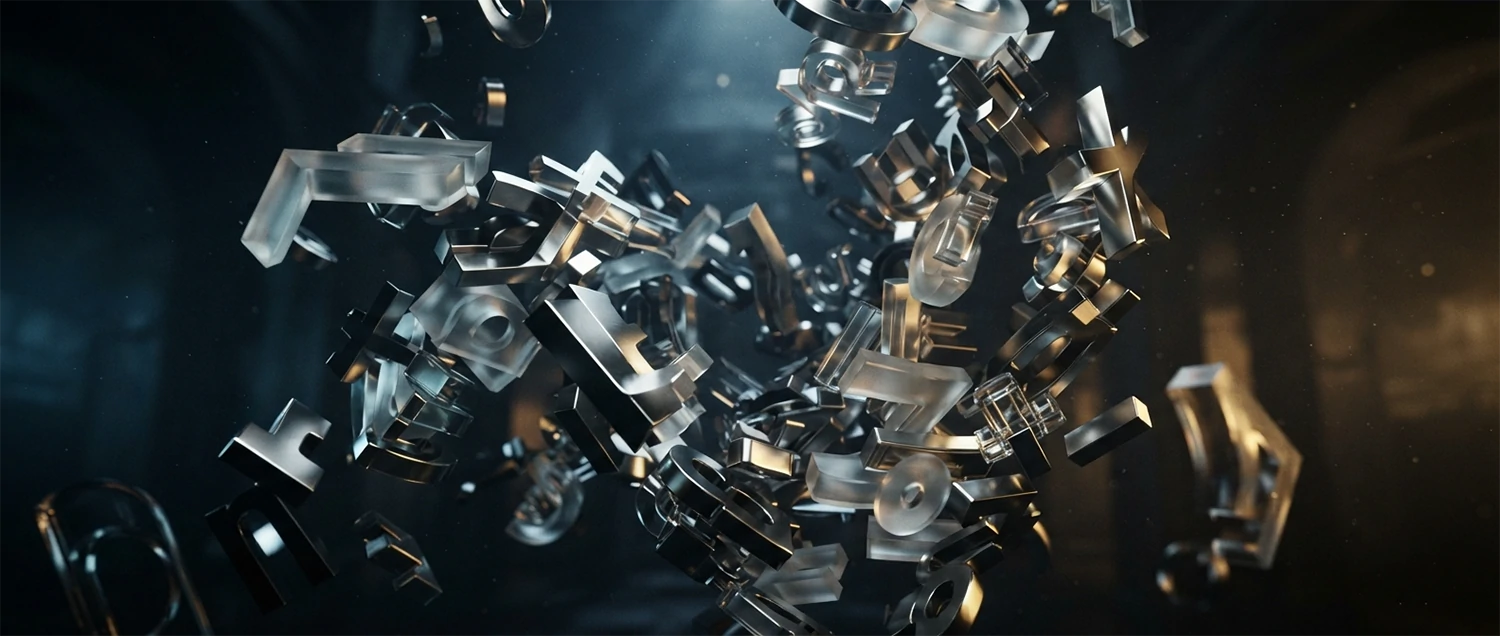
Three-dimensional typography involves extruding letterforms to give them physical depth and volume, allowing them to exist naturally within the 3D space. Extruded text can be illuminated by scene lighting, textured with materials like metal or glass, and animated to move through the environment like any other 3D object. Common approaches include metallic finishes that catch dramatic lighting, beveled edges that add sophistication, and refractive glass materials that create visual complexity through light interaction.
Kinetic typography animates text characters individually or in groups to create rhythm, emphasis, and visual interest. Words can enter the frame through rotation, scaling, or motion along curved paths. Key words or phrases can be highlighted through color changes, size increases, or distinctive animation treatments that draw attention. Effective kinetic typography reinforces the spoken message or presents written information in an engaging, easy-to-follow manner that maintains viewer attention.
Text legibility must always remain the primary concern in 3D motion graphics. Creative animation should never compromise the viewer ability to read and understand the text. Factors affecting legibility include font selection, size, color contrast with the background, motion speed, and the amount of text displayed simultaneously. Professional motion graphics designers balance creative expression with functional communication to ensure the message is always clear and accessible.
Brand typography guidelines should be carefully respected in 3D motion graphics projects. Brands with established typographic systems have specific fonts, sizes, weights, and usage rules that should be adapted for 3D animation while maintaining brand consistency. Professional studios can translate brand typography guidelines into 3D environments, ensuring the animated content reinforces rather than dilutes the brand visual identity.
Sound Design and Music for 3D Motion Graphics
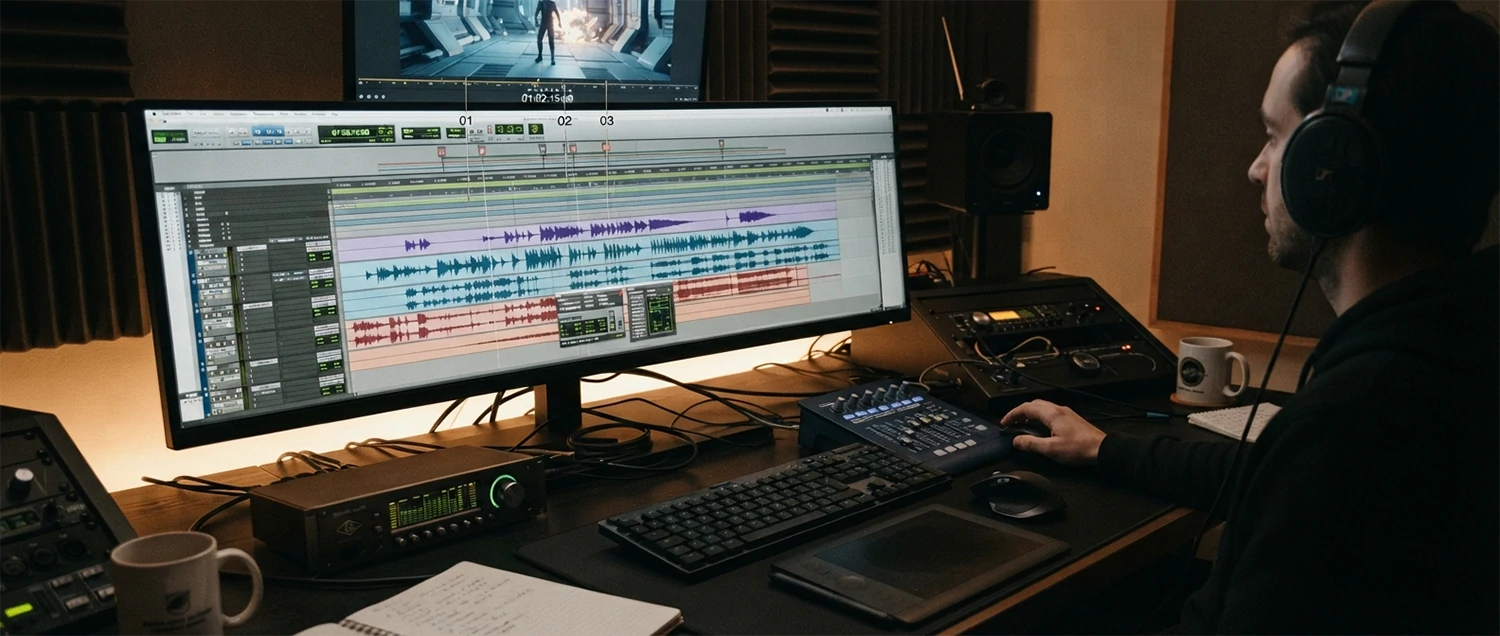
Sound design is an essential but often underappreciated component of professional 3D motion graphics. Audio dramatically affects how audiences perceive and respond to animated content, and the integration of music, sound effects, and voice-over creates a complete sensory experience that amplifies the visual message.
Music establishes the emotional tone and reinforces the pacing of the visual content. Upbeat, energetic music with a driving rhythm creates excitement and matches fast-paced visual editing, ideal for product launches and campaign content. Ambient, atmospheric music creates a reflective or sophisticated mood appropriate for luxury brands or complex technical explanations. The music should complement without overpowering the visuals, working in harmony with the animation to create a cohesive emotional experience for the viewer.
Sound effects add realism and impact to specific visual moments. The satisfying click of a product assembling, the whoosh of an object entering frame, or the ambient hum of a technological environment all contribute to the immersive quality of the motion graphics. Well-designed sound effects draw attention to key moments and enhance the tactile feeling of the animation, making it feel more real, satisfying, and engaging to watch.
Voice-over narration provides direct communication of information that complements the visual storytelling. Professional voice talent can convey authority, warmth, excitement, or trustworthiness depending on project needs. The voice-over script should be written to work in harmony with the visual content, with narration timing matched to the visual sequence. International projects may require voice-over in multiple languages, requiring careful planning for lip-sync and cultural adaptation.
Licensing and copyright considerations are essential for all audio elements. Original music composed specifically for the project provides unique content with full usage rights. Royalty-free music libraries offer cost-effective options but may lack uniqueness and could be used by competitors. Proper licensing ensures all audio can be used across intended platforms without legal issues, including broadcast television, social media, corporate presentations, and public events.
How to Choose the Right 3D Motion Graphics Provider
Selecting the right 3D motion graphics service provider is one of the most important decisions in the production process. The quality and reliability of your provider directly affects the final output, project experience, and return on your investment. A systematic evaluation approach helps businesses make informed decisions that align with their project needs and budget constraints.
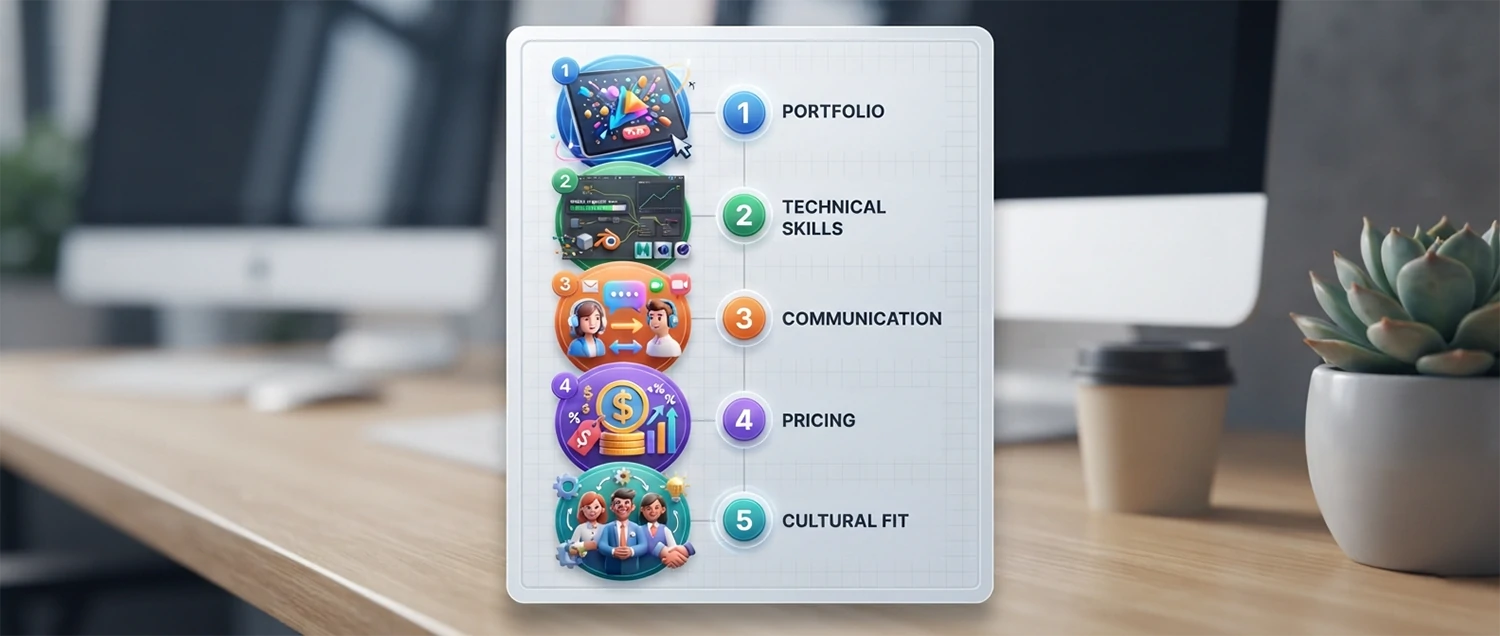
Portfolio review should be your first and most important evaluation step. Examine the provider portfolio for work that matches your project type, style expectations, and quality standards. Look beyond the showcase pieces to assess consistency across their broader body of work. Evaluate their animation quality, design aesthetic, lighting and texturing skill, typography treatment, and overall production value. A provider whose portfolio demonstrates versatility and consistent quality is more likely to deliver satisfactory results for your specific project.
Technical capabilities must align with your project requirements. Different providers specialize in different software, rendering engines, and production techniques. If your project requires photorealistic product visualization, seek providers with proven experience in that specific area. If you need real-time 3D for interactive applications, look for providers with game engine expertise. The provider technical infrastructure, including their render farm capacity and pipeline efficiency, directly affects project timelines and production costs.
Communication and collaboration approach varies significantly between providers. Some studios prefer to work independently with minimal client involvement, while others emphasize regular communication and collaborative decision-making. The right approach depends on your project complexity, your experience with creative production, and your preferred working style. Establish clear expectations for communication frequency, milestone reviews, approval processes, and revision limits before the project begins.
Pricing structure and transparency are important evaluation criteria. Some providers charge by the project based on a fixed scope, while others bill by the hour or day. Project-based pricing provides cost certainty but requires clear scope definition. Hourly billing offers flexibility for evolving projects but can lead to budget uncertainty if not carefully managed. Request detailed proposals from multiple providers comparing pricing, scope inclusions, assumptions, and exclusions to make an informed comparison.
Cultural fit and creative chemistry are often underestimated factors in provider selection. The best creative work emerges from positive collaborative relationships where both parties communicate openly and share creative vision. Schedule initial consultations with potential providers to assess whether your teams communicate effectively and share similar creative values. Trust your instincts about which provider feels like the right creative partner for your project and brand.
Current Trends Shaping 3D Motion Graphics
The 3D motion graphics industry is continuously evolving as new technologies emerge and creative approaches develop. Staying aware of current trends helps businesses create content that feels contemporary and competitive, and helps in evaluating whether a provider expertise aligns with current industry standards.
Real-time rendering and interactive 3D content represent one of the most significant shifts in the industry. Game engine technology now allows motion graphics to be interactive rather than pre-rendered, enabling viewers to explore 3D scenes from any angle, customize products in real time, or trigger different animations based on their actions. This trend is particularly impactful for product configurators, virtual showrooms, and interactive marketing experiences where viewer engagement and personalization are top priorities.
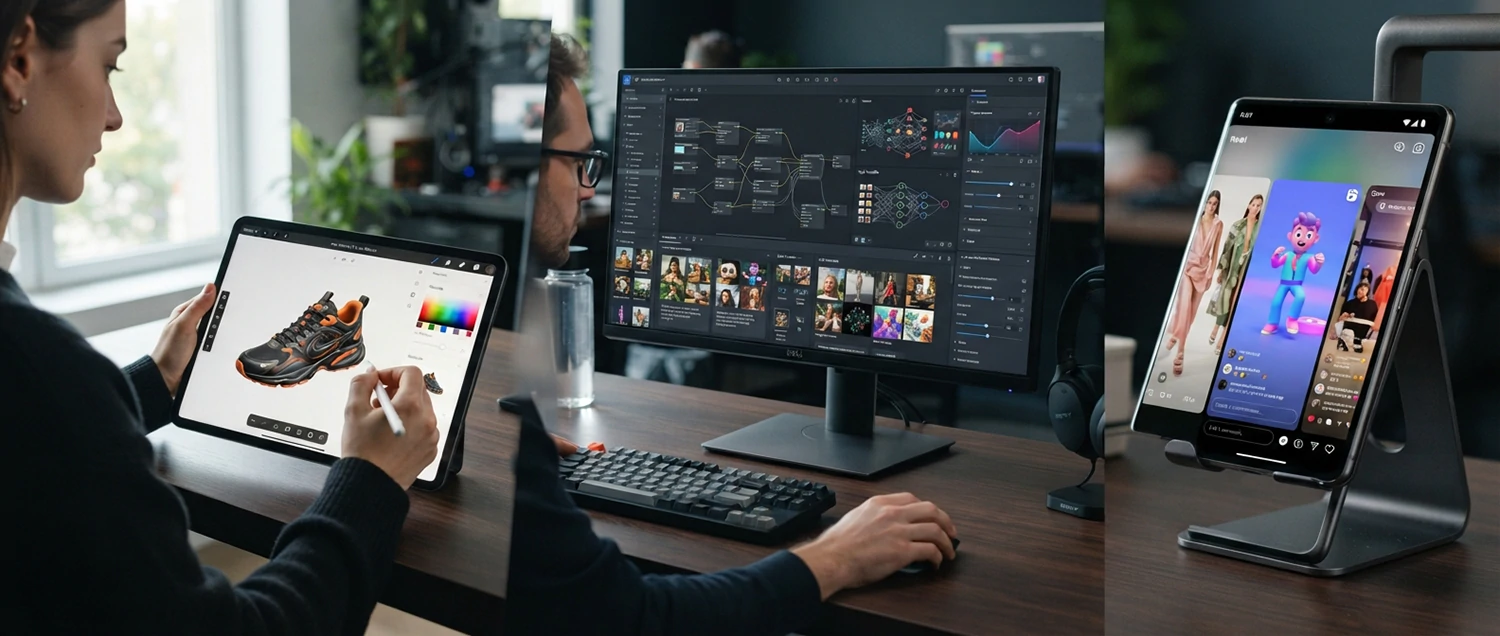
Artificial intelligence is increasingly integrated into 3D motion graphics workflows. AI tools assist with tasks including rotoscoping, object tracking, image upscaling, motion matching, and even generating initial concept art and style frames. AI-powered tools accelerate the creative process and reduce manual labor, allowing artists to focus on higher-level creative decisions. However, human creative direction and artistic judgment remain essential for producing distinctive, emotionally resonant work.
Mixed media approaches that combine 3D motion graphics with live-action footage, 2D animation, and practical effects are increasingly popular. This trend blurs the lines between different production techniques, creating unique visual experiences that stand out in crowded media environments. Mixed media projects require expertise across multiple disciplines and careful planning to ensure all elements integrate seamlessly into a cohesive final product.
Short-form vertical content optimized for mobile platforms continues to drive demand for 3D motion graphics. TikTok, Instagram Reels, and YouTube Shorts have created massive appetites for engaging short-form animated content. 3D motion graphics designed for vertical formats with quick hooks, bold typography, and fast pacing are increasingly in demand, requiring studios to adapt their creative approaches for mobile-first consumption patterns and attention spans.
Sustainability in production is an emerging consideration in the 3D motion graphics industry. Render farms consume significant energy, and studios are exploring more efficient rendering practices and cloud-based solutions that reduce environmental impact. Some clients now include environmental practices in their provider evaluation criteria, making sustainability a differentiator for forward-thinking studios.
Understanding 3D Motion Graphics Pricing
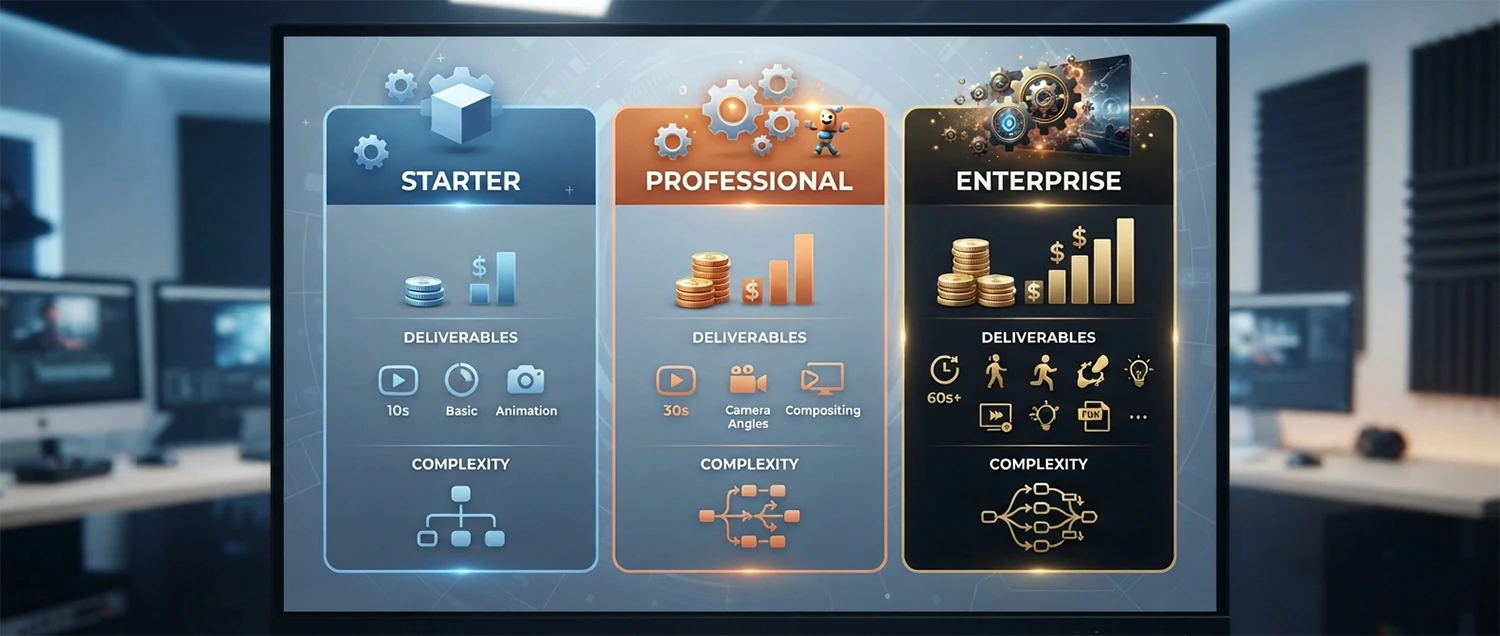
3D motion graphics pricing varies widely based on project complexity, quality standards, timeline urgency, and provider expertise. Understanding the factors that influence cost helps businesses budget appropriately and evaluate proposals effectively. Transparent discussion of pricing early prevents misunderstandings and ensures alignment between expectations and capabilities.
Project complexity is the primary cost driver. Simple projects using basic geometric shapes, standard materials, and straightforward animation may be relatively affordable. Complex projects requiring custom 3D modeling, detailed textures, complex lighting setups, character animation, sophisticated simulations, and multiple scenes require significantly more time and expertise, driving costs substantially higher. The level of detail and realism expected directly correlates with production investment.
Video length affects cost but not in a linear fashion. The first thirty seconds of animation typically cost more per second than subsequent content because of the upfront investment in scene setup, design exploration, and creative development. Once the visual approach is established and assets are built, additional content of similar style can be produced more efficiently. Short videos of fifteen to thirty seconds may have higher per-second costs than longer videos of sixty to ninety seconds.
Provider experience and market position influence pricing significantly. Established studios with award-winning portfolios, experienced creative teams, and proven track records command premium rates justified by their expertise, reliability, and creative excellence. Freelance artists and smaller studios may offer more competitive rates while still delivering high-quality work. The right choice depends on your project requirements, budget constraints, and the level of creative direction and production support you need.
Additional services add to the total project cost. Voice-over recording with professional talent, original music composition, sound design, multiple language versions, and additional format renders all require extra time and resources. These auxiliary services are essential for creating complete, professional content but should be budgeted separately from the core 3D production. Request comprehensive proposals that itemize all services and associated costs to understand the full investment required.
Geographic location of the provider affects pricing due to differences in labor costs and market rates. Studios in major metropolitan areas or countries with higher costs of living typically charge more than studios in regions with lower overhead. Remote collaboration technologies make it practical to work with quality providers regardless of location, potentially offering cost advantages for clients willing to manage time zone differences and remote communication.
Project Management for 3D Motion Graphics
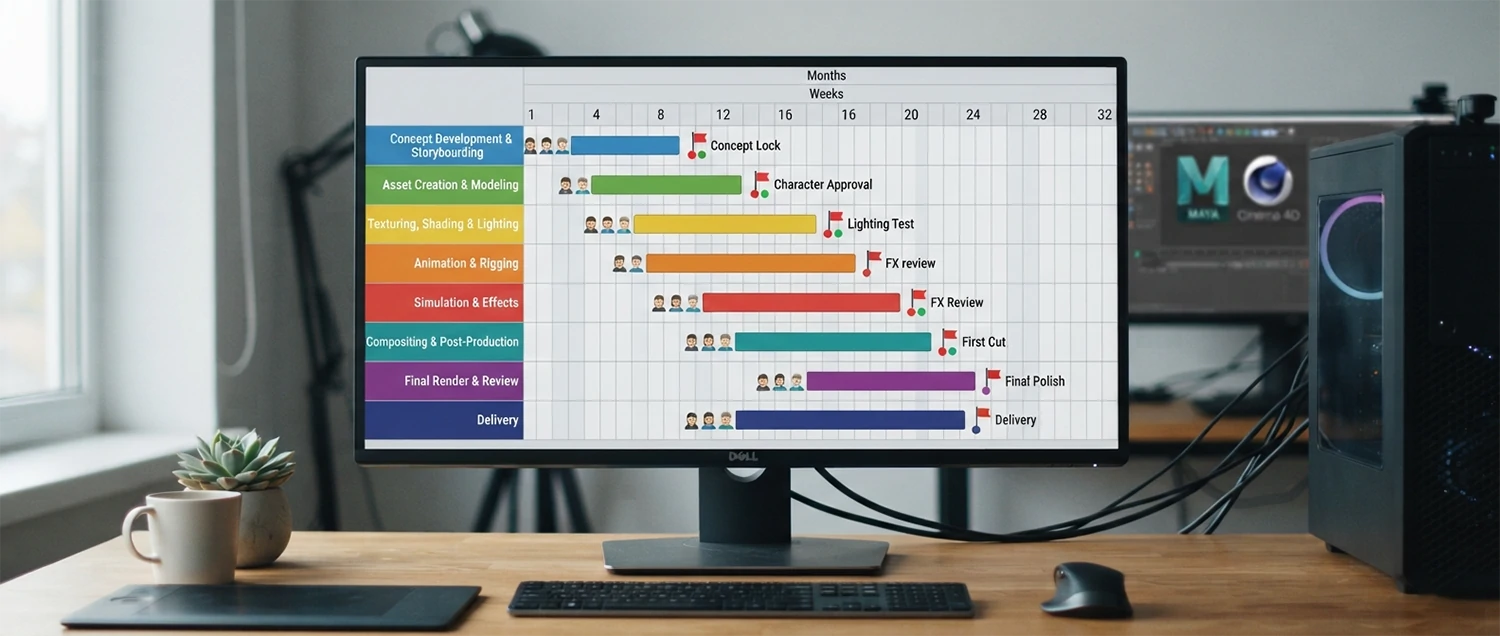
Effective project management is essential for successful 3D motion graphics production. The complexity of 3D workflows requires careful coordination of creative talent, technical resources, timelines, and budgets. Understanding project management best practices helps clients collaborate effectively and ensures smooth project execution from start to finish.
Clear scope definition at the project outset prevents misunderstandings and uncontrolled scope expansion. The scope document should specify exactly what will be delivered including video length, visual style, resolution, formats, revision allowances, and delivery timeline. It should also clarify what is not included, such as additional versions, extended revisions beyond the allowance, or rush delivery. A well-defined scope protects both client and provider and provides a clear reference throughout the project.
Milestone-based project tracking provides visibility into progress and helps identify potential issues early. Typical milestones include creative brief approval, storyboard approval, style frame sign-off, first draft animation review, and final delivery. Each milestone should have clear acceptance criteria and a designated approver on the client side. Regular milestone reviews keep the project on track and ensure alignment between client expectations and provider delivery.
Effective revision management prevents one of the most common sources of project friction. Establish the number and type of revisions included in your project scope, with a clear process for submitting revision requests. Revisions should be consolidated into rounds rather than submitted individually to maintain production efficiency. Major revisions that change the creative direction after production has begun may require additional budget and timeline adjustments.
Delivery specifications should be agreed upon early in the project. Determine the required video formats, codecs, resolutions, and frame rates for each distribution platform. Discuss whether source files will be provided or only final rendered videos. Establish a secure file transfer method for large video files. Clear delivery specifications prevent last-minute technical issues and ensure the final content works correctly across all intended platforms and applications.
Frequently Asked Questions About 3D Motion Graphics
Businesses exploring 3D motion graphics services often have common questions about process, costs, and expectations. This section addresses the most frequently asked questions to help clients make informed decisions and approach their projects with confidence.
How long does a typical 3D motion graphics project take? Project timelines vary based on complexity, but most professional projects take between four and twelve weeks from initial briefing to final delivery. Simple projects with established style and limited animation may be completed in two to three weeks. Complex projects with custom modeling, intricate animations, and detailed rendering can take three to six months. The timeline depends on project scope, provider workload, and the efficiency of the client review and approval process.
What information do I need to provide to get started? Providers typically need a creative brief describing the project goals, target audience, key messages, and desired tone. Reference materials including brand guidelines, existing marketing content, and examples of animation styles you admire are also helpful. Technical specifications such as video length, format requirements, and distribution platforms should be clarified upfront. The more information you provide, the more accurate your proposal and timeline will be.
Can 3D motion graphics match my existing brand identity? Yes, professional studios can adapt their creative approach to align with existing brand guidelines. This includes matching brand colors, typography, visual style, and tone of voice. Many providers start with a brand discovery phase to understand your visual identity before production begins. Providing comprehensive brand guidelines helps ensure consistency across all your visual communications and marketing materials.
What formats will I receive for my final deliverables? Most providers deliver final content in multiple formats optimized for different platforms. Common formats include MP4 for web and social media, MOV for broadcast-quality applications, and specialized formats for specific platforms. Providers typically deliver the highest resolution version and can create downscaled versions for different applications. Discuss your delivery format requirements early to ensure compatibility with your distribution systems.
Who owns the rights to the final content? Ownership terms should be clearly defined in the service agreement. Typically, clients receive full usage rights to the final rendered video content for their specified purposes. Source files including 3D scene files and project files may be subject to separate licensing terms. Some providers include full IP transfer in their standard pricing, while others charge additional fees for source file delivery. Review ownership terms carefully before signing your agreement.

3D Motion Graphics for Social Media
Social media platforms have become a primary distribution channel for 3D motion graphics content. The unique characteristics of each platform require tailored approaches to content creation, and understanding these nuances helps businesses maximize the impact of their animated content across social channels.
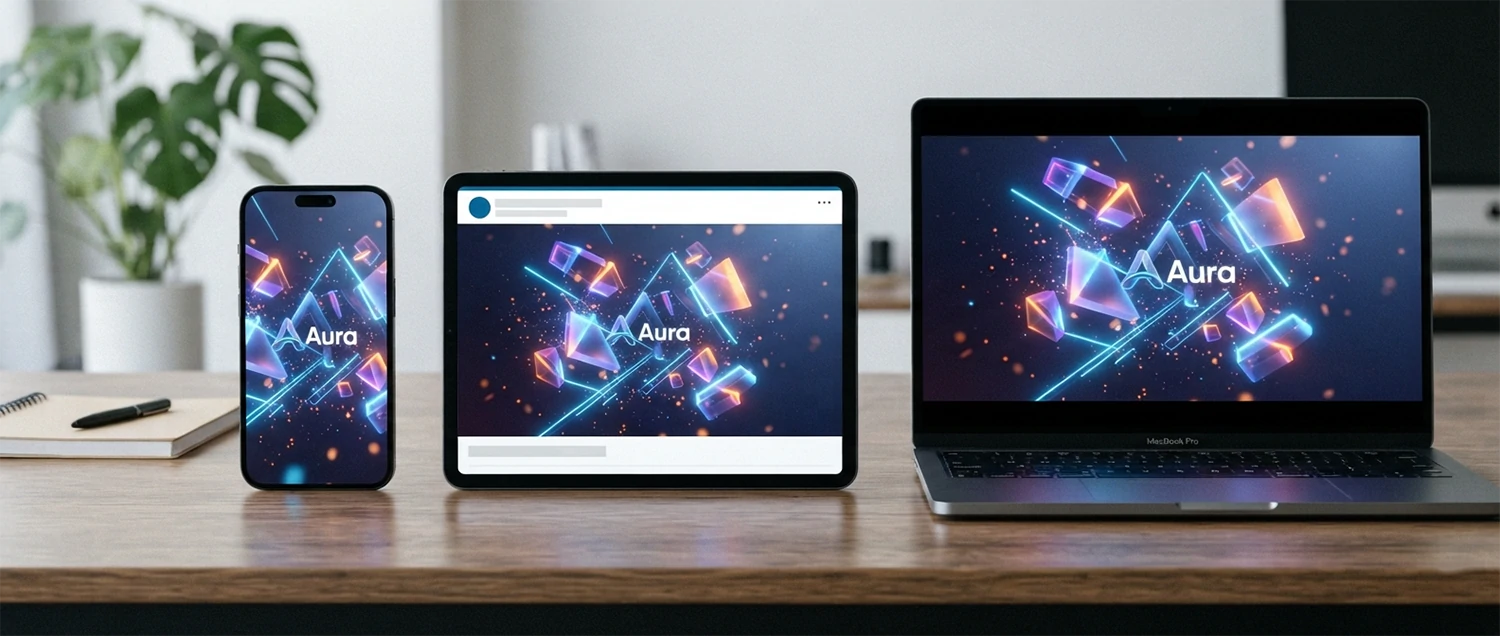
Instagram and TikTok demand short, visually arresting content that captures attention within the first two seconds. 3D motion graphics for these platforms should feature bold colors, dynamic movement, and clear messaging that works without sound since many users scroll with audio off. Vertical aspect ratios are essential, and content should be designed to loop seamlessly for continuous viewing. The most successful 3D content on these platforms uses abstract geometric animations, product reveals, and typographic treatments that stop the scroll.
LinkedIn provides an opportunity for more professional and educational 3D motion graphics content. Explainer videos, data visualizations, and product demonstrations perform well on the platform, where audiences are seeking professional insights and business value. LinkedIn content can be longer, typically thirty to sixty seconds, and should include captions for accessibility. The professional context of LinkedIn makes it ideal for B2B companies using 3D motion graphics to explain complex products or services.
YouTube serves as both a distribution platform and a search engine for video content. Longer-form 3D motion graphics content performs well on YouTube, including product launch films, brand stories, and educational series. YouTube content can explore topics in greater depth and benefits from strong titles, descriptions, and thumbnail designs. 3D motion graphics creators increasingly use YouTube to showcase showreels and portfolio pieces that demonstrate their capabilities to potential clients.
Cross-platform optimization ensures maximum return on your 3D motion graphics investment. Creating content with the flexibility to be adapted for multiple platforms, from a sixty-second master edit to fifteen-second vertical cuts, extends the value of your production. Planning for multiplatform distribution during the pre-production phase rather than as an afterthought results in more cohesive content that works effectively across your entire social media presence.
Common Mistakes to Avoid in 3D Motion Graphics
Even experienced businesses can make mistakes when commissioning 3D motion graphics. Being aware of common pitfalls helps clients avoid costly errors and ensures their projects achieve the desired results. Learning from others mistakes is far less expensive than learning from your own.
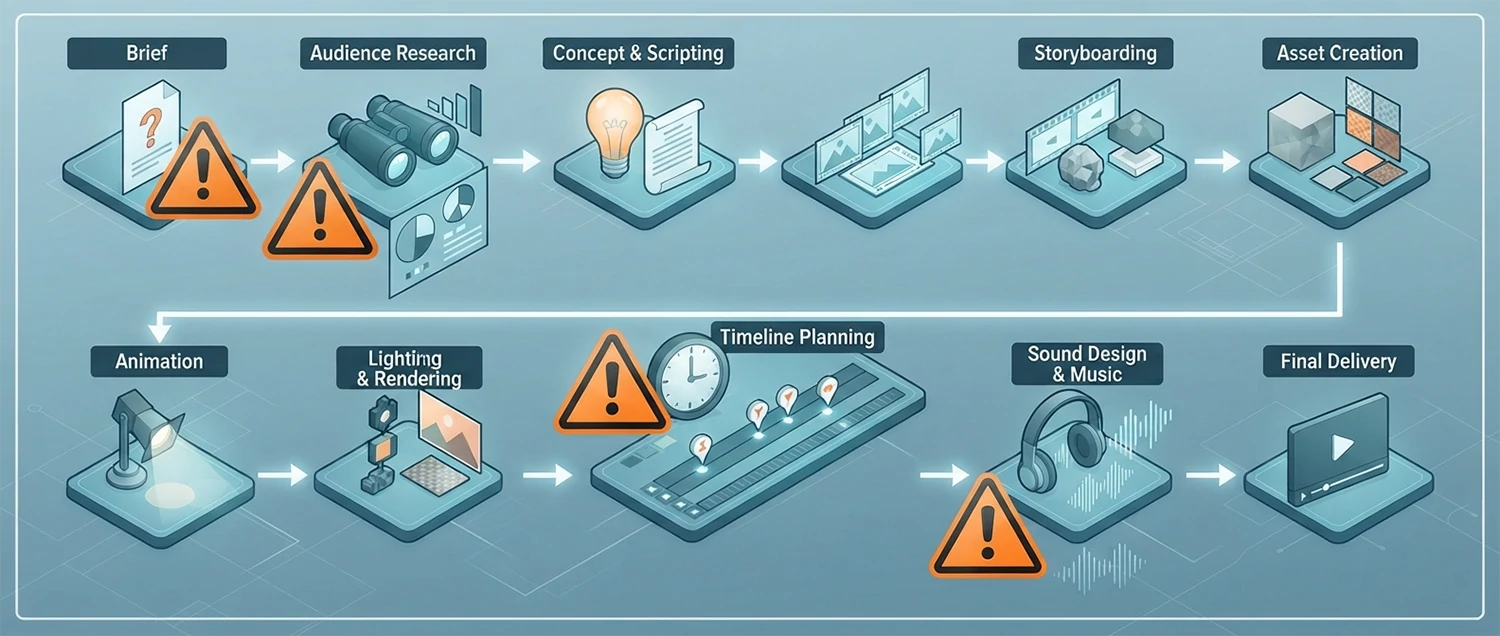
Insufficient planning and briefing is the most common and costly mistake. Projects that begin without a clear creative brief, defined objectives, and agreed-upon success metrics often suffer from scope creep, missed deadlines, and unsatisfactory results. Investing time in the briefing phase, including providing comprehensive reference materials and clear brand guidelines, pays enormous dividends throughout the production process. A well-written creative brief is the foundation of a successful project.
Choosing style over substance is another frequent error. Visually stunning 3D motion graphics that fail to communicate a clear message or drive a specific action are ultimately ineffective. The best 3D motion graphics balance visual impact with clear communication, using the medium capabilities to enhance rather than overshadow the message. Every visual element should serve the communication goal, and no amount of visual sophistication can compensate for a weak message or unclear call to action.
Ignoring the target audience perspective leads to content that impresses internally but fails to connect with viewers. Businesses sometimes create content they find visually appealing without considering what their audience needs or wants to see. Effective 3D motion graphics are designed from the audience perspective, addressing their questions, concerns, and interests. Understanding audience demographics, preferences, and viewing contexts should inform every creative decision from style to pacing to platform selection.
Setting unrealistic timelines and budgets creates pressure that compromises quality. Quality 3D motion graphics require adequate time for creative development, production, and refinement. Rushed projects often result in technical issues, creative compromises, and stressful working relationships. Honest conversations about timelines and budgets at the project outset, with appropriate contingencies for revisions and unexpected challenges, lead to better outcomes and more positive experiences for everyone involved.
Neglecting sound design undermines the impact of even the best visual content. Audio accounts for a significant portion of the viewer experience, and poor sound quality, inappropriate music, or missing sound effects diminish the overall effectiveness of the piece. Investing in professional sound design, quality voice-over talent, and properly licensed music is essential for creating content that feels complete and professional across all viewing contexts.
The Future of 3D Motion Graphics
The 3D motion graphics industry stands at an exciting crossroads where technological advancement and creative innovation are converging to create new possibilities. Understanding emerging trends and future directions helps businesses prepare for the evolving landscape and position themselves at the forefront of visual communication.
Artificial intelligence and machine learning are poised to transform 3D motion graphics production fundamentally. AI tools already assist with tasks like automatic rotoscoping, intelligent upscaling, motion matching, and even generating initial concept artwork. As AI technology continues to advance, we can expect more sophisticated assistance with animation, lighting optimization, and creative ideation. However, the human creative director role in setting artistic vision, making strategic decisions, and ensuring emotional resonance will remain essential and irreplaceable.
Real-time and interactive 3D content will become increasingly prevalent as game engine technology continues to evolve and become more accessible. The distinction between pre-rendered and real-time content will blur as real-time rendering quality approaches offline renderer standards. Interactive 3D experiences, from product configurators to virtual showrooms to interactive marketing campaigns, will become standard expectations rather than premium options. Businesses that embrace interactive 3D content will have significant advantages in audience engagement and personalization.
Virtual and augmented reality integration will create new dimensions for 3D motion graphics. As VR and AR hardware becomes more affordable and widespread, demand for content designed specifically for immersive experiences will grow. 3D motion graphics artists will need to adapt their skills for spatial design, environmental storytelling, and interactive narrative structures. Early adopters of immersive 3D content will establish strong positions in their markets as these technologies become mainstream.
Democratization of tools and skills will continue to lower barriers to entry for 3D motion graphics creation. Cloud-based rendering, more intuitive software interfaces, and extensive learning resources make professional-quality 3D motion graphics accessible to a broader range of creators. This democratization will increase competition but also expand the market as more businesses discover the value of 3D animated content. Established studios will differentiate through creativity, strategic thinking, and production reliability rather than technical access alone.
Sustainability considerations will increasingly influence production practices in the 3D motion graphics industry. Energy-efficient rendering techniques, cloud-based distributed computing, and optimized production workflows will reduce the environmental impact of 3D production. Clients will increasingly consider environmental practices in their provider selection, making sustainability a competitive differentiator for forward-thinking studios and an important consideration for businesses commissioning 3D motion graphics.
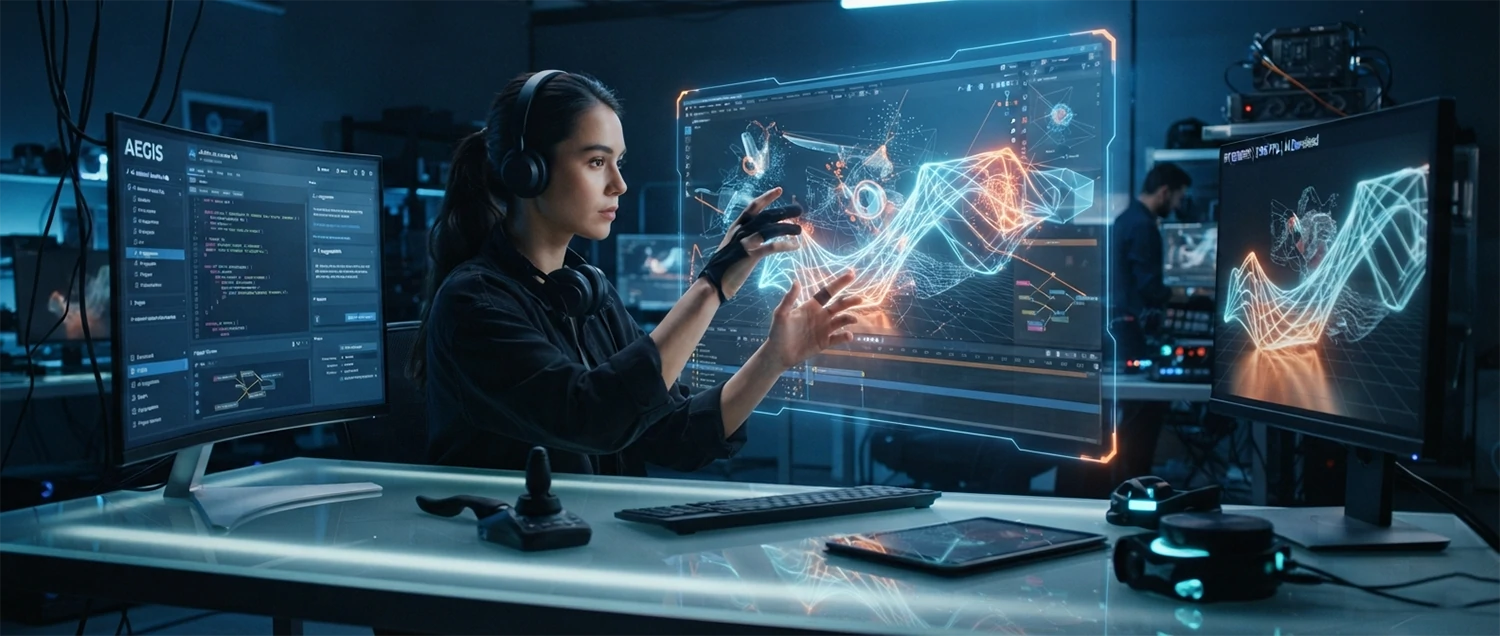
Elevate Your Brand with 3D Motion Graphics
3D motion graphics have become an essential tool for businesses seeking to communicate effectively in an increasingly visual and competitive digital landscape. The combination of dimensional depth, dynamic animation, and creative storytelling creates content that captures attention, conveys information clearly, and leaves lasting positive impressions on viewers. As technology continues to advance and costs become more accessible, 3D motion graphics are transitioning from a competitive advantage to a business necessity.
The key to success with 3D motion graphics lies in thoughtful planning, clear communication with your service provider, and a relentless focus on your audience needs and preferences. The most effective projects begin with a clear understanding of the communication objectives, target audience, and brand identity. Investing time in the pre-production phase, including creative brief development and style exploration, pays dividends throughout the production process and ensures the final content achieves its intended goals.
Businesses considering 3D motion graphics should approach the process with realistic expectations about timelines, costs, and creative collaboration. Quality 3D motion graphics require significant expertise, time, and resources to produce. However, the investment delivers measurable returns in engagement, brand perception, and communication effectiveness that justify the cost for projects where visual impact is critical to success.
As you evaluate 3D motion graphics for your next project, take the time to research potential providers, review their portfolios, and discuss your vision in detail. The right creative partnership will produce content that not only meets your immediate project needs but also builds a foundation for ongoing visual communication that strengthens your brand over time. The world of 3D motion graphics offers unlimited creative possibilities for those ready to explore them.
Whether you are launching a new product, explaining a complex service, building brand awareness, or creating content for a major event, professional 3D motion graphics can help you achieve your communication goals with impact and style. The investment in quality motion graphics is an investment in how your audience perceives and remembers your brand, making it one of the most valuable components of your marketing and communication strategy.
Ready to Create Something Amazing?
Let our experienced team of 3D motion graphics artists bring your vision to life. From concept to delivery, we partner with you to create content that captivates and converts.