
Dive into the exciting world of creative advertising agencies and see how they supercharge brand success.
Table of contents
- Introduction to Creative Advertising Agencies
- History and Evolution of Advertising Agencies
- What Makes an Agency Creative?
- Case Studies of Successful Creative Campaigns
- Building Strong Client-Agency Relationships
- Ethical Considerations in Advertising
- Global Perspectives on Advertising
- Success Metrics for Creative Campaigns
- The Role of Technology in Modern Creative Agencies
- Tips for Businesses Choosing a Creative Agency
- Challenges Faced by Creative Agencies
- Future Trends in Advertising
- Conclusion
- Ready to Unleash Your Brand’s Creativity?
Introduction to Creative Advertising Agencies

Hey there! In this whirlwind digital age we’re living in, where everyone’s glued to their screens and messages fly by faster than you can blink, standing out feels like climbing Mount Everest in flip-flops. That’s exactly where creative advertising agencies swoop in to save the day. These aren’t your run-of-the-mill marketing firms—they’re the wizards who craft stories that don’t just grab your attention, they hold onto it like a lifeline.
Picture this: agencies that blend art, psychology, and cutting-edge tech to create campaigns that resonate on a soul-deep level. From viral TikTok challenges to heartwarming Super Bowl spots, these folks are the unsung heroes turning brands into beloved household names. And let’s be real, in a world drowning in ads, that’s no small feat.
But here’s the kicker—what makes an agency truly “creative”? It’s not just about pretty pictures or catchy jingles. It’s about understanding what makes people tick, solving real problems in unexpected ways, and building connections that last. Whether you’re a startup hustling to get noticed or a big corporation looking to reignite that spark, partnering with a creative agency could be the game-changer you’ve been dreaming of.
As we journey through this guide, we’ll unpack the fascinating evolution of advertising, dissect what sets the creative giants apart, celebrate some legendary campaigns, and peek into the crystal ball at what’s coming next. You’ll walk away with insights that could transform how you approach marketing—whether you’re on the agency side or the client side.
The ad world has morphed dramatically over the years, from simple newspaper notices to AI-powered personalized experiences. Creative agencies have been leading this charge, constantly innovating to keep up with shifting consumer behaviors and tech breakthroughs. It’s a thrilling time to be in this space, and understanding these agencies is key to navigating it successfully.
One thing that really sets creative agencies apart is their fearless approach to boundaries. They don’t just execute briefs—they question them, reimagine them, and sometimes throw them out the window entirely. This bold mindset is crucial in an era where consumers are savvy skeptics, not passive recipients.
Plus, these agencies bring a multidisciplinary vibe that’s hard to beat. They mash up insights from behavioral science, data analytics, and good old-fashioned creativity to build campaigns that work across every touchpoint. It’s this holistic approach that ensures every ad, email, or social post contributes to a bigger, more impactful story.
For businesses, teaming up with a creative agency opens doors to talent pools, tools, and perspectives you might not have in-house. But it’s not just about the shiny deliverables—it’s about gaining partners who grow with you, challenge you, and help you connect with your audience in meaningful ways.
Throughout this piece, we’ll dive deep into all these aspects, sharing practical wisdom and real-world examples. Ready to explore the history that shaped this industry? Let’s roll!
History and Evolution of Advertising Agencies
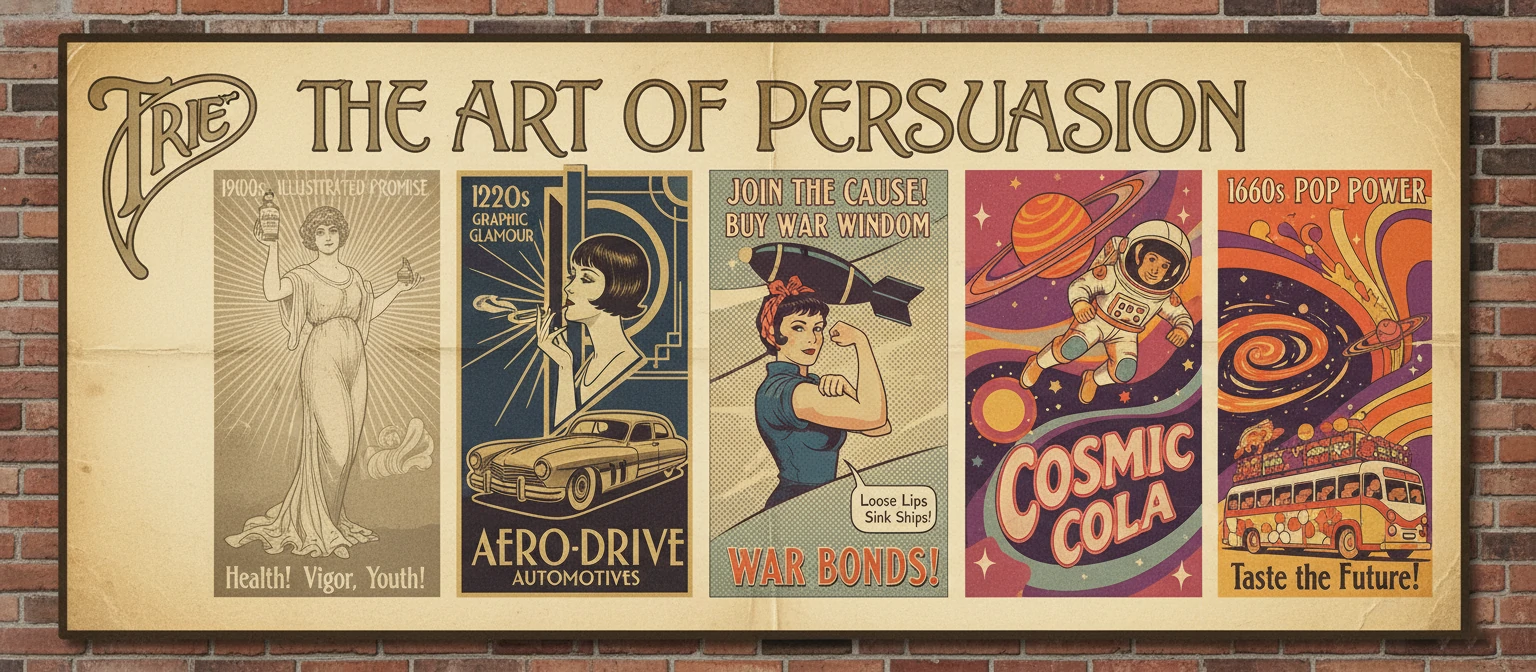
Let’s take a trip back in time to see how advertising agencies went from humble beginnings to the creative powerhouses they are today. It’s a story of adaptation, innovation, and a whole lot of hustle.
The first agencies popped up in the early 1800s in America. Guys like Volney Palmer weren’t creating ads—they were middlemen connecting newspapers with advertisers and collecting fees. Creativity? Not so much. It was all about logistics back then.
Fast-forward to the 20th century, and things got interesting. The rise of radio, TV, and eventually the internet created new playgrounds for advertisers. Agencies started hiring writers, artists, and strategists to craft compelling messages. The Mad Men era of the ’50s and ’60s? That was advertising’s golden age of creativity, with campaigns that didn’t just sell products—they became cultural touchstones.
The ’80s and ’90s brought the digital revolution. Computers and the web forced agencies to evolve or die. Traditional media gave way to interactive platforms, and agencies had to get savvy with web design, email, and early social media.
Today? We’re in the AI and personalization era. Creative agencies are tech-forward innovators using machine learning, VR, and data to create immersive, one-to-one experiences. The focus has shifted from mass appeal to hyper-targeted, emotionally resonant campaigns.
This transformation mirrors how society itself has changed. We’ve gone from broad, one-way communication to interactive, personalized dialogues. Social media has democratized advertising, letting small businesses compete globally, but it’s also ramped up the competition and shortened attention spans.
Creative agencies have responded by becoming more agile and integrated. Many now offer full-service packages covering strategy, creative, media, and analytics. This end-to-end approach ensures creativity drives every decision, not just the fun parts.
The history lesson here? Creativity evolves with the times. Agencies that innovate and adapt thrive; those that cling to the past get left behind. It’s a reminder that in advertising, as in life, change is the only constant.
Up next, we’ll explore what makes an agency truly creative in today’s world. Spoiler: It’s more than just cool ideas—it’s a whole mindset.
What Makes an Agency Creative?

Creativity in advertising isn’t some mystical force—it’s a tangible set of qualities and practices that set the best agencies apart. Let’s break down what really makes an agency creative.
At its heart, creative agencies excel at solving problems in fresh, unexpected ways. They don’t just follow briefs—they challenge assumptions and come up with solutions that surprise and delight. This requires deep empathy for the audience, a solid grasp of the brand’s essence, and the guts to take calculated risks.
Diversity is another hallmark. Creative agencies attract talent from all walks of life—artists, coders, psychologists, marketers. This mix sparks innovation and leads to campaigns that are richer and more nuanced.
They also foster a culture of experimentation. “What if” questions are encouraged, and failure is seen as a learning opportunity. This environment lets wild ideas flourish, often resulting in breakthrough campaigns.
Adaptability is key too. Creative agencies stay ahead of trends, constantly learning about new tech and consumer shifts. They’re quick to pivot strategies based on real-time data.
Collaboration is baked into their DNA. They love bringing clients, partners, and internal teams together to co-create. This approach often yields campaigns that feel authentic and deeply connected to audiences.
Finally, creative agencies measure success holistically. Sure, ROI matters, but they also care about cultural impact, brand love, and long-term loyalty. This broader view drives them to create work that’s not just effective, but enduring.
In short, what makes an agency creative is its commitment to pushing limits, embracing diversity, and delivering experiences that inspire. These traits turn ordinary marketing into extraordinary brand magic.
Case Studies of Successful Creative Campaigns

Nothing illustrates the power of creative advertising like real-world success stories. Let’s look at some campaigns that didn’t just sell—they captivated hearts and minds.
Apple’s “1984” Super Bowl Commercial
Apple’s groundbreaking 1984 ad, directed by Ridley Scott, introduced the Macintosh as a symbol of rebellion against conformity. It aired just once but sparked massive buzz and cemented Apple’s innovative image. The brilliance? It didn’t talk specs—it tapped into deeper human desires for freedom and change.
Nike’s “Just Do It” Campaign
Launched in 1988, Nike’s slogan became a mantra for perseverance. Featuring everyday athletes overcoming obstacles, it transformed Nike from a sneaker brand to an inspiration. The campaign’s timeless appeal shows how simple, motivational ideas can build lifelong brand loyalty.
Dove’s “Real Beauty” Campaign
In 2004, Dove challenged beauty norms with diverse women in their ads. The viral “Evolution” video sparked global conversations about self-image. It boosted sales and positioned Dove as a socially conscious brand, proving creativity can drive both profit and positive change.
Old Spice’s “The Man Your Man Could Smell Like”
Old Spice’s 2010 reboot featured rapid-fire humor and actor Isaiah Mustafa. It went viral, revitalizing a stale brand. This shows how embracing absurdity and social media can turn products into pop culture phenomena.
Coca-Cola’s “Share a Coke” Campaign
By printing names on bottles in 2011, Coke created a personalization craze. It encouraged sharing and user-generated content, boosting engagement and sales. Simple, participatory ideas can create massive emotional connections.
These stories highlight common threads: bold concepts, emotional hooks, cultural relevance, and conversation-starting power. Great creative work doesn’t just perform—it becomes part of the cultural fabric.
Building Strong Client-Agency Relationships

The magic of great advertising often happens behind the scenes, in the relationships between agencies and their clients. Let’s talk about what makes these partnerships thrive.
Trust is the foundation. Clients need to feel confident that agencies have their best interests at heart. This means transparent communication, honest feedback, and a willingness to challenge each other constructively.
Collaboration is key. The best campaigns emerge when clients and agencies work as true partners, sharing insights, brainstorming together, and iterating based on real data. It’s not “us vs. them”—it’s “we.”
Clear expectations prevent misunderstandings. From the start, both sides should align on goals, timelines, budgets, and success metrics. Regular check-ins keep everyone on the same page.
Cultural fit matters too. Agencies and clients should share values and work styles. A creative agency might not mesh well with a risk-averse client, just as a conservative firm might struggle with an innovative brand.
Long-term partnerships often yield the best results. When agencies become extensions of the client’s team, they gain deeper brand understanding and can create more authentic, effective work.
Of course, conflicts arise. The key is handling them productively—viewing disagreements as opportunities to strengthen the relationship and improve the work.
Successful client-agency relationships are built on mutual respect, open communication, and shared goals. They turn transactions into transformations.
Ethical Considerations in Advertising

With great creative power comes great responsibility. Let’s explore the ethical minefield that modern advertisers navigate.
Truthfulness is paramount. Misleading claims erode trust and can lead to legal trouble. Creative agencies must balance persuasion with honesty, ensuring claims are substantiated.
Privacy concerns are huge in our data-driven world. Agencies must handle consumer information responsibly, complying with regulations like GDPR and being transparent about data use.
Cultural sensitivity matters. Ads that offend or stereotype can backfire spectacularly. Creative teams need diverse perspectives to avoid unintentional harm.
Targeted advertising raises questions about fairness. While personalization can be beneficial, it can also create echo chambers or discriminate against vulnerable groups.
Environmental impact is increasingly scrutinized. “Greenwashing”—making false eco-claims—damages credibility. Authentic sustainability messaging builds trust.
Children’s advertising requires extra care. Agencies must avoid exploiting young minds or promoting unhealthy behaviors.
Ethical advertising isn’t about restrictions—it’s about opportunities. Brands that advertise responsibly often build stronger, more loyal relationships with consumers.
Creative agencies play a crucial role in upholding ethical standards, using their influence to promote positive messages and challenge harmful norms.
Global Perspectives on Advertising
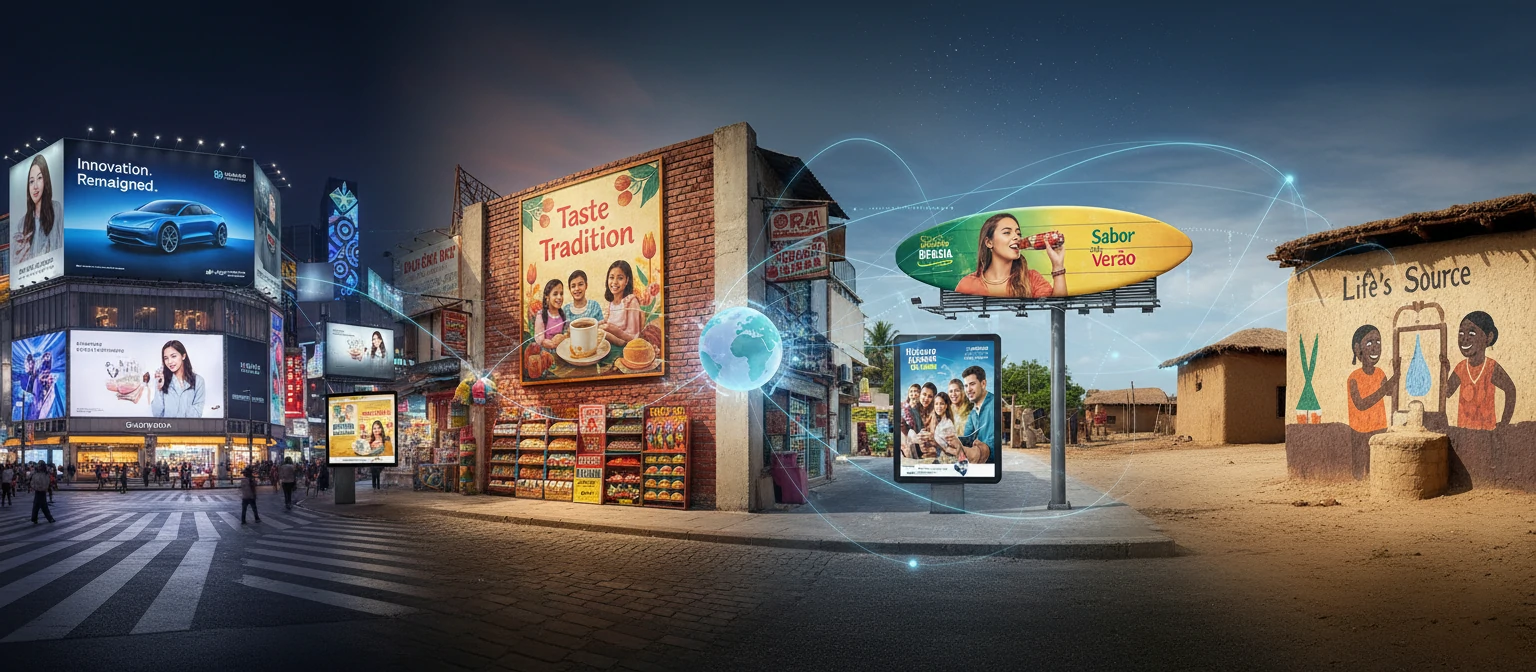
Advertising isn’t one-size-fits-all. Cultural nuances, legal frameworks, and consumer behaviors vary wildly around the world. Let’s explore how creative agencies adapt globally.
In Western markets, individualism and self-expression often drive campaigns. Think empowerment and personal achievement. But in collectivist cultures like Japan or China, harmony and group benefit resonate more.
Humor translates poorly across cultures. What’s hilarious in one country might offend in another. Agencies must research local sensibilities deeply.
Color symbolism varies too. White means purity in the West but mourning in some Asian cultures. Creative teams need cultural fluency to avoid missteps.
Legal landscapes differ dramatically. What’s acceptable in the US might be banned in the EU. Global agencies maintain teams of local experts to navigate regulations.
Technology adoption varies by region. While AI drives Western campaigns, emerging markets might focus more on mobile-first strategies due to infrastructure differences.
Sustainability messaging plays differently globally. Western consumers demand eco-action, while in developing nations, affordability and accessibility might take precedence.
Successful global campaigns often start with universal human truths—love, aspiration, belonging—then adapt to local contexts. This “glocal” approach balances global efficiency with local relevance.
Creative agencies with global reach invest in diverse teams and continuous cultural education. They view cultural differences not as barriers, but as sources of inspiration.
In our interconnected world, understanding global perspectives isn’t optional—it’s essential for creating advertising that truly connects across borders.
Success Metrics for Creative Campaigns

Measuring the impact of creative advertising goes beyond clicks and conversions. Let’s dive into the metrics that really matter.
Brand awareness is fundamental. Surveys and social listening can track how well campaigns increase recognition and recall.
Engagement metrics like shares, comments, and time spent tell us if content resonates emotionally.
Purchase intent and sales lift measure direct business impact. Attribution models help connect creative efforts to revenue.
Customer lifetime value assesses long-term loyalty. Great creative work often boosts retention and advocacy.
Sentiment analysis gauges emotional response. Positive buzz can be as valuable as direct sales.
Cultural impact metrics, like media coverage or awards, indicate broader influence.
Creative agencies balance quantitative data with qualitative insights. The best metrics tell a complete story of campaign effectiveness.
Remember, not all valuable outcomes are immediately measurable. Some of the most successful campaigns build equity that pays dividends for years.
The Role of Technology in Modern Creative Agencies

Technology isn’t just a tool for creative agencies—it’s the fuel that powers innovation. Let’s see how tech is transforming the industry.
AI is revolutionizing ideation and execution. Machine learning generates concepts, optimizes targeting, and personalizes content at scale.
AR and VR create immersive experiences. Virtual try-ons, interactive ads, and branded worlds transport consumers like never before.
Data analytics provide real-time insights, enabling agile optimization. Agencies can now adjust campaigns on the fly based on performance.
Social APIs and programmatic platforms enable hyper-personalized, omnichannel experiences that feel one-to-one.
Cloud collaboration tools break down geographical barriers, fostering seamless teamwork across time zones.
But tech amplifies creativity—it doesn’t replace it. The most successful agencies use technology to enhance human ingenuity, not define it.
Staying tech-savvy is crucial. Agencies must continuously learn and adapt to remain at the forefront of innovation.
Tips for Businesses Choosing a Creative Agency

Picking the right creative agency can make or break your marketing efforts. Here are some practical tips to guide your decision.
- Clarify Your Goals: Define objectives, audience, and budget upfront. This helps agencies tailor relevant proposals.
- Scrutinize Portfolios: Look beyond aesthetics. Assess how past work aligns with your brand and delivers results.
- Check Cultural Fit: Ensure values, communication styles, and work approaches mesh with your organization.
- Seek References: Talk to past clients about collaboration, outcomes, and challenges.
- Evaluate Tech Skills: In today’s landscape, agencies must excel with current tools and embrace emerging tech.
- Discuss Metrics: Understand success measurement and ensure alignment with your business goals.
- Consider Long-Term Potential: Look for partners interested in ongoing relationships, not just one-off projects.
Don’t always go for the cheapest option. Quality creative work builds brand equity and customer loyalty that pays off big time.
Following these tips will help you find an agency partner that meets current needs and grows with your business.
Challenges Faced by Creative Agencies
Despite their successes, creative agencies navigate a tough landscape. Let’s look at the biggest hurdles they face.
Client expectations are rising. Businesses want more bang for less buck, demanding viral results on shrinking budgets and timelines.
Talent acquisition is fierce. Top creative minds are in high demand, leading to turnover and constant recruitment needs.
Tech evolution requires heavy investment. Agencies must upskill teams and adopt new tools to stay competitive.
Measuring creative impact is tricky. While clicks are easy to track, long-term brand effects are harder to quantify.
Client-agency dynamics can be rocky. Misaligned expectations often spark conflicts.
Competition has intensified. Freelancers and in-house teams now rival traditional agencies, squeezing margins.
Ethical pressures are mounting. Navigating privacy, sensitivity, and responsible advertising adds complexity.
Top agencies turn challenges into opportunities, innovating and differentiating to stay ahead.
Future Trends in Advertising

The advertising world is evolving fast. Here are the trends shaping tomorrow’s creative agencies.
Hyper-Personalization: AI will enable one-to-one marketing tailored to individual preferences and behaviors.
Purpose-Driven Marketing: Consumers favor brands with authentic social and environmental commitments. Agencies will craft storytelling that highlights genuine responsibility.
Conversational AI: Voice assistants will demand conversational brand experiences across devices.
Immersive Tech: VR, AR, and mixed reality will create fully immersive brand worlds.
Privacy-First Approaches: Stricter regulations will require creative strategies that personalize without compromising data ethics.
Short-Form Dominance: TikTok and Reels will drive the need for bite-sized, highly engaging content.
Omnichannel Storytelling: Seamless experiences across platforms will become the gold standard.
Agencies embracing these trends will lead the industry forward.
Conclusion
Creative advertising agencies are the secret sauce of modern marketing, blending artistry with strategy to craft campaigns that captivate and convert. From their humble origins to their current status as innovation hubs, they’ve consistently pushed creative boundaries.
As we’ve explored, true creativity goes beyond visuals—it’s about psychology, tech, and storytelling that hits home. The case studies we’ve covered prove how bold thinking can transform brands and even culture.
For businesses, partnering with a creative agency opens doors to fresh perspectives, top talent, and tools that accelerate growth and build lasting equity.
Looking ahead, the role of creative agencies will only grow more vital. With new tech and shifting expectations, agencies that innovate while honoring creative roots will thrive.
Remember, creativity is your ultimate marketing superpower. Invest in it wisely, and watch your brand soar.
Thanks for joining this deep dive into creative advertising agencies. Hope it sparked some inspiration for your marketing journey!