
Discover creative ideas, tips, and strategies to kickstart your vlogging journey
Introduction
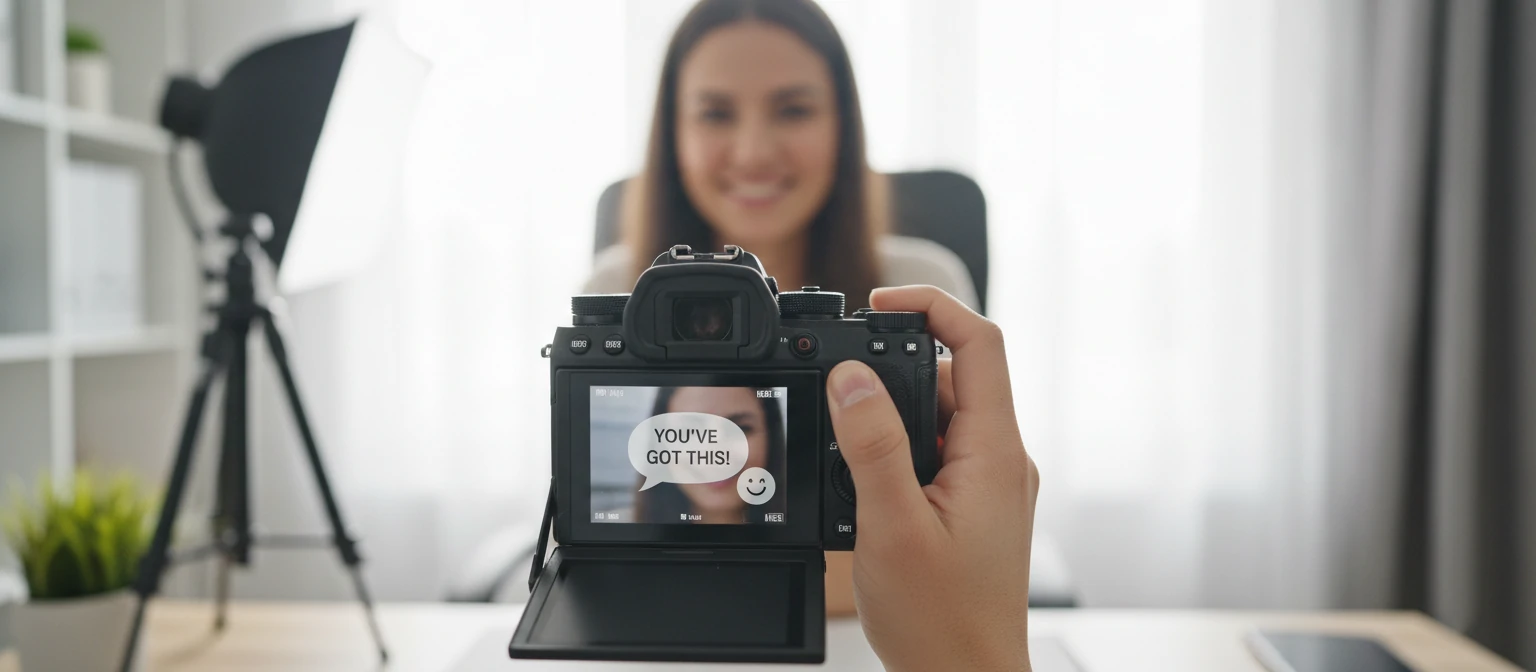
Hey there, aspiring vlogger! Ever dreamed of sharing your epic stories, passions, and daily adventures with the world through killer videos? Welcome to the thrilling world of vlogging! If you're a total newbie feeling a bit overwhelmed by the idea of creating video content, you've landed in the perfect spot. This ultimate guide is crafted just for beginners like you, loaded with practical vlog ideas, step-by-step advice, and insider tips to help you kick off your vlogging adventure with total confidence.
Vlogging, short for video blogging, has blown up in popularity over the past decade. From makeup tutorials to travel adventures, people from all walks of life are using vlogs to connect with audiences, build awesome communities, and even turn their hobbies into full-time gigs. But where do you even start? How do you come up with compelling content? What gear do you need? And most importantly, how can you make your vlogs stand out in a crowded online world?
In this jam-packed guide, we'll cover everything you need to know about vlog ideas for beginners. We'll break down the basics of vlogging, dive into creative content ideas, and share actionable strategies to help you grow your channel. Whether you're into cooking, fitness, tech, or just sharing your everyday life, you'll find tons of inspiration and guidance here.
Remember, every successful vlogger started as a beginner just like you. With dedication, creativity, and the right approach, you can create content that really connects with viewers and builds a loyal following. So, grab your camera (or smartphone), and let's jump into the world of vlogging together!
What is Vlogging?
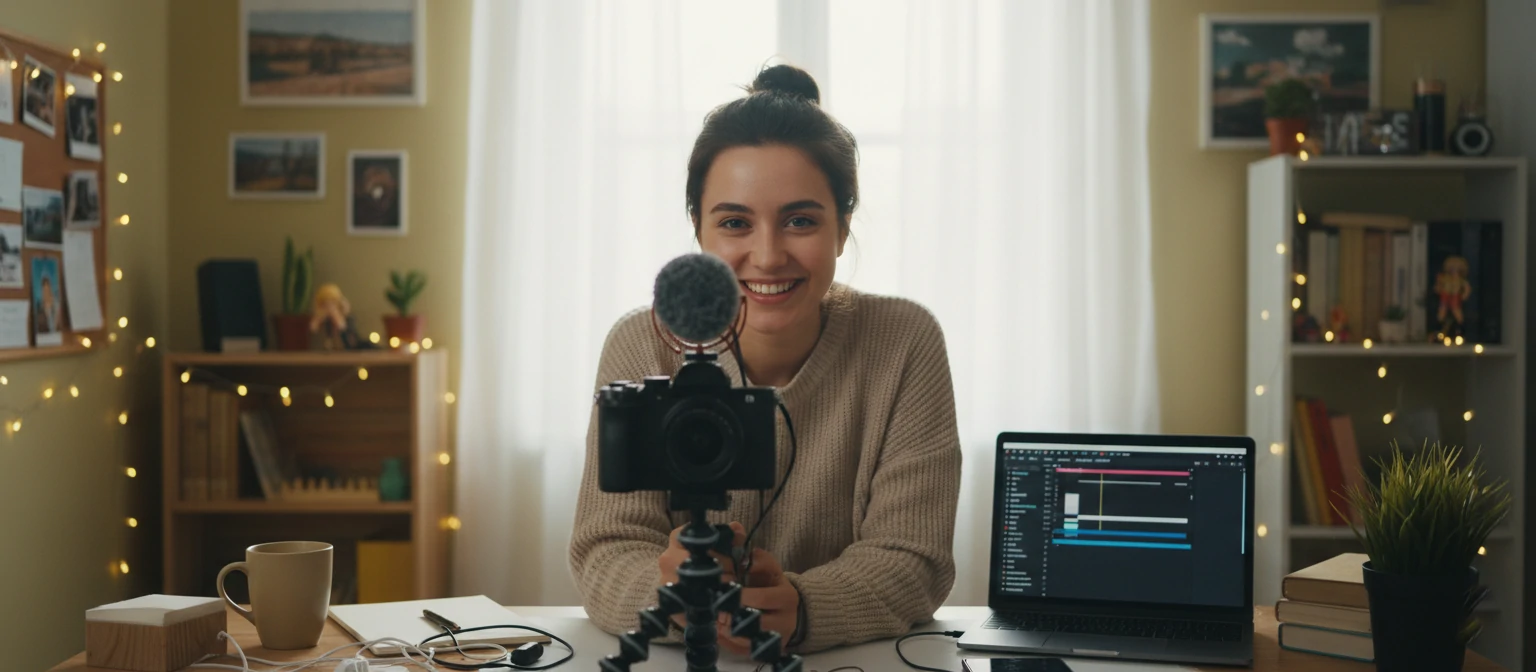
Alright, before we dive into the fun stuff like ideas and strategies, let's get clear on what vlogging really is. Vlogging, or video blogging, is the practice of creating and sharing video content online, typically in a blog-like format. Unlike traditional written blogs, vlogs use video to tell stories, share experiences, and engage with audiences in a more personal and immersive way.
At its core, vlogging is all about authenticity and connection. Vloggers often share their thoughts, opinions, and experiences in a conversational style, making viewers feel like they're having a chat with a friend. This personal touch is what sets vlogging apart from more polished, professional video content.
Vlogs can be as short as 30 seconds or as long as an hour, depending on the platform and content. Popular platforms for vlogging include YouTube, TikTok, Instagram Reels, and even longer-form content on Vimeo or personal websites. The beauty of vlogging is its versatility – you can vlog about absolutely anything that interests you!
As a beginner, you might be wondering if vlogging is right for you. If you enjoy talking to people, have a passion you want to share, or simply want to document your life and experiences, vlogging could be a perfect fit. It's a creative outlet that allows you to express yourself while potentially building a community of like-minded individuals.
Why Start Vlogging as a Beginner?
If you're here reading this, you're probably thinking about starting a vlog but might be feeling a bit hesitant. Maybe you're worried about your lack of experience, or wondering if you have what it takes to create engaging content. Let me tell you: everyone starts somewhere, and vlogging is more accessible than ever before.
Here are some compelling reasons why you should give vlogging a try:
- Creative Expression: Vlogging allows you to share your unique perspective and passions with the world. Whether you're into cooking, gaming, or exploring new places, vlogging gives you a platform to express yourself creatively.
- Skill Development: Creating vlogs helps you develop valuable skills like video production, editing, public speaking, and storytelling. These skills can benefit you in many areas of life, not just vlogging.
- Community Building: Vlogging connects you with people who share your interests. You'll be surprised how supportive and encouraging the vlogging community can be.
- Personal Growth: The process of planning, filming, and editing vlogs can boost your confidence and help you overcome fears of being on camera.
- Potential Income: While not guaranteed, successful vlogs can lead to monetization through ads, sponsorships, merchandise, and more.
Don't let perfectionism hold you back. Your first vlogs don't need to be flawless – they just need to be authentic. Remember, viewers connect with real people, not polished productions. Start small, learn as you go, and watch your skills improve over time.
One beginner vlogger I know started with simple "day in the life" videos filmed on their phone. Now, they have thousands of subscribers and collaborate with brands. Your journey could be just as rewarding!
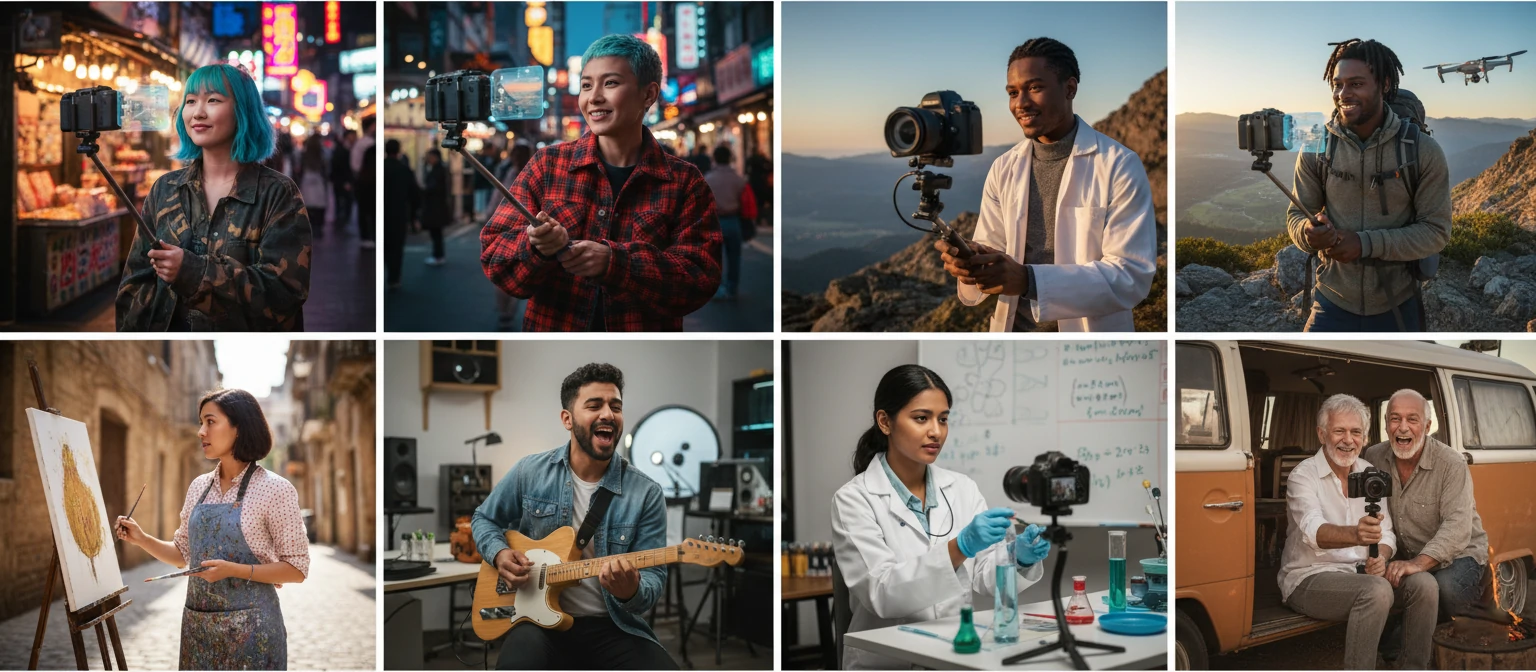
Essential Equipment for Beginners
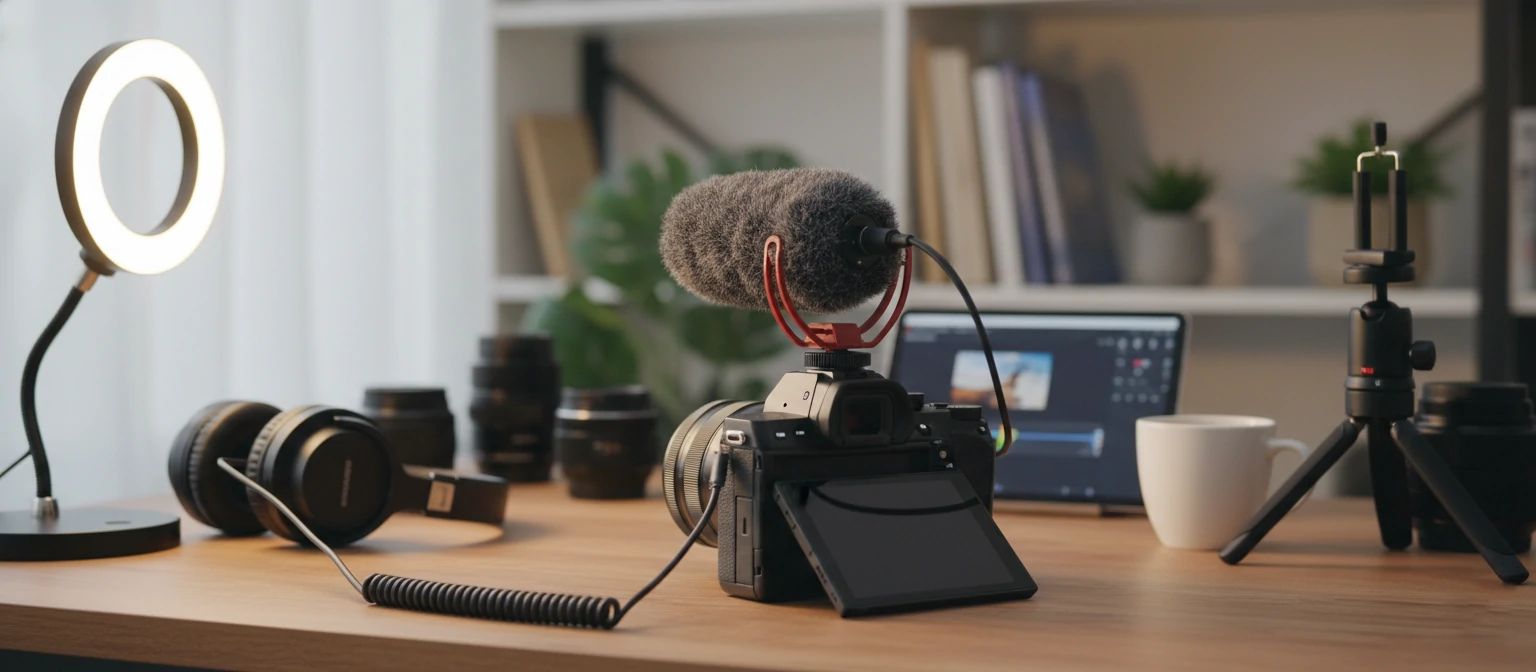
You don't need a Hollywood budget to start vlogging. Many successful vloggers began with just their smartphones. However, investing in a few key pieces of equipment can significantly improve your video quality and make the process more enjoyable.
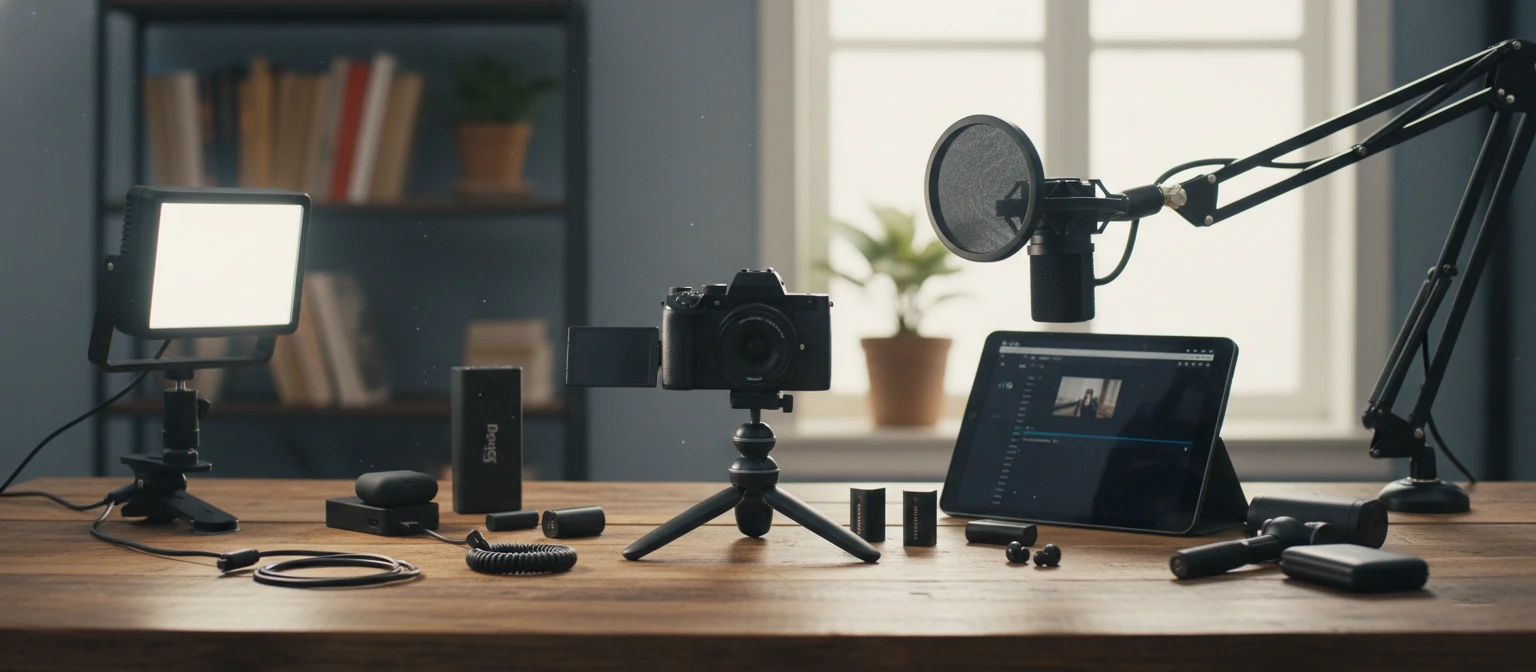
Here's a beginner-friendly equipment list:
- Camera: Start with your smartphone's camera. If you want to upgrade, consider a budget-friendly option like a Canon EOS M50 or Sony A6000. These provide better image quality without breaking the bank.
- Microphone: Good audio is crucial. Your phone's built-in mic might work for starters, but invest in a lavalier microphone (around $20-50) for clearer sound. For better quality, look into USB microphones like the Blue Yeti.
- Lighting: Natural light is free and often the best, but for consistent results, get a ring light ($20-100) or softbox lights. These help eliminate harsh shadows and make you look more professional.
- Tripod: A sturdy tripod ($20-50) keeps your camera steady and allows for hands-free operation. Look for one with adjustable height and angles.
- Editing Software: Free options like iMovie (for Mac), DaVinci Resolve, or HitFilm Express are great for beginners. If you're on Windows, try CapCut or Adobe Premiere Rush.
Remember, equipment is just a tool. Your creativity and personality are what will truly make your vlogs shine. Start with what you have and upgrade as your channel grows.
Pro tip: Before buying anything, research reviews and watch tutorial videos. Many vloggers share their gear recommendations, which can help you make informed decisions.
Planning Your First Vlog
Planning might not sound exciting, but it's the foundation of great vlogs. A well-planned video is easier to film, edit, and will likely perform better with viewers. Let's break down the planning process step by step.
1. Choose Your Niche: What topics are you passionate about? What unique perspective can you offer? Your niche could be travel, cooking, fitness, technology reviews, or even "day in the life" content. Pick something you enjoy talking about consistently.
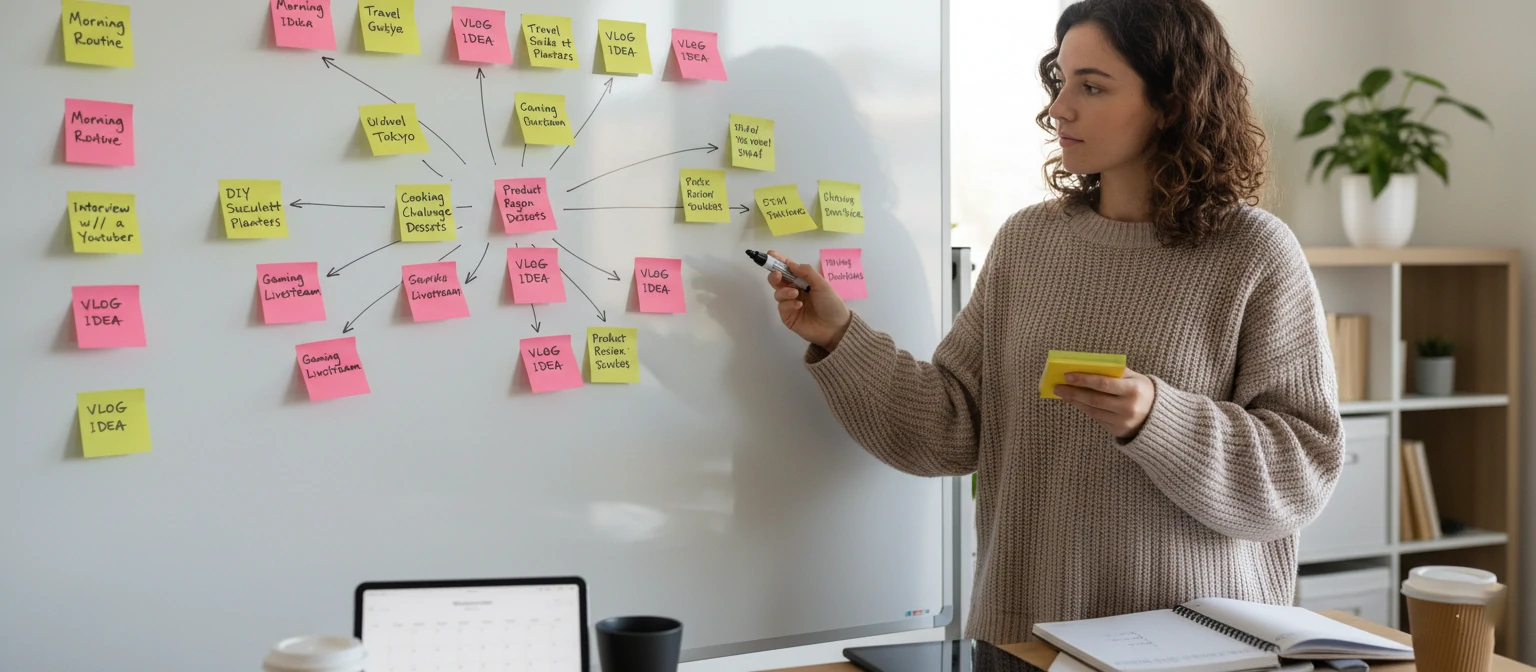
2. Brainstorm Content Ideas: Jot down 10-20 video ideas within your niche. Think about what your audience might find valuable or entertaining. For beginners, start with topics you're knowledgeable about.
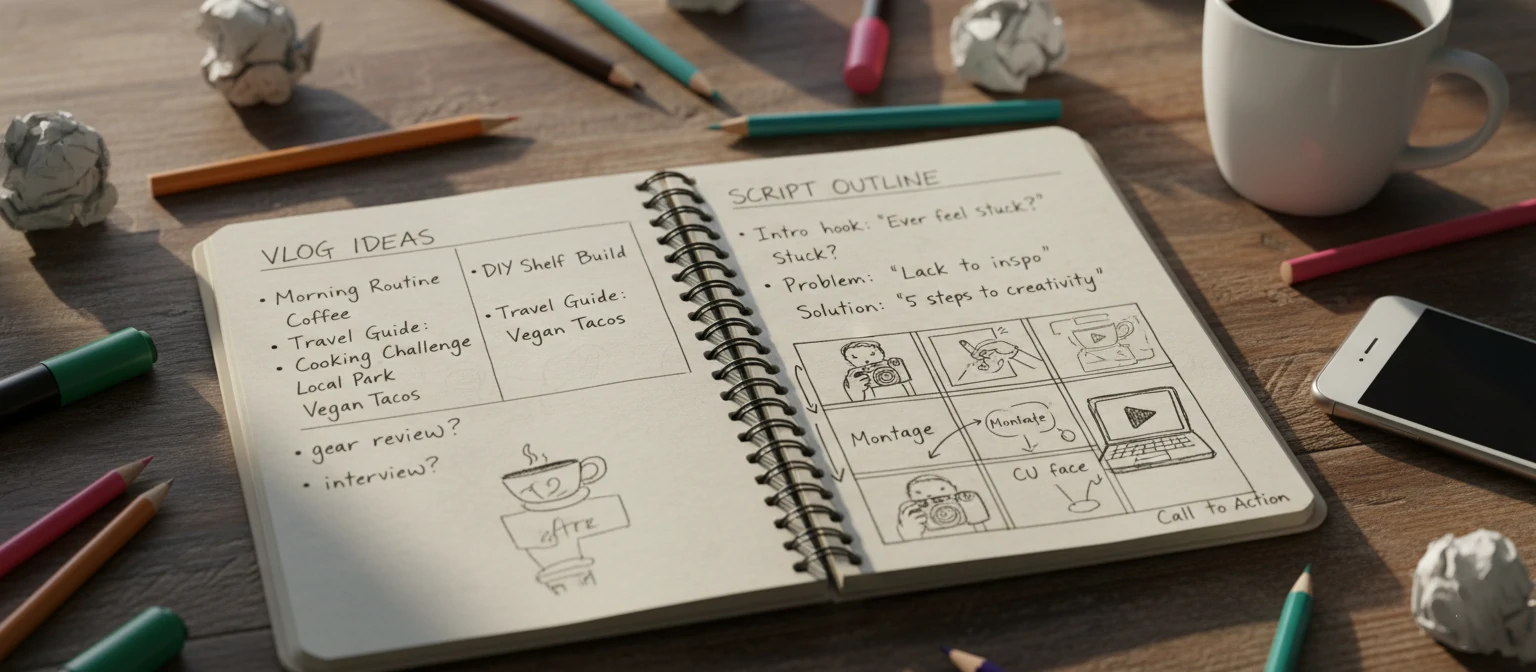
3. Create a Script or Outline: Not every vlog needs a full script, but having an outline helps. Write down key points you want to cover, transitions, and a strong opening and closing.
4. Storyboard Your Shots: Sketch out the visual elements of your vlog. Where will you film? What B-roll footage do you need? This helps you visualize the final product.
5. Gather Resources: Collect any props, locations, or additional footage you'll need. Make sure your equipment is charged and ready.
6. Set Realistic Goals: For your first vlog, aim for 5-10 minutes. Focus on quality over quantity. As you gain experience, you can experiment with longer formats.
Planning doesn't have to be time-consuming. Spend 30-60 minutes outlining your video before filming. This preparation will save you hours during editing and result in a more polished final product.
Filming Techniques and Tips
Now comes the fun part – filming! While vlogging is about authenticity, there are some techniques that can make your videos more engaging and professional-looking. Let's dive into some essential filming tips for beginners.
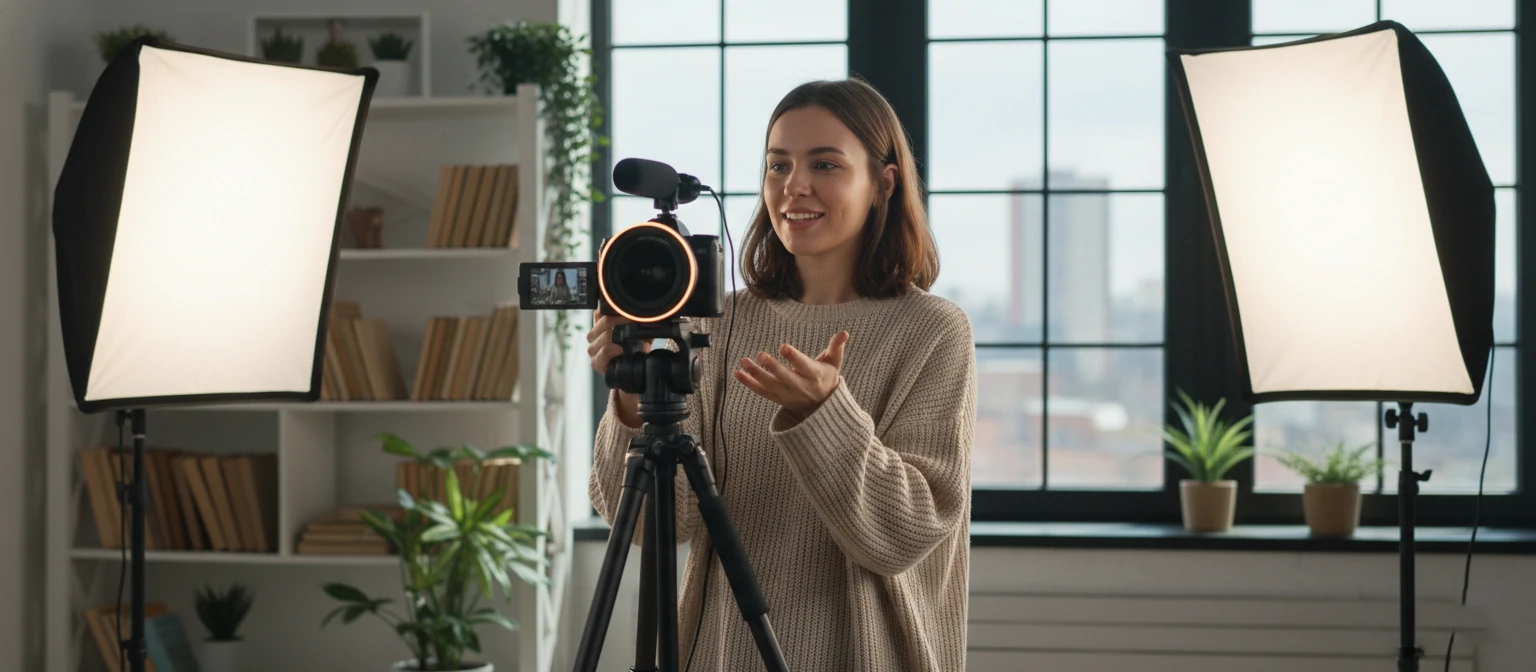
Lighting: Good lighting can make or break your vlog. Film near a window during the day for soft, natural light. If indoors, position yourself facing the light source. Avoid backlighting, which can make you appear as a silhouette.
Composition: Use the rule of thirds – imagine dividing your frame into a 3x3 grid and placing key elements along the lines. Keep your head in the top third of the frame and leave some headroom.
Audio: Speak clearly and at a consistent volume. Minimize background noise. If possible, use an external microphone for better sound quality.
Camera Stability: Use a tripod or stabilizer to avoid shaky footage. If hand-holding, brace your arms against your body for steadier shots.
Engagement: Look directly at the camera lens to create eye contact with viewers. Smile, use hand gestures, and vary your tone to keep things interesting.
B-Roll: Don't just film yourself talking. Include relevant footage, graphics, or cutaways to break up the monotony and add visual interest.
Test Shots: Before your main filming session, do a quick test run. Check your lighting, audio, and framing. Adjust as needed.
Remember, practice makes perfect. Your first few vlogs might feel awkward, but you'll get more comfortable with each video. Watch your footage back and note what works well and what you can improve.
Editing Your Vlog
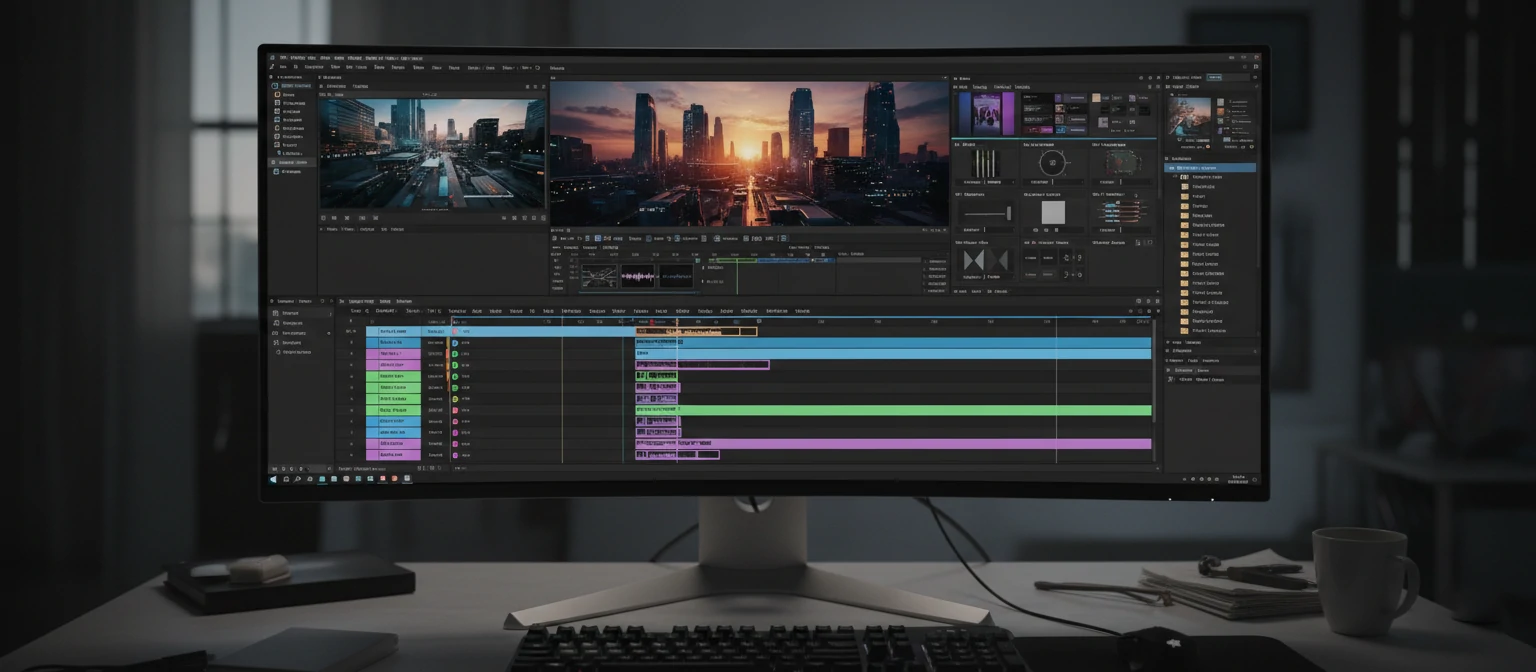
Editing is where your raw footage transforms into a polished vlog. Don't worry if you're new to editing – there are plenty of user-friendly tools available. Let's explore the editing process step by step.
1. Import Your Footage: Start by importing all your clips into your editing software. Organize them into folders or bins for easy access.
2. Cut Unnecessary Footage: Watch through your raw footage and cut out mistakes, long pauses, or irrelevant parts. Aim to keep your video concise and engaging.
3. Arrange Your Clips: Place your clips in a logical sequence on the timeline. Add transitions between scenes for smooth flow.
4. Add Music and Sound Effects: Background music can enhance the mood of your vlog. Use royalty-free music from sites like Epidemic Sound or YouTube Audio Library. Add sound effects to emphasize points.
5. Color Correction: Adjust brightness, contrast, and colors to make your footage look consistent and professional.
6. Add Text and Graphics: Include lower thirds for names/titles, text overlays for key points, and graphics to make your vlog more visually appealing.
7. Export and Upload: Once you're happy with your edit, export in a high-quality format suitable for your platform. Add captions and thumbnails before uploading.
Editing takes time, especially for beginners. Your first edits might take hours, but you'll get faster with practice. Watch tutorials for your specific software and experiment with different techniques.
Content Ideas for Beginners
Coming up with vlog ideas can be challenging, especially when you're just starting out. The key is to focus on topics you're passionate about and that provide value to your audience. Here are some beginner-friendly vlog ideas across various niches:
Daily Life Vlogs:
- A Day in My Life
- Morning Routine
- What I Eat in a Day
- My Workspace Tour
Tutorial and How-To Videos:
- Beginner Cooking Recipes
- Simple DIY Crafts
- Tech Gadget Reviews
- Fitness Workouts for Beginners
Travel and Adventure:
- Budget Travel Tips
- Hidden Gems in My City
- Day Trips and Outings
- Cultural Experiences
Lifestyle and Personal Development:
- Book Reviews and Recommendations
- Productivity Hacks
- Mental Health Discussions
- Hobby Showcases
Entertainment and Fun:
- Movie or TV Show Reactions
- Challenge Videos
- Q&A Sessions
- Comedy Skits
When brainstorming ideas, ask yourself: What problems can I solve for my viewers? What unique experiences can I share? What would I want to watch if I were a subscriber?
Start with 5-10 core ideas and build a content calendar. Consistency is key – post regularly to keep your audience engaged. As you grow, you can branch out into new topics based on viewer feedback.
Building an Audience
Growing an audience takes time and consistent effort, but it's achievable with the right strategies. Here are some tips for beginners looking to build their vlog following:
Optimize for Search: Use relevant keywords in your titles, descriptions, and tags. Research what terms your target audience is searching for.
Engage on Social Media: Share your vlogs on platforms like Instagram, TikTok, and Twitter. Create short clips to tease your full videos.
Collaborate with Others: Reach out to vloggers in similar niches for shoutouts or collabs. This can expose you to new audiences.
Interact with Viewers: Respond to comments, ask for feedback, and create community-focused content. Building relationships leads to loyal fans.
Consistency is Key: Post regularly – even if it's once a week. Set a schedule and stick to it.
Analyze and Adapt: Use analytics tools to see what's working. Pay attention to watch time, likes, and subscriber growth.
Remember, building an audience is a marathon, not a sprint. Focus on creating quality content that serves your viewers, and the followers will come.

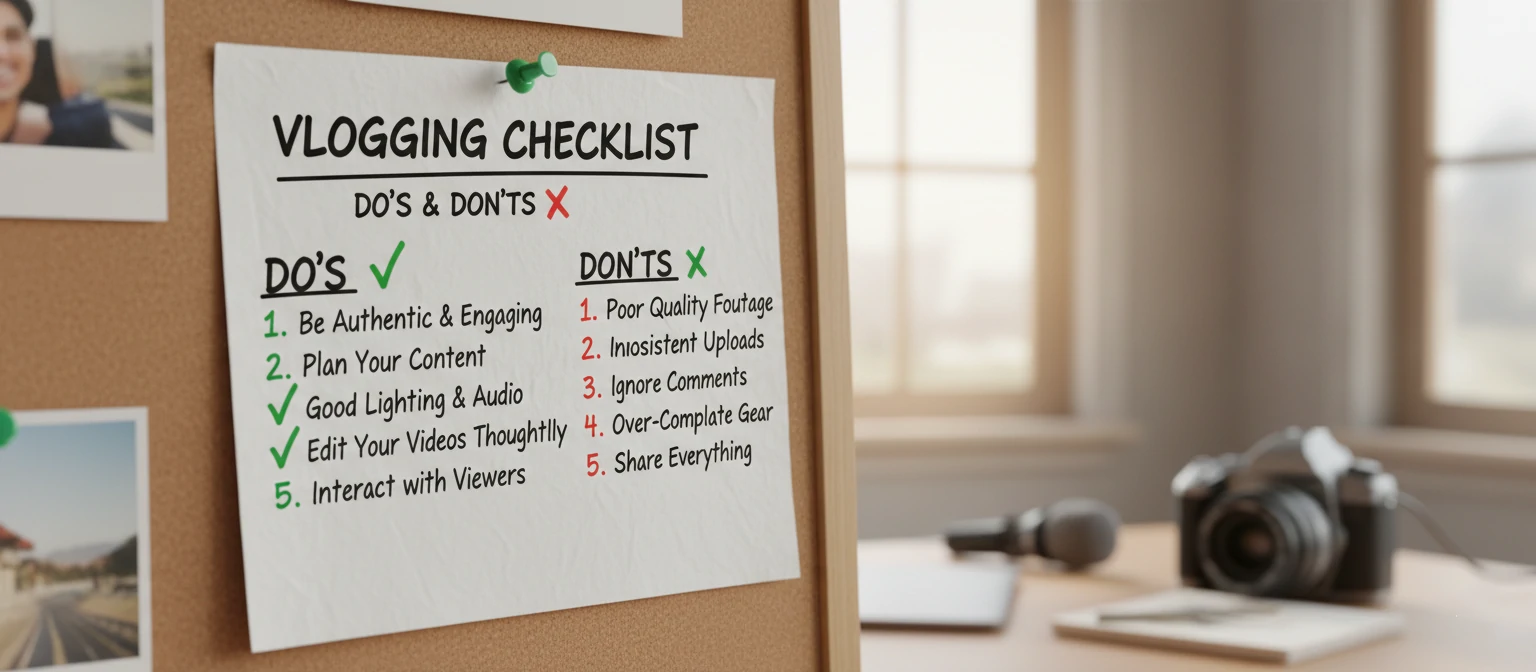
Common Mistakes to Avoid
As a beginner, it's normal to make mistakes. Learning from them is part of the process. Here are some common pitfalls to watch out for:
- Poor Audio Quality: Invest in good audio equipment early. Bad sound can make viewers click away.
- Inconsistent Posting: Set a schedule and stick to it. Irregular uploads can cause subscribers to lose interest.
- Ignoring SEO: Optimize your videos for search engines to increase discoverability.
- Over-Editing: Don't overdo effects or transitions. Authenticity is more important than flashy production.
- Not Engaging with Audience: Respond to comments and build relationships with your viewers.
- Comparing Yourself to Others: Focus on your unique journey rather than competing with established vloggers.
Every successful vlogger has made mistakes along the way. The key is to learn from them and keep improving. Don't be too hard on yourself – vlogging is a skill that develops over time.
Conclusion
Congratulations on taking the first step towards becoming a vlogger! Remember, every expert was once a beginner, and your unique voice and perspective are exactly what the world needs. Start small, stay consistent, and most importantly, have fun with the process.
Vlogging is more than just creating videos – it's about building connections, sharing your passions, and inspiring others. Whether you dream of quitting your day job or simply want to document your adventures, vlogging can be incredibly rewarding.
So, what are you waiting for? Grab your camera, pick a topic you're excited about, and start creating. Your first vlog might not be perfect, but it's the beginning of an amazing journey. Keep learning, keep experimenting, and watch your skills and audience grow.
If you have questions or want to share your vlogging experiences, feel free to reach out. Happy vlogging!