

Discover how back office outsourcing can transform your business efficiency and focus on growth
Table of contents
- Introduction to Back Office Service Providers
- Understanding Back Office Functions
- Benefits of Outsourcing Back Office Services
- Types of Back Office Service Providers
- How to Choose the Right Back Office Service Provider
- Case Studies and Real-World Examples
- Challenges and Solutions in Back Office Outsourcing
- Common Mistakes to Avoid in Back Office Outsourcing
- Calculating the ROI of Back Office Outsourcing
- What Our Clients Say
- Ready to Transform Your Business?
- Future Trends in Back Office Outsourcing
- Conclusion: Embracing Back Office Outsourcing for Business Success
- Frequently Asked Questions
Introduction to Back Office Service Providers
Picture this: You're juggling a million things in your business – chasing new clients, innovating products, and trying to stay ahead of the competition. But then there are those endless administrative tasks that suck up your time and energy. That's where back office service providers come in. They're like the unsung heroes who handle all the behind-the-scenes work, so you can focus on what really matters – growing your business and making it thrive.
Think about it: accounting headaches, HR paperwork, IT glitches, and data management nightmares. These are the back office functions that keep everything running, but they don't directly bring in revenue. As your business expands, these tasks can become overwhelming. That's why more and more savvy entrepreneurs are outsourcing them to experts who know how to do it right, efficiently, and cost-effectively.
In this guide, we're going to dive deep into the world of back office outsourcing. You'll learn why it's a game-changer, how to pick the perfect provider, and real stories of businesses that transformed their operations. Whether you're just starting out or looking to streamline an established company, we've got you covered. Let's get started on your journey to a more efficient, profitable business!
Key Takeaway: Back office service providers are the unsung heroes of business operations, enabling companies to focus on innovation while ensuring all administrative functions are handled professionally and efficiently.
Understanding Back Office Functions
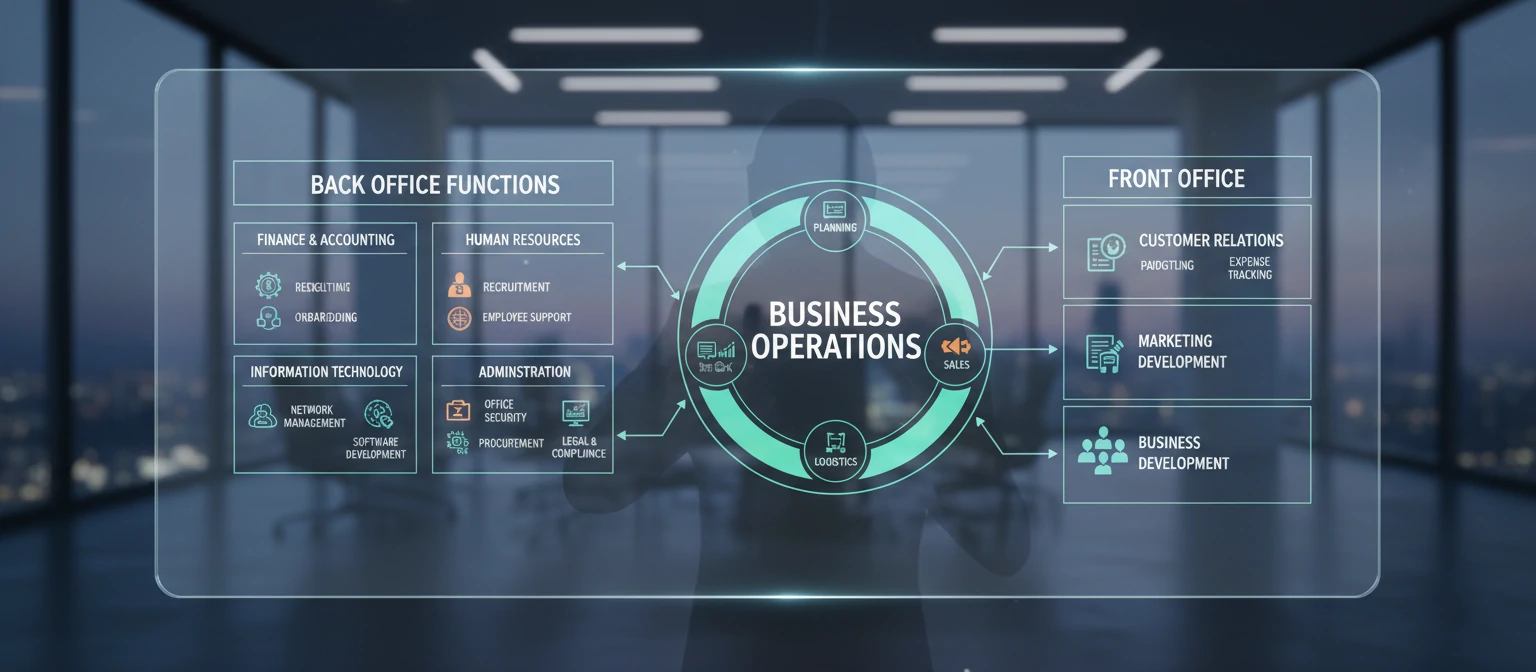
Before diving into the benefits and selection process, it's crucial to understand what constitutes back office functions. These are the support activities that enable the core business operations to function effectively. Unlike front office roles that directly interact with customers, back office functions work behind the scenes to maintain the infrastructure and processes that drive business success.
Core Back Office Functions
- Accounting and Finance: Managing financial records, payroll, tax compliance, and financial reporting.
- Human Resources: Employee onboarding, benefits administration, payroll processing, and compliance management.
- Information Technology: IT support, data management, cybersecurity, and software maintenance.
- Customer Service Support: Handling customer inquiries, order processing, and complaint resolution.
- Data Entry and Management: Processing and organizing business data, maintaining databases.
- Procurement and Supply Chain: Managing vendor relationships, inventory control, and logistics.
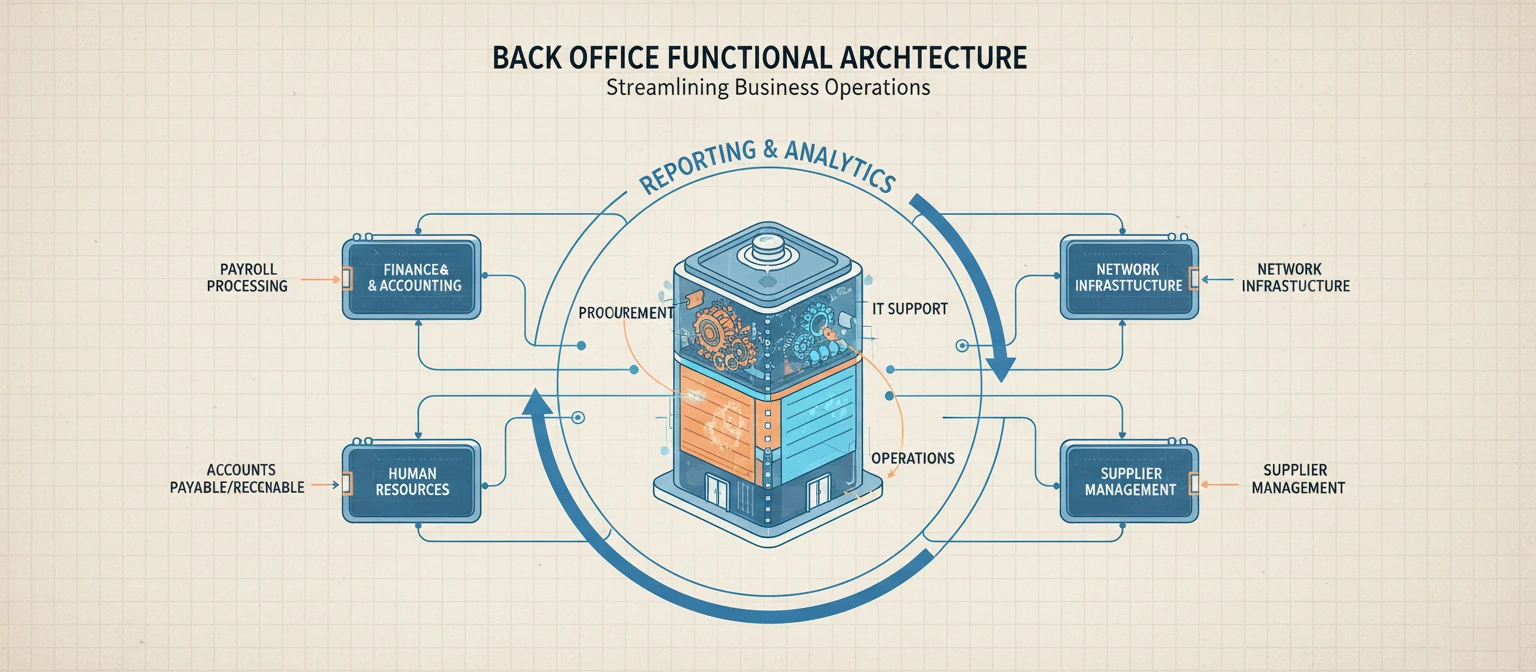
These functions, while essential, can be resource-intensive and require specialized knowledge. Many businesses find that outsourcing these tasks to dedicated providers allows them to access expert-level services without the overhead of maintaining in-house teams.
Benefits of Outsourcing Back Office Services
Cost Savings and Efficiency
Let's face it – running a business isn't cheap. But outsourcing your back office tasks can seriously lighten the load on your wallet. Imagine slashing those hefty salaries, training costs, and office space expenses. Many providers work in areas with lower costs, so they can offer you top-notch service at a fraction of what you'd pay in-house.
Plus, it turns those annoying fixed costs into flexible ones. As your business grows or shrinks, your outsourcing costs can adjust accordingly. Perfect for startups that are scaling up or companies riding the waves of seasonal demand.
Access to Expertise and Technology
Back office service providers invest heavily in the latest technologies and employ specialists in their respective fields. This means your business gains access to cutting-edge tools and methodologies that might be too expensive or complex to implement in-house.

For instance, many providers use advanced software for automated data processing, AI-powered analytics, and secure cloud-based systems. This not only improves efficiency but also enhances data security and compliance.
Focus on Core Business
By delegating back office tasks to specialists, your team can dedicate more time and energy to strategic activities that drive revenue and innovation. This focus on core competencies can lead to improved product development, better customer service, and increased market competitiveness.
Pro Tip: Companies that outsource back office functions often report a 20-30% increase in productivity as employees shift their focus from administrative tasks to value-adding activities.
Types of Back Office Service Providers
The back office services market offers a variety of provider types, each catering to different business needs and scales. Understanding these options will help you identify the best fit for your organization.
Full-Service BPO Companies
Business Process Outsourcing (BPO) companies offer comprehensive back office solutions, handling multiple functions under one roof. These providers are ideal for businesses seeking a one-stop-shop for all their administrative needs.
Specialized Service Providers
For businesses with specific requirements, specialized providers offer deep expertise in particular areas such as accounting, IT, or HR. These firms often provide more tailored solutions and industry-specific knowledge.
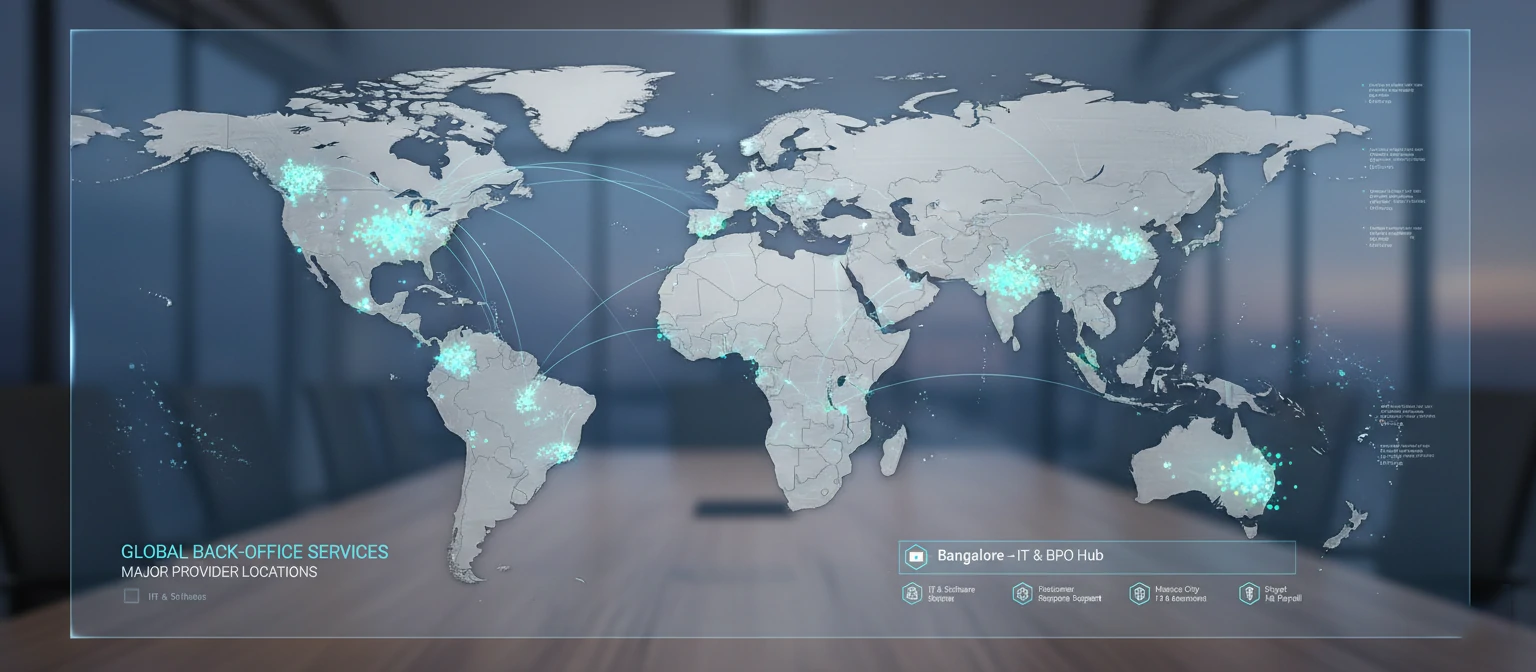
Offshore and Nearshore Providers
Location-based providers offer cost advantages through offshore operations while nearshore options provide similar time zones and cultural alignment. The choice between offshore and nearshore often depends on communication needs and data security requirements.
Cloud-Based and Technology-Driven Providers
Modern providers leverage cloud technology to deliver scalable, secure, and accessible back office services. These solutions often include advanced analytics and real-time reporting capabilities.
How to Choose the Right Back Office Service Provider
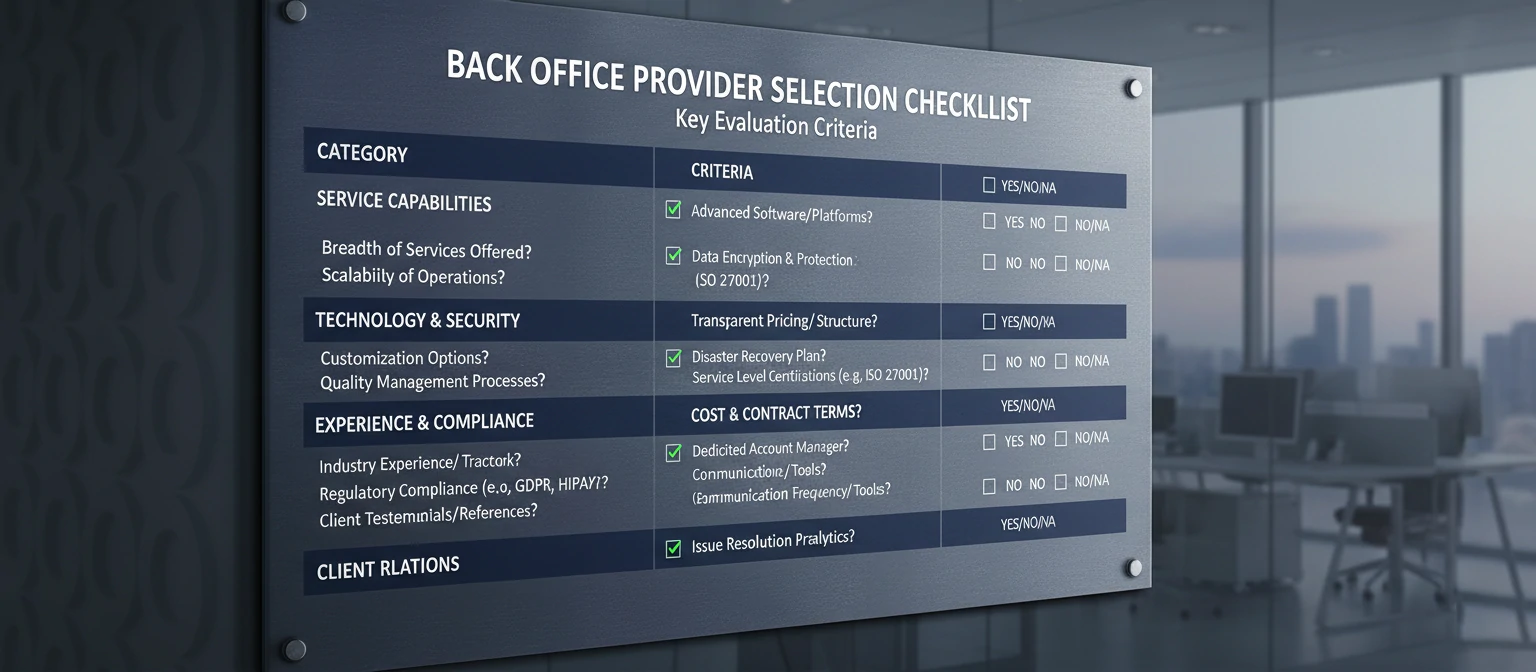
Selecting the right back office service provider is a critical decision that can impact your business operations for years to come. A systematic approach to evaluation will help ensure you partner with a provider that aligns with your goals and values.
Assess Your Needs
Begin by conducting a thorough assessment of your current back office functions. Identify pain points, bottlenecks, and areas where outsourcing could provide the most value. Consider factors such as volume of work, complexity of tasks, and your internal capacity.
Evaluate Provider Credentials
- Check certifications and compliance standards
- Review client testimonials and case studies
- Assess technological capabilities and security measures
- Evaluate scalability and flexibility
Consider Cultural Fit and Communication
Effective communication is crucial for successful outsourcing relationships. Consider time zone differences, language capabilities, and cultural alignment when evaluating providers.
Negotiate Contracts and SLAs
Clear contracts with defined Service Level Agreements (SLAs) are essential. Ensure agreements cover performance metrics, data security, confidentiality, and exit strategies.
Case Studies and Real-World Examples
Real-world examples demonstrate the transformative impact of back office outsourcing. Let's examine a few case studies that highlight successful implementations.
E-commerce Startup Scales Operations
A rapidly growing e-commerce company outsourced its accounting and inventory management to a specialized BPO provider. This allowed the startup to focus on product development and marketing, resulting in a 150% increase in sales within 18 months.
Manufacturing Firm Improves Efficiency
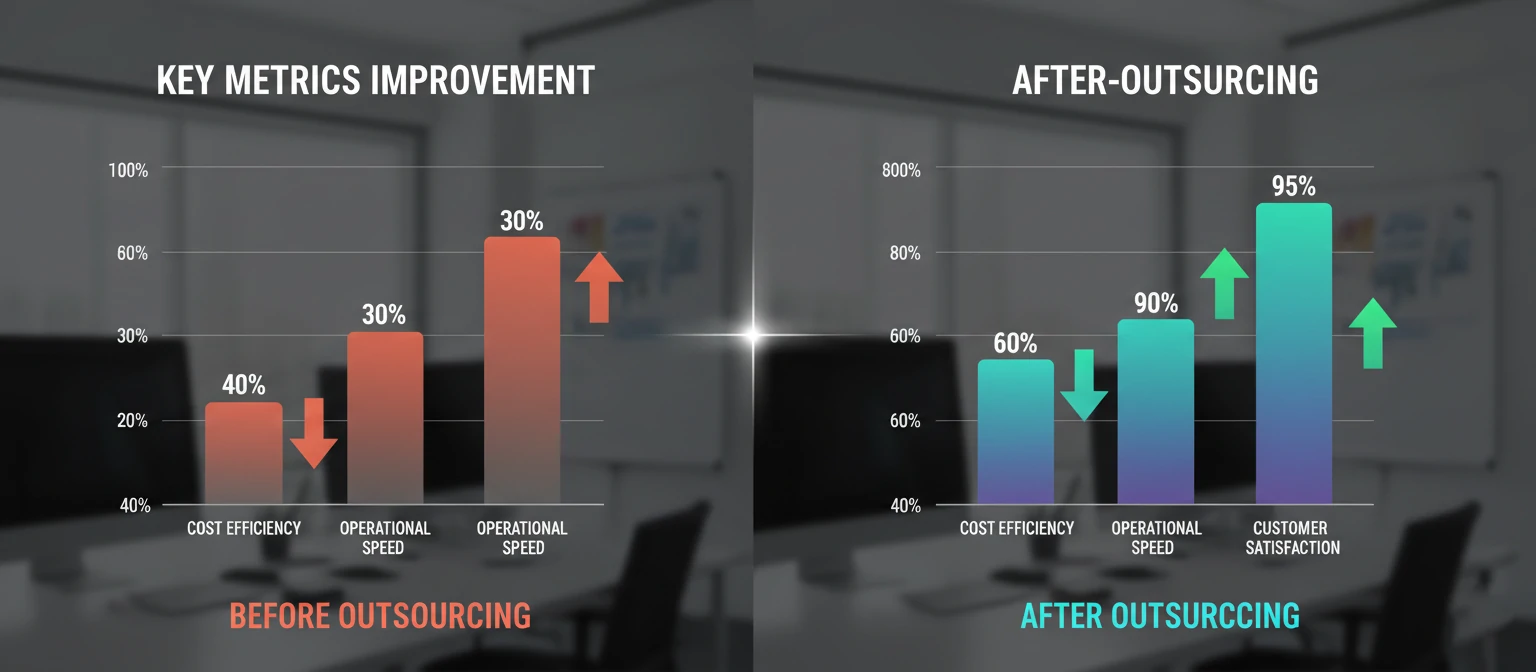
A mid-sized manufacturer partnered with an offshore provider for HR and payroll services. The outsourcing reduced administrative costs by 40% and improved compliance with labor regulations.
Healthcare Provider Enhances Patient Care
By outsourcing billing and claims processing, a healthcare network reduced processing times by 60% and improved patient satisfaction scores.
Challenges and Solutions in Back Office Outsourcing
While back office outsourcing offers numerous benefits, it's not without challenges. Understanding potential pitfalls and how to address them is crucial for success.
Common Challenges
- Data Security Concerns: Protecting sensitive business information
- Communication Barriers: Managing remote teams and time differences
- Quality Control: Ensuring consistent service standards
- Integration Issues: Seamlessly connecting outsourced functions with internal processes
Effective Solutions
Addressing these challenges requires proactive planning and robust management practices. Regular audits, clear communication protocols, and technology integration can mitigate most risks.
Best Practice: Implement a phased approach to outsourcing, starting with less critical functions to build trust and refine processes before expanding the partnership.
Common Mistakes to Avoid in Back Office Outsourcing
While outsourcing can be incredibly beneficial, many businesses make costly mistakes that could have been easily avoided. Here are some pitfalls to watch out for:
Rushing the Selection Process
Don't just pick the cheapest provider or the first one that responds. Take time to thoroughly evaluate options, check references, and ensure they align with your business values and needs.
Neglecting Cultural Fit
Communication is key in outsourcing. If there's a significant cultural or language barrier, it can lead to misunderstandings and poor results. Choose providers who understand your business culture.
Failing to Define Clear SLAs
Without specific Service Level Agreements, you might end up with subpar service. Clearly outline expectations, timelines, and quality standards from the start.
Pro Tip: Start small with a pilot project to test the waters before committing to a full outsourcing partnership.
Calculating the ROI of Back Office Outsourcing
Wondering if outsourcing is worth the investment? Let's break down how to calculate the return on investment (ROI) for your back office services.
Key Metrics to Track
- Cost Savings: Compare the cost of outsourcing vs. in-house operations (salaries, training, equipment)
- Productivity Gains: Measure time saved that can be redirected to revenue-generating activities
- Error Reduction: Track improvements in accuracy and compliance
- Scalability Benefits: Assess how outsourcing supports business growth
A simple ROI formula: (Benefits - Costs) / Costs × 100 = ROI %. Many businesses see 30-50% cost reductions and significant productivity boosts within the first year.

What Our Clients Say
Don't just take our word for it. Here's what real businesses have to say about their outsourcing experience:
"Outsourcing our back office operations was the best decision we made. We cut costs by 35% and our team can now focus on innovation instead of paperwork."
- Sarah Johnson, CEO of TechStart Inc.
"The quality of service exceeded our expectations. Professional, reliable, and always available when we need them."
- Michael Chen, Operations Manager at Global Logistics
"From day one, the transition was seamless. Our productivity has skyrocketed since we started outsourcing."
- Emma Rodriguez, Founder of EcoFashion
Ready to Transform Your Business?
Take the first step towards operational excellence. Contact us today for a free consultation and discover how back office outsourcing can revolutionize your business.
Email: info@propixelagency.com
Let's discuss your needs and create a customized outsourcing solution that fits your business perfectly.
Future Trends in Back Office Outsourcing
The back office services industry is evolving rapidly, driven by technological advancements and changing business needs. Staying ahead of these trends will help businesses maximize the value of their outsourcing partnerships.
Artificial Intelligence and Automation
AI-powered tools are revolutionizing back office operations, enabling predictive analytics, automated decision-making, and intelligent process automation.
Remote Work and Hybrid Models
The shift towards remote work is influencing how back office services are delivered, with providers offering more flexible, distributed service models.

Sustainability and Ethical Outsourcing
Businesses are increasingly prioritizing providers that demonstrate commitment to environmental sustainability and ethical labor practices.
Conclusion: Embracing Back Office Outsourcing for Business Success
As we've explored throughout this guide, back office service providers offer a strategic pathway to operational excellence and business growth. By outsourcing non-core functions, companies can achieve cost savings, access specialized expertise, and focus on their core competencies.
The key to successful outsourcing lies in careful planning, thorough evaluation of providers, and ongoing management of the partnership. As the industry continues to evolve with new technologies and methodologies, businesses that embrace back office outsourcing will be better positioned to thrive in an increasingly competitive marketplace.
Whether you're considering your first outsourcing venture or looking to optimize existing partnerships, remember that the right back office service provider can be a powerful ally in your journey towards operational efficiency and strategic growth.
Frequently Asked Questions
What is the difference between back office and front office functions?
Front office functions involve direct customer interaction and revenue generation, while back office functions support these activities through administrative and operational tasks.
How long does it take to transition to a back office service provider?
Transition timelines vary depending on complexity, but most implementations take 3-6 months for full integration and optimization.
Is back office outsourcing secure?
Reputable providers implement robust security measures, often exceeding in-house capabilities, but always verify certifications and compliance standards.