

Protect your business with expertly crafted contracts that safeguard your interests and drive success.
Table of contents
- Introduction to Contract Drafting Services
- What Exactly is Contract Drafting?
- Contract Law Basics: Understanding the Legal Framework
- Types of Contracts You'll Encounter in Business
- Why Professional Contract Drafting Services Matter
- The Contract Drafting Process: Step by Step
- Common Contract Drafting Mistakes to Avoid
- Contract Negotiation Strategies: Getting the Best Deal
- Real-World Case Studies: Contract Drafting Success Stories
- Frequently Asked Questions About Contract Drafting Services
- Essential Tools and Resources for Contract Management
- Getting Started with Contract Drafting Services
- Conclusion: Secure Your Business Future with Expert Contracts
- Ready to Protect Your Business?
Introduction to Contract Drafting Services

Hey there, business owner or entrepreneur! In the fast-paced world of commerce, contracts are the unsung heroes that keep everything running smoothly. But let's face it – not all contracts are created equal. A poorly drafted agreement can lead to disputes, financial losses, and endless headaches. That's where professional contract drafting services come in.
Imagine having a legal expert by your side, crafting agreements that protect your interests while being fair and enforceable. In this comprehensive guide, we're going to dive deep into the world of contract drafting services. Whether you're a startup founder, a seasoned CEO, or just someone looking to understand the legal side of business, we've got you covered.
By the end of this article, you'll have a clear understanding of what contract drafting services entail, why they're crucial for your business, and how to choose the right provider. Let's embark on this journey to contract mastery together! 📝
💡 Did you know? Well-drafted contracts can save businesses an average of $10,000 per dispute avoided. That's money better spent on growing your business!
What Exactly is Contract Drafting?

At its core, contract drafting is the art and science of creating written agreements that legally bind parties to their promises. It's not just about putting words on paper – it's about crafting documents that are clear, comprehensive, and enforceable in court.
Professional contract drafting services take this a step further. They employ experienced attorneys and legal experts who understand the nuances of contract law in your jurisdiction. These professionals don't just write generic templates; they tailor agreements to your specific situation, industry, and goals.
The Anatomy of a Well-Drafted Contract
- Clear Definitions: Every term is precisely defined to avoid misunderstandings.
- Precise Obligations: What each party must do is clearly spelled out.
- Risk Allocation: Who bears what risks and liabilities.
- Dispute Resolution: How conflicts will be handled if they arise.
- Termination Clauses: How and when the contract can end.
Pro Tip: A good contract anticipates problems before they occur, saving you time, money, and stress down the line.
Contract Law Basics: Understanding the Legal Framework
Before diving into contract drafting, it's helpful to understand the basic legal principles that govern contracts. This knowledge will help you appreciate why professional drafting is so important and what makes a contract legally sound.
Essential Elements of a Valid Contract
For a contract to be legally enforceable, it must contain certain essential elements. These vary slightly by jurisdiction but generally include:
1. Offer and Acceptance
One party must make a clear offer, and the other must accept it without conditions. The acceptance must mirror the offer exactly – this is called the "mirror image rule."
2. Consideration
Each party must give something of value to the other. This could be money, goods, services, or even a promise to do (or not do) something.
3. Legal Capacity
Both parties must have the legal capacity to enter into a contract. This means they must be of legal age, mentally competent, and not under duress or undue influence.
4. Legal Purpose
The contract must be for a legal purpose. Contracts for illegal activities are void and unenforceable.
5. Mutual Agreement
Both parties must genuinely agree to the terms. This means no fraud, misrepresentation, or mistake about material facts.
Common Law vs. Civil Law Systems
Contract law varies significantly depending on whether you're in a common law jurisdiction (like the US, UK, Canada, Australia) or a civil law jurisdiction (like most of Europe, Latin America, and Asia).
In common law systems, contracts are interpreted based on judicial precedents and can be quite flexible. Civil law systems rely more on codified statutes and tend to be more formal. Professional contract drafters understand these differences and can ensure your contracts work in your specific legal environment.
Breach of Contract and Remedies
When a contract is breached, the non-breaching party has several potential remedies:
- Damages: Monetary compensation for losses caused by the breach.
- Specific Performance: Court-ordered fulfillment of the contract terms.
- Injunction: Court order preventing certain actions.
- Rescission: Cancellation of the contract and return to pre-contract status.
Understanding these legal basics helps you appreciate why professional contract drafting is so valuable. It's not just about writing words – it's about creating legally sound agreements that protect your interests.
Types of Contracts You'll Encounter in Business

Contracts come in all shapes and sizes, each serving a different purpose in the business world. Understanding the main types can help you identify when you need professional drafting assistance.
1. Sales and Purchase Agreements
These govern the sale of goods or services. From simple product sales to complex equipment purchases, these contracts ensure both parties know exactly what's being exchanged and under what terms.
2. Service Agreements
When you're hiring someone to provide services – whether it's consulting, marketing, or IT support – a service agreement outlines the scope of work, timelines, and payment terms.
3. Employment Contracts
These define the relationship between employers and employees, covering everything from job duties and compensation to confidentiality and non-compete clauses.
4. Partnership and Shareholder Agreements
For businesses with multiple owners, these contracts establish how decisions are made, profits are shared, and what happens if someone wants to leave.
5. Intellectual Property Agreements
These protect your creative works, inventions, and brand assets. Think licensing agreements, non-disclosure agreements, and copyright transfers.
6. Real Estate Contracts
From lease agreements to property purchases, these contracts are crucial in real estate transactions and often require specialized legal knowledge. Real estate contracts can include purchase agreements, lease agreements, mortgage contracts, and property management agreements. Each type has specific legal requirements that vary by jurisdiction, making professional drafting essential to avoid costly mistakes.
7. Franchise Agreements
If you're expanding your business through franchising, these contracts outline the relationship between franchisor and franchisee. They cover territory rights, royalty payments, operational standards, and termination conditions. Franchise agreements are highly regulated and require careful drafting to comply with franchise laws.
8. Licensing Agreements
These contracts allow others to use your intellectual property, such as trademarks, patents, or copyrights, in exchange for royalties or fees. Licensing agreements specify usage rights, geographic scope, duration, and quality control measures to protect your brand.
9. Construction Contracts
For construction projects, these agreements detail project scope, timelines, payment schedules, and risk allocation. They often include provisions for delays, change orders, and dispute resolution mechanisms specific to the construction industry.
10. Joint Venture Agreements
When partnering with other businesses for a specific project or venture, these contracts define ownership percentages, profit sharing, decision-making processes, and exit strategies. Joint ventures require careful planning to ensure all parties' interests are protected.
Why Professional Contract Drafting Services Matter

You might be wondering, "Can't I just use a template from the internet?" While templates can be a starting point, professional contract drafting services offer benefits that generic templates simply can't match.
1. Legal Compliance and Enforceability
Laws vary by jurisdiction and change over time. Professional drafters ensure your contracts comply with current regulations and are enforceable in court.
2. Risk Mitigation
Experienced drafters identify potential risks and include clauses that protect your interests, reducing the likelihood of costly disputes.
3. Customization to Your Needs
Every business is unique. Professional services tailor contracts to your specific industry, size, and objectives.
4. Time and Cost Savings
While there's an upfront cost, well-drafted contracts prevent expensive litigation and business disruptions down the line.
5. Peace of Mind
Knowing your agreements are solid allows you to focus on running your business rather than worrying about legal issues.
Real Impact: Businesses that use professional contract drafting report 60% fewer contract-related disputes and save an average of $15,000 per year in legal fees.
The Contract Drafting Process: Step by Step
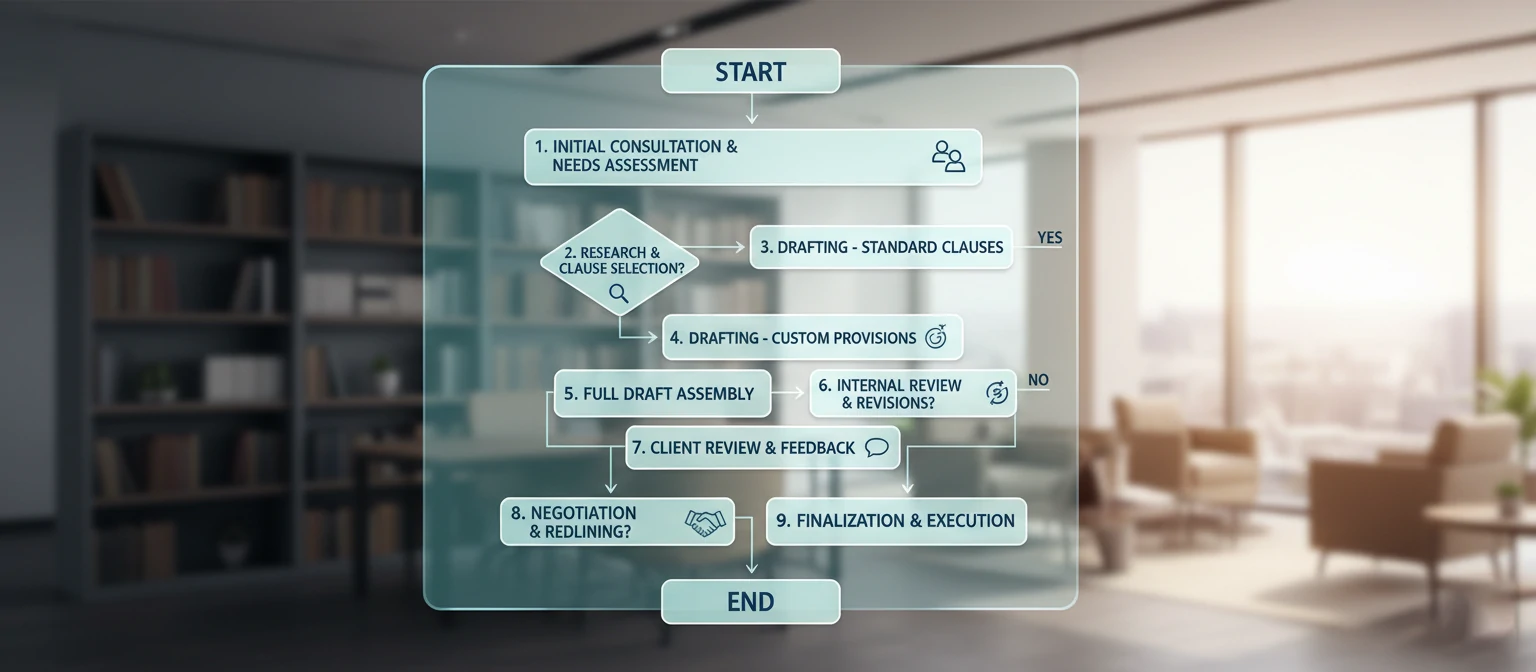
Curious about how professional contract drafting works? Here's a typical process that ensures you get a high-quality, customized agreement.
1. Initial Consultation
We start by understanding your needs, goals, and any specific concerns you have about the agreement.
2. Research and Analysis
The drafter reviews relevant laws, industry standards, and similar agreements to ensure comprehensive coverage.
3. Draft Creation
Using their expertise, the professional creates a first draft tailored to your situation.
4. Review and Revision
You review the draft, ask questions, and request changes. This iterative process ensures the contract meets your needs.
5. Finalization
Once everyone is satisfied, the contract is finalized and ready for execution.
Common Contract Drafting Mistakes to Avoid

Even experienced business owners can make mistakes when drafting contracts. Here are some pitfalls to watch out for:
1. Using Generic Templates Without Customization
One-size-fits-all templates might seem convenient, but they often don't address your specific needs or local laws. What works for a software company in California might not apply to a manufacturing firm in Texas.
2. Ambiguous Language
Vague terms like "reasonable time" or "best efforts" can lead to different interpretations, causing disputes. Always define terms clearly and use specific language that leaves no room for misunderstanding.
3. Ignoring Jurisdiction and Governing Law
Failing to specify which laws apply and which courts have jurisdiction can complicate enforcement if disputes arise. This is especially important for businesses operating across state or national borders.
4. Inadequate Risk Allocation
Not properly addressing who bears what risks can leave you exposed to unexpected liabilities. Make sure indemnification, limitation of liability, and insurance requirements are clearly defined.
5. Forgetting to Plan for Changes
Businesses evolve, and your contracts should too. Include provisions for amendments, terminations, and what happens if key personnel change or business conditions shift dramatically.
6. Overlooking Intellectual Property Rights
In today's knowledge economy, failing to address IP ownership, confidentiality, and non-disclosure can result in losing valuable assets. Always include comprehensive IP provisions.
7. Neglecting Force Majeure Clauses
Events like natural disasters, pandemics, or economic crises can disrupt performance. A well-drafted force majeure clause can protect you from liability in unforeseen circumstances.
Contract Negotiation Strategies: Getting the Best Deal

Even with a perfectly drafted contract, the negotiation process can make or break the deal. Here are some strategies to help you negotiate from a position of strength:
1. Know Your BATNA (Best Alternative to a Negotiated Agreement)
Before entering negotiations, understand your alternatives. If this deal doesn't work out, what's your next best option? This knowledge gives you leverage and prevents you from accepting unfavorable terms.
2. Focus on Interests, Not Positions
Instead of arguing over specific terms, understand what each party really wants. This collaborative approach often leads to more creative and mutually beneficial solutions.
3. Use Objective Criteria
Base your arguments on industry standards, market rates, or legal precedents rather than personal opinions. This makes your position more persuasive and less emotional.
4. Trade Concessions Strategically
Be willing to give on low-priority items to gain on high-priority ones. Keep track of concessions to ensure the overall deal remains favorable.
5. Build Relationships
Negotiation isn't just about the current deal – it's about building long-term partnerships. Maintaining a positive relationship can lead to future opportunities and easier negotiations.
6. Know When to Walk Away
Sometimes the best deal is no deal. If the terms don't meet your minimum requirements, be prepared to walk away. This often brings the other party back with better offers.
Remember: The goal of negotiation is to create a win-win situation where both parties feel they've gotten a fair deal. Professional contract drafting services often include negotiation support to help you achieve this.
Real-World Case Studies: Contract Drafting Success Stories

Let's look at some real examples of how professional contract drafting has made a difference for businesses.
Tech Startup Avoids Disaster
A promising AI startup was about to sign a partnership agreement with a major corporation. Our team identified several clauses that would have given the larger company excessive control over intellectual property. By redrafting the agreement, the startup retained ownership of their innovations and secured a much more favorable deal. The founders later credited this protection as key to their successful IPO.
Manufacturing Company Saves Millions
A manufacturing firm was locked in a dispute with a supplier over delivery delays caused by a global shipping crisis. Thanks to a well-drafted force majeure clause in their contract, they were able to terminate the agreement without penalty and source alternative suppliers. This not only saved them $2 million in potential damages but also prevented production shutdowns that could have cost millions more.
E-commerce Business Scales Successfully
An online retailer wanted to expand into international markets but was hesitant due to concerns about brand protection and payment security. Professional contract drafting services helped them create comprehensive distribution agreements that included robust IP protection, clear payment terms, and dispute resolution mechanisms. Within two years, international sales accounted for 40% of their revenue, and they avoided costly legal battles that plagued competitors.
Consulting Firm Builds Strong Client Relationships
A management consulting firm struggled with client retention due to poorly defined service agreements. After implementing professionally drafted contracts that clearly outlined deliverables, timelines, and change order procedures, their client satisfaction scores improved by 35%. The clear terms also reduced scope creep, allowing them to maintain profitability while delivering high-quality service.
Real Estate Developer Navigates Complex Project
A real estate developer undertaking a large mixed-use project faced numerous subcontractor disputes that threatened timelines and budgets. Professional contract drafting services created comprehensive agreements with clear milestone payments, performance guarantees, and dispute resolution procedures. The result was a 25% reduction in disputes and project completion on time and within budget, saving hundreds of thousands in legal fees and delays.
Franchise Network Expands Safely
A growing restaurant franchise wanted to expand rapidly but was concerned about franchisee quality and brand consistency. Expert contract drafting created franchise agreements that included detailed operational standards, training requirements, and performance metrics. This not only protected the brand but also provided a clear framework for franchisee success, leading to a 90% franchise survival rate compared to the industry average of 75%.
Frequently Asked Questions About Contract Drafting Services

Essential Tools and Resources for Contract Management
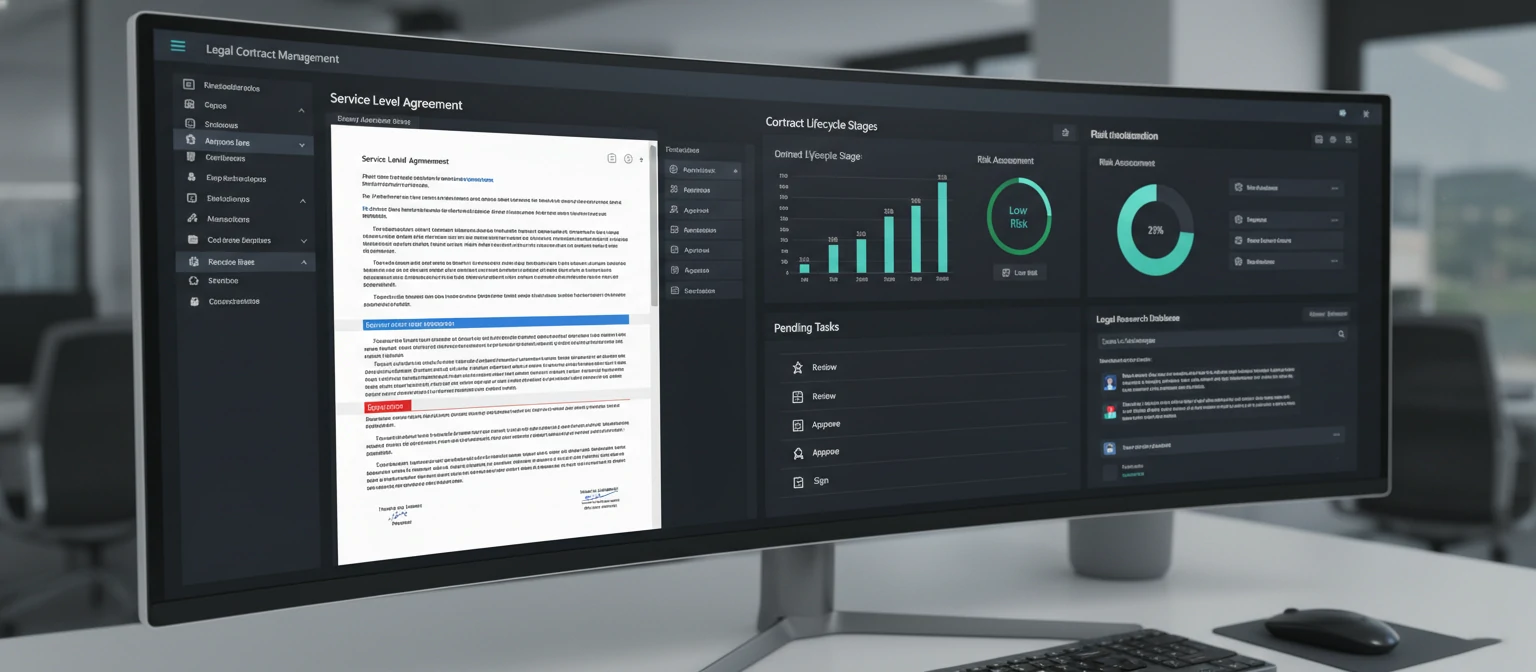
Once you have your contracts drafted, you'll need tools to manage and track them effectively.
Contract Management Software
- DocuSign: For electronic signatures and contract workflow.
- ContractWorks: Comprehensive contract lifecycle management.
- Agiloft: AI-powered contract analysis and management.
Legal Research Tools
- Westlaw: Extensive legal database for research, case law, and statutory analysis.
- LexisNexis: Comprehensive legal research platform with global coverage.
- LegalZoom: Online legal document services and attorney matching.
- Clarity.fm: Connect with legal experts for quick advice and consultations.
- Avvo: Find and research attorneys, read reviews, and get legal answers.
Contract Analysis Software
- ContractPod AI: AI-powered contract analysis and risk assessment.
- Kira Systems: Machine learning for contract review and data extraction.
- BlackBoiler: Contract intelligence platform for legal teams.
- ThoughtRiver: AI contract analysis for compliance and risk.
Recommended Books and Resources
- "The Contract Negotiation Handbook" by Stephen Guth: Practical guide to negotiation strategies.
- "Drafting Contracts" by Tina L. Stark: Comprehensive guide to contract drafting principles.
- "Getting to Yes" by Roger Fisher and William Ury: Classic negotiation techniques.
- "Contracts: The Essential Business Desk Reference" by Richard Stim: Practical contract law guide.
Getting Started with Contract Drafting Services
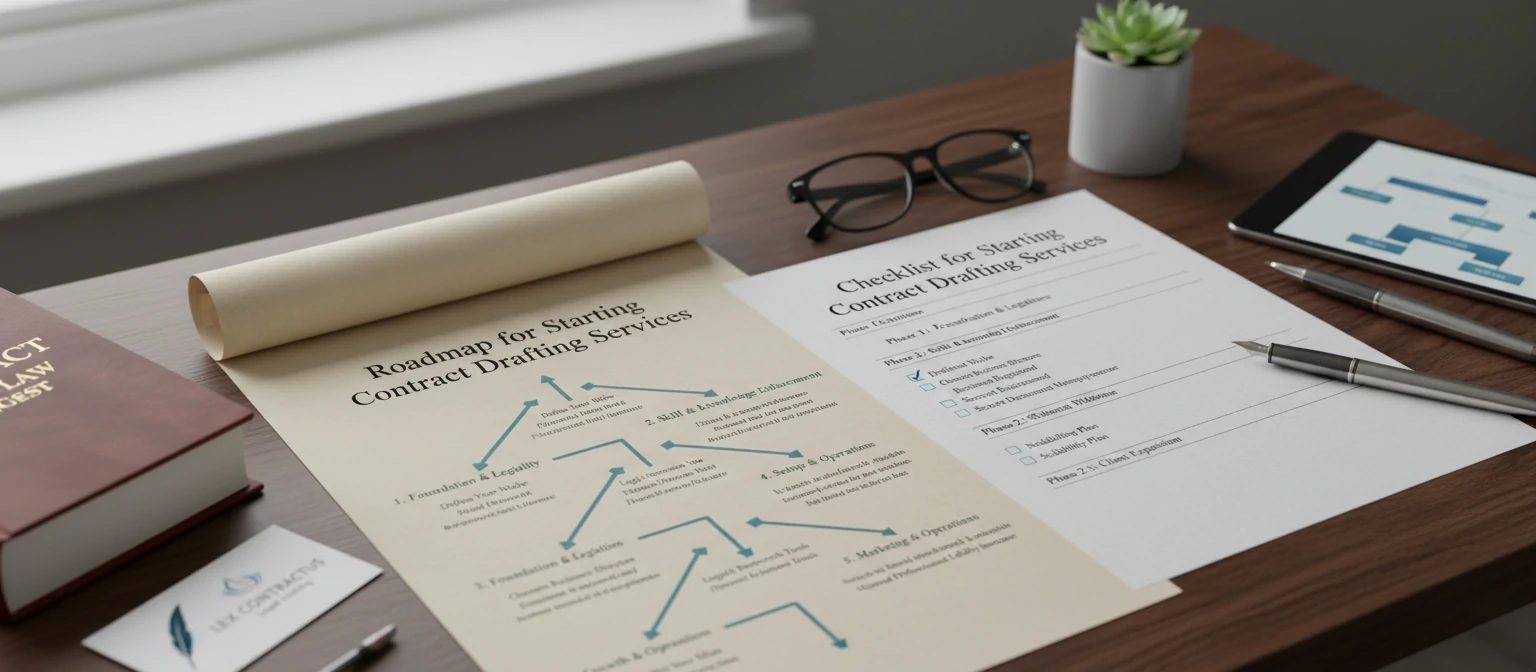
Ready to protect your business with professional contracts? Here's how to get started.
1. Assess Your Contract Needs
Take inventory of your current contracts and identify gaps. Consider your business growth plans, partnerships, and potential risks. Ask yourself: What contracts do I need in the next 6-12 months? Which existing agreements need review or updating?
2. Understand Your Risk Tolerance
Different businesses have different risk profiles. High-growth startups might need more flexible contracts, while established companies may prioritize comprehensive protection. Consider your industry, size, and regulatory environment when determining how much legal protection you need.
3. Research and Select a Provider
Look for firms with relevant experience in your industry. Check reviews, ask for references, and interview multiple providers. Consider factors like response time, communication style, and whether they offer ongoing support. Don't just go with the cheapest option – quality matters more than price.
4. Prepare Your Documentation
Gather all relevant information before starting the drafting process. This includes business details, financial information, previous agreements, and your goals for the contract. The more information you provide upfront, the better the final result will be.
5. Communicate Clearly
Be clear about your priorities, concerns, and deal-breakers. Use plain language when explaining your needs – the drafter can translate that into legal terms. Maintain open communication throughout the process to ensure the contract reflects your intentions.
6. Review and Negotiate
Carefully review the draft contract and don't hesitate to ask questions. If negotiating with another party, use your professionally drafted contract as a strong starting position. Remember, negotiation is about finding mutually beneficial terms.
7. Implement and Monitor
Once signed, implement the contract according to its terms. Set up systems to monitor compliance and performance. Keep records of all communications and actions related to the contract for future reference.
8. Build Your Knowledge
Use each contract experience as a learning opportunity. Read books, attend webinars, and stay informed about contract law changes in your industry. Over time, you'll become more comfortable with the process and better at identifying potential issues.
Conclusion: Secure Your Business Future with Expert Contracts

In the complex world of business, contracts are your shield and your sword. They protect your interests, clarify expectations, and provide a framework for successful relationships. Investing in professional contract drafting services isn't just about legal compliance – it's about giving yourself the peace of mind to focus on what you do best: growing your business.
Think about it this way: every business relationship you enter into carries potential risks. A poorly drafted contract can turn a promising partnership into a legal nightmare, costing you time, money, and reputation. But a professionally drafted contract transforms potential liabilities into opportunities for growth and mutual success.
As your business evolves, so too should your approach to contracts. What worked for your startup phase might not be adequate for your scaling phase. Regular contract reviews and updates become part of your business hygiene, just like financial audits or cybersecurity checks.
Remember, a well-drafted contract is an investment that pays dividends in avoided disputes, stronger partnerships, and business growth. It's not an expense – it's insurance for your business future. Don't leave your company's future to chance – choose professional contract drafting services today and build a solid foundation for success.
Whether you're a solopreneur just starting out, a growing SME looking to scale, or an established corporation managing complex global operations, professional contract drafting services can be your secret weapon for business success. The legal landscape is constantly changing, and staying ahead requires expertise and vigilance.
Your business deserves the best protection available. Take the first step towards contract confidence now! 🤝