
Transform your architectural visions into precise, buildable plans with expert drafting services.
Table of contents
- Introduction to Architectural Drafting Services
- What Exactly is Architectural Drafting?
- Types of Architectural Drafting Services
- Why Choose Professional Architectural Drafting Services?
- The Architectural Drafting Process: From Concept to Construction
- Common Architectural Drafting Mistakes to Avoid
- Essential Tools and Software for Architectural Drafting
- Future Trends in Architectural Drafting: What's Next?
- Real-World Case Studies: Architectural Drafting Success Stories
- Frequently Asked Questions About Architectural Drafting Services
- Getting Started with Architectural Drafting Services
- The Cost-Benefit Analysis of Professional Drafting
- How to Communicate Effectively with Your Drafter
- Preparing for Your Drafting Project
- Post-Drafting: What Happens Next
- Industry Standards and Certifications
- Global Trends in Architectural Drafting
- Conclusion: Building Your Architectural Dreams
- Ready to Bring Your Vision to Life?
Introduction to Architectural Drafting Services
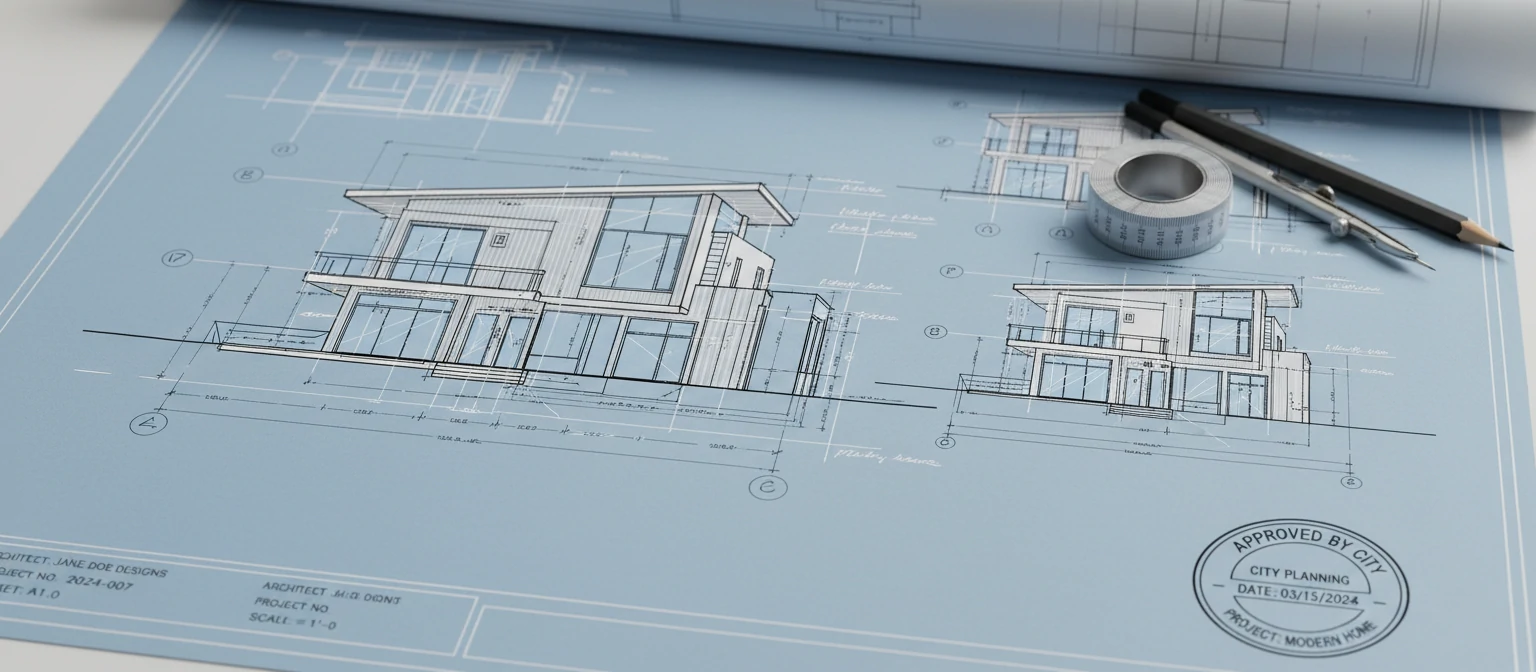
Hey there, aspiring architect, builder, or homeowner! Ever dreamed of turning your building ideas into reality? That's where architectural drafting services come in – the unsung heroes that bridge the gap between imagination and construction. In a world where every line on paper can mean the difference between a dream home and a structural nightmare, professional drafting services are your secret weapon.
Imagine having a team of skilled drafters who can take your rough sketches, wild ideas, or detailed specifications and transform them into precise, code-compliant drawings that contractors can actually build from. Sounds amazing, right? In this comprehensive guide, we're going to dive deep into the world of architectural drafting services. Whether you're a homeowner planning a kitchen renovation, a developer working on a commercial complex, or an architect looking to outsource your drafting needs, we've got you covered.
By the end of this article, you'll understand what architectural drafting entails, why it's crucial for successful projects, and how to choose the right service provider. Let's embark on this exciting journey from concept to construction! 🏗️
💡 Fun Fact: The first architectural drawings date back to ancient Egypt around 2500 BC. Modern drafting has come a long way, but the principle remains the same – turning ideas into buildable reality!
What Exactly is Architectural Drafting?

At its core, architectural drafting is the process of creating detailed technical drawings and plans that serve as the blueprint for building construction. It's not just about pretty pictures – it's about creating accurate, scaled representations of buildings that include every dimension, material, and specification needed for construction.
Professional architectural drafting services take this a step further. They employ experienced drafters and architects who use specialized software to create drawings that meet local building codes, zoning requirements, and industry standards. These aren't generic templates – they're customized documents tailored to your specific project needs.
The Role of Architectural Drafting in Construction
Think of architectural drafting as the language that architects, engineers, contractors, and builders all speak. Without accurate drawings, a project can quickly descend into chaos – misaligned walls, incorrect material quantities, and costly change orders. Good drafting prevents these issues before they start.
- Communication: Clear drawings ensure everyone involved understands the project vision.
- Accuracy: Precise measurements prevent costly construction errors.
- Compliance: Drawings meet local building codes and regulations.
- Visualization: Detailed plans help stakeholders see the final result before construction begins.
Pro Tip: Quality drafting can save you up to 10% on construction costs by preventing errors and change orders. That's money better spent on making your project even better!
Types of Architectural Drafting Services
Architectural drafting isn't one-size-fits-all. Different projects require different types of drawings and services. Understanding the main categories can help you identify exactly what you need for your project.
1. Residential Drafting Services
From cozy cottages to luxury mansions, residential drafting covers everything from single-family homes to multi-unit complexes. These services include floor plans, elevations, sections, and construction details tailored to homeowners' needs.
2. Commercial Drafting Services
Office buildings, retail spaces, restaurants – commercial projects have unique requirements like accessibility compliance, parking layouts, and tenant spaces. Commercial drafting ensures these complex needs are properly documented.
3. Industrial Drafting Services
Warehouses, factories, and manufacturing facilities require specialized drafting that considers equipment layouts, safety regulations, and operational efficiency. These drawings often integrate with MEP (mechanical, electrical, plumbing) systems.
4. Renovation and Remodeling Drafting
Updating existing structures requires careful analysis of current conditions and precise documentation of changes. Renovation drafting services help avoid surprises during demolition and ensure new work integrates seamlessly with existing construction.
5. Landscape and Site Planning
Beyond buildings, drafting services can include site plans, grading drawings, and landscape design integration. These drawings show how the building fits into its environment and meets zoning requirements.
6. BIM (Building Information Modeling) Services
Modern drafting often includes BIM, which creates intelligent 3D models containing all building information. This allows for better collaboration, clash detection, and facility management throughout the building's lifecycle.
Why Choose Professional Architectural Drafting Services?

You might be wondering, "Can't I just sketch something in SketchUp and call it good?" While DIY tools have their place, professional architectural drafting services offer benefits that can make or break your project. Let's explore why investing in expertise pays off.
1. Code Compliance and Legal Requirements
Building codes vary by location and change frequently. Professional drafters stay current with regulations, ensuring your drawings meet all legal requirements and pass inspection.
2. Accuracy and Precision
A single measurement error can cost thousands in construction delays. Professional drafting ensures every dimension is accurate and every detail is properly documented.
3. Time and Cost Savings
While there's an upfront cost, professional drafting prevents expensive mistakes during construction. Studies show that quality drafting can reduce overall project costs by up to 15%.
4. Professional Presentation
Clean, professional drawings make a better impression on contractors, lenders, and approval authorities. They demonstrate seriousness and attention to detail.
5. Construction-Ready Documentation
Professional drawings include all the information contractors need – material specifications, installation details, and coordination with other trades.
6. Risk Mitigation
Comprehensive drawings help identify potential issues before construction begins, reducing the risk of disputes, delays, and safety problems.
7. Enhanced Visualization
Professional renderings and 3D models help you and your stakeholders visualize the final result, making it easier to secure approvals and funding.
8. Improved Contractor Bidding
Complete, accurate drawings allow contractors to provide more precise bids, reducing the likelihood of surprises during construction.
9. Future Maintenance Support
Detailed drawings serve as valuable documentation for future renovations, maintenance, and facility management.
10. Competitive Advantage
In competitive markets, professionally drafted plans can give you an edge in securing permits, financing, and the best contractors.
Real Impact: Projects with professional architectural drafting are 40% less likely to experience costly change orders and complete 20% faster than those with inadequate documentation. Additionally, buildings with comprehensive documentation maintain 15-20% higher property values.
The Architectural Drafting Process: From Concept to Construction

Ever wondered how your rough idea becomes a set of construction drawings? The architectural drafting process is a systematic approach that ensures nothing falls through the cracks. Let's walk through the typical workflow.
1. Initial Consultation and Programming
We start by understanding your vision, budget, timeline, and site constraints. This phase includes gathering all relevant information about zoning, utilities, and existing conditions.
2. Schematic Design
Basic floor plans, elevations, and massing studies are created to explore design options. This is where we refine the overall concept and ensure it meets your needs.
3. Design Development
Detailed drawings are created showing room layouts, material selections, and system layouts. This phase includes coordination with engineers for structural, mechanical, and electrical systems.
4. Construction Documentation
Final, detailed drawings are prepared that contractors can use for bidding and construction. This includes specifications, schedules, and all necessary details.
5. Review and Approval
Drawings are reviewed for accuracy, code compliance, and completeness. Revisions are made based on feedback from you, consultants, and approval authorities.
6. Final Delivery
Completed drawings are delivered in both digital and printed formats, ready for permitting and construction.
Common Architectural Drafting Mistakes to Avoid
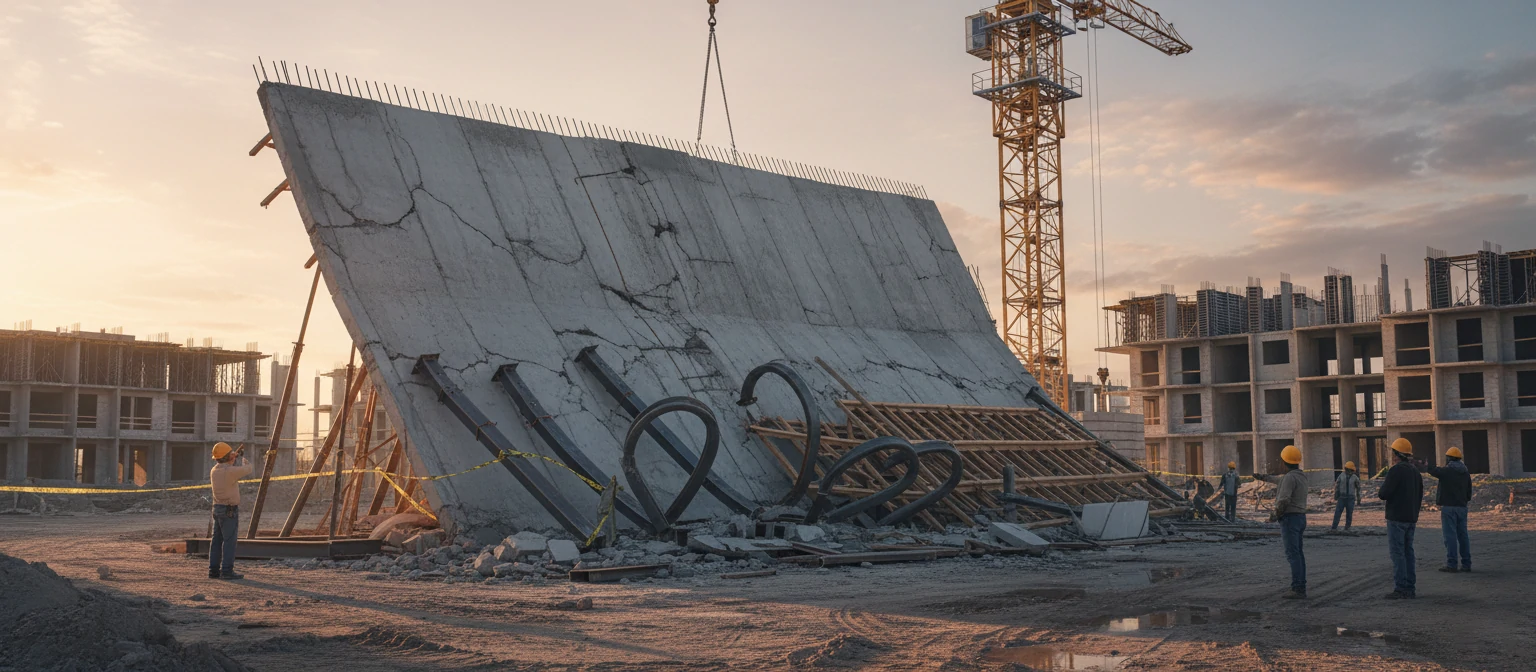
Even experienced architects and drafters can make mistakes that cost time and money. Here are some common pitfalls to watch out for and how professional services help you avoid them.
1. Scaling Errors
Incorrect scaling can lead to rooms that are too small, doors that don't fit, or structural elements that don't align. Professional drafters use precise scaling tools and double-check all dimensions against site measurements.
2. Ignoring Building Codes
Local building codes change frequently and vary by jurisdiction. Failing to incorporate current codes can result in rejected permits or costly rework. Professional services stay current with code requirements.
3. Poor Coordination Between Trades
When electrical, plumbing, and HVAC systems aren't properly coordinated in the drawings, it leads to conflicts during construction. BIM services excel at identifying and resolving these issues before they become problems.
4. Inadequate Detail for Construction
Drawings that look good on paper but lack the detail needed for actual construction cause delays and extra costs. Professional drafters include all necessary specifications, notes, and details.
5. Forgetting Accessibility Requirements
ADA and other accessibility standards must be incorporated into drawings. Missing ramps, improper door widths, or incorrect signage placements can result in failed inspections.
6. Not Planning for Future Expansion
Drawings that don't consider future needs can limit a building's adaptability. Professional services include provisions for future expansion and modifications.
7. Poor Documentation
Incomplete or unclear documentation leads to confusion and disputes. Professional drawings include comprehensive legends, notes, and specifications that leave no room for interpretation.
Essential Tools and Software for Architectural Drafting
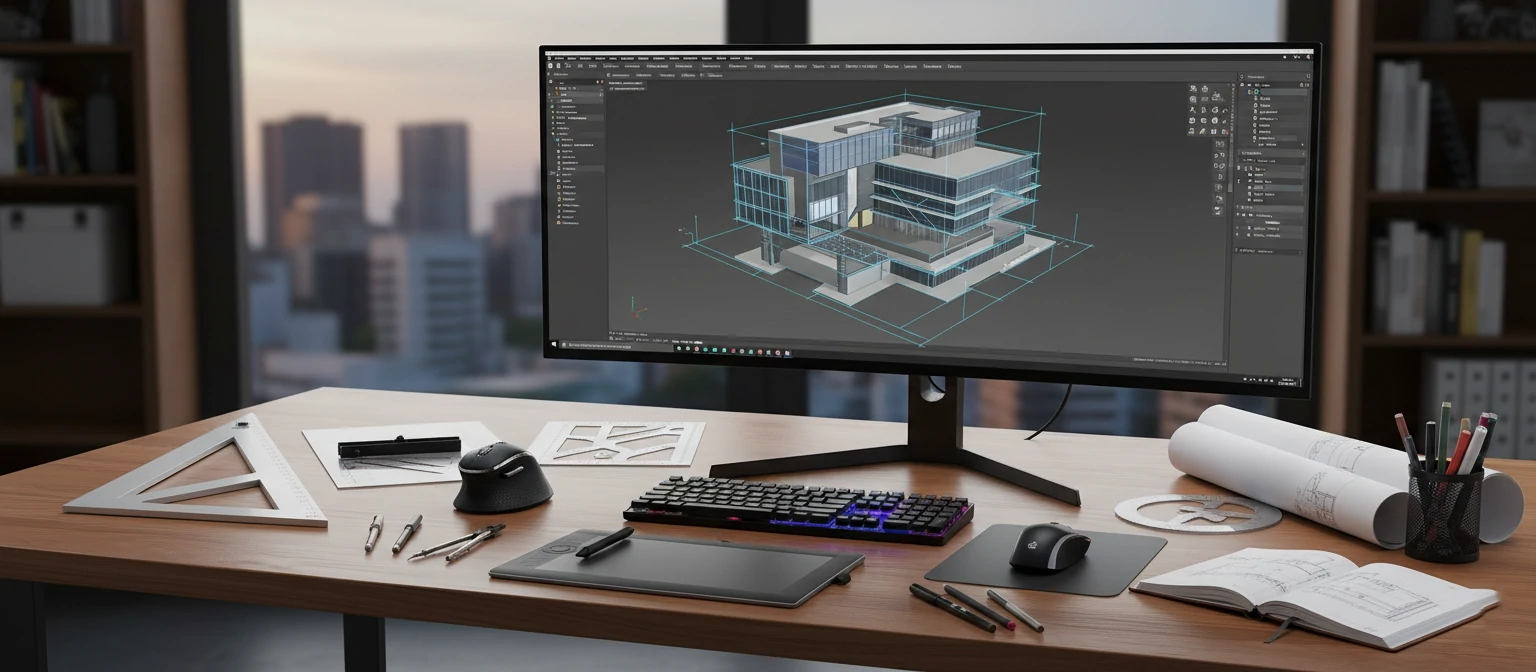
The world of architectural drafting has been revolutionized by technology. While traditional hand-drawing still has its place for conceptual work, digital tools have become essential for professional drafting. Let's explore the key software and tools that make modern drafting possible.
CAD Software: The Foundation of Digital Drafting
- AutoCAD: The industry standard for 2D drafting, used for everything from floor plans to construction details.
- Revit: BIM software that creates intelligent 3D models with embedded data for better project coordination.
- SketchUp: User-friendly 3D modeling software perfect for conceptual design and client presentations.
- ArchiCAD: Comprehensive BIM solution specifically designed for architects.
Rendering and Visualization Tools
- V-Ray: Photorealistic rendering engine that creates stunning visualizations.
- Lumion: Real-time rendering software for quick, beautiful project presentations.
- Enscape: Real-time visualization plugin that works directly in your CAD software.
Project Management and Collaboration Tools
- Bluebeam Revu: PDF collaboration tool for markup, measurement, and document management.
- Procore: Construction management software that integrates with drafting workflows.
- BIM 360: Cloud-based collaboration platform for sharing and reviewing drawings.
Future Trends in Architectural Drafting: What's Next?

The field of architectural drafting is evolving rapidly with technological advancements. Staying ahead of these trends can give your projects a competitive edge and ensure they remain relevant for years to come.
1. Artificial Intelligence and Machine Learning
AI is already assisting with routine drafting tasks and will soon help with design optimization, code compliance checking, and even generating initial design concepts based on site conditions and client requirements.
2. Virtual and Augmented Reality
VR and AR technologies are making it possible to walk through buildings before they're built. This immersive experience helps clients make better decisions and reduces costly change orders during construction.
3. Building Information Modeling (BIM) Evolution
BIM is becoming more intelligent, incorporating data from IoT sensors, energy modeling, and lifecycle analysis. This creates "living" models that update throughout a building's life.
4. Sustainable Design Integration
Drafting software is increasingly incorporating sustainability analysis, helping designers create more energy-efficient and environmentally friendly buildings from the earliest stages.
5. Cloud-Based Collaboration
Cloud platforms are enabling real-time collaboration among architects, engineers, contractors, and clients, regardless of location. This streamlines the design process and reduces errors.
6. Parametric Design
Advanced software allows designers to create flexible models that can adapt to changing parameters, exploring multiple design options quickly and efficiently.
Real-World Case Studies: Architectural Drafting Success Stories
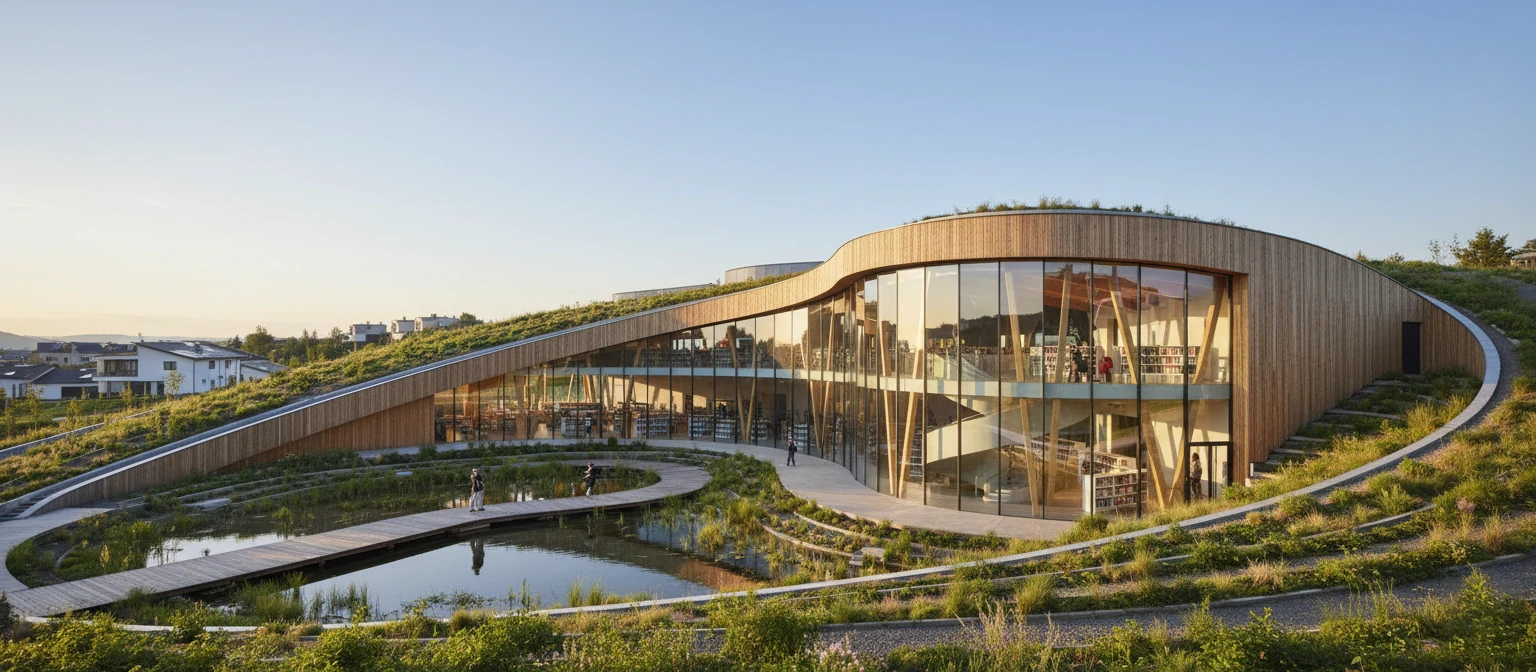
Numbers and theory are great, but nothing speaks louder than real results. Let's look at some examples of how professional architectural drafting services have made a tangible difference for clients.
Historic Building Renovation: Preserving the Past
A historic theater in downtown needed extensive renovations while maintaining its architectural integrity. Our drafting team created detailed as-built drawings that identified structural issues and developed renovation plans that preserved historic elements while meeting modern safety codes. The project was completed on time and under budget, earning preservation awards.
Commercial Complex: From Vision to Reality
A developer wanted to transform an empty lot into a mixed-use commercial complex. Our comprehensive drafting services included site planning, building designs, and coordination with civil engineers. The detailed drawings facilitated smooth permitting and construction, resulting in a project that opened ahead of schedule and attracted premium tenants.
Residential Addition: Expanding Living Space
A growing family needed to add space to their existing home. Our drafting services created detailed plans that maximized the available space while maintaining the home's architectural style. The precise drawings prevented costly mistakes during construction and resulted in a seamless addition that increased the home's value significantly.
Sustainable Design: Green Building Excellence
An eco-conscious client wanted a net-zero energy home. Our drafting team integrated sustainable design principles into detailed construction drawings, coordinating with engineers for solar panels, rainwater collection, and energy-efficient systems. The home achieved LEED Platinum certification and reduced energy costs by 80%.
Frequently Asked Questions About Architectural Drafting Services
Getting Started with Architectural Drafting Services
Ready to bring your architectural vision to life? Here's your roadmap for working with professional drafting services.
1. Define Your Project Clearly
Start by articulating your goals, budget, timeline, and must-have features. Gather reference materials, site information, and any existing plans. The clearer your vision, the better the results.
2. Research and Select a Provider
Look for firms with relevant experience in your project type. Check portfolios, read reviews, and interview multiple providers. Consider their software capabilities, turnaround times, and communication style.
3. Understand Local Requirements
Different jurisdictions have different requirements for drawings and permits. Choose a provider familiar with your local building codes and approval processes.
4. Prepare Your Information
Gather site surveys, utility information, zoning documents, and any existing building plans. The more information you provide upfront, the smoother the drafting process will be.
5. Establish Communication Protocols
Set expectations for check-ins, revisions, and decision-making timelines. Good communication prevents misunderstandings and ensures the final product meets your needs.
6. Plan for the Construction Phase
Remember that drafting is just the beginning. Use your drawings to get accurate bids, secure permits, and guide construction. Professional drawings make this process much smoother.
The Cost-Benefit Analysis of Professional Drafting
Let's talk money – because at the end of the day, that's what makes projects happen. You might be wondering if professional architectural drafting is worth the investment. Spoiler alert: it absolutely is! But let's break it down with some real numbers and logic.
Upfront Costs vs. Long-Term Savings
Sure, hiring a professional drafter costs money upfront. But think about the alternative: DIY drafting that leads to construction errors. Studies show that rework and change orders can add 10-20% to your total project cost. Professional drafting prevents these issues before they start.
ROI Reality Check: For every $1 spent on professional drafting, you save an average of $4-6 in construction costs. That's not just good business – that's smart investing!
Time is Money
Professional drafters work fast. What might take you weeks of evenings and weekends can be done in days by experts. That means your project gets off the ground sooner, generating revenue or allowing you to move in faster.
Risk Mitigation
Construction is risky business. Poor drawings can lead to safety issues, legal problems, and financial disasters. Professional drafting includes insurance, liability coverage, and adherence to codes that protect you from these risks.
How to Communicate Effectively with Your Drafter
Communication is key in any relationship, and your relationship with your architectural drafter is no exception. Here's how to make sure you're both speaking the same language and getting the results you want.
Be Clear About Your Vision
Don't assume your drafter can read your mind. Share mood boards, reference photos, and detailed descriptions of what you want. The more specific you are, the better the outcome.
Ask Questions Early
Don't wait until the end to ask about things that confuse you. Regular check-ins and open dialogue prevent misunderstandings and ensure you're on track.
Provide Feedback Constructively
When reviewing drafts, focus on what works and what needs adjustment. Instead of "I don't like it," say "Can we make the kitchen 10% larger?" This helps your drafter make precise improvements.
💬 Pro Communication Tip: Schedule regular video calls or in-person meetings. Seeing sketches come to life in real-time builds excitement and catches issues early!
Preparing for Your Drafting Project
Preparation is the secret sauce that turns good projects into great ones. Before you start working with a drafter, gather these essentials to ensure smooth sailing.
Site Information
Get a professional survey of your property. Include topography, existing utilities, and any easements. This prevents surprises during design.
Budget and Timeline
Know your financial limits and deadlines. This helps your drafter create realistic plans that fit your constraints.
Local Regulations
Research zoning laws, building codes, and permit requirements in your area. Your drafter will need this information to create compliant drawings.
Reference Materials
Collect inspiration photos, sketches, or existing plans. These give your drafter a clear picture of your vision.
Post-Drafting: What Happens Next
Your beautiful drawings are ready – now what? Here's the roadmap for turning plans into reality.
Permit Acquisition
Use your drawings to apply for building permits. Professional drawings make this process smoother and increase approval chances.
Contractor Bidding
Share your plans with contractors for accurate bids. Complete drawings lead to more precise estimates and fewer surprises.
Construction Oversight
Use your drawings as a guide during construction. They help ensure the build matches the design.
Final Documentation
Keep your drawings for future reference, insurance, or resale. They become valuable property documentation.
Industry Standards and Certifications
Quality drafting isn't just about skill – it's about meeting industry standards. Here's what to look for in professional services.
Licensed Professionals
Look for drafters licensed in your state or certified by organizations like the American Institute of Architects (AIA).
Software Proficiency
Ensure your drafter uses industry-standard software like AutoCAD, Revit, or ArchiCAD for accurate, compatible drawings.
Code Compliance
Professional services stay current with building codes, ADA requirements, and local regulations.
Insurance and Liability
Reputable firms carry professional liability insurance to protect you if errors occur.
Global Trends in Architectural Drafting
The drafting world is evolving rapidly. Stay ahead of the curve with these emerging trends shaping the industry.
Sustainable Design Integration
Drafting software now includes tools for energy modeling, carbon footprint analysis, and green building certification preparation.
Digital Twins
Virtual replicas of buildings allow for ongoing monitoring, maintenance planning, and performance optimization throughout a structure's life.
AI and Machine Learning
AI tools assist with code checking, design optimization, and even generating initial concepts based on site data and client preferences.
Remote Collaboration
Cloud-based platforms enable architects, engineers, and clients to collaborate in real-time from anywhere in the world.
Future-Proof Your Project: Choose drafting services that embrace these technologies to ensure your project remains cutting-edge and adaptable.
Conclusion: Building Your Architectural Dreams
In the world of construction and design, architectural drafting services are the bridge between imagination and reality. They transform your ideas into precise, actionable plans that contractors can build from and authorities can approve. Investing in professional drafting isn't just about creating pretty drawings – it's about ensuring your project is safe, compliant, and successful.
Think about it this way: every architectural project carries inherent risks. Poor drafting can turn a promising design into a construction nightmare, costing you time, money, and reputation. But professional drafting services transform potential liabilities into opportunities for excellence and innovation.
As your business or personal projects evolve, so too should your approach to architectural documentation. What worked for your initial concept might not be adequate for the detailed construction phase. Regular updates and revisions become part of your project's lifecycle, ensuring that your drawings remain accurate and relevant throughout.
Whether you're building your dream home, expanding your business, or preserving a historic structure, quality drafting services can mean the difference between a project that delights and one that disappoints. The right drawings prevent costly mistakes, speed up construction, and give you peace of mind throughout the process.
As technology continues to evolve, architectural drafting is becoming more sophisticated and collaborative. BIM, VR walkthroughs, and AI-assisted design are pushing the boundaries of what's possible. Emerging technologies like augmented reality for on-site visualization and blockchain for secure document management are already beginning to reshape the industry. But at its heart, good drafting is still about clear communication, attention to detail, and a commitment to bringing visions to life.
Remember, your architectural drawings are more than just technical documents – they're the foundation of your project's success. They communicate your vision to contractors, ensure compliance with regulations, and protect your investment. Choosing the right drafting service is choosing peace of mind.
Ready to turn your architectural dreams into reality? Choose professional drafting services and build with confidence. Your future self will thank you when your project comes in on time, on budget, and exceeds expectations! 🏛️