
Build trust, attract customers, and thrive in a competitive market.
Table of contents
- What is Business Reputation Management?
- Why Business Reputation Management Matters
- Key Strategies for Effective Reputation Management
- Common Mistakes to Avoid in Reputation Management
- The Amazing Benefits of Proactive Reputation Management
- Essential Tools for Reputation Management
- Real-World Case Studies
- What Our Clients Say
- Frequently Asked Questions
- Get Started Today
- Conclusion: The Future of Business Reputation Management
What is Business Reputation Management?

Imagine waking up one morning to find a barrage of negative reviews flooding your business's online profiles. Your heart races, and you wonder how this happened. In today's digital age, where a single tweet can make or break a brand, your business's reputation is everything. Business Reputation Management (BRM) is your lifeline – it's the art and science of monitoring, shaping, and safeguarding how the world sees your company.
As a business owner, you've poured your heart and soul into building something special. But in this connected world, your reputation can be influenced by anyone with a smartphone and an opinion. BRM isn't just about putting out fires; it's about building a fortress of trust around your brand. From social media mentions to customer reviews, every interaction counts.
Think of BRM as your brand's personal bodyguard. It keeps watch 24/7, ready to respond to threats and amplify positive buzz. Whether you're a local bakery or a multinational corporation, effective reputation management can turn satisfied customers into loyal advocates and prevent crises before they escalate.
In this guide, we'll dive deep into the strategies that work, the tools that make it easier, and real-world examples that prove it's worth the effort. By the end, you'll have a clear roadmap to protect and enhance your business's most valuable asset – its reputation.
Why Business Reputation Management Matters

Picture this: You're scrolling through your phone, deciding where to eat dinner. You see two restaurants – one with glowing 5-star reviews and another with mixed feedback. Which one do you choose? If you're like most people, it's the one with the stellar reputation. That's the power of business reputation in action.
Your business's reputation isn't just a nice-to-have; it's the foundation of everything you do. It affects how customers perceive your products, how employees feel about working for you, and even how investors view your potential. A strong reputation builds trust, fosters loyalty, and opens doors to new opportunities.
Did you know that 90% of consumers check online reviews before making a purchase? And 79% of people trust online reviews as much as personal recommendations. Ignoring your reputation is like leaving your front door wide open – inviting trouble in.
On the flip side, a damaged reputation can cost you dearly. Lost sales, difficulty attracting talent, and decreased investor interest are just the beginning. But here's the good news: with proactive reputation management, you can turn potential crises into opportunities for growth.
Key Strategies for Effective Reputation Management

Ready to take control of your brand's narrative? Here are some battle-tested strategies that can transform how the world sees your business:
- Monitor Online Mentions: Set up alerts and use monitoring tools to stay on top of conversations about your brand. Knowledge is power – the sooner you know about an issue, the faster you can address it.
- Engage Actively: Don't just lurk in the shadows. Respond to reviews, join relevant conversations, and show your human side. People appreciate businesses that listen and care.
- Create Positive Content: Share stories, behind-the-scenes glimpses, and value-driven content that showcases your brand's personality. Let your actions speak louder than words.
- Build Relationships: Foster genuine connections with customers, influencers, and partners. A network of advocates can be your best defense against negativity.
- Be Transparent: When mistakes happen (and they will), own up to them quickly and honestly. Transparency builds trust and often turns critics into supporters.
Remember, reputation management is an ongoing process, not a one-time fix. Consistency is key – keep at it, and you'll see the rewards in customer loyalty and business growth.
Common Mistakes to Avoid in Reputation Management

We've all been there – making a misstep that we wish we could take back. When it comes to reputation management, some errors are more common than others. Learning from them can save you a lot of heartache.
- Ignoring Negative Feedback: Burying your head in the sand won't make problems disappear. Address issues head-on to show you care.
- Responding Defensively: Getting angry or argumentative in responses can make things worse. Stay calm and professional.
- Not Monitoring Consistently: Set it and forget it? Not with reputation! Regular check-ins are crucial.
- Buying Fake Reviews: This is a big no-no. Authenticity is key, and getting caught can destroy trust.
- Overpromising: Don't make unrealistic claims. Honesty builds long-term loyalty.
Remember, mistakes happen to the best of us. The key is learning and adapting quickly. Your customers will appreciate your honesty and effort to improve.
The Amazing Benefits of Proactive Reputation Management

Investing time in your reputation isn't just smart – it's transformative. Here's what you can expect when you prioritize BRM:
- Increased Customer Loyalty: Happy customers become repeat buyers and brand ambassadors.
- Higher Sales and Revenue: Positive reviews boost conversions and attract new customers.
- Better Talent Attraction: A strong reputation draws top employees who want to be part of a respected brand.
- Crisis Prevention: Spot and address issues before they spiral out of control.
- Competitive Edge: Stand out in a crowded market with a stellar online presence.
The ROI on reputation management is real and measurable. Businesses with strong online reputations often see 20-30% higher customer acquisition rates. It's an investment that pays dividends for years to come.
Essential Tools for Reputation Management
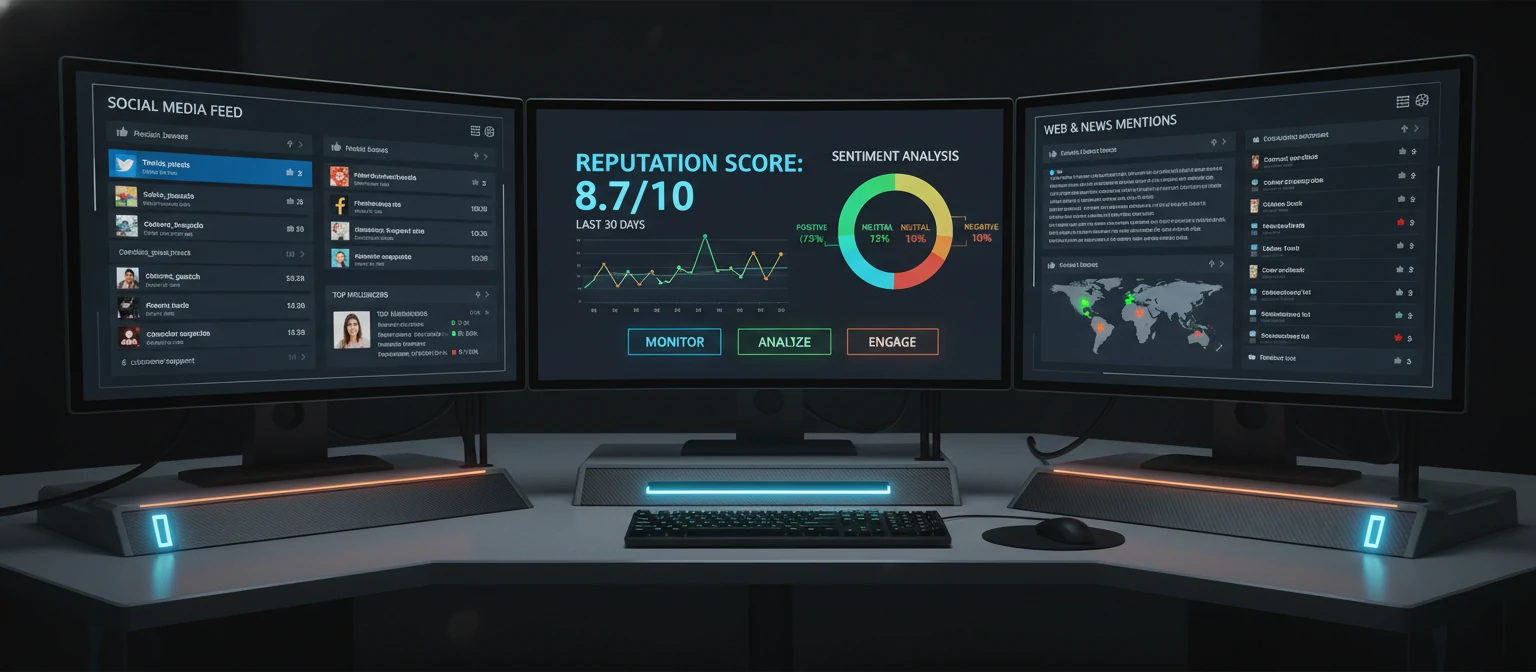
You don't have to do this alone. There are fantastic tools out there designed to make reputation management easier and more effective. Here are some must-haves for any serious business owner:
- Google Alerts: Free and simple – get notified whenever your brand is mentioned online.
- Hootsuite or Buffer: Schedule posts and monitor social media conversations in one place.
- Brandwatch or Mention: Advanced monitoring tools that track sentiment and provide detailed analytics.
- Review platforms: Google My Business, Yelp, and industry-specific sites where you can respond directly to customers.
- Survey tools: Like SurveyMonkey to gather feedback and show you care about improvement.
Start with free tools if you're just beginning, then scale up as your business grows. The key is consistency – use these tools regularly to stay ahead of the curve.
Real-World Case Studies

Sometimes, the best lessons come from seeing how others have navigated choppy waters. Here are a couple of inspiring examples:
Starbucks: Turning Crisis into Opportunity
In 2018, Starbucks faced backlash over the arrest of two Black men in one of their stores. Instead of hiding, they owned the mistake. CEO Kevin Johnson issued a public apology, met with the men personally, and implemented racial bias training for employees. The result? They not only recovered but strengthened their brand loyalty.
United Airlines: Learning from a Viral Mistake
Remember the passenger who was dragged off a United flight? It was a PR nightmare. But United learned from it. They improved their policies, enhanced customer service training, and communicated transparently about changes. While it took time, they rebuilt trust and emerged stronger.
These stories show that even big brands face challenges, but with quick, honest responses and a commitment to improvement, you can turn negatives into positives. Your business can do the same!
What Our Clients Say
"Implementing these reputation management strategies turned our business around. Our online reviews improved dramatically, and customer trust soared!"
- Sarah Johnson, Local Restaurant Owner
"We were struggling with negative feedback, but these tools and strategies helped us engage positively and rebuild our brand image."
- Mike Chen, E-commerce Store Owner
Frequently Asked Questions
How often should I monitor my online reputation?
Daily checks are ideal, but at minimum, review your mentions and reviews weekly. Set up automated alerts to stay informed in real-time.
What if I receive a negative review?
Respond promptly, professionally, and empathetically. Apologize if appropriate, offer solutions, and invite the customer to discuss privately if needed.
Do I need expensive tools to manage my reputation?
Not at all! Start with free tools like Google Alerts and gradually invest in paid solutions as your business grows.
How long does it take to see results from reputation management?
Results vary, but most businesses see improvements within 3-6 months of consistent effort. Building trust takes time, but it's worth it.
Conclusion: The Future of Business Reputation Management
In this ever-changing digital landscape, your business's reputation is your greatest asset. As technology evolves with AI, social media algorithms, and new platforms, so too must your reputation management strategies. Stay proactive, stay authentic, and remember: every interaction is an opportunity to build trust.
You've got this! Start small, be consistent, and watch as your brand transforms from good to great. Your customers, employees, and stakeholders will thank you for it.