

Table of contents
- Introduction to IT Outsourcing Services
- What is IT Outsourcing?
- Benefits of IT Outsourcing Services
- Types of IT Outsourcing Services
- Challenges and Risks of IT Outsourcing
- Best Practices for IT Outsourcing
- Case Studies: Success Stories in IT Outsourcing
- Future Trends in IT Outsourcing
- Conclusion: Embracing IT Outsourcing for Business Success
Introduction to IT Outsourcing Services

Imagine you're running a growing business, and your IT department is overwhelmed with tasks. Projects are piling up, deadlines are looming, and your team is stretched thin. Sound familiar? You're not alone. In today's hyper-competitive landscape, companies of all sizes are turning to IT outsourcing services as a lifeline. But what exactly is IT outsourcing, and why should you care?
IT outsourcing involves delegating information technology tasks to external service providers. This could range from software development and maintenance to cybersecurity and data management. The goal? To leverage external expertise and resources to enhance your business operations without the overhead of in-house teams.
According to recent statistics, the global IT outsourcing market is projected to reach $500 billion by 2026, growing at a CAGR of 8.2%. This surge isn't just hype—it's driven by real business needs. Companies are realizing that outsourcing IT functions can lead to significant cost savings, access to global talent, and a focus on core competencies.
In this comprehensive guide, we'll explore everything you need to know about IT outsourcing services. From the basics to advanced strategies, we'll cover benefits, types, challenges, and best practices. Whether you're a startup looking to scale or an enterprise seeking efficiency, this article will equip you with the knowledge to make informed decisions.
Let's embark on this journey together. By the end, you'll understand how IT outsourcing can transform your business and position you for long-term success in the digital age.
What is IT Outsourcing?
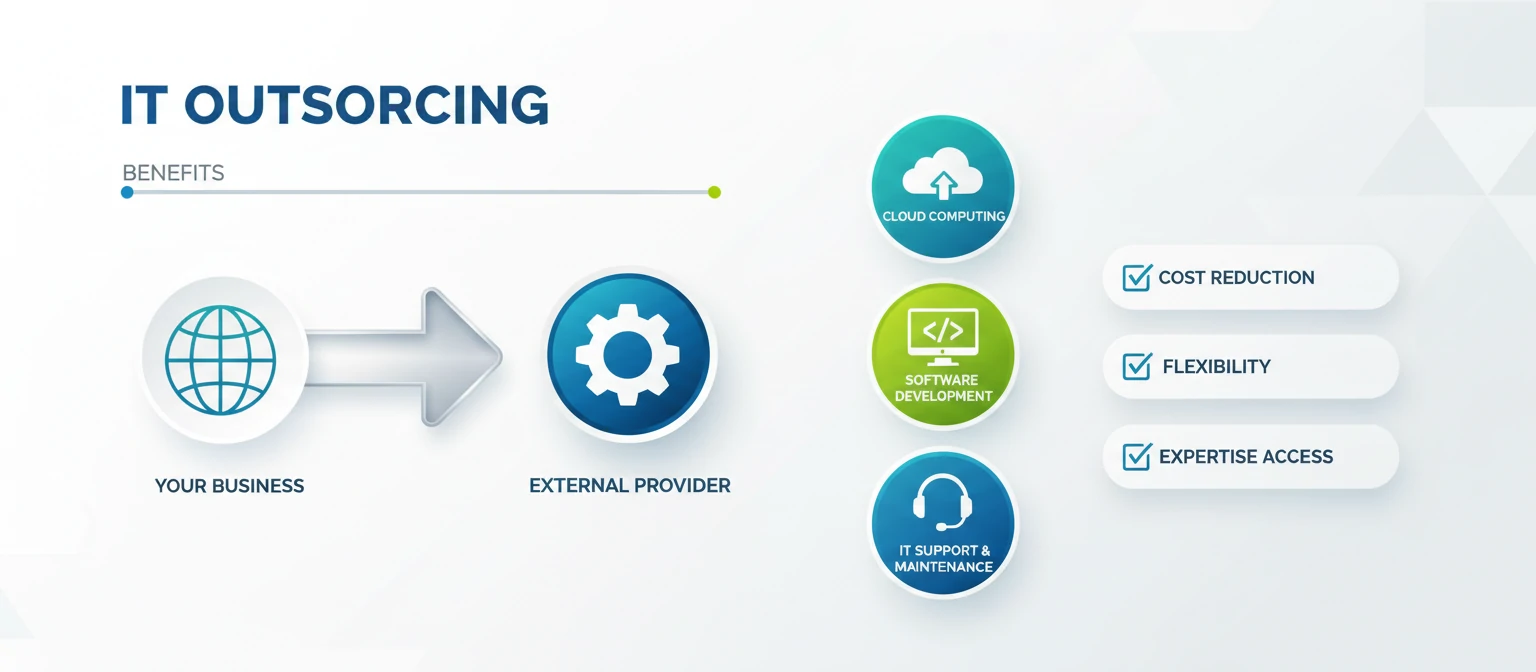
At its core, IT outsourcing is the practice of contracting out IT-related tasks to third-party providers. This isn't a new concept—it's been around since the 1960s when companies first started outsourcing data processing. But in the modern era, it has evolved dramatically.
Today, IT outsourcing encompasses a wide range of services:
- Software Development: Building custom applications, websites, and mobile apps.
- IT Support: Help desk services, technical support, and system maintenance.
- Cybersecurity: Protecting your digital assets from threats.
- Data Management: Handling databases, analytics, and cloud storage.
- Infrastructure Management: Server maintenance, network administration, and cloud services.
The key difference between traditional outsourcing and modern IT outsourcing is the scope and sophistication. Gone are the days of simple offshoring. Today's outsourcing involves strategic partnerships that align with business goals.
Why do companies outsource IT? The reasons are multifaceted. For many, it's about accessing specialized skills that aren't available in-house. Others see it as a way to reduce costs and improve efficiency. Whatever the motivation, IT outsourcing has become a cornerstone of digital transformation strategies.
As we delve deeper into this topic, keep in mind that successful outsourcing isn't just about handing off tasks—it's about building collaborative relationships that drive mutual success.
Benefits of IT Outsourcing Services

The advantages of IT outsourcing are compelling and well-documented. Let's explore the key benefits that make it an attractive option for businesses worldwide.
1. Cost Savings
One of the most significant benefits is cost reduction. By outsourcing IT functions, companies can avoid the expenses associated with hiring, training, and retaining in-house staff. This includes salaries, benefits, equipment, and office space. According to Gartner, organizations can save up to 30% on IT costs through outsourcing.
2. Access to Global Talent
In a competitive job market, finding skilled IT professionals can be challenging. Outsourcing gives you access to a global pool of talent. Whether you need experts in AI, blockchain, or cloud computing, you can tap into specialized skills that might not be available locally.
3. Focus on Core Business
IT is crucial, but it's often not your core competency. Outsourcing allows your team to concentrate on what they do best—driving business growth. This strategic focus can lead to improved productivity and innovation in your primary operations.
4. Scalability and Flexibility
Business needs fluctuate. Outsourcing provides the flexibility to scale IT resources up or down as required. During peak seasons, you can ramp up support; during slow periods, you can reduce costs without laying off staff.
5. Access to Latest Technologies
Outsourcing partners often invest heavily in cutting-edge technologies. By partnering with them, you gain access to tools and platforms that might be too expensive or complex to implement in-house.
6. Improved Quality and Efficiency
Specialized providers bring expertise and best practices to the table. This can result in higher quality outputs, faster delivery times, and more efficient processes.
7. Risk Mitigation
Outsourcing can help mitigate risks associated with IT projects. Providers often have robust backup systems, disaster recovery plans, and compliance measures in place.
These benefits aren't just theoretical—they're backed by real-world results. Companies that embrace IT outsourcing often see improved ROI, faster time-to-market, and enhanced competitive advantage.
Types of IT Outsourcing Services
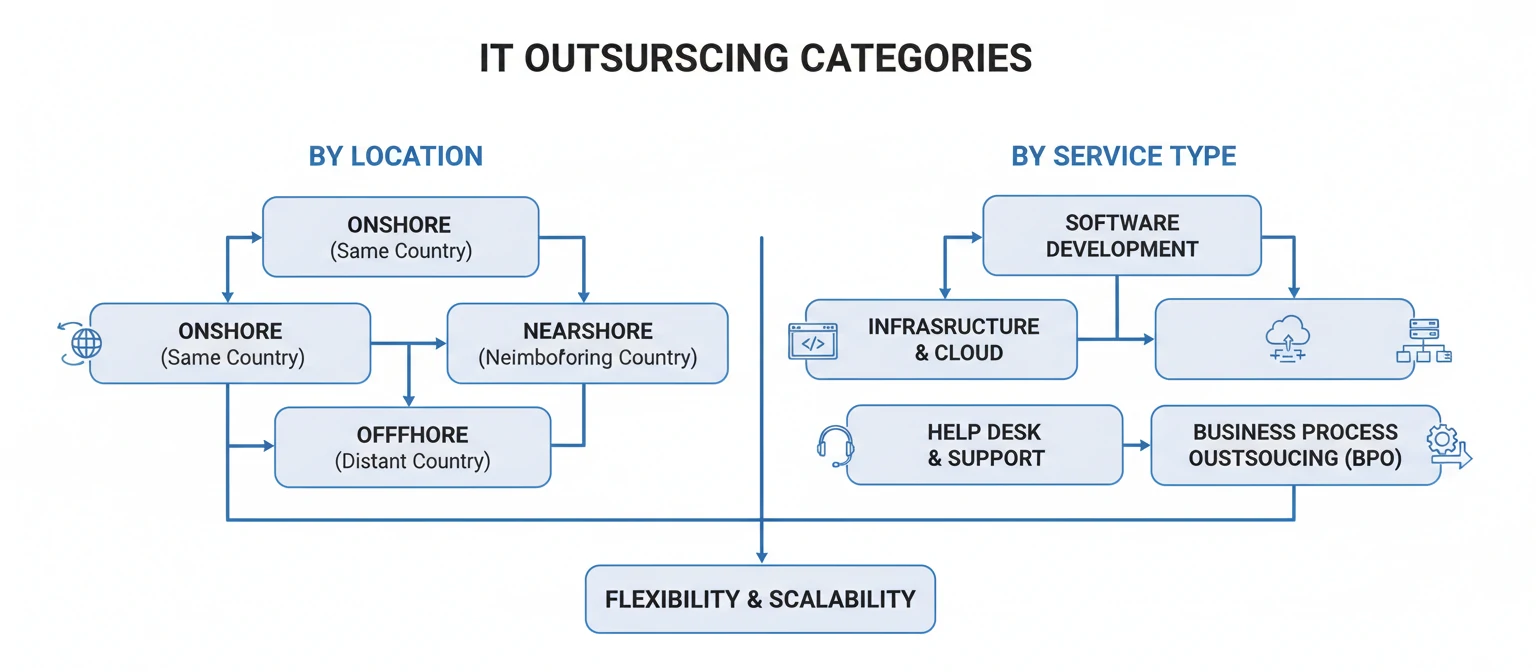
IT outsourcing isn't a one-size-fits-all solution. There are various types, each with its own advantages and considerations. Understanding these options will help you choose the right approach for your business.
By Location
Onshore Outsourcing
This involves partnering with providers in the same country. It offers cultural alignment, easier communication, and compliance with local regulations. However, it may not provide the same cost savings as other options.
Nearshore Outsourcing
Nearshore involves working with providers in neighboring countries or regions with similar time zones. It combines cost benefits with better communication and cultural understanding. For example, a US company might outsource to Mexico or Canada.
Offshore Outsourcing
Offshore outsourcing means partnering with providers in distant countries, often in Asia or Eastern Europe. This typically offers the lowest costs but can present challenges with time zone differences and cultural nuances.
By Service Model
Project-Based Outsourcing
In this model, you outsource specific projects with defined scopes, timelines, and deliverables. It's ideal for one-off initiatives or when you need specialized skills for a short period.
Managed Services
Managed services involve outsourcing ongoing IT operations. The provider takes responsibility for managing and maintaining your IT infrastructure, often under a service level agreement (SLA).
Staff Augmentation
This approach involves hiring external IT professionals to supplement your in-house team. It's like extending your workforce without the long-term commitment of full-time hires.
By Function
IT outsourcing can be categorized by specific functions:
- Application Development and Maintenance: Building and updating software applications.
- IT Infrastructure Management: Managing servers, networks, and data centers.
- Business Process Outsourcing (BPO): Outsourcing business processes that involve IT, like data entry or customer support.
- Cloud Services: Migrating to and managing cloud infrastructure.
Choosing the right type depends on your business needs, budget, and risk tolerance. Many companies use a hybrid approach, combining different types for optimal results.
Challenges and Risks of IT Outsourcing
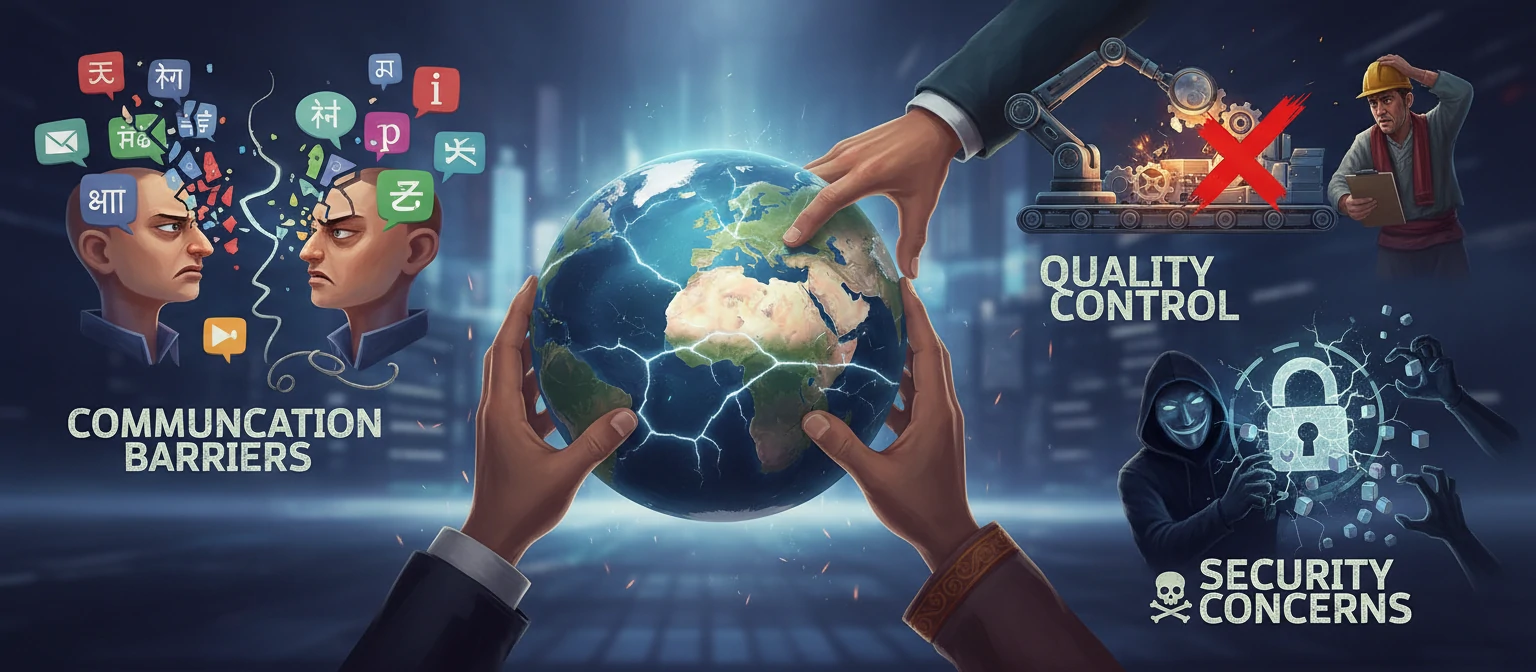
While IT outsourcing offers numerous benefits, it's not without its challenges. Being aware of potential pitfalls can help you navigate them successfully.
Communication Barriers
Language differences, time zones, and cultural nuances can lead to misunderstandings. Clear communication protocols and regular check-ins are essential to mitigate this risk.
Quality Control
Ensuring consistent quality from external providers can be challenging. Without proper oversight, deliverables might not meet your standards. Implementing quality assurance processes is crucial.
Security Concerns
Outsourcing sensitive IT functions raises data security and privacy issues. You need to ensure that your provider has robust security measures and complies with relevant regulations like GDPR or HIPAA.
Loss of Control
When you outsource, you relinquish some control over processes and decision-making. This can be unsettling for companies accustomed to in-house management.
Hidden Costs
While outsourcing can save money, there are often hidden costs like transition expenses, training, or unexpected scope changes. Careful budgeting is essential.
Dependency on Vendors
Over-reliance on a single provider can create vulnerabilities. What happens if they go out of business or can't meet your needs? Diversification and contingency planning are important.
Intellectual Property Risks
Sharing proprietary information with external parties carries IP risks. Strong contracts and NDA agreements are vital to protect your assets.
Despite these challenges, most can be addressed with proper planning, due diligence, and ongoing management. The key is to approach outsourcing strategically rather than as a quick fix.
Best Practices for IT Outsourcing

To maximize the benefits of IT outsourcing, follow these best practices. They can help you avoid common pitfalls and build successful partnerships.
1. Define Clear Objectives
Before outsourcing, clearly define what you want to achieve. Whether it's cost reduction, skill acquisition, or faster delivery, having specific goals will guide your decisions.
2. Conduct Thorough Vendor Research
Don't rush into a partnership. Research potential vendors extensively. Check references, review case studies, and assess their track record. Look for certifications and industry recognition.
3. Develop a Comprehensive Contract
Your contract should cover scope, deliverables, timelines, pricing, SLAs, and termination clauses. Include provisions for intellectual property, confidentiality, and dispute resolution.
4. Establish Communication Protocols
Set up regular meetings, reporting structures, and communication tools. Use project management software to keep everyone aligned and informed.
5. Implement Performance Monitoring
Track key performance indicators (KPIs) and service levels. Regular audits and reviews will help ensure the partnership is delivering value.
6. Plan for Knowledge Transfer
Ensure that knowledge and processes are documented and transferable. This prevents dependency and facilitates smooth transitions if needed.
7. Foster Relationship Building
Treat your outsourcing partner as an extension of your team. Invest time in building trust and collaboration for long-term success.
8. Prepare for Contingencies
Have backup plans in case of vendor issues. This might include secondary providers or in-house capabilities for critical functions.
By following these practices, you can create outsourcing arrangements that are mutually beneficial and sustainable.
Case Studies: Success Stories in IT Outsourcing
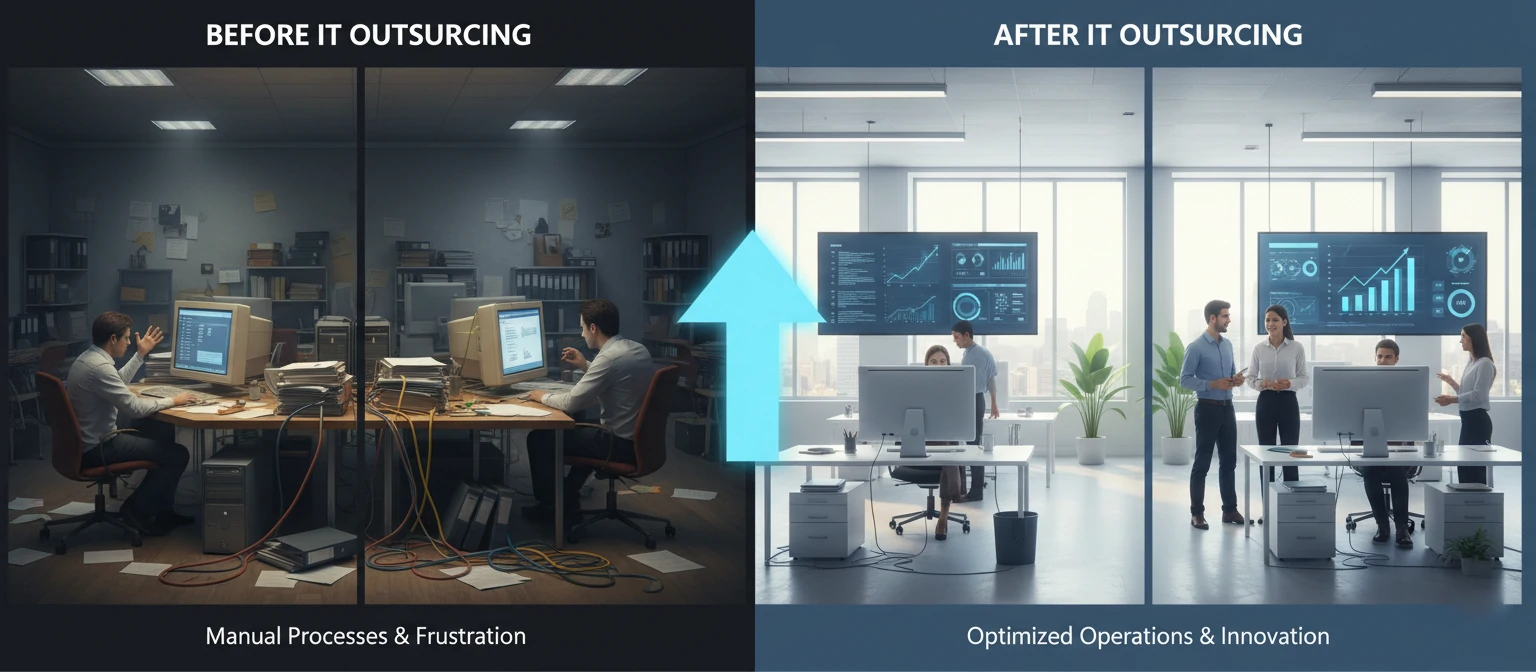
Real-world examples can illustrate the transformative power of IT outsourcing. Here are a few compelling case studies.
Case Study 1: Global Retailer's Digital Transformation
A major European retailer was struggling with outdated IT systems that couldn't keep up with e-commerce demands. They outsourced their entire IT infrastructure to a managed services provider. The result? A 40% reduction in IT costs, 50% faster deployment of new features, and a 25% increase in online sales within the first year.
Case Study 2: Startup's Rapid Scaling
A fintech startup needed to develop a complex mobile app quickly to capture market share. They outsourced development to a nearshore team with expertise in financial software. The app was launched in 6 months instead of the projected 18, helping the company secure Series A funding and grow to 100,000 users in the first year.
Case Study 3: Enterprise Cybersecurity Enhancement
A large healthcare provider faced increasing cyber threats but lacked in-house security expertise. They partnered with a specialized cybersecurity firm for managed security services. This led to a 90% reduction in security incidents and full compliance with HIPAA regulations, protecting patient data and avoiding costly breaches.
Case Study 4: Manufacturing Company's Cloud Migration
An industrial manufacturer wanted to modernize its legacy systems but didn't have the internal resources. They outsourced the cloud migration project to an experienced provider. The migration was completed 30% under budget and 20% ahead of schedule, enabling real-time data analytics and predictive maintenance capabilities.
These case studies demonstrate that with the right approach, IT outsourcing can drive significant business improvements across various industries.
Future Trends in IT Outsourcing

The IT outsourcing landscape is constantly evolving. Here are some trends shaping the future of the industry.
AI and Automation Integration
Artificial intelligence is transforming outsourcing services. Providers are using AI for predictive analytics, automated testing, and intelligent customer support, making services more efficient and cost-effective.
Cloud-Native Outsourcing
As businesses move to the cloud, outsourcing providers are specializing in cloud management, migration, and optimization. This includes multi-cloud strategies and serverless architectures.
Focus on Cybersecurity
With increasing cyber threats, outsourcing partners are emphasizing security-first approaches. This includes zero-trust models, AI-driven threat detection, and compliance automation.
Blockchain and Decentralized Services
Blockchain technology is finding applications in outsourcing, particularly for secure data management, smart contracts, and decentralized IT services.
Sustainability and Green IT
Environmental concerns are driving demand for eco-friendly IT solutions. Outsourcing providers are offering green data centers and energy-efficient computing options.
Hybrid and Multi-Modal Outsourcing
Companies are adopting hybrid models that combine in-house teams with multiple outsourcing partners, creating flexible and resilient IT ecosystems.
Staying ahead of these trends will be crucial for businesses looking to leverage IT outsourcing for competitive advantage.
Conclusion: Embracing IT Outsourcing for Business Success
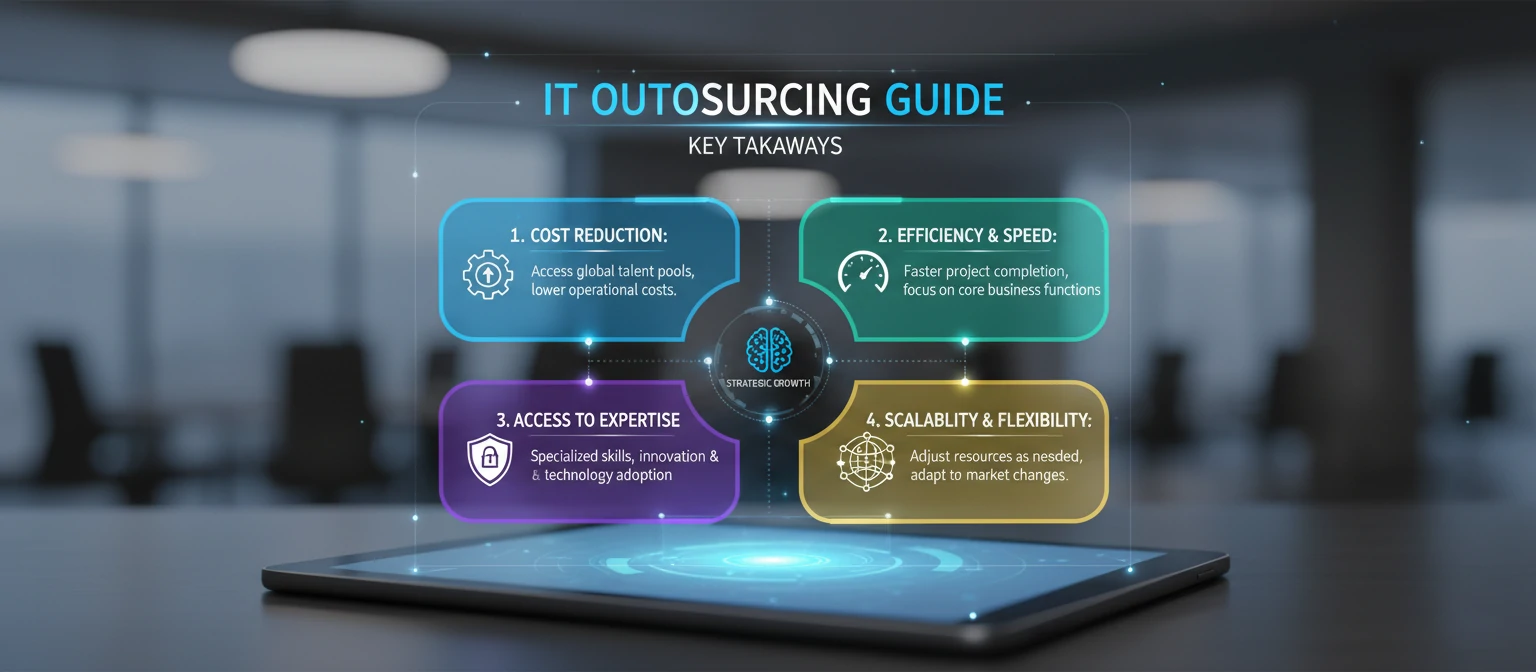
As we've explored throughout this comprehensive guide, IT outsourcing services offer a powerful pathway to business transformation. From cost savings and access to global talent to improved efficiency and innovation, the benefits are substantial and well-documented.
However, success in outsourcing requires more than just handing off tasks—it demands strategic thinking, careful planning, and ongoing management. By understanding the different types of outsourcing, recognizing potential challenges, and implementing best practices, you can build partnerships that drive real value.
The case studies we've examined demonstrate that companies across industries are achieving remarkable results through thoughtful outsourcing strategies. And with emerging trends like AI integration and cloud-native services, the future of IT outsourcing looks even more promising.
If you're considering IT outsourcing for your business, start by assessing your current IT capabilities and identifying areas where external expertise could make a difference. Research potential partners thoroughly, define your objectives clearly, and approach the process with an open mind.
Remember, outsourcing isn't about replacing your team—it's about augmenting it. When done right, it can free up your resources to focus on what matters most: growing your business and delighting your customers.
We hope this guide has provided you with valuable insights and practical knowledge to make informed decisions about IT outsourcing. If you have questions or need further guidance, don't hesitate to reach out to experts in the field.
Here's to your success in the ever-evolving world of IT outsourcing!