

Discover how offshore development can transform your projects, save costs, and accelerate innovation
Table of contents
- Introduction to Offshore Software Development
- What Exactly is Offshore Software Development?
- The Amazing Benefits of Offshore Software Development Services
- Challenges and How to Overcome Them
- Types of Offshore Software Development Services
- Popular Offshore Development Destinations
- How to Choose the Right Offshore Development Provider
- Real-World Case Studies
- Future Trends in Offshore Software Development
- Getting Started with Offshore Development
- Frequently Asked Questions About Offshore Development
- 🤔 Is offshore development secure?
- 💬 How do you handle communication across time zones?
- ⏰ What's the typical project timeline for offshore development?
- 💰 How much can I really save with offshore development?
- 🌍 Which country is best for offshore development?
- 🔧 What if the code quality isn't up to par?
- 🔧 What if the code quality isn't up to par?
- Essential Tools for Successful Offshore Development
Introduction to Offshore Software Development
Hey there! In today's lightning-fast digital world, businesses are always on the hunt for that competitive edge. One approach that's really catching fire is offshore software development. But hold on – what does it really mean, and why should you even think about it for your next big project?
Picture this: You're running a startup that's growing like crazy, and your internal team is pulling all-nighters just to keep up with feature requests. Or maybe you're part of a big corporation trying to update those old, clunky systems without causing a total meltdown. In scenarios like these, offshore software development might just be the superhero your business needs.
At its core, offshore software development means handing over software development tasks to teams in other countries – usually places with more affordable labor costs. But it's not just about saving a few bucks; it's about tapping into a worldwide pool of brilliant minds to create amazing solutions. Think countries like India, Ukraine, Poland, and the Philippines – they've become absolute powerhouses for tech talent, with developers who can tackle everything from slick web apps to massive enterprise systems.

And get this – offshore development isn't just for the big players anymore. Small and medium businesses are jumping on board too, using it to punch above their weight. By getting access to affordable, top-notch development services, companies of every size can go toe-to-toe with industry titans and turn their digital dreams into reality quicker than you can say "innovation."
Now, if you're a business owner or IT whiz, you might be scratching your head wondering if this offshore thing is right for you. Don't worry – in this super detailed guide, we're going to unpack everything you need to know about offshore software development services. We'll talk benefits, challenges, best practices, and even share some real-life success stories. We'll get into the nitty-gritty of collaborating with offshore teams, drop some wisdom from industry pros, and give you practical tips to help you make smart choices.
Whether you're a total newbie to offshore development or you're looking to fine-tune your current setup, this guide has got you covered. So buckle up, let's dive in together and see how offshore software development can totally revolutionize your business!
What Exactly is Offshore Software Development?
Let's break this down nice and simple. Offshore software development is basically when you hire software development teams from countries different from your own to handle your projects. These teams could be chilling in Eastern Europe, buzzing in Asia, or coding away in Latin America – it all depends on what works best for you.
Now, don't get this mixed up with nearshore (outsourcing to nearby countries) or onshore (keeping everything in-house). Offshore is all about that truly global vibe, giving you access to talent pools that might have super specialized skills you can't easily find or afford locally.
The Key Traits of Offshore Development
- Geographical Distance: Teams are usually in different time zones, which actually lets you run 24/7 development cycles. It's like having a relay race around the world!
- Cost Efficiency: Lower labor costs in offshore spots can seriously cut down your development expenses. We're talking potential savings of 50% or more.
- Access to Talent: Dive into a massive pool of skilled developers with all sorts of expertise. Need a blockchain wizard or an AI guru? Offshore might have just what you need.
- Scalability: You can easily grow or shrink your team based on project needs. Need 20 developers for a sprint? No problem. Back to 5 after? Done.

The Amazing Benefits of Offshore Software Development Services
Okay, let's be real – offshore development isn't perfect, and it does come with some challenges. But for so many businesses, the upsides totally outweigh the downsides. These aren't just fancy claims either; they're proven by tons of success stories from companies that have completely transformed their operations through offshore partnerships. Let's chat about the key perks that make offshore services such a tempting option.
💰 Cost Savings That Make Sense
If we're being honest, this is probably the biggest draw for most people. Going offshore can slash your costs dramatically. Labor in places like India, Ukraine, or the Philippines can be 50-70% cheaper than in Western countries. Picture this: A top-notch developer in the US might run you $100-150 per hour, but their equally skilled counterpart in Eastern Europe could be $30-50. That's some serious savings!
And it doesn't stop at hourly rates. Offshore teams usually bring their own tech setup, so you don't have to shell out for pricey hardware or software licenses. Plus, you skip all those overhead costs like office rent, utilities, and employee benefits. Lots of businesses see total savings of 40-60% when they switch to offshore models. Imagine what you could do with that extra cash – maybe invest in marketing, snag more customers, or fuel some cool product innovations!
For startups scraping by on shoestring budgets, offshore development can be a total game-changer. It might be the difference between launching that killer product or just dreaming about it.
🌍 Access to Global Talent Pools
This is where offshore development really shines. You get to tap into a diverse, worldwide pool of super-skilled pros. Maybe you need experts in cutting-edge stuff like AI, blockchain, or IoT that are scarce or insanely expensive locally. India alone churns out over 1.5 million engineering grads every year, giving you a deep well of talent across all sorts of specialties.
Plus, you can build multidisciplinary teams with complementary skills, sparking all sorts of innovation and creativity. Think about it: UI/UX wizards from Brazil teaming up with backend coders from Poland and QA experts from Vietnam – all collaborating smoothly on your project. It's like assembling the Avengers of development!
Offshore teams often bring fresh perspectives and problem-solving approaches too. They've tackled projects across tons of industries, so they come with insights that help you dodge common pitfalls and implement best practices right from the start.
⚡ Faster Time-to-Market
With offshore teams grinding around the clock across different time zones, you can keep development rolling 24/7. What might take weeks in a regular 9-5 setup could get done in days with this round-the-clock approach. If your team wraps up at 5 PM EST, the offshore crew in Asia can jump right in and keep the momentum going.

This speed boost is crucial in fast-paced fields like fintech, e-commerce, and mobile apps, where getting to market first can make or break your success. Offshore development has helped companies launch products 30-50% faster than they would have with just in-house teams.
🎯 Focus on What Matters Most
By handing off development tasks to offshore experts, your in-house team can zero in on strategic stuff and core business activities. You get to leverage outside expertise for the technical heavy lifting while your crew focuses on what they do best – like understanding customer needs, shaping product strategy, and growing the business.
Let's face it, in-house developers often get bogged down with maintenance, bug fixes, and infrastructure headaches. Offshore teams can handle those operational bits, freeing your core team to dream up innovations and drive revenue.
🔄 Scalability and Flexibility
Offshore models give you amazing flexibility. Need to beef up your team for a big push? You can add developers quickly. Project slowing down? Scale back just as fast. This kind of agility is tough to pull off with traditional in-house setups, where hiring and letting go can drag on for months.
This scalability is gold for seasonal businesses or companies with up-and-down project loads. You only pay for what you need, when you need it, without those long-term commitments of full-time hires.
🛡️ Risk Mitigation
By spreading your development capabilities across different parts of the world, you lower the risk of disruptions from local issues like natural disasters, economic slumps, or talent shortages. If one area hits a rough patch, you can shift to another without skipping a beat.
🚀 Access to Latest Technologies and Tools
Offshore teams are often plugged into a huge range of technologies and stay current with industry trends. They can suggest and implement the best tools for your specific needs, making sure your project kicks off with cutting-edge solutions.
Challenges and How to Overcome Them
Look, offshore development has its hurdles – that's just reality. But the good news is that understanding these bumps in the road and knowing how to handle them is key to your success. Lots of businesses have actually turned these challenges into opportunities by getting smart about their strategies and processes.
🗣️ Communication Barriers
Language differences, cultural quirks, and time zone headaches can definitely cause mix-ups. They're not impossible to fix, but they do need some proactive handling. For example, a 12-hour time difference might limit face-to-face chats, but hey, it also lets you run 24/7 operations if you play it right.
To tackle this head-on:
- Pick providers with solid English skills and cultural training
- Use collaboration tools like Slack, Zoom, and Jira for smooth communication
- Set up clear communication rules, including preferred channels and response times
- Schedule regular check-ins and rely on written docs for tricky discussions
- Think about overlapping hours for crucial project stages
⭐ Quality Concerns
Some folks worry about the quality of offshore work, often based on old-school stereotypes. But truth is, many offshore teams follow international quality standards and hold certifications like ISO 9001 or CMMI Level 3. The secret sauce is thorough vetting and keeping quality in check throughout.
Keep quality high by:
- Doing deep vetting during selection, including technical interviews and portfolio checks
- Setting up quality assurance processes, automated testing, and regular code reviews
- Starting with small pilot projects to test the waters and build trust
- Establishing clear quality metrics and acceptance criteria from day one
- Providing detailed requirements and design specs to cut down on confusion

🔒 Intellectual Property Protection
Sharing sensitive code and ideas offshore can definitely raise IP red flags, especially in cutthroat industries. It's a real concern, but totally manageable with the right safeguards. Places like India and Ukraine have solid legal systems for IP protection, and good providers make security a top priority.
Shield yourself with:
- Rock-solid NDA agreements that work in both countries
- Comprehensive IP clauses in contracts covering code, designs, and proprietary processes
- Secure development environments with access controls, encryption, and monitoring
- Limited access to sensitive info on a need-to-know basis
- Regular IP audits and compliance checks
Types of Offshore Software Development Services
Full-Stack Development
Complete end-to-end development services covering frontend, backend, database, and deployment. This comprehensive approach is ideal for startups building MVPs or companies undergoing digital transformation. Full-stack teams handle everything from user interface design to server-side logic, database management, and deployment automation.
Benefits include streamlined communication (single point of contact) and faster development cycles. However, it requires the provider to have broad expertise across multiple domains.
Specialized Development
Focus on specific technologies or domains, allowing you to tap into deep expertise in particular areas. This model is perfect when you need cutting-edge skills or want to augment your existing team with specialists.
Common specializations include:
- Mobile app development (iOS, Android, cross-platform with frameworks like React Native or Flutter)
- Web development (React, Angular, Vue.js, Node.js, Python)
- Cloud services (AWS, Azure, GCP architecture and migration)
- AI and machine learning solutions (computer vision, natural language processing, predictive analytics)
- Blockchain development (smart contracts, decentralized applications)
- IoT solutions (embedded systems, sensor networks, edge computing)

Maintenance and Support
Ongoing support for existing applications, including bug fixes, updates, and performance optimization. This service is crucial for businesses that want to keep their software current without maintaining a full in-house team.
Support services often include 24/7 monitoring, emergency fixes, feature enhancements, and technology upgrades. Many providers offer SLA-based support with guaranteed response times.
Consulting and Strategy
Expert advice on technology choices, architecture design, and development roadmaps. This service helps you make informed decisions about your tech strategy without committing to full development projects.
Consulting engagements might involve technology audits, proof-of-concept development, or strategic planning sessions. They're particularly valuable for companies exploring new technologies or planning major digital initiatives.
Staff Augmentation
Temporary addition of skilled developers to your existing team. This model gives you direct control over the development process while leveraging offshore talent for specific roles or project phases.
Staff augmentation is flexible and scalable, making it ideal for short-term projects or when you need to quickly fill skill gaps. It requires more management effort from your side but offers maximum integration with your processes.
Product Development Partnerships
Long-term strategic partnerships where offshore teams become an extension of your product development organization. This model involves shared goals, joint planning, and collaborative innovation.
Product partnerships are suited for companies with ongoing development needs and a desire for deep, trust-based relationships with their offshore providers.
Popular Offshore Development Destinations
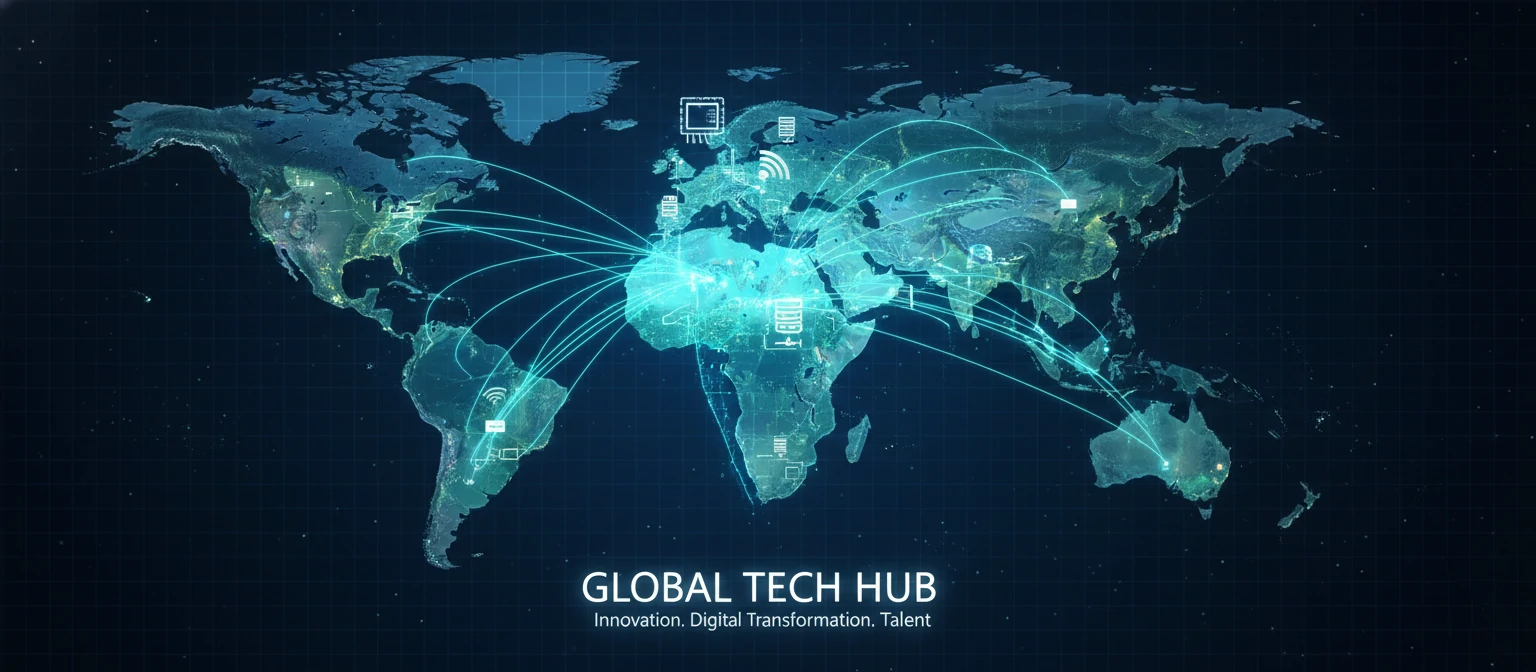
Different countries offer unique advantages in terms of cost, talent quality, time zones, and cultural fit. Here's an overview of some of the most popular offshore development destinations and what they bring to the table.
India
India is the world's largest offshore development hub, with over 5 million IT professionals. Known for its vast talent pool and competitive pricing, Indian developers excel in a wide range of technologies.
Strengths: Large pool of engineers, English proficiency, established processes. Time zone advantage for US companies (10-12 hour difference allows for overlapping work hours).
Considerations: High demand can lead to talent competition; some regions face infrastructure challenges.
Ukraine
Ukraine has emerged as a top destination for European and US companies, with a strong focus on quality and innovation. The country produces over 20,000 IT graduates annually.
Strengths: High-quality code, strong mathematical and technical education, European time zones, competitive costs. Excellent for complex projects requiring deep technical expertise.
Considerations: Recent geopolitical events have affected some operations, but the industry remains robust.
Poland
Poland offers a perfect blend of Eastern European talent and Western European business culture. With over 400,000 IT professionals, it's a growing hub for software development.
Strengths: High-quality work, EU time zones, strong work ethic, multilingual capabilities. Particularly strong in fintech, gaming, and enterprise software.
Considerations: Slightly higher costs than some Asian destinations, but excellent value for quality.
The Philippines
Known for exceptional communication skills and customer service orientation, the Philippines is ideal for projects requiring strong interpersonal interactions.
Strengths: Excellent English proficiency, cultural alignment with Western businesses, 24/7 availability due to time zone spread. Strong in BPO, customer-facing applications, and digital marketing tech.
Considerations: Smaller talent pool compared to India, focus more on quality than quantity.
Latin America (Brazil, Argentina, Mexico)
These countries offer proximity to North American markets and growing tech ecosystems. Brazil, in particular, has become a hub for innovation in areas like fintech and e-commerce.
Strengths: Time zone alignment with US markets, growing talent pools, cultural familiarity. Strong in mobile development and user experience design.
Considerations: Economic fluctuations can affect stability; talent distribution is more concentrated in major cities.
Choosing the Right Destination
When selecting a destination, consider factors like:
- Time zone compatibility for collaboration
- Language and cultural alignment
- Cost competitiveness
- Legal and IP protection frameworks
- Political and economic stability
- Internet infrastructure and reliability
Many successful companies work with multiple destinations to balance these factors and mitigate risks.
How to Choose the Right Offshore Development Provider
Selecting the right partner is crucial for offshore success. Here's a step-by-step guide to help you make an informed decision.
Define Your Requirements
Start by clearly outlining your project needs, timeline, budget, and technical requirements. This will help you identify providers that match your specific needs.
Research and Shortlist
Look for providers with:
- Proven track record in your industry
- Relevant technology expertise
- Positive client reviews and case studies
- Certifications and quality standards
Conduct Due Diligence
Don't just take portfolios at face value. Ask for references, conduct interviews with potential team members, and review their development processes.

Evaluate Communication and Culture Fit
Assess how well the provider communicates and whether their work culture aligns with yours. A good cultural fit can make or break long-term partnerships.
Start Small
Begin with a pilot project to test the waters before committing to larger engagements.
Real-World Case Studies
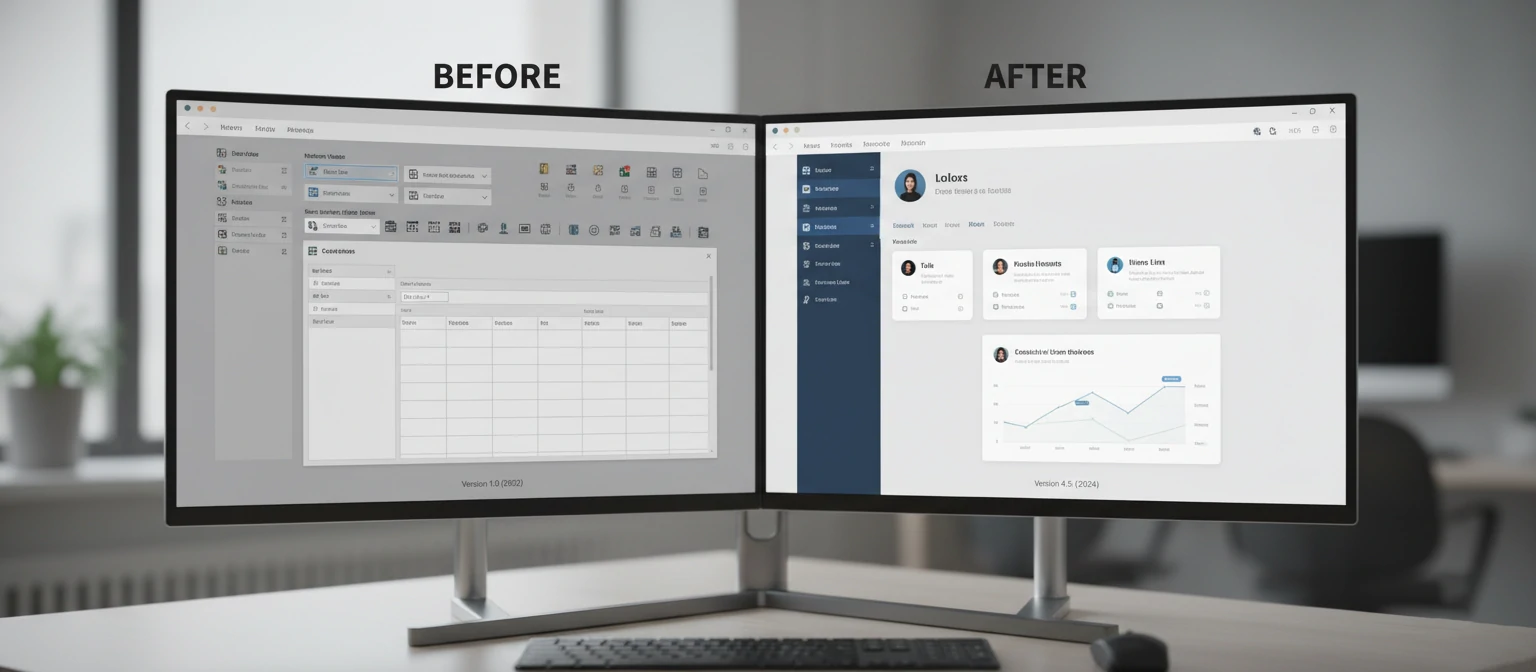
Let's look at some success stories to see how offshore development has transformed businesses. These examples illustrate the tangible benefits and real-world impact of offshore partnerships across different industries and company sizes.
Startup Scaling with Offshore Talent
A fintech startup in Silicon Valley was struggling to build their mobile banking app with a small in-house team. They partnered with an offshore development company in Ukraine, bringing on board 8 developers with expertise in financial software and mobile technologies.
The results were remarkable: development costs were reduced by 60%, the app launched 3 months ahead of schedule, and the startup secured $5 million in Series A funding based on their accelerated product development. The offshore team not only delivered high-quality code but also introduced innovative security features that became key selling points.
Enterprise Digital Transformation
A European retail giant with legacy systems was losing market share to more agile online competitors. They decided to outsource their e-commerce platform redevelopment to an Indian offshore team with 50+ developers.
The offshore team modernized the entire platform using microservices architecture and cloud technologies. The project delivered a 40% improvement in site performance, reduced page load times from 8 seconds to 2 seconds, and increased online sales by 25% in the first quarter after launch. The retailer also reported 30% lower maintenance costs due to the scalable architecture implemented by the offshore team.
AI-Powered Innovation
An Australian healthcare company wanted to develop an AI-driven diagnostic tool for early disease detection. Lacking local AI expertise, they collaborated with offshore developers in Poland who had specialized in medical AI applications.
The partnership resulted in a breakthrough product that uses machine learning to analyze medical images with 95% accuracy. The offshore team brought not only technical expertise but also knowledge of European medical regulations, ensuring compliance from the start. The product is now used by hospitals across Australia and has received FDA approval for international markets.
SaaS Company Expansion
A US-based SaaS company providing project management tools needed to add advanced analytics features to stay competitive. They augmented their team with offshore developers from the Philippines for a 6-month sprint.
The offshore team integrated seamlessly with the existing codebase, adding predictive analytics, custom reporting, and AI-powered insights. The new features increased user engagement by 35% and reduced churn by 20%. The company was able to launch the update 2 months early, gaining a competitive edge in the market.
Manufacturing IoT Solution
A German manufacturing company wanted to implement IoT solutions for predictive maintenance across their factories. They partnered with an offshore team in Brazil for their proximity to similar industries and time zone alignment.
The offshore developers created a comprehensive IoT platform that monitors equipment in real-time, predicts failures, and optimizes maintenance schedules. The solution reduced downtime by 40% and increased overall equipment effectiveness by 25%. The cultural alignment and technical expertise from the Brazilian team were key factors in the project's success.
These case studies demonstrate that offshore development isn't just about cost savings—it's about accessing global expertise, accelerating innovation, and achieving business outcomes that would be difficult or impossible with local resources alone.
Future Trends in Offshore Software Development
The offshore development landscape is evolving rapidly, driven by technological advancements, changing work cultures, and global economic shifts. Here are some key trends shaping the future of offshore software development:
AI and Automation Integration
Offshore teams are increasingly incorporating AI tools for code generation, testing, and project management, improving efficiency and quality. Tools like GitHub Copilot, automated testing frameworks, and AI-powered code review systems are becoming standard in offshore development workflows.
This trend is expected to reduce development time by 20-30% and improve code quality by catching bugs earlier. Offshore providers are investing in AI training for their teams to stay competitive.
Remote-First Cultures
The pandemic has accelerated the adoption of remote work globally, making offshore collaboration more seamless and accepted. Companies are moving away from traditional office-centric models to distributed, remote-first cultures that naturally accommodate offshore teams.
This shift is breaking down geographical barriers and creating a truly global talent marketplace. Expect to see more companies adopting "follow the sun" development models where work continues 24/7 across time zones.
Focus on Cybersecurity
With growing concerns about data security and increasing regulatory requirements, offshore providers are investing heavily in secure development practices and compliance certifications. Standards like SOC 2, ISO 27001, and GDPR compliance are becoming mandatory rather than optional.
Offshore teams are implementing zero-trust architectures, end-to-end encryption, and advanced threat detection systems. This focus on security is not just about compliance—it's becoming a competitive differentiator.

Sustainability and Ethics
There's a growing emphasis on ethical sourcing, fair labor practices, and environmentally conscious development in the offshore industry. Companies are increasingly evaluating providers based on their environmental impact, labor practices, and community contributions.
This trend includes carbon-neutral development practices, fair wage commitments, and investments in local education and infrastructure. Ethical offshore development is becoming a key consideration for socially conscious businesses.
Platform Engineering and DevOps
The rise of platform engineering is changing how offshore teams operate. Instead of building applications from scratch, teams are creating and maintaining internal developer platforms that enable faster, more consistent development.
DevOps practices are becoming ubiquitous, with offshore teams implementing CI/CD pipelines, infrastructure as code, and automated deployment processes. This trend is improving delivery speed and reliability across distributed teams.
Specialization and Niche Expertise
As the industry matures, we're seeing increased specialization. Offshore providers are focusing on niche areas like quantum computing, edge AI, Web3, and specialized domains like healthcare or fintech.
This specialization allows providers to offer deeper expertise and better outcomes for specific industries, rather than trying to be everything to everyone.
Hybrid and Multi-Shore Models
Companies are moving beyond simple offshore models to hybrid approaches that combine onshore, nearshore, and offshore resources. Multi-shore strategies distribute work across multiple locations to optimize for cost, quality, and time zones.
This approach mitigates risks and allows companies to tap into the best of each location's strengths.
Emphasis on Soft Skills and Cultural Intelligence
As technical skills become more commoditized, soft skills like communication, cultural intelligence, and adaptability are gaining importance. Offshore providers are investing in training programs to develop these competencies.
This trend recognizes that successful offshore partnerships depend as much on people and relationships as on technical capabilities.
Getting Started with Offshore Development
Ready to explore offshore software development? Taking the first steps can feel overwhelming, but with a structured approach, you can set yourself up for success. Here's a comprehensive guide to getting started:
Step 1: Assess Your Readiness
Before diving in, evaluate if offshore development is right for your organization:
- Do you have stable internet requirements for remote collaboration?
- Is your project well-defined with clear requirements?
- Do you have the internal resources to manage an offshore relationship?
- Are you comfortable with the potential challenges of distributed teams?
Take time to assess your organizational culture and readiness for remote work. Companies with experience in distributed teams often find the transition smoother.
Step 2: Define Your Project Scope
Clearly articulate what you want to achieve:
- Create detailed project requirements and specifications
- Define success metrics and acceptance criteria
- Estimate timeline and budget expectations
- Identify any specific technologies or methodologies required
The more detailed your initial documentation, the smoother the vendor selection and project kickoff will be.
Step 3: Budget Planning
Factor in all costs, not just hourly rates:
- Development costs (hourly rates × estimated hours)
- Communication and collaboration tools
- Project management and oversight
- Potential travel expenses for team meetings
- Legal and compliance costs
- Training and knowledge transfer
Remember that while offshore rates are lower, you might need to invest more upfront in planning and management to ensure success.
Step 4: Research and Shortlist Providers
Invest time in finding the right partner:
- Use platforms like Clutch, GoodFirms, or Upwork to research providers
- Check portfolios, case studies, and client reviews
- Look for relevant certifications and quality standards
- Consider time zone compatibility and cultural fit
- Request and check references from similar projects
Don't rush this step—choosing the wrong provider can be costly to fix later.
Step 5: Conduct Due Diligence
Once you've shortlisted candidates:
- Conduct technical interviews with potential team members
- Review their development processes and methodologies
- Assess their communication skills and English proficiency
- Discuss security practices and IP protection measures
- Request a small pilot project or proof-of-concept
Step 6: Legal and Compliance Setup
Ensure proper legal protections:
- Draft comprehensive contracts covering scope, deliverables, and timelines
- Include strong NDA and IP protection clauses
- Address data privacy and compliance requirements
- Define dispute resolution mechanisms
- Consider local laws in both jurisdictions
Consult with legal experts familiar with offshore arrangements to avoid costly mistakes.
Step 7: Team Integration and Onboarding
Set up for smooth collaboration:
- Establish communication protocols and tools
- Provide access to necessary systems and documentation
- Conduct joint onboarding and training sessions
- Define roles, responsibilities, and decision-making processes
- Plan regular check-ins and progress reviews

Step 8: Launch and Monitor
Start small and scale:
- Begin with a pilot phase to test the partnership
- Establish KPIs and monitoring mechanisms
- Implement feedback loops for continuous improvement
- Be prepared to adjust processes as you learn
- Celebrate early wins to build momentum
Remember that successful offshore partnerships take time to develop. Be patient, communicate openly, and focus on building long-term relationships rather than short-term gains.
Frequently Asked Questions About Offshore Development
🤔 Is offshore development secure?
Absolutely, when done right! Reputable offshore providers use the same security measures as local firms – think encrypted communications, secure code repositories, and compliance with standards like SOC 2 or ISO 27001. Always check their security practices and sign strong NDAs.
💬 How do you handle communication across time zones?
Great question! We use tools like Slack, Zoom, and project management platforms for seamless communication. Overlapping hours help with real-time collaboration, and async communication (like detailed docs and recorded meetings) keeps everyone in the loop.
⏰ What's the typical project timeline for offshore development?
It varies, but offshore teams often deliver faster due to 24/7 cycles. A mobile app might take 3-6 months, while a complex enterprise system could be 6-12 months. The key is clear requirements and regular check-ins.
💰 How much can I really save with offshore development?
Savings of 40-70% are common, depending on the location and project type. But remember, quality offshore work isn't always the cheapest option – you get what you pay for!
🌍 Which country is best for offshore development?
There's no one "best" – it depends on your needs. Ukraine and Poland excel in complex projects, India offers huge scale, the Philippines shines in communication, and Latin America provides cultural alignment. Research based on your specific requirements!
🔧 What if the code quality isn't up to par?
Choose providers with strong portfolios and conduct thorough vetting. Implement code reviews, automated testing, and clear quality standards from the start. Most issues can be caught early with good processes.
🔧 What if the code quality isn't up to par?
Choose providers with strong portfolios and conduct thorough vetting. Implement code reviews, automated testing, and clear quality standards from the start. Most issues can be caught early with good processes.
Essential Tools for Successful Offshore Development
To make offshore collaboration smooth as silk, you'll need the right tools. Here are some must-haves that keep everyone connected and productive:
💬 Communication Tools
- Slack or Microsoft Teams: For instant messaging and file sharing
- Zoom or Google Meet: For video calls and screen sharing
- Miro or Figma: For collaborative design and brainstorming
📋 Project Management
- Jira or Asana: For task tracking and agile workflows
- Trello: For simple kanban-style project management
- Monday.com: For customizable workflows and reporting
💻 Development Tools
- GitHub or GitLab: For version control and code collaboration
- Docker: For containerization and consistent environments
- Jenkins or CircleCI: For continuous integration and deployment
Ready to Transform Your Software Development?
Contact us today to discuss how offshore software development services can accelerate your projects and drive innovation. Let's build something amazing together!